Subject
Hill
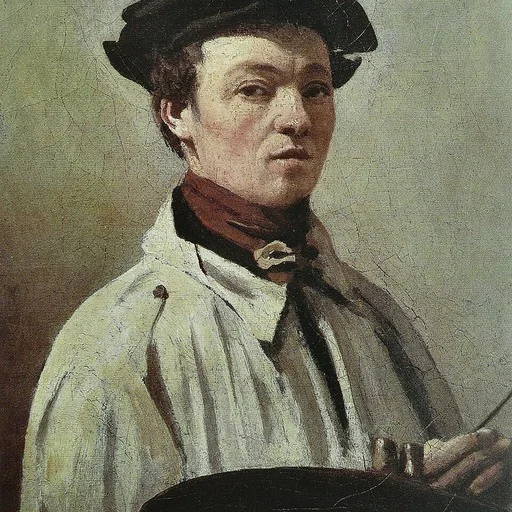
Hill is a subject in art. The gallery holds 152 works in this subject in art, including works by Jean Baptiste Camille Corot, Thomas Cole and Albert Bierstadt.
"Hill" is at once an English and Scottish surname—the 36th most common in England, 18th in Scotland, and 37th in the United States, denoting an ancestor who dwelt by a hill—and one of the oldest, most resilient motifs in landscape art. As a subject the hill is less a single genre than a foundational compositional device: a swell of land that draws the eye from foreground labour into receding distance, organises light, and lends a scene both intimacy and grandeur.
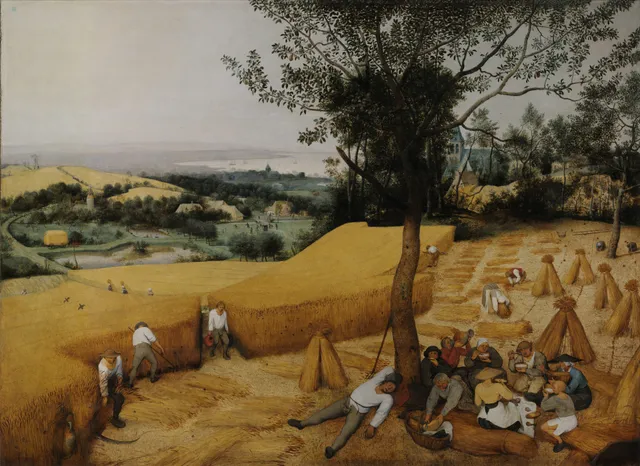
The motif crystallised in the Northern Renaissance, where Netherlandish painters built panoramic "world landscapes" around rising terrain. Pieter Bruegel the Elder's *The Harvesters* (1565, Metropolitan Museum of Art)—part of a six-panel *Months of the Year* cycle commissioned by the Antwerp banker Nicolaes Jonghelinck—sets reapers and a wheat field against sprawling golden hills that recede toward a distant bay, a pioneering fusion of landscape and peasant genre that helped establish landscape as a subject in its own right.
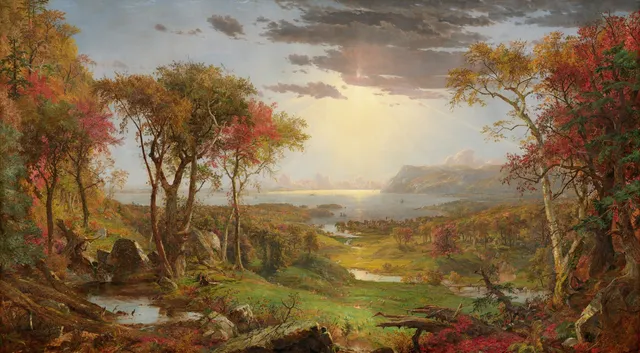
The hill reached its fullest flowering in nineteenth-century America with the Hudson River School, founded when the British-born Thomas Cole hiked into the Catskills in 1825. Its second generation refined a style now called luminism, prizing glowing light, calm atmosphere, and near-invisible brushwork. Jasper Francis Cropsey, "America's painter of autumn," painted his monumental *Autumn—On the Hudson River* (1860) in his London studio; lauded by Queen Victoria and the British press, it looks southeast across hills toward Storm King Mountain. Cropsey's *The Valley of Wyoming*, Alfred Thompson Bricher's coastal scenes, and Thomas Chambers's bold, near-naïve views such as *Lake George and the Village of Caldwell* extend this tradition of hill-framed American vistas.
The surname carries its own roster of landscapists. Thomas Hill (1829–1908), born in Birmingham and an emigrant to America, became the great painter of Yosemite and the Sierra Nevada; the Swedish Carl Fredrik Hill (1849–1911) absorbed the Barbizon School and Corot before mental illness ended his landscape career at twenty-eight; and the Scot David Octavius Hill (1802–1870), a Perthshire landscapist, helped transform photography into an art form with Robert Adamson. Together motif and name trace landscape painting's long arc—from Flemish panorama through Romantic nationalism to the threshold of modern light.
Key artists

Works
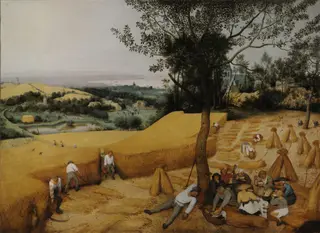 The Harvesters
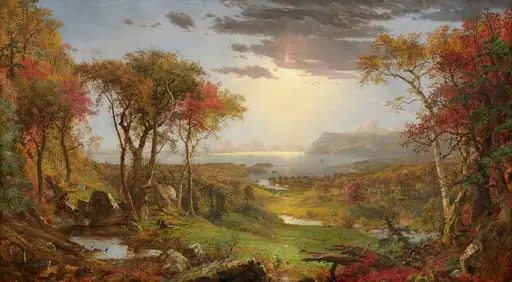 Autumn - On the Hudson River
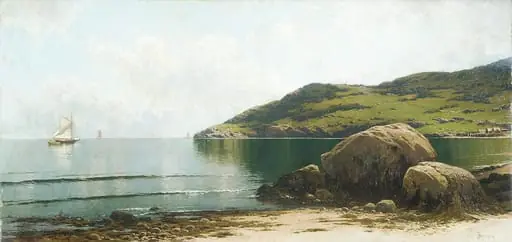 Marine Landscape
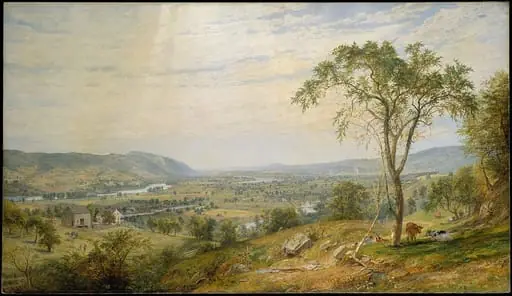 The Valley of Wyoming
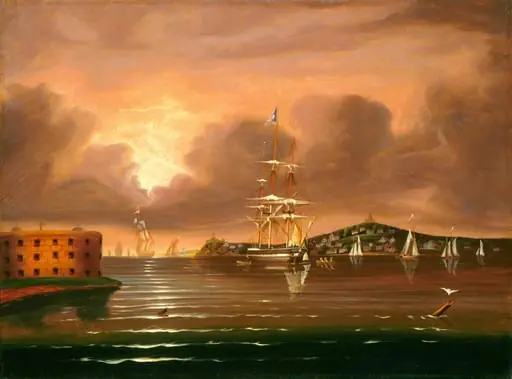 Threatening Sky, Bay of New York
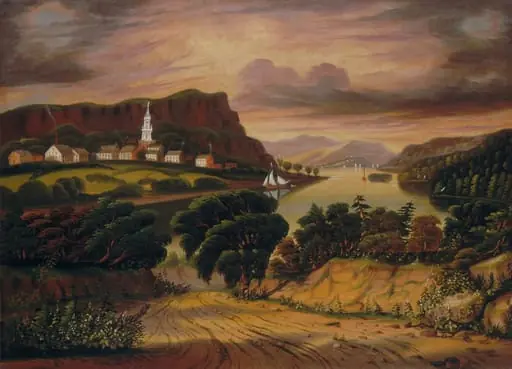 Lake George and the Village of Caldwell
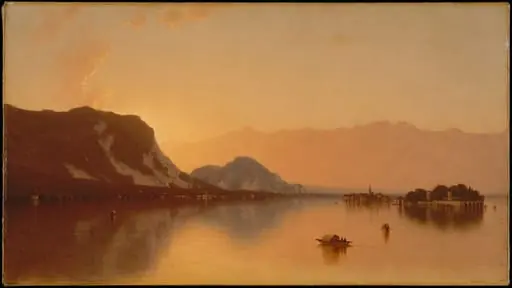 Isola Bella in Lago Maggiore
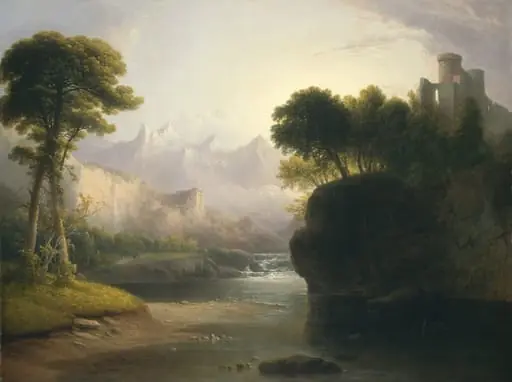 Fanciful Landscape
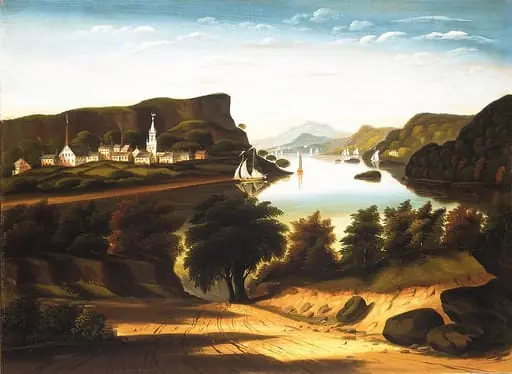 Lake George and the Village of Caldwell
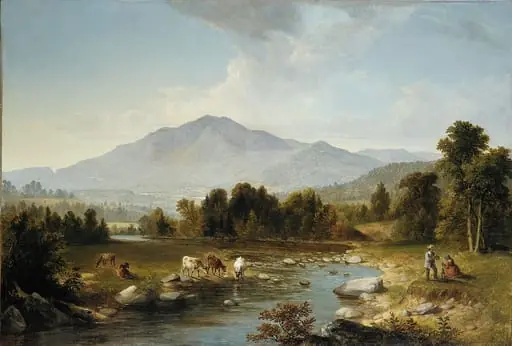 High Point: Shandaken Mountains
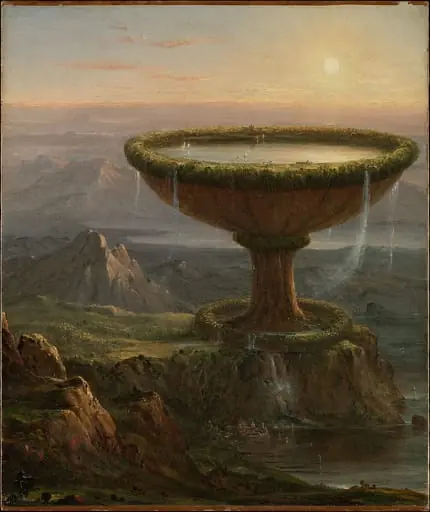 The Titan's Goblet
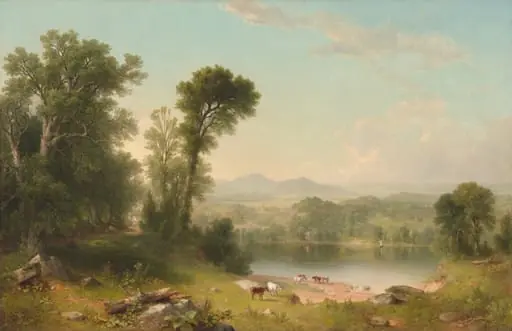 Pastoral Landscape
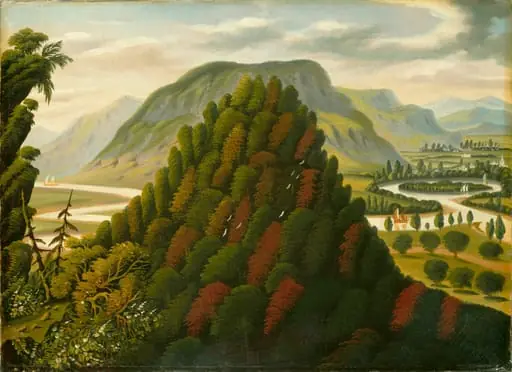 The Connecticut Valley
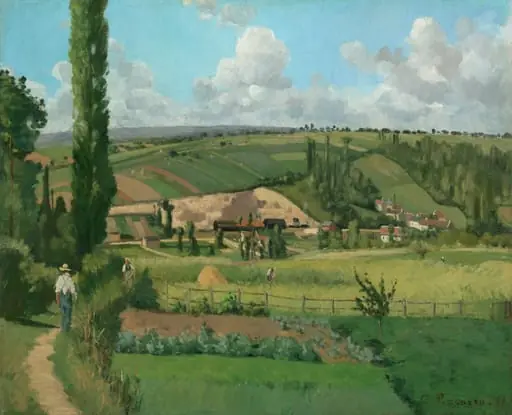 Landscape at Les Pâtis, Pontoise
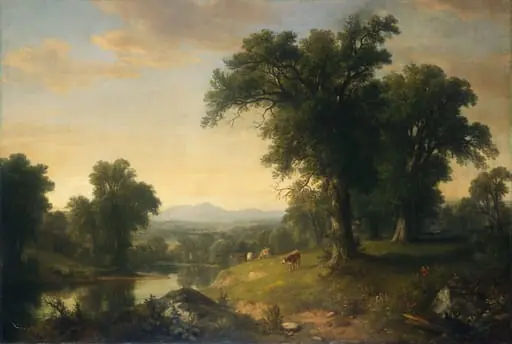 A Pastoral Scene
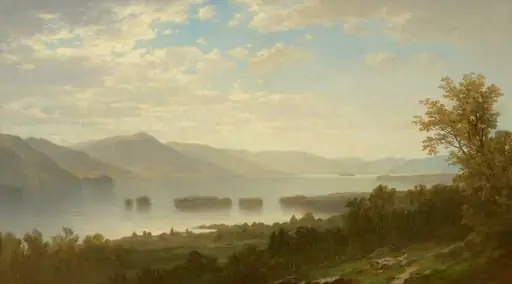 Lake George
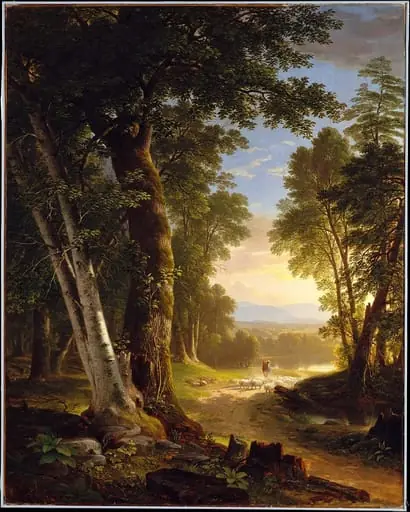 The Beeches
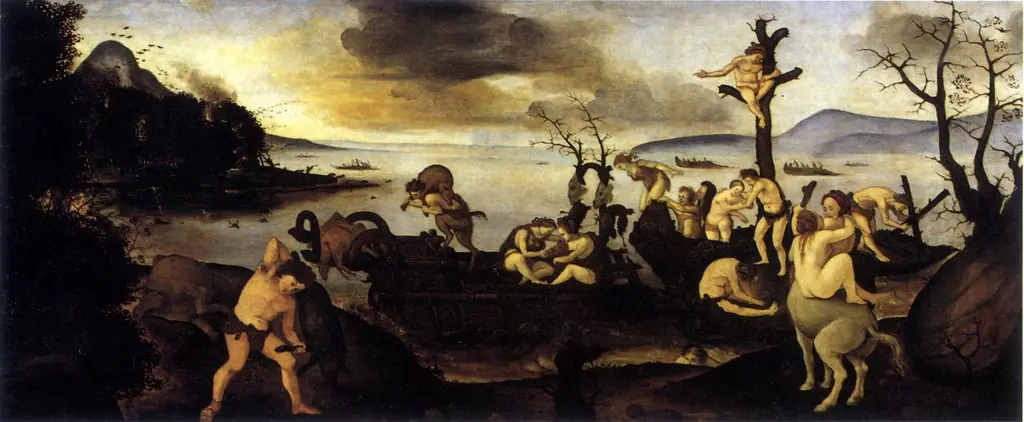 Return from the Hunt by Piero di Cosimo
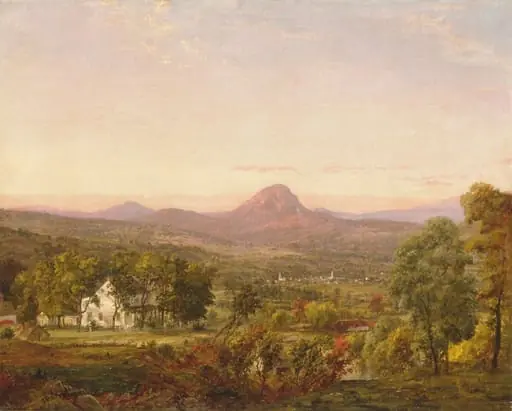 Autumn Landscape, Sugar Loaf Mountain, Orange County, New York
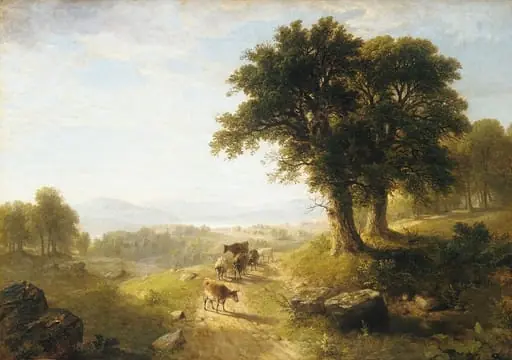 River Scene
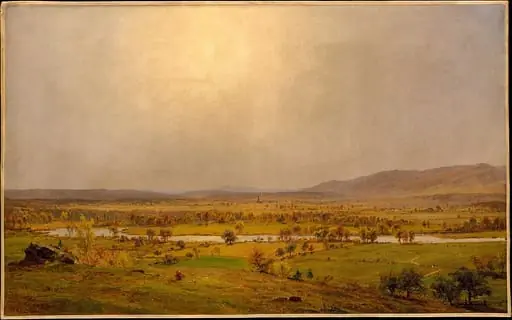 Pompton Plains, New Jersey
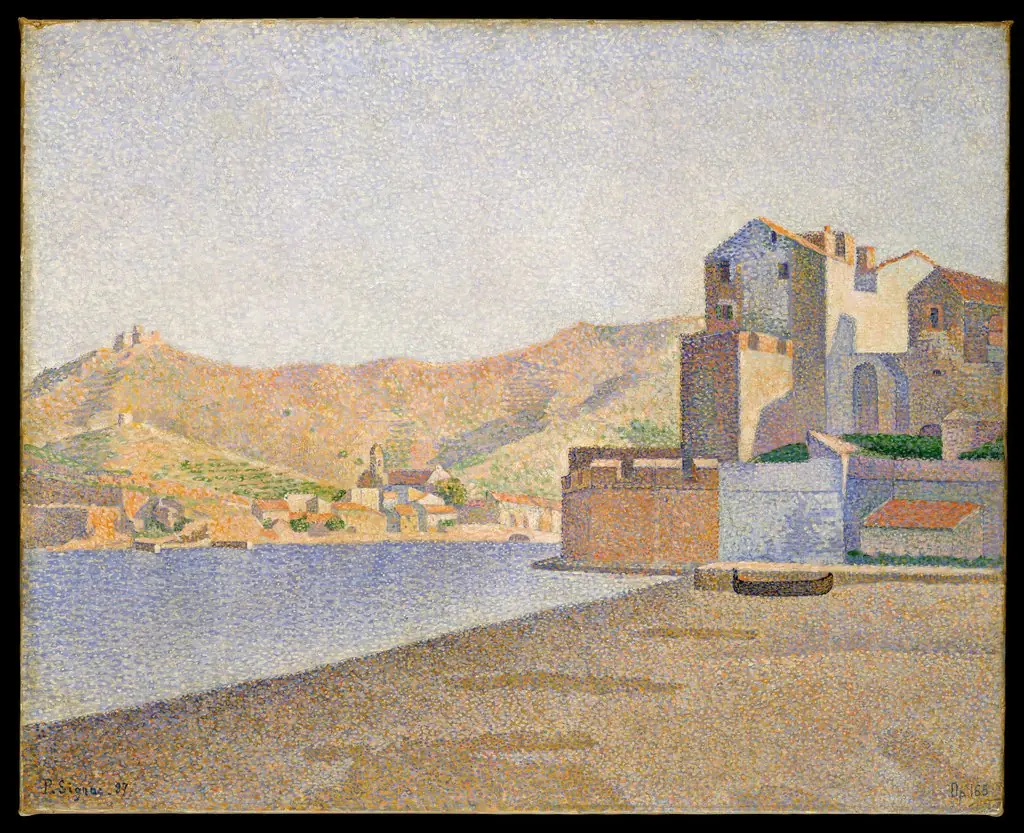 The Town Beach, Collioure, Opus 165
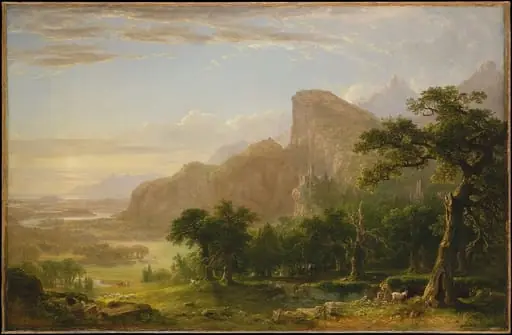 Landscape—Scene from "Thanatopsis"
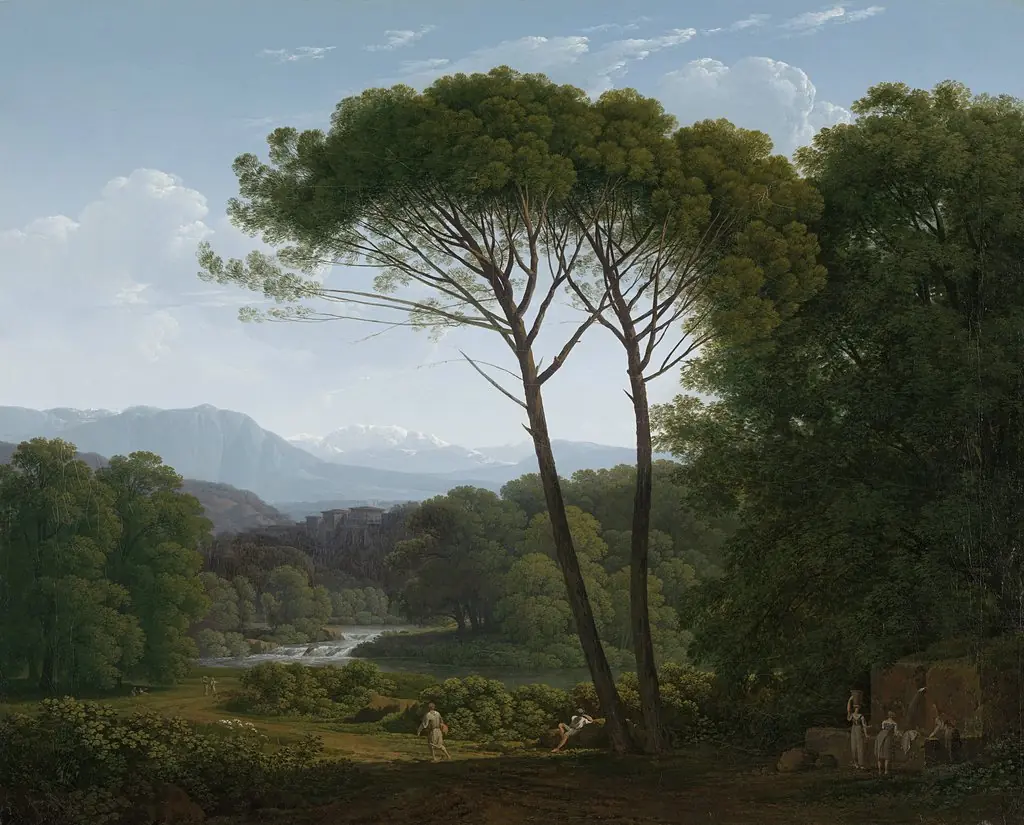 Italianate Landscape with Pines
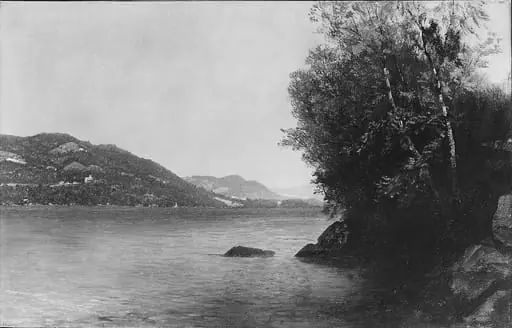 Lake George, A Reminiscence
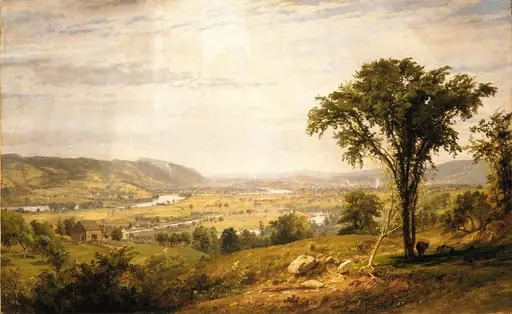 Wyoming Valley, Pennsylvania
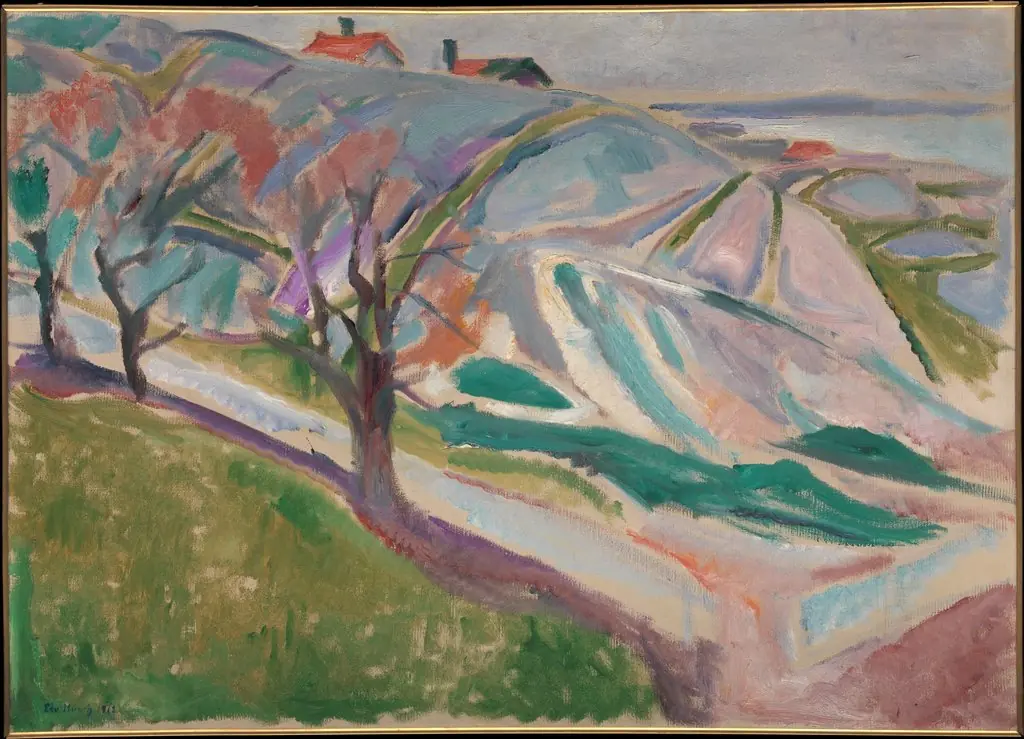 Landscape from Kragerø
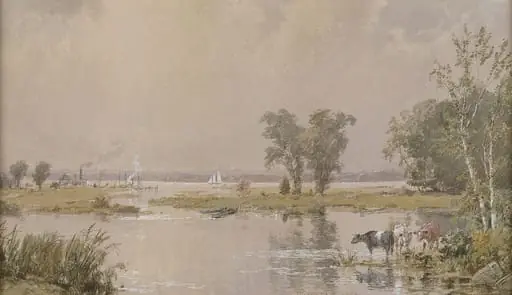 Hackensack Meadows
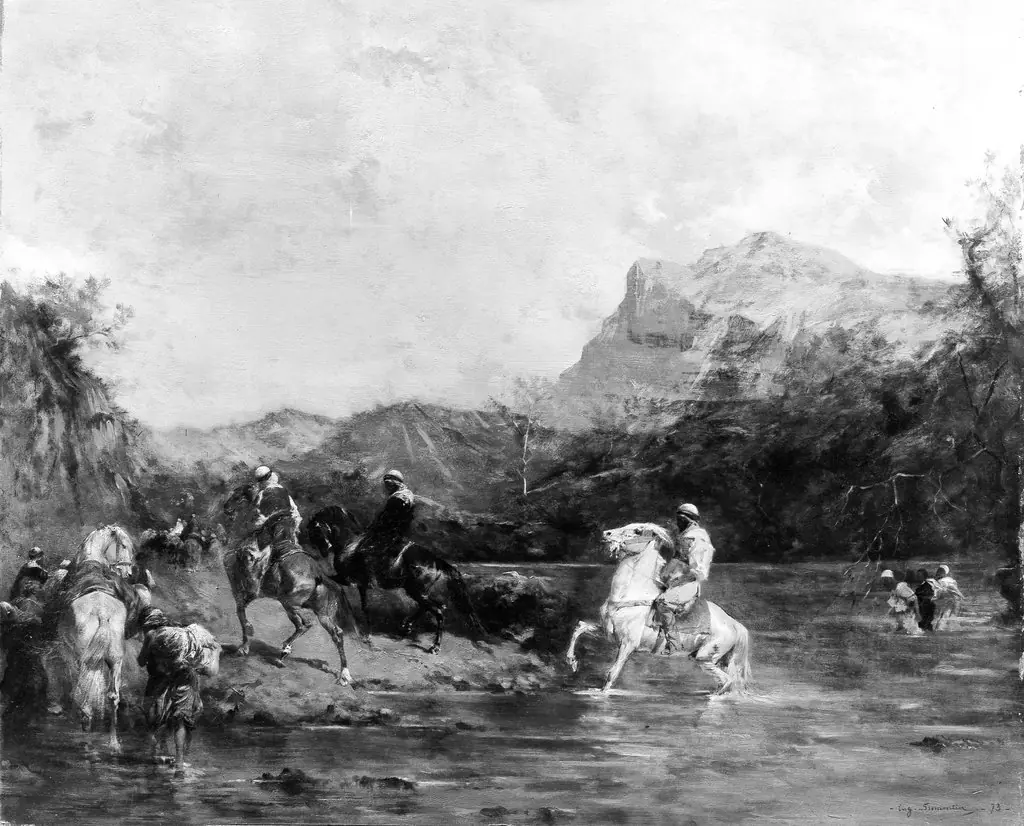 Arabs Crossing a Ford
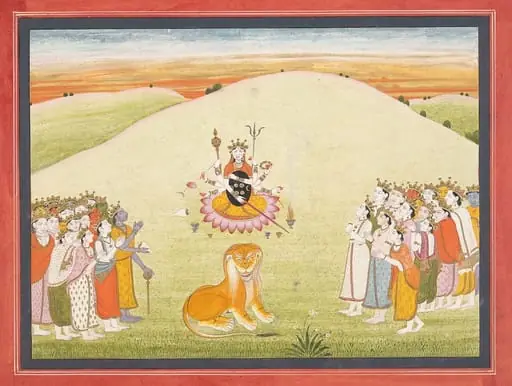 Untitled
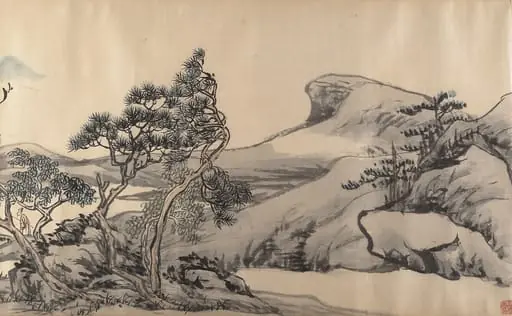 清 張賜寧 設色山水 卷|Landscape
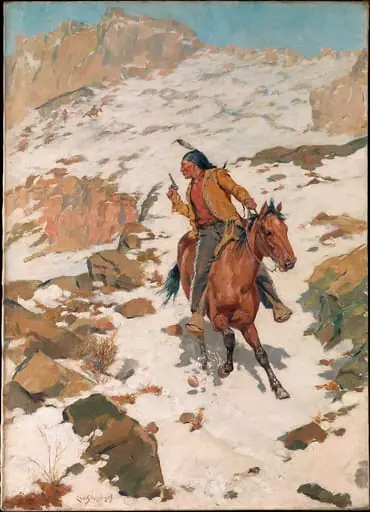 In Hot Pursuit
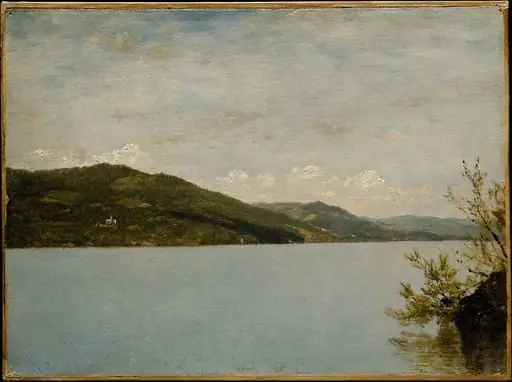 Lake George, 1872
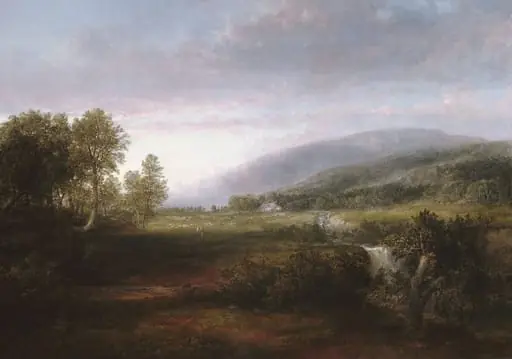 Spring Landscape
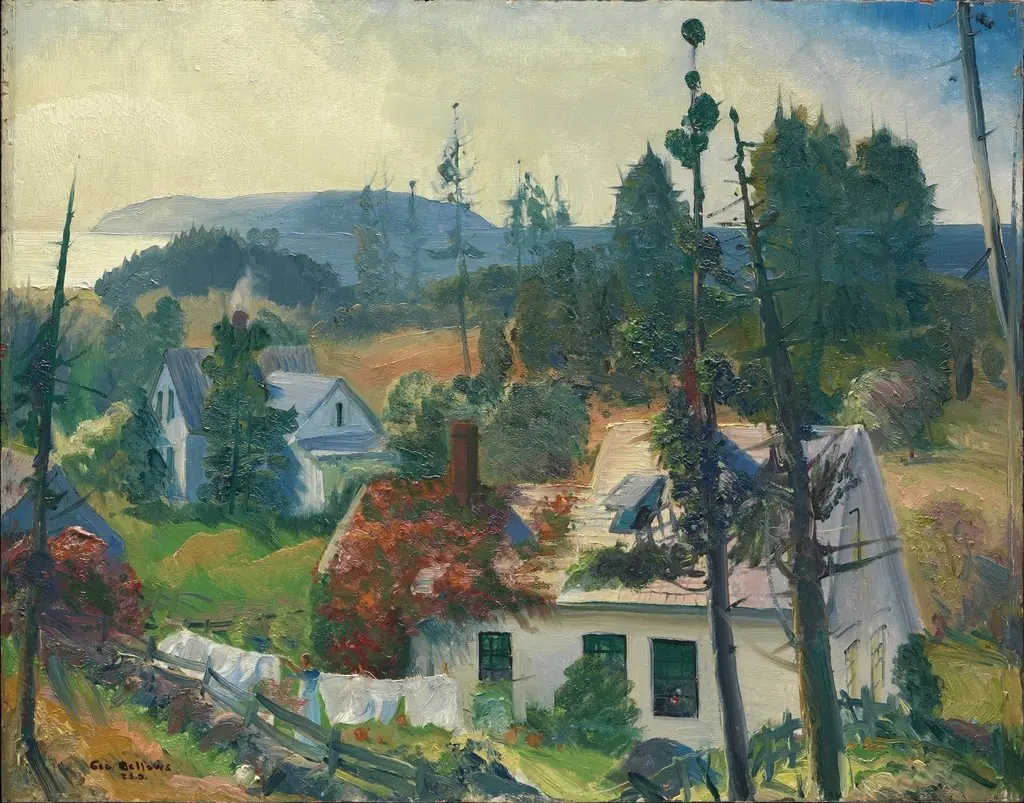 The Red Vine, Matinicus Island, Maine
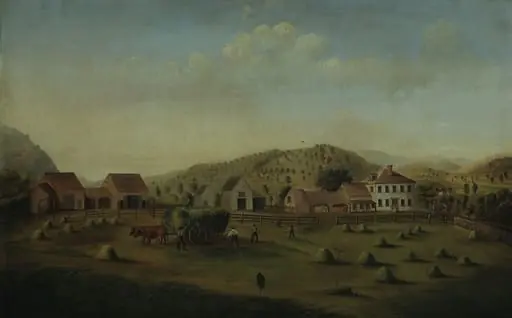 Leete Farm, West Claremont, New Hampshire
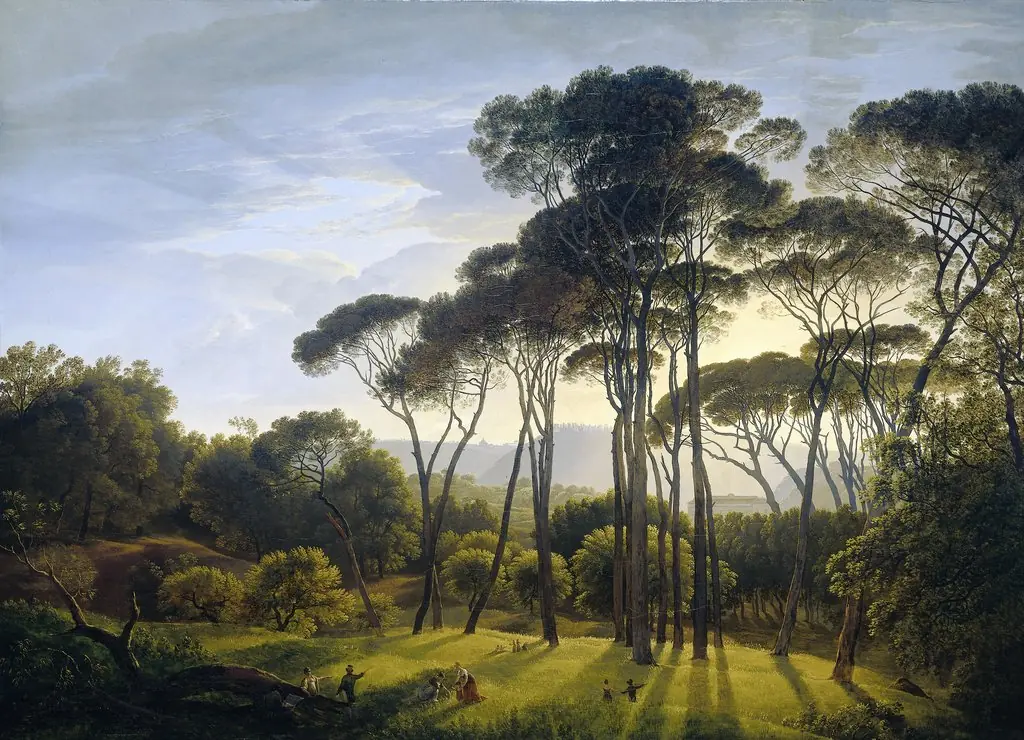 Italian Landscape with Umbrella Pines
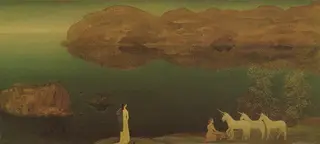 Unicorns (Legend—Sea Calm)
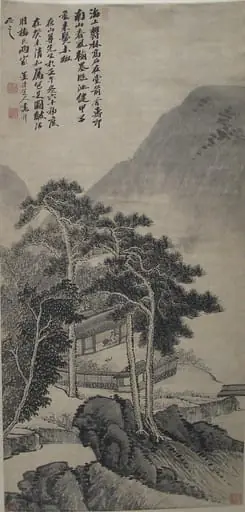 清 佚名 倣吳歷 茂林草堂圖 軸|A Lodge in the Hills
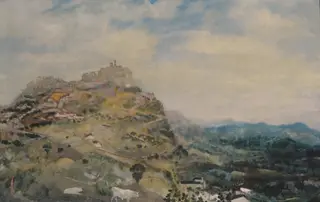 Italian Hill Town
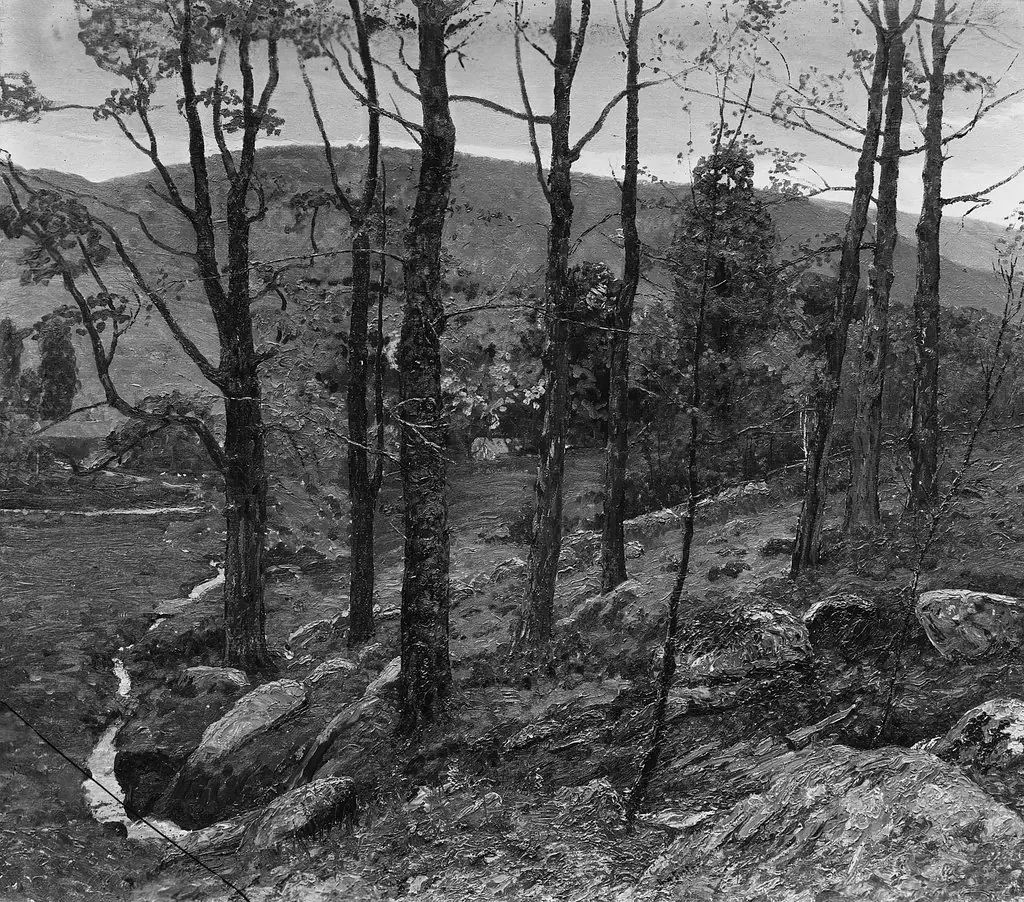 In the Connecticut Hills
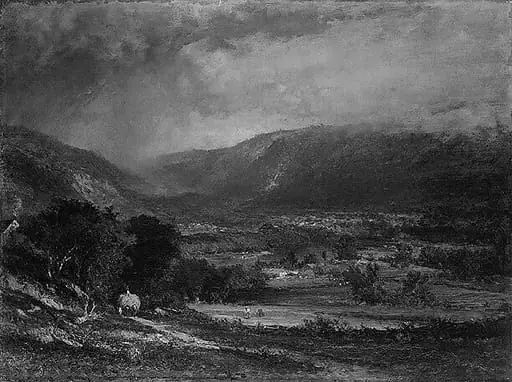 The Delaware Valley
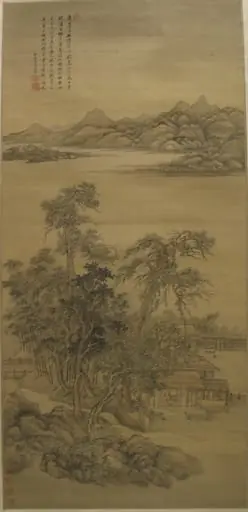 清 佚名 倣王翬 倣李公麟草堂圖 軸|Landscape in the Style of Li Gonglin
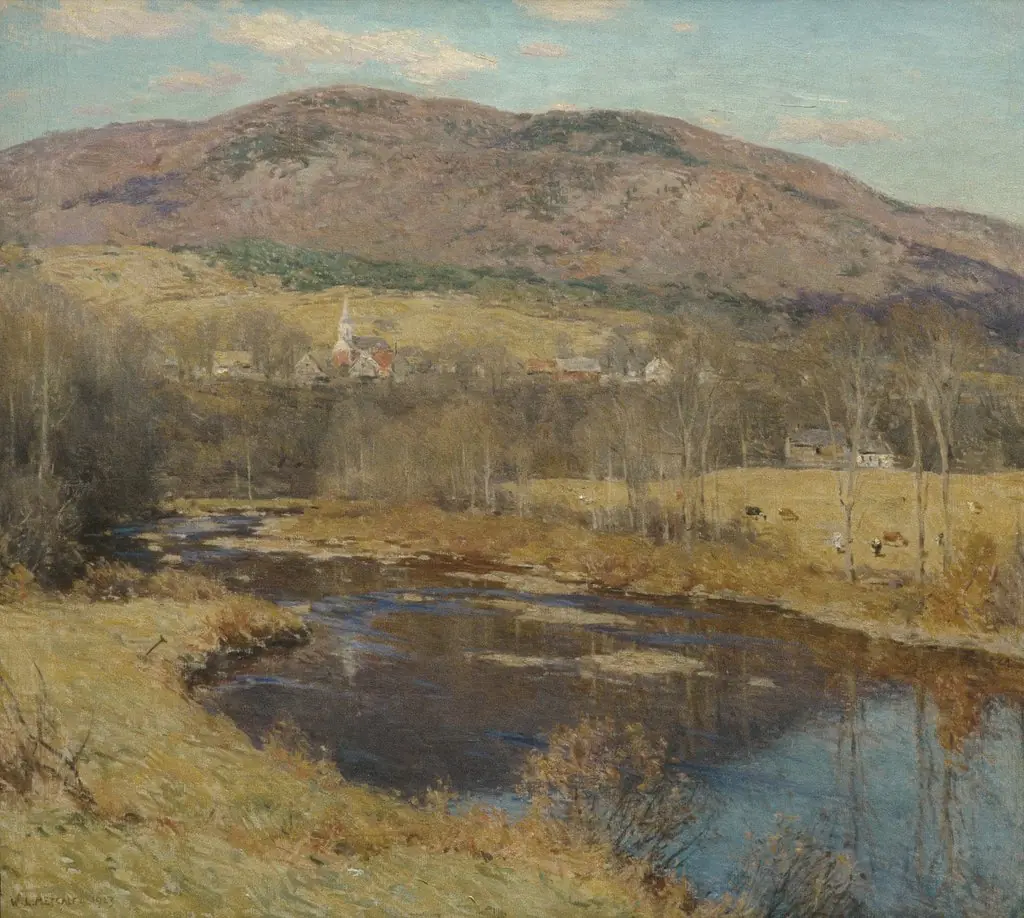 The North Country
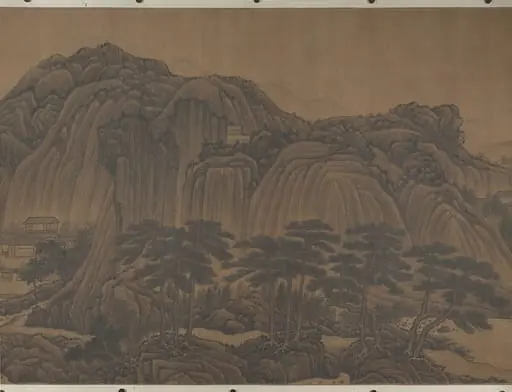 清 佚名 舊傳顧愷之 會稽山圖 卷|The Hills of Kuaiji
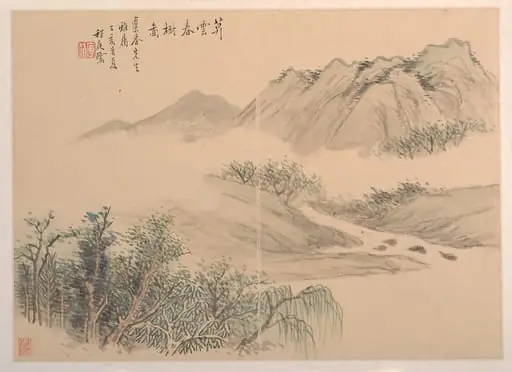 清 程庭鷺 山水 冊頁|Landscape
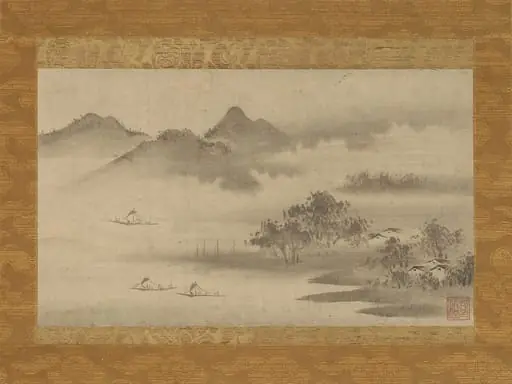 Untitled
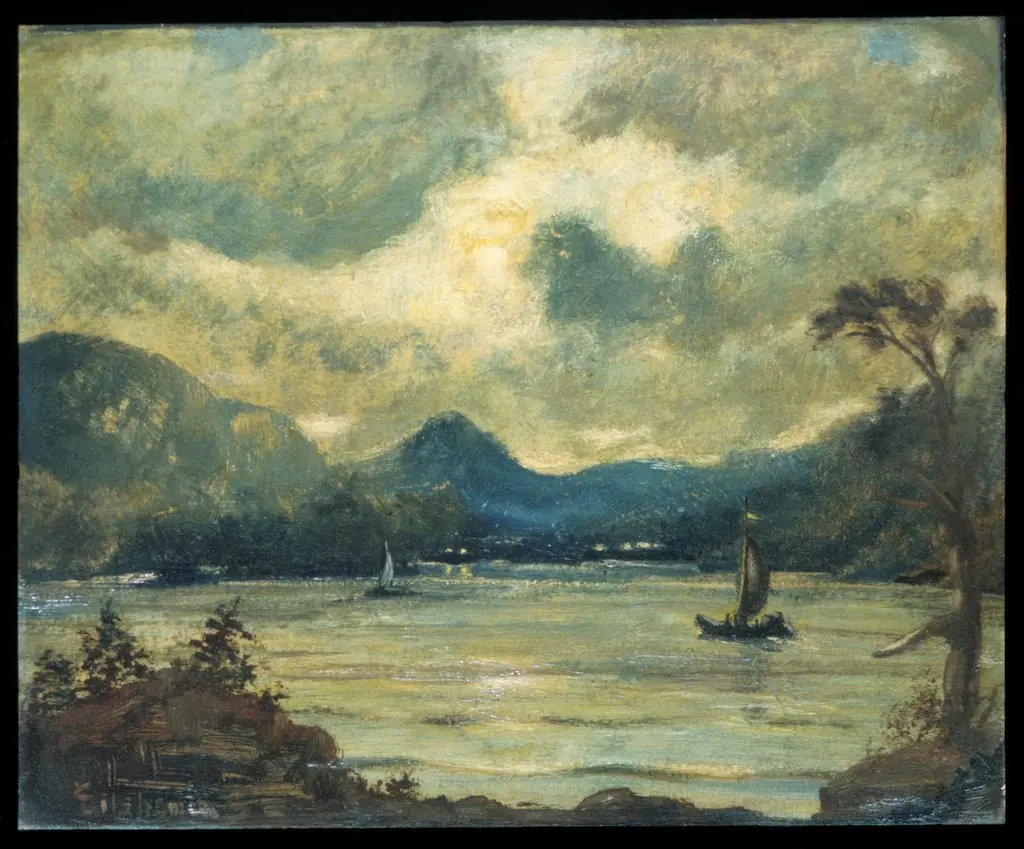 Sailing at Moonlight, Samoa
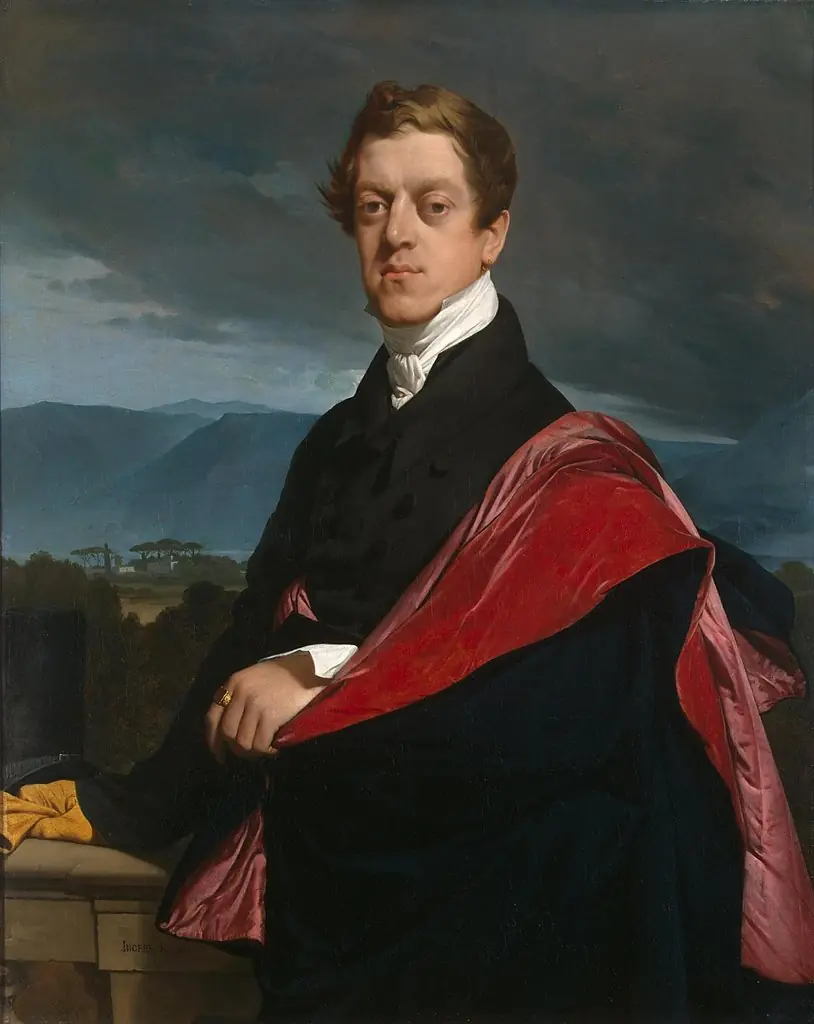 Portrait of Count Nikolay Guryev
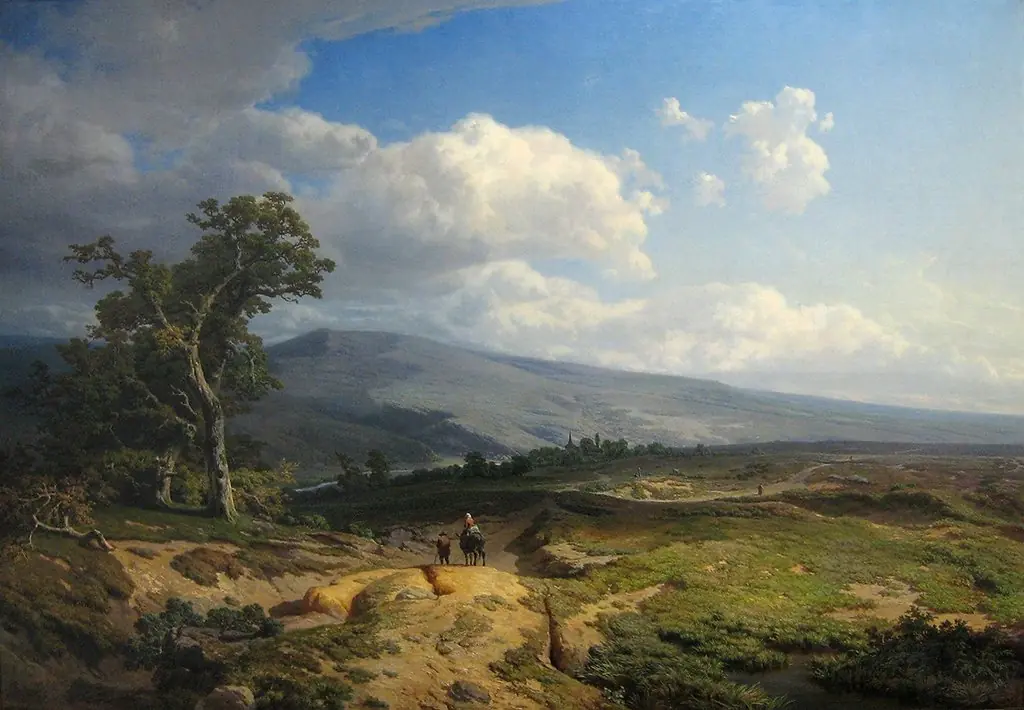 Valley of Amblève
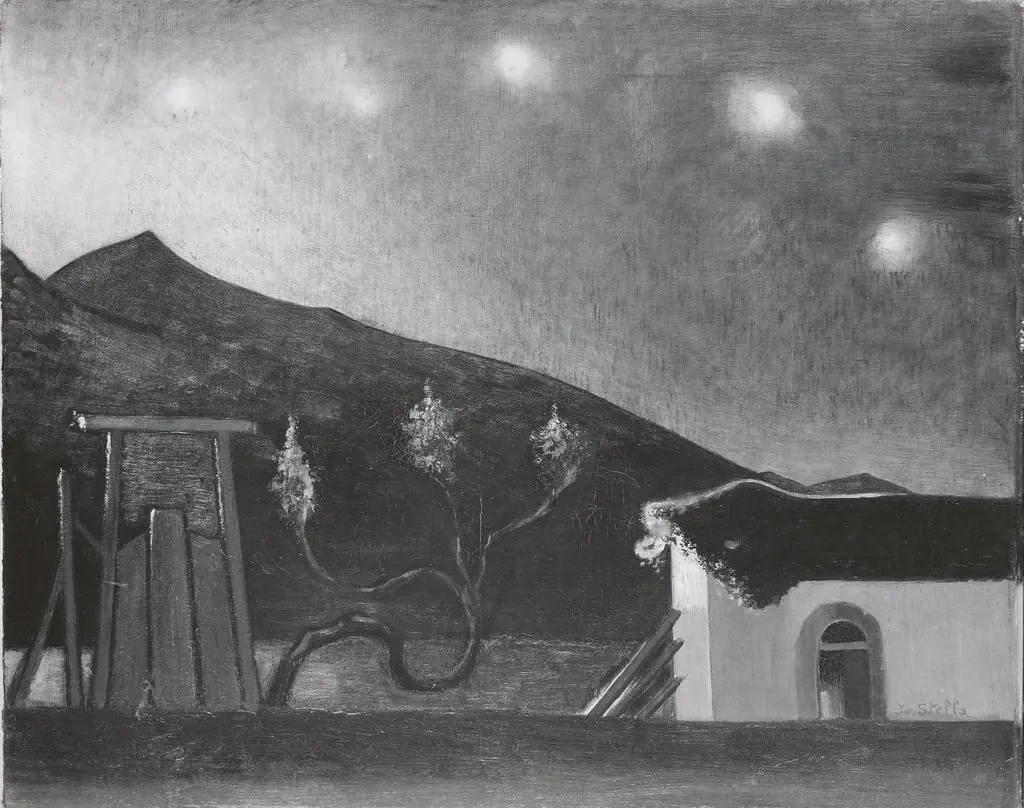 Nocturne
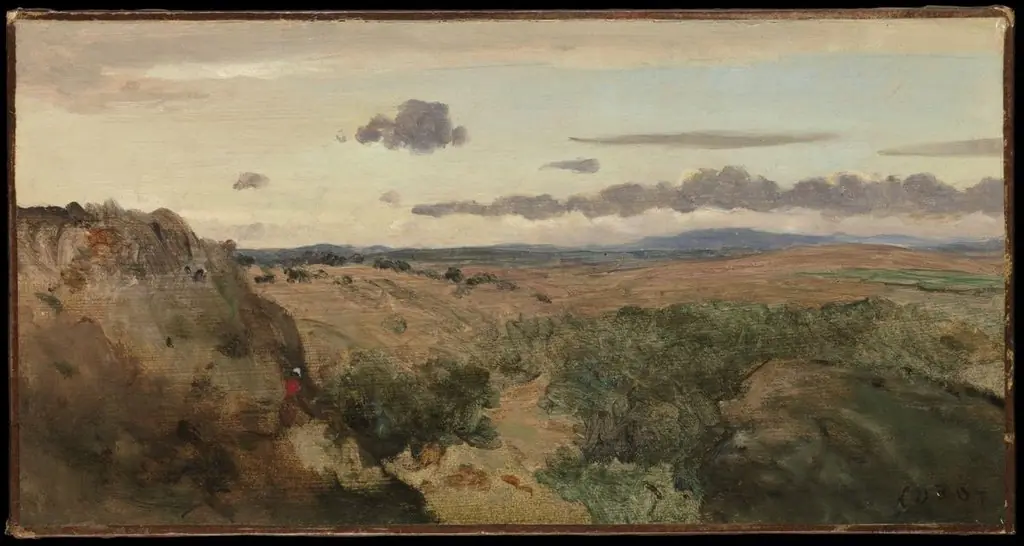 Mountainous Landscape
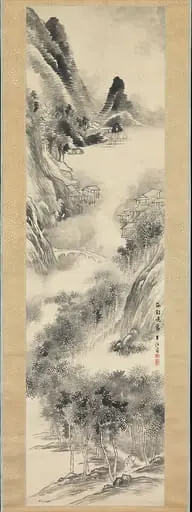 Untitled
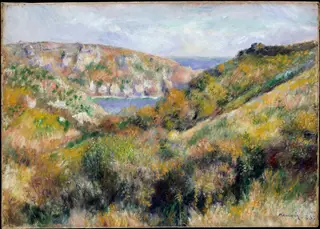 Hills around the Bay of Moulin Huet, Guernsey
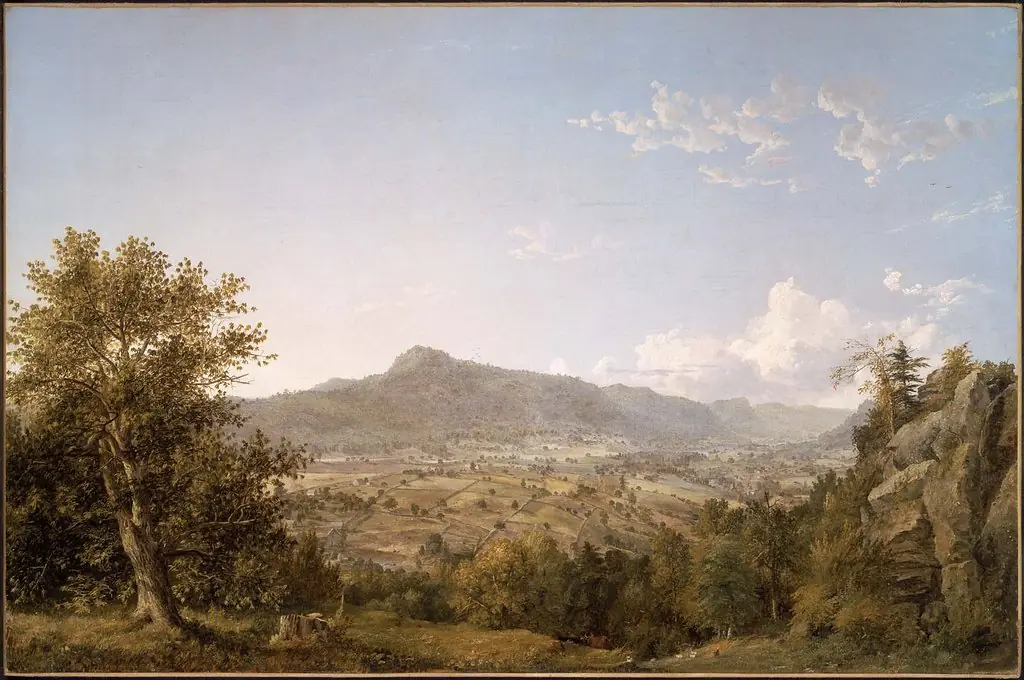 Schatacook Mountain, Housatonic Valley, Connecticut
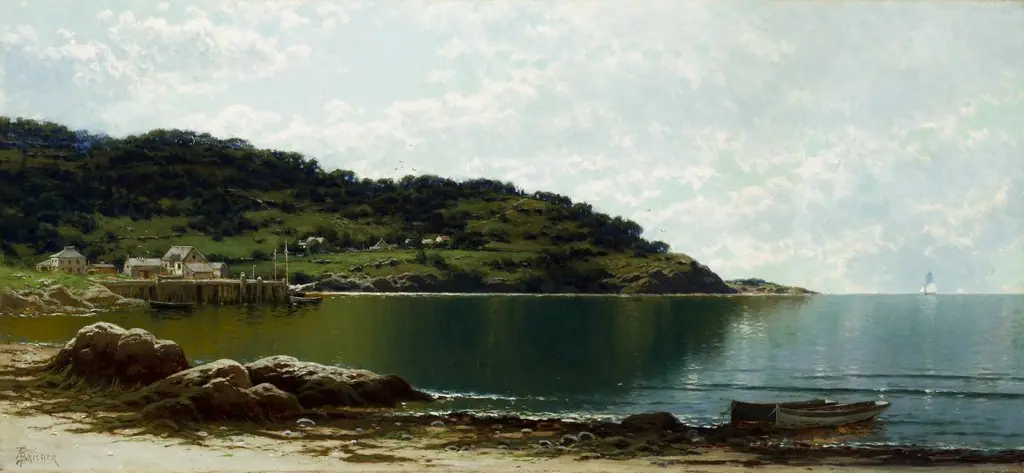 Along the Maine Coast
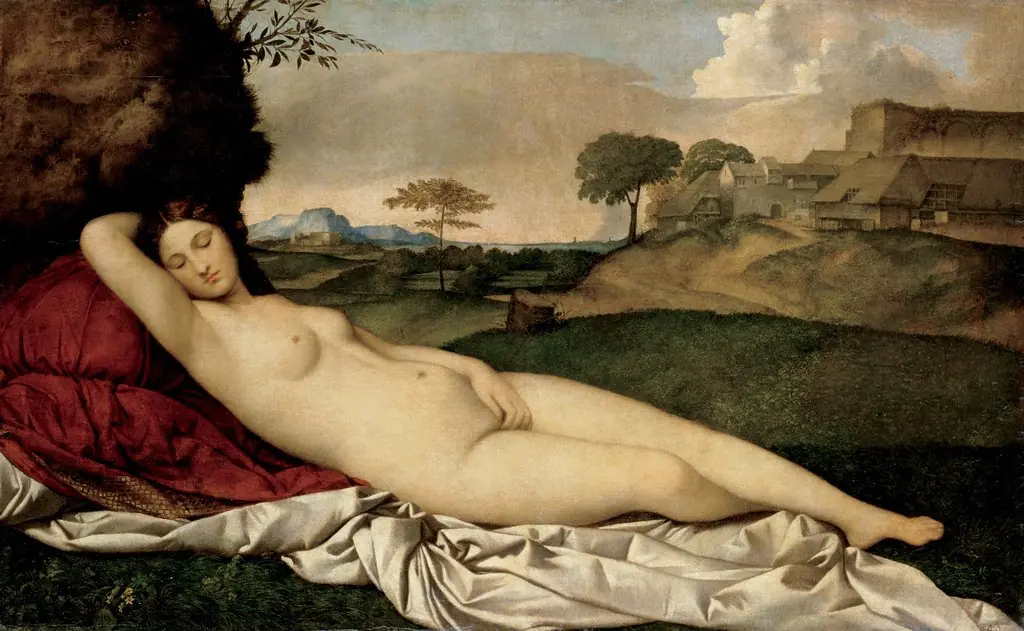 Sleeping Venus
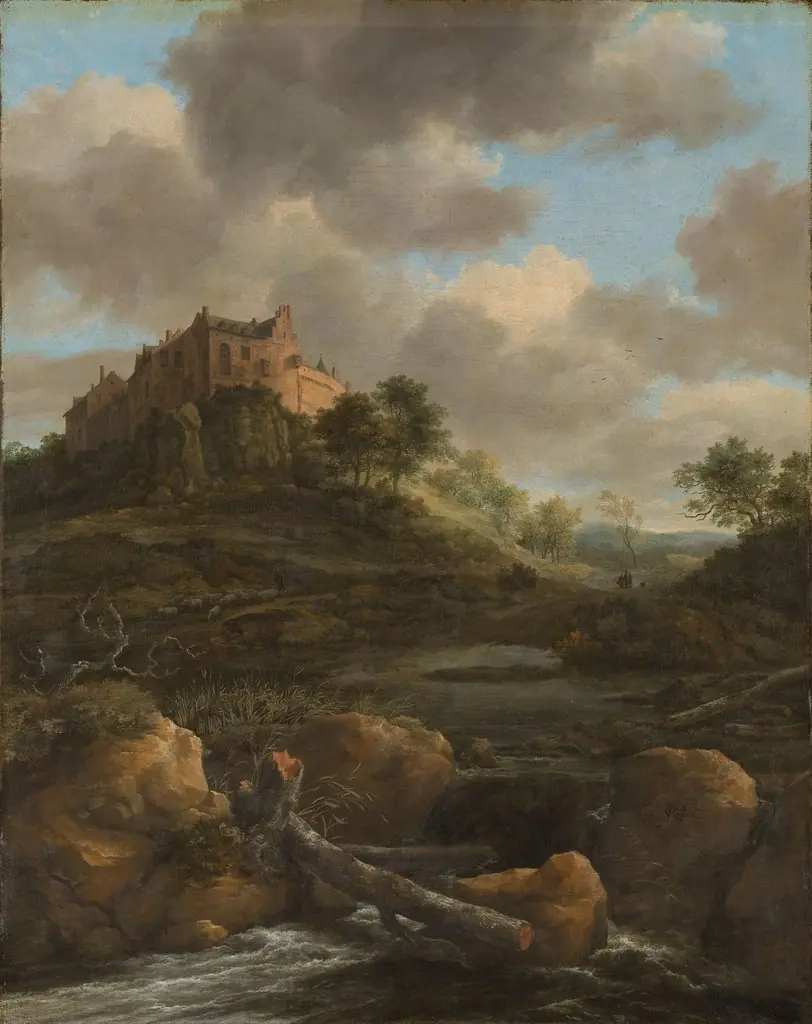 Bentheim Castle
 Between the Cliffs, Newport
 Ellen's Isle
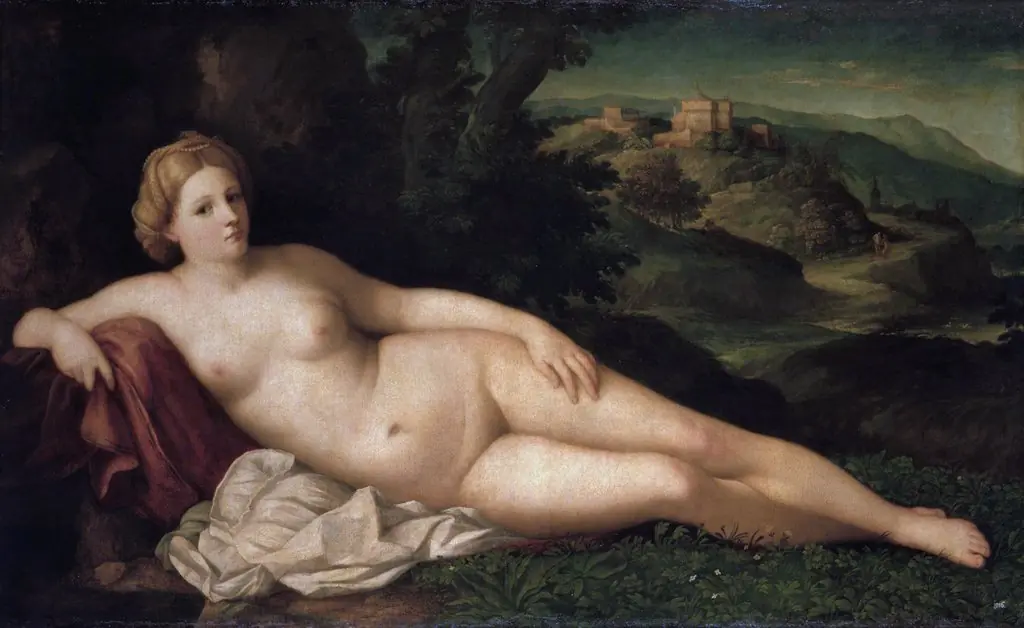 Resting Venus
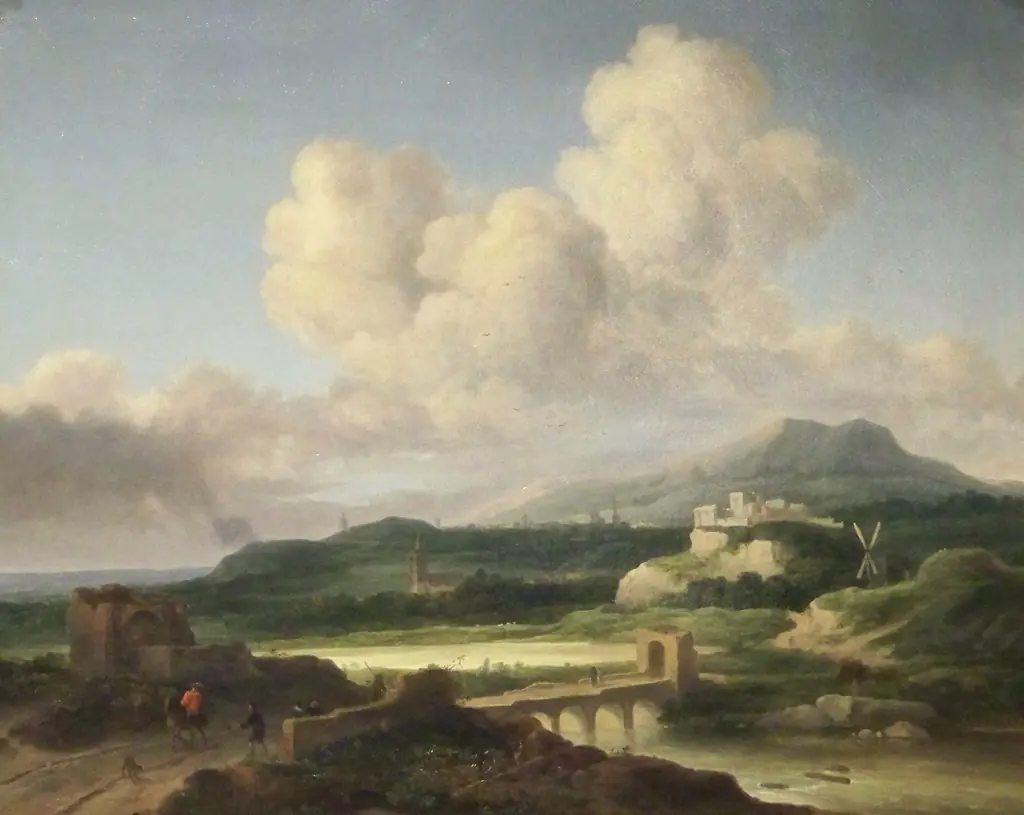 Landscape after Ruisdael
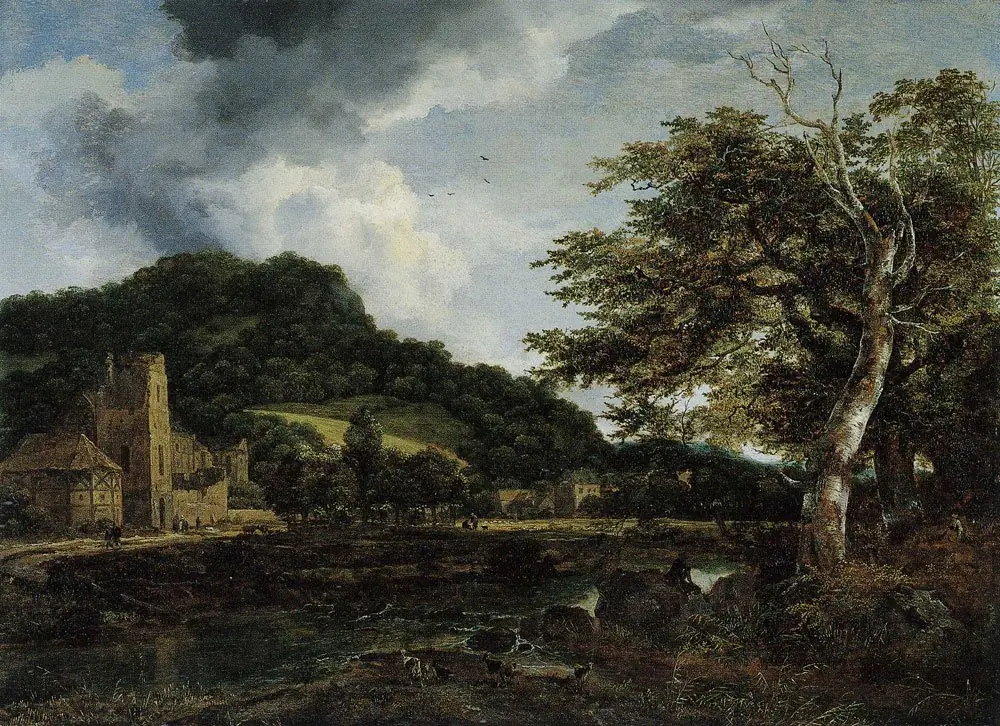 The Cloister
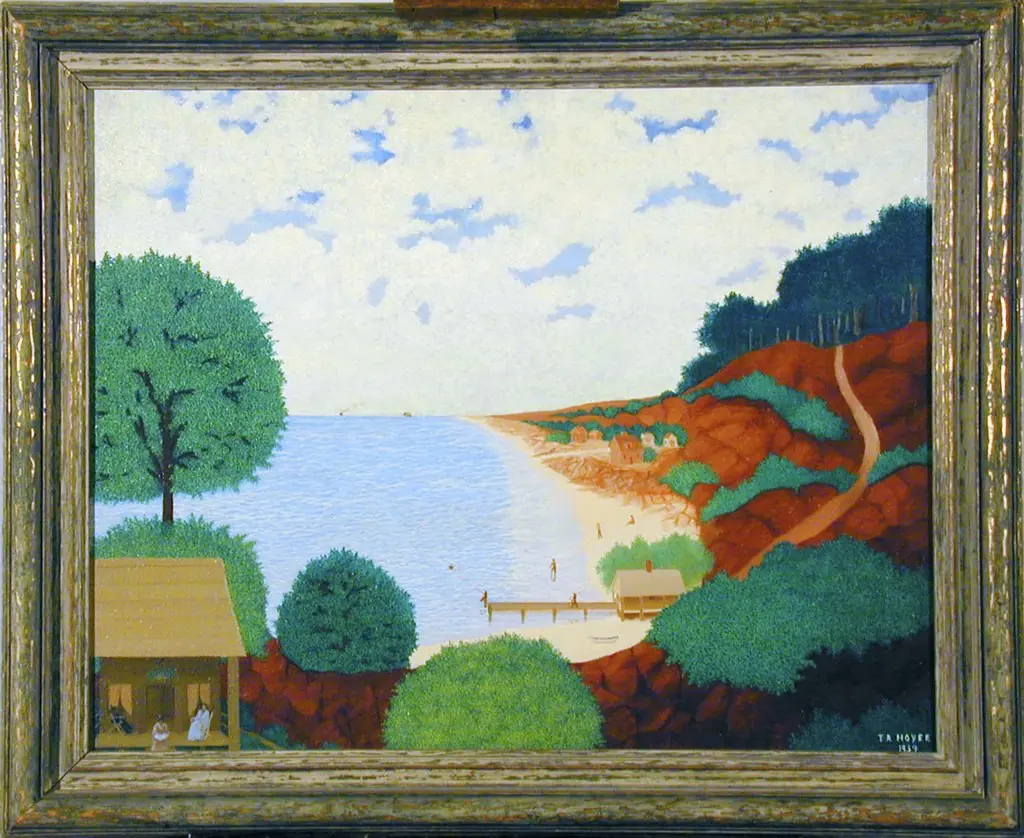 Evening on the Sea Shore
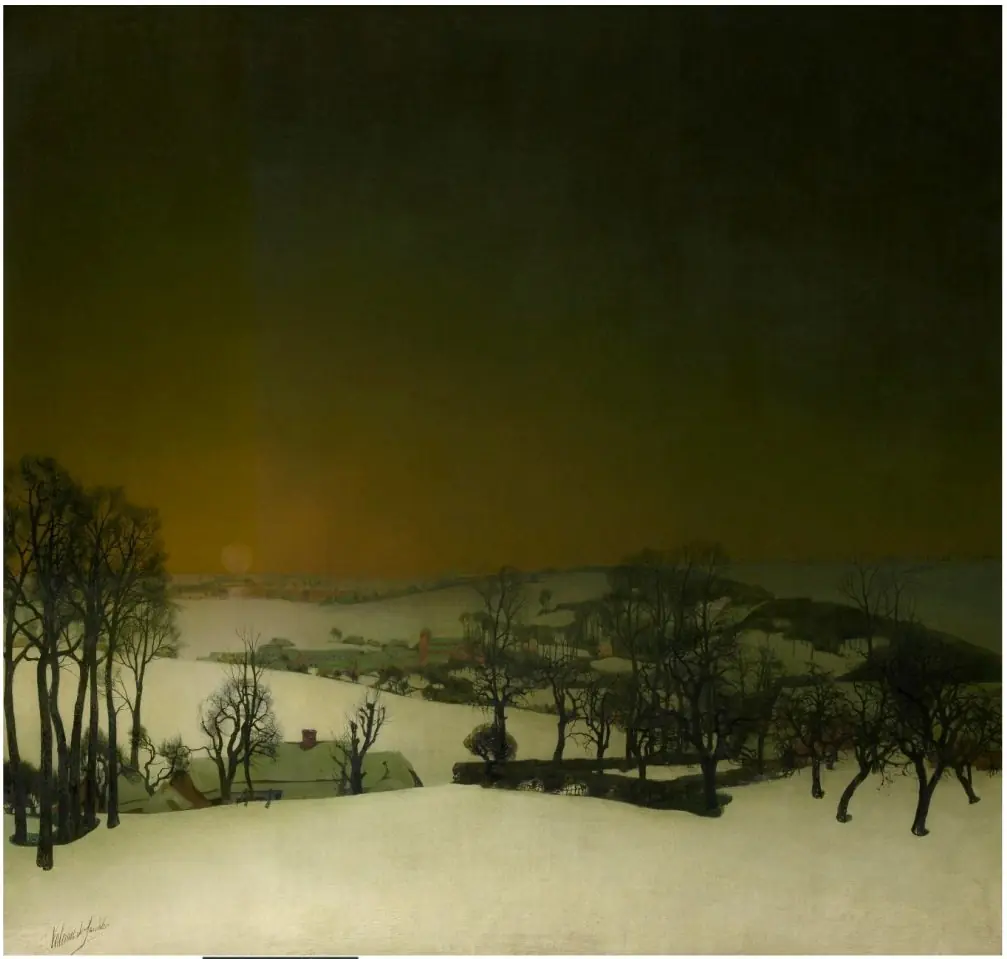 Snow in Flanders
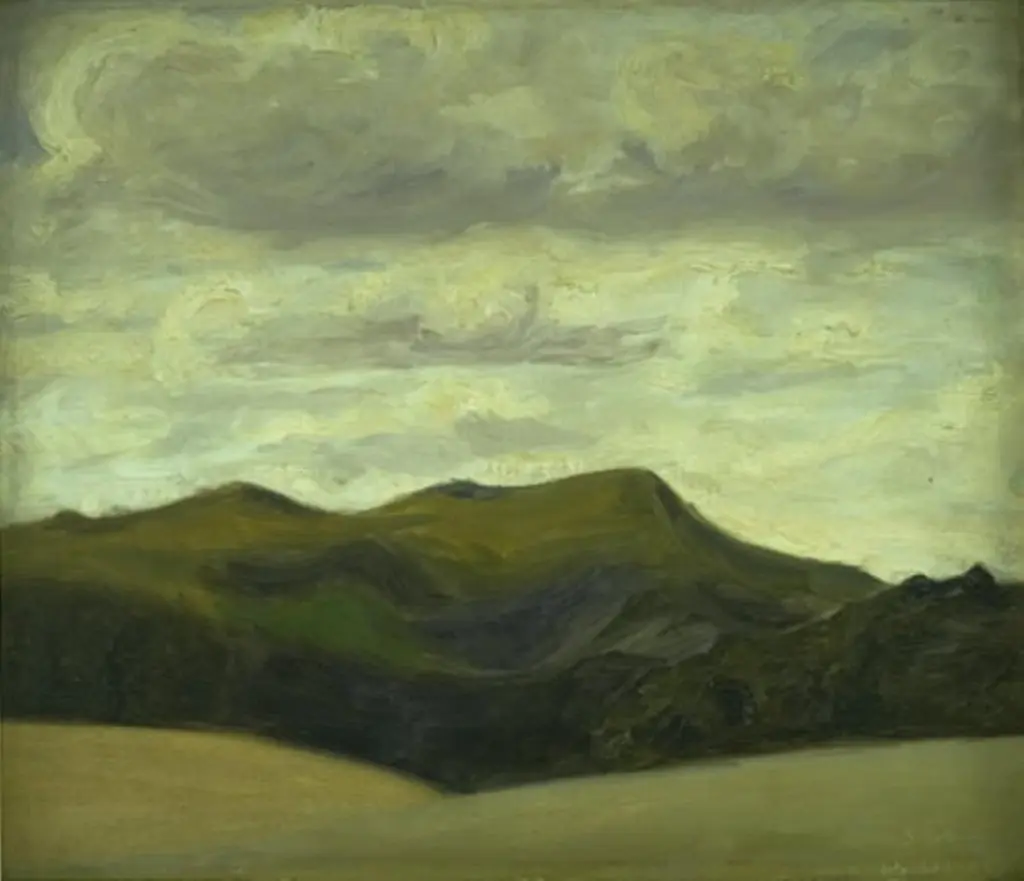 Landscape Near Skørping, Jutland
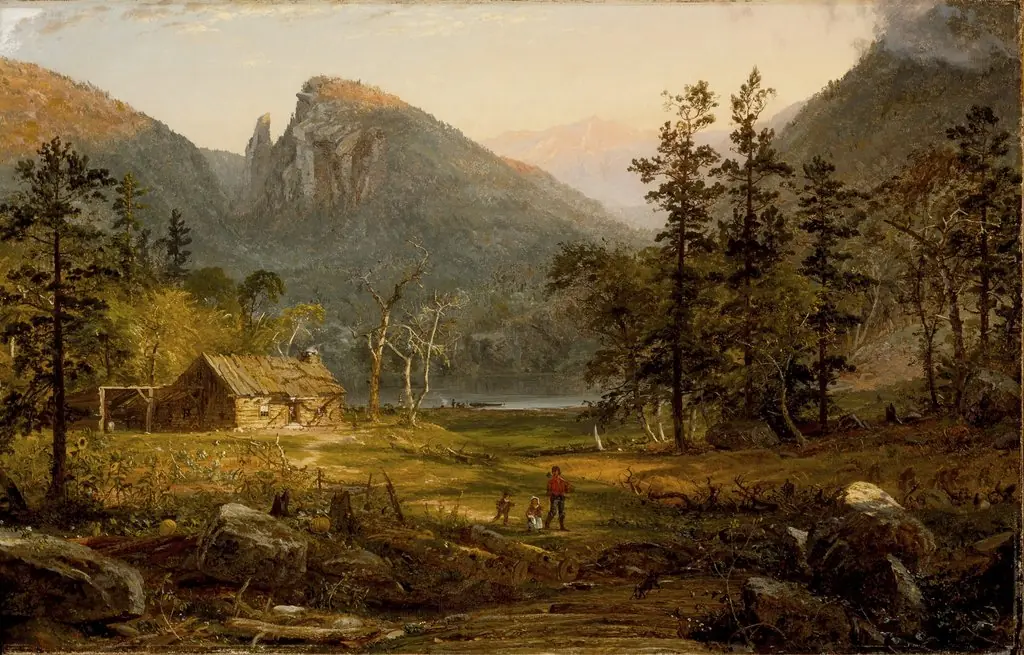 Pioneer's Home, Eagle Cliff, White Mountains
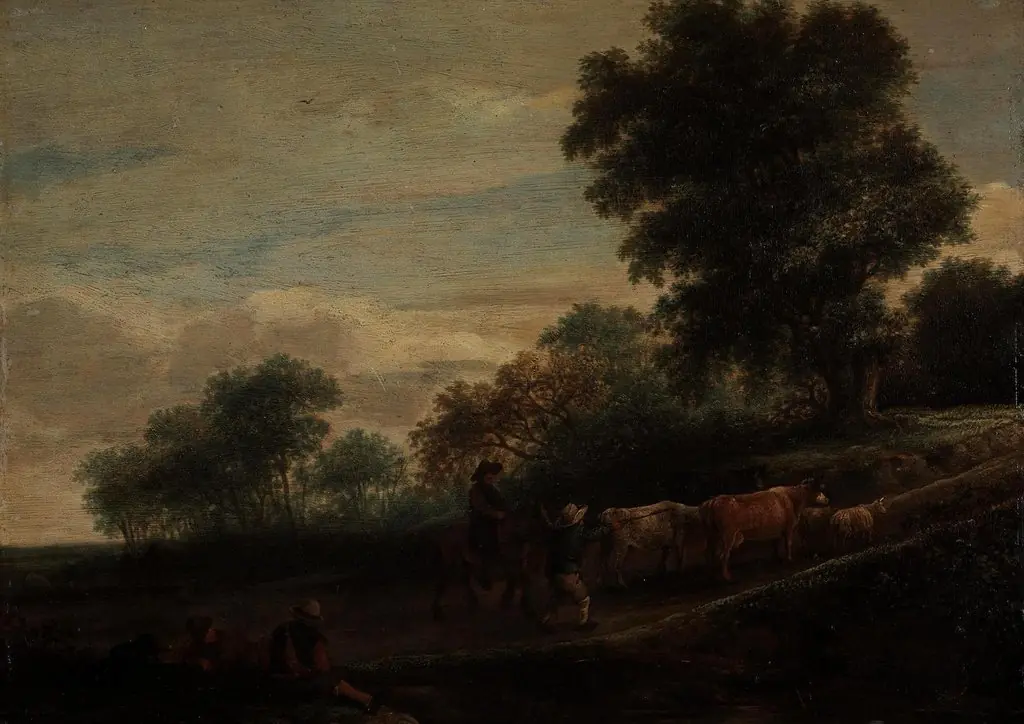 Landscape with Shepherds and Cattle
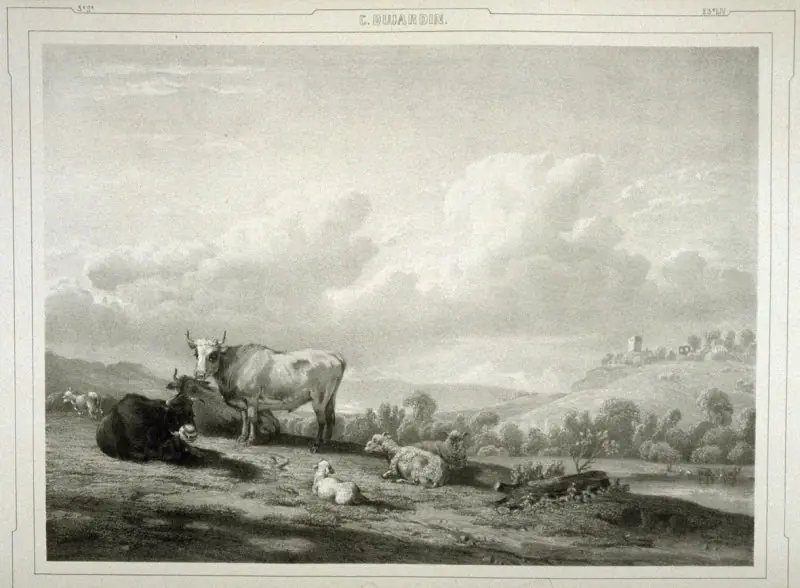 Farm animals at pasture
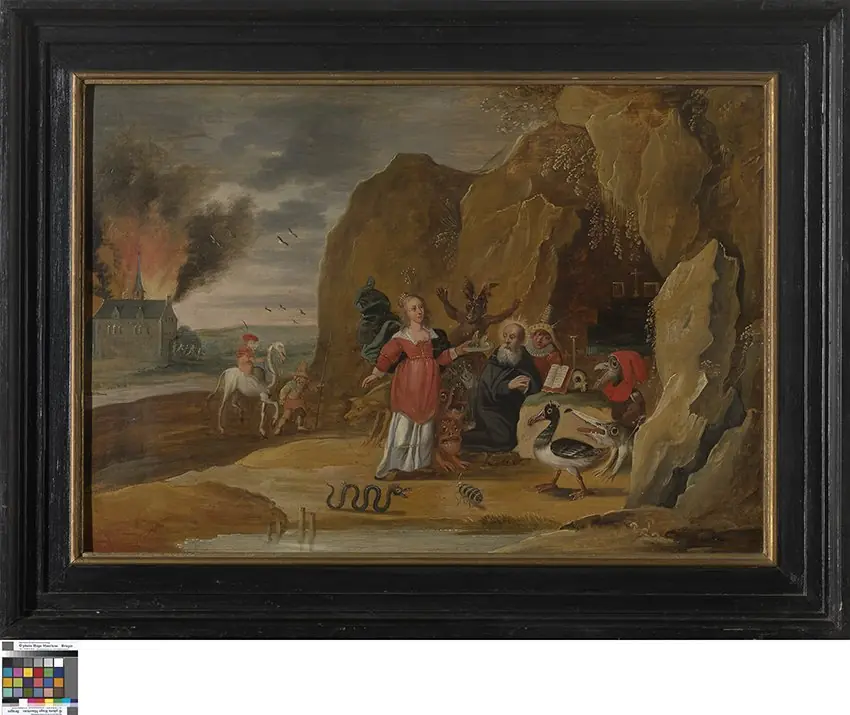 Verzoeking van de heilige Antonius
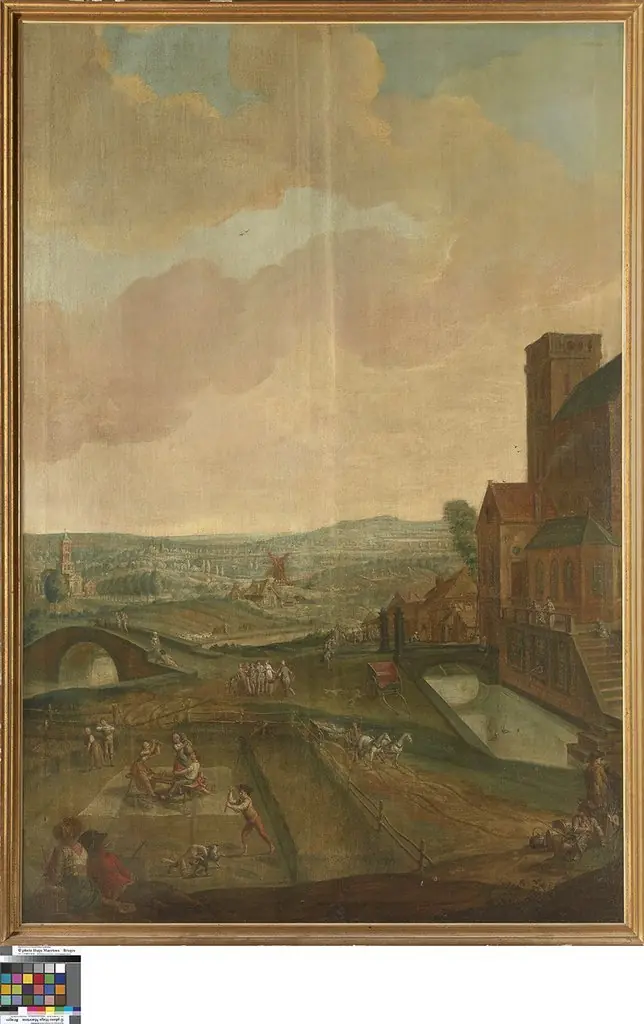 Vlasfeest
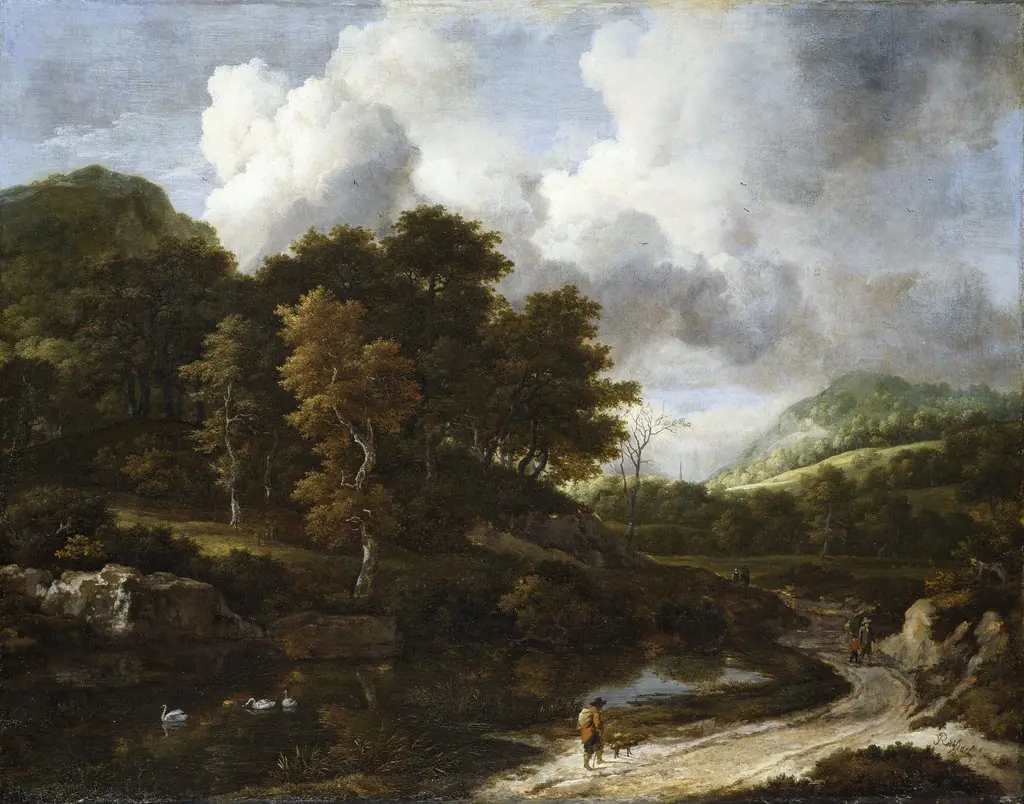 A wooded landscape
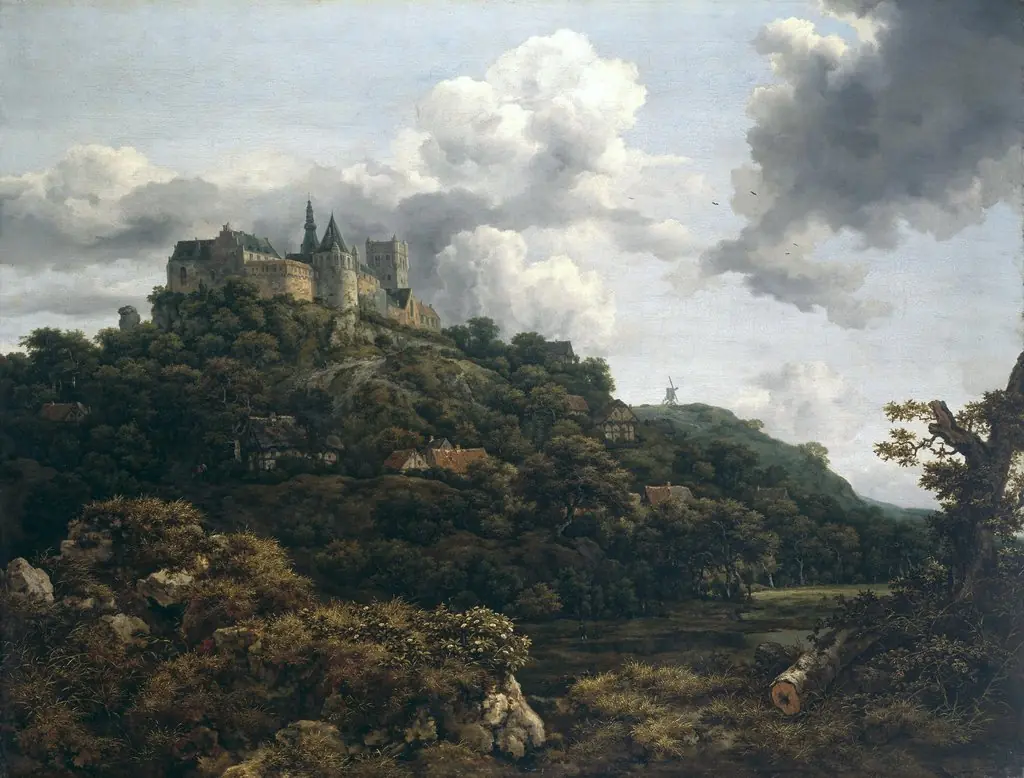 Castle Bentheim
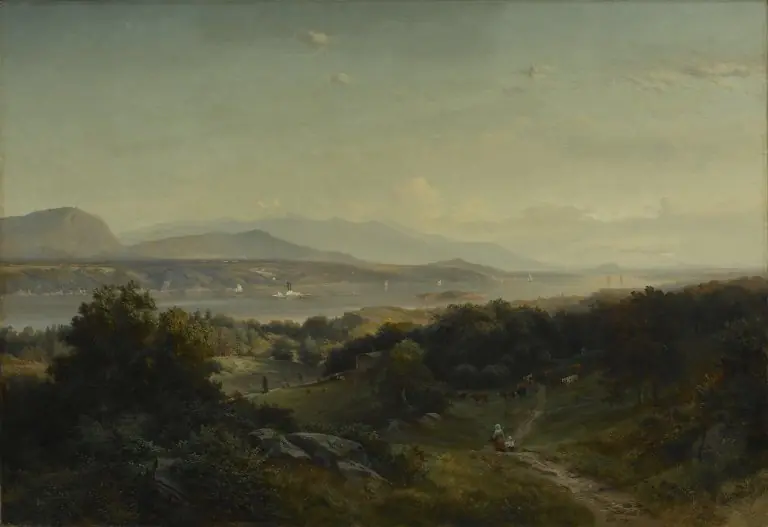 Landscape, Hyde Park, New York
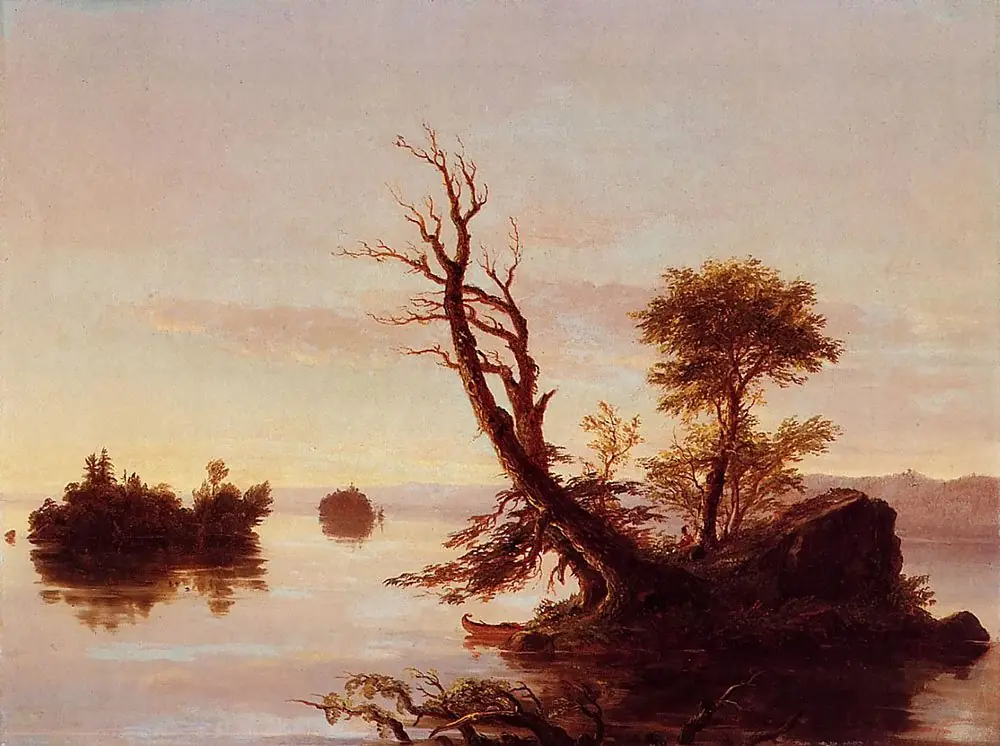 American Lake Scene
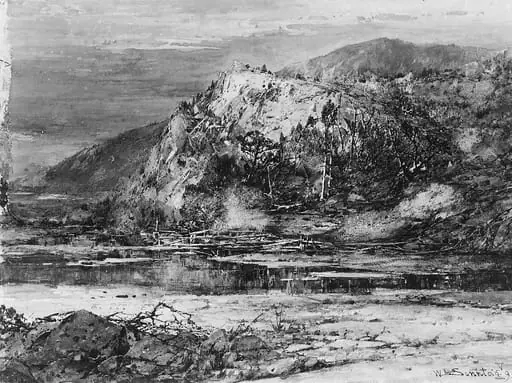 Landscape with Rocky Hills and Stream
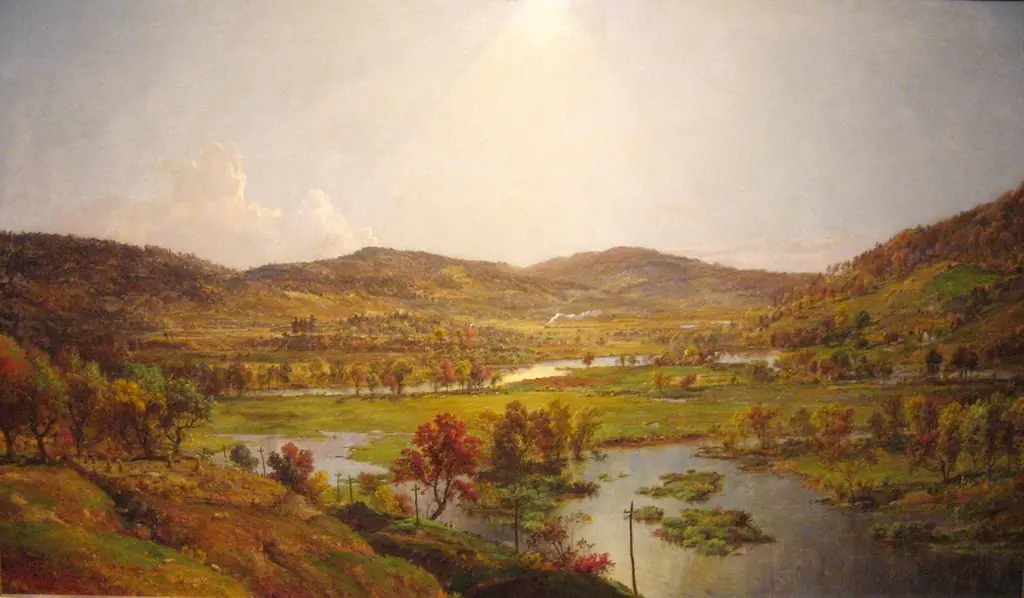 Sidney Plains with the Union of the Susquehanna and Unadilla Rivers
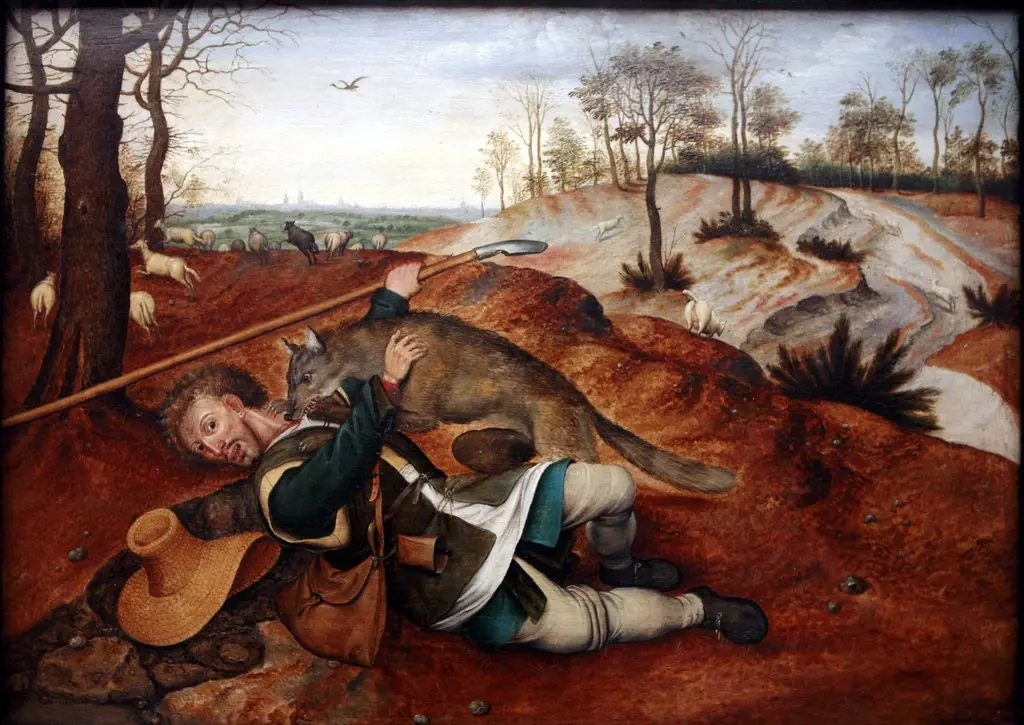 The Good Shepherd
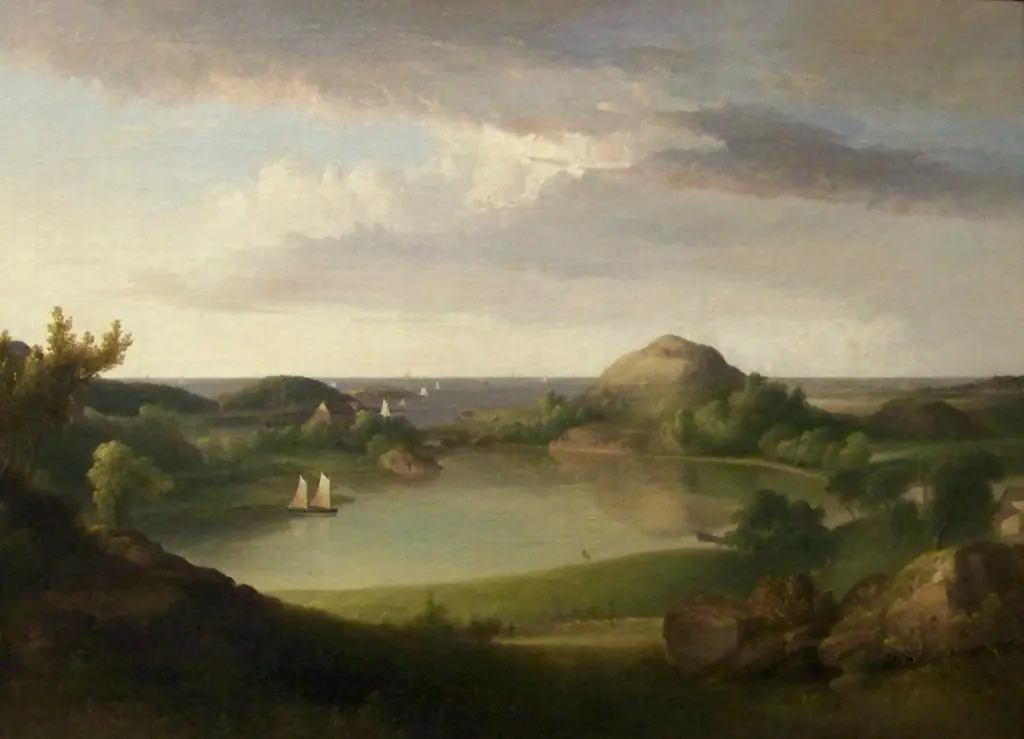 Harbor Landscape
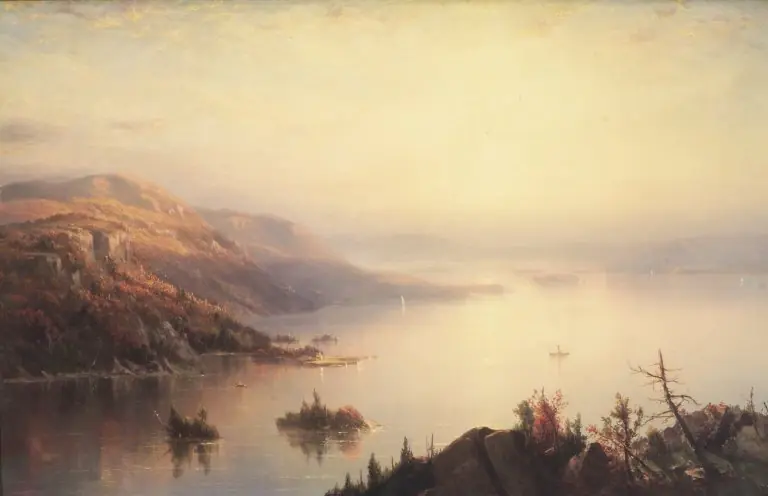 Lake George
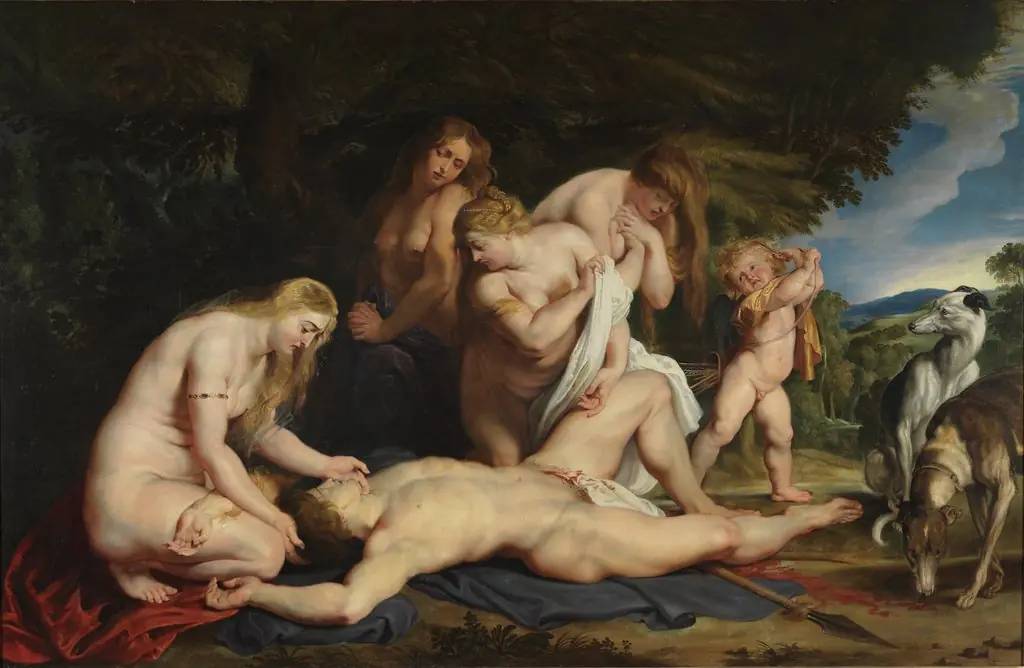 The Death of Adonis
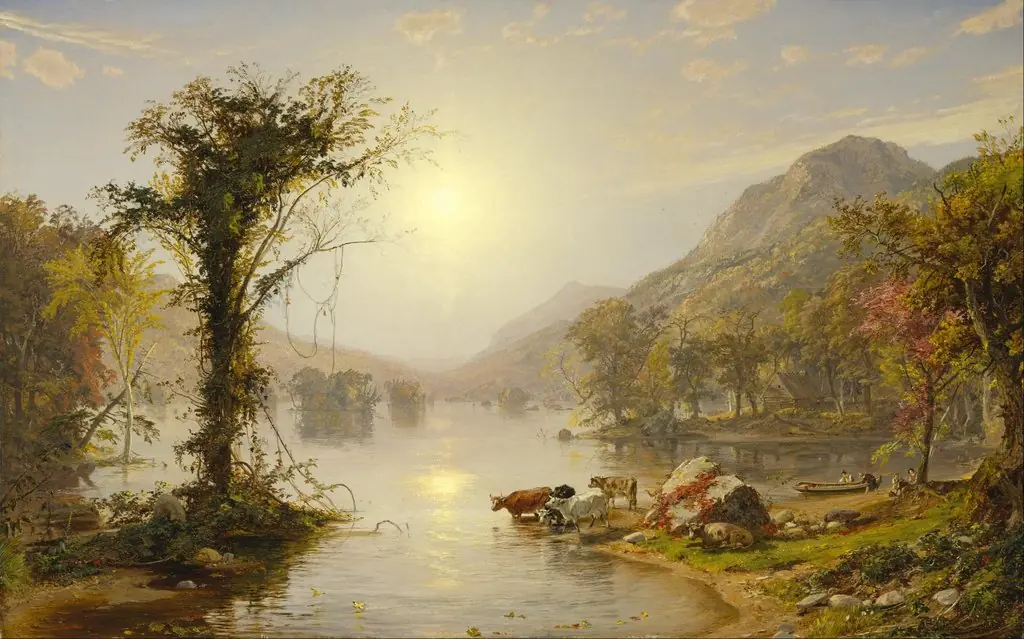 Autumn on Greenwood Lake
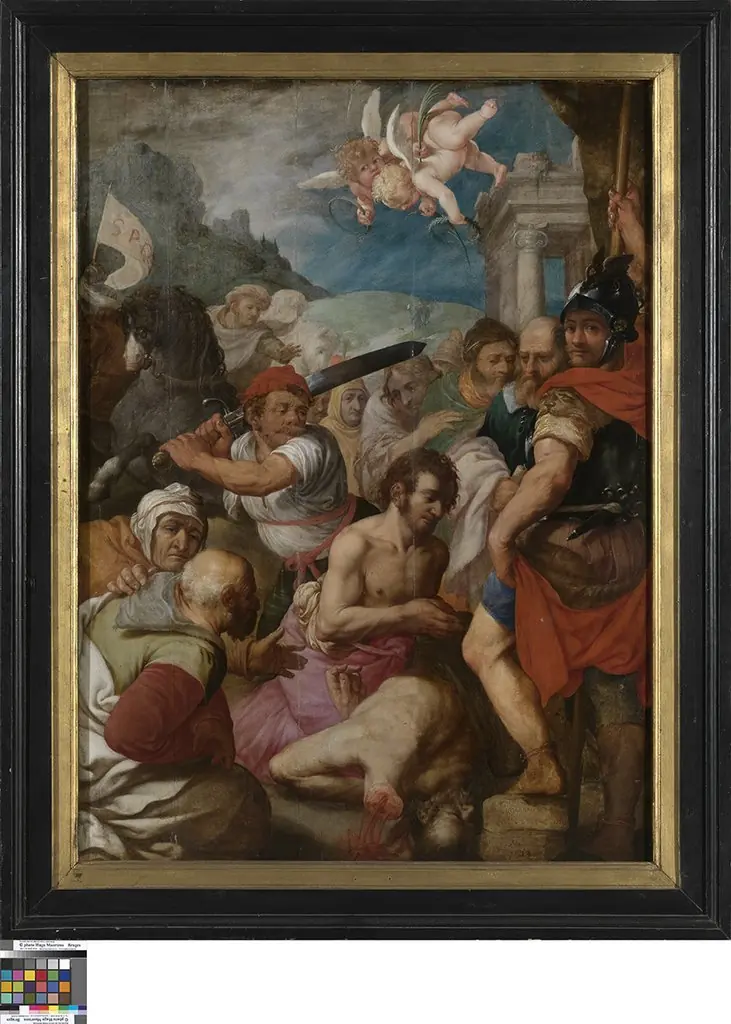 The Martyrdom of the Saints Crispin and Crispinian
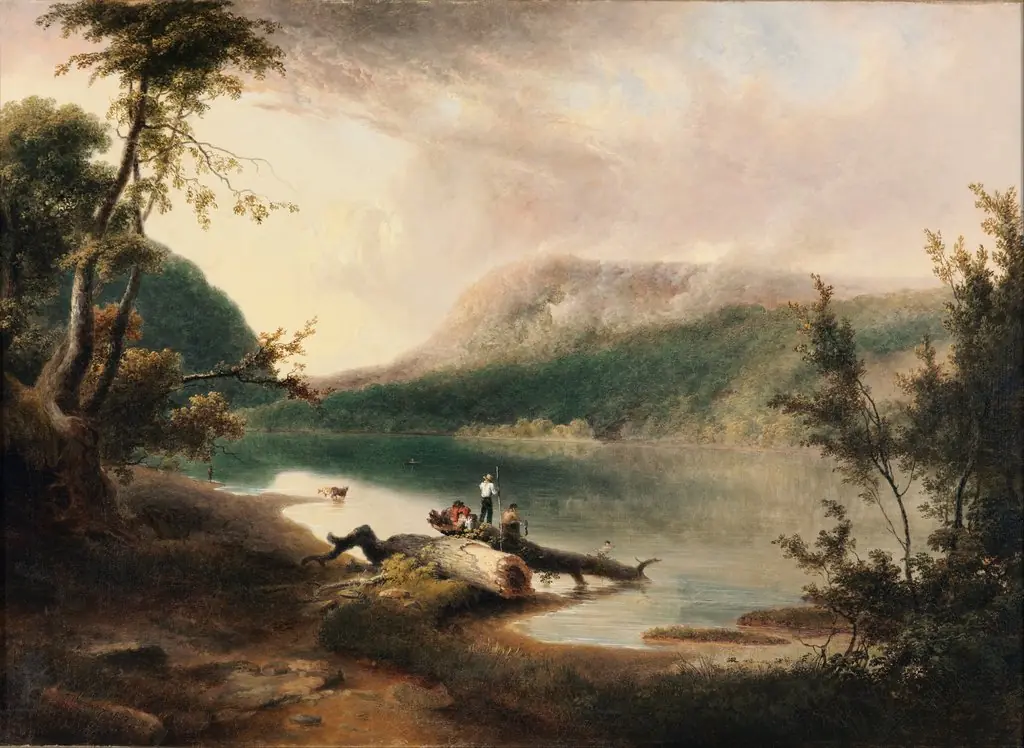 Delaware Water Gap
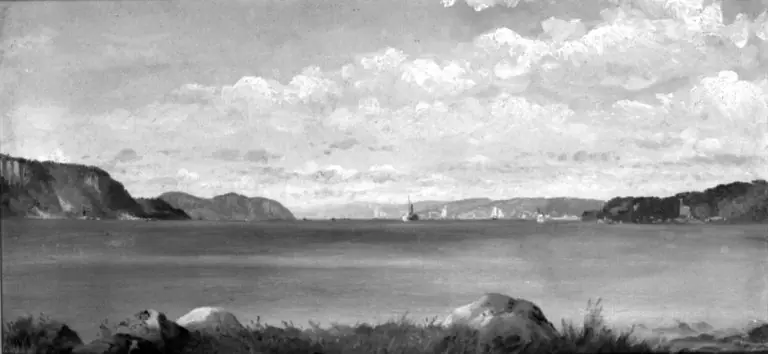 Tappan Zee, from Glenwood
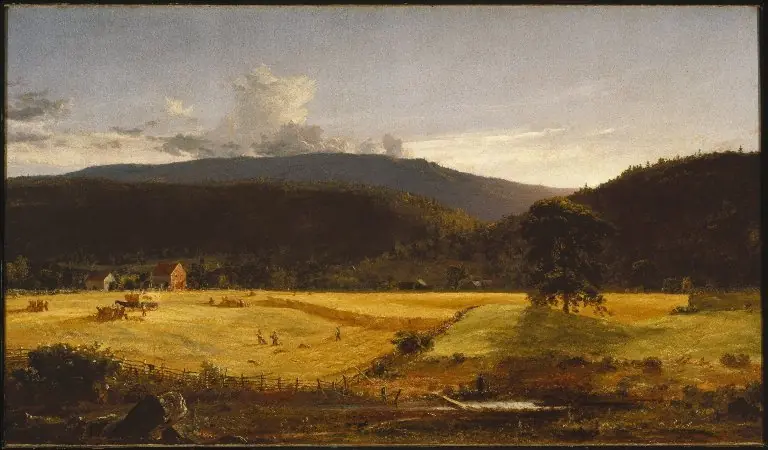 Bareford Mountains, West Milford, New Jersey
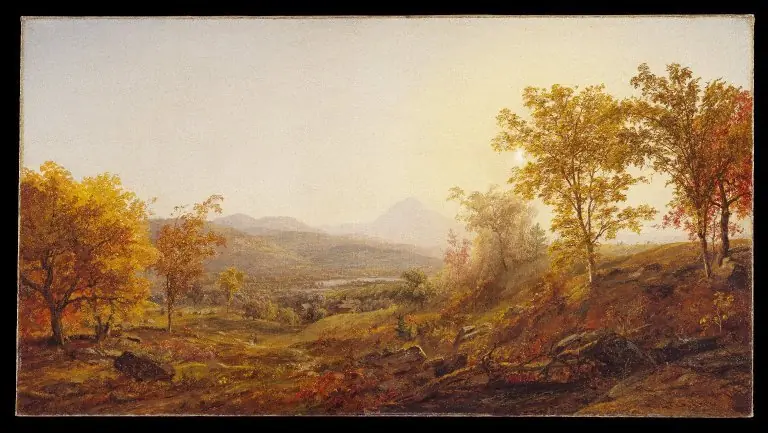 Autumn at Mount Chocorua
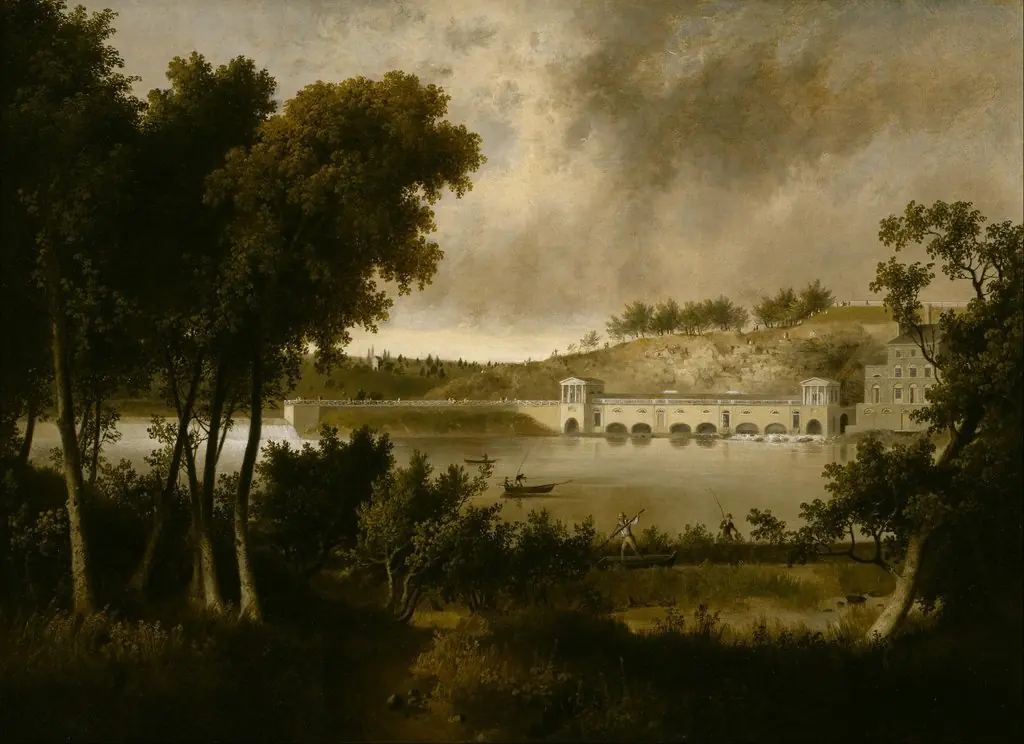 View of the Fairmount Waterworks, Philadelphia, from the Opposite Side of the Schuylkill River
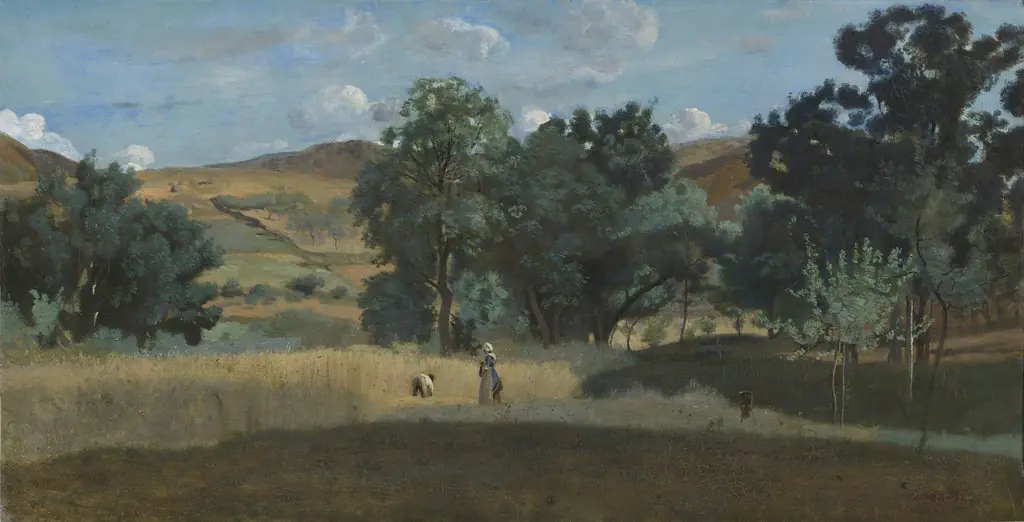 Champ de blé dans le Morvan
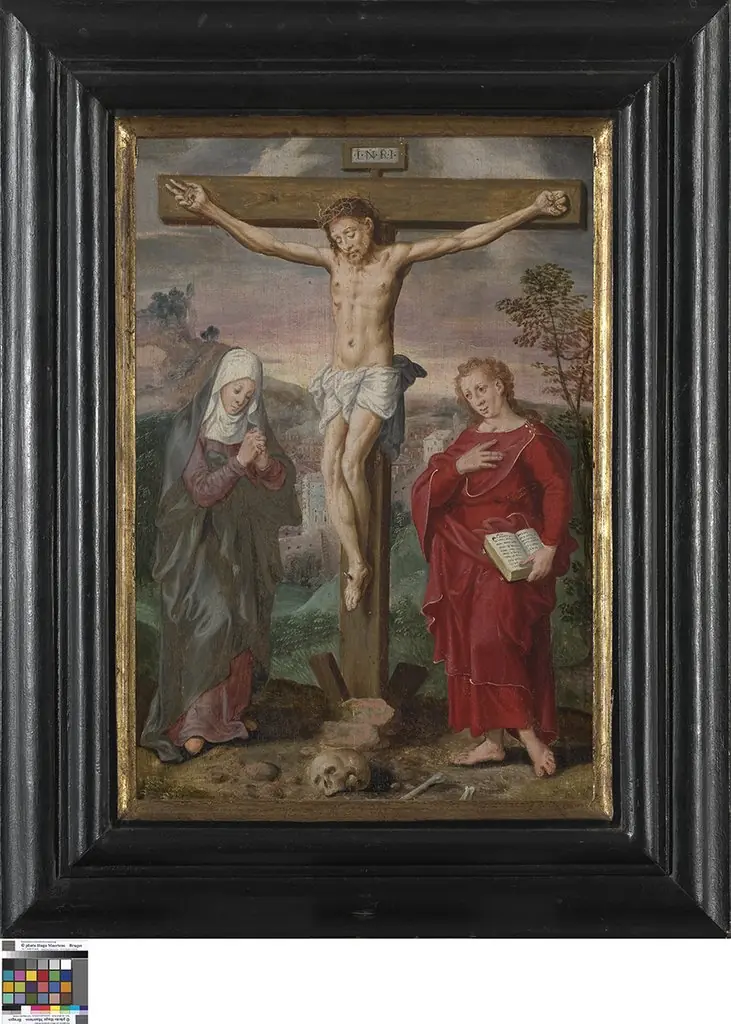 Crucified Christ with Mary and John
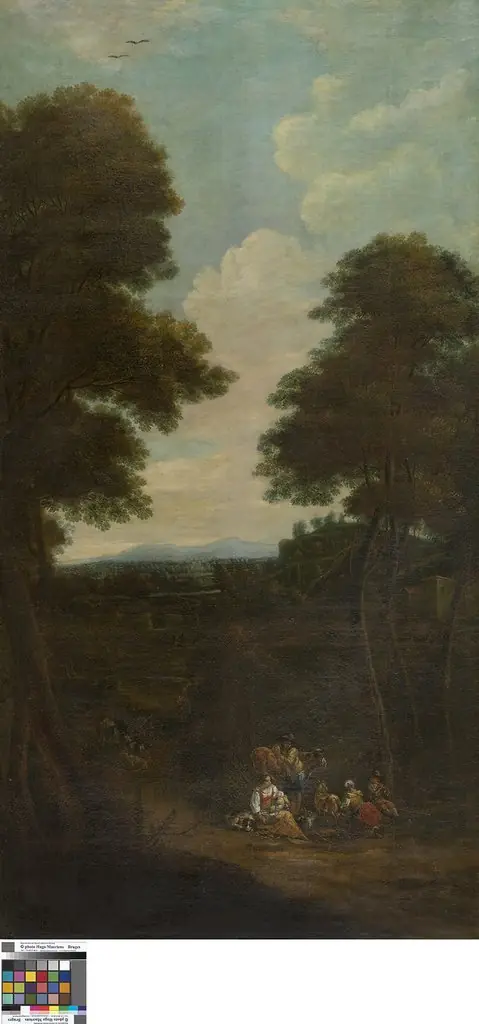 Landschap
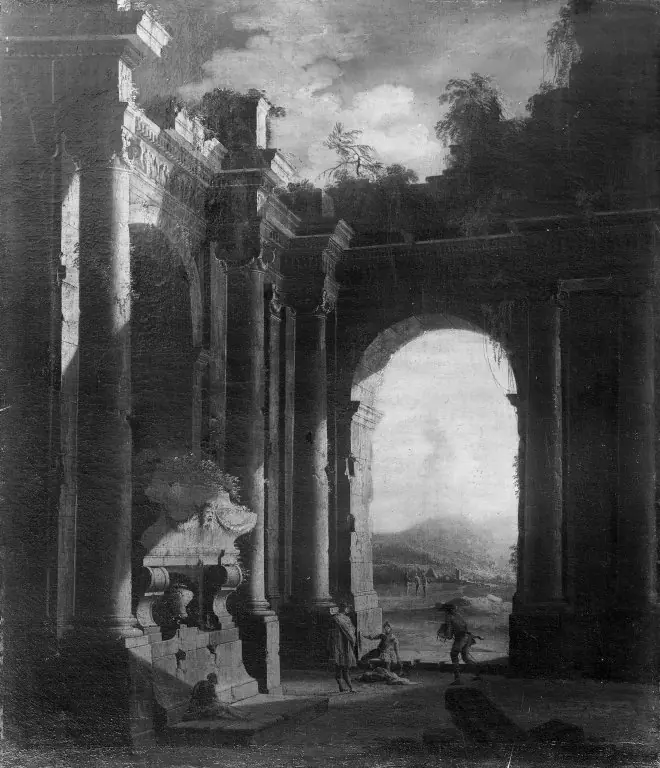 Capriccio of Ruins with Figures beneath an Archway
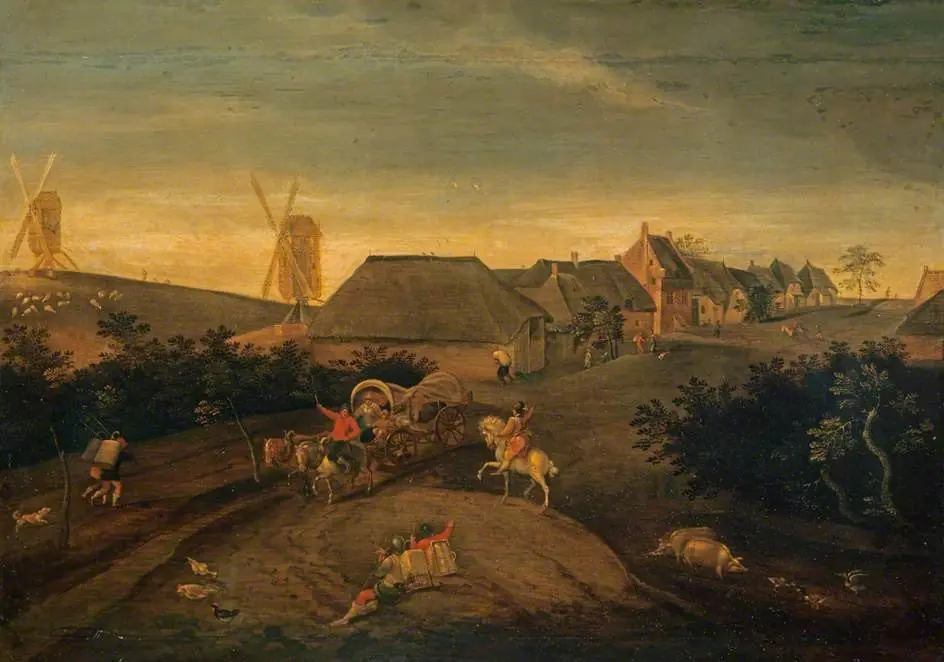 A Flemish Village
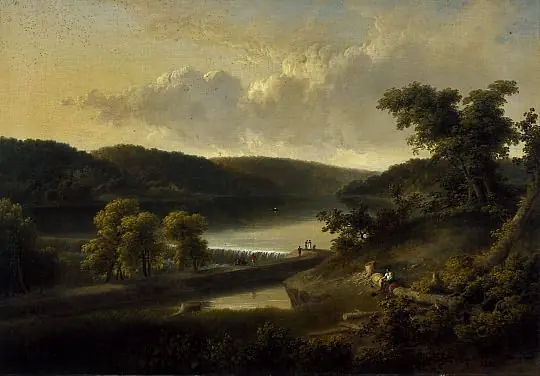 A View of the Flat Rock on the Schuylkill, near Philadelphia
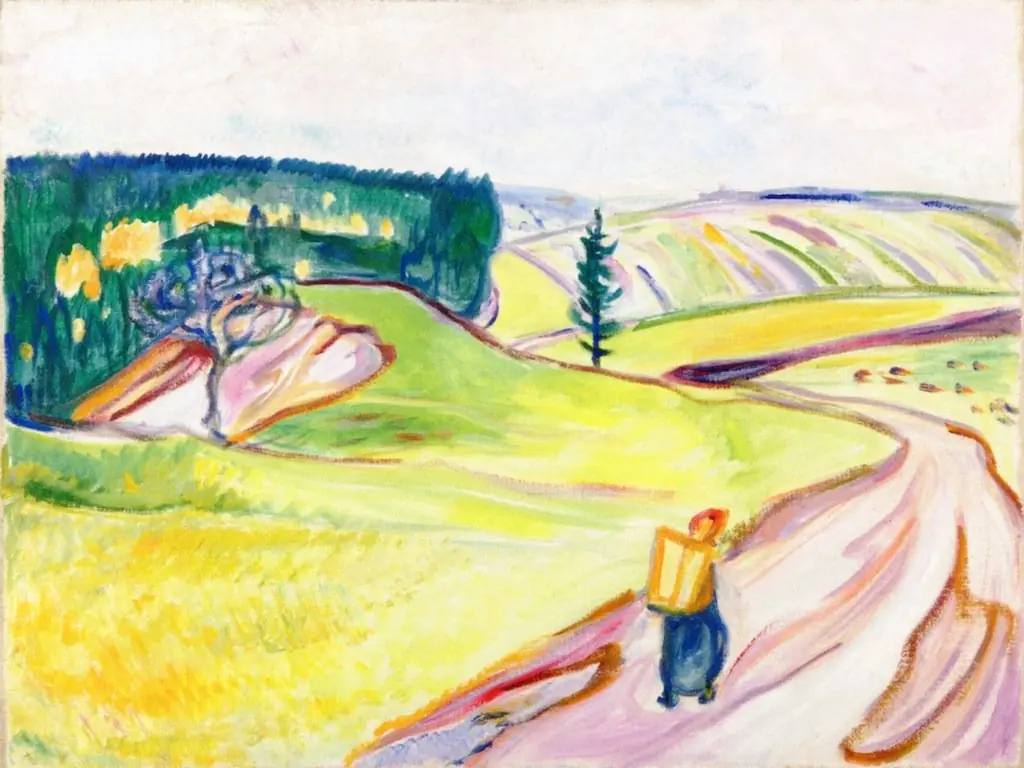 Road in Thüringen
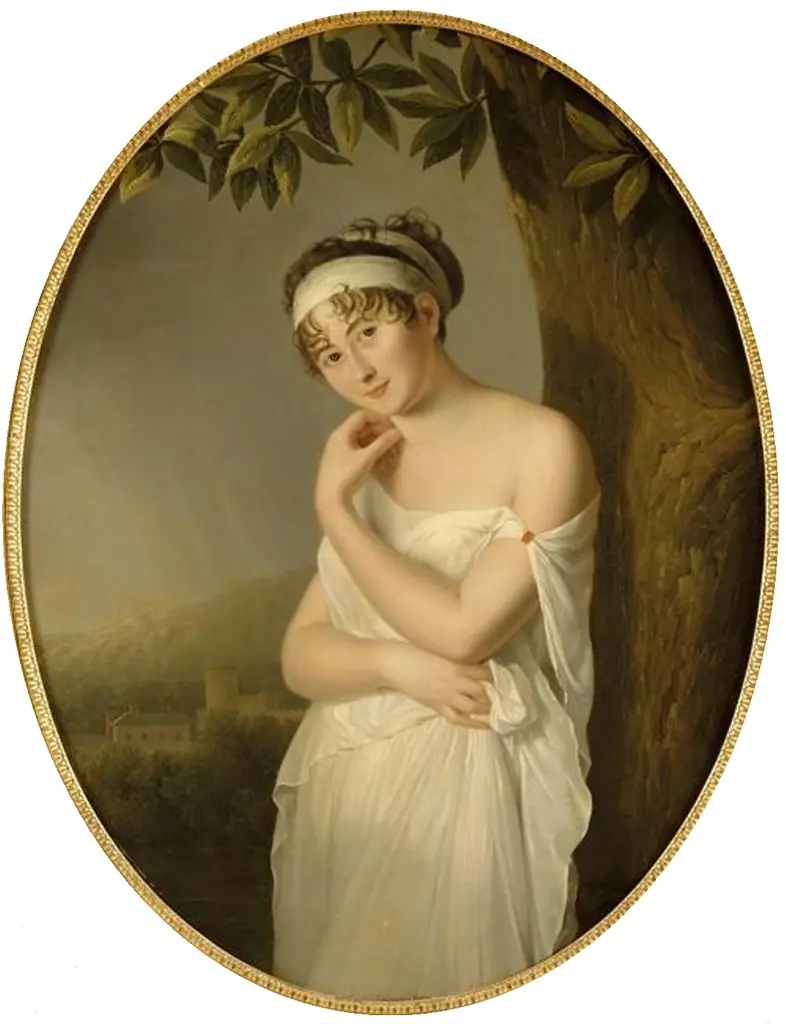 Juliette Récamier (1777-1849)
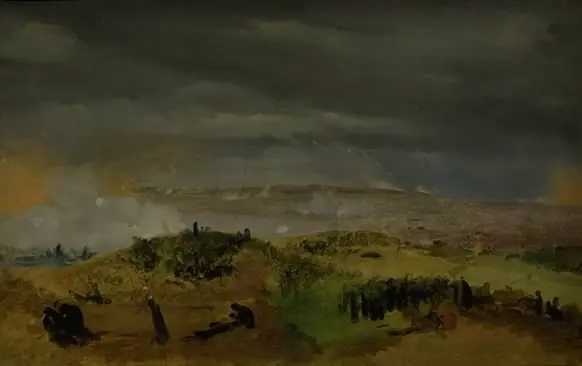 The Battle of Isted 25 July 1850. Study
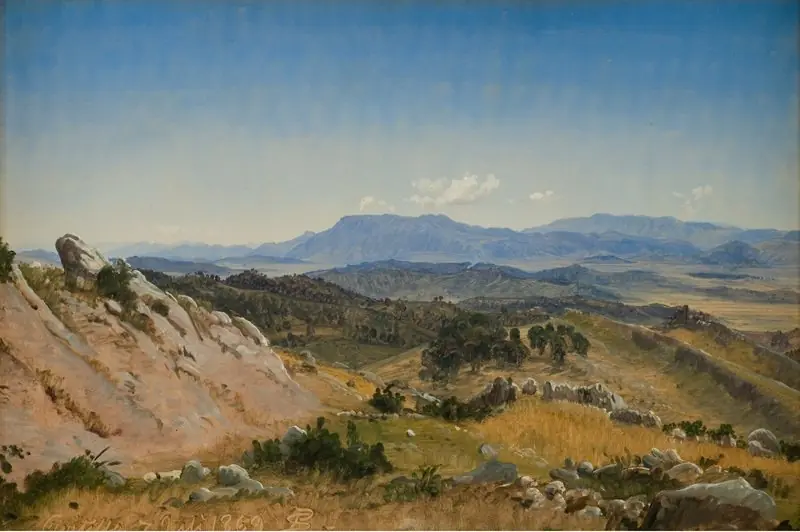 Rocky Hills near Civitella
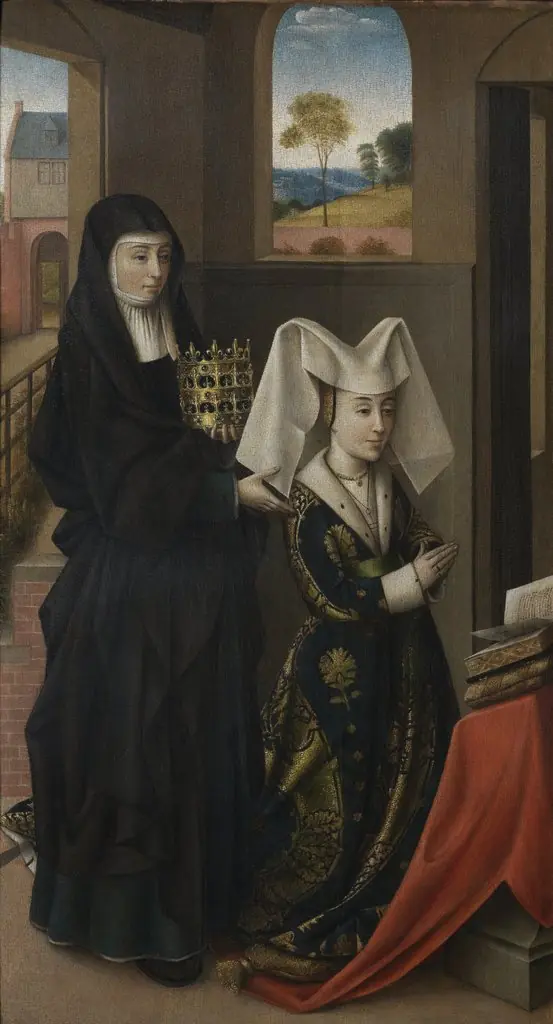 Isabella of Portugal with Saint Elisabeth
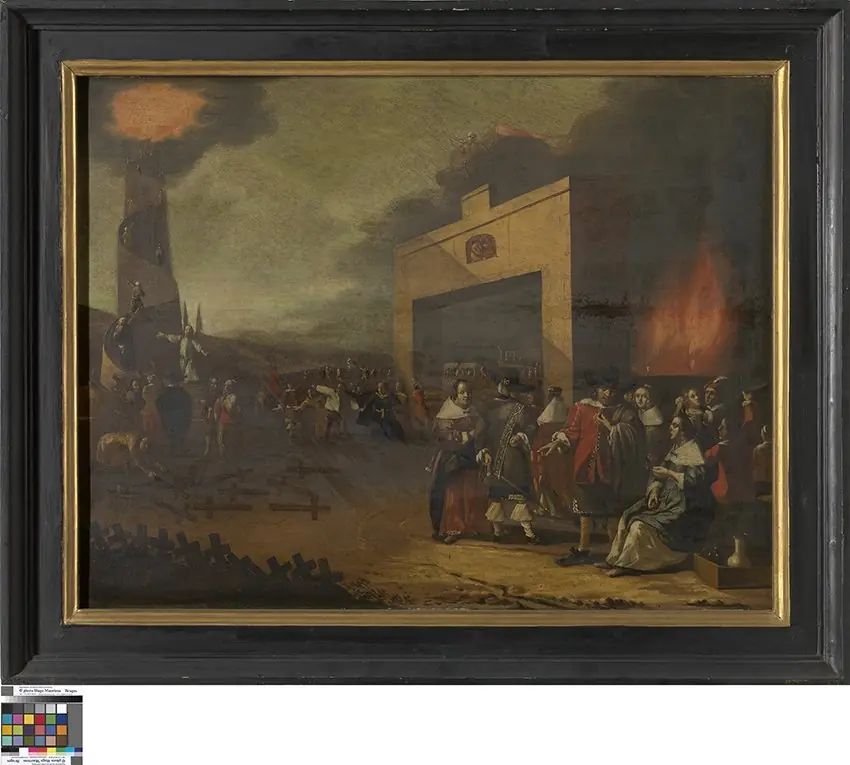 De nauwe en de wijde poort
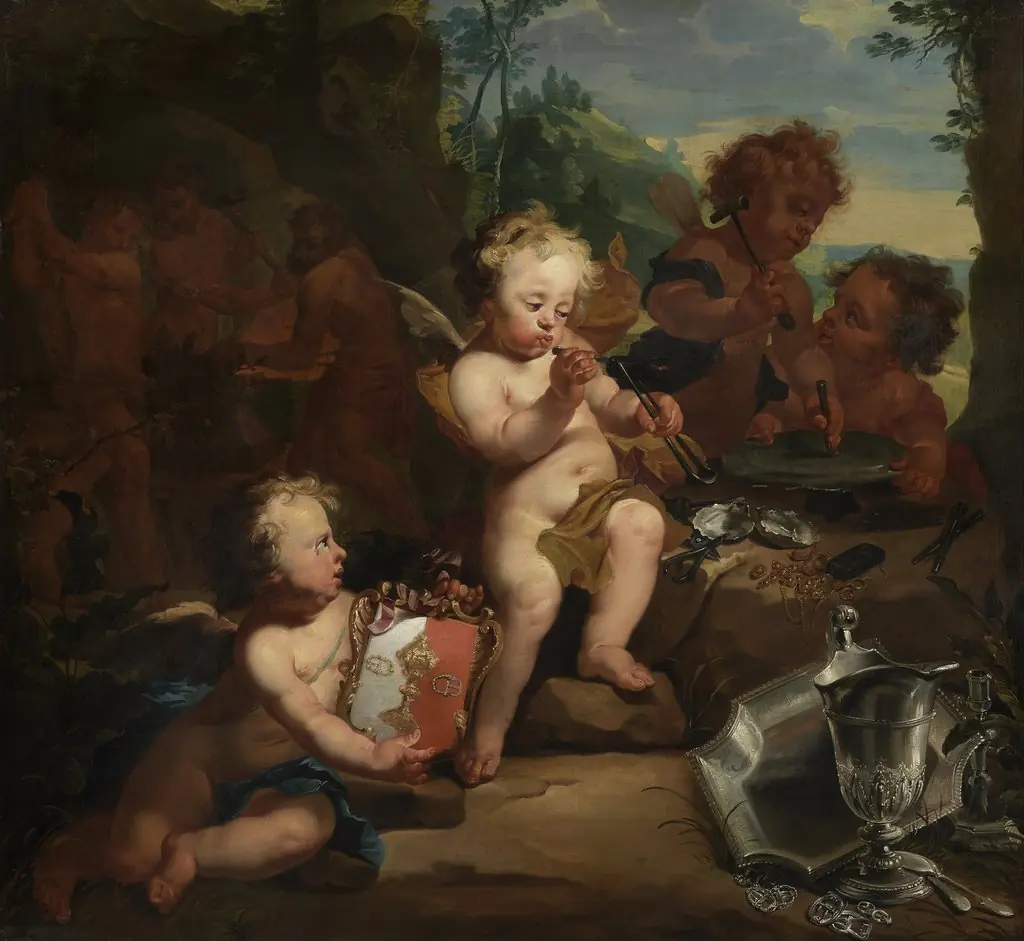 Allegory of the silversmith's trade
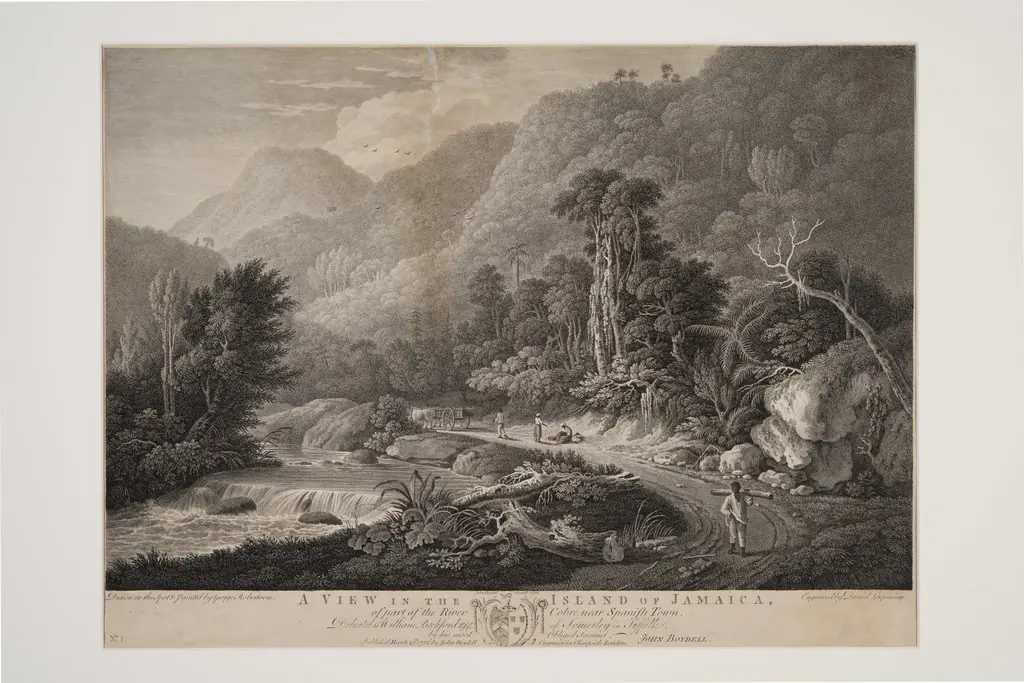 A View in the Island of Jamaica, of Part of the River Cobre near Spanish Town
 View of the Hudson
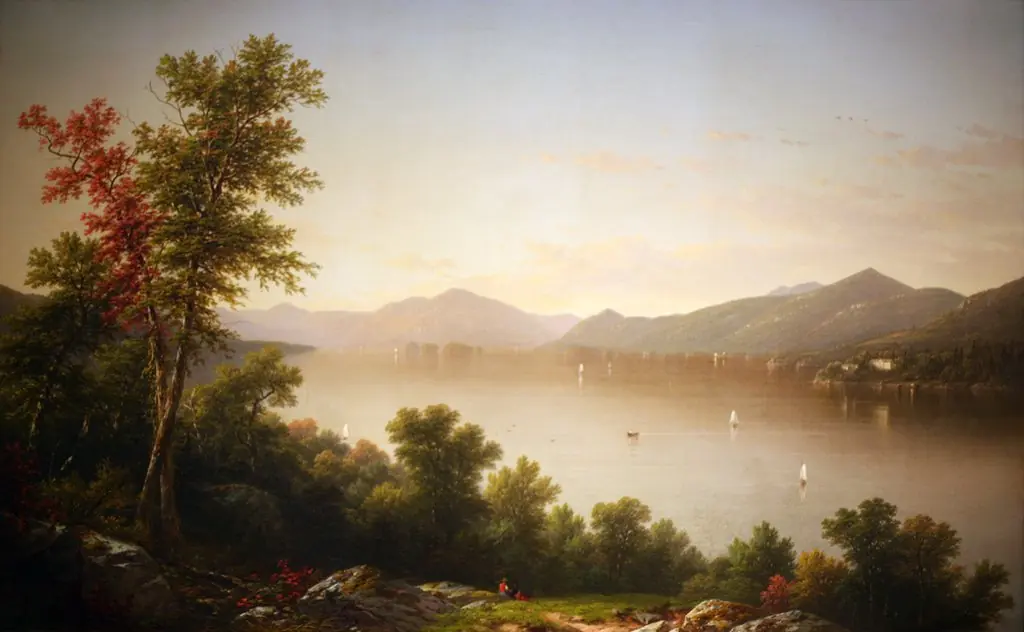 Lake George
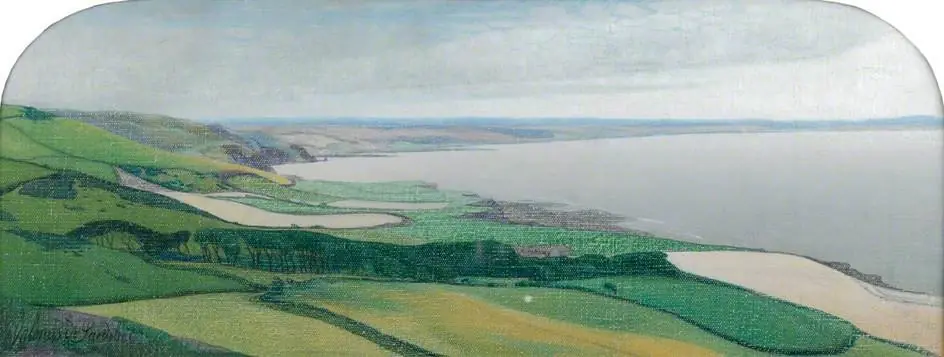 Coastal Landscape near Aberystwyth
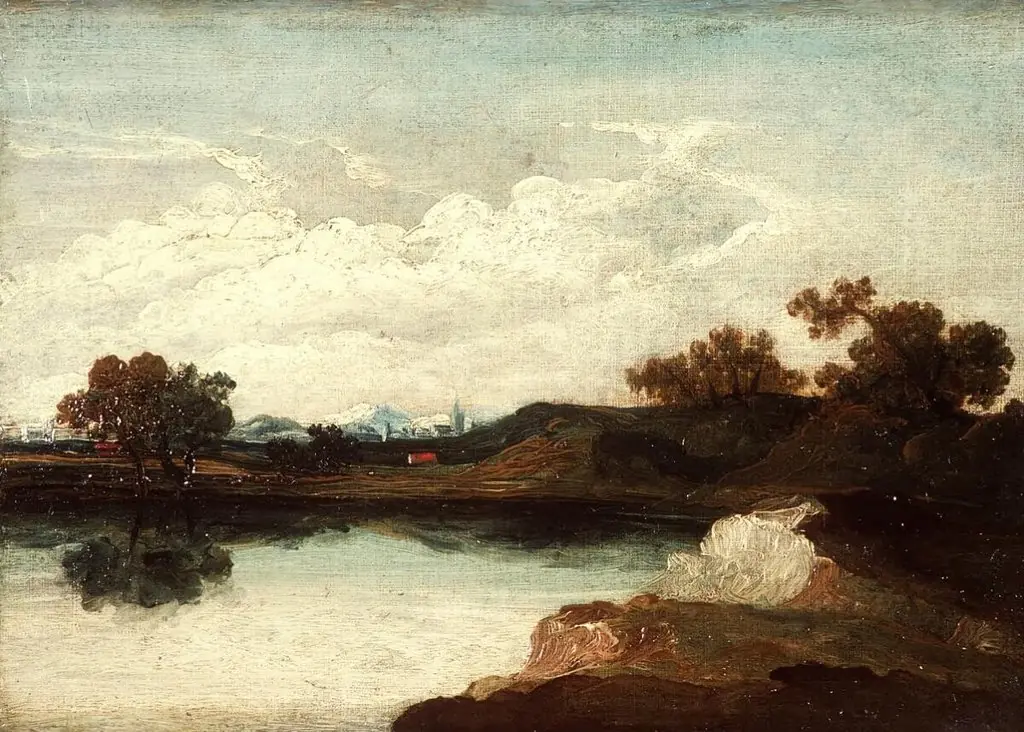 Landscape
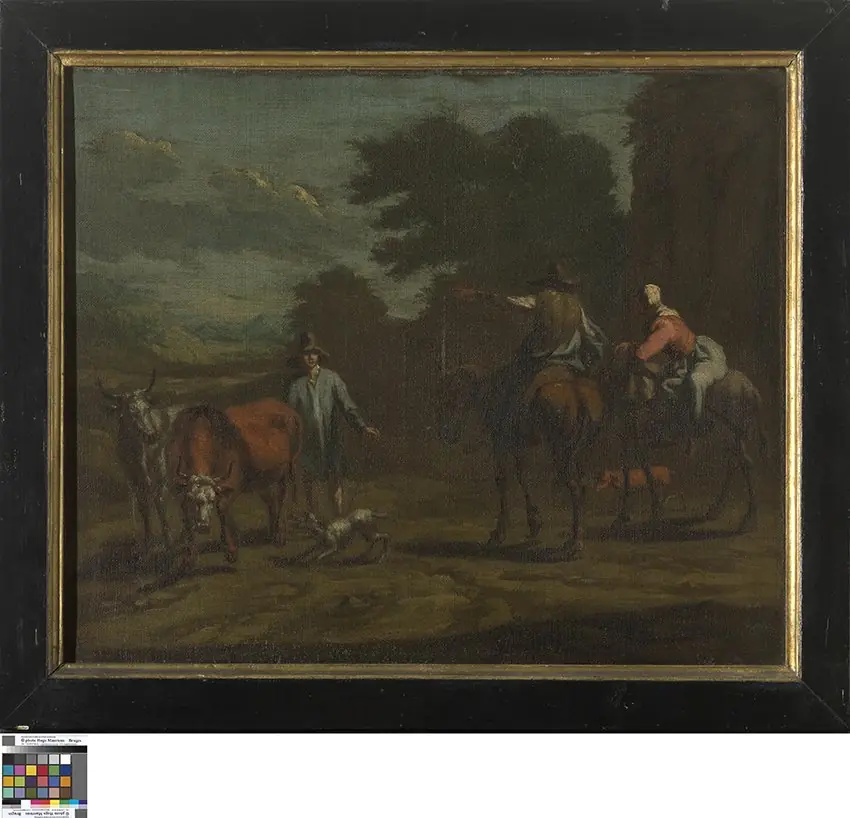 Landschap met boeren
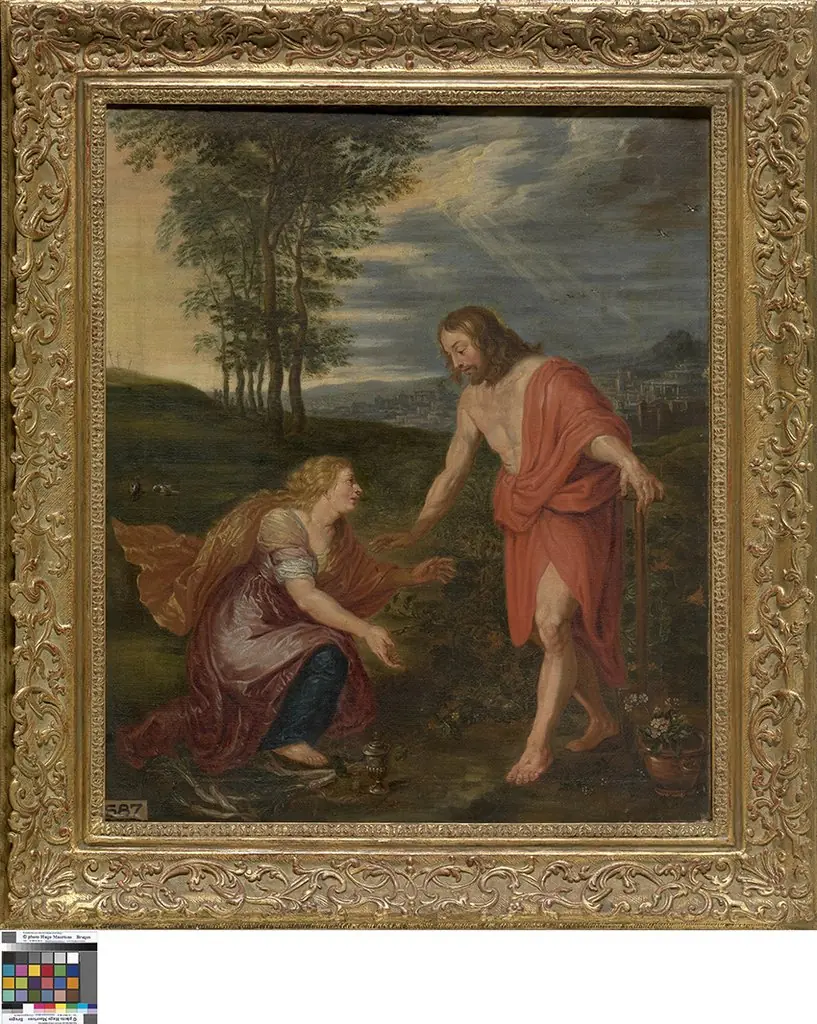 Noli me tangere
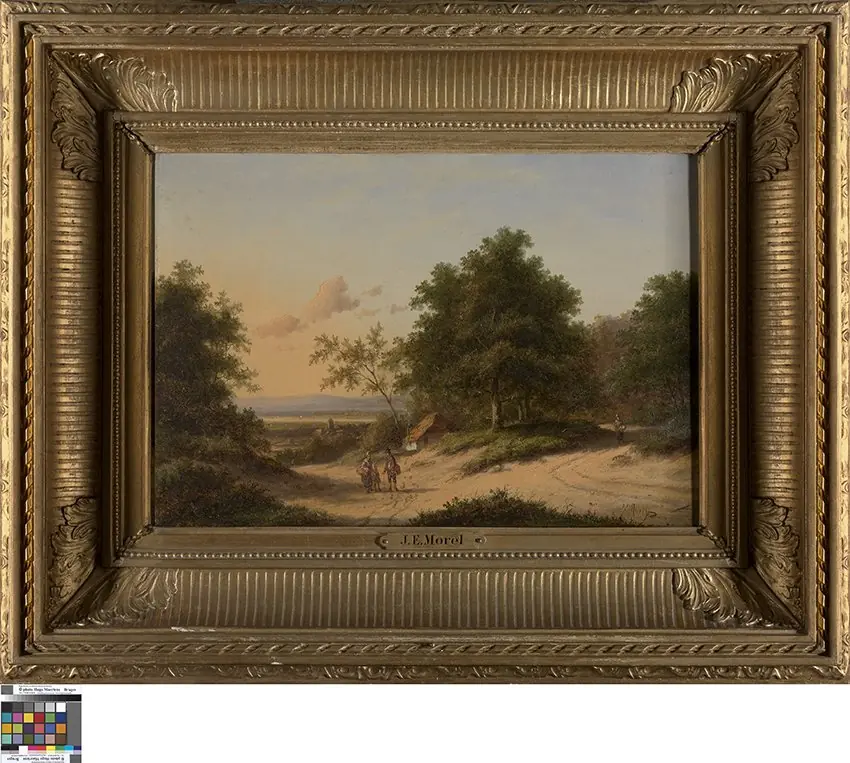 Boslandschap
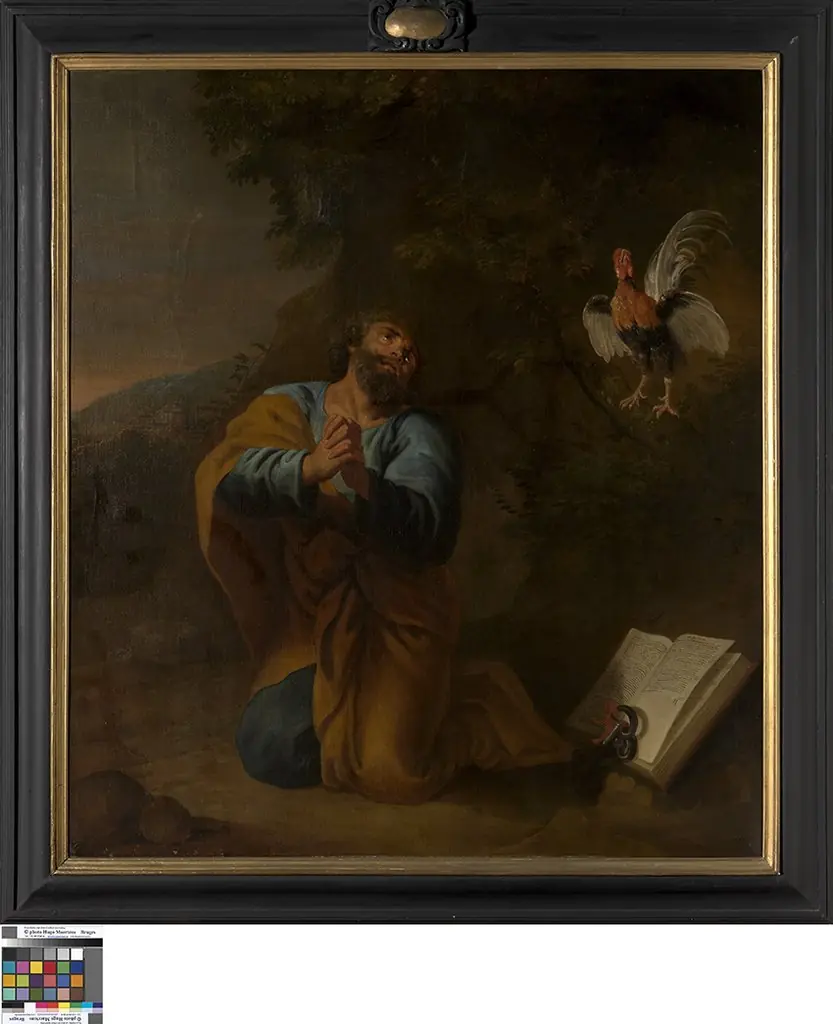 Petrus' berouw
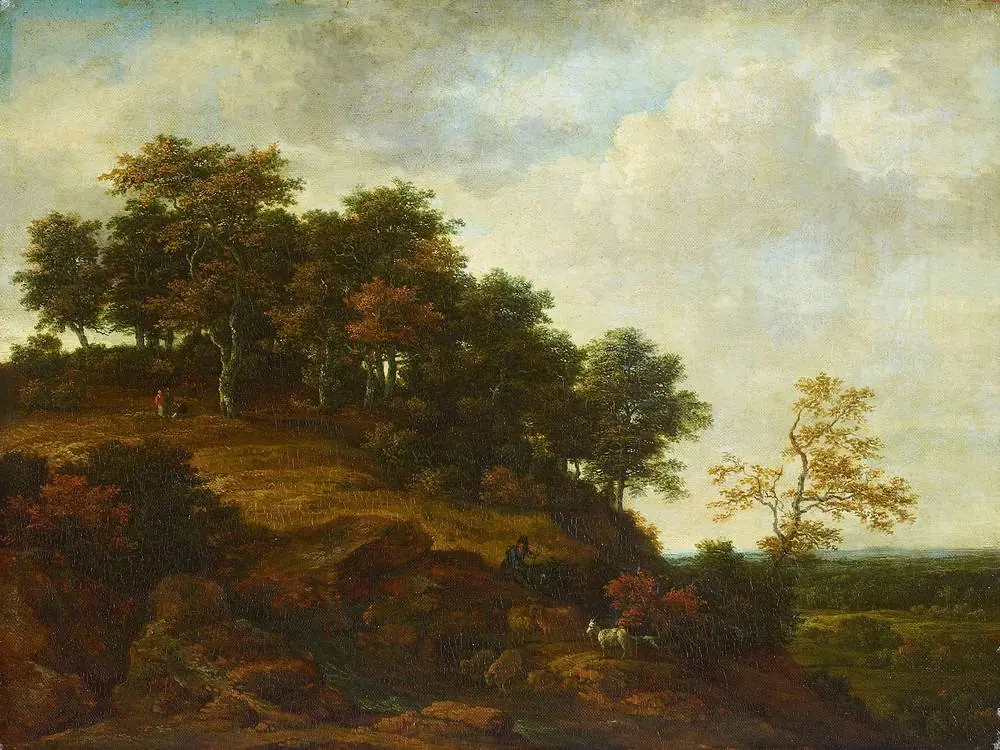 A hill with an oak wood and a little waterfall
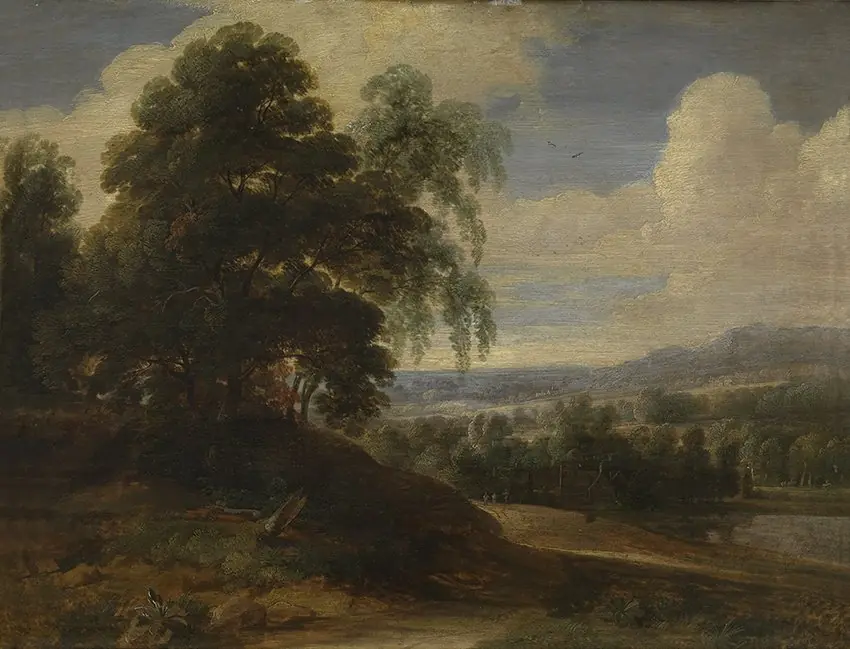 Landschap
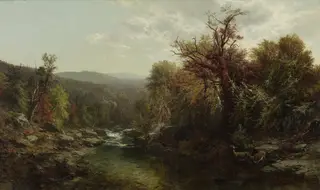 A Stream in the Adirondacks
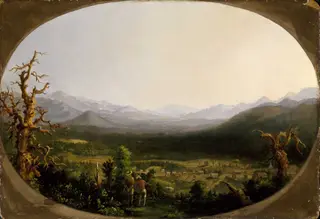 A View of Asheville, North Carolina
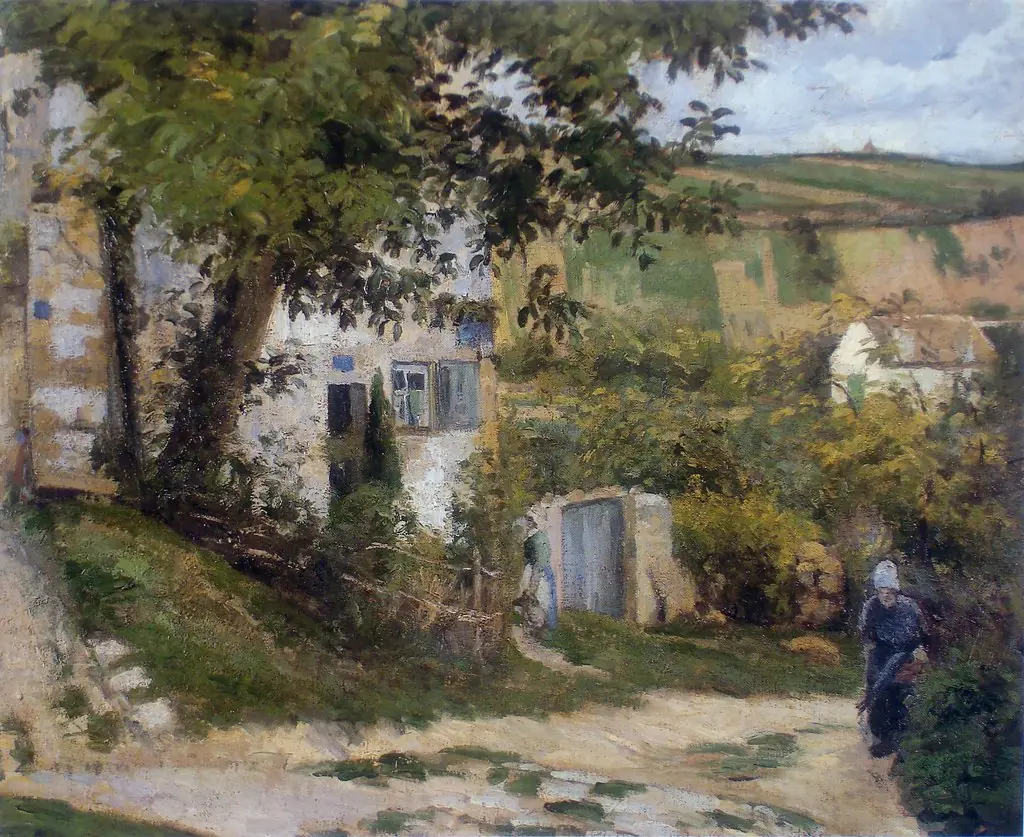 Rue de la Côte-du-Jalet, the 'Rondest House', Pontoise
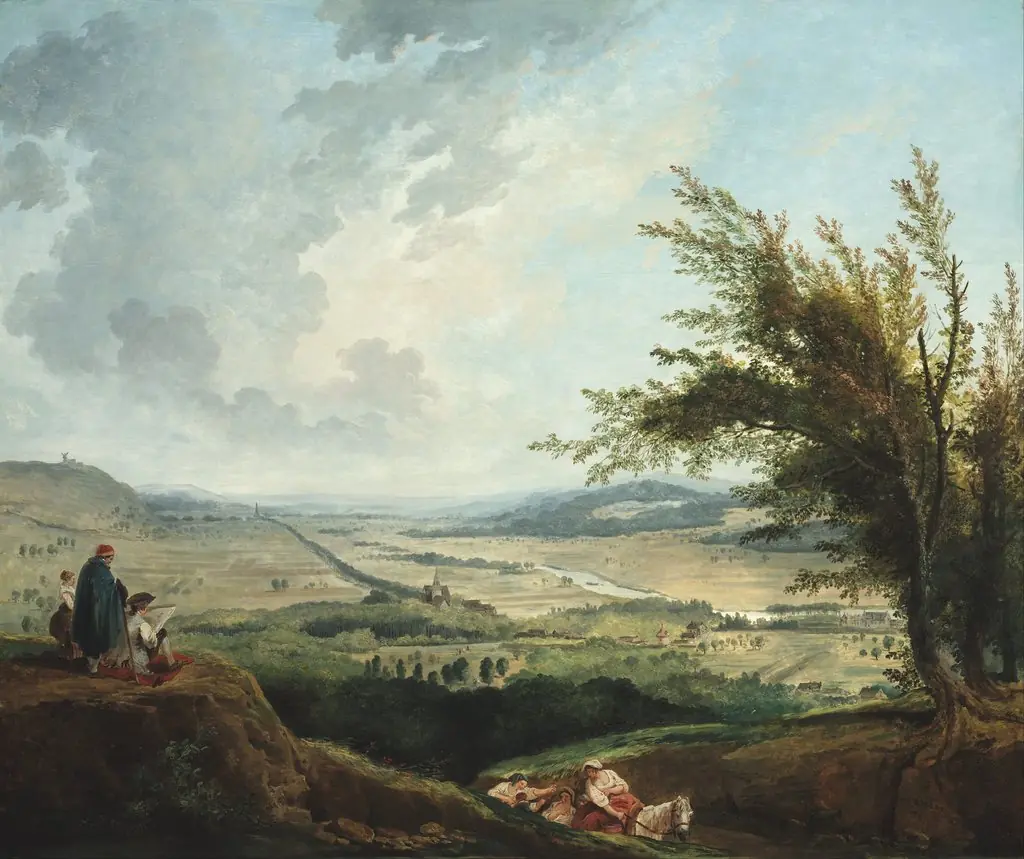 An Extensive Landscape Near Paris
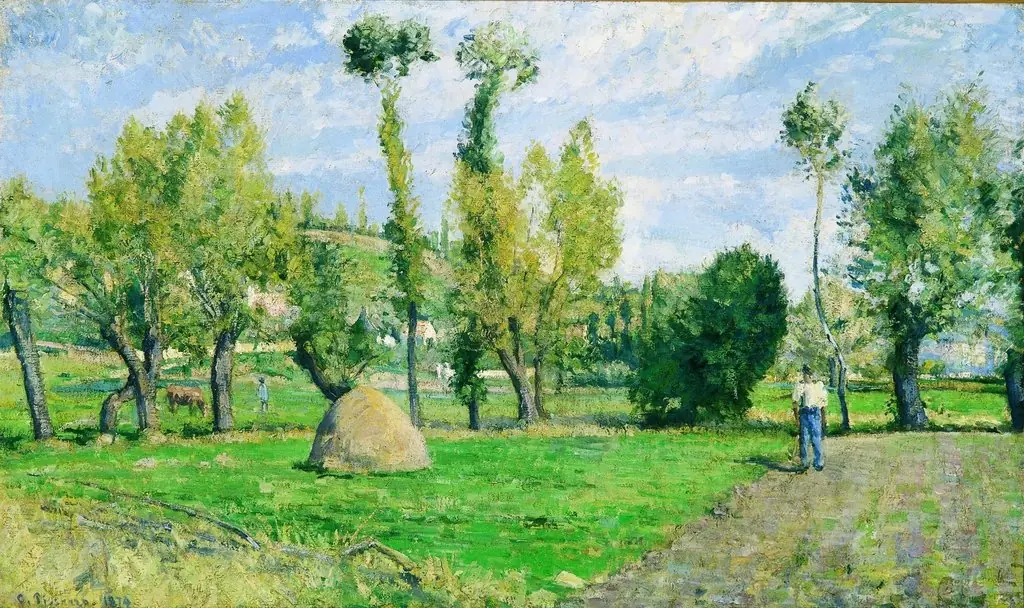 Meadows at Le Valhermeil, Auvers-sur-Oise
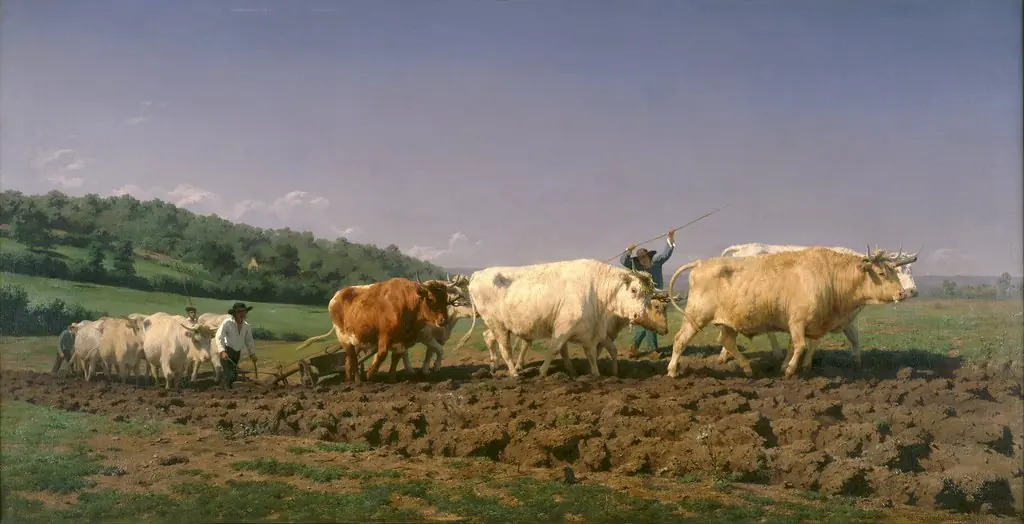 Ploughing in the Nivernais
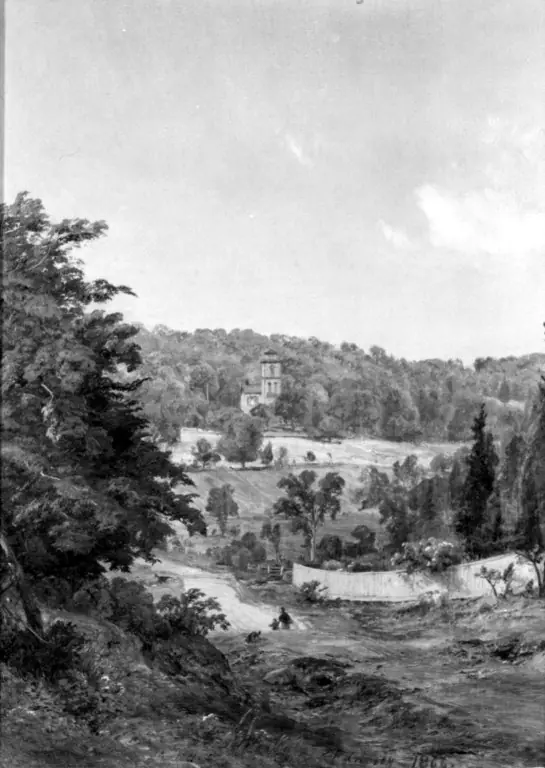 In the Clove
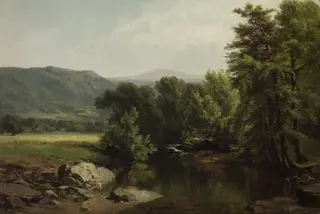 Hudson River Landscape
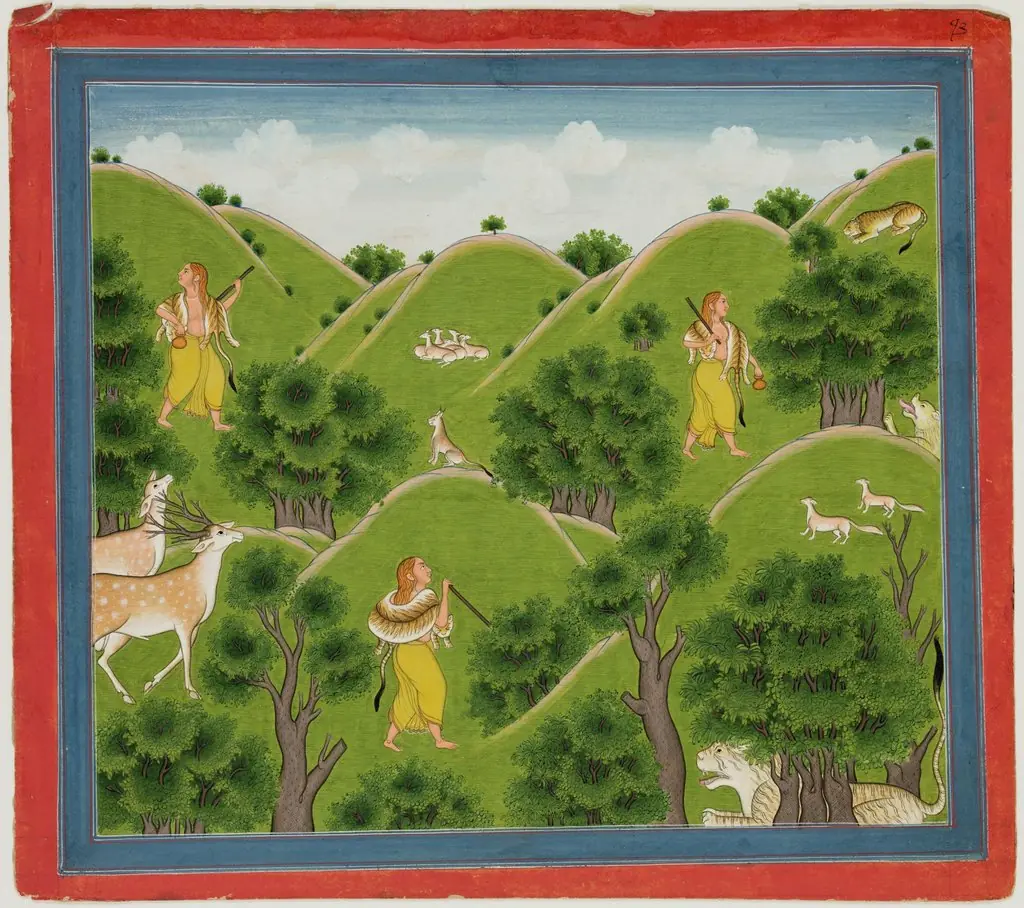 Illustrations to Life of Dhurva Maharaj: #11 Dhurva travels from place to place in Rishi garb
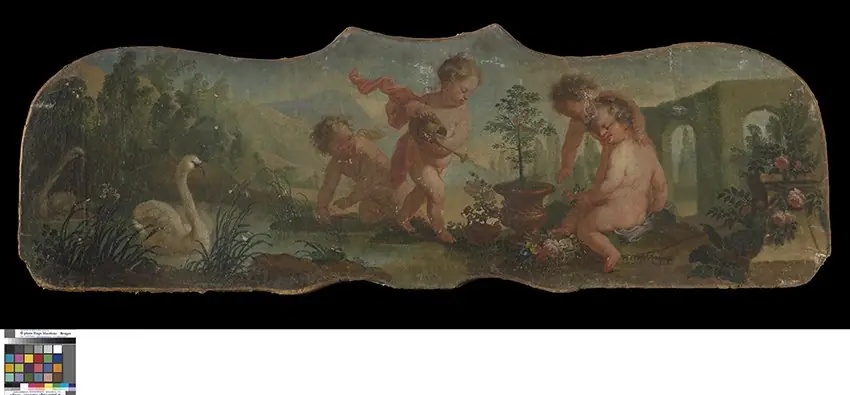 Vier elementen: Water en Aarde
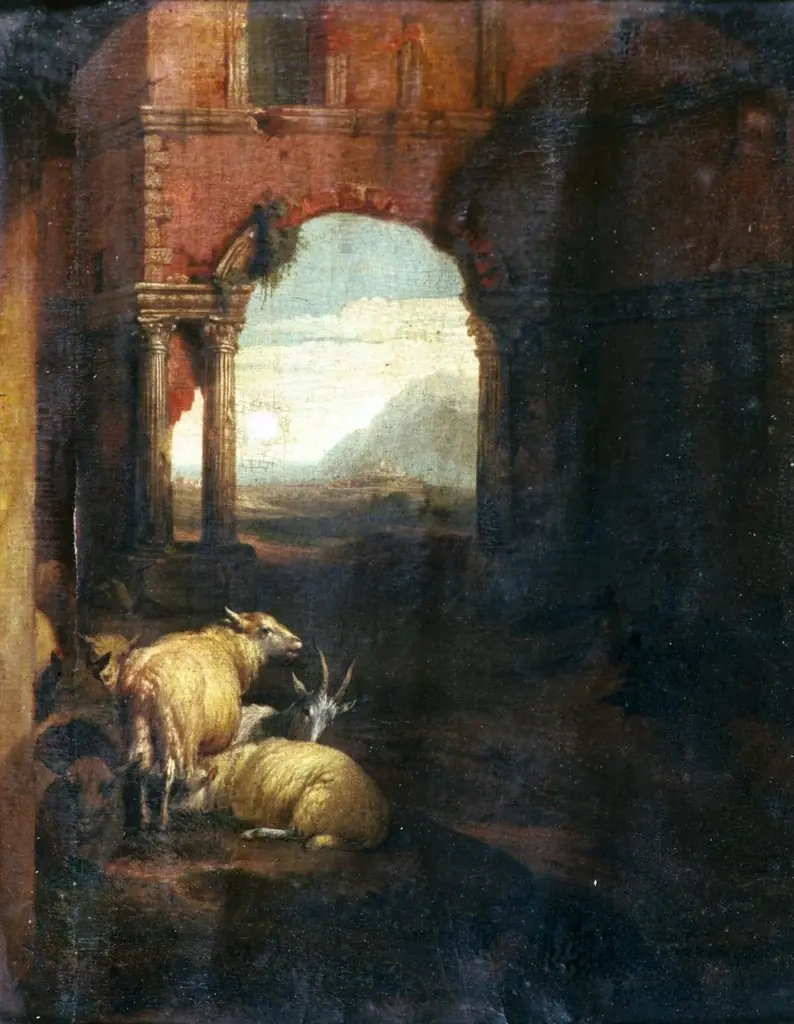 Classical landscape with sheep and goat
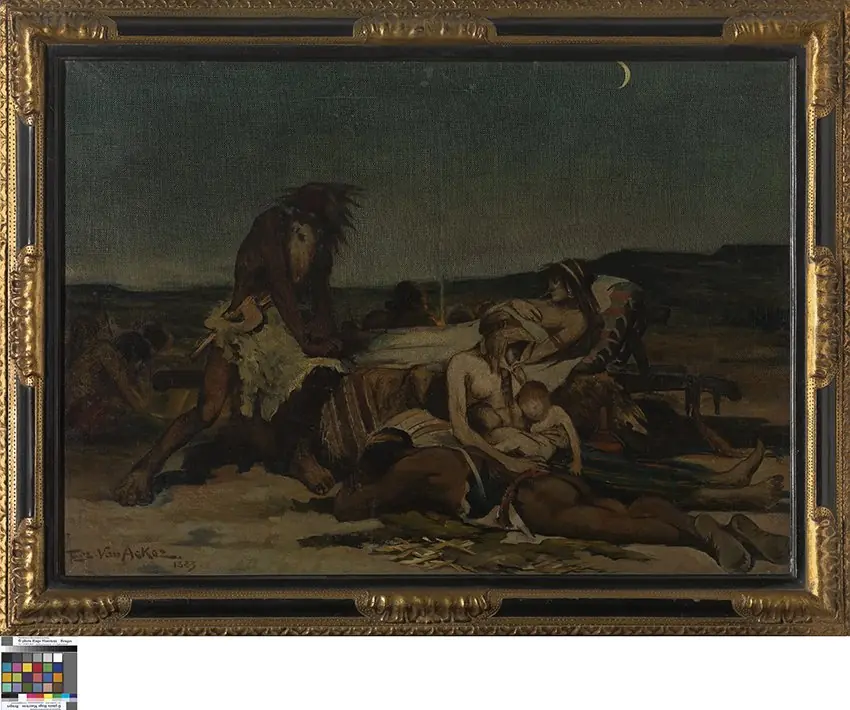 De wroeging van Kaïn
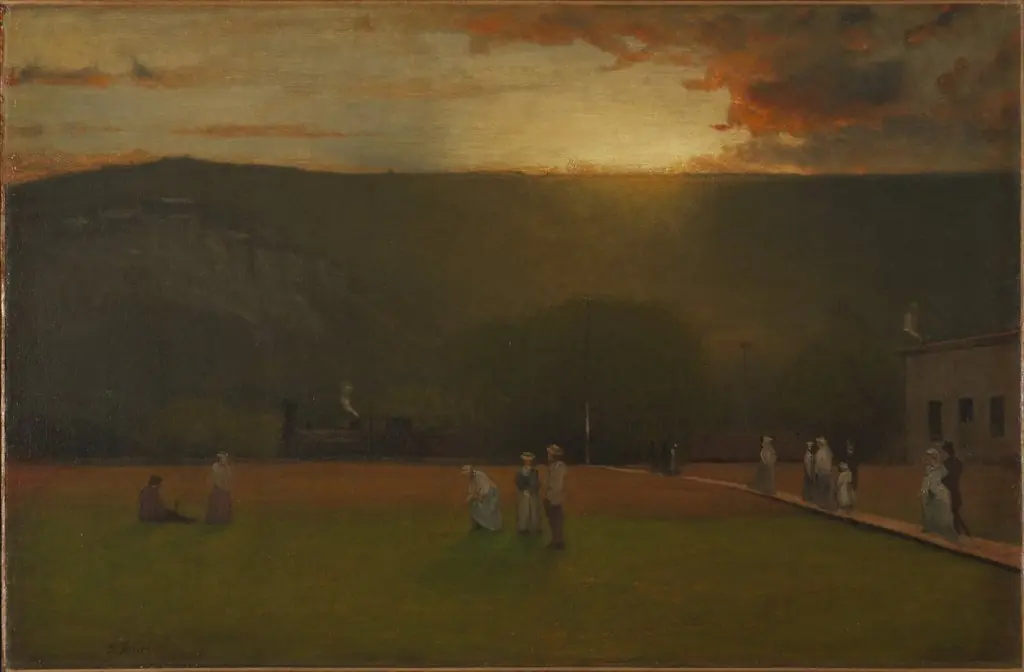 The Rigor of the Game, Kearsarge Hall, North Conway, New Hampshire
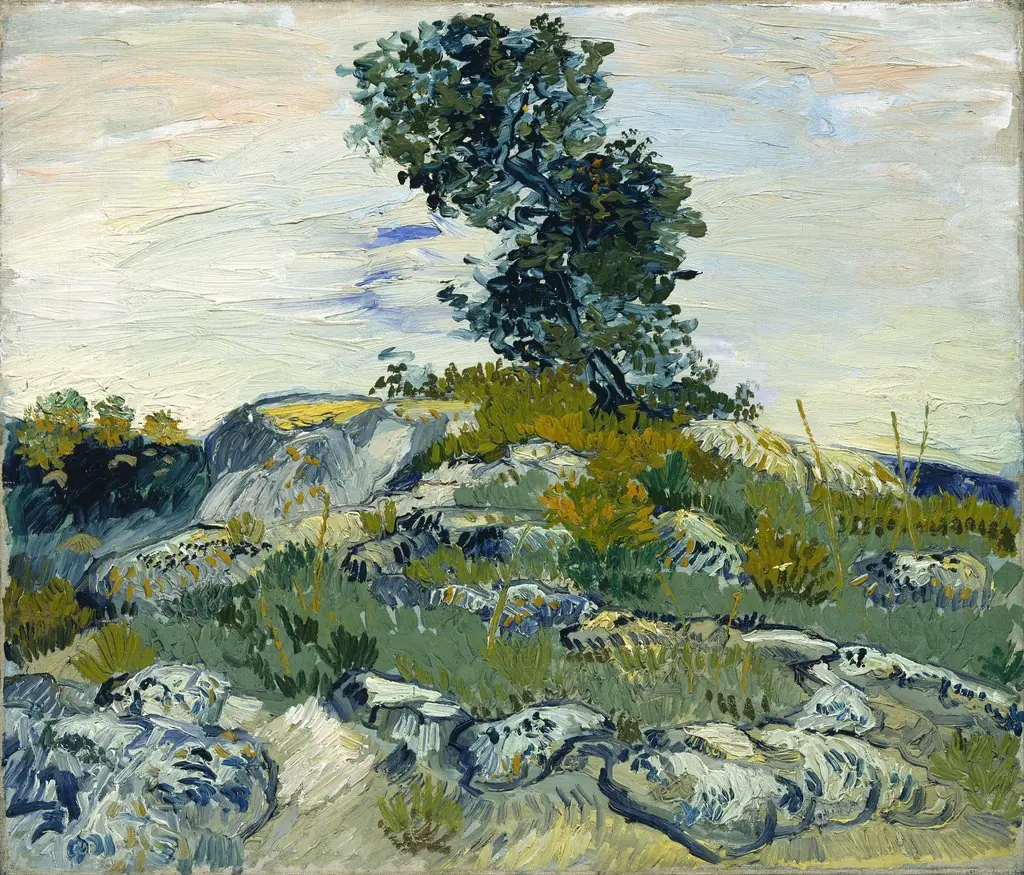 Rocks
Rocks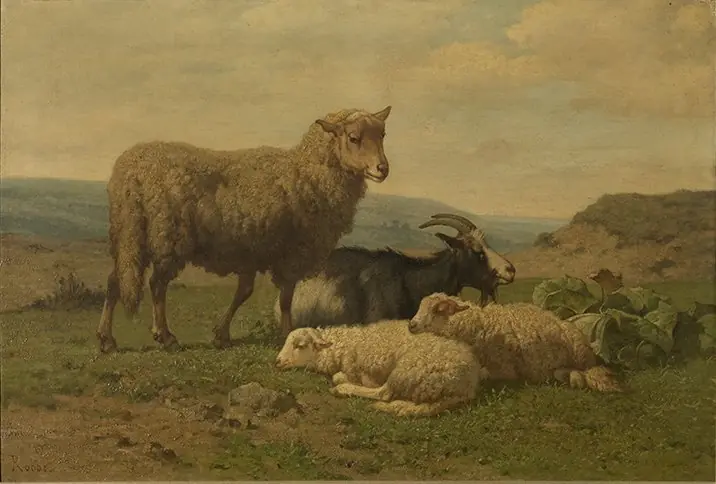 Kleinvee in het veld
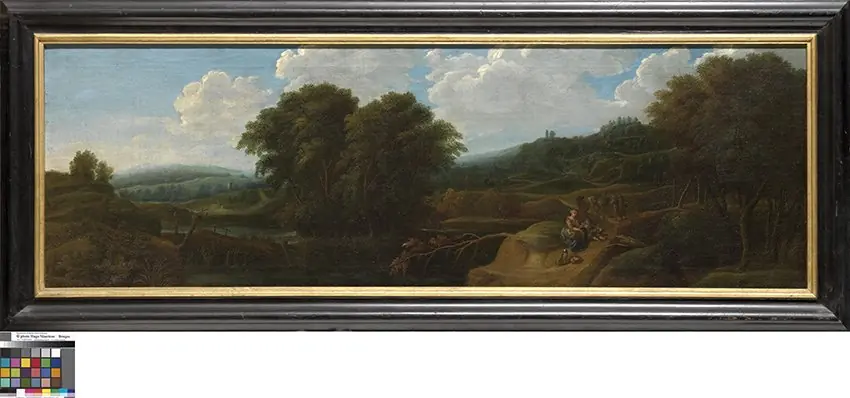 Landschap
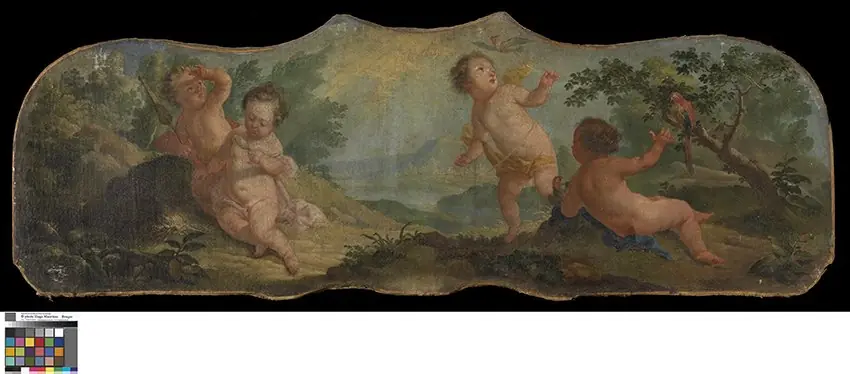 Vier elementen: Vuur en Lucht
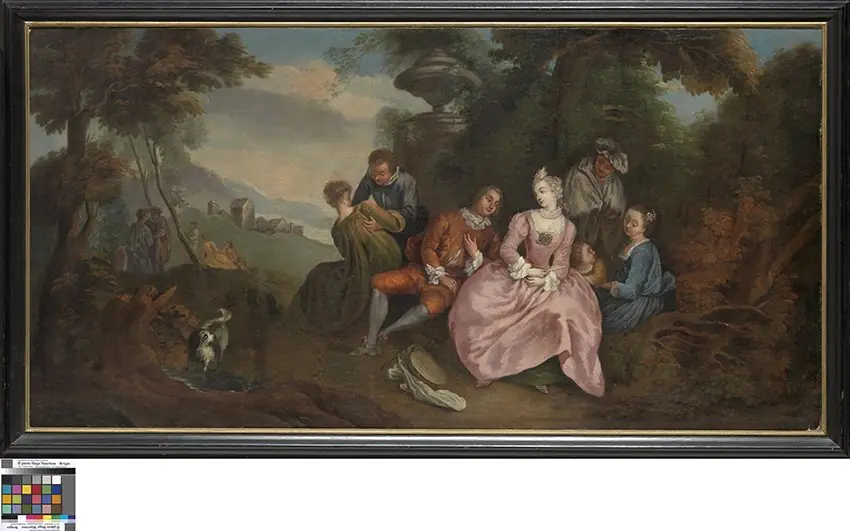 Galant gezelschap
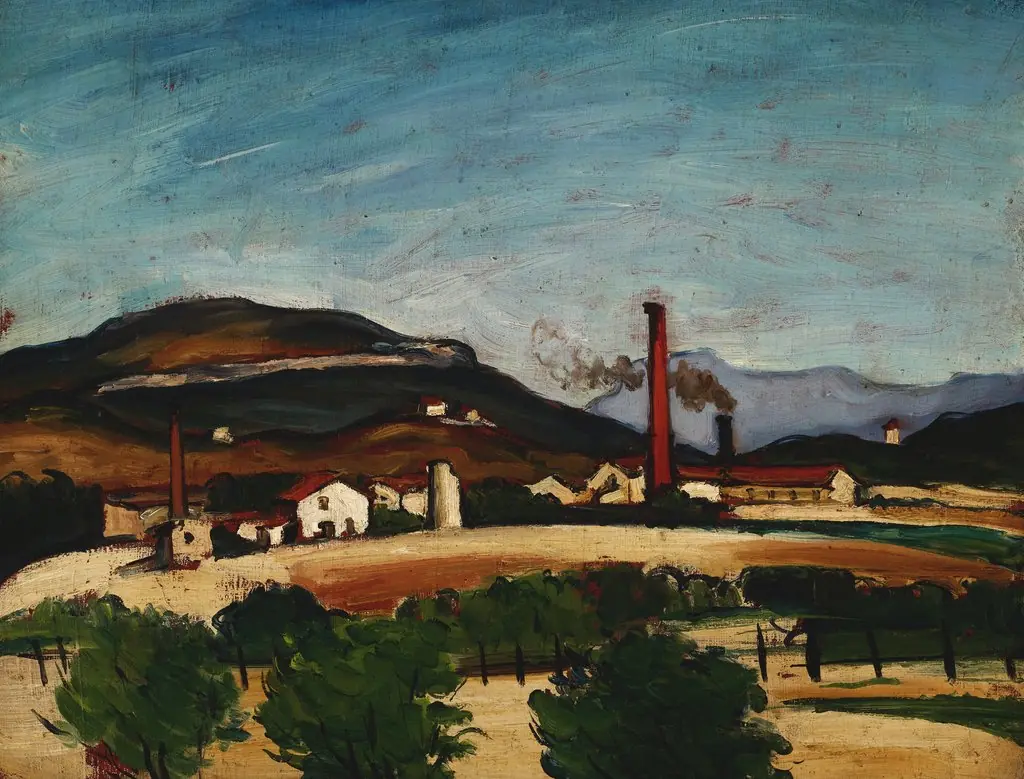 Factories near Mont de Cengle
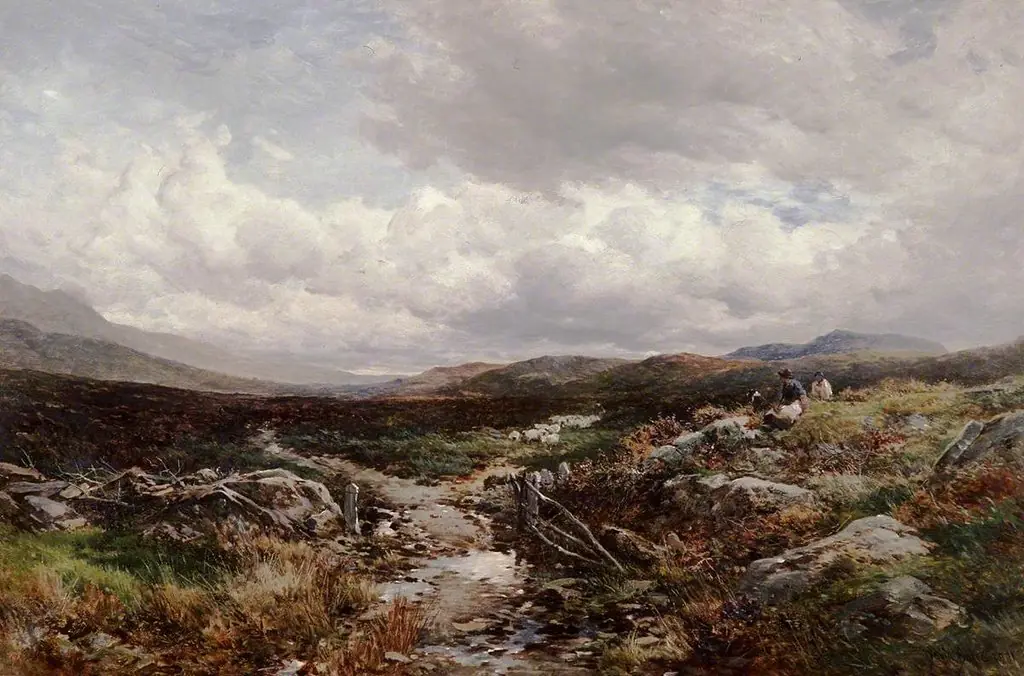 Near Festiniog
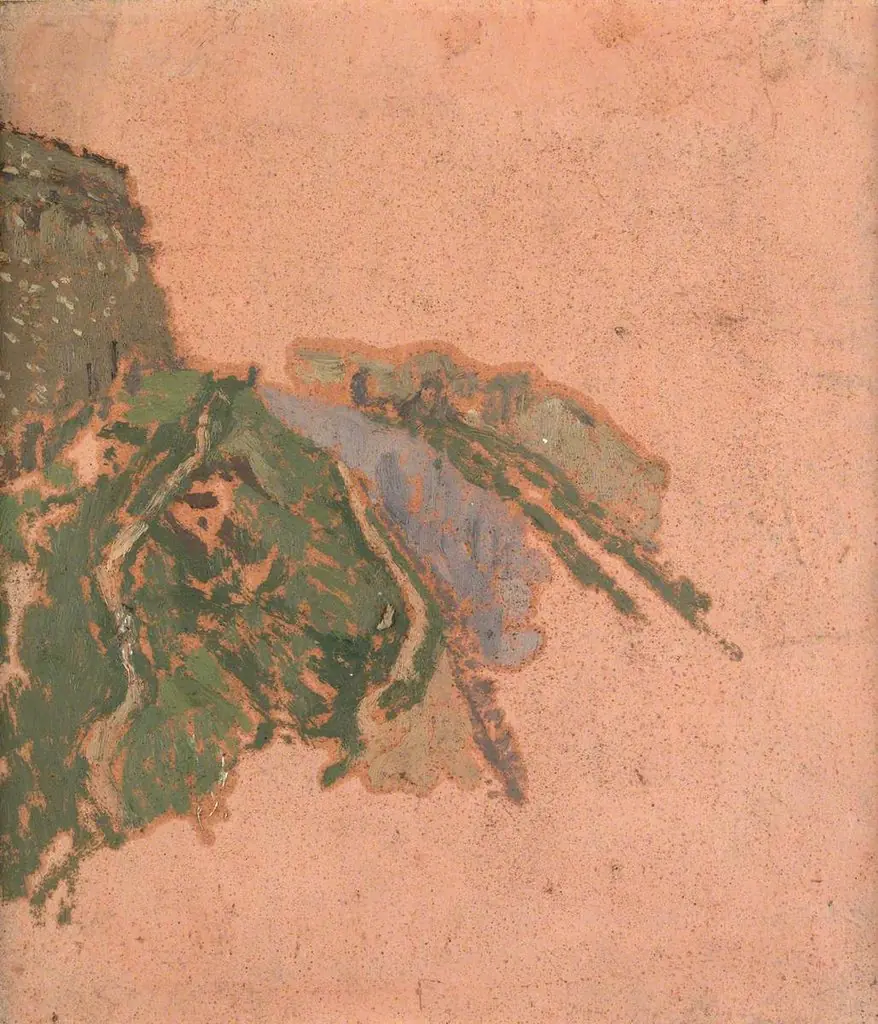 Hillside: View from the Artist's Studio
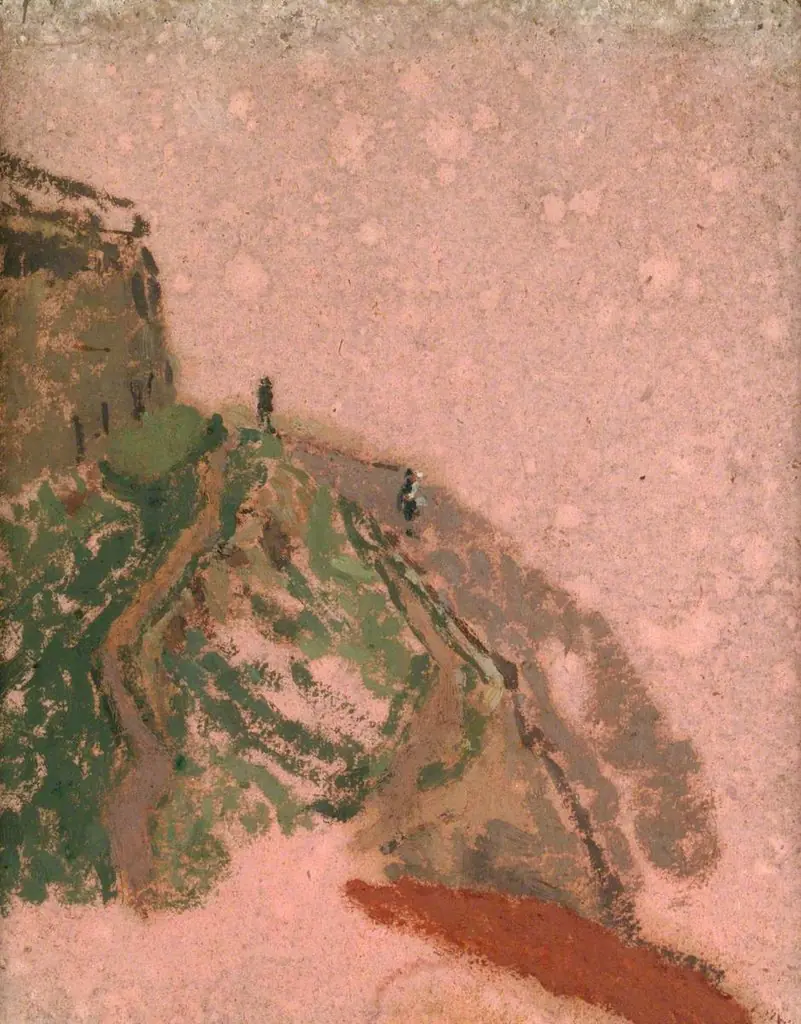 Hill with Two Figures: View from the Artist's Studio
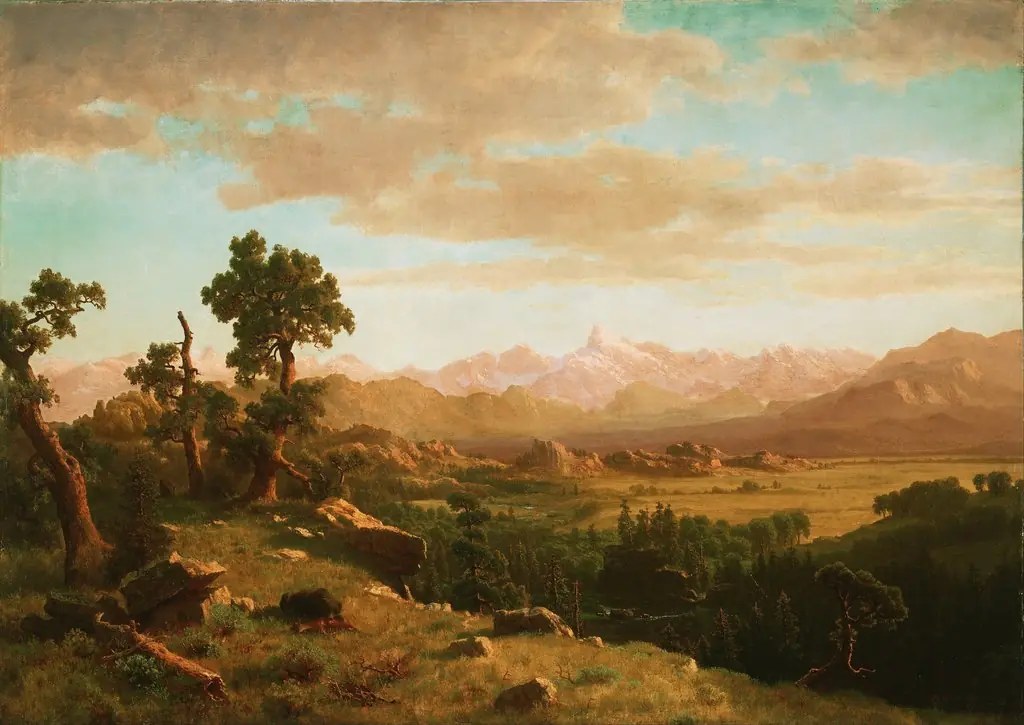 Wind River Country
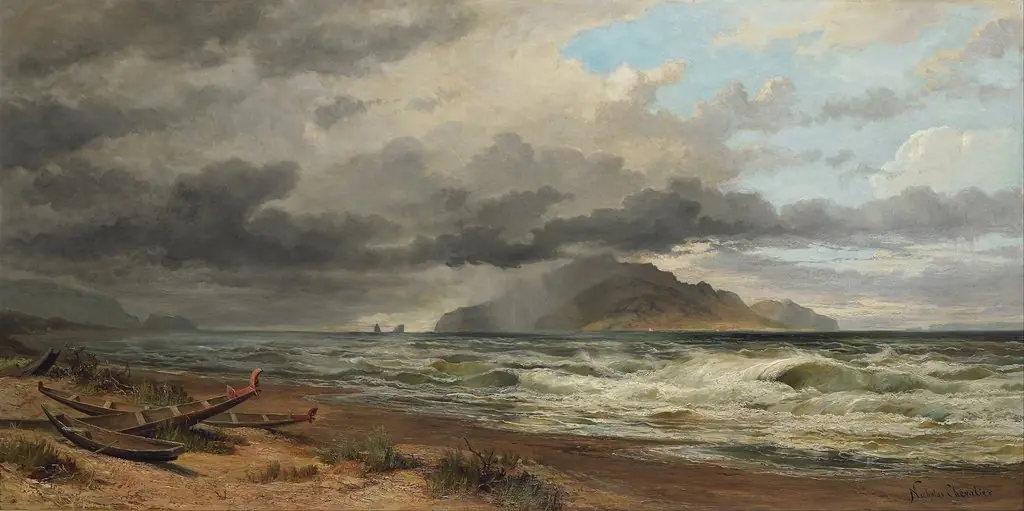 Cook Strait, New Zealand
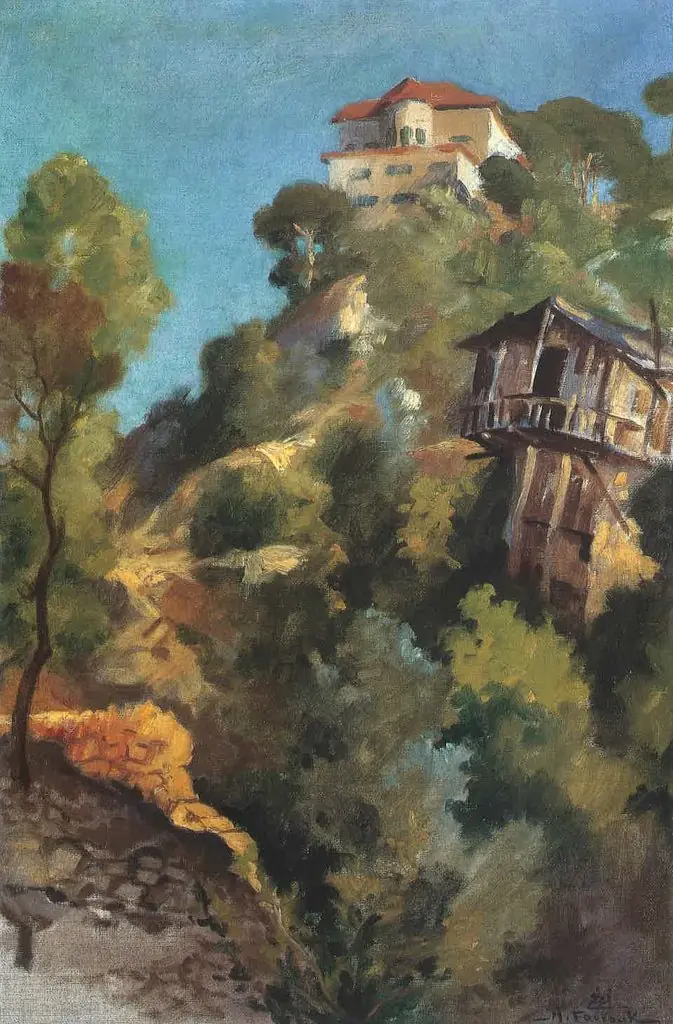 Bikfaya. The Palace and the cabin
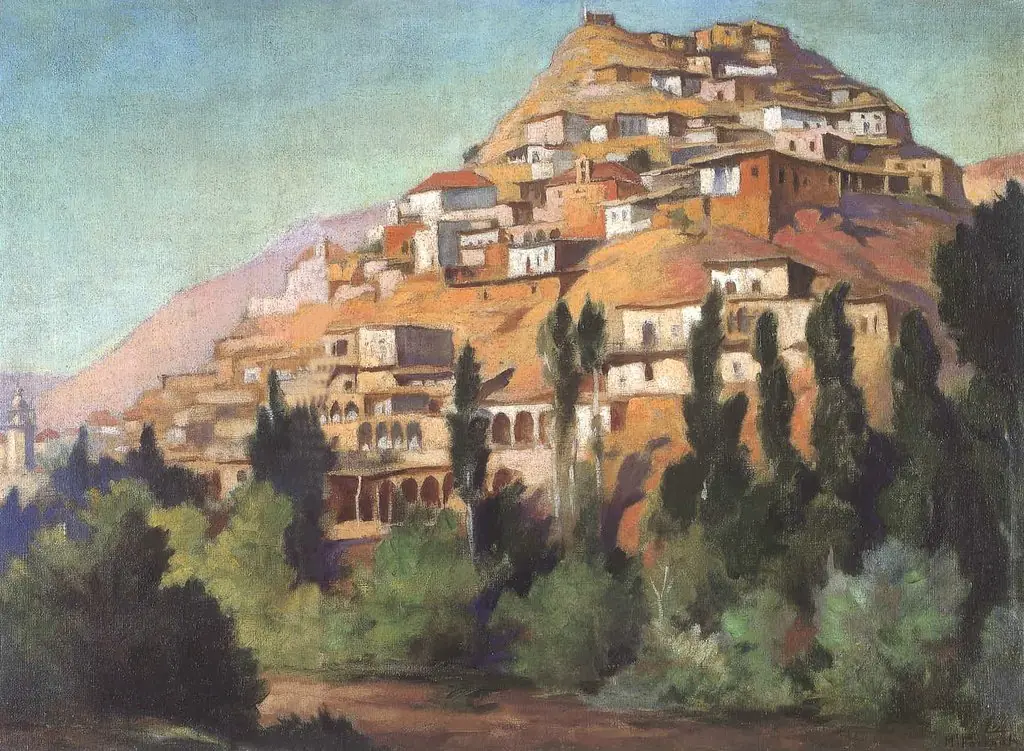 Qab Elias
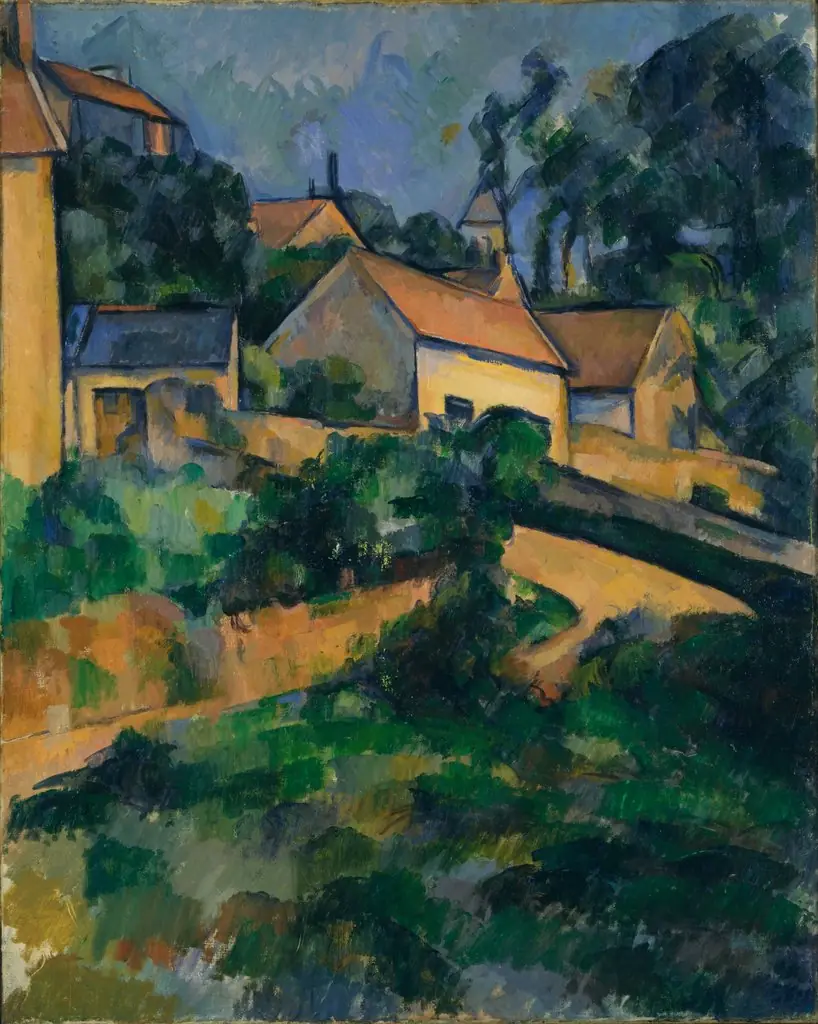 Turning Road at Montgeroult
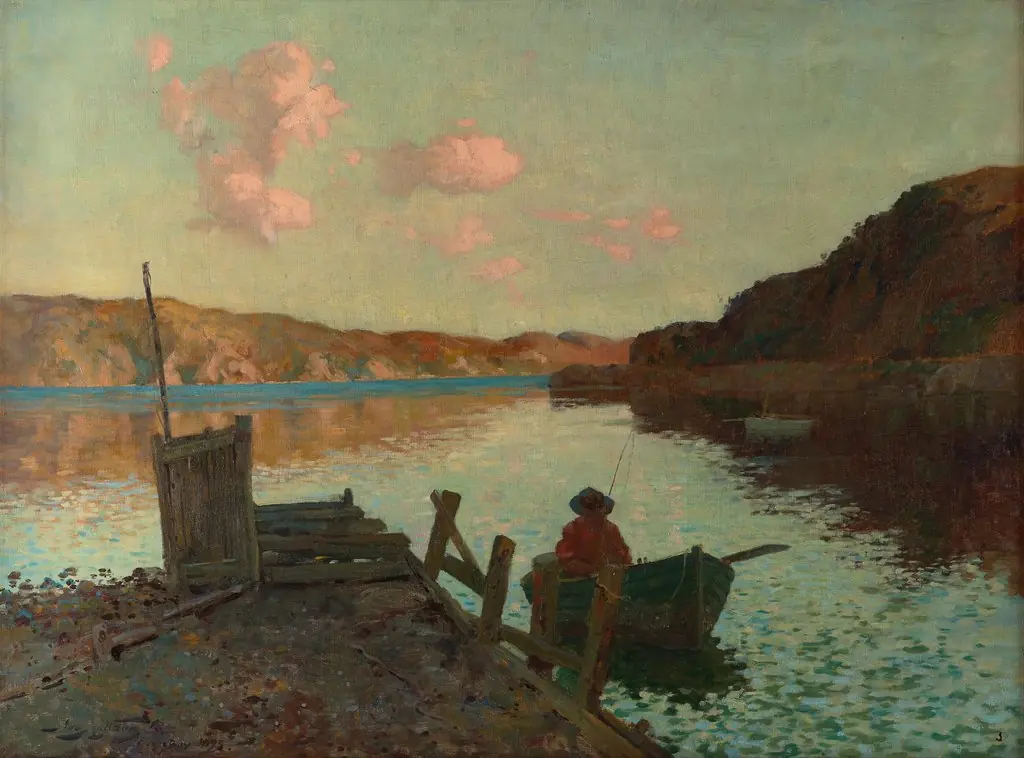 Evans Bay
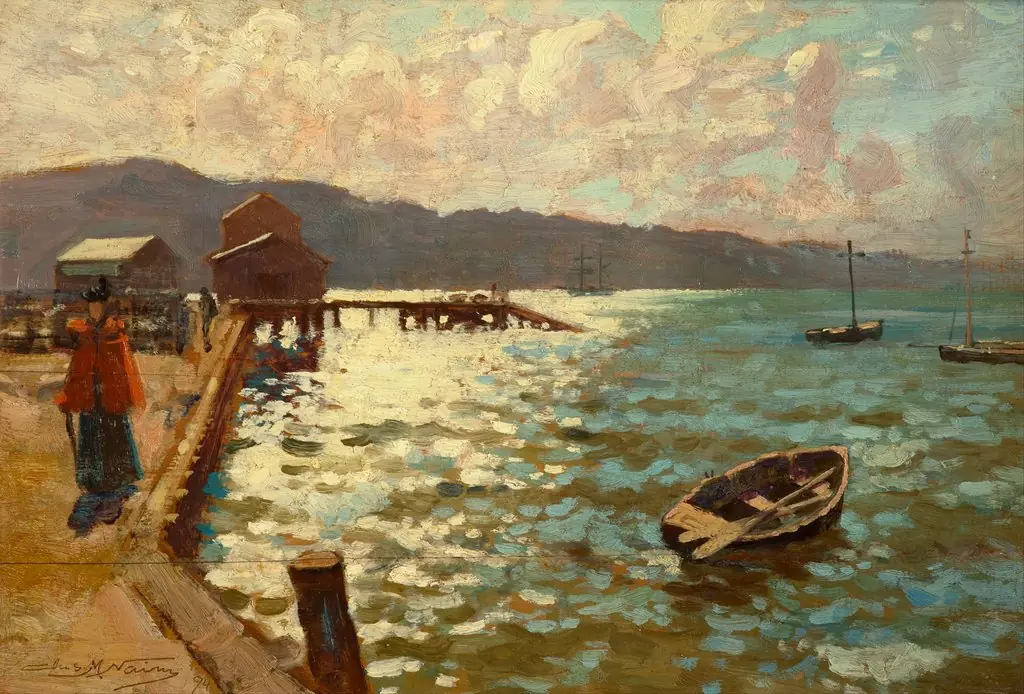 Wellington Harbour
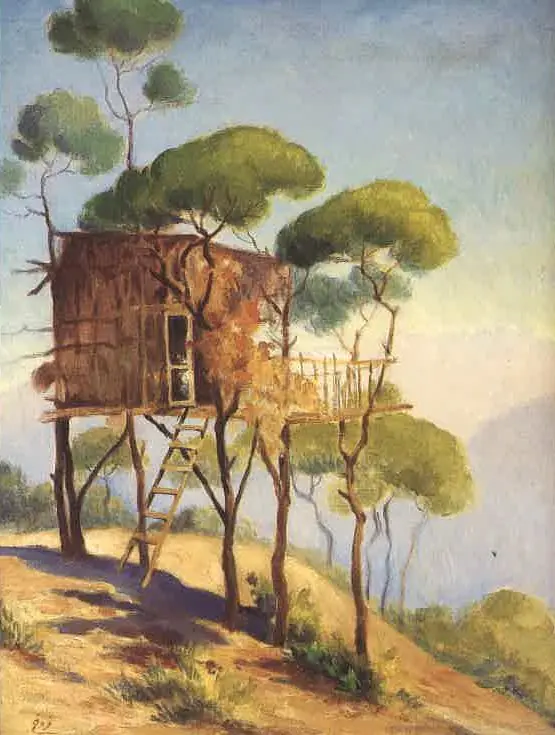 Irzal at Dhour El Choueir
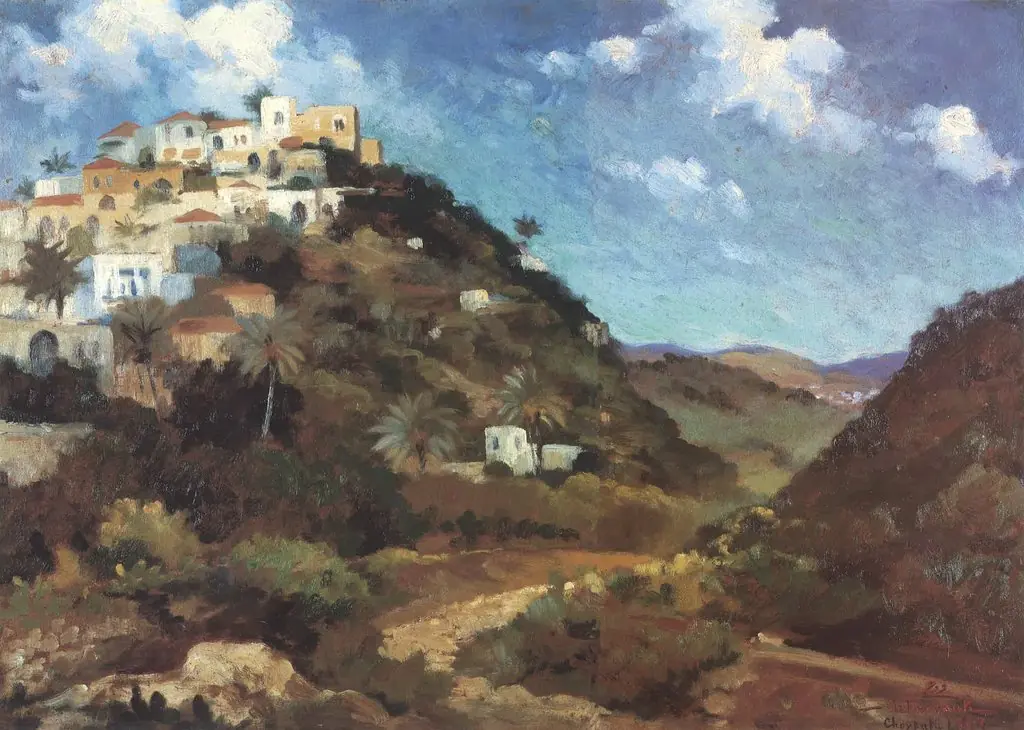 Choueifat: Tallet Al-Oumara
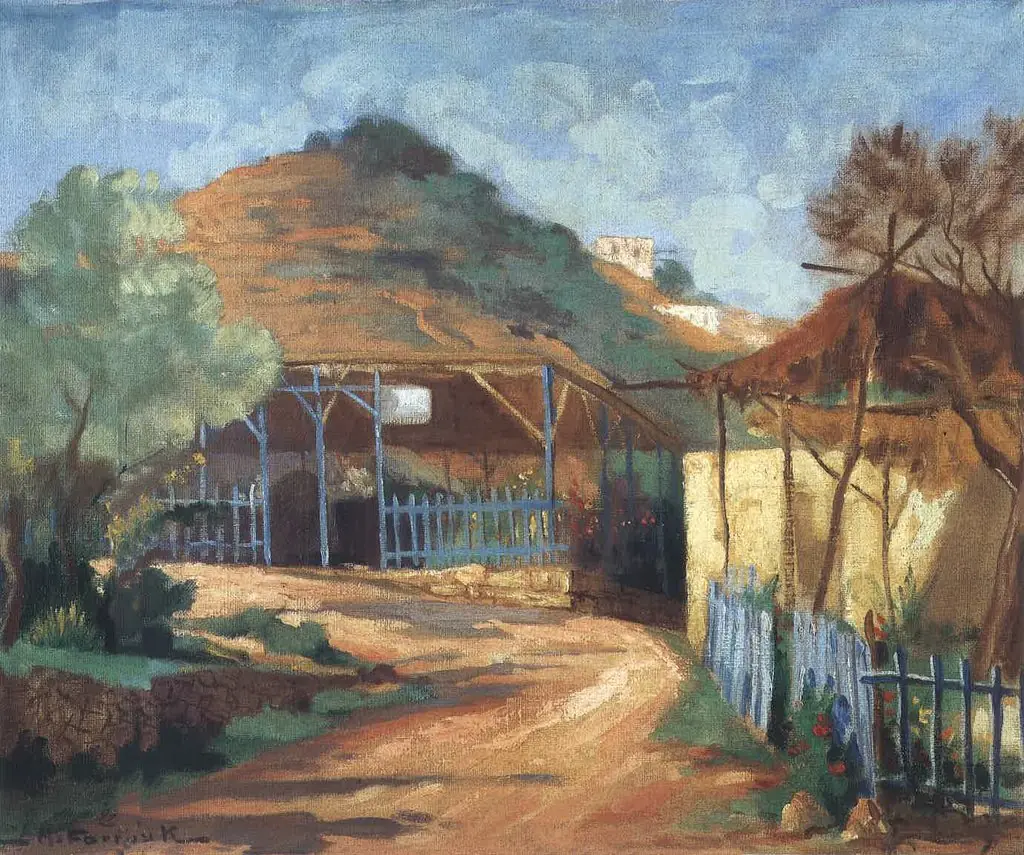 A Coffee House at Chemlane
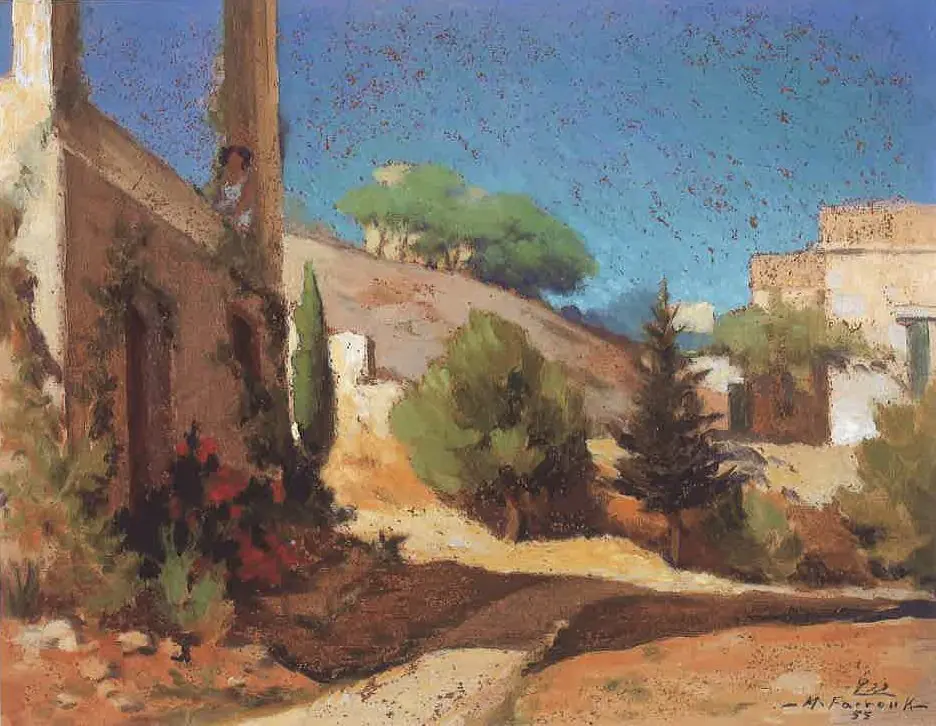 The Artist's Home in Aley
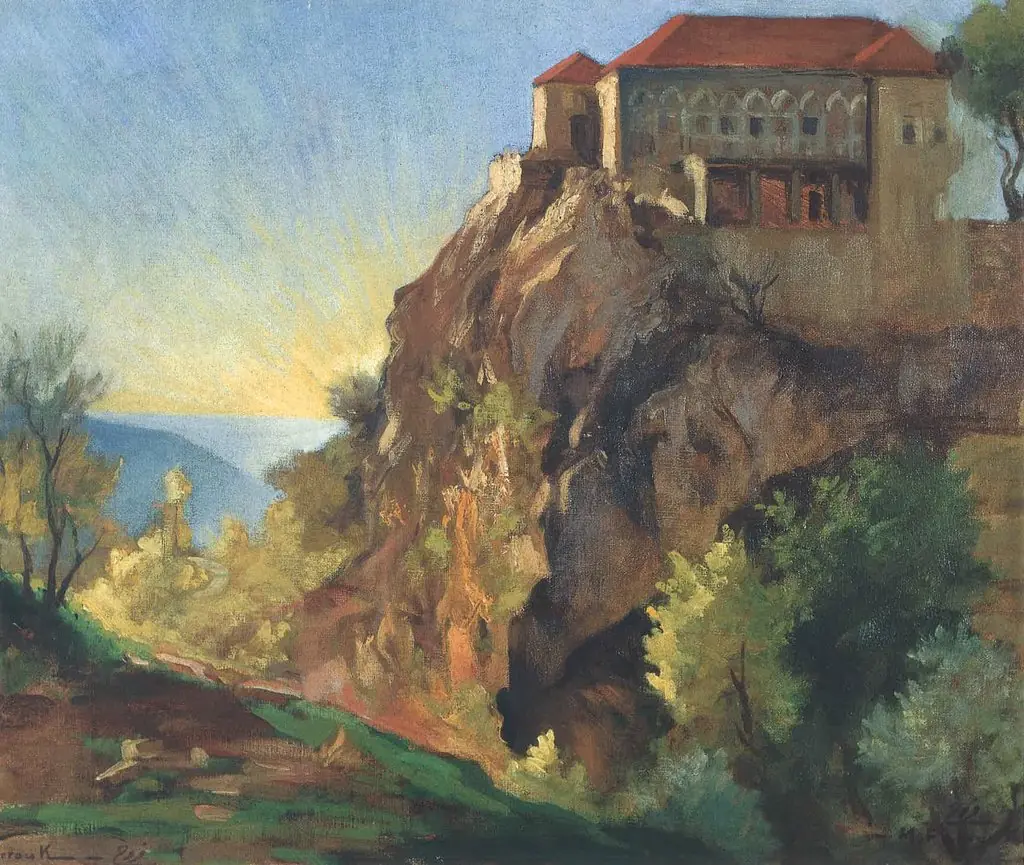 Lamartine's palace at Hammana
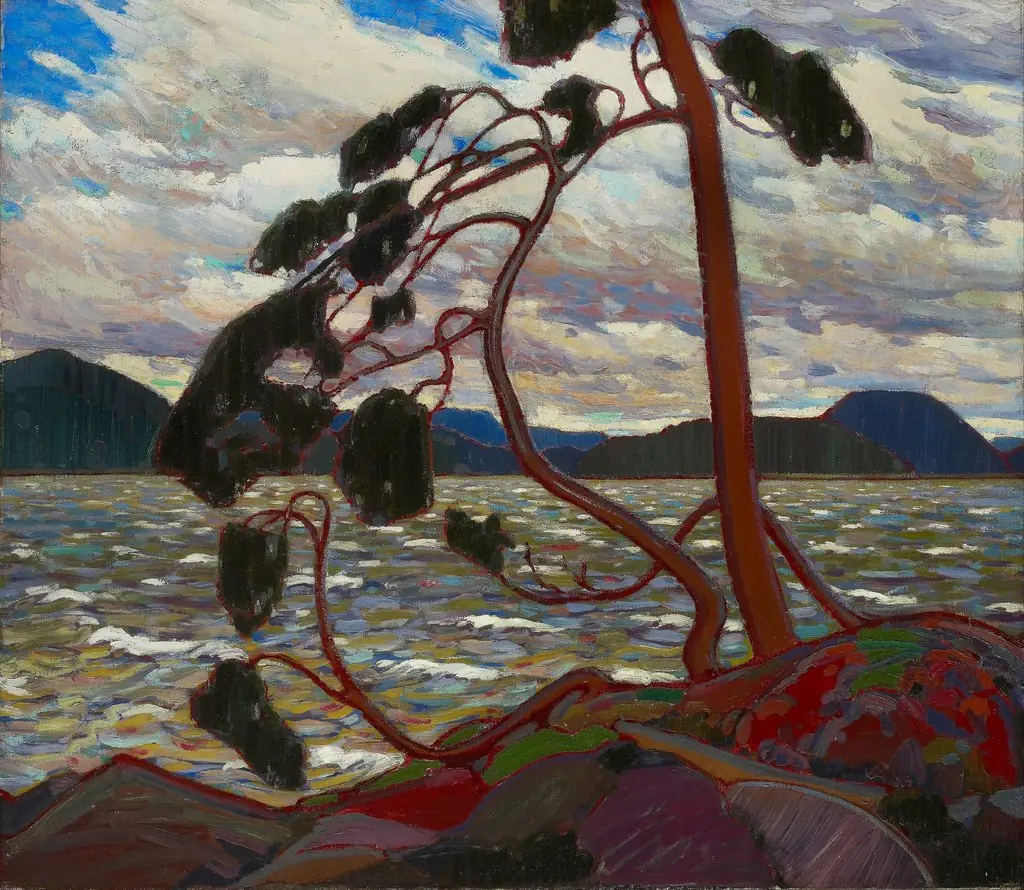 The West Wind
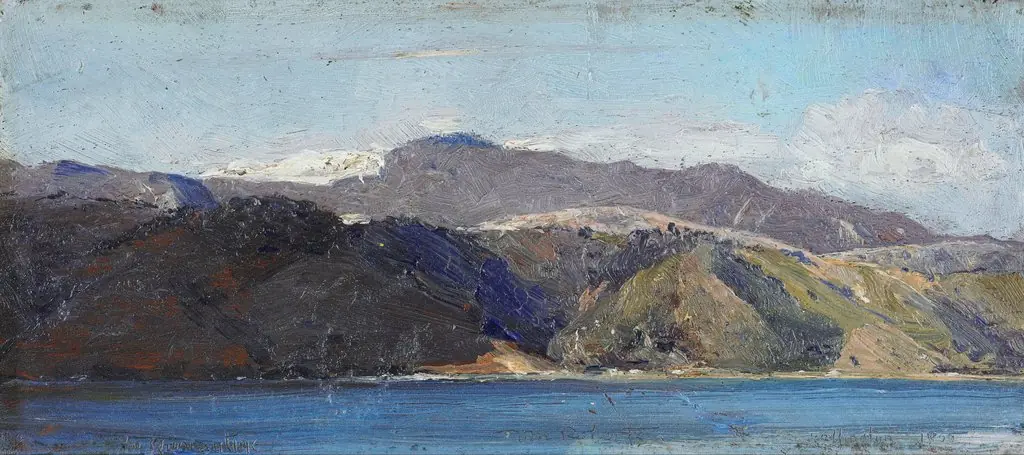 In Quarantine, Wellington
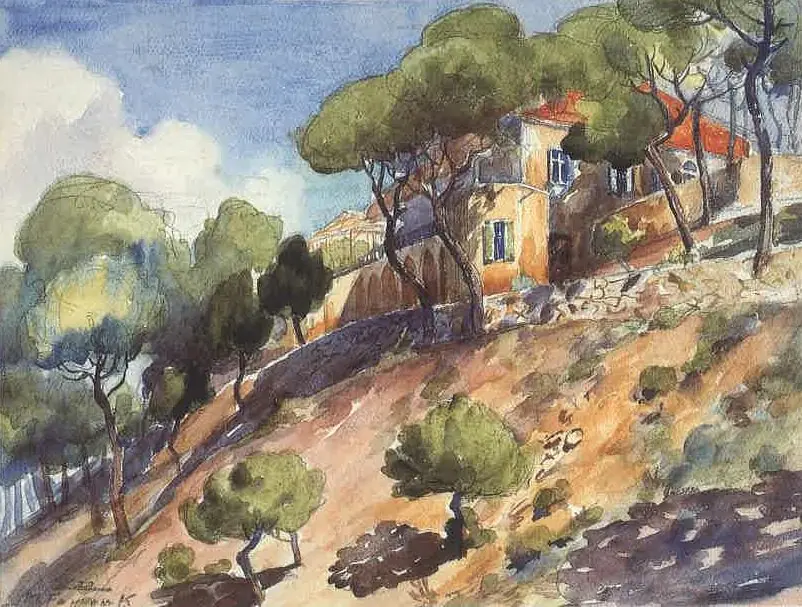 Souq Al-Gharb
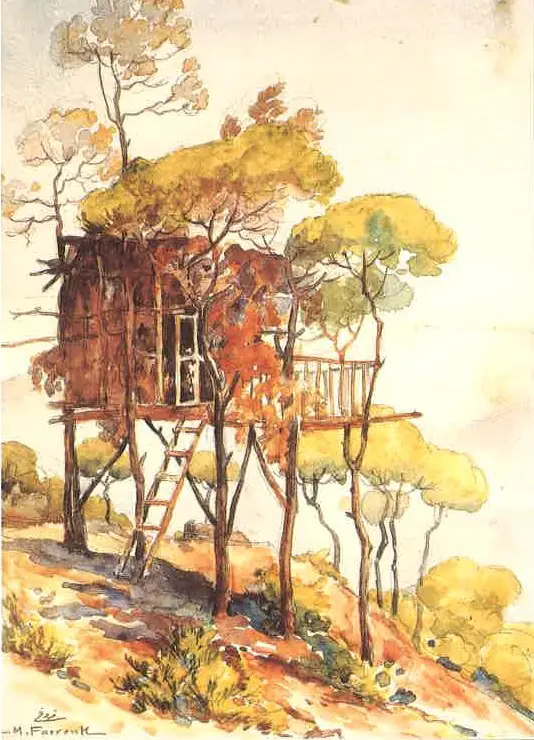 Irzal at Dhour El Choueir
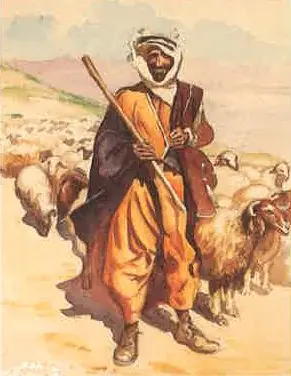 A Sheep herder at the outskirts of Baalbek
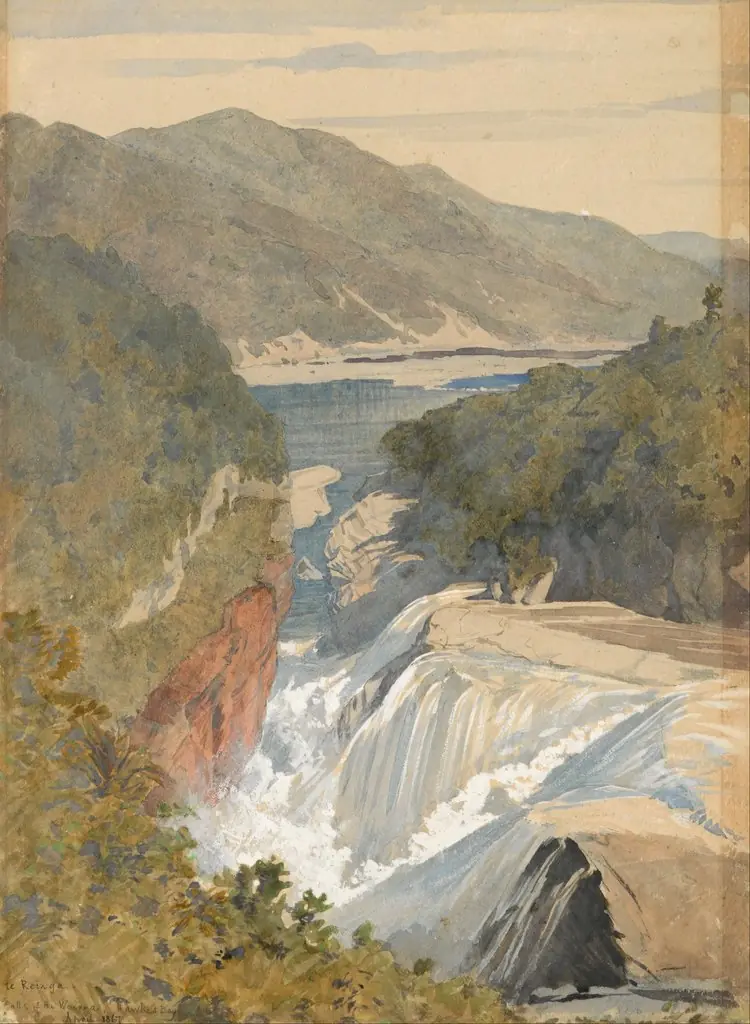 Te Reinga, Falls of the Wairoa. Hawke's Bay
Frequently asked questions
What is Hill?
Hill is a surname of English and Scottish origin, meaning "a person who lived on a hill".
How many Hill works does Artifact World Gallery have?
Artifact World Gallery holds 152 public-domain Hill works, all free to view and download.
Who are the key Hill artists?
Key Hill artists in the collection include Jean Baptiste Camille Corot, Thomas Cole and Albert Bierstadt.
Where can I see Hill works?
Hill works in the collection are held by Metropolitan Museum of Art, Groeningemuseum and Brooklyn Museum.