Artwork
Général Auguste-Marie-Henri Picot, comte de Dampierre (1756-1793)
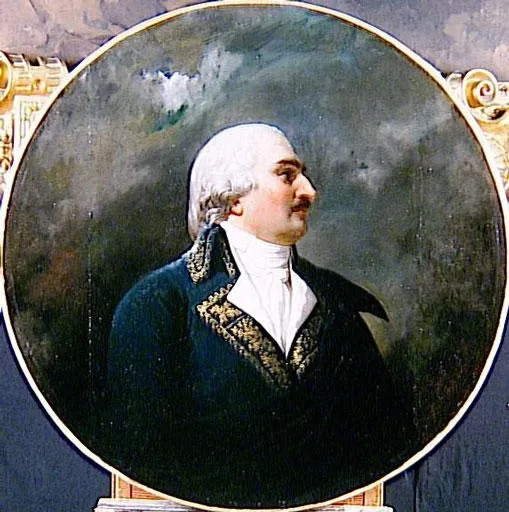
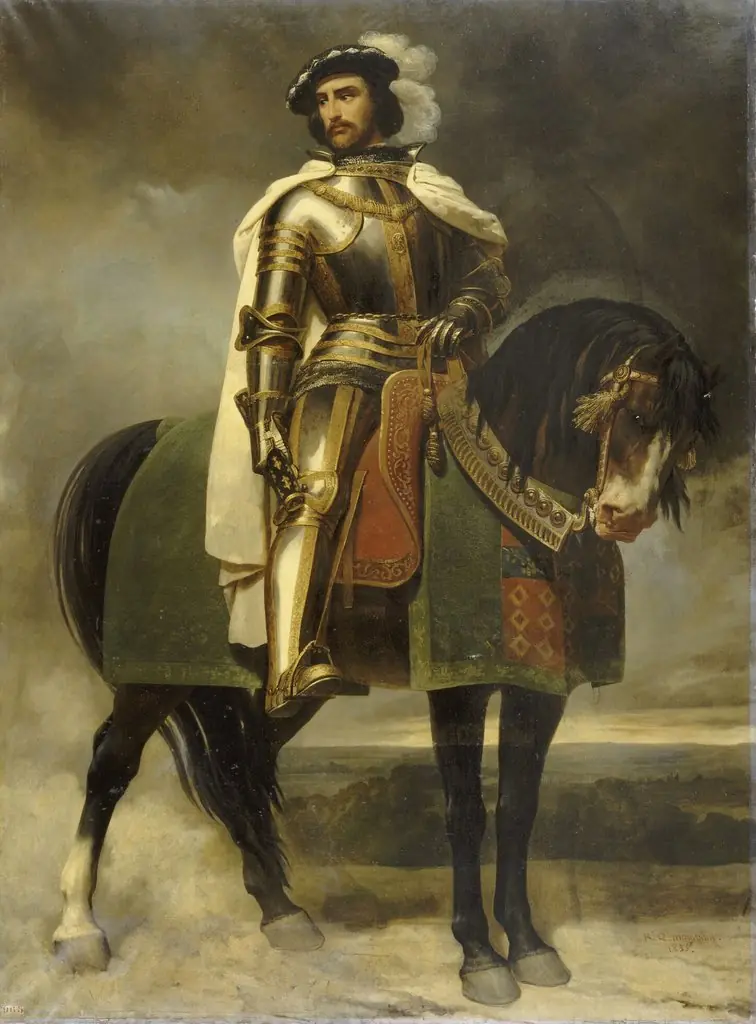
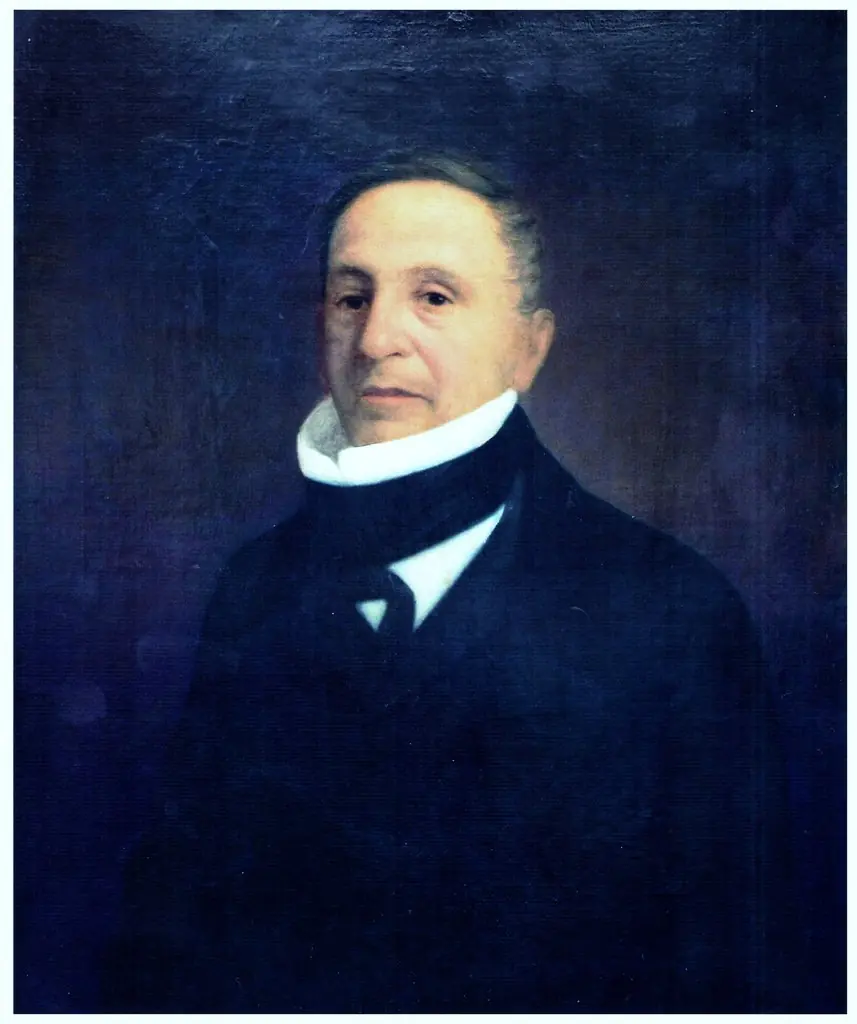
Général Auguste-Marie-Henri Picot, comte de Dampierre (1756-1793) is an oil painting by the French Romanticist artist Raymond Monvoisin. It dates from 1834 and is held in the collection of the Palace of Versailles.
About this work
Overview
Painted in 1834 by the French artist Raymond Monvoisin, this oil portrait depicts Général Auguste-Marie-Henri Picot, comte de Dampierre (1756–1793).
Painted in 1834 by the French artist Raymond Monvoisin, this oil portrait depicts Général Auguste-Marie-Henri Picot, comte de Dampierre (1756–1793). The composition presents the subject in a three-quarter view, turned toward the right with his gaze directed off into the distance, set against a dark, unadorned background that isolates the figure. Monvoisin renders the general in a dark coat distinguished by elaborate gold trim, a detail that serves as the visual focal point of the work.
The artist employs precise brushwork to articulate the texture of the fabric and the metallic sheen of the decorations, emphasizing the subject's military status. Created decades after the general's death during the French Revolutionary Wars, the portrait reflects Monvoisin's established practice of producing historical and commemorative likenesses during his mature period in France. The work functions as a formal memorialization of a Napoleonic-era figure, utilizing the conventions of early 19th-century portraiture to convey dignity and authority through the careful rendering of uniform and pose.
Subject & Meaning
The figure is the former commander of the Revolutionary armies, shown in a dark, gold‑trimmed coat that signals his military rank and aristocratic title. His white hair and distant gaze suggest both the passage of time and a reflective stance, hinting at his historical role and eventual execution during the Reign of Terror.
Technique & Style
Monvoisin employs oil paint to achieve a tactile surface, especially in the richly rendered gold embroidery. A chiaroscuro scheme, deep shadows behind the sitter contrasted with illuminated fabric, creates a three‑dimensional presence, while the limited palette emphasizes the solemnity of the portrait.
History & Provenance
Since its creation, the painting has remained in French state ownership, ultimately entering the Versailles collection where it is displayed among other portraits of notable figures from the Ancien Régime and Revolutionary periods. Its placement underscores the museum’s mission to document the nation’s political and military heritage.
Artist & collection

- Nicolas Beaurepaire, lieutenant-colonel au 1er bataillon de Maine-et-Loire en 1792 (1740-1792)
 Portrait of General J.-B. Kleber
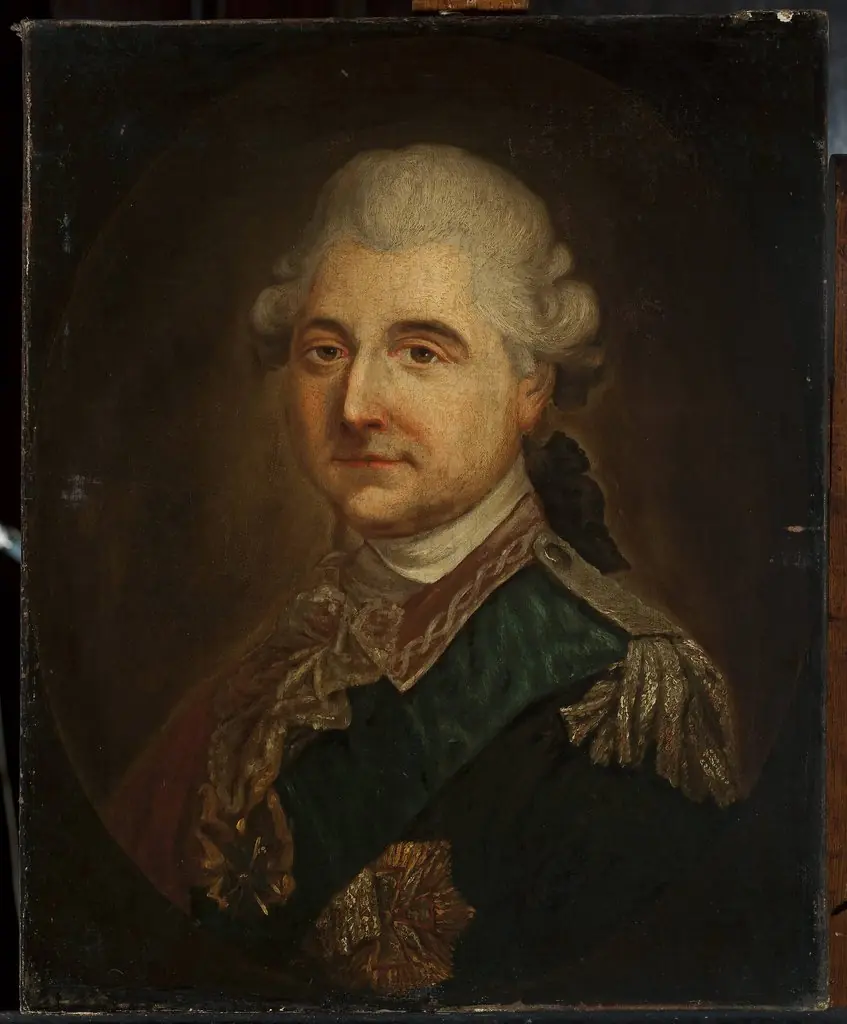 Portrait of Stanisław August Poniatowski in the uniform of the head of the Corps of Cadets
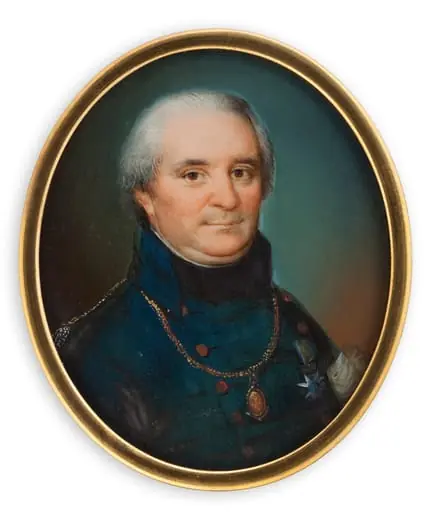 Luotsipäällikkö G. A. Lejonancker
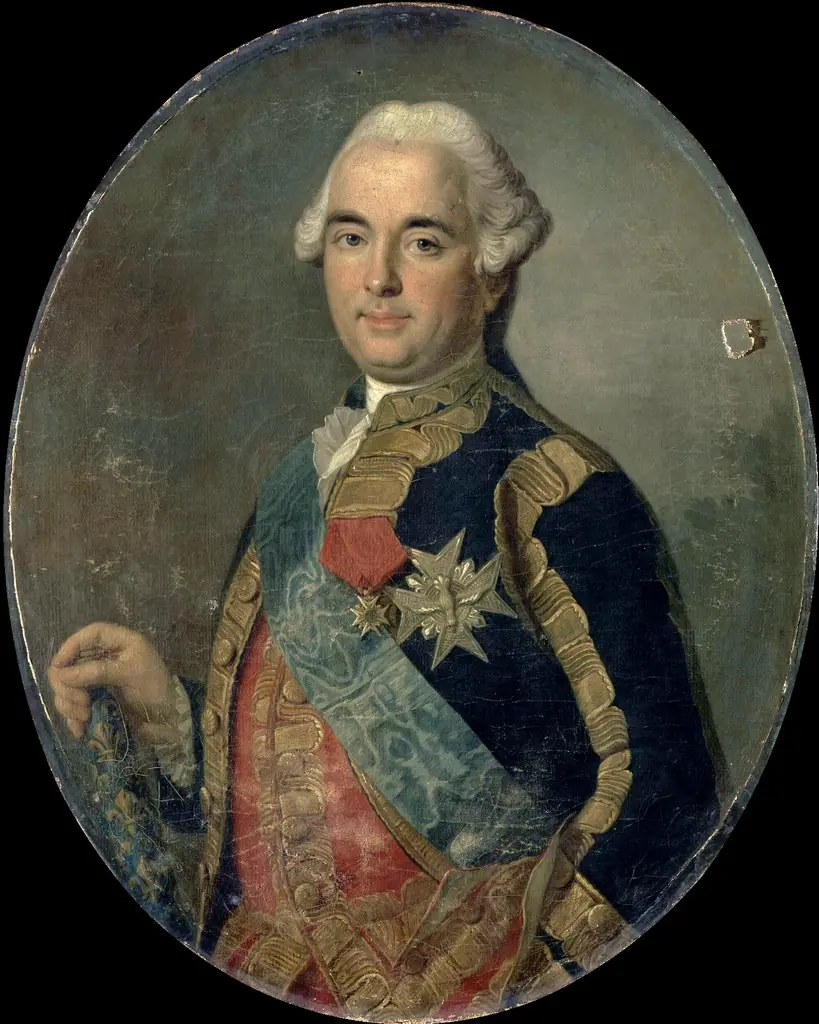 Portrait of Victor-François, 2nd duc de Broglie
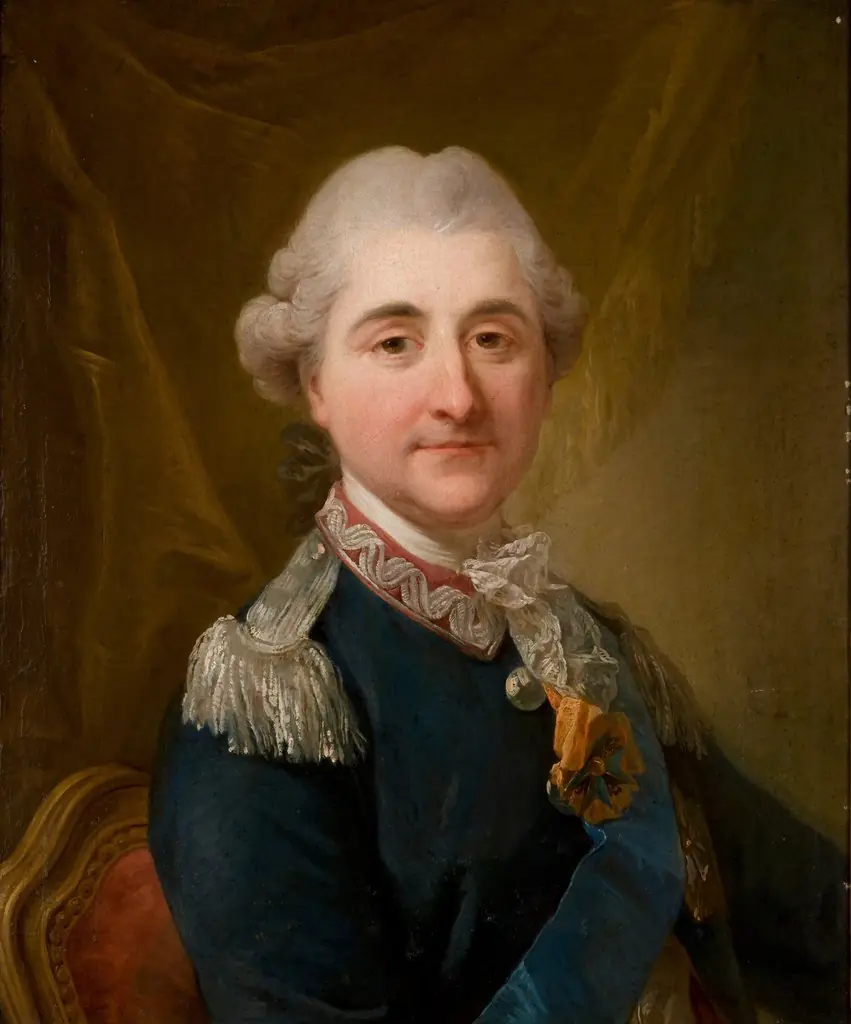 Portrait of King Stanislaus Augustus Poniatowski
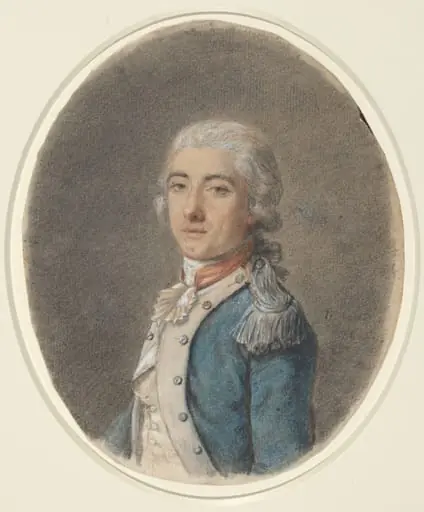 Portrait of a Man in a Military Uniform
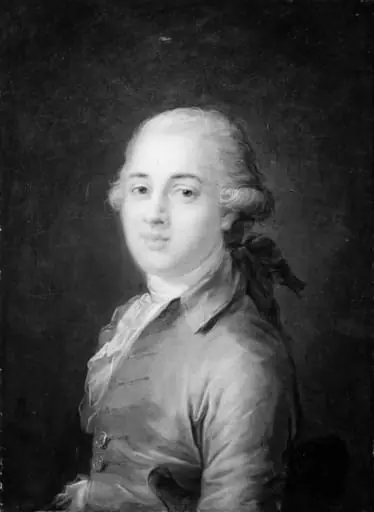 Portrait of Louis XVIII, when comte de Provence ?
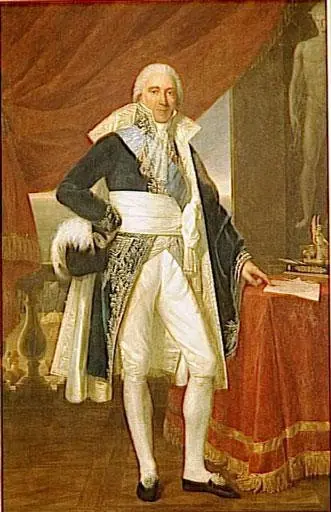 Jean-Baptiste Collin, comte de Sussy (1750-1826)
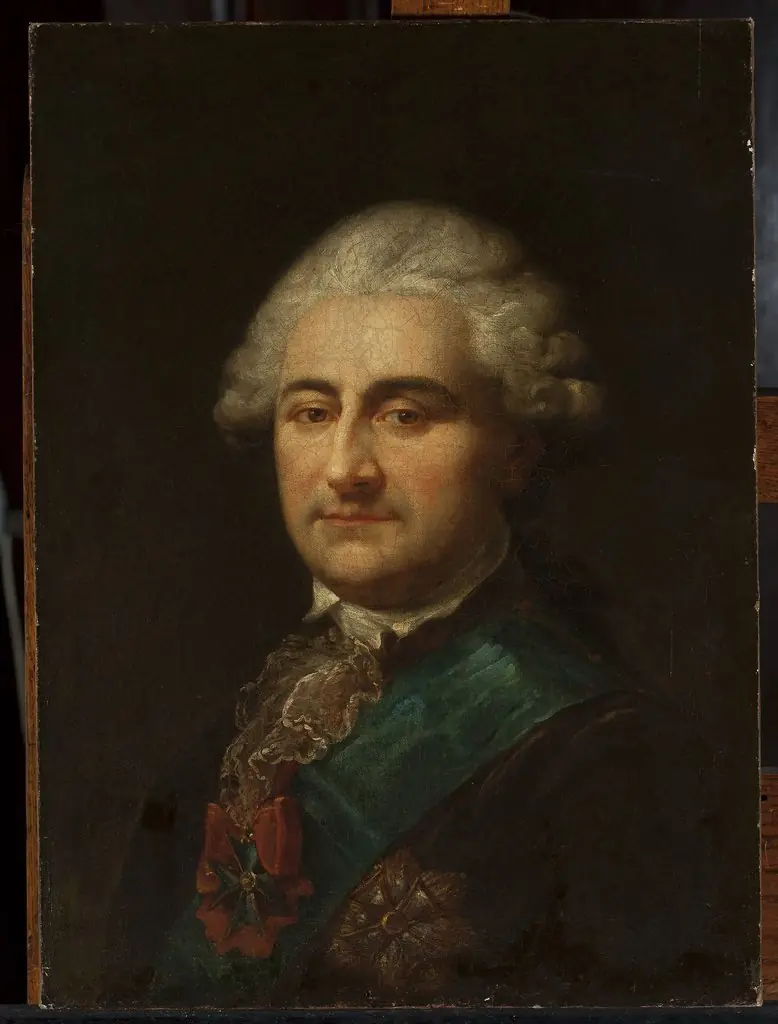 Portrait of Stanisław August Poniatowski with the Order of the White Eagle
 Contele Seweryn Rzewuski (în registrul inventar: Principele Rgewoski)
 Skuespilleren Frederik Schwarz