Artwork
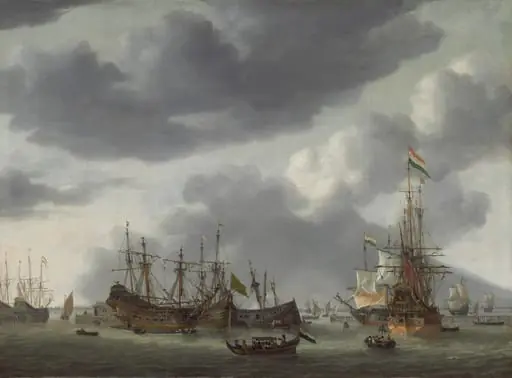
Caulking ships at the Bothuisje (flounder shed) on the Y at Amsterdam
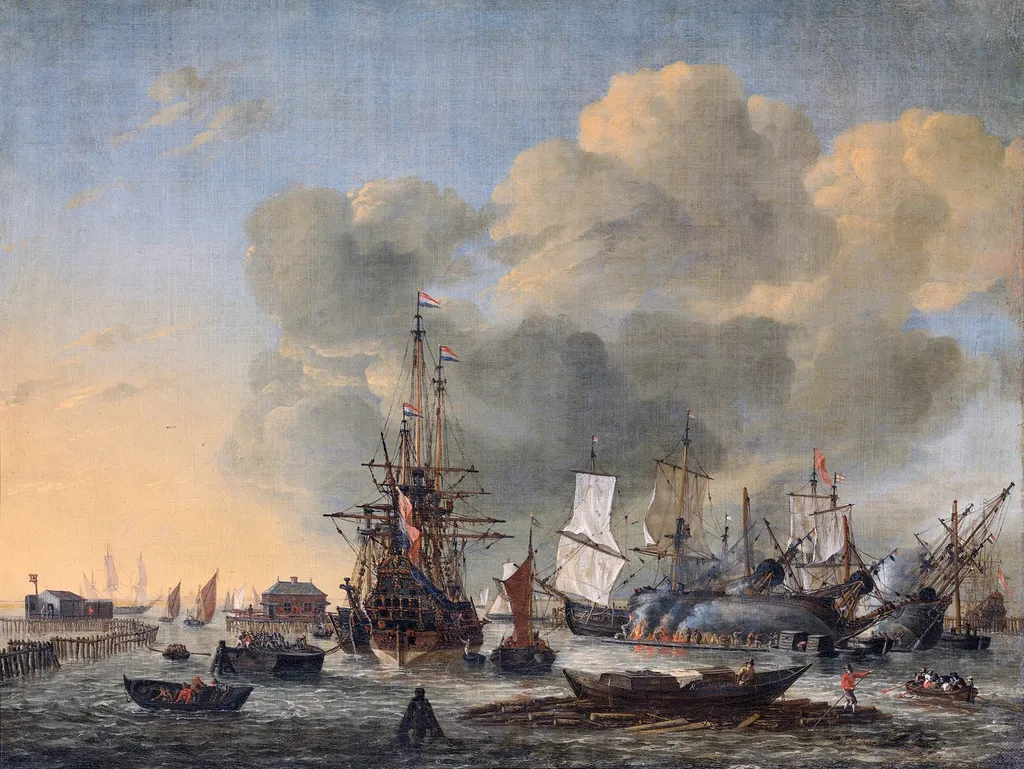
Caulking ships at the Bothuisje (flounder shed) on the Y at Amsterdam is an oil painting by the Dutch Golden Age artist Nooms, called Zeeman, Reinier. It dates from 1650 and is held in the collection of the Rijksmuseum. Reinier Nooms, known by the nickname Zeeman, painted this oil work around 1650.
About this work
Technique & Style
Its handling emphasizes crisp detail and smooth gradations of light across the hulls and rigging, with sharply delineated reflections on the water’s surface.
The painting is executed in oil on canvas, a standard support for Dutch marine subjects of the mid-seventeenth century.
Its handling emphasizes crisp detail and smooth gradations of light across the hulls and rigging, with sharply delineated reflections on the water’s surface. The composition balances broad atmospheric recession with close-up views of caulking tools and tarred seams, underscoring Nooms’s documentary impulse. The restricted palette, dominantly earth browns, ochres, and muted blues, heightens the scene’s verisimilitude while preserving a restrained tonal unity.
Formal qualities include a low horizon and slight upward tilt of the viewer’s vantage, which enlarges the working boats and anchors the composition in the tangible labor of ship maintenance.
History & Provenance
Reinier Nooms created the oil painting Caulking ships at the Bothuisje (flounder shed) on the Y at Amsterdam in 1650. The work, executed on canvas, measures 49 cm in height and 64 cm in width. It is currently part of the collection at the Rijksmuseum in Amsterdam.
The artwork depicts a marine scene featuring boats at the specific location of the Bothuisje on the Y river.
The painting is held in the collection of the Rijksmuseum in Amsterdam, as recorded in its Wikidata entry. The work is catalogued there as part of the museum's holdings of marine art by Reinier Nooms.
No specific inventory or accession number is documented in the available sources, and no exhibition history is recorded for the work beyond its current placement in the Rijksmuseum collection.
Overview
Reinier Nooms, known by the nickname Zeeman, painted this oil work around 1650. It depicts a lively harbor at the Bothuisje, a flounder shed on the Y-shaped waterway of Amsterdam, and belongs to the Dutch Golden Age’s marine genre. The canvas is part of the Rijksmuseum’s collection.
Subject & Meaning
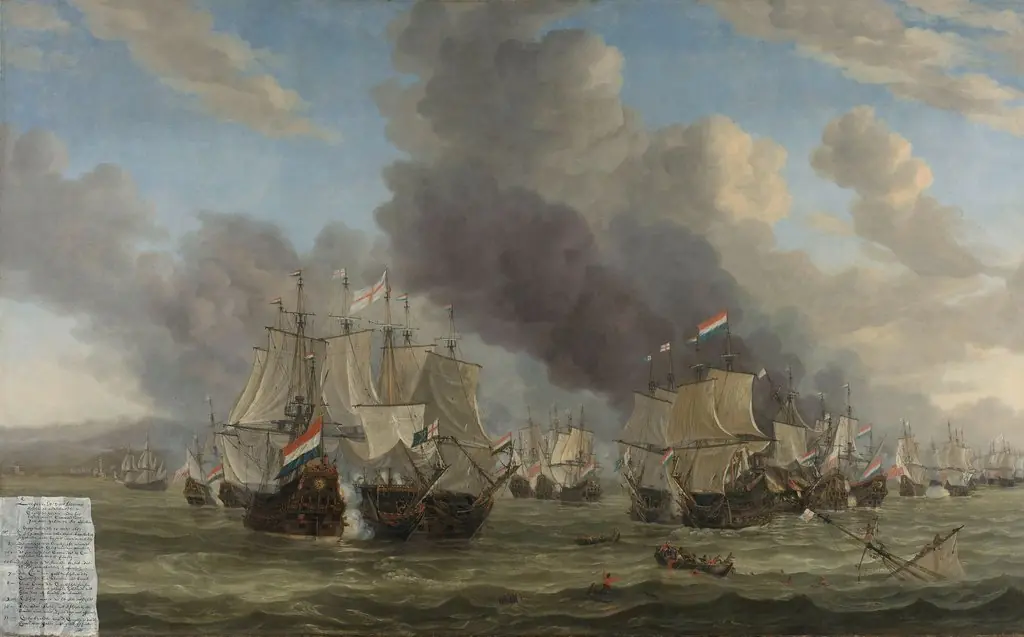
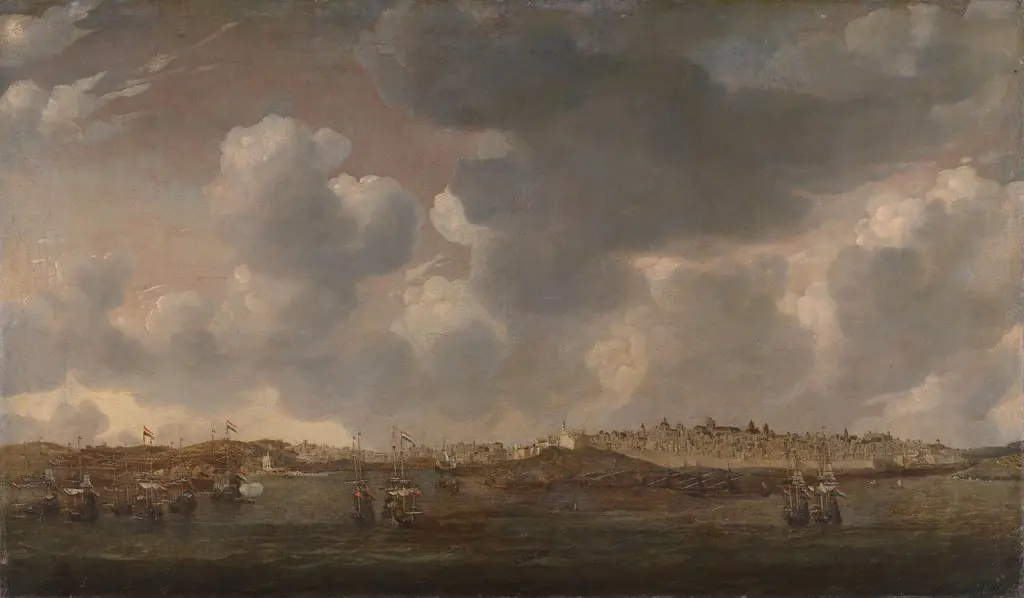
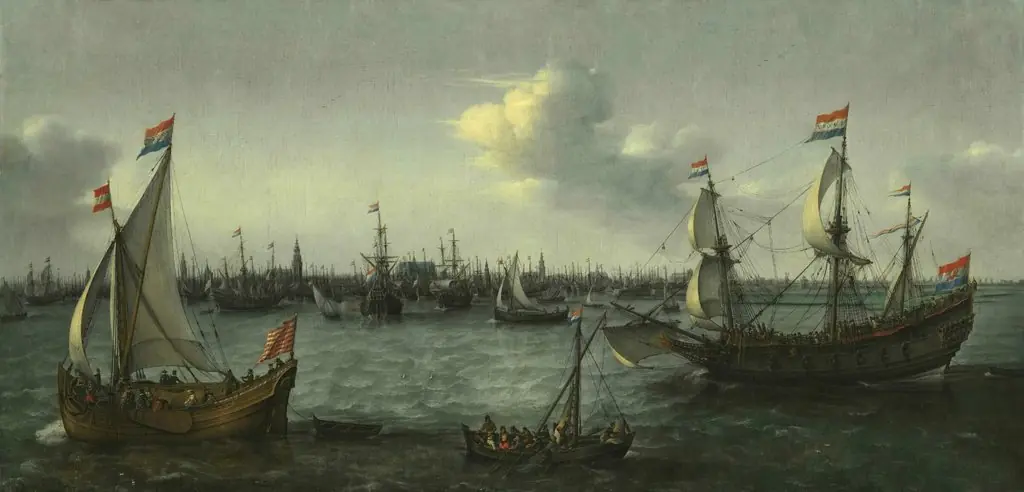
The scene concentrates on dockside labour, showing men applying tar to seal a ship’s hull, a process called caulking. Around them, a variety of vessels, from modest craft to larger ships with multiple masts, are either moored or moving out to sea, illustrating the bustling activity of Amsterdam’s commercial port.
Context
The painting captures a moment in mid‑17th‑century Amsterdam, when the city’s harbor was a hub of international trade. The Bothuisje served as a specialized shed for processing fish, and the presence of caulking workers underscores the constant maintenance required to keep the fleet seaworthy.
Own this work as a print
Artist & collection

Artist
Reinier Nooms (c. 1623 – 1664), also known as Zeeman or Seeman (Dutch for "sailor"), was a Dutch maritime painter known for his highly detailed paintings and etchings of ships. From the 1650s, Nooms started producing…