Artwork
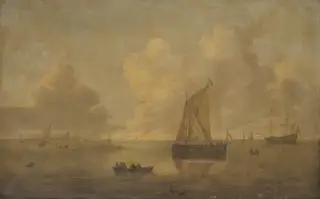
View of Salee, Morocco
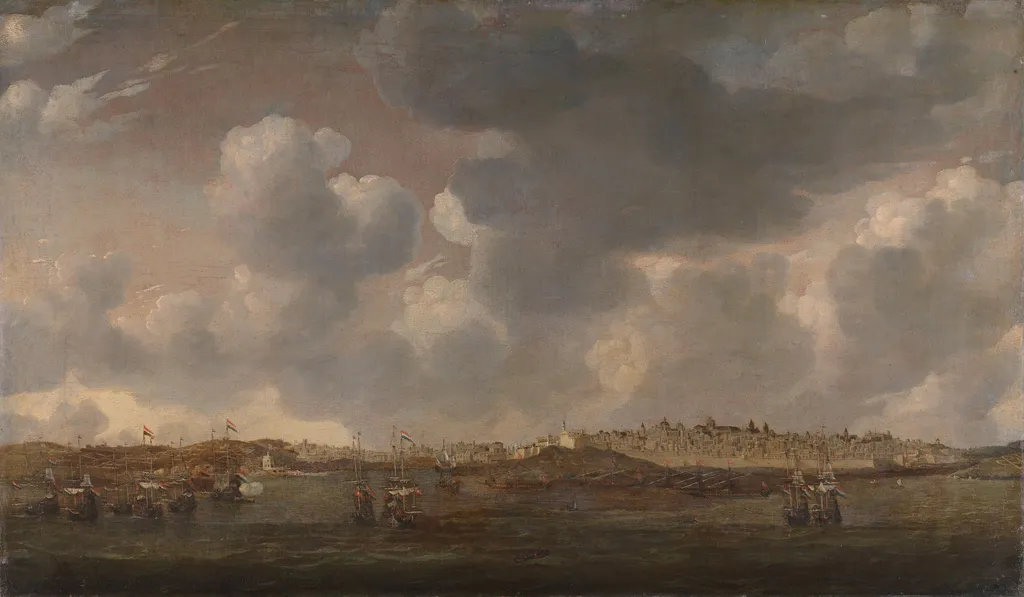
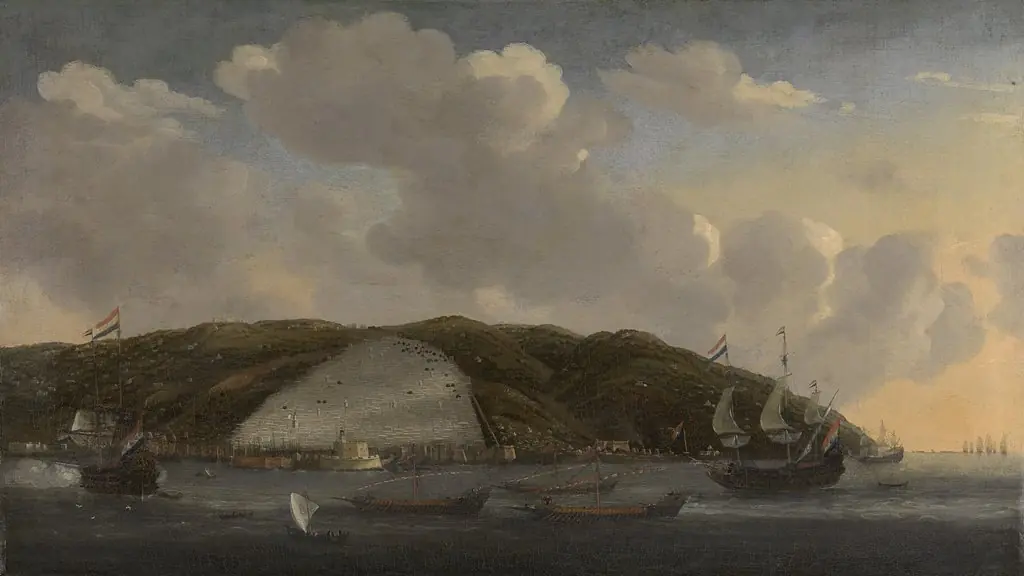
View of Salee, Morocco is an oil painting by the Dutch Golden Age artist Nooms, called Zeeman, Reinier. It dates from 1662 and is held in the collection of the Rijksmuseum.
About this work
Subject & Meaning
The work belongs to the genre of landscape painting and presents a topographical view of the North African port, situating Salé as its central subject.
View of Salee, Morocco is a landscape painting that depicts the Moroccan city of Salé, rendered in oil on canvas by Reinier Nooms in 1662. The work belongs to the genre of landscape painting and presents a topographical view of the North African port, situating Salé as its central subject.
As a depiction of Salé, the painting functions as a documentary record of a foreign city observed by a Dutch artist, reflecting seventeenth-century European interest in Mediterranean and Atlantic coastal trading centers. The landscape format frames the city itself as the primary subject of representation, rather than figures or narrative action, emphasizing place and setting over allegory.
The work's meaning is tied to its identity as a cityscape of Salé, offering viewers a visual account of the urban environment as Nooms perceived it, and contributing to the broader tradition of European topographical imagery of Moroccan locales during the period.
Technique & Style
The painting employs oil on canvas, a standard medium for Dutch marine and topographical works of the mid-17th century. The support is a rectangular canvas, measuring 65.5 cm in height by 110 cm in width.
Handling reflects the precise, descriptive approach typical of Reinier Nooms, with careful delineation of architectural and maritime elements and subdued tonal modeling. Formal qualities emphasize topographical accuracy: the fortified walls and urban skyline of Salé are rendered with clear outlines, while the adjacent river and distant hills anchor the composition in a restrained palette of ochres and umbers. The distant horizon and low vantage point underscore the scene’s documentary intent rather than dramatic effect.
History & Provenance
The work was painted in 1662 by Reinier Nooms, a Dutch artist known for maritime and topographical views. The painting depicts the Moroccan port city of Salé, recorded during a period of Dutch engagement with North African trade.
It entered the collection of the Rijksmuseum in Amsterdam, where it remains held. No documented commission or earlier provenance prior to the museum’s acquisition has been established in the cited sources.
The painting View of Salee, Morocco by Reinier Nooms is held in the collection of the Rijksmuseum in Amsterdam. It is cataloged as a landscape painting executed in oil on canvas, created in 1662. The work measures 65.5 cm in height and 110 cm in width. No specific accession number or exhibition history is provided in the available sources.
Overview
Reinier Nooms’ oil painting View of Salee, Morocco (1662) depicts the bustling harbor of the Moroccan town of Salé. A broad expanse of water occupies the foreground, dotted with a variety of sailing vessels, while the settlement rises on a hill behind, its tightly clustered buildings rendered against a cloudy sky pierced by shafts of light.
Context
Nooms, known as “Zeeman” for his specialization in seascapes, produced numerous etchings of ships and coastal scenes that circulated widely across Europe. View of Salee aligns with his broader interest in documenting distant harbors, offering Dutch viewers a visual record of a Mediterranean gateway at a time when maritime commerce was central to the Republic’s economy.
Artist & collection

Artist
Reinier Nooms (c. 1623 – 1664), also known as Zeeman or Seeman (Dutch for "sailor"), was a Dutch maritime painter known for his highly detailed paintings and etchings of ships. From the 1650s, Nooms started producing…

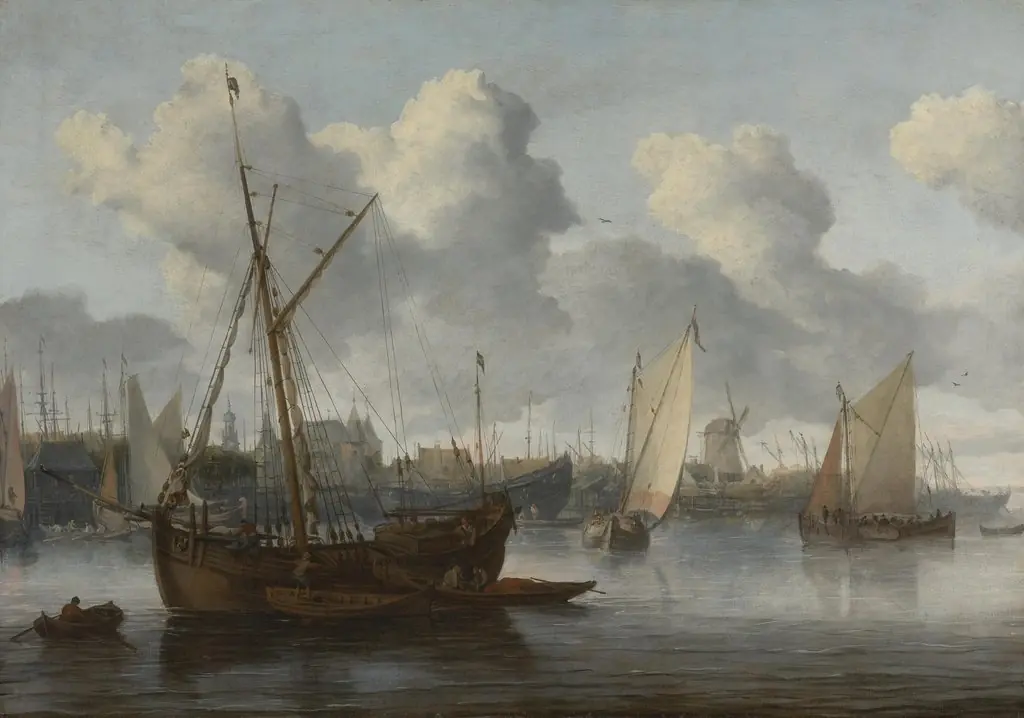 Fishing boats in a harbor
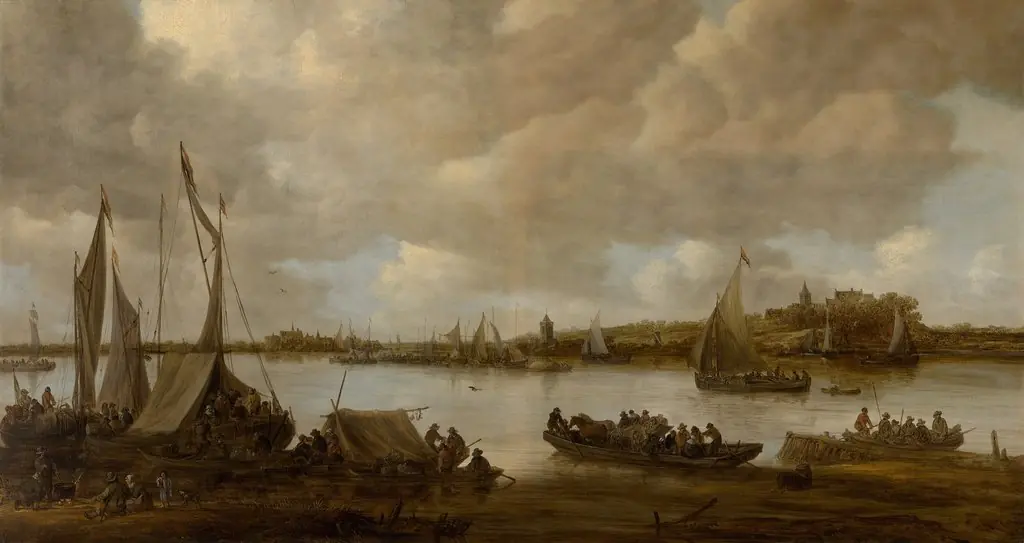 View of the Rhine near Hoog-Elten
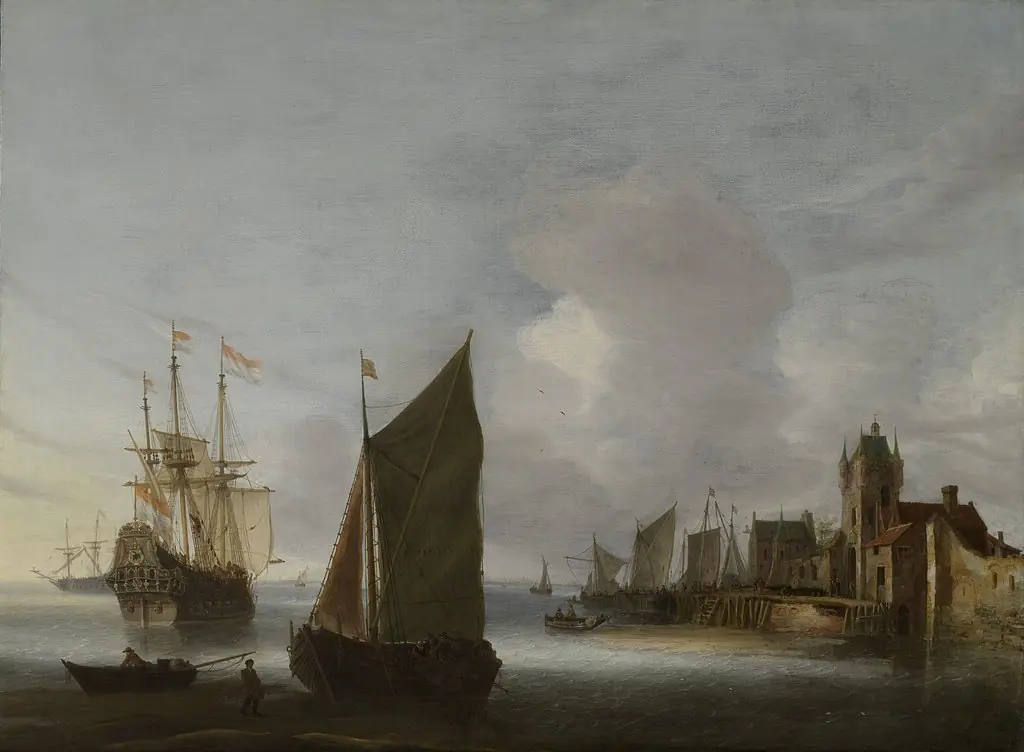 Shipping on the east Schelde near the Zuidhavenpoort, Zierikzee
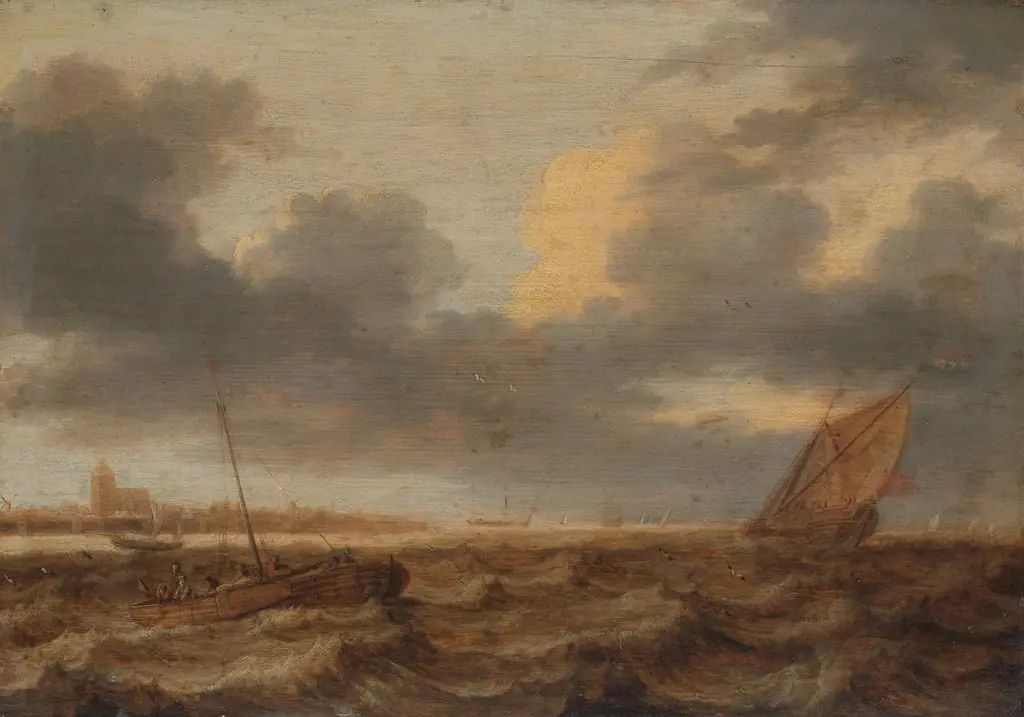 Fishing boats in choppy waters
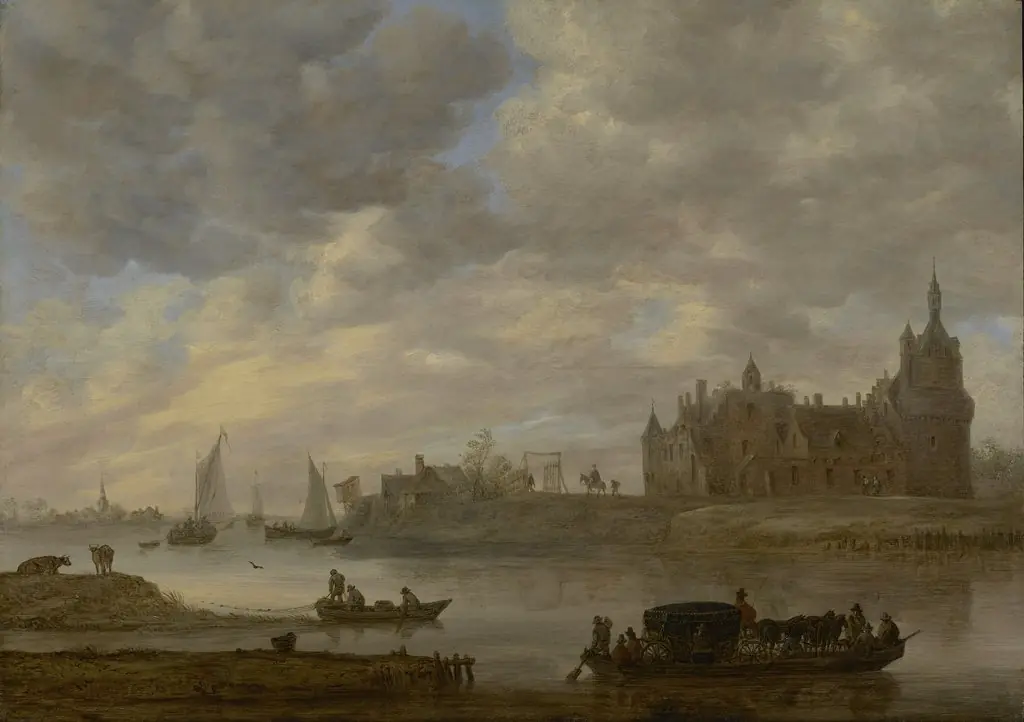 View of Duurstede Castle at Wijk bij Duurstede
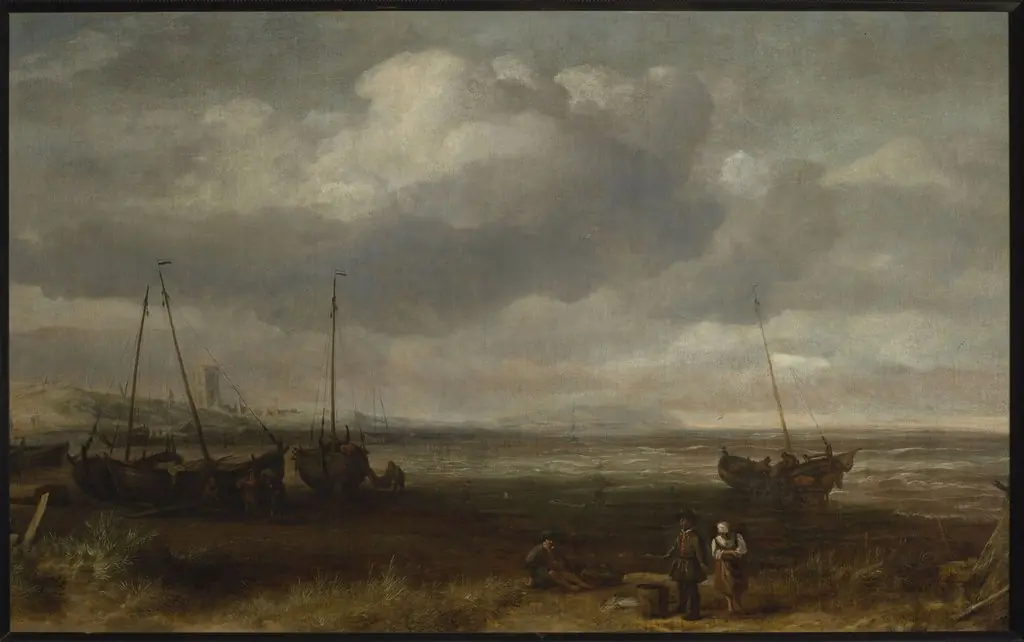 Seaside in Scheveningen with fishing boats
 View of Dordrecht from the Dordtse Kil
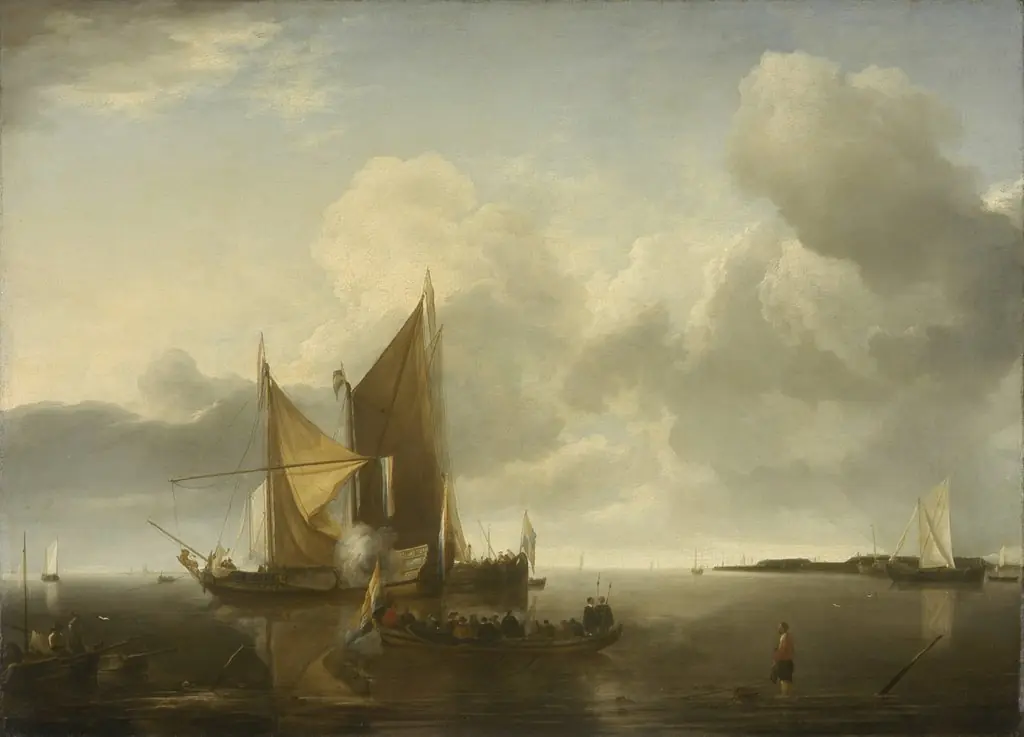 Ships in a Calm
 Seascape with a Town in the Background