Artwork
Untitled
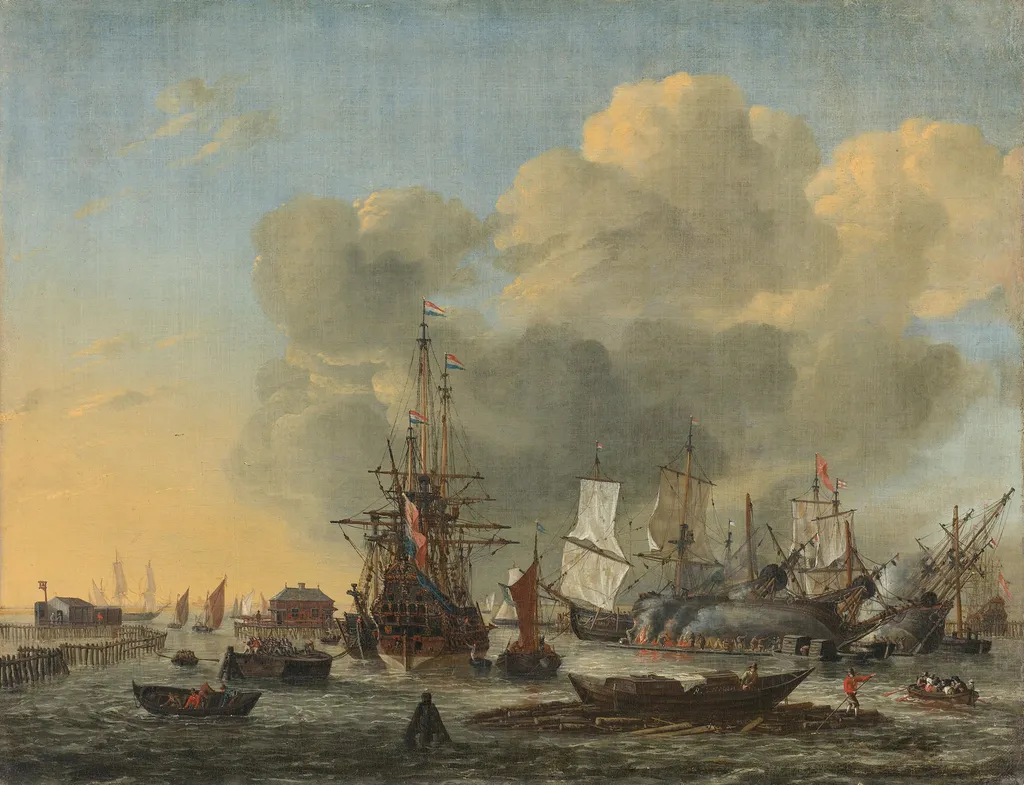
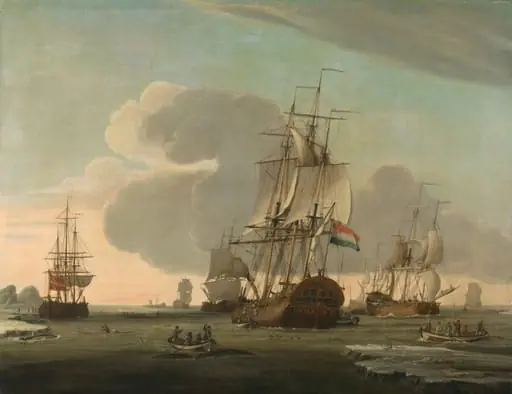
Untitled is an unspecified painting by the Dutch Golden Age artist Nooms, called Zeeman, Reinier. It dates from 1664 and is held in the collection of the Rijksmuseum. Reinier Nooms’ mid‑17th‑century canvas records a bustling Amsterdam shipyard on the IJ.
About this work
History & Provenance
The work is also documented in exhibition records related to maritime art in the Netherlands and has been included in curated displays at the museum.
The work Untitled by Reinier Nooms is held in the Netherlands Maritime Museum in Amsterdam, where it is part of the permanent collection and has been displayed in exhibitions focused on Dutch maritime art. It was accessioned under the museum's inventory system as part of the national maritime heritage holdings. The painting was created between 1660 and 1668 and depicts a view of the Amsterdam harbour, including the IJ bay and the 's Lands Zeemagazijn, now the Netherlands Maritime Museum.
It was shown in the 1996 exhibition 'Lof der Zeevaart', which highlighted Dutch seafaring art, and has been referenced in scholarly literature on 17th-century marine painting. The work is also documented in exhibition records related to maritime art in the Netherlands and has been included in curated displays at the museum.
Context
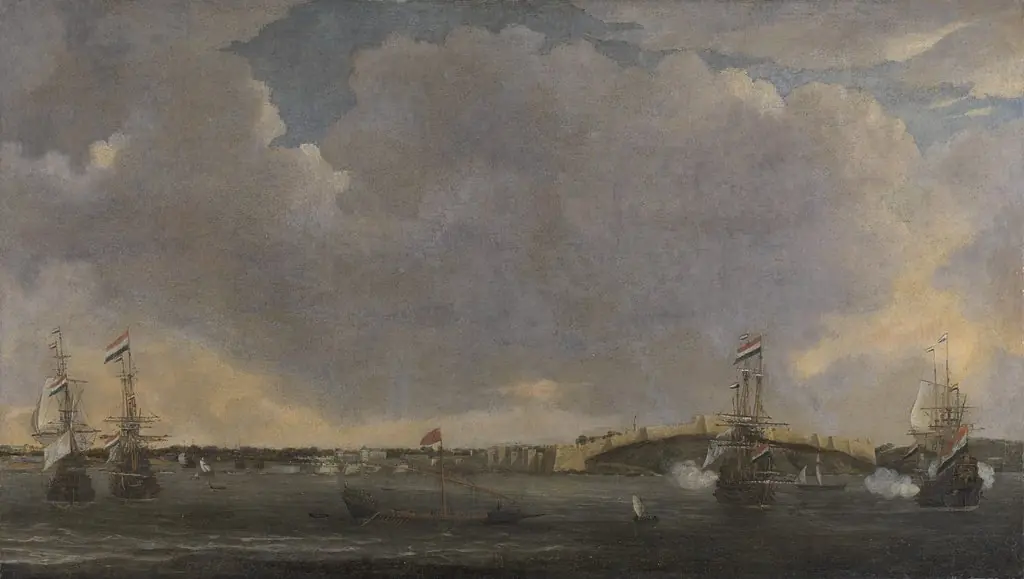
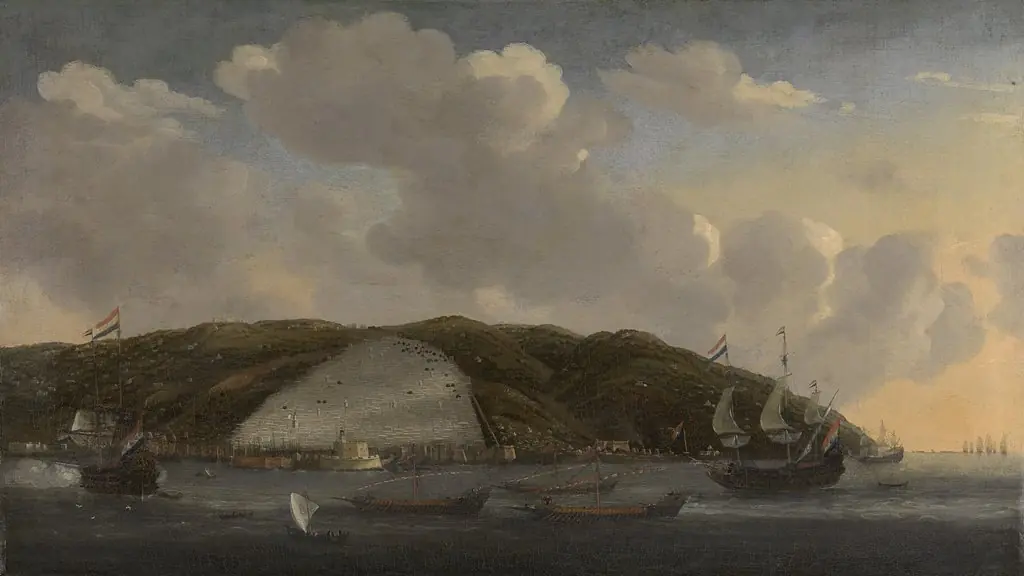
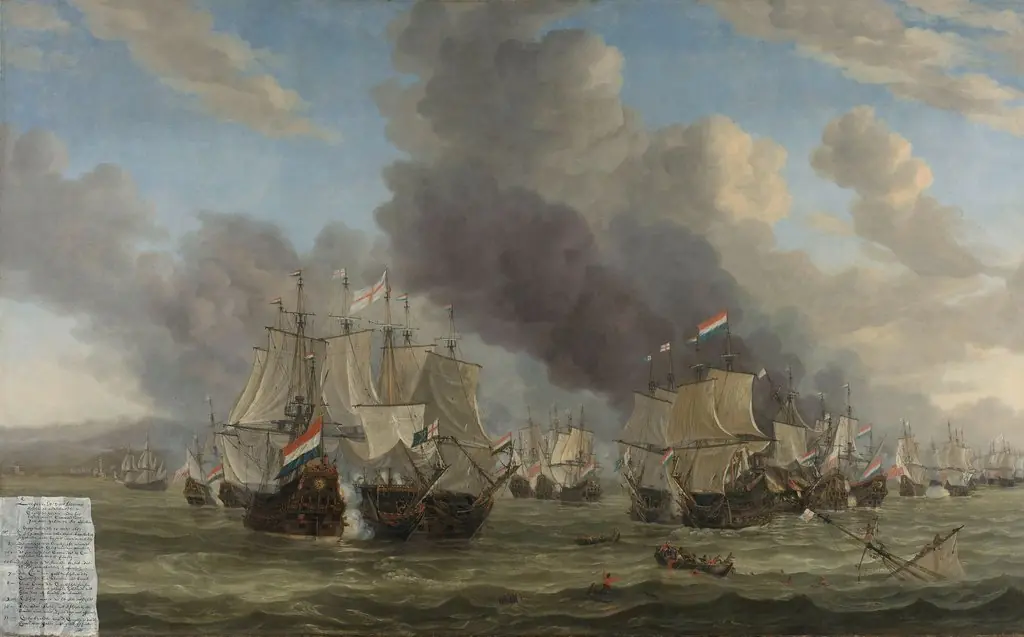
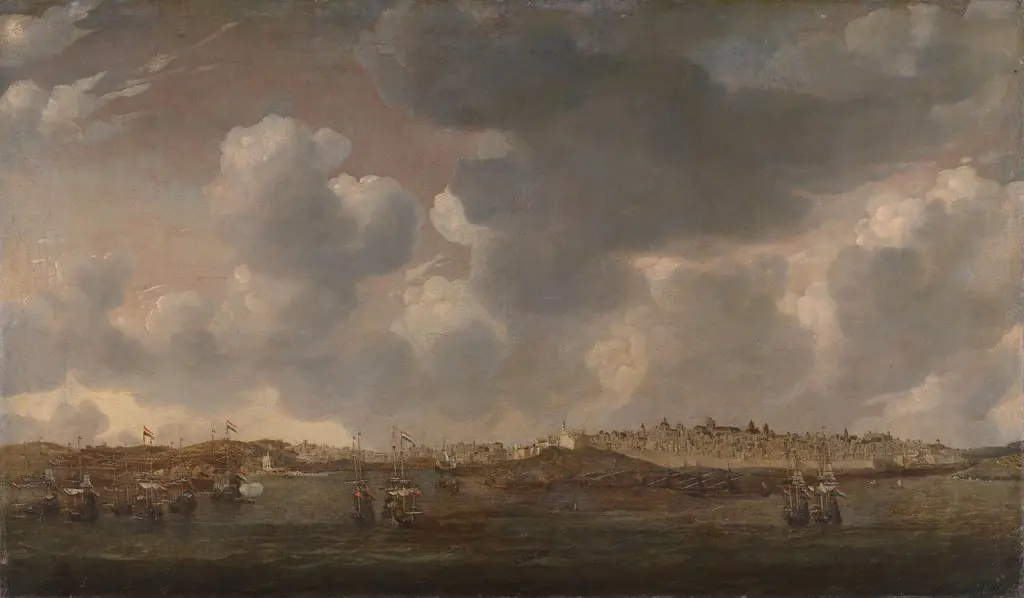
Reinier Nooms, known by the aliases Zeeman or Seeman, was a Dutch marine painter active in the mid-17th century. He specialized in highly detailed depictions of ships and naval conflicts, drawing on firsthand maritime experience gained during his years at sea. His works, such as scenes of the Battle of Leghorn and the flagship Amalia of Admiral Maarten Tromp, served as technical references for contemporaries and were later used as models for etchings published by Danckerts and De Jonghe.
Nooms traveled widely, visiting Paris, Venice, and North Africa, and his etchings of cityscapes influenced French etcher Charles Meryon. One of his final paintings, showing Amsterdam harbor with the 's Lands Zeemagazijn, is housed in the Netherlands Maritime Museum and reflects his enduring legacy in maritime art.
Overview
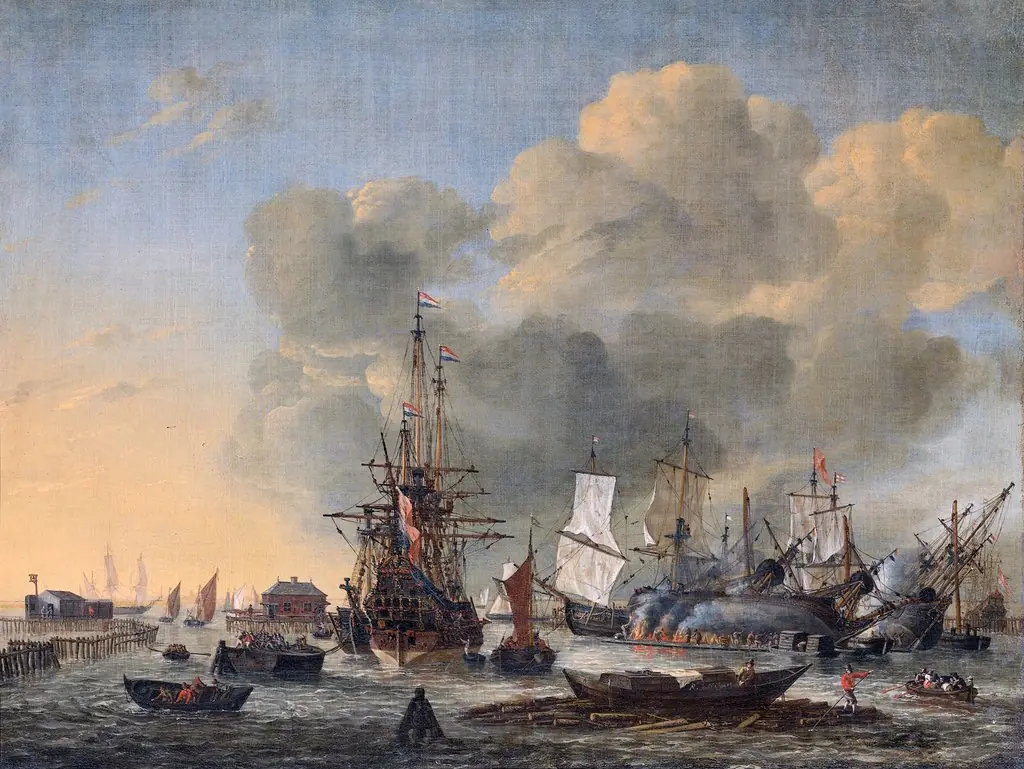
Reinier Nooms’ mid‑17th‑century canvas records a bustling Amsterdam shipyard on the IJ. The composition centers on several wooden vessels tipped on their sides for maintenance, with crews scaling the hulls amid a tangle of ropes, tar buckets, and timber. The scene captures a moment of ordinary labor that sustained the city’s maritime trade.
Subject & Meaning
The painting documents the caulking process, in which gaps between planks were sealed with pitch and rope to keep the ships watertight. By portraying the workers’ coordinated movements, Nooms emphasizes the collective effort required to keep the fleet operational, reflecting the essential but often unseen labor that underpinned Dutch naval power.
Technique & Style
Executed in a detailed, observational manner, the work combines precise line work with a muted palette that conveys the soot‑blackened atmosphere of the dock. Nooms employs a slightly elevated viewpoint, allowing the viewer to see both the hulls and the surrounding quay, while the rhythmic arrangement of figures lends the scene a subtle, choreographic quality.
Own this work as a print
Artist & collection

Artist
Reinier Nooms (c. 1623 – 1664), also known as Zeeman or Seeman (Dutch for "sailor"), was a Dutch maritime painter known for his highly detailed paintings and etchings of ships. From the 1650s, Nooms started producing…

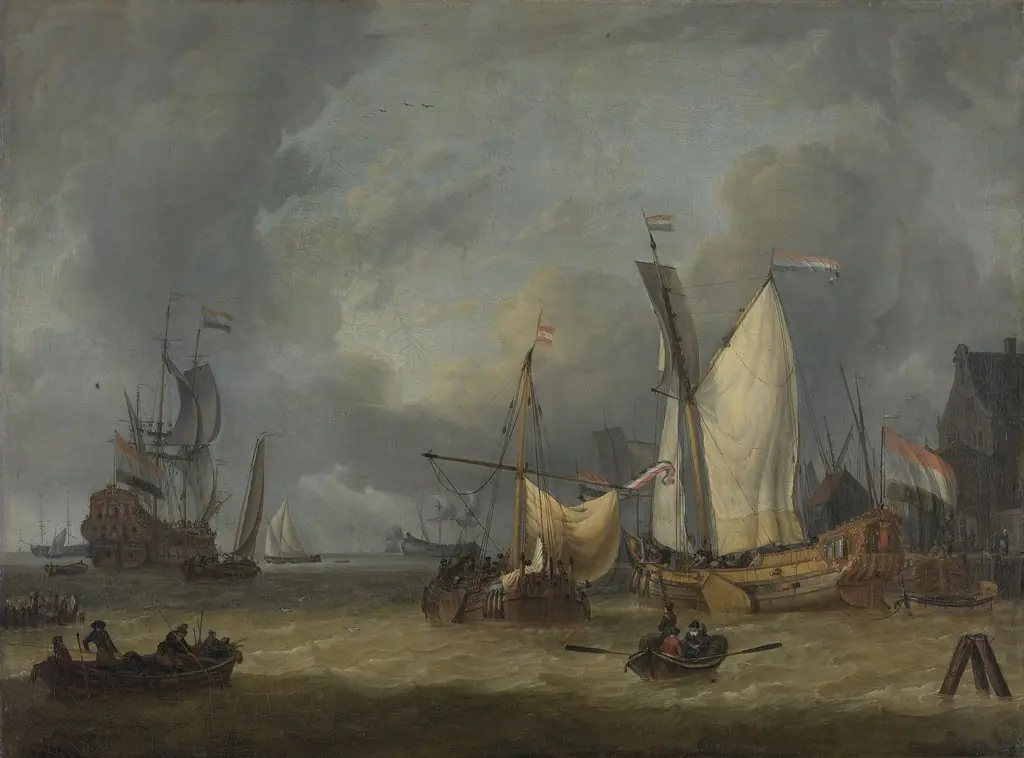 A Storm (Ships in the Harbor in a Stiff Breeze)
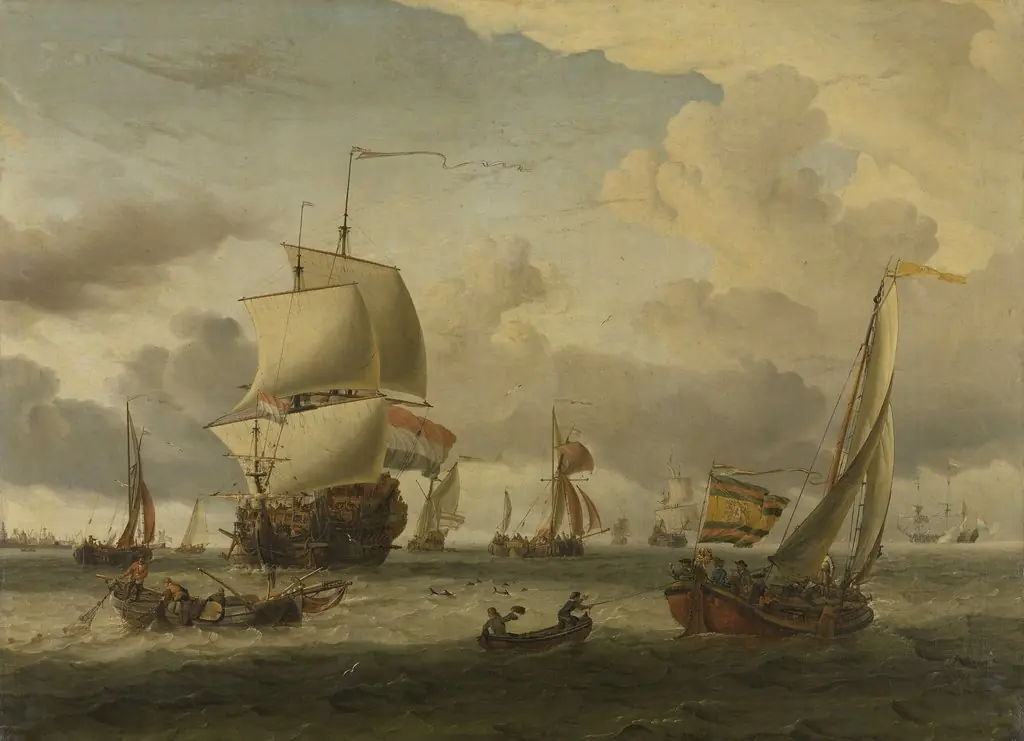 The roads of Enkhuizen
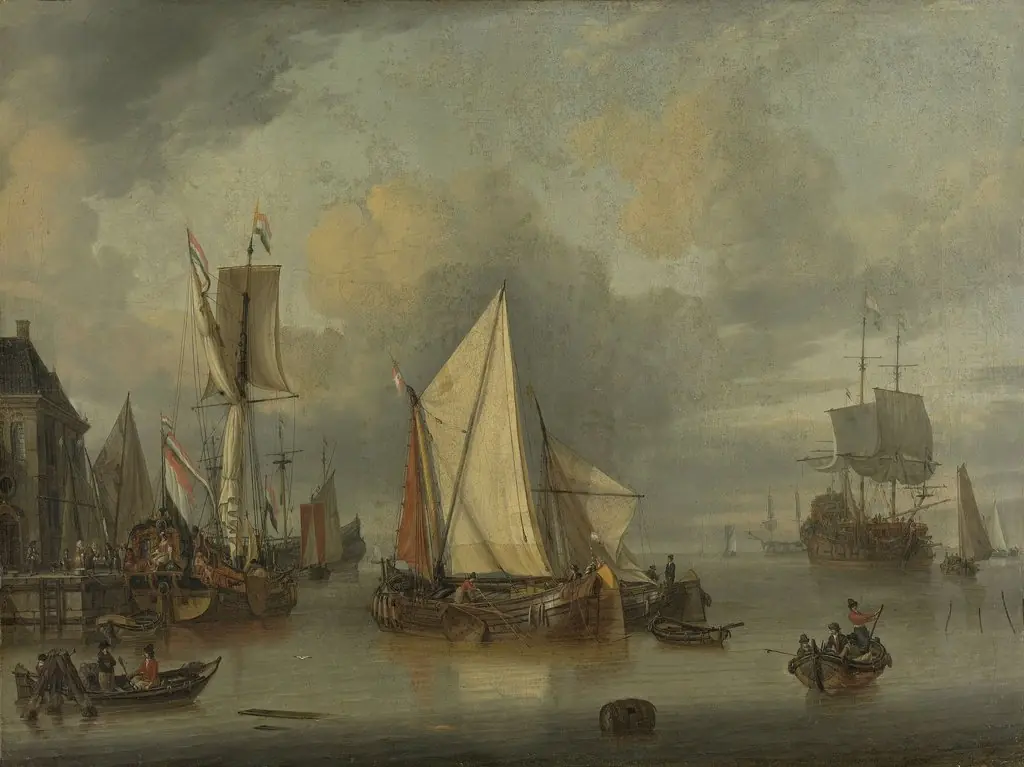 A Calm (Ships in the Harbor by Calm Weather)
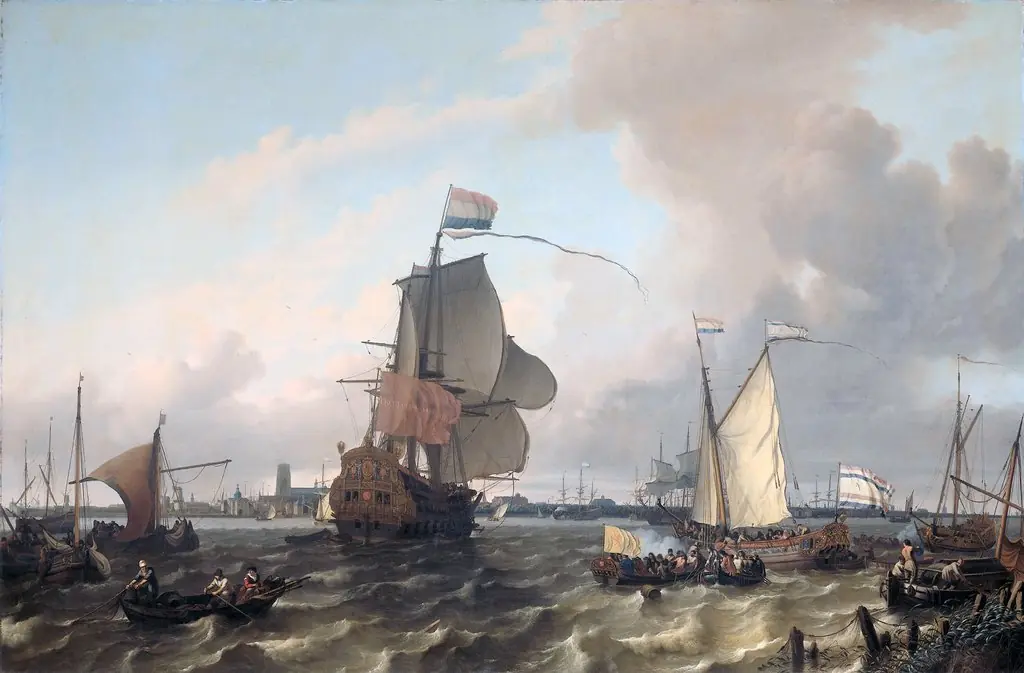 The Man-of-War Brielle on the River Maas off Rotterdam
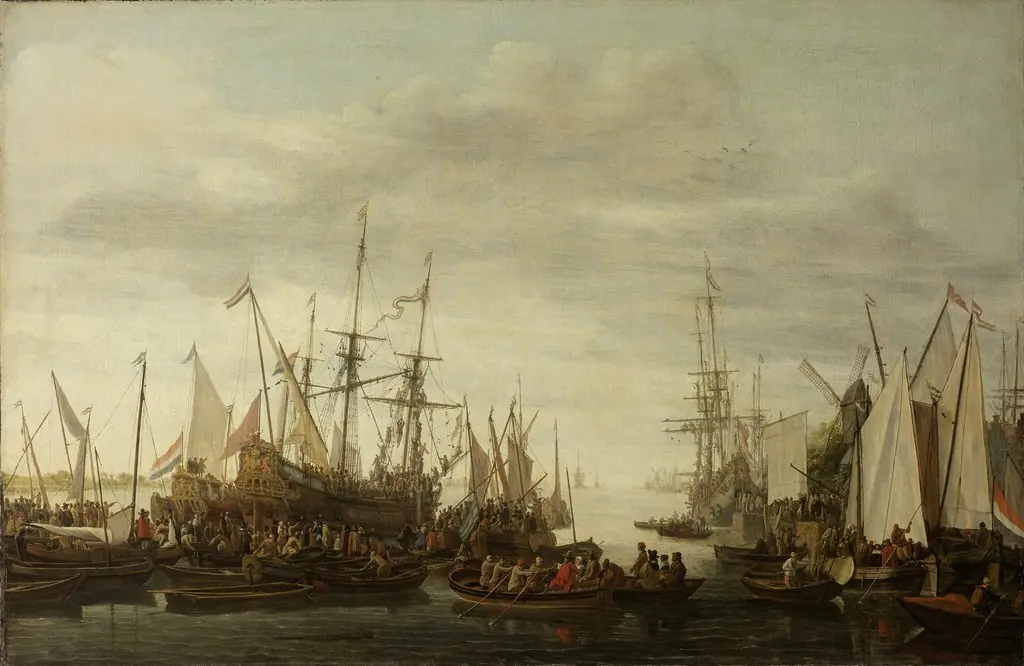 The Keelhauling of the Ship’s Surgeon of Admiral Jan van Nes
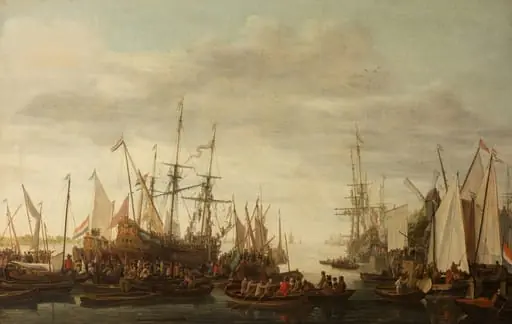 Het kielhalen van de scheepschirurgijn van admiraal Jan van Nes
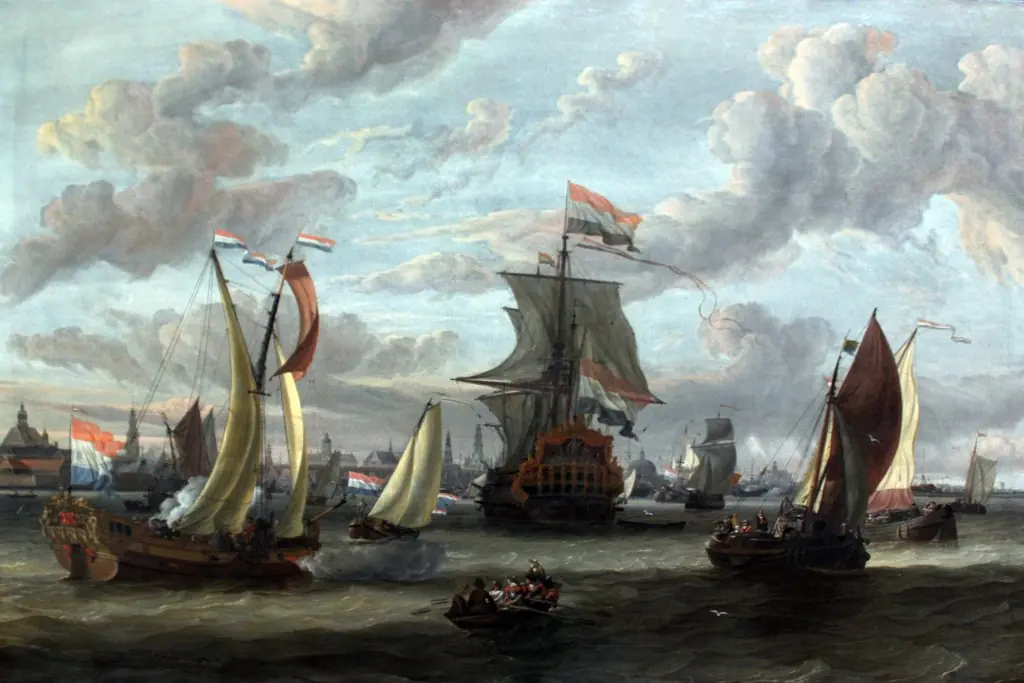 View of Amsterdam with the IJ
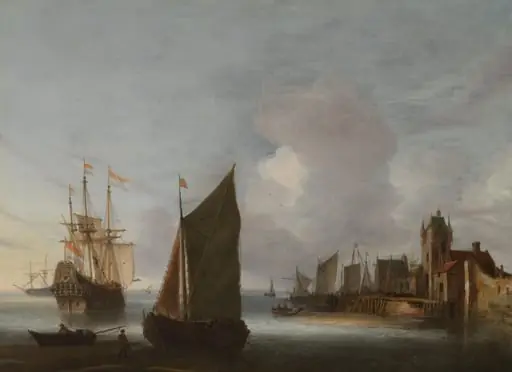 Ships near Zierikzee with the Zuidhavenpoort in the Background
 Untitled