Artwork
The Battle of Livorno
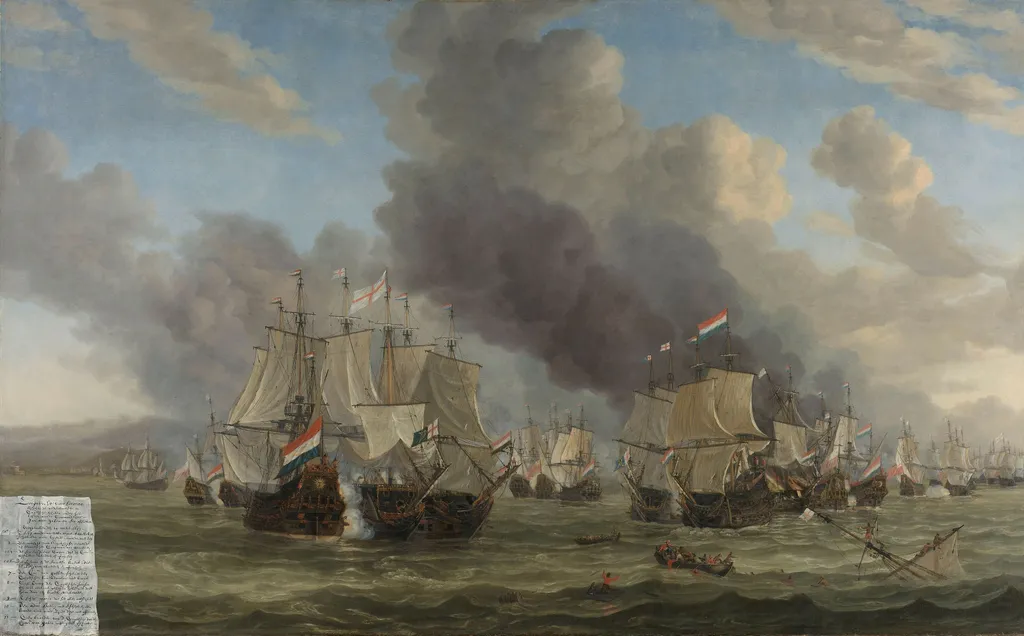
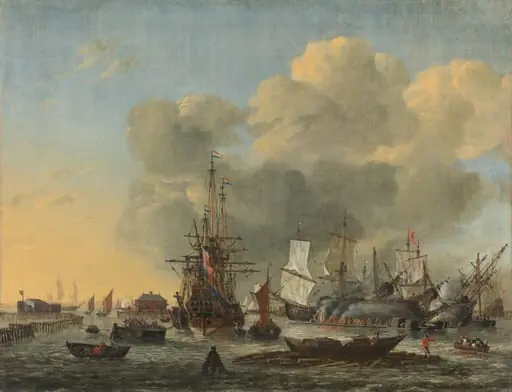
The Battle of Livorno is an oil painting by the Dutch Golden Age artist Nooms, called Zeeman, Reinier. It dates from 1658 and is held in the collection of the Rijksmuseum.
About this work
Technique & Style
As a large-scale canvas work from the Dutch Golden Age, it demonstrates the artist's handling of maritime subjects through oil pigments.
Created in 1658, The Battle of Livorno is an oil painting executed on a canvas support by Reinier Nooms. The work measures 142 cm in height and 225 cm in width, classifying it within the genres of marine art and history painting. The composition focuses on naval engagements, depicting boats amidst the conflict.
As a large-scale canvas work from the Dutch Golden Age, it demonstrates the artist's handling of maritime subjects through oil pigments.
History & Provenance
The Battle of Livorno was painted by Reinier Nooms in 1658 as an oil on canvas work depicting a naval engagement, created to commemorate the 1655 English-Dutch clash at Livorno. It entered the collection of merchant Cornelis Sebille Roos before being acquired by the Rijksmuseum, where it remains on public view.
The painting measures 225 cm in width and 142 cm in height and is classified within the marine art and history painting genres.
The work is held in the Rijksmuseum, Amsterdam, where it entered the collection with inventory number SK-A-3134. It was formerly owned by Cornelis Sebille Roos, whose collection formed part of the museum’s holdings. The painting has been exhibited in the Rijksmuseum’s permanent display of Dutch 17th-century marine art, including in the Gallery of Honour and thematic maritime presentations.
Overview
Reinier Nooms, known by the nickname Zeeman, created The Battle of Livorno in 1658. Executed in oil, the canvas captures a naval clash set against a storm‑filled horizon. The painting belongs to the Rijksmuseum’s collection and exemplifies the Dutch Golden Age’s fascination with maritime subjects.
Subject & Meaning
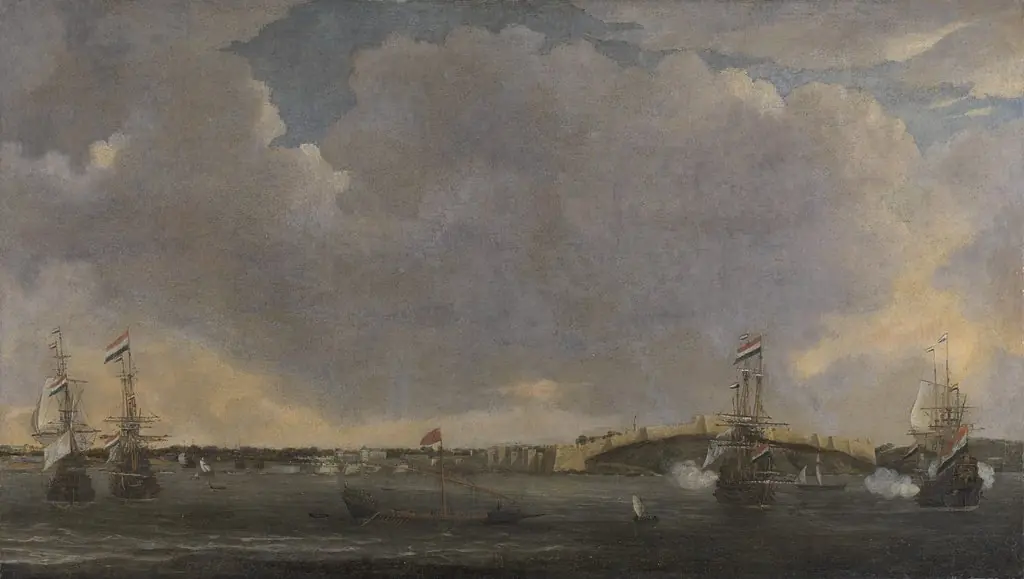
The composition depicts a fierce engagement between numerous large warships, their cannons belching smoke that obscures the central action. Smaller craft drift amid the turmoil, while crashing waves emphasize the chaos of battle. Flags resembling those of the Dutch Republic suggest a national perspective on the conflict.
Context
The Battle of Livino was one of several naval confrontations that shaped Mediterranean trade routes in the mid‑1600s. Nooms’s choice of subject aligns with contemporary Dutch interests in naval power and commerce, reflecting both artistic and commercial concerns of the period.
Legacy
Nooms’s detailed ship portrayals influenced later marine artists who sought to combine documentary precision with dramatic narrative. The painting remains a reference point for scholars studying 17th‑century naval warfare and the visual culture of the Dutch Golden Age.
Own this work as a print
Artist & collection

Artist
Reinier Nooms (c. 1623 – 1664), also known as Zeeman or Seeman (Dutch for "sailor"), was a Dutch maritime painter known for his highly detailed paintings and etchings of ships. From the 1650s, Nooms started producing…

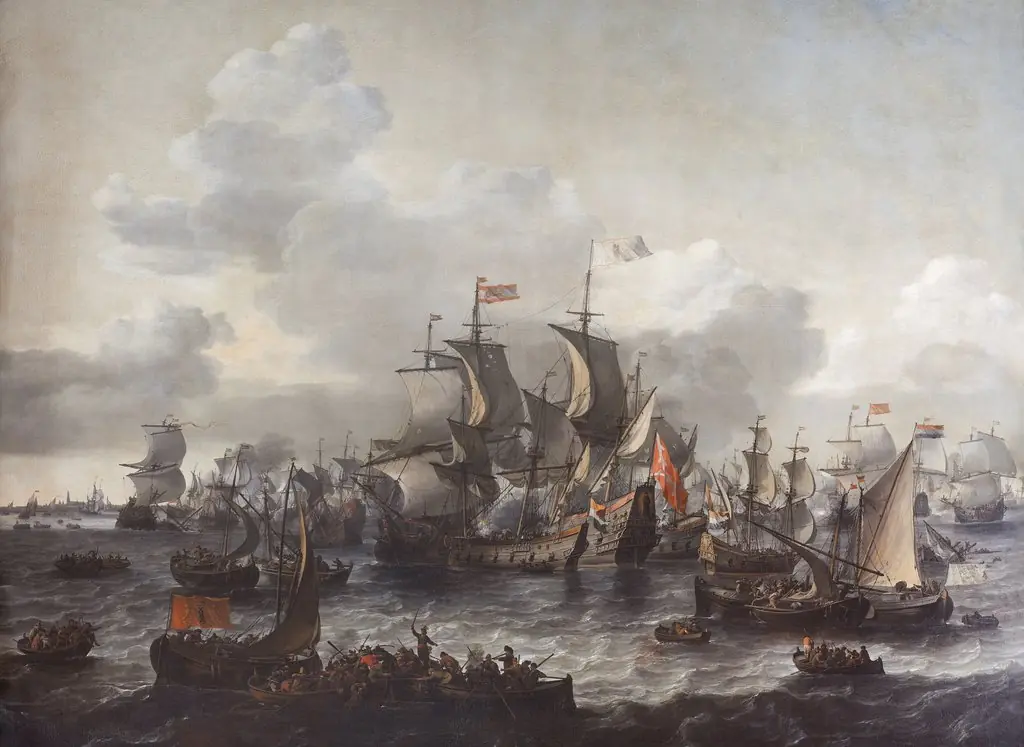 The battle of the Zuider Zee, 1573
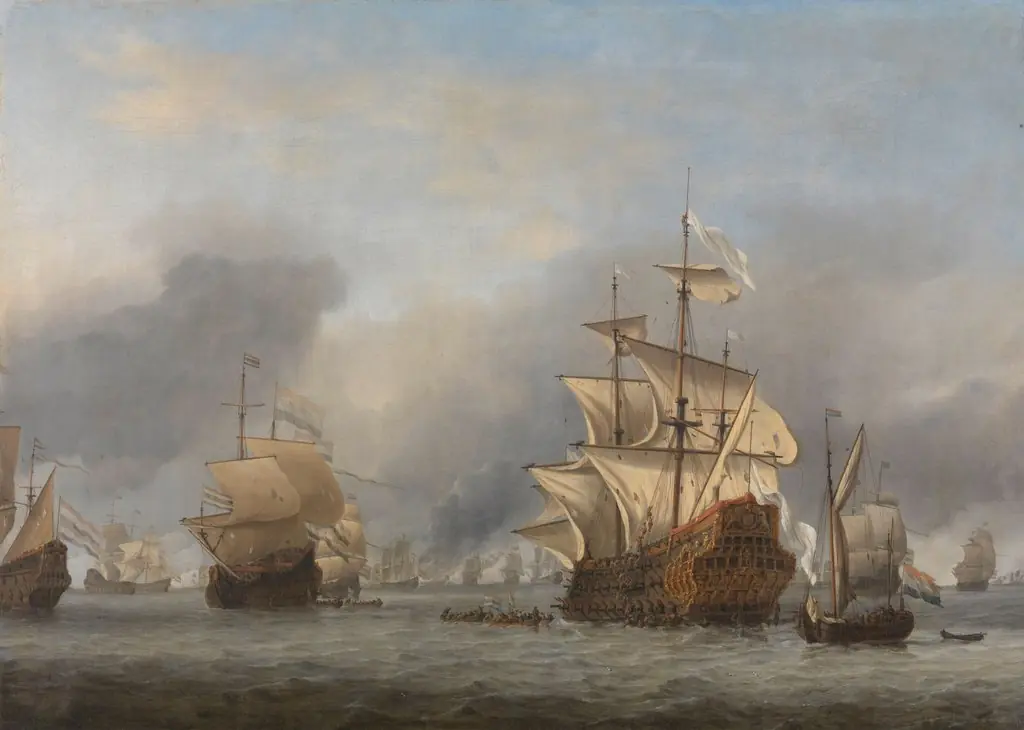 The Capture of the Royal Prince
 The burning of the English fleet off Chatham, 20 June 1667
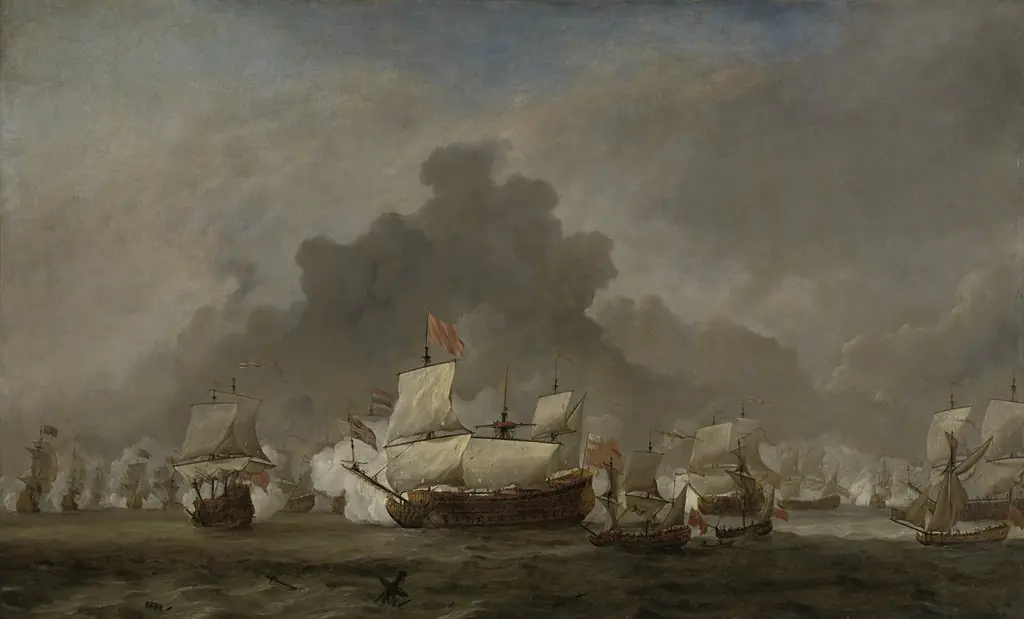 The skirmish of Michiel Adriaensz de Ruyter against the duke of York, commanding the 'Royal Prince'during the Battle of Solebay, 7 June 1672: episode from the Third Anglo-Dutch War (1672-74)
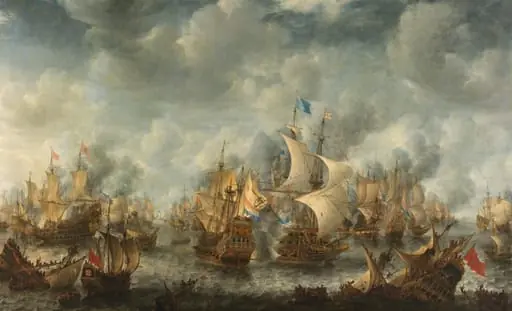 Slag bij Terheide
 The Battle of the Zuider Zee, 1573
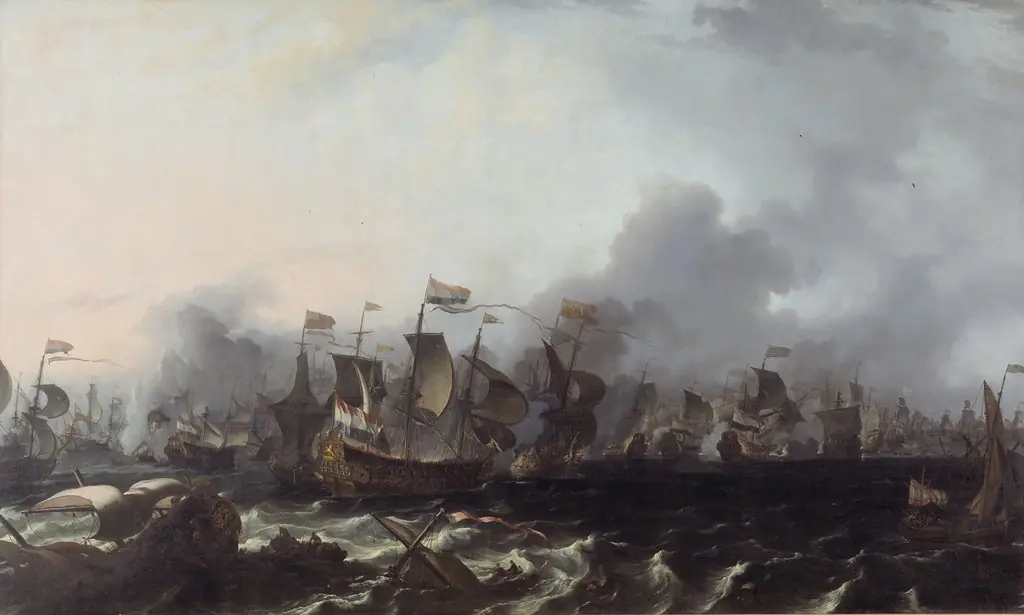 The Four Day's Battle, 11-14 June 1666
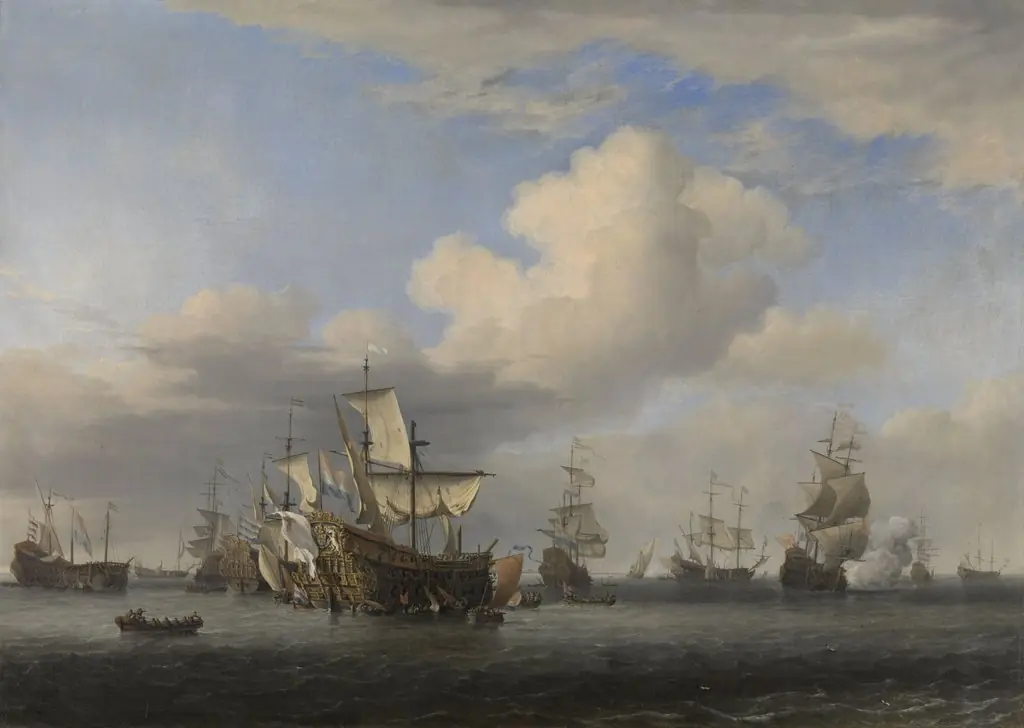 Captured English Ships after the Four Days’ Battle
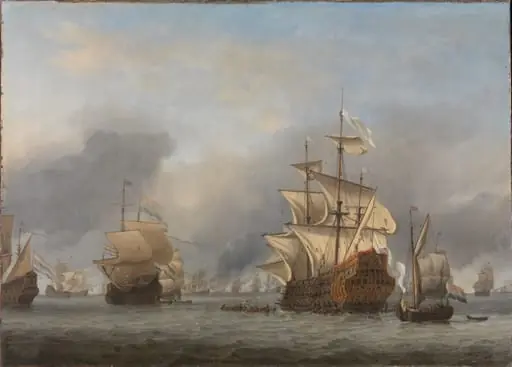 De verovering van de Royal Prince