Artwork
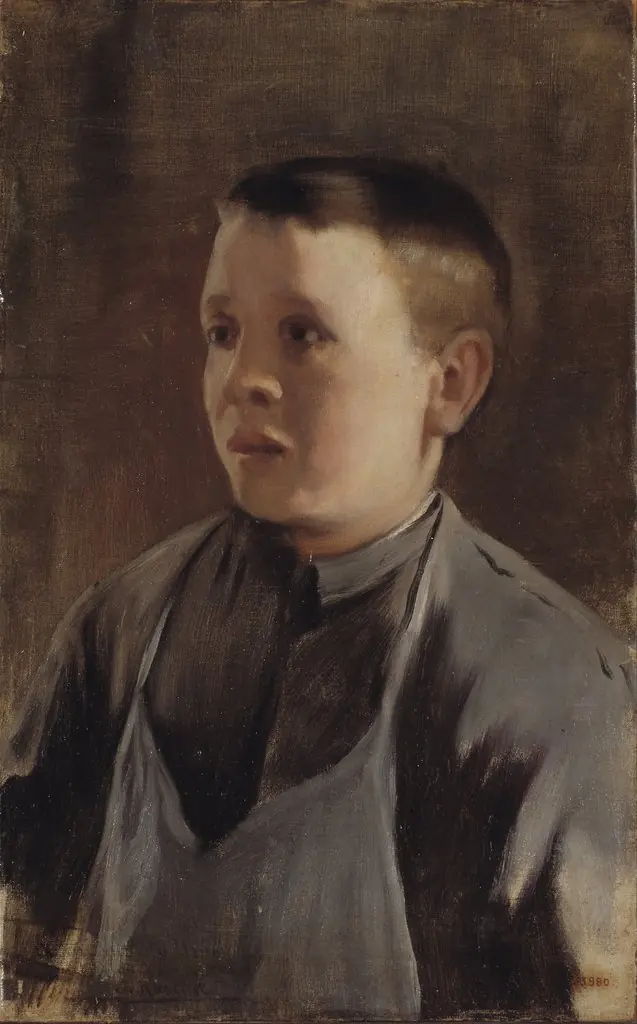
Boy from Concarneau
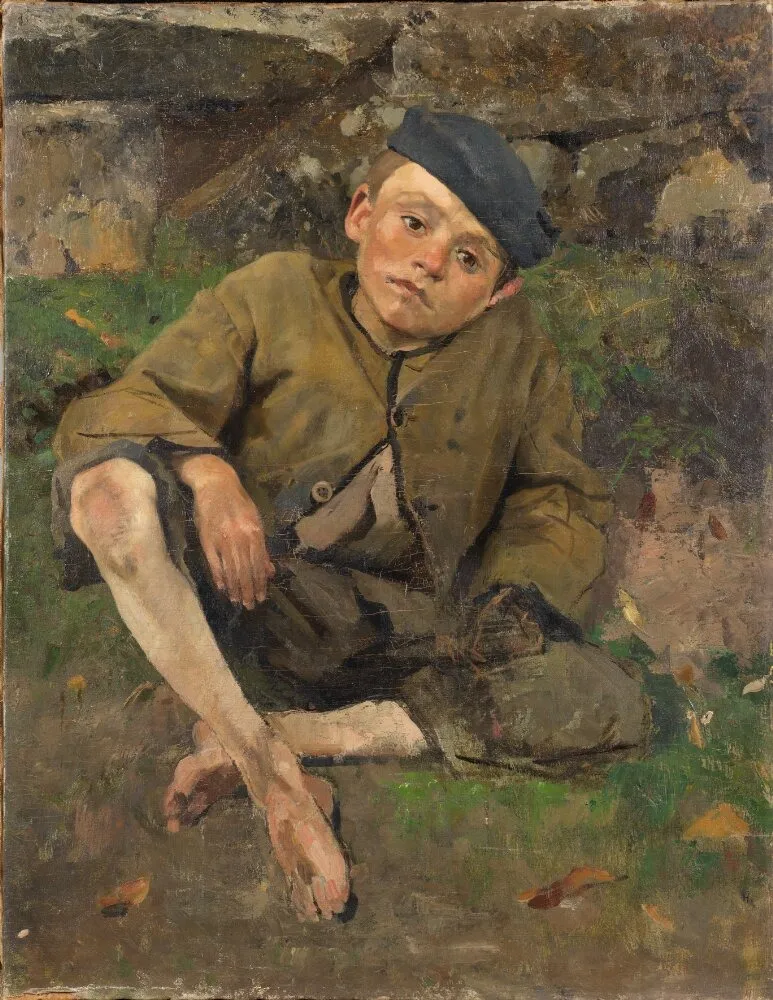
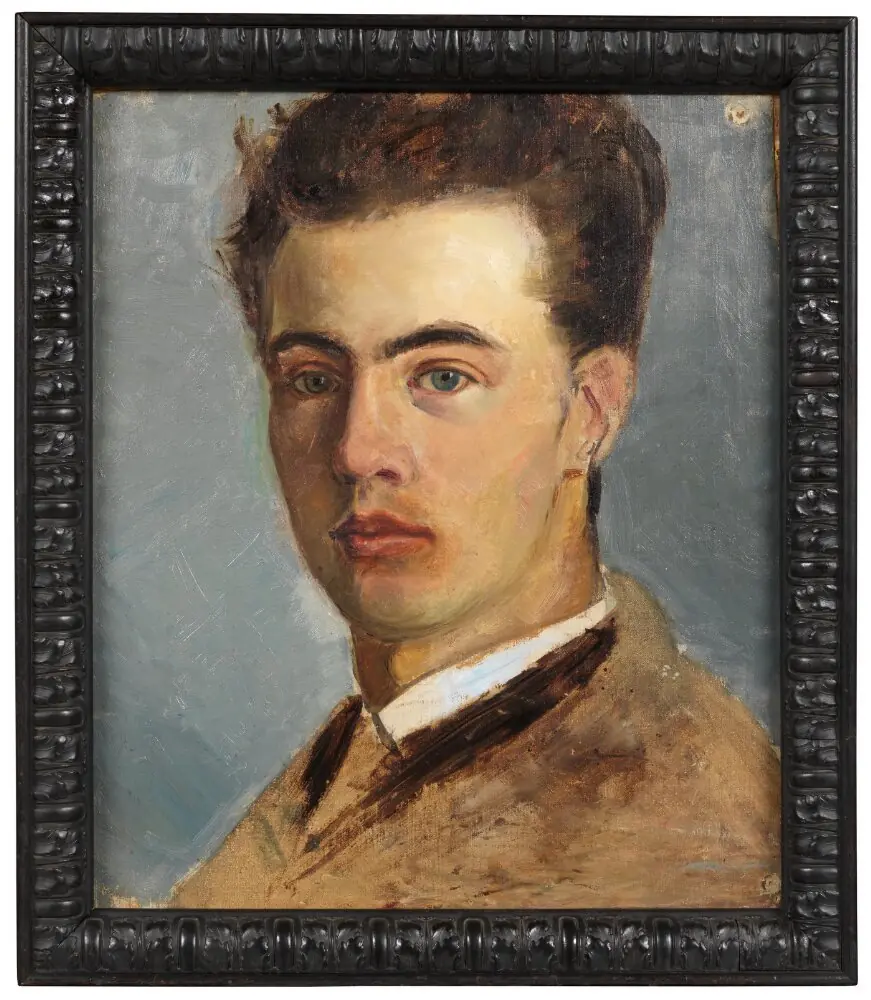
Boy from Concarneau is an oil painting by the Post-Impressionist artist Richard Bergh. It dates from 1892 and is held in the collection of the Nationalmuseum.
About this work
Overview
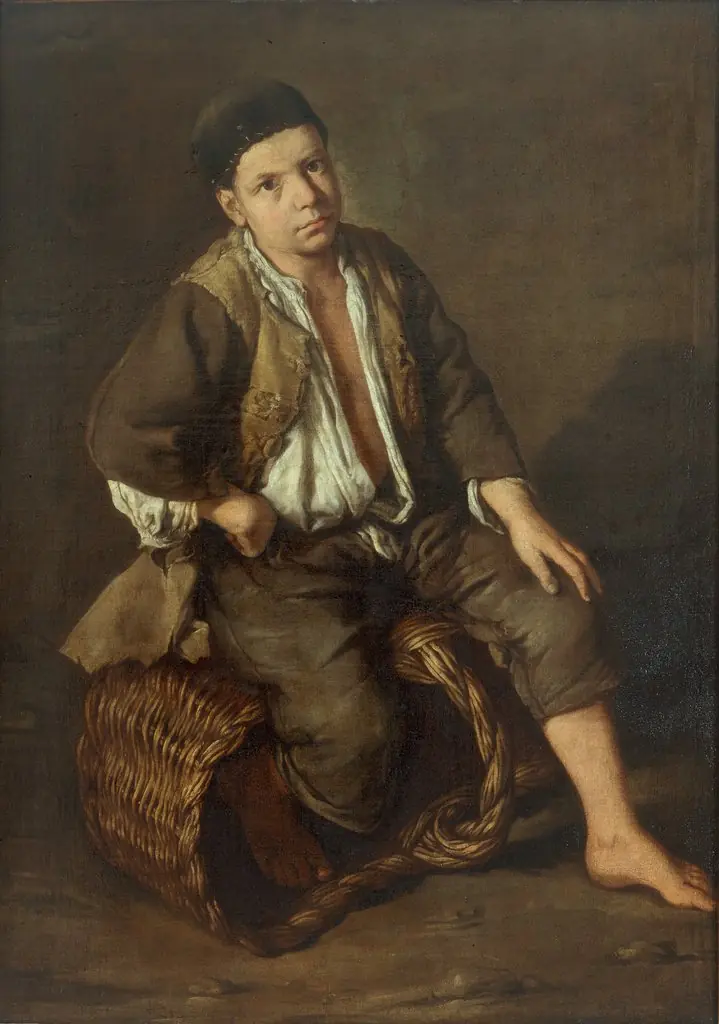
Created in 1892, Boy from Concarneau is an oil painting on canvas by Swedish artist Sven Richard Bergh. The work depicts a young, barefoot boy seated before a stone wall, his gaze directed forward and his posture relaxed yet attentive. The composition is rendered with a muted palette, emphasizing the figure against a softly blurred background.
Subject & Meaning
The sitter appears to be a working‑class child, suggested by his simple clothing, a dark beret, brown jacket and shorts, and his bare feet. His calm, serious expression and the directness of his look convey a quiet dignity, inviting viewers to contemplate everyday life beyond idealized portraiture.
Technique & Style
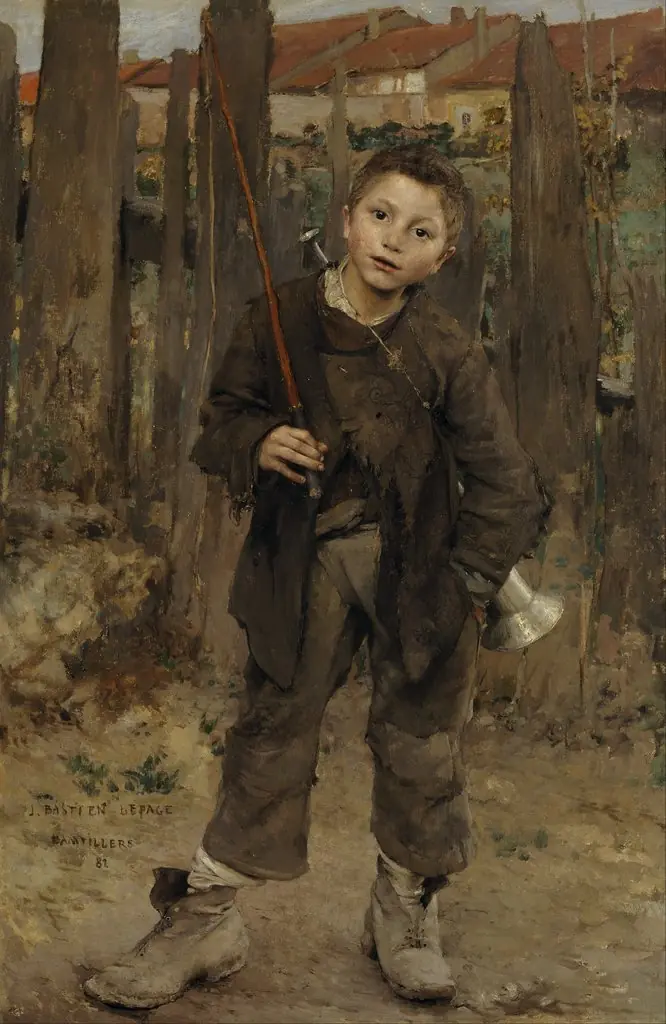
Bergh abandoned the fleeting brushwork of Impressionism in favor of a Naturalist approach, echoing the influence of Jules Bastien‑Lepage. The painting’s smooth modeling and careful attention to surface detail reflect a commitment to realistic representation while maintaining a subtle atmospheric tone.
History & Provenance
After its completion, the canvas entered the collection of Sweden’s Nationalmuseum, where it remains on public display. Bergh later became a museum director, and his own writings introduced the term stämningsmåleri ("mood painting"), marking a shift toward more subjective expression in his later work.
Context
The late 19th century saw Swedish artists grappling with international trends. Bergh’s choice to depict a modest, unnamed boy aligns with the period’s growing interest in social realism and the portrayal of ordinary subjects as worthy of artistic attention.
Artist & collection
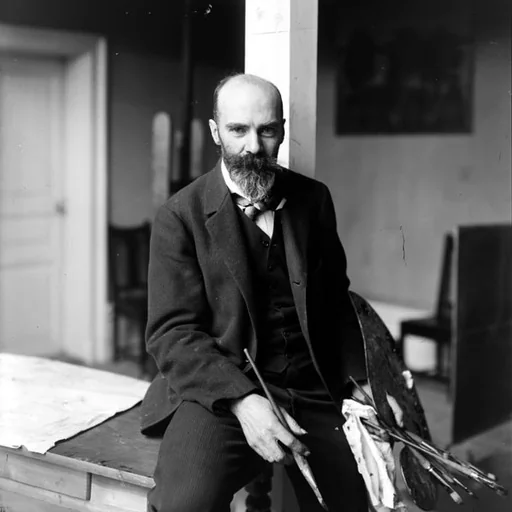
Artist
Sven Richard Bergh (28 December 1858 – 29 January 1919) was a Swedish painter, art critic and museum manager.