Artwork
Dutch Girl in White
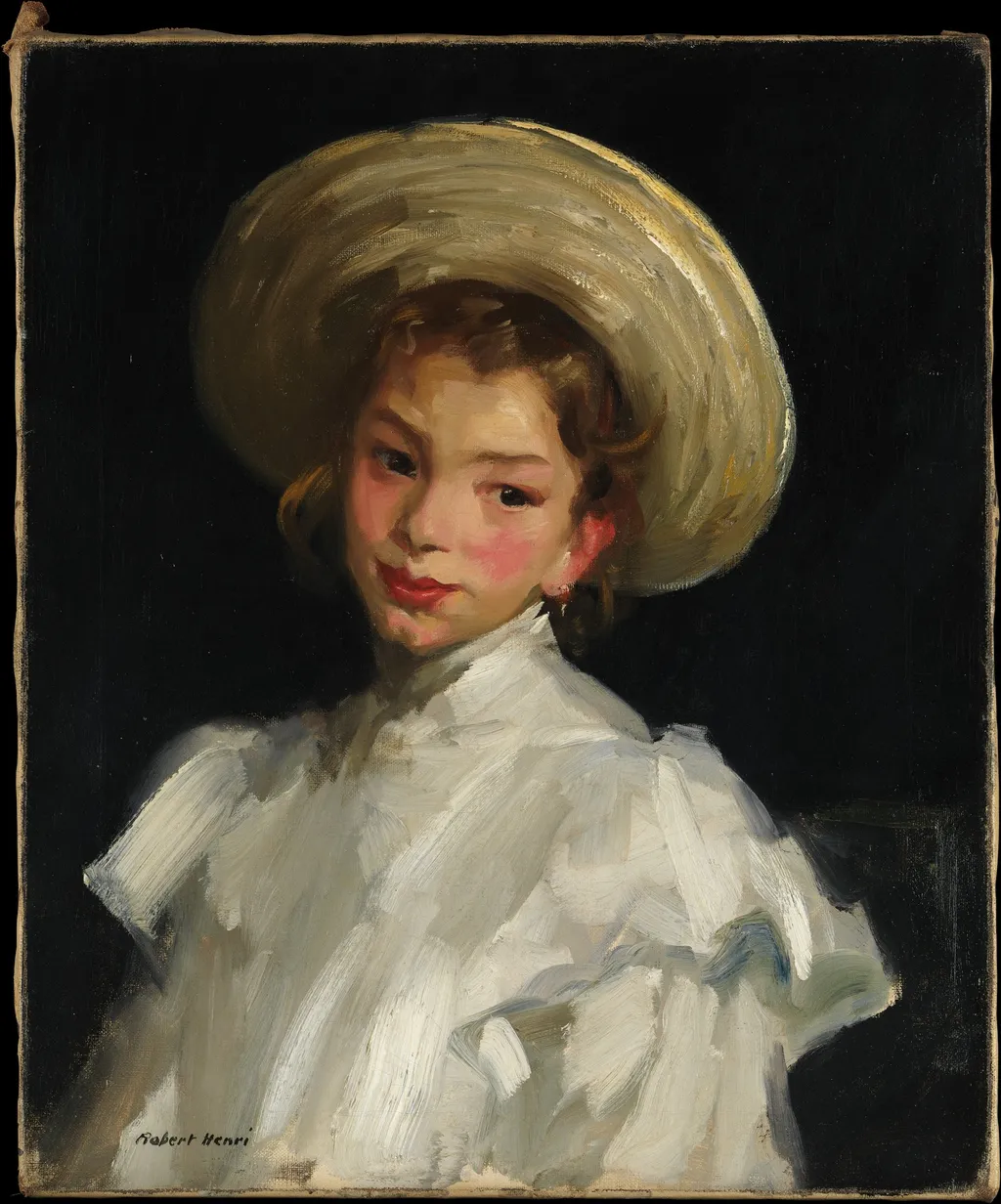
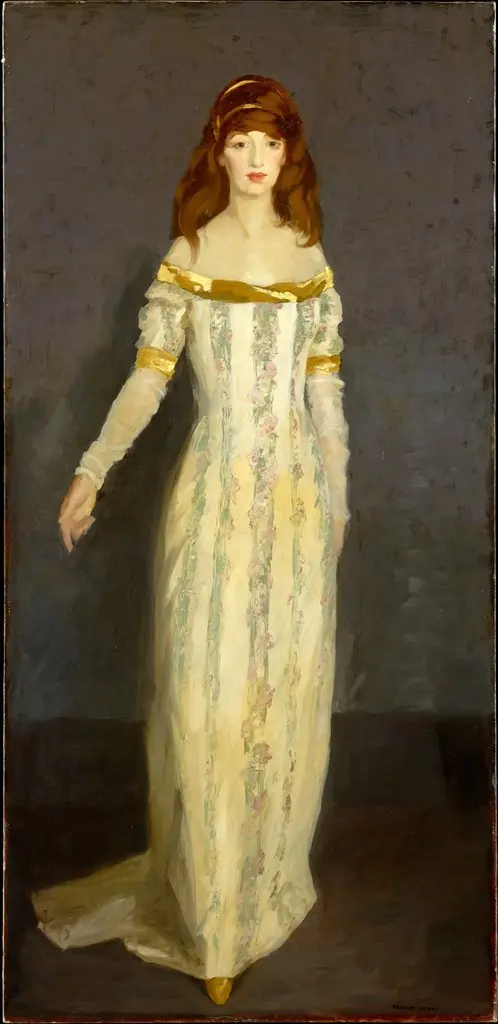
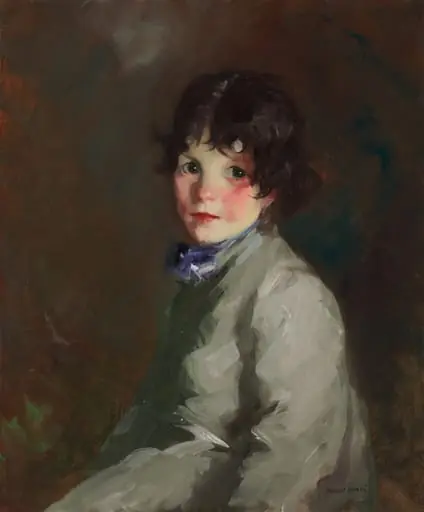
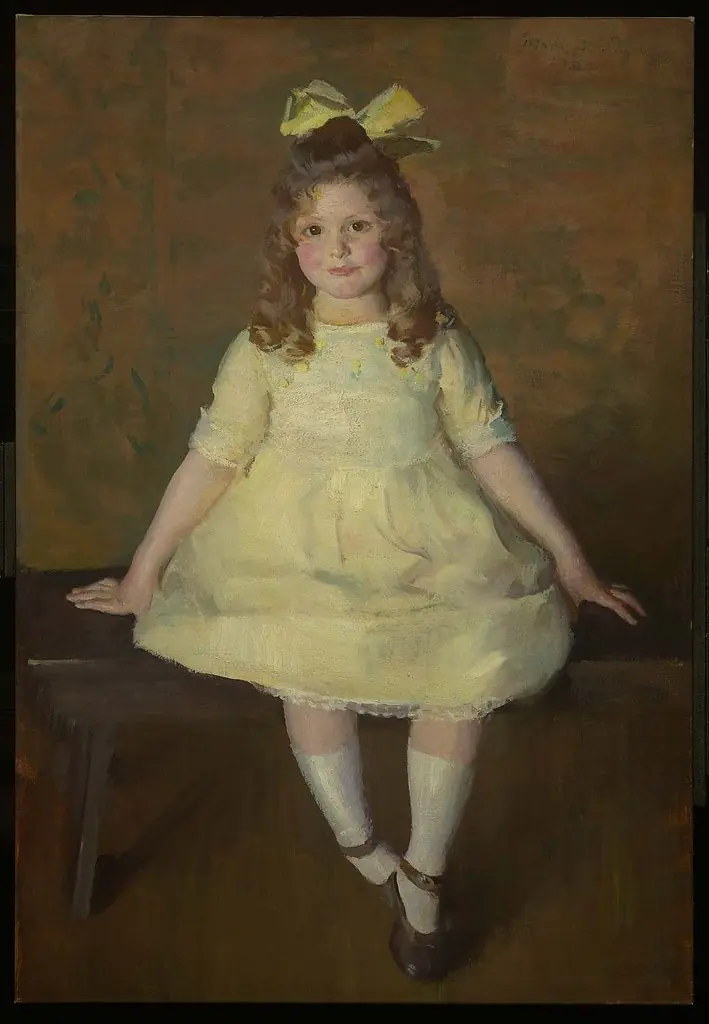
Dutch Girl in White is an oil painting by the American Impressionist artist Robert Henri. It dates from 1907 and is held in the collection of the Metropolitan Museum of Art.
About this work
Subject & Meaning
The work depicts a single female sitter, identified by its title as a Dutch girl, rendered against the plain white ground implied by the painting's name.
Dutch Girl in White is a portrait painting by Robert Henri, completed in 1907 and executed in oil paint on canvas. The work depicts a single female sitter, identified by its title as a Dutch girl, rendered against the plain white ground implied by the painting's name.
As a portrait rather than a narrative or allegorical composition, the work's meaning centers on the character and presence of the young sitter rather than on symbolic attributes or iconographic emblems. Henri, a leading figure of the Ashcan School, was known for portraits that emphasized individuality and immediacy over decorative symbolism, and the painting reflects that approach by focusing attention on the girl herself rather than on objects or settings that might carry conventional symbolic weight.
The painting is held in the collection of the Metropolitan Museum of Art, where it is classified and exhibited as a portrait genre work.
Technique & Style
Dutch Girl in White is an oil painting executed on canvas, a medium consistent with Robert Henri's portrait practice of the period. The work measures 61 cm in height by 50.8 cm in width, yielding a modestly scaled, upright composition suited to a single half-length figure.
Stylistically, the painting belongs to Henri's portrait genre, employing the loose, vigorous brushwork and direct characterization associated with his Ashcan School approach. The handling of oil paint on canvas allows for the spontaneous, painterly surface treatment typical of his early portraits, prioritizing immediacy and presence over fine detail.
No specific condition report or detailed material analysis is documented in the available sources.
History & Provenance
Dutch Girl in White is an oil on canvas portrait painted by Robert Henri in 1907. The work measures 61 cm in height by 50.8 cm in width. It depicts a young girl dressed in white and belongs to the portrait genre.
The painting has been part of the Metropolitan Museum of Art's collection since its creation, remaining in the museum's holdings. Its provenance reflects continuous ownership by the museum, and it has been exhibited within the museum's portrait collection.
Dutch Girl in White is housed in the collection of the Metropolitan Museum of Art in New York. The work is cataloged as part of the museum's holdings, though the specific accession or inventory number is not provided in the available documentation. The painting, completed in 1907 by Robert Henri, is classified as an oil on canvas portrait.
The sources consulted do not record any exhibition history for the piece, indicating that it has not been listed in publicly noted exhibitions within the referenced references.
Overview
Robert Henri, an American artist, completed the oil painting Dutch Girl in White in 1907. This portrait depicts a young girl and exemplifies Henri's early artistic explorations. The work is currently part of the collection at The Metropolitan Museum of Art, where it represents a facet of American art from the early 20th century.
Context
Robert Henri's artistic development was shaped by his studies in Paris, influencing his early output. Dutch Girl in White represents a phase in his career when he engaged with American Impressionism. While this work aligns with that aesthetic, Henri later became a pivotal figure in the development of the Ashcan School, a movement known for its gritty depictions of urban life, marking a significant shift from his earlier stylistic leanings.
Own this work as a print
Artist & collection
Artist
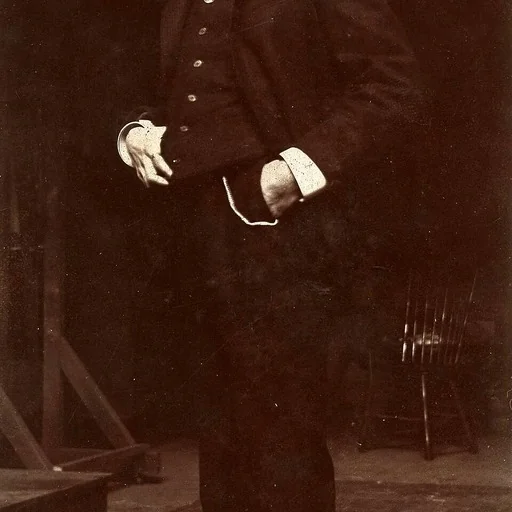
Robert Henri (; June 24, 1865 – July 12, 1929) was an American painter and teacher.