Artwork
Napoleon I, Emperor of the French
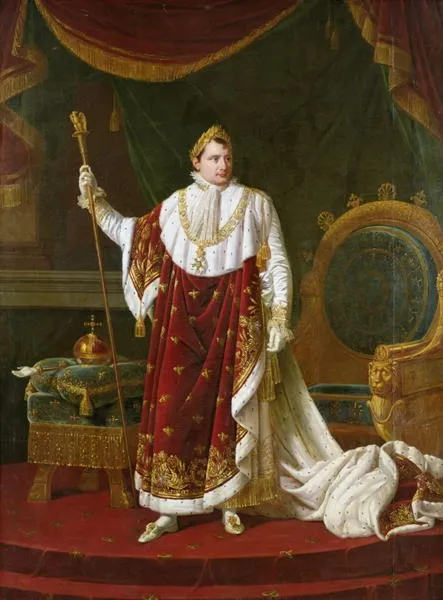
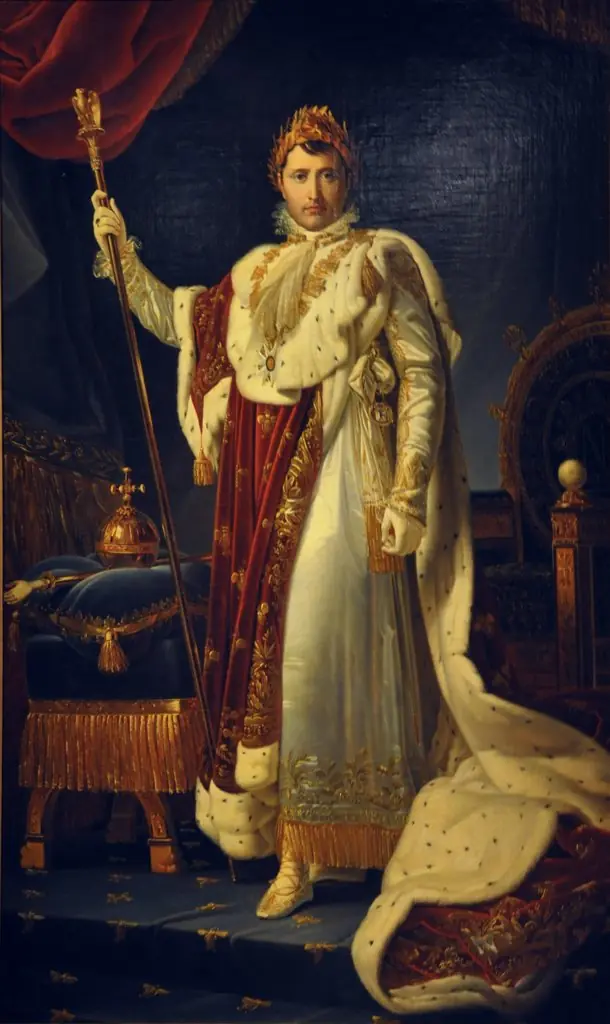
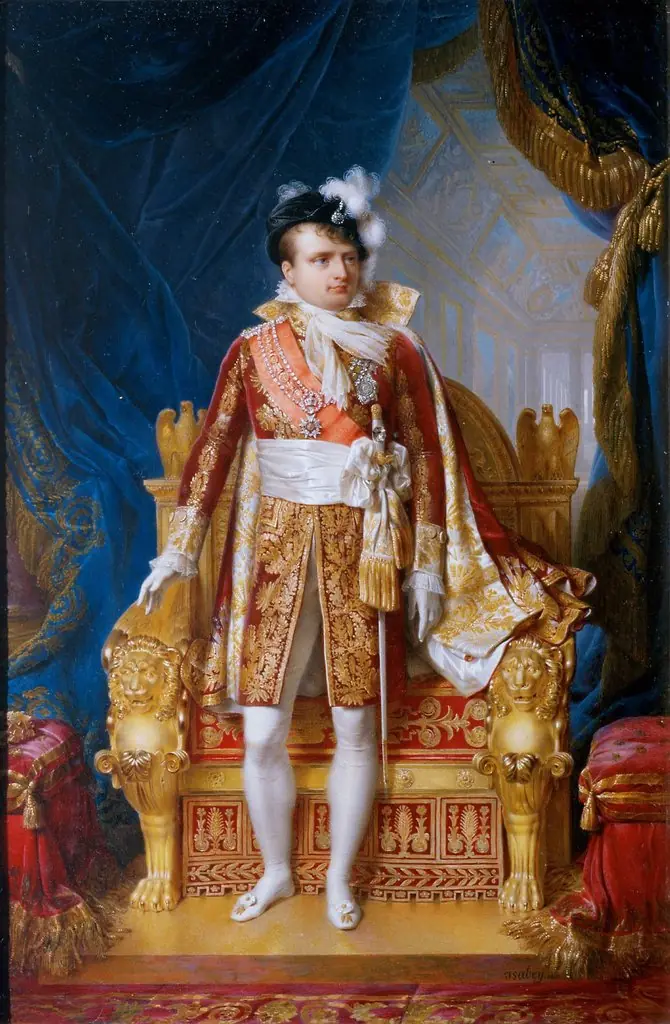
Napoleon I, Emperor of the French is an oil painting by the Neoclassicist artist Robert Lefèvre. It dates from 1811 and is held in the collection of the Palace of Versailles.
About this work
Subject & Meaning
The composition centers on the emperor seated upon a throne, directly referencing his coronation and imperial authority.
Robert Lefèvre's 1811 portrait depicts Napoleon as the Emperor of the French. The composition centers on the emperor seated upon a throne, directly referencing his coronation and imperial authority. Iconographic elements reinforce his sovereign status, notably the inclusion of fur and a laurel wreath, which serve as traditional symbols of imperial power and triumph. Through these visual motifs, the painting represents Napoleon's supreme command and the legitimacy of his reign.
Technique & Style
The portrait is painted in oil on canvas, measuring 278 cm in height and 206 cm in width. Executed in 1811 by Robert Lefèvre, the handling emphasizes a formal, courtly style suited to imperial representation.
Formal qualities include the sitter’s frontal pose, richly detailed regalia such as the fur-trimmed garment and laurel wreath, and the inclusion of coronation and throne motifs. The composition projects authoritative presence through symmetrical arrangement and controlled modeling of light and shadow, aligning with official Napoleonic iconography displayed at the Salon of 1812.
History & Provenance
Robert Lefèvre created the oil-on-canvas portrait Napoleon I, Emperor of the French in 1811. The work was exhibited at the Salon of 1812, establishing its public debut shortly after completion. It currently resides in the collection of the Museum of the History of France at the Palace of Versailles.
The painting depicts Napoleon seated on a throne, wearing a laurel wreath and fur-lined robes, reflecting his imperial status during the First French Empire.
The dimensions of the canvas are 278 cm in height and 206 cm in width. As a state-commissioned portrait from the Napoleonic era, it serves as an official representation of the emperor's authority. The work remains part of the national heritage holdings managed by the Réunion des musées nationaux.
Overview
Robert Lefèvre’s 1811 oil on canvas presents Napoleon Bonaparte in the full ceremonial dress of an emperor. The portrait, executed in the neoclassical style, shows the ruler holding a gilded scepter before a throne draped with a richly ornamented curtain, emphasizing his sovereign authority.
Context
The work belongs to a period when French artists were commissioned to celebrate the new empire through grand portraiture. Lefèvre, known for both historical scenes and courtly likenesses, combined classical references with contemporary symbols of power to align Napoleon with ancient emperors.
Artist & collection
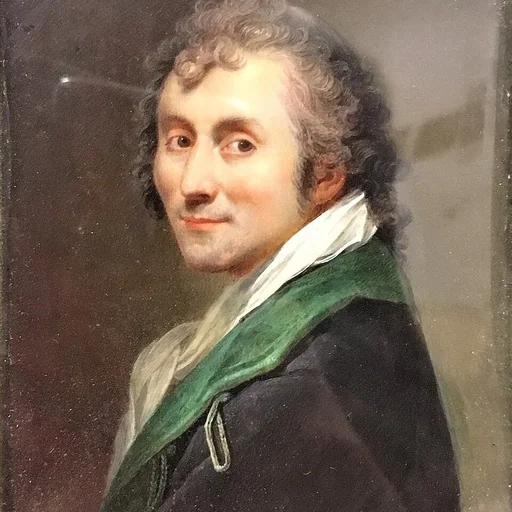
Artist
Robert Jacques François Faust Lefèvre (French pronunciation: 24 September 1755, in Bayeux – 3 October 1830, in Paris) was a French painter of portraits, history paintings and religious paintings.

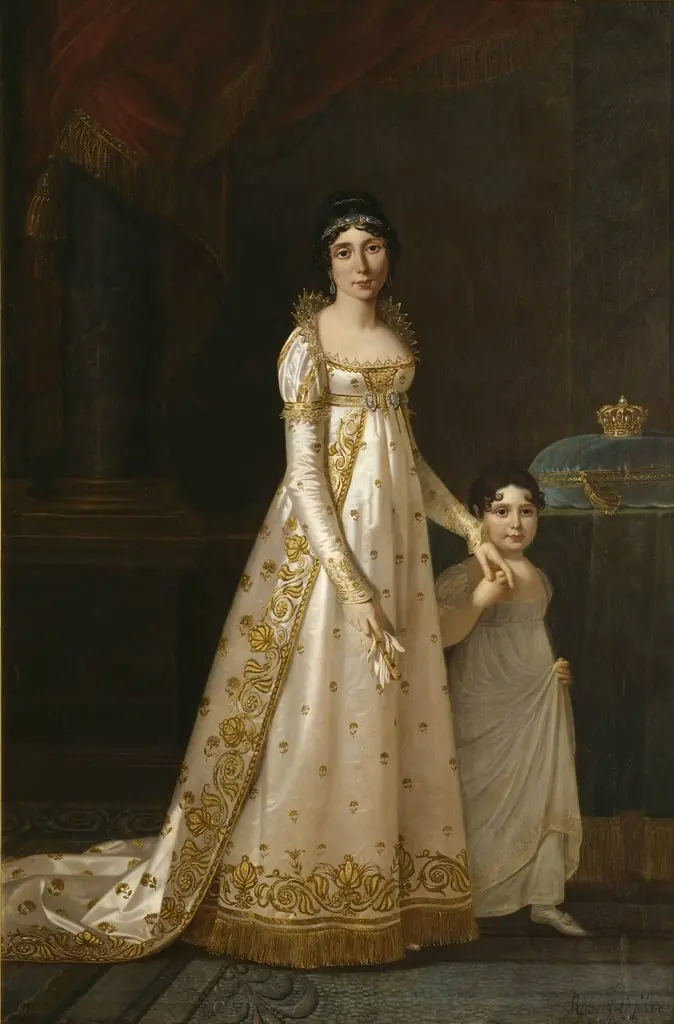 Marie-Julie Clary, Queen of Naples (1777-1845)
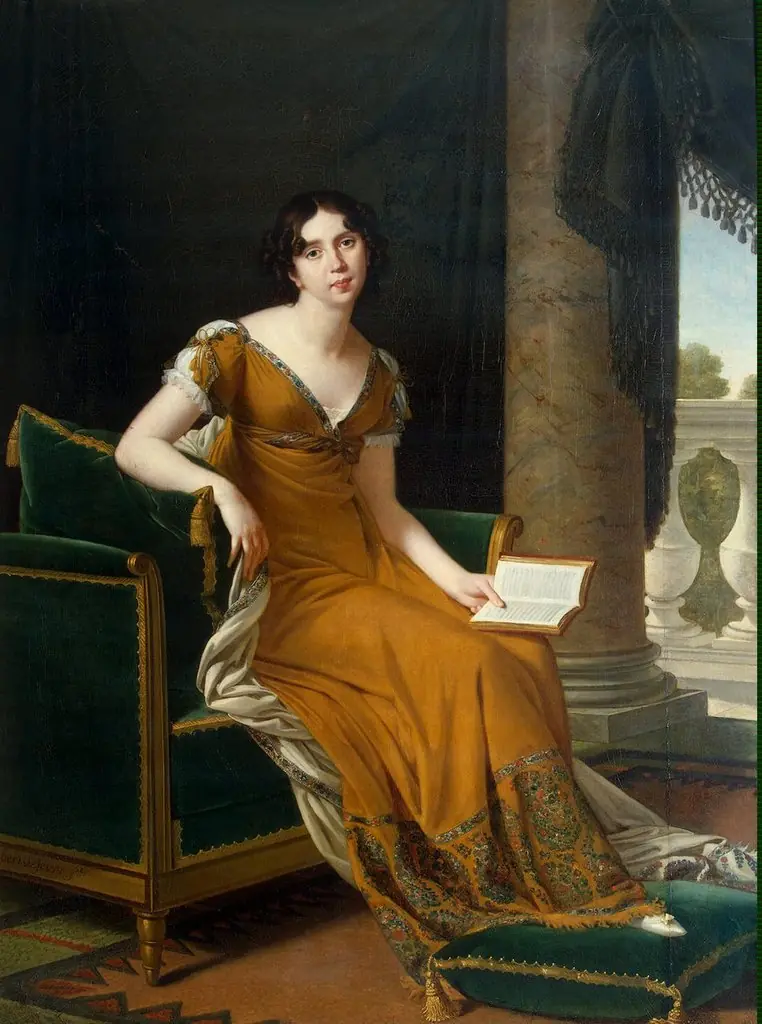 Portrait of Elisabeth Demidova
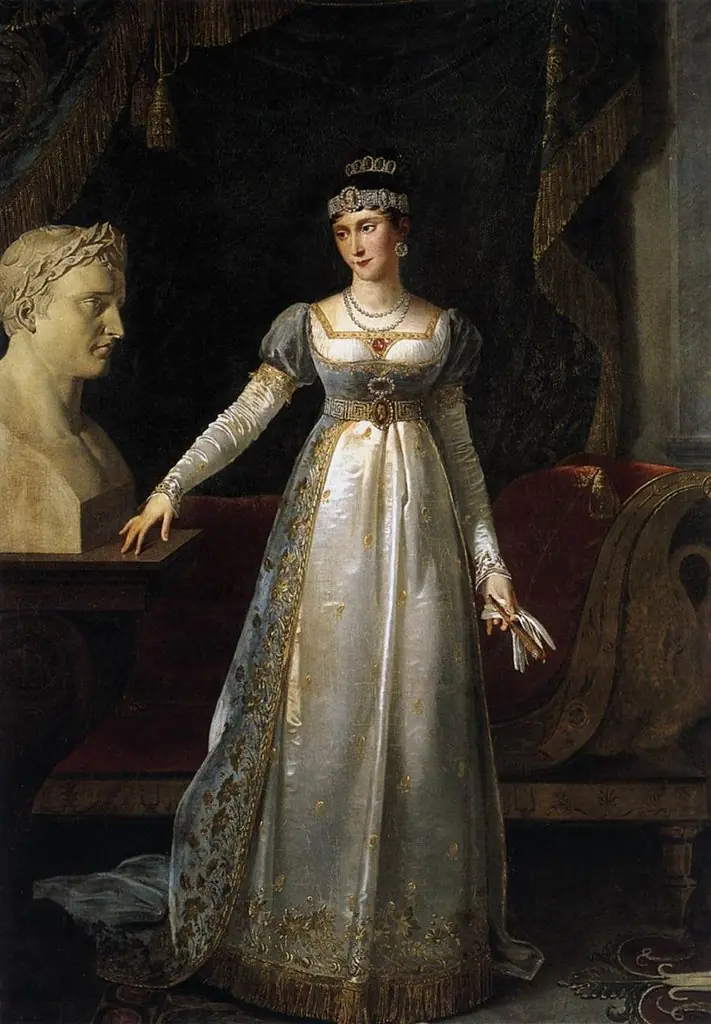 Pauline Bonaparte, Duchess of Guastalla, Princess Borghese
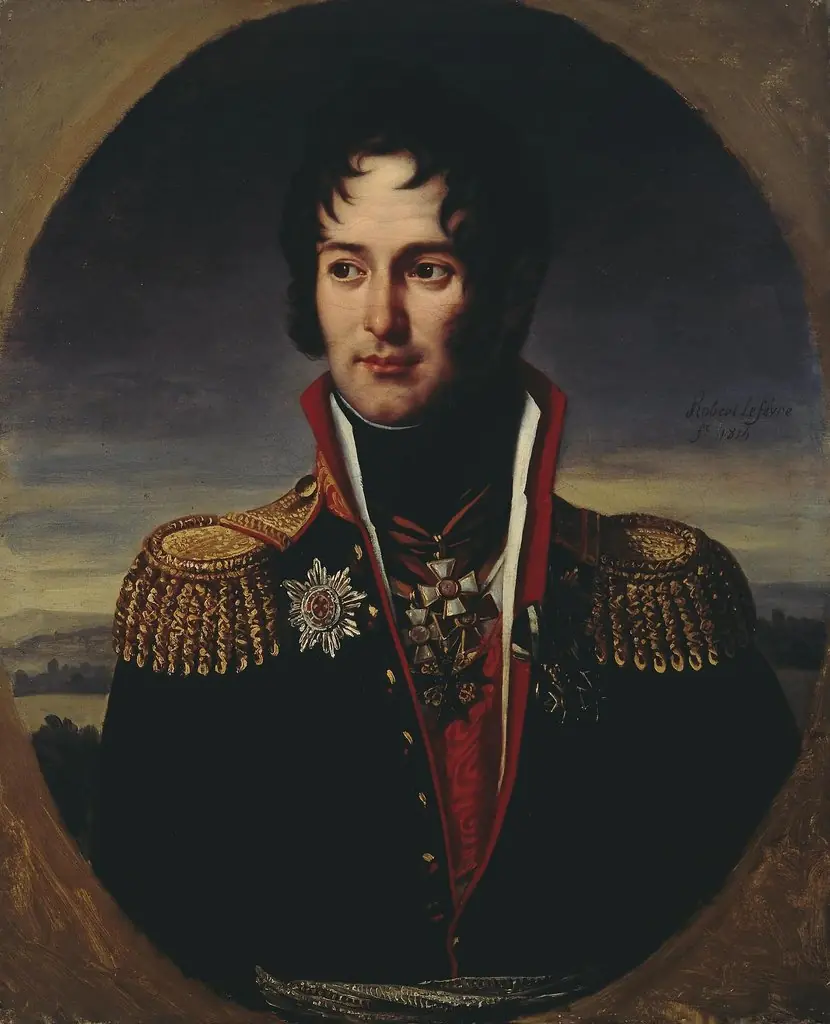 Portrait of General Piotr Chicherin
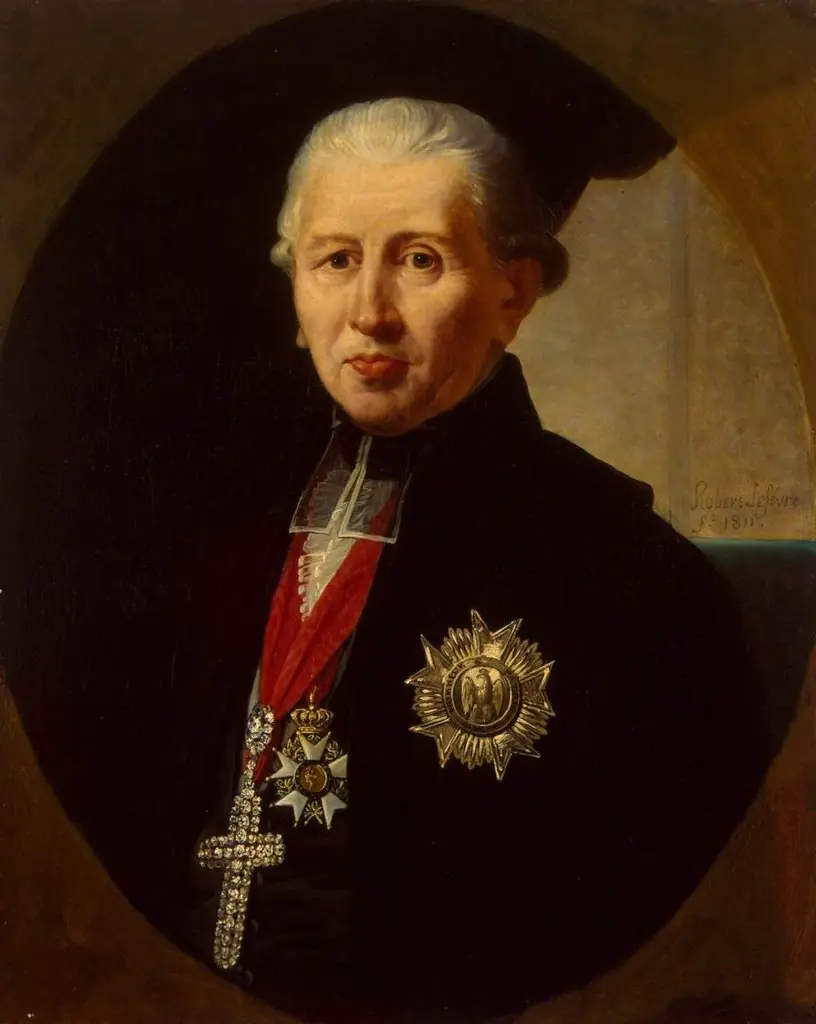 Portrait of Karl Theodor von Dalberg
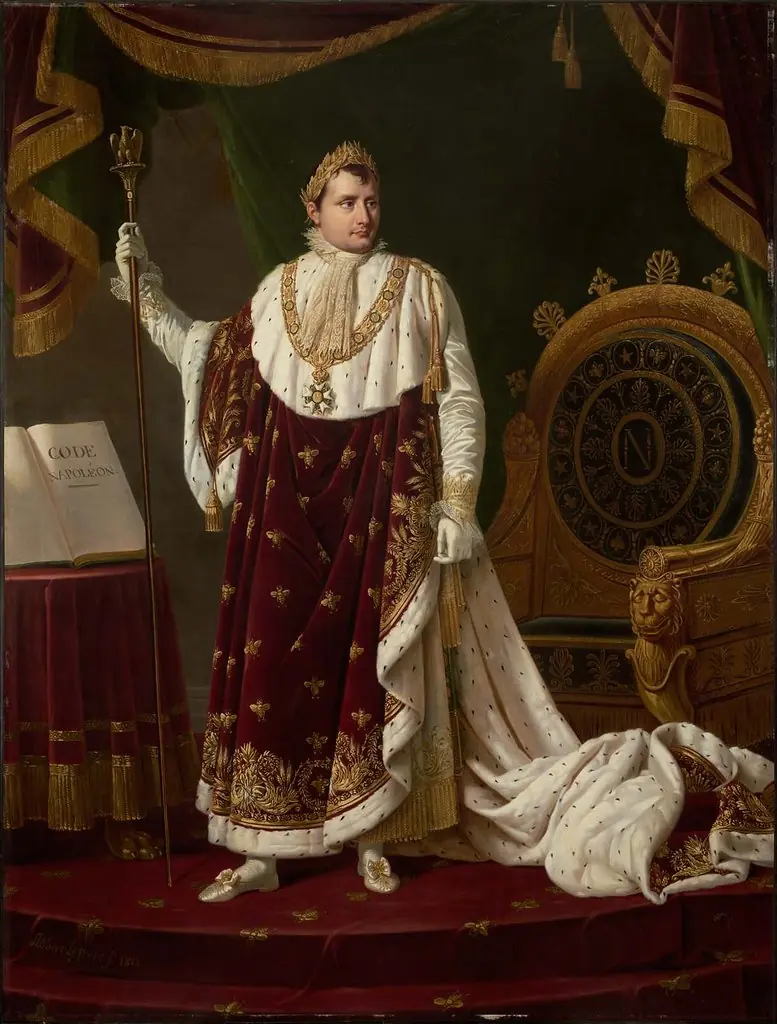 Portrait of Napoleon I in His Coronation Robes
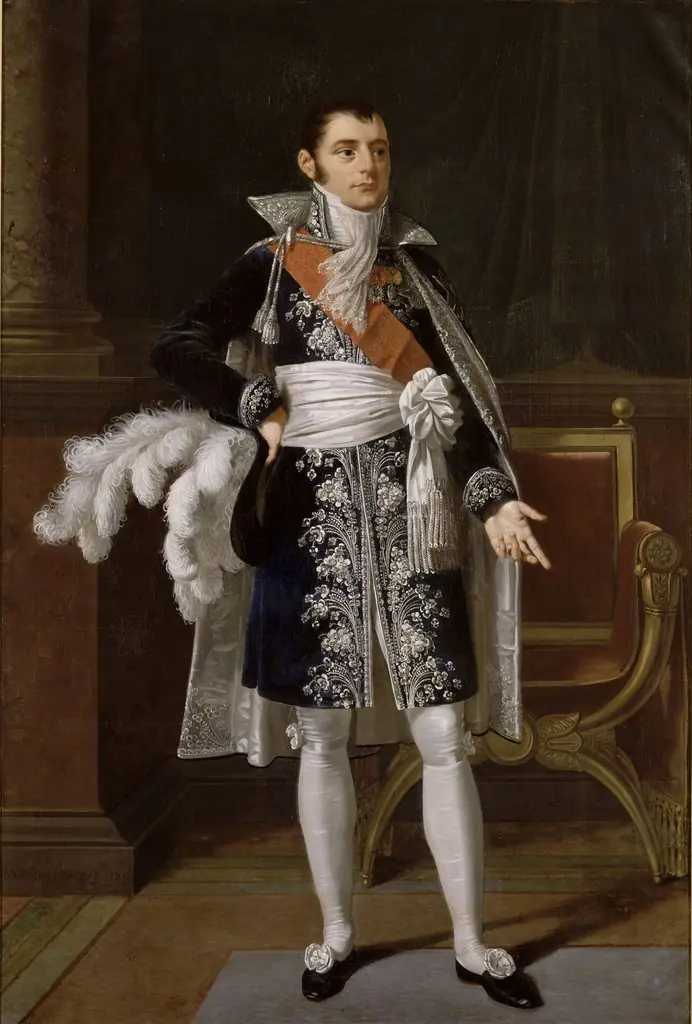 Portrait of Anne-Jean-Marie-René Savary, Duke of Rovigo (1774-1833)
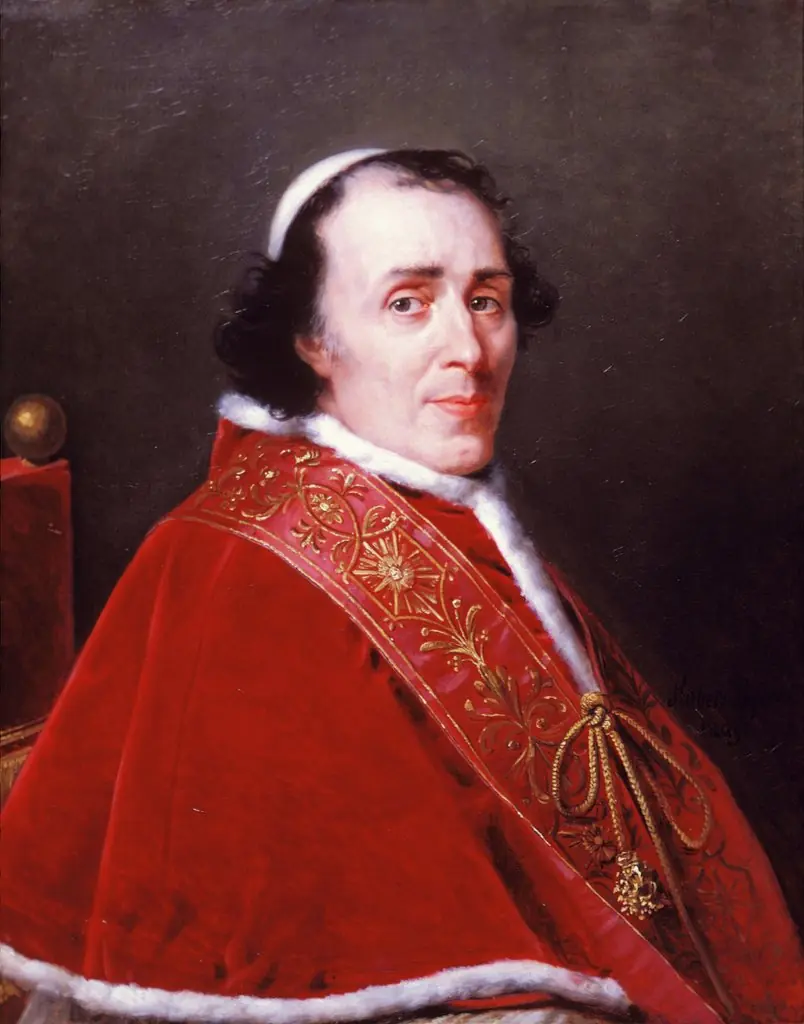 Portrait of Pope Pius VII