Artwork
Charles X (1757–1836), King of France, after Gérard
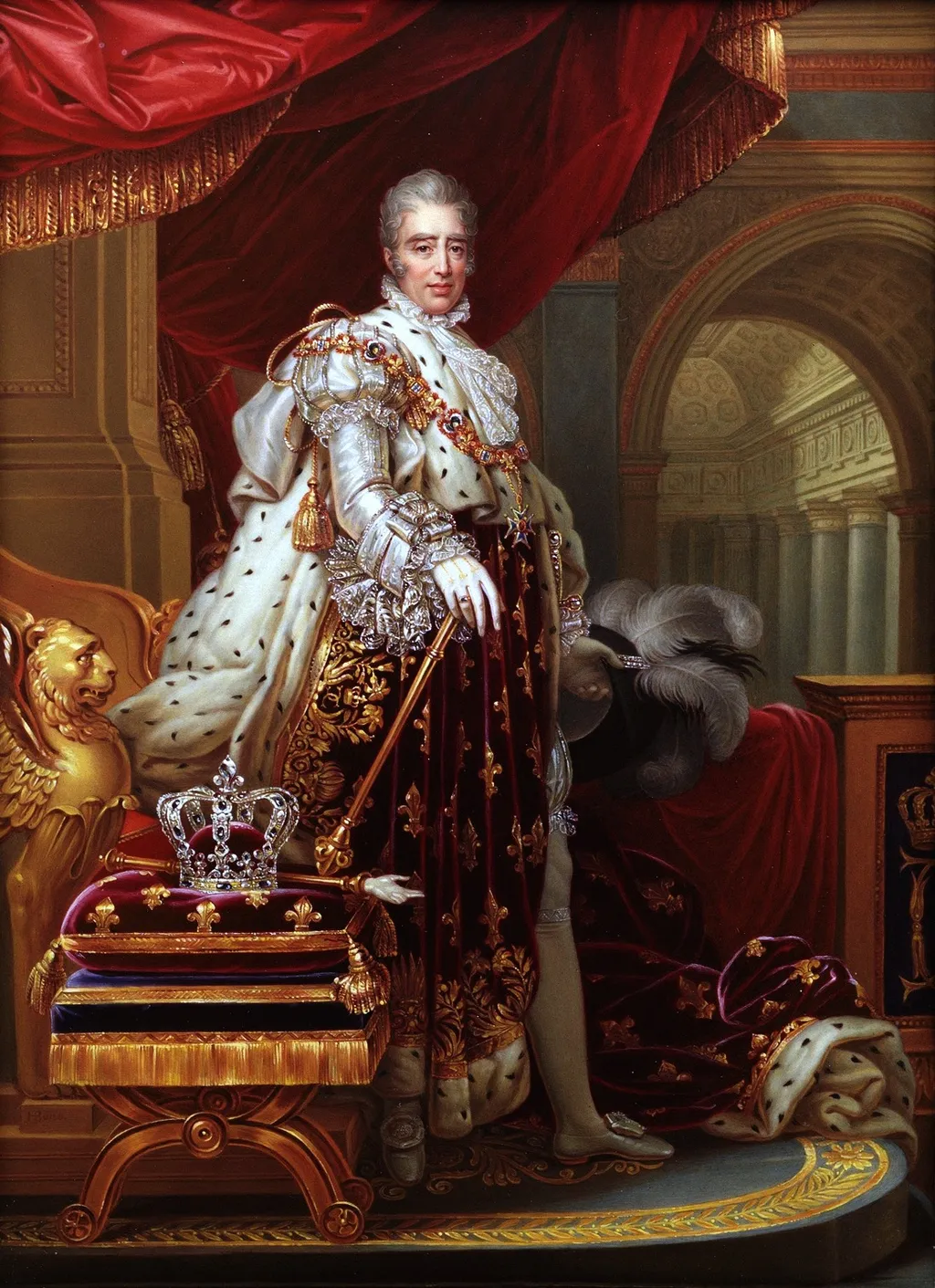
Charles X (1757–1836), King of France, after Gérard is an unspecified painting by the Neoclassicist artist Henry Bone. It dates from 1829 and is held in the collection of the Metropolitan Museum of Art.
About this work
Subject & Meaning
Its creation in 1829 falls within the final years of the Bourbon Restoration, before Charles X's overthrow in the July Revolution of 1830.
The portrait presents Charles X of France, identified by his royal crown and regalia, signifying his sovereign authority and the continuity of the Bourbon monarchy during the Restoration. Rendered in vitreous enamel by Henry Bone after a portrait by François Gérard, the work functions as an official likeness that conveys the king's dignified status and political legitimacy through traditional iconography of crown and attire. Its creation in 1829 falls within the final years of the Bourbon Restoration, before Charles X's overthrow in the July Revolution of 1830.
Technique & Style
The enamel portrait of Charles X after Gérard by Henry Bone employs vitreous enamel on a metal support, a technique Bone mastered in the early nineteenth century. Executed in 1829, the work measures 364 mm in height and 260 mm in width. The medium's translucency and durability allowed Bone to render the king's likeness with crisp detail and subtle color modulation, reflecting both the sitter's regal attire and Bone's precise handling of light across the enamel's glossy surface.
The composition's formal clarity and smooth modeling align with Bone's neoclassical approach, emphasizing clarity and control over painterly texture.
History & Provenance
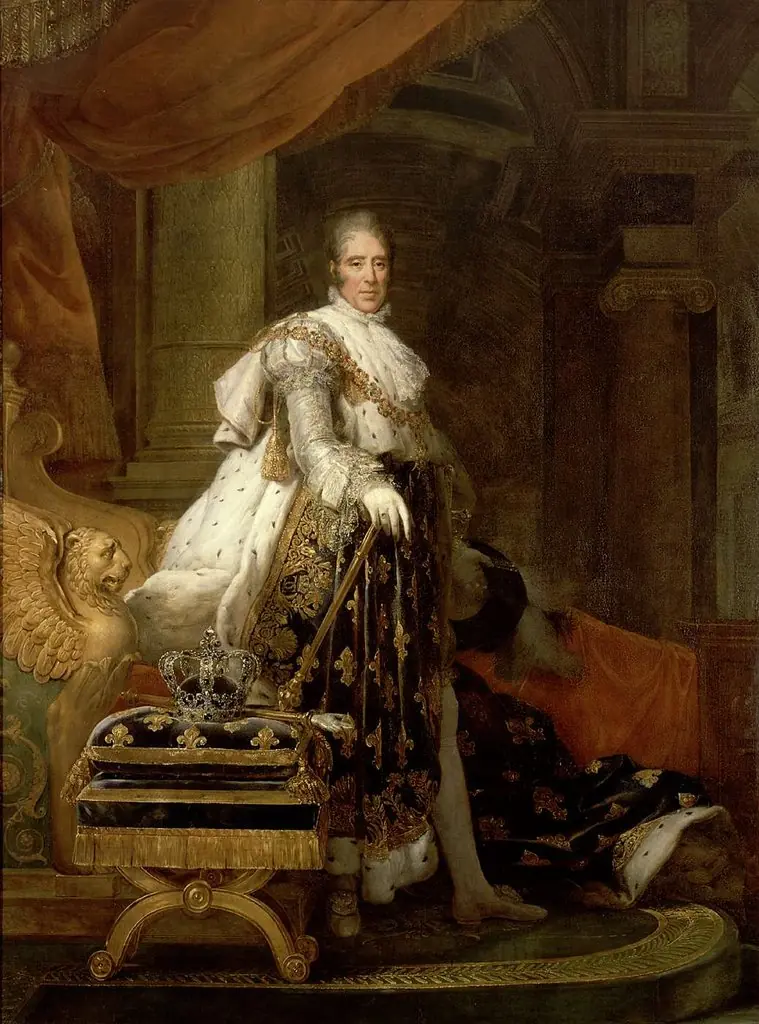
Created in 1829 by the British enamellist Henry Bone, this vitreous enamel portrait depicts Charles X, King of France, after an original composition by François Gérard, making it a reproductive interpretation rather than a portrait from life. The work is held in the Metropolitan Museum of Art, New York, where it is listed as part of the collection. The available sources do not provide a specific accession number or any documented exhibition history for the piece.
Overview
Henry Bone, a notable English enamel artist, created this portrait of Charles X, King of France, in 1829. Executed in vitreous enamel, the work depicts the monarch in full regalia, showcasing Bone's proficiency in a demanding medium. This piece exemplifies the artist's capacity for large-scale enamel works, a skill for which he was widely recognized during the early 19th century.
Artist & collection
Artist
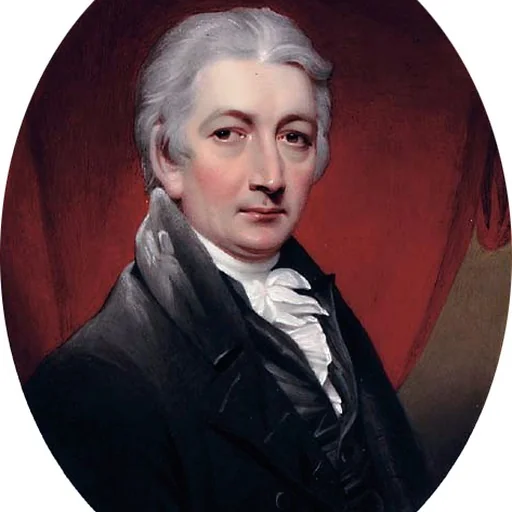
Henry Bone (6 February 1755 – 17 December 1834) was an English enamel painter. By c. 1800 he had attracted royal patronage for his portrait miniatures This patronage continued throughout the reigns of three monarchs;…

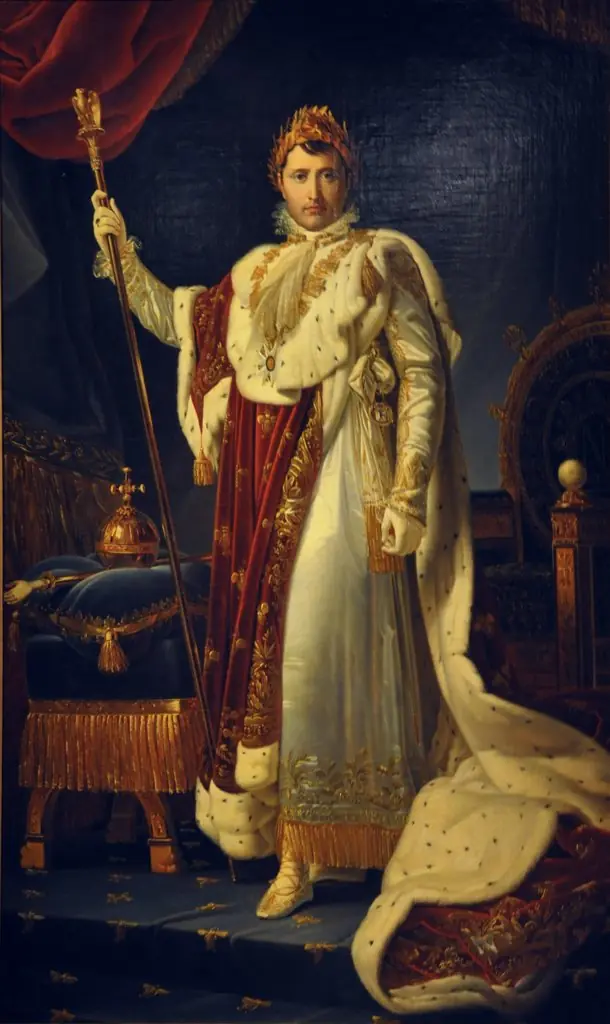 Napoleon in Coronation Robes
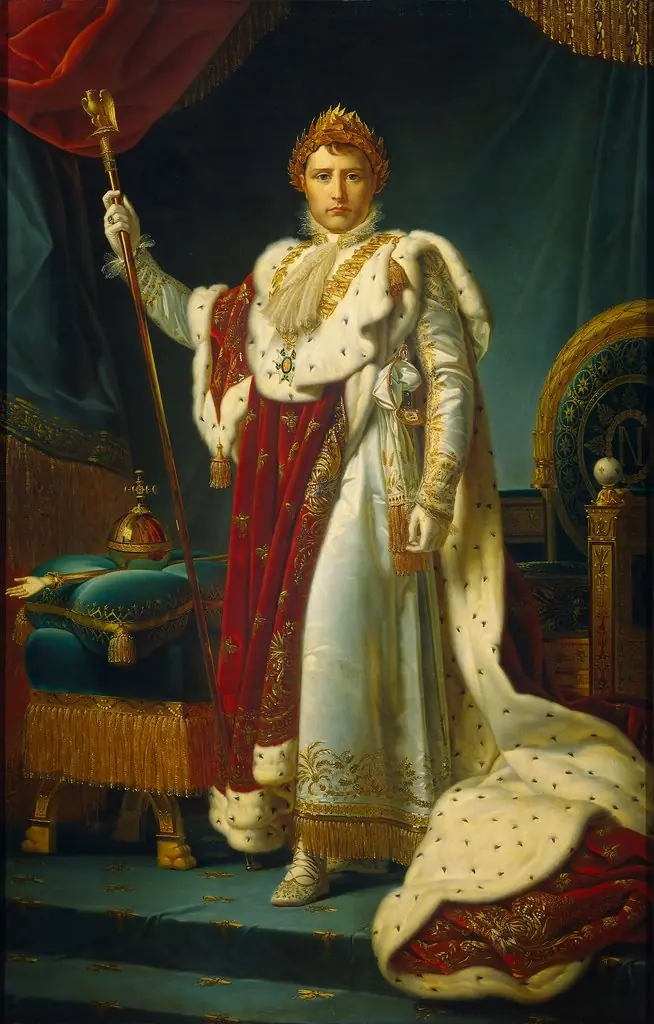 Portrait of Emperor Napoleon I
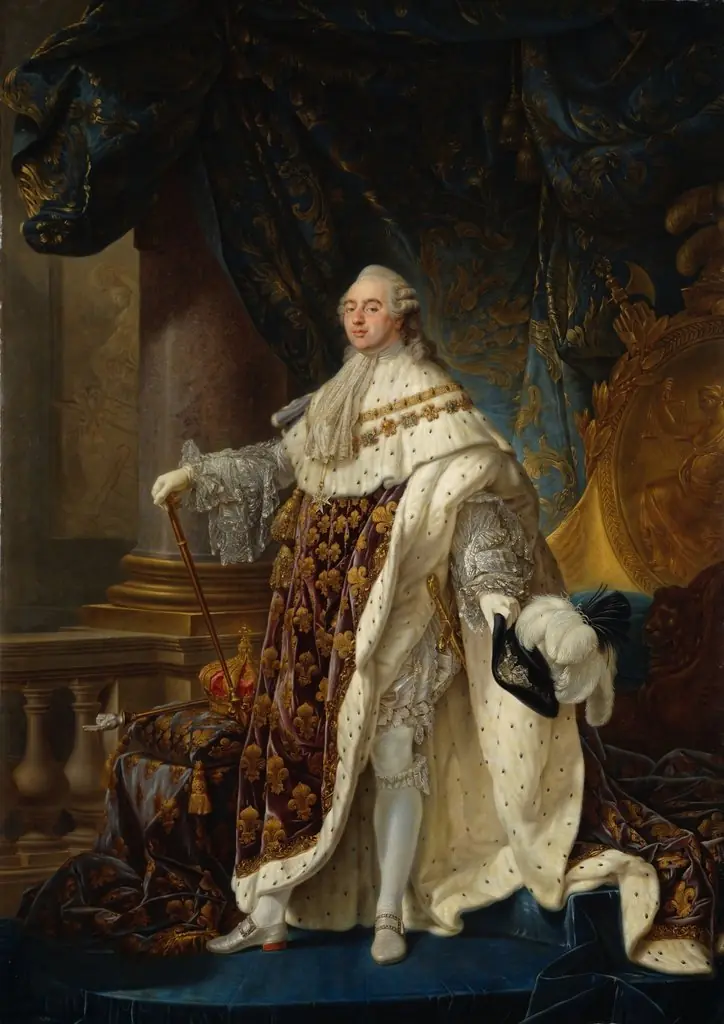 Louis XVI
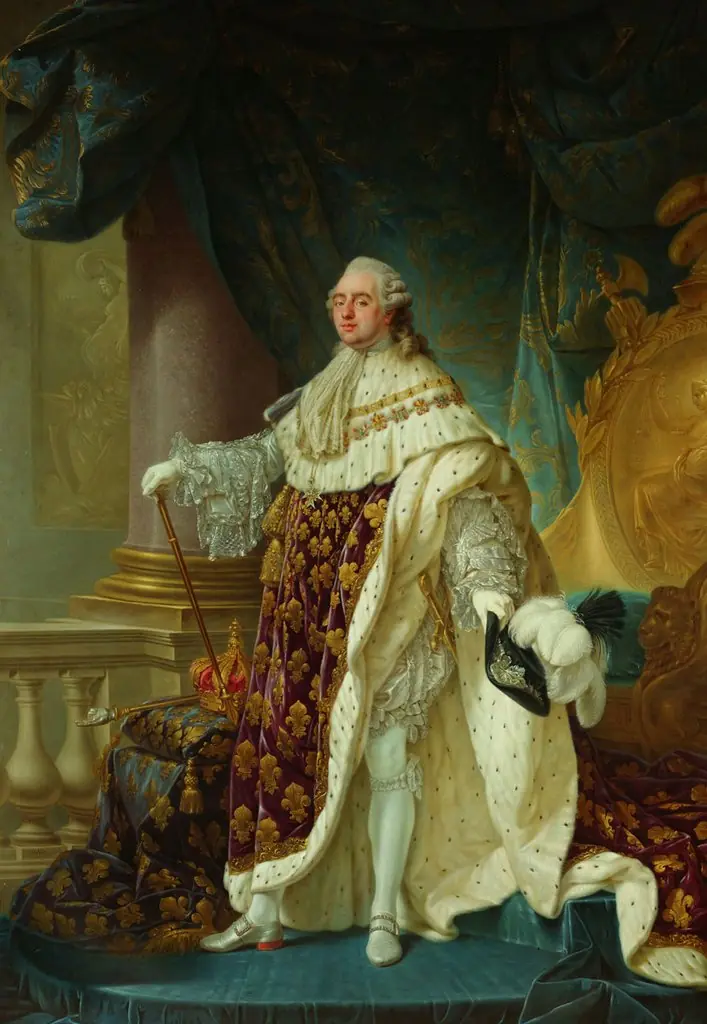 Portrait of Louis XVI of France
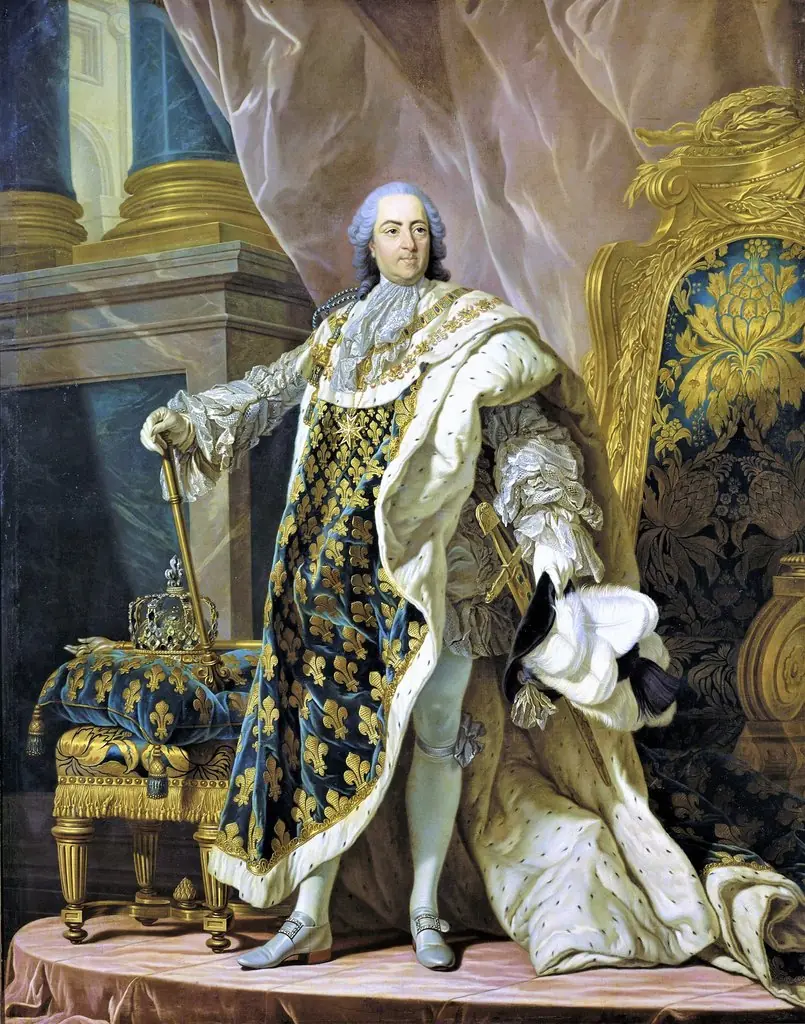 Portrait of Louis XV of France (1710-1774)
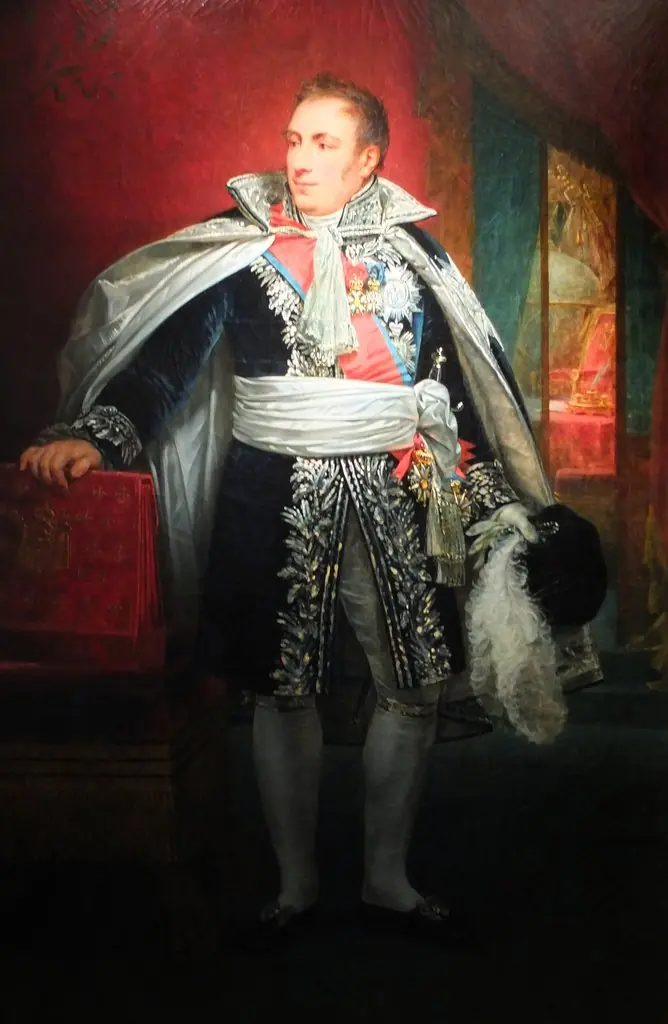 Pierre-Antoine-Noël-Bruno, count Daru (1767-1829)
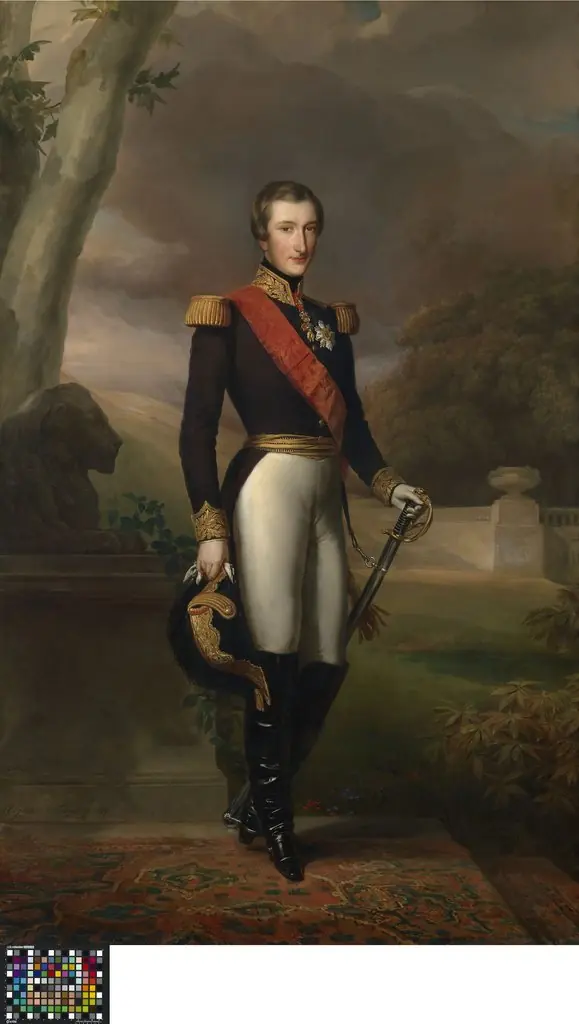 Portret van Leopold II, koning der Belgen, als hertog van Brabant
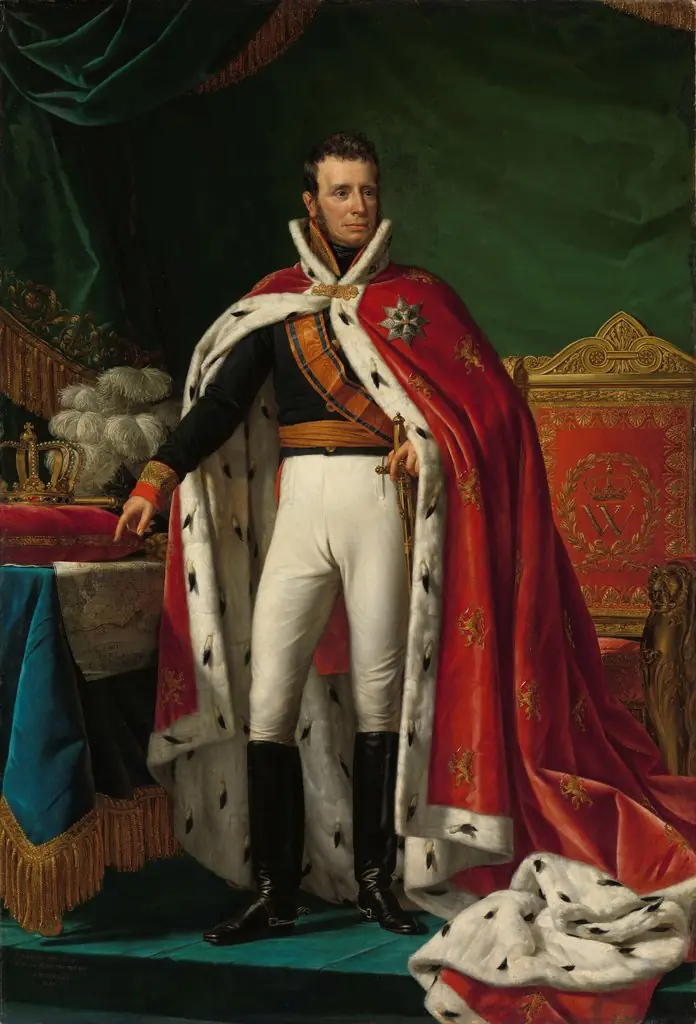 Portrait of William I, King of the Netherlands
 Kaiser Joseph II. (1741-1790) with a Statue of Mars