Artwork
Marie-Julie Clary, Queen of Naples (1777-1845)
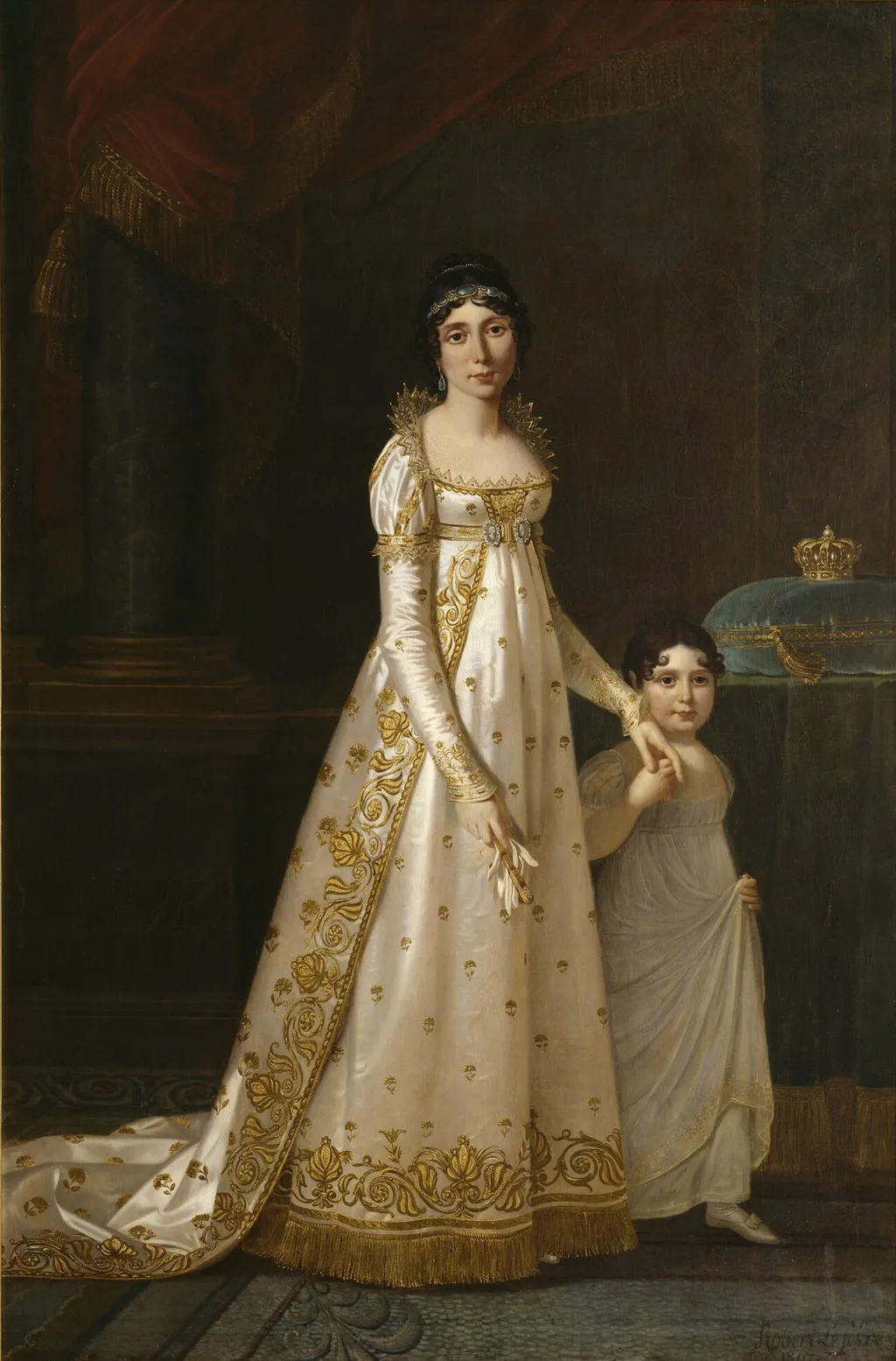
Marie-Julie Clary, Queen of Naples (1777-1845) is an oil painting by the Neoclassicist artist Robert Lefèvre. It dates from 1807 and is held in the collection of the Palace of Versailles.
About this work
Subject & Meaning
The iconography includes specific regalia and accessories that denote her position, featuring a crown alongside a dress adorned with embroidery.
The painting depicts Marie-Julie Clary, who held the title of Queen of Naples. As a formal portrait, the work focuses on representing the sitter herself, emphasizing her royal status and identity. The iconography includes specific regalia and accessories that denote her position, featuring a crown alongside a dress adorned with embroidery.
Additional elements such as jewelry (bijou) are present, further underscoring her nobility. The composition serves as a historical record of Clary, linking her visually to the kingdoms of Naples and Spain through these symbolic attributes of power and rank.
Technique & Style
The portrait is an oil painting executed on canvas, a standard support for French portraiture of the late 18th and early 19th centuries. The work measures 216 cm in height by 143 cm in width, reflecting the grand scale typical of royal and imperial commissions. Robert Lefèvre employed a naturalistic rendering of texture, particularly evident in the delicate rendering of fabric and the subtle modeling of facial features, aligning with the academic emphasis on chiaroscuro and anatomical precision.
The composition presents Queen Marie-Julie Clary in regal attire, combining French elegance with Spanish motifs, underscoring her heritage and political connections. The handling of light across the drapery and skin demonstrates a refined use of glazing techniques to achieve depth and luminosity.
History & Provenance
The painting was created in 1807 as a commissioned portrait of Julie Clary, sister-in-law to Napoleon and Queen of Naples, reflecting her royal status and personal connections during the Napoleonic era. It entered the collection of the Museum of the History of France at the Palace of Versailles, where it remains housed today.
The work is an oil-on-canvas portrait measuring 216 cm by 143 cm, painted by Robert Lefèvre, a French artist trained in the neoclassical tradition. Its creation was documented in French state records and it was formally accessioned into the national collections under inventory numbers MV 4714, INV 4436, and AC 1965, affirming its status as a culturally significant artifact.
The portrait is held by the Musée national des châteaux de Versailles et de Trianon, part of the Museum of the History of France at the Palace of Versailles. Its inventory numbers are MV 4714, INV 4436, and AC 1965. No exhibition history is recorded in the available sources.
Overview
Robert Lefèvre’s 1807 oil portrait presents Julie Clary, who reigned as Queen of Naples, alongside a young child. Executed in the neoclassical idiom, the painting resides in the collection of the Palace of Versailles and exemplifies the French court’s portraiture of the early nineteenth century.
Context
The painting belongs to the genre of official portraiture that flourished under the Napoleonic regime, where rulers and their families were depicted with dignified simplicity. Lefèvre’s choice of neoclassical motifs, high waist, puffed sleeves, and a subdued background, aligns the queen’s image with contemporary ideals of virtue and antiquity.
Own this work as a print
Artist & collection
Artist
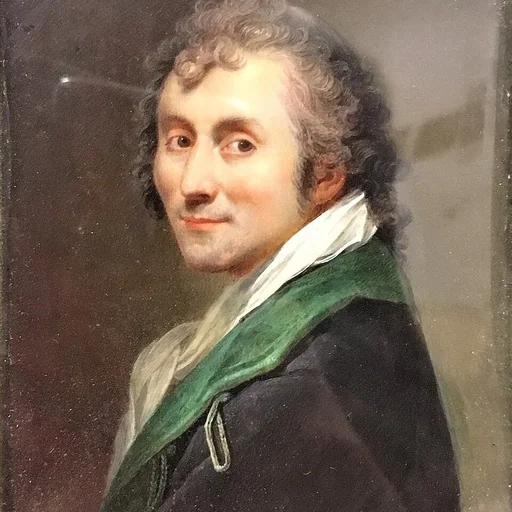
Robert Jacques François Faust Lefèvre (French pronunciation: 24 September 1755, in Bayeux – 3 October 1830, in Paris) was a French painter of portraits, history paintings and religious paintings.

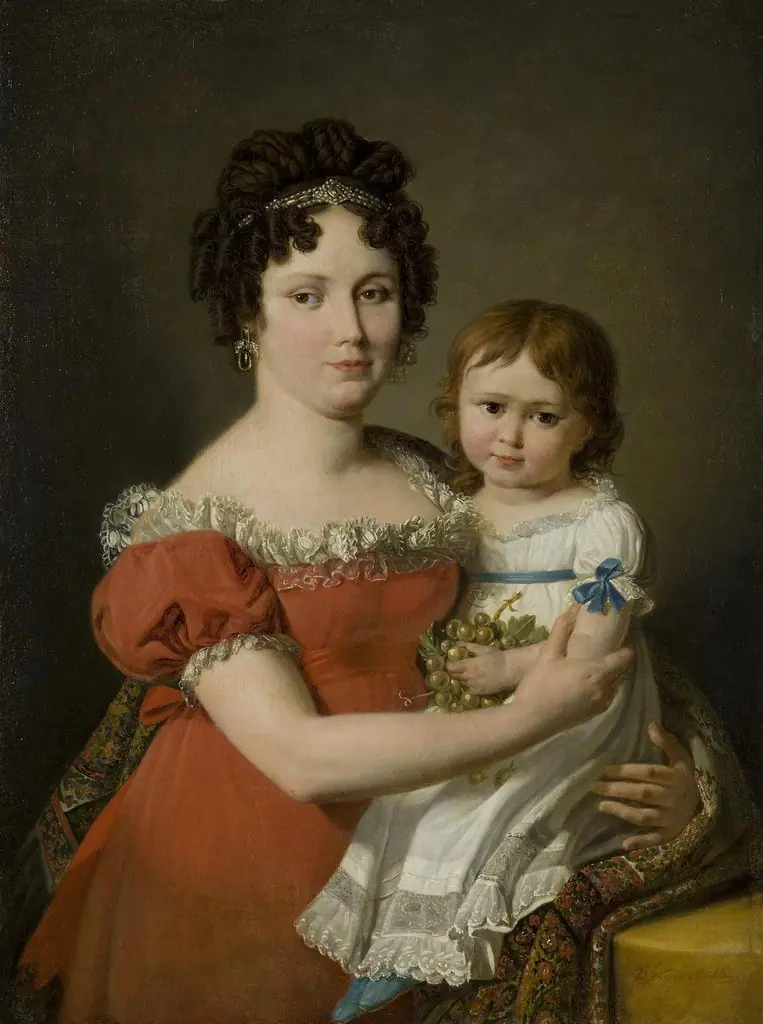
- Portrait of A.P. Mailevskaya with Her Daughter
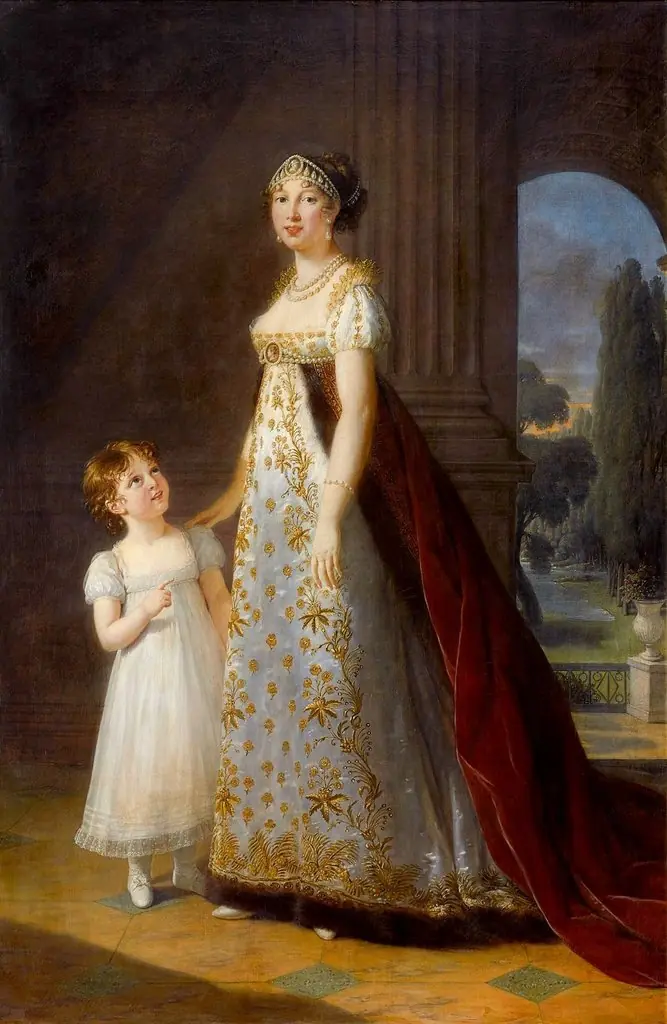 Caroline Murat with her daughter Letizia
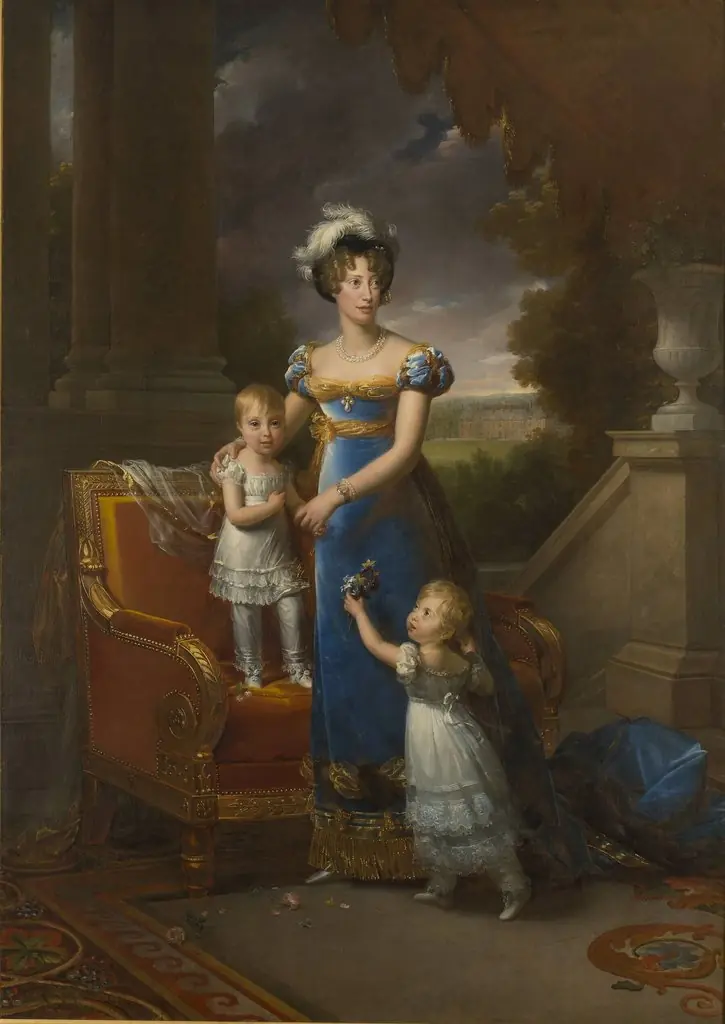 The Duchess of Berry and her Children
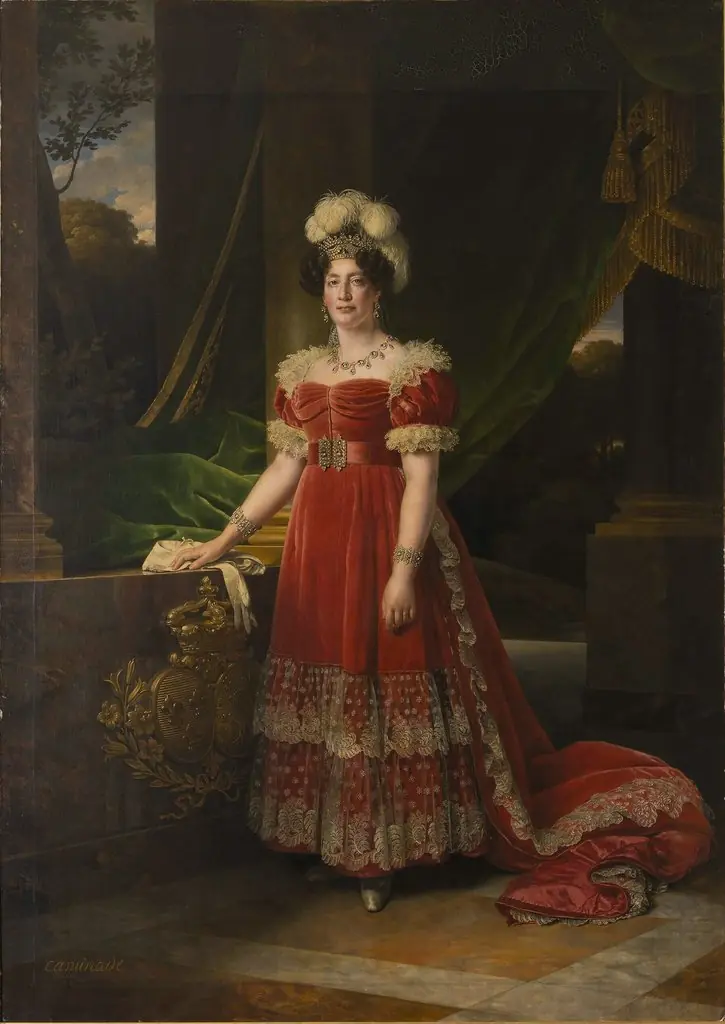 Portrait of Marie Thérèse of France, Duchess of Angoulême (1778-1851)
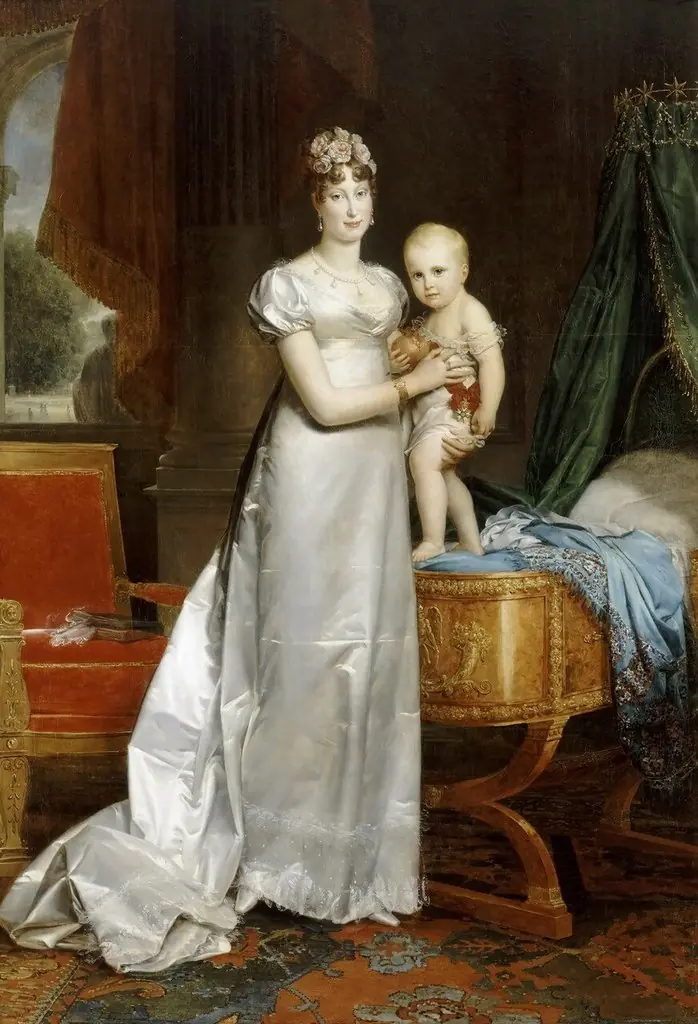 Marie-Louise, Empress of the French, and the Roi de Rome
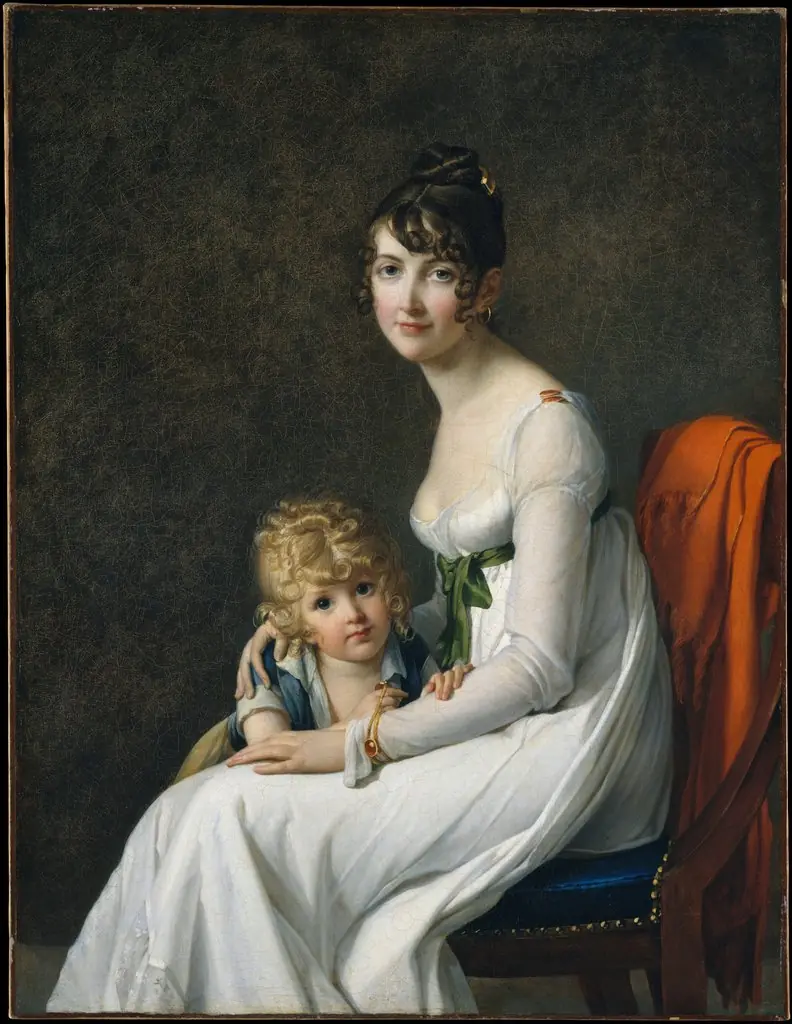 Madame Philippe Panon Desbassayns de Richemont (Jeanne Eglé Mourgue, 1778–1855) and Her Son, Eugène (1800–1859)
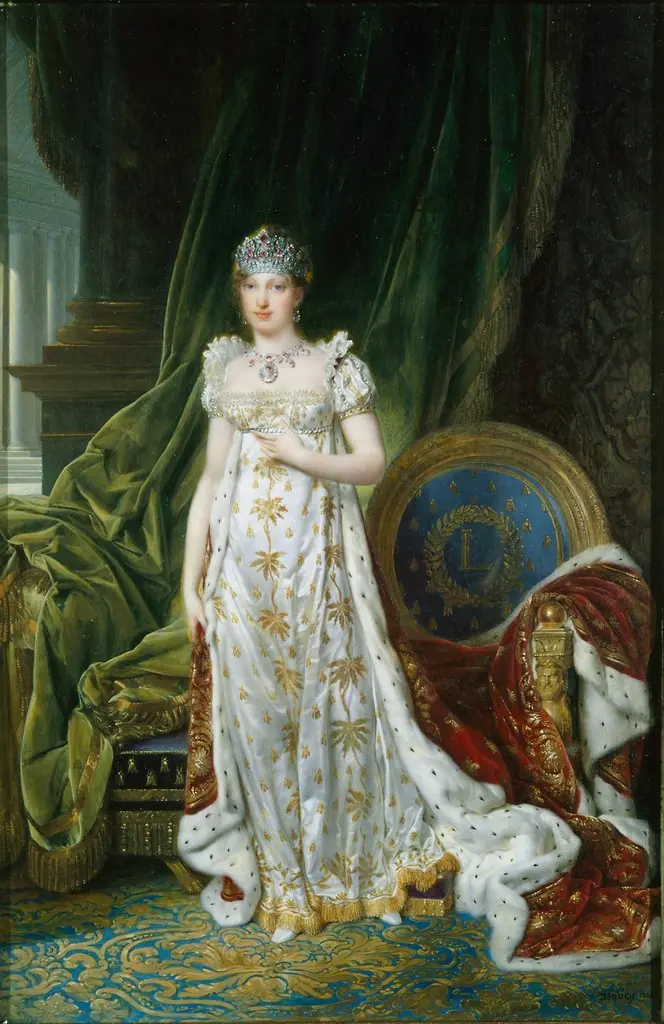 Portrait of Empress Marie-Louise
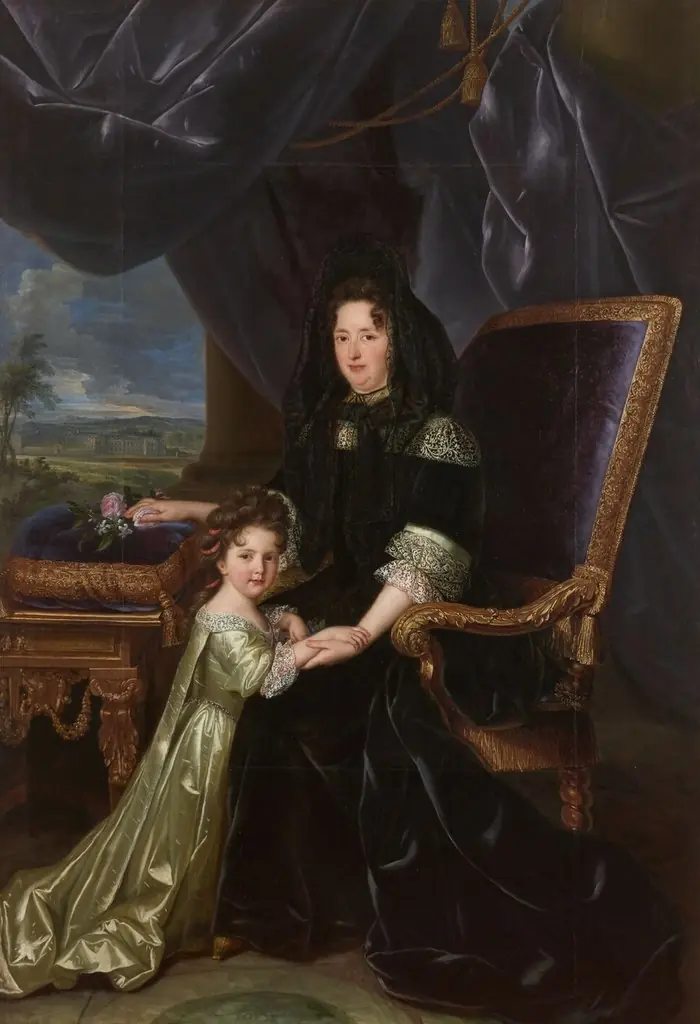 Françoise Charlotte d'Aubigné with her aunt Madame de Maintenon.
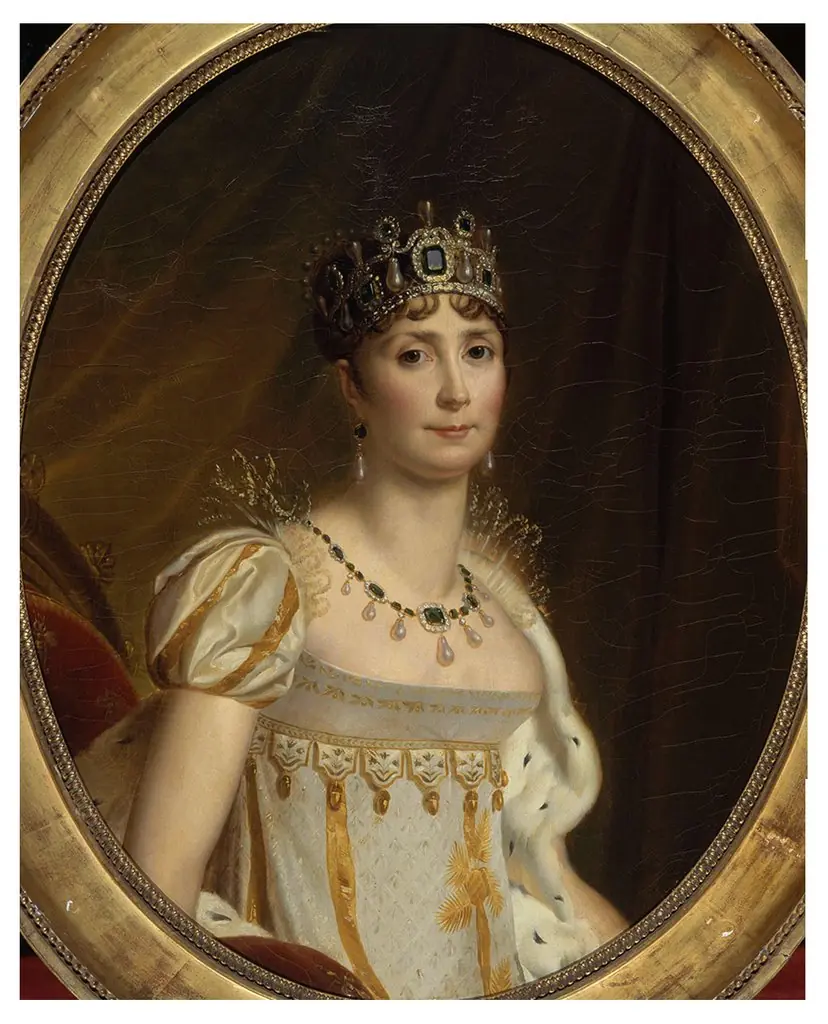 Portrait of Joséphine de Beauharnais
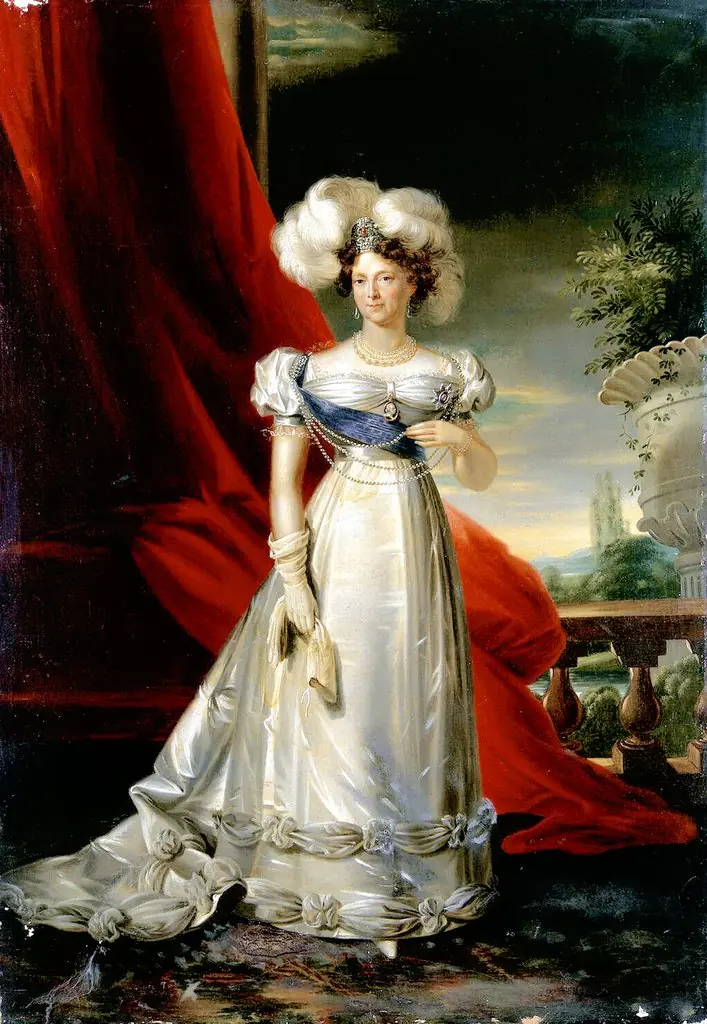 Portrait of the Empress Dowager Maria Feodorovna