Artwork
Portrait of Karl Theodor von Dalberg
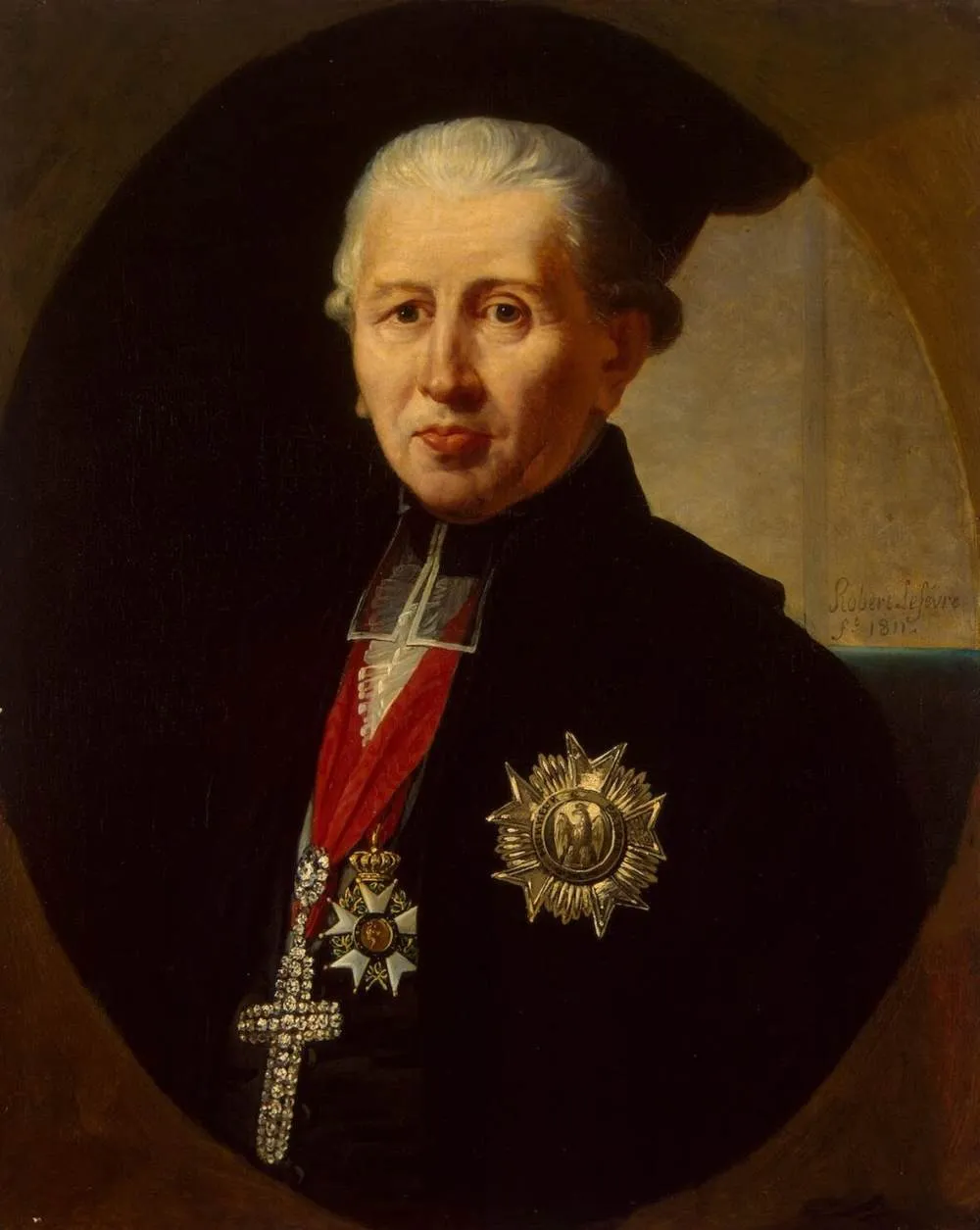
Portrait of Karl Theodor von Dalberg is an oil painting by the Neoclassicist artist Robert Lefèvre. It dates from 1811 and is held in the collection of the Hermitage Museum.
About this work
Overview
The Portrait of Karl Theodor von Dalberg is an oil-on-canvas painting by the French neoclassical artist Robert Lefèvre, dated 1811.
The Portrait of Karl Theodor von Dalberg is an oil-on-canvas painting by the French neoclassical artist Robert Lefèvre, dated 1811. Measuring 74 by 60 centimetres, the oval-framed portrait depicts its subject from the chest up in full official regalia, rendered with the smooth, highly finished technique characteristic of Lefèvre's court portraiture. The work is held in the collection of the State Hermitage Museum in St. Petersburg, where it is catalogued under the title Portrait of Karl Theodor von Dalberg. The painting is significant as a document of one of the most powerful ecclesiastical and political figures of the Napoleonic era, captured by an artist who painted successive French regimes and their leading personalities.
Subject & Meaning
Karl Theodor Anton Maria von Dalberg (1744-1817) was Archbishop-Elector of Mainz, Arch-Chancellor of the Holy Roman Empire, Prince of Regensburg, Primate of the Confederation of the Rhine, and Grand-Duke of Frankfurt. Lefèvre portrays him as a middle-aged man with powdered white hair styled close to the head with a small queue, his fleshy face with prominent nose and full lips turned slightly to his right while his gaze meets the viewer directly. The iconography emphasises his multiple offices through elaborate insignia: a wide red sash across his chest from which hang three decorations, including a jewelled cross, a Maltese cross with crown, and a large star-shaped badge on the left side of his coat bearing a central medallion with a bird figure. His dark high-collared coat, white ruffled shirt, and dark cravat with rectangular white collar denote formal court dress. The divided background, deep black behind his left shoulder and lighter neutral tone on the right, creates a dramatic setting that isolates the subject and focuses attention on the gleaming metallic decorations and softly modelled face. The overall effect conveys authority, status, and the gravitas of a prince of church and state who navigated the turbulent political landscape of early nineteenth-century Europe.
Technique & Style
Lefèvre executed the portrait in oil on canvas, employing the smooth, highly finished technique that defined his neoclassical approach. Light falls from the left, illuminating the right side of Dalberg's face and catching the reflective surfaces of his regalia with particular care. The artist paid meticulous attention to the metallic gleam of decorations, contrasting this precision with the soft modelling of the facial features. The oval format, set within a darker surrounding tone, was a conventional choice for formal portraiture of the period, lending the composition a contained, medallion-like quality. The handling of paint is controlled and polished, with no visible brushwork, in keeping with the academic standards of French official portraiture under Napoleon and the Restoration. The palette is restrained, dominated by the dark coat, white linen, and the vivid red of the sash, which provides the single strong chromatic accent. The neutral background wall on the right side bears the visible signature and date, integrating the artist's mark into the spatial construction of the painting.
History & Provenance
The portrait was painted in France in 1811, during the period when Dalberg served as Grand-Duke of Frankfurt and Primate of the Confederation of the Rhine, positions he held under Napoleon's reorganisation of Germany. The work was produced in the same year that Lefèvre was at the height of his activity as a portraitist of the Napoleonic elite. The painting's provenance before its acquisition by the Hermitage remains to be fully documented in the available sources. It is currently located in the State Hermitage Museum, St. Petersburg, where it is listed in the collection as by Robert Lefèvre. The accession history and any exhibition history are not specified in the sources provided.
Context
Robert Lefèvre (1755-1830) was trained under Jean-Baptiste Regnault and established a career that spanned the late Bourbon monarchy, the French Revolution, the Napoleonic era, and the Restoration. His practice centred on painting the political and social figures who passed through each successive regime, including multiple portraits of Napoleon Bonaparte in formal court dress. This mobility across political changes made him a reliable recorder of the French and European elite. The portrait of Dalberg belongs to a period when Lefèvre was documenting the new political order that emerged from the Napoleonic wars and the dissolution of the Holy Roman Empire. Dalberg himself was a key figure in this transformation, having acquiesced to Napoleon's reorganisation of Germany while attempting to preserve some institutional continuity for the church. The Hermitage's holding of this work reflects the museum's extensive collection of European neoclassical portraiture and its particular strength in French painting of the revolutionary and Napoleonic periods. Critical reception and detailed scholarship on this specific painting are not recorded in the available sources, though Lefèvre's broader reputation rests on his technical accomplishment and his role as a chronicler of power.
Legacy
The portrait remains in the State Hermitage Museum, where it continues to serve as a visual document of a pivotal figure in the transition from the Holy Roman Empire to the reorganised German states of the Napoleonic era. As a work by Robert Lefèvre, it contributes to the understanding of an artist whose career exemplified the adaptability required of court painters in times of political upheaval. The painting's afterlife has included its reproduction and circulation through commercial print vendors, reflecting the continued public interest in Napoleonic-era portraiture and the historical personalities it depicted. Its value lies in combining Lefèvre's polished neoclassical technique with the opportunity to study the official self-presentation of a prince of the church who occupied a uniquely ambiguous position between the old European order and the new. The work's place in art history is thus tied to its documentary function and to the broader patterns of French portraiture that Lefèvre helped to establish across a half-century of dramatic political change.
Artist & collection
Artist
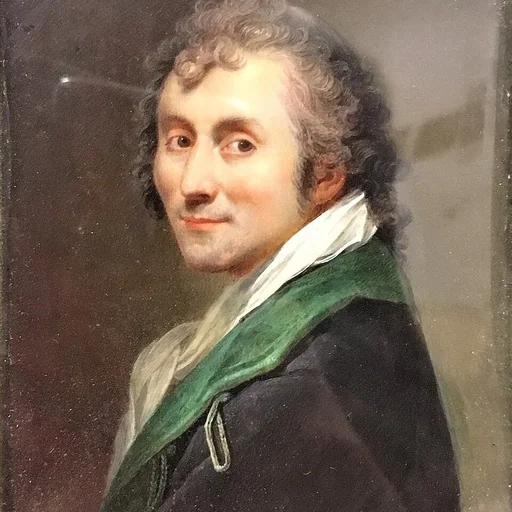
Robert Jacques François Faust Lefèvre (French pronunciation: 24 September 1755, in Bayeux – 3 October 1830, in Paris) was a French painter of portraits, history paintings and religious paintings.

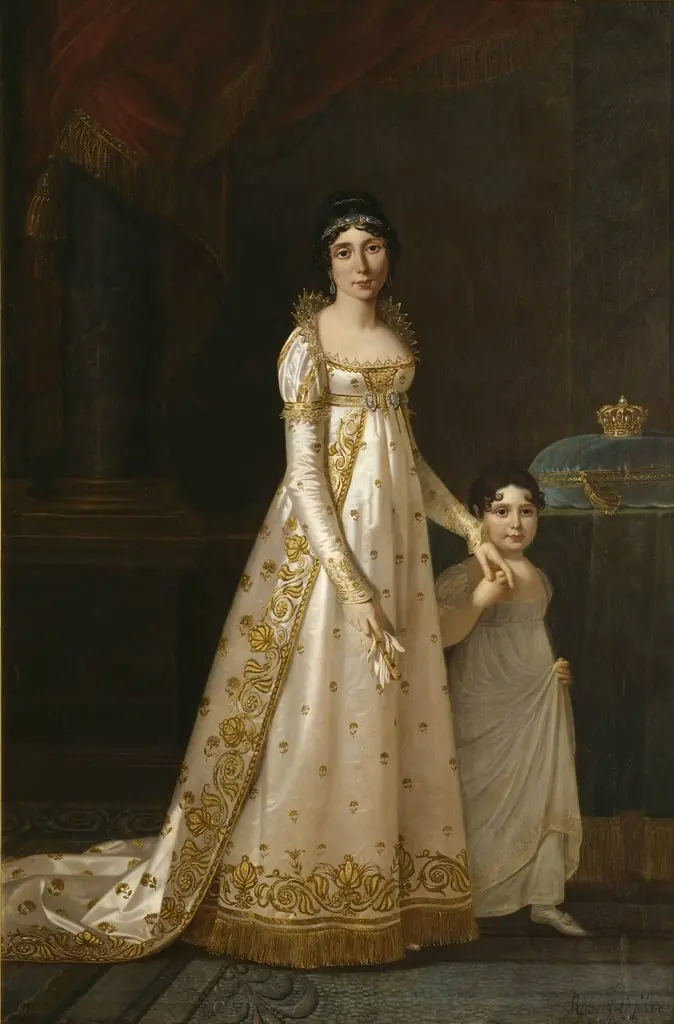 Marie-Julie Clary, Queen of Naples (1777-1845)
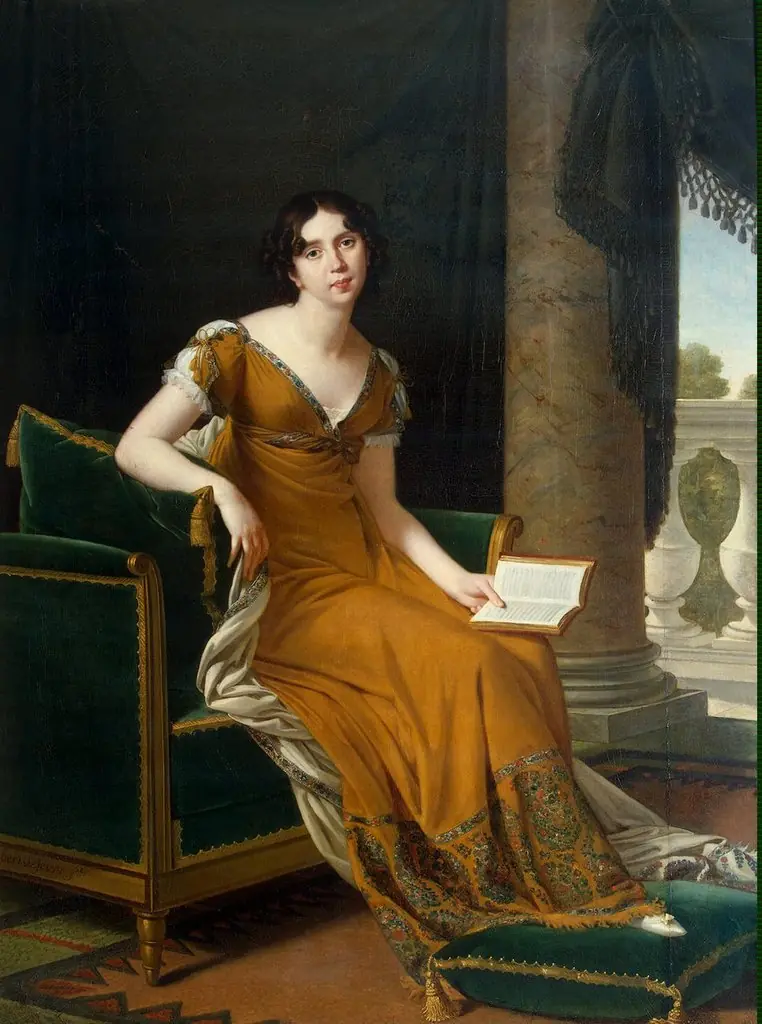 Portrait of Elisabeth Demidova
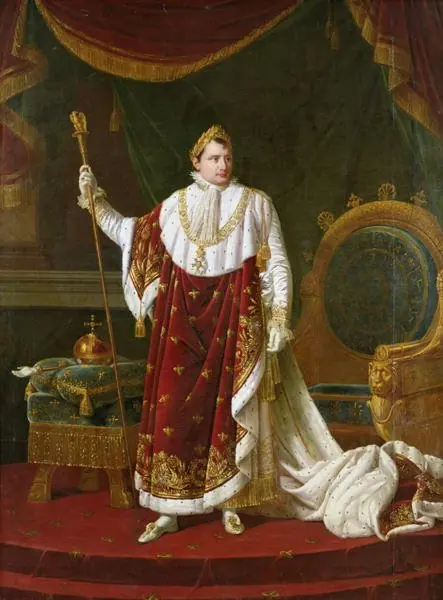 Napoleon I, Emperor of the French
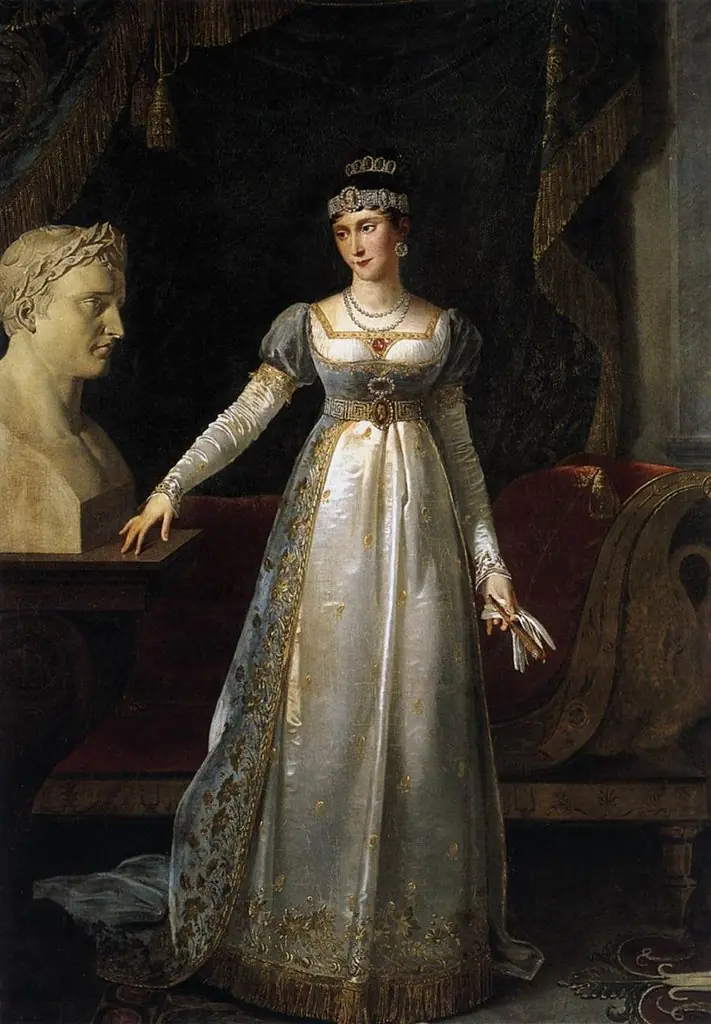 Pauline Bonaparte, Duchess of Guastalla, Princess Borghese
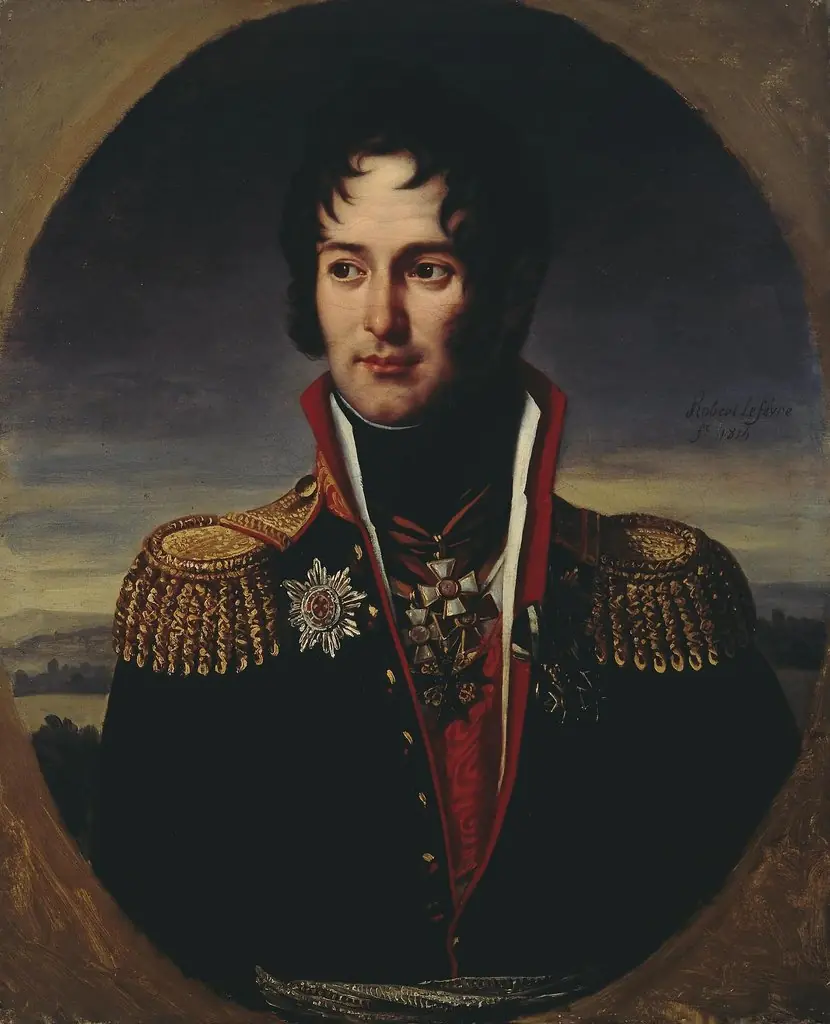 Portrait of General Piotr Chicherin
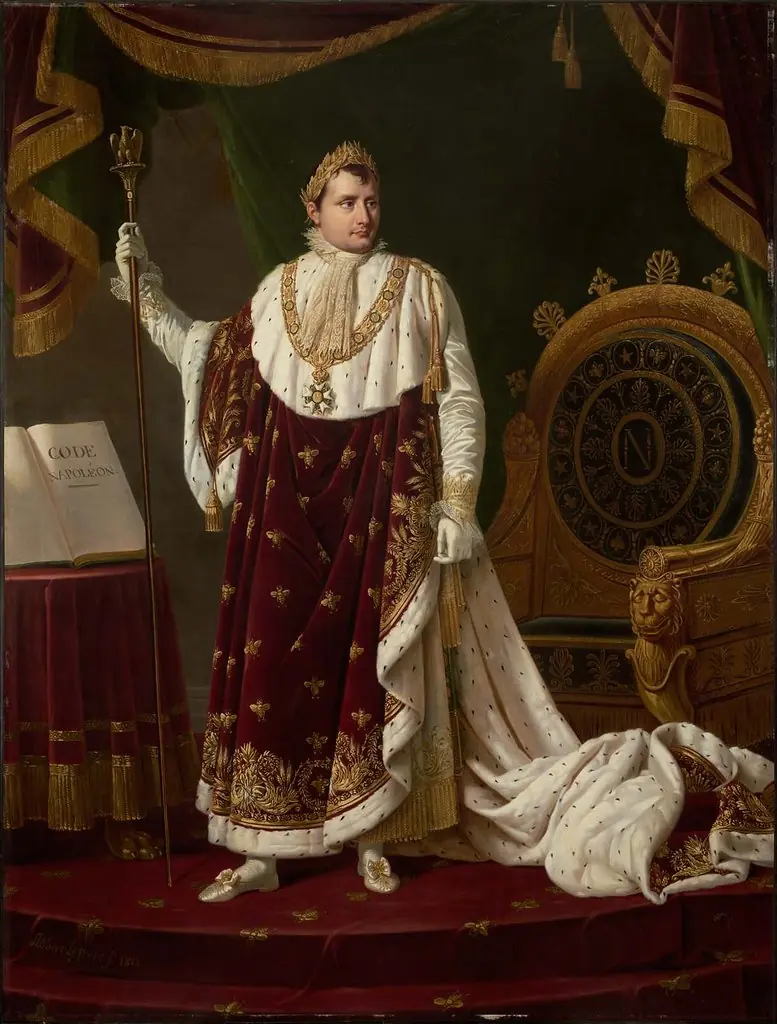 Portrait of Napoleon I in His Coronation Robes
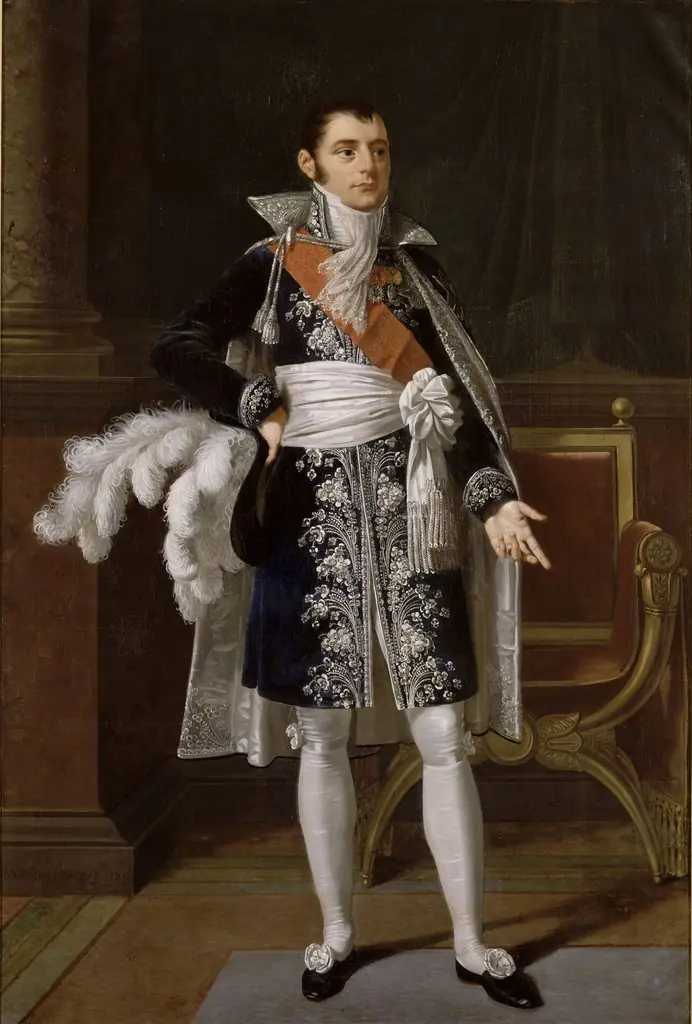 Portrait of Anne-Jean-Marie-René Savary, Duke of Rovigo (1774-1833)
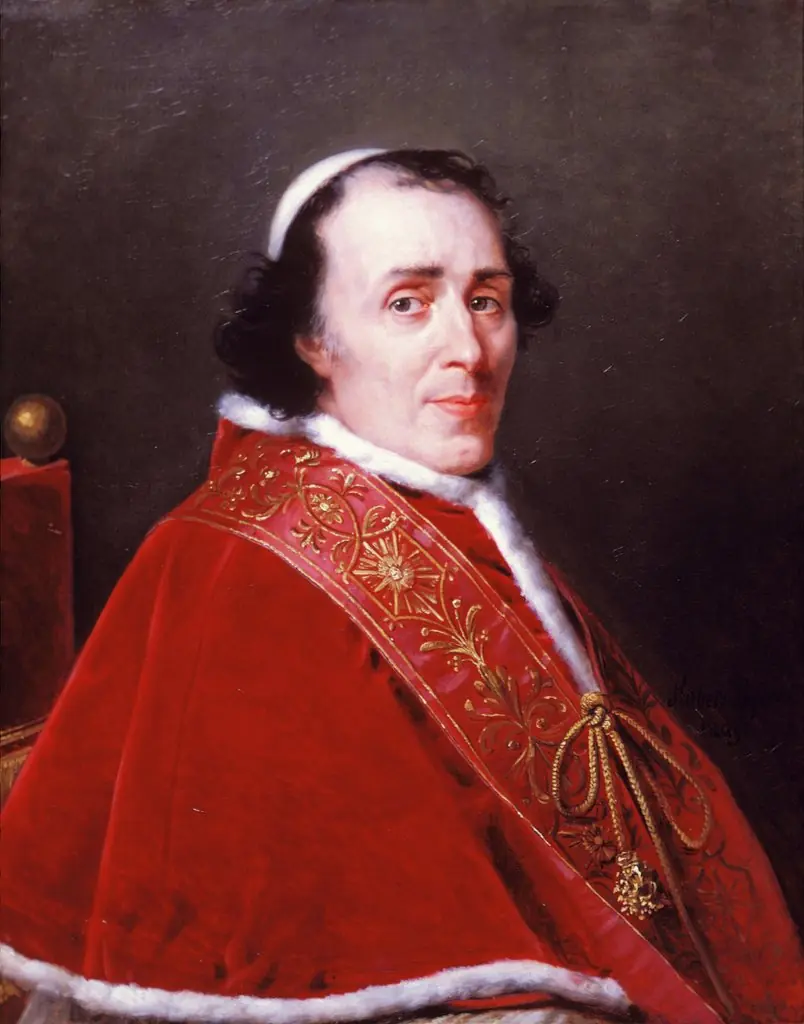 Portrait of Pope Pius VII
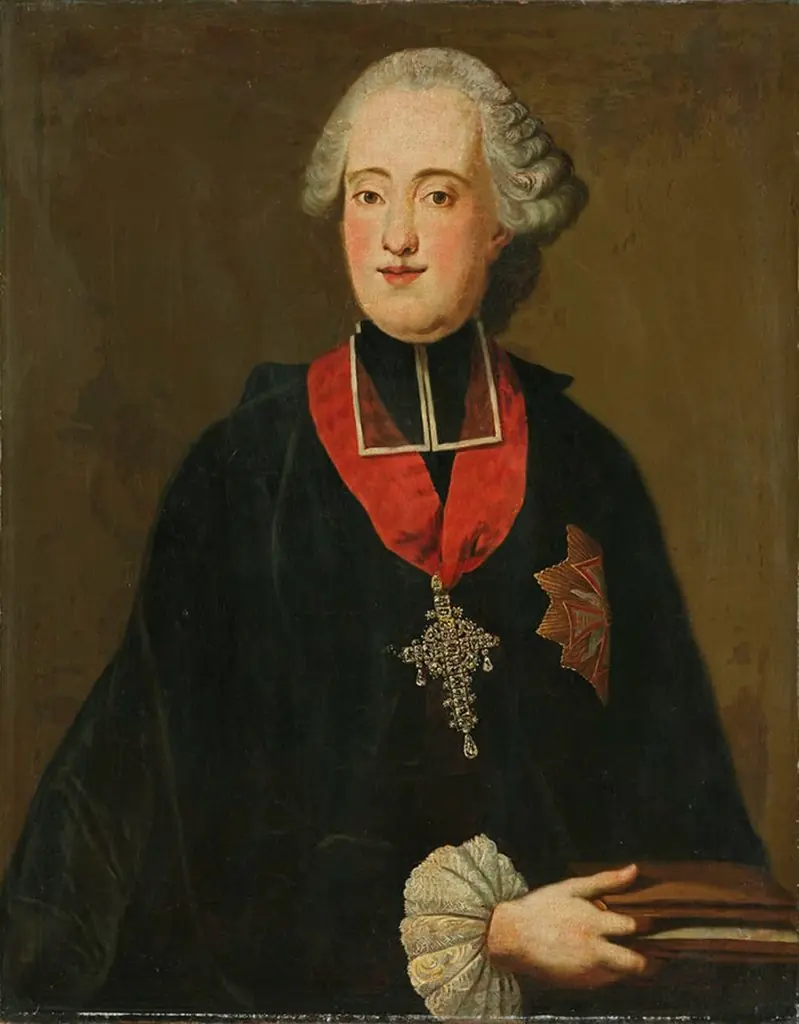
- Bildnis des Clemens Wenzeslaus, Bischof von Freising, Regensburg und Augsburg
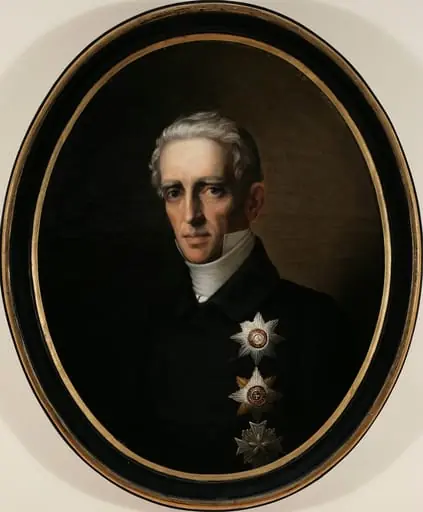 Vapaaherra Lars Gabriel von Haartman
 Baronul von Rall, general austriac (RI: Baronul Rall, general austriac)
 Emmanuel de Croy-Solre, Duke of Croy, Marshal of France (1718-1784)
 Portrait of Nikolai Mordvinov (?)
 Portrait of Admiral F.F.Ushakov
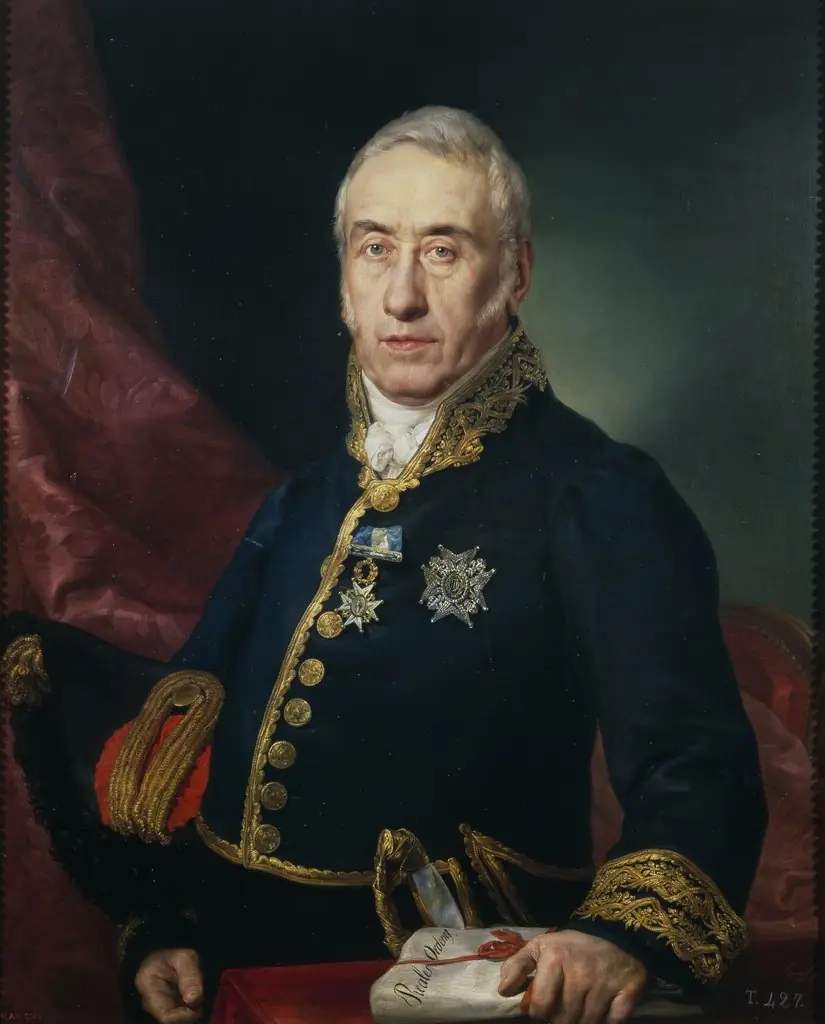 Ignacio Gutiérrez Solana, Overseer of the Royal Stables
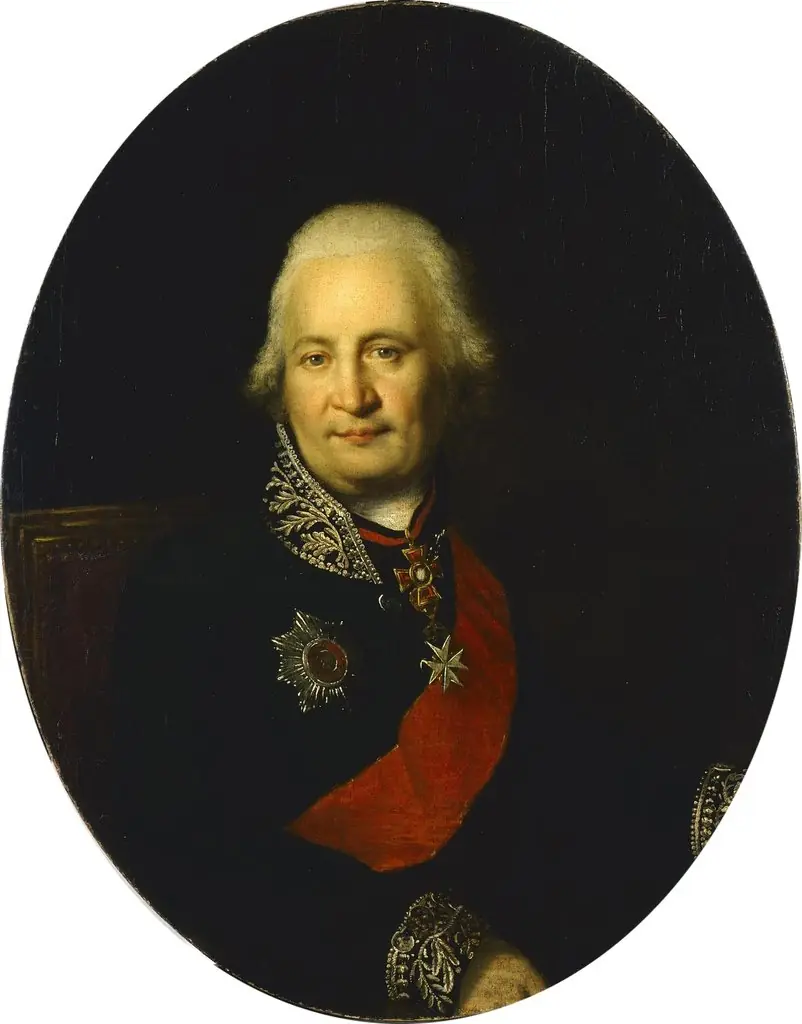 Portrait of N.N.Bantysh-Kamensky
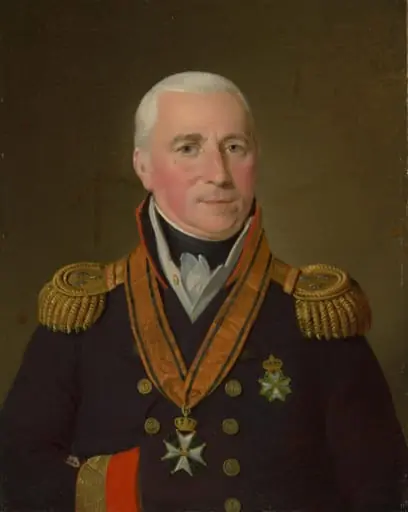 Portrait of Gerrit Verdooren (1757-1824), Vice-admiral
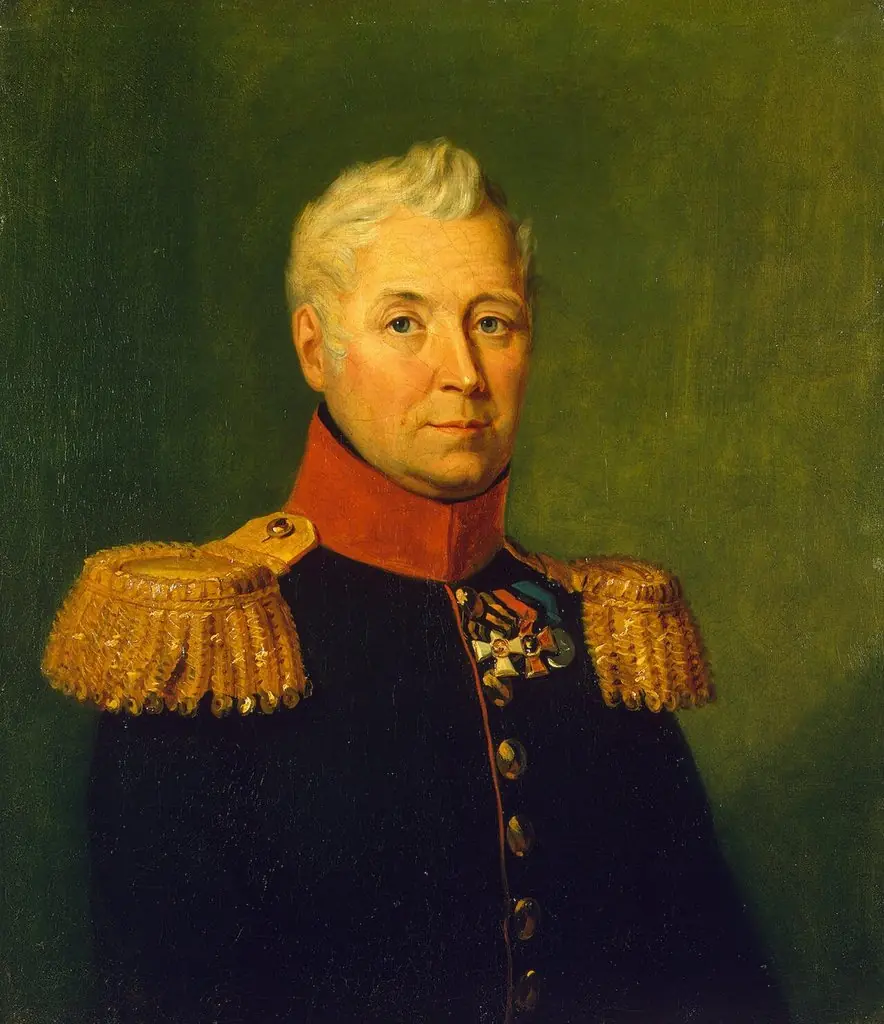 Portrait of Andrey T. Maslov (1770-1828)
 Portrait of Louis de Noailles, maréchal de France (1713-1793)
 Portrait of Senator Piotr Myatlev