Artwork
Pauline Bonaparte, Duchess of Guastalla, Princess Borghese
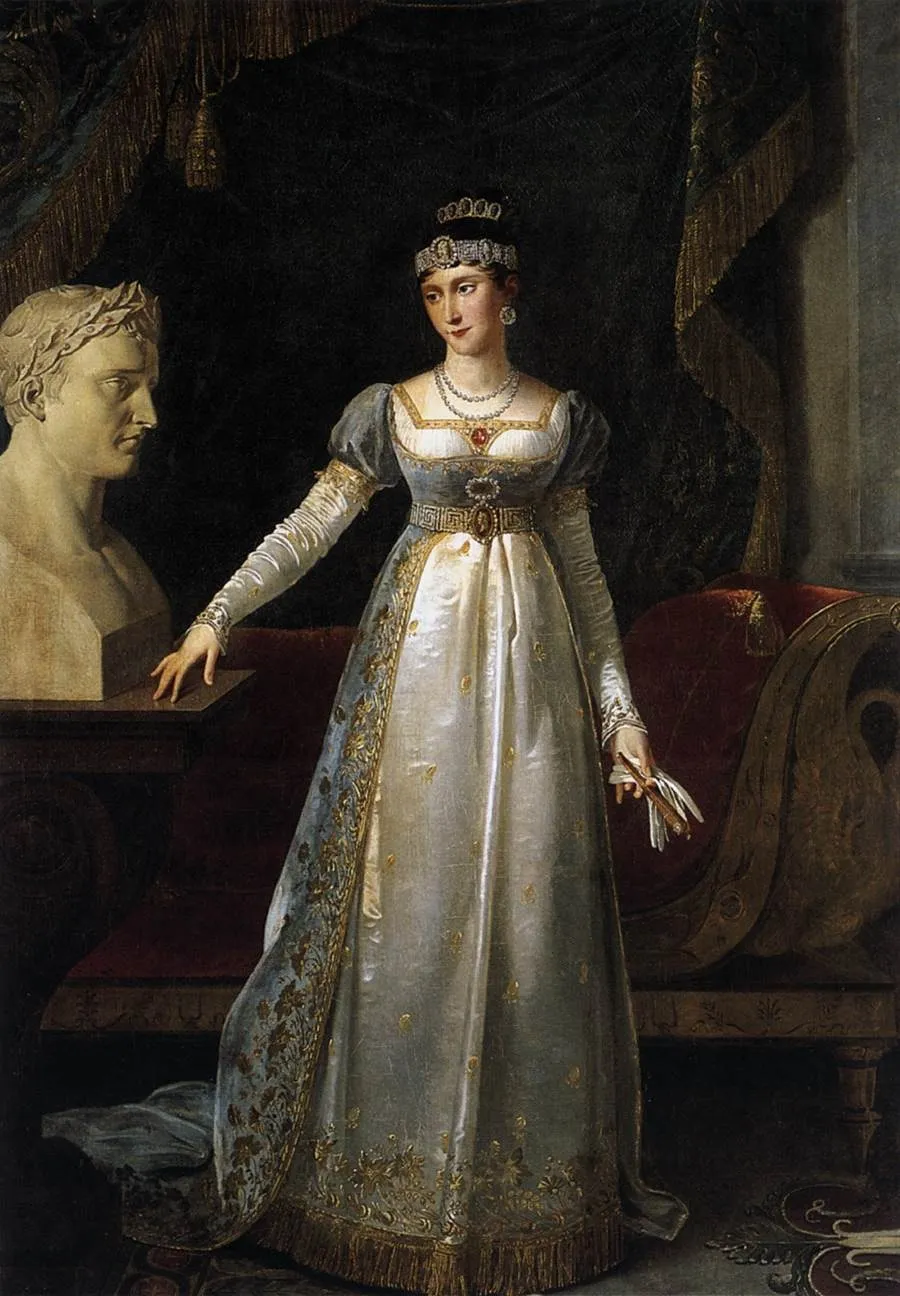
Pauline Bonaparte, Duchess of Guastalla, Princess Borghese is an oil painting by the Neoclassicist artist Robert Lefèvre. It dates from 1806 and is held in the collection of the Museum of the History of France.
About this work
This painting is a portrait of Pauline Bonaparte, Duchess of Guastalla, Princess Borghese, created by Robert Lefèvre in 1806.
The painting depicts a woman in a long, white dress with gold accents, standing in front of a red couch. She wears a crown and holds a fan in her right hand. To her left is a bust of a man. The background is dark, with a curtain hanging behind the couch.
The woman's dress is intricately detailed, with gold embroidery and a blue sash around her waist. Her crown is adorned with jewels, and her fan is decorated with feathers. The bust of the man is simple, with a laurel wreath on his head.
This painting is a portrait of Pauline Bonaparte, Duchess of Guastalla, Princess Borghese, created by Robert Lefèvre in 1806. It is held at the Palace of Versailles. If you're interested in learning more about the artist behind this piece, look up Robert Lefèvre.
Subject & Meaning
Robert Lefèvre's 1806 portrait depicts Marie-Pauline Bonaparte, Princess Borghese and Duchess of Guastalla. The painting's iconography incorporates several elements of status and intimacy, featuring the subject alongside a bed, a dress, and a bijou. While the portrait is fundamentally a representation of Pauline, it was commissioned by Napoleon I for the Château de Fontainebleau, and the work is also considered to have Napoleon as its main subject within the broader context of imperial imagery.
A specific symbolic element of the composition is the inclusion of a replica of Lefèvre's bust of Napoleon, which directly ties the sitter's identity to her brother's reign. The painting was exhibited at the Salon of 1806.
Technique & Style
Oil on canvas, measuring 214 by 149 centimeters, the portrait depicts Pauline Bonaparte in a regal pose framed by a bed and drapery, rendered with precise brushwork that emphasizes her aristocratic bearing and the luxurious textures of her dress, reflecting the neoclassical style championed by the artist and the imperial aesthetic of Napoleon's court, as documented in contemporary exhibition records and museum catalogues
History & Provenance
The portrait was commissioned by Napoleon I for display at the Château de Fontainebleau and was created in 1806 in Paris. It was later exhibited at the Salon of 1806 and subsequently entered the collection of the Museum of the History of France, where it remains on view at the Palace of Versailles. The work is an oil on canvas portrait depicting Pauline Bonaparte, Duchess of Guastalla, Princess Borghese, and is part of the French national collections.
The painting was reproduced as a bust by Lefèvre in the Edwards collection and also echoed in the collection of Blücher von Wahlstatt before its inclusion in the national museum holdings.
The painting is housed in the Musée national des châteaux de Versailles et de Trianon, where it bears the inventory number MV 7684. It was first exhibited at the Salon of 1806 and has remained in the collection of the French state, specifically within the Versailles palace complex.
Context
The portrait of Pauline Bonaparte by Robert Lefèvre, exhibited at the Salon of 1806, occupies a distinct place in Napoleonic portraiture by emphasizing the sitter’s elevated status through both composition and iconography. Commissioned by Napoleon I for Fontainebleau, the work aligns with imperial propaganda that cast Pauline as Duchess of Guastalla and Princess Borghese, reinforcing dynastic legitimacy through visual display.
Scholarly attention has focused on the painting’s role in consolidating Pauline’s public image during the First Empire, situating it within a broader corpus of imperial portraits that used classical motifs and luxurious settings to elevate Bonaparte family members. Its display at the Salon provided a platform for official representation, while later replicas indicate sustained interest in reproducing this sanctioned image.
Overview
Robert Lefèvre’s 1806 oil portrait presents Pauline Bonaparte, who held the titles Duchess of Guastalla and Princess Borghese, in an elegant pose. The canvas, now part of the Palace of Versailles collection, exemplifies the neoclassical aesthetic that dominated French court painting in the early nineteenth century.
Artist & collection
Artist
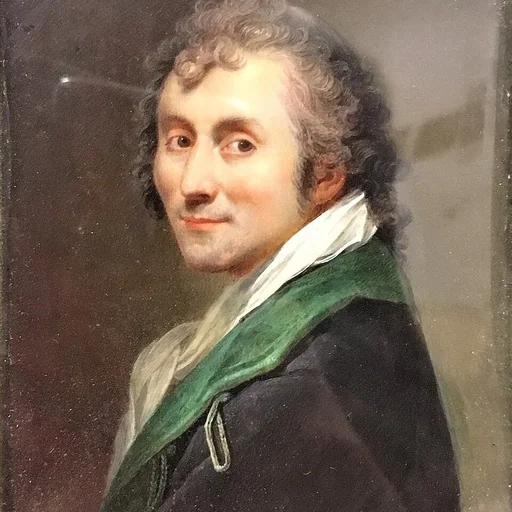
Robert Jacques François Faust Lefèvre (French pronunciation: 24 September 1755, in Bayeux – 3 October 1830, in Paris) was a French painter of portraits, history paintings and religious paintings.

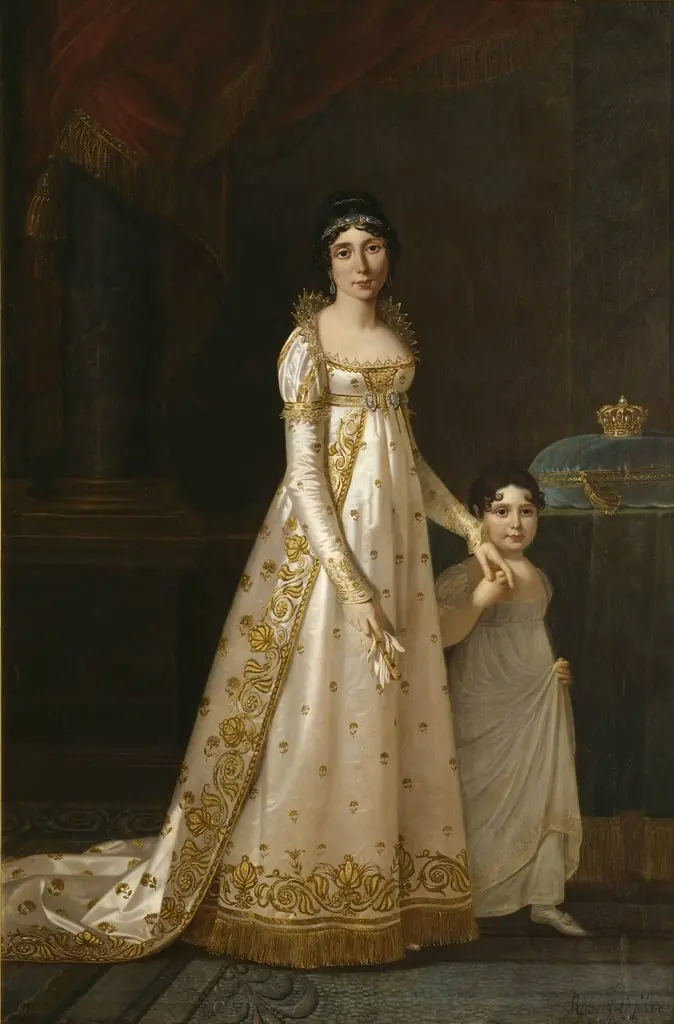 Marie-Julie Clary, Queen of Naples (1777-1845)
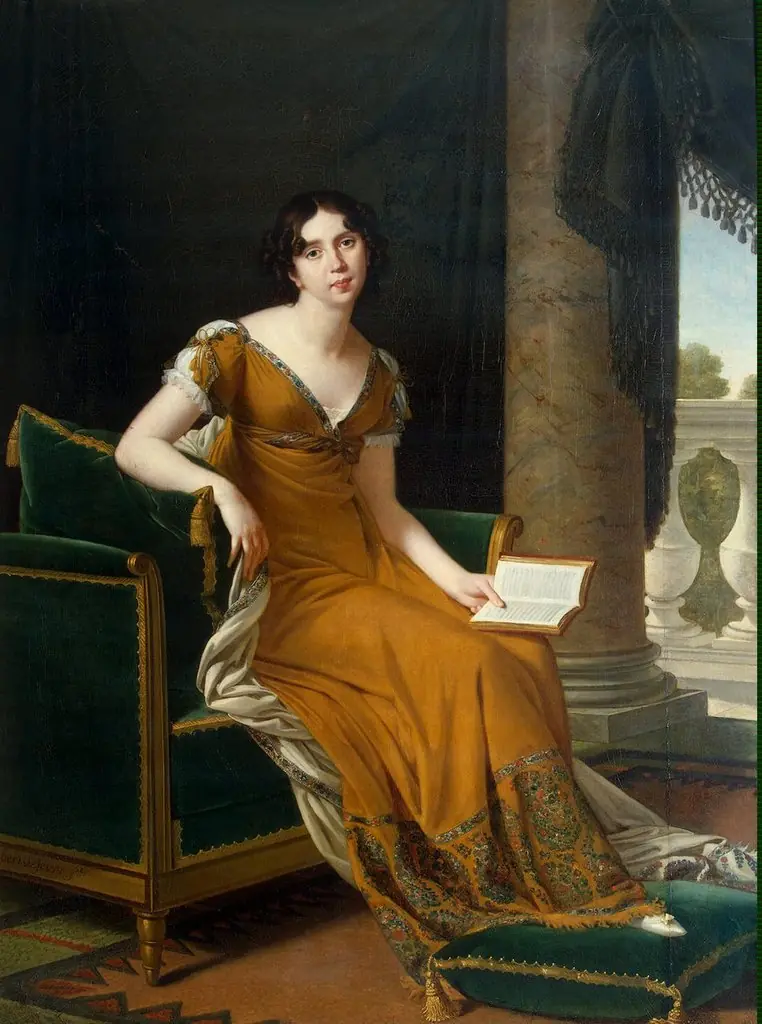 Portrait of Elisabeth Demidova
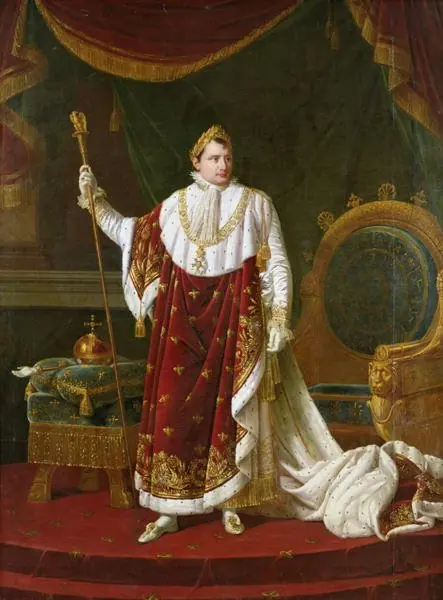 Napoleon I, Emperor of the French
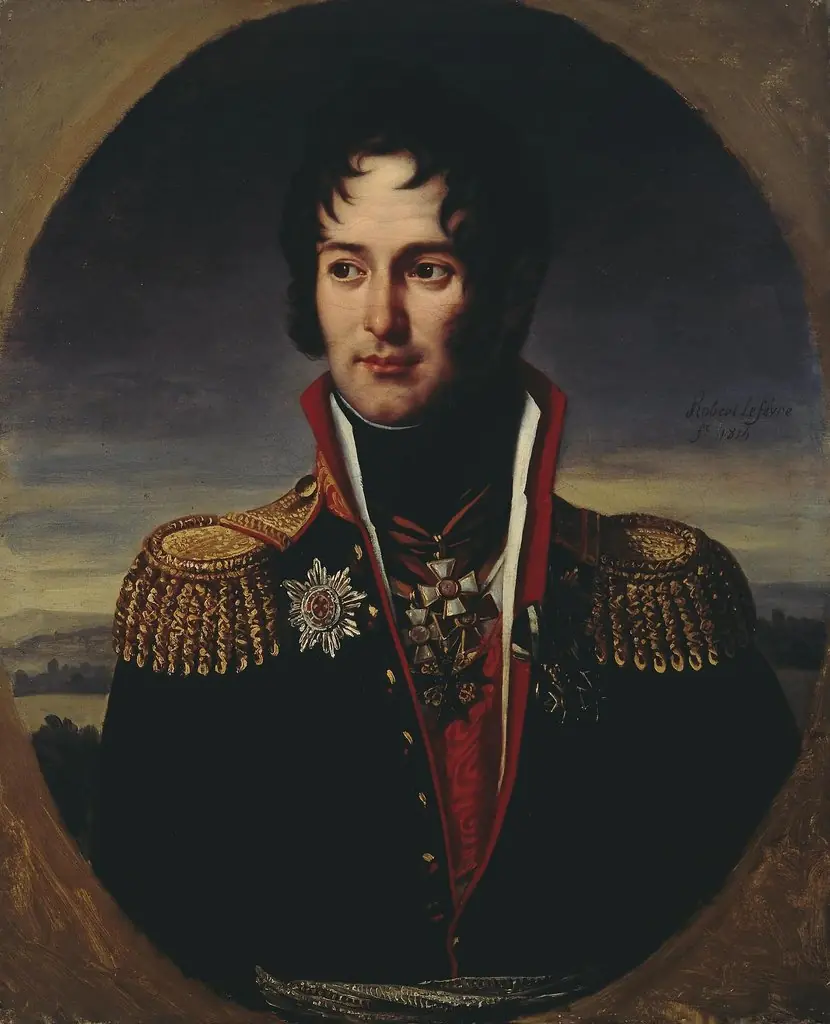 Portrait of General Piotr Chicherin
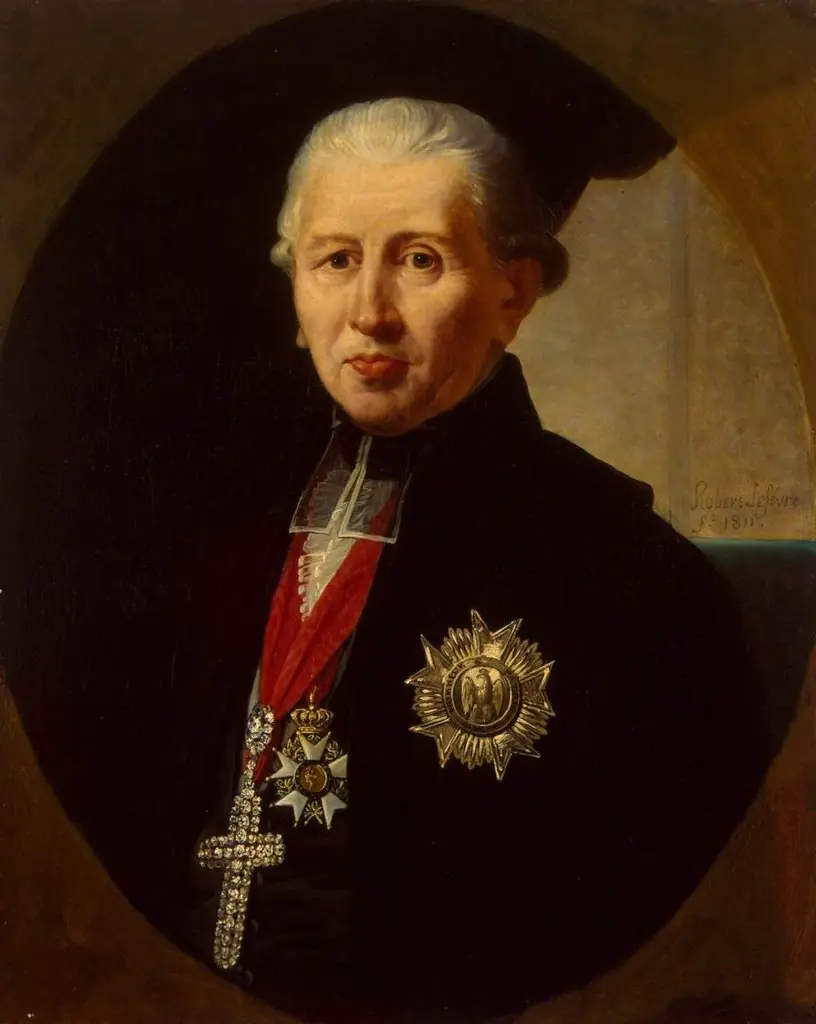 Portrait of Karl Theodor von Dalberg
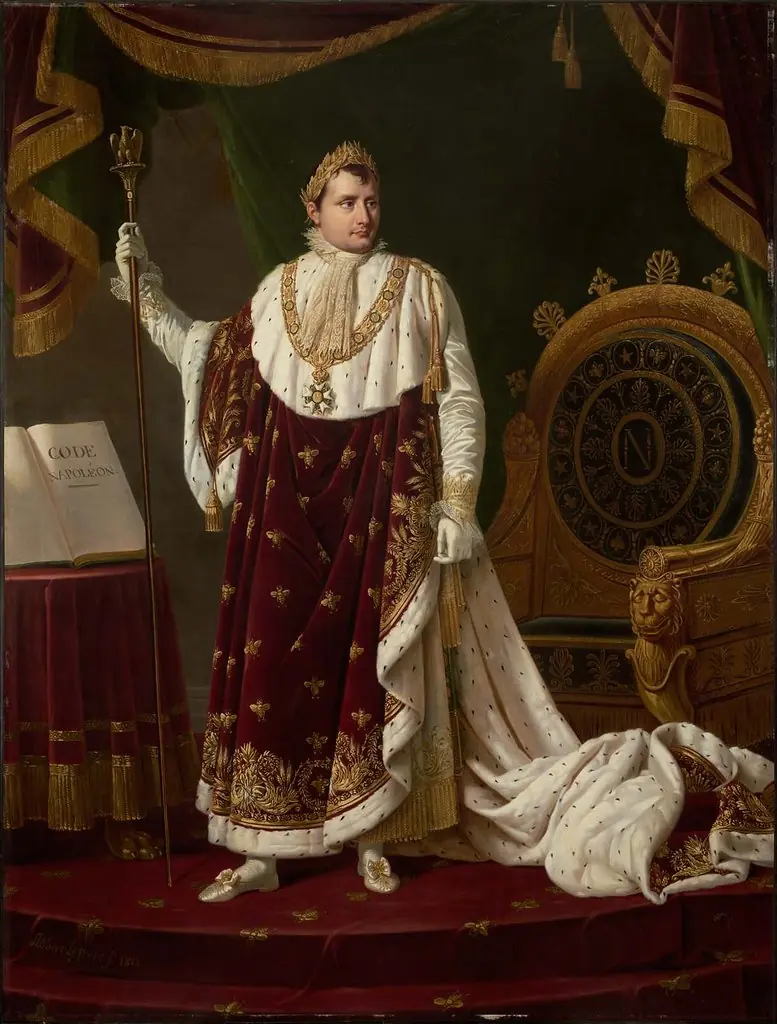 Portrait of Napoleon I in His Coronation Robes
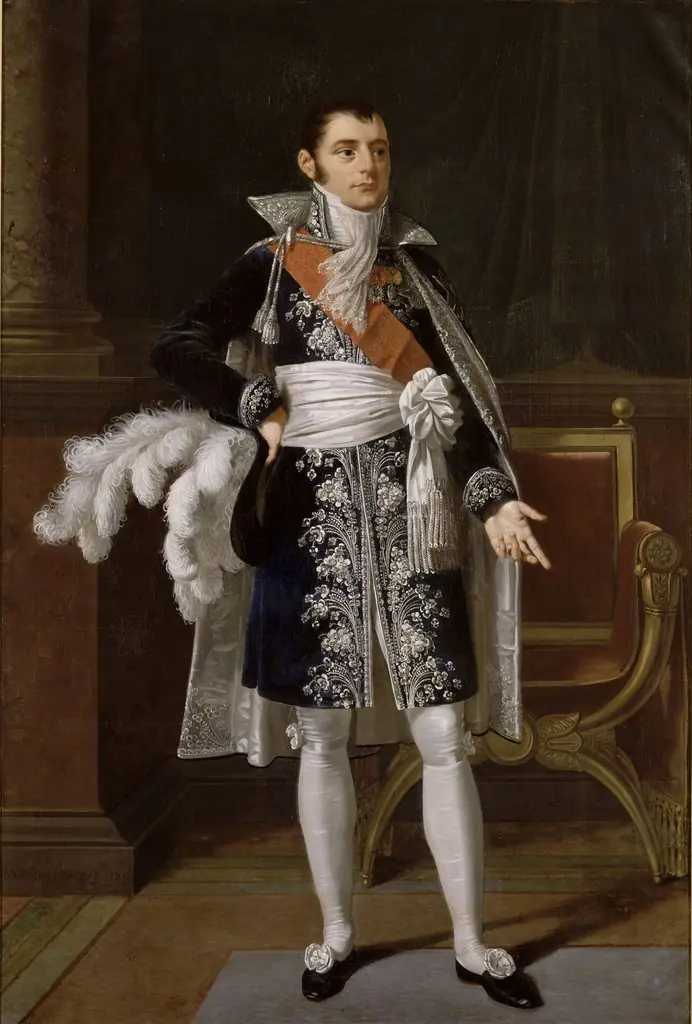 Portrait of Anne-Jean-Marie-René Savary, Duke of Rovigo (1774-1833)
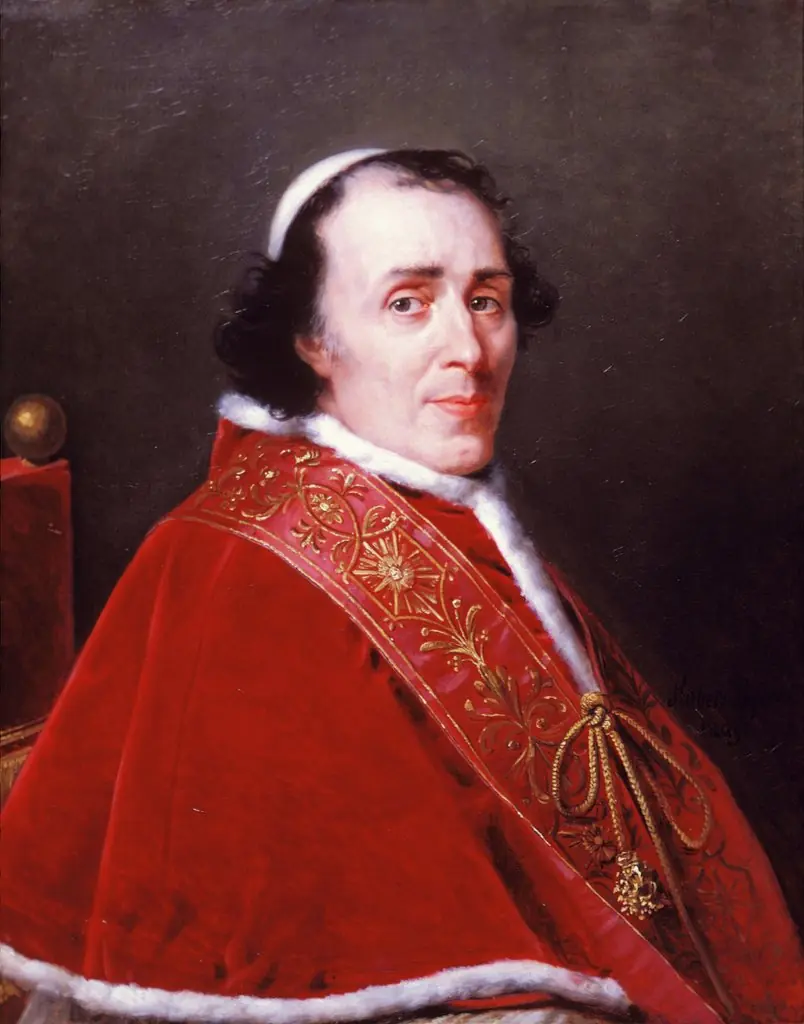 Portrait of Pope Pius VII
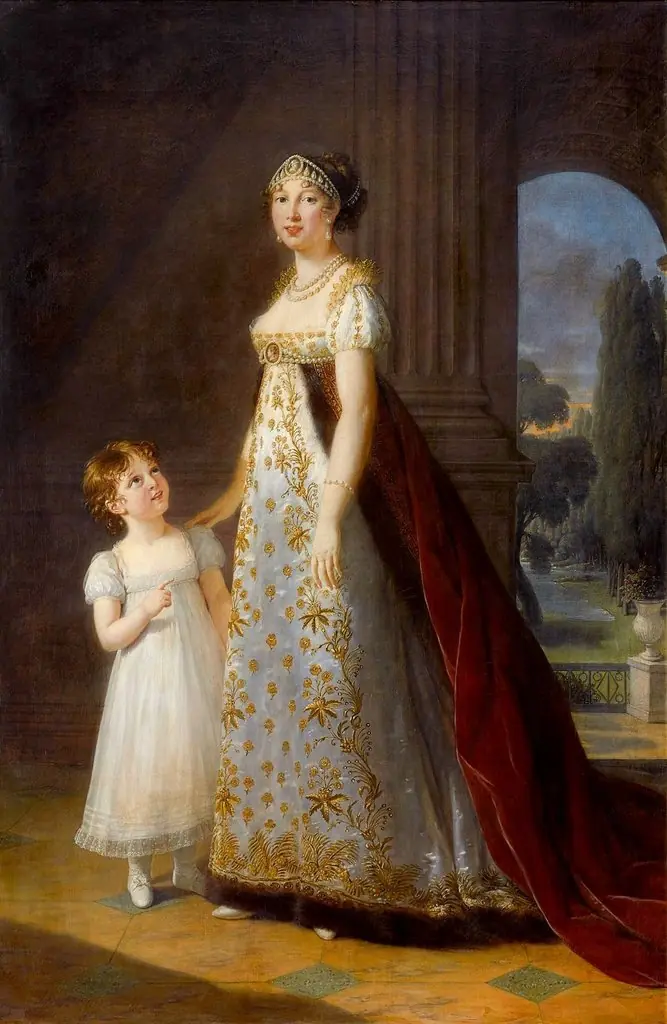 Caroline Murat with her daughter Letizia
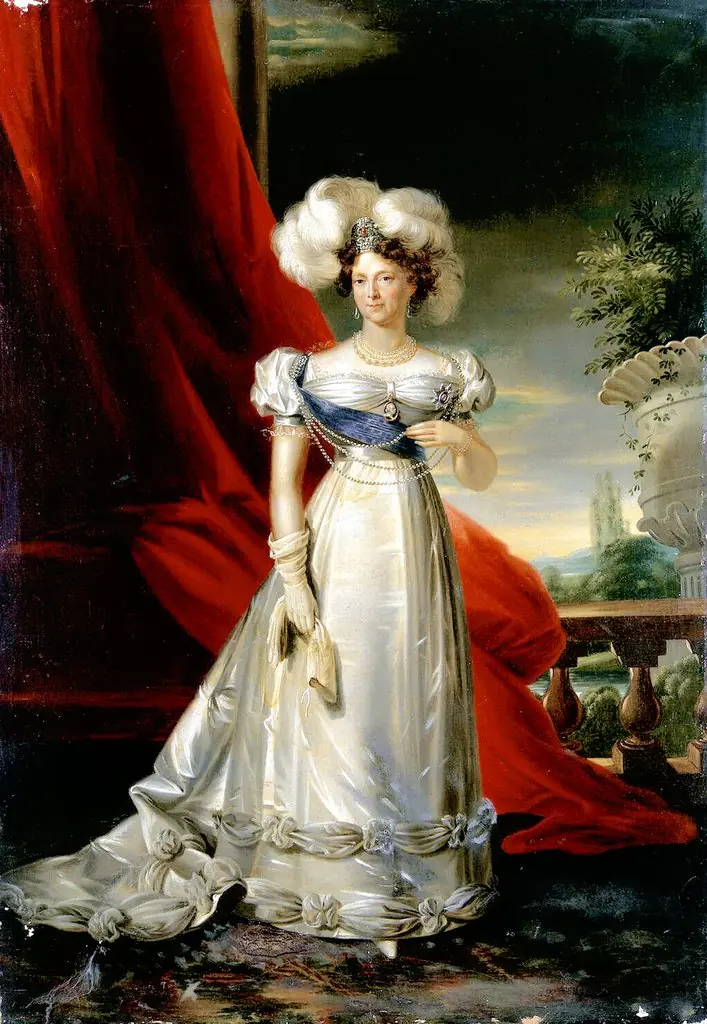 Portrait of the Empress Dowager Maria Feodorovna
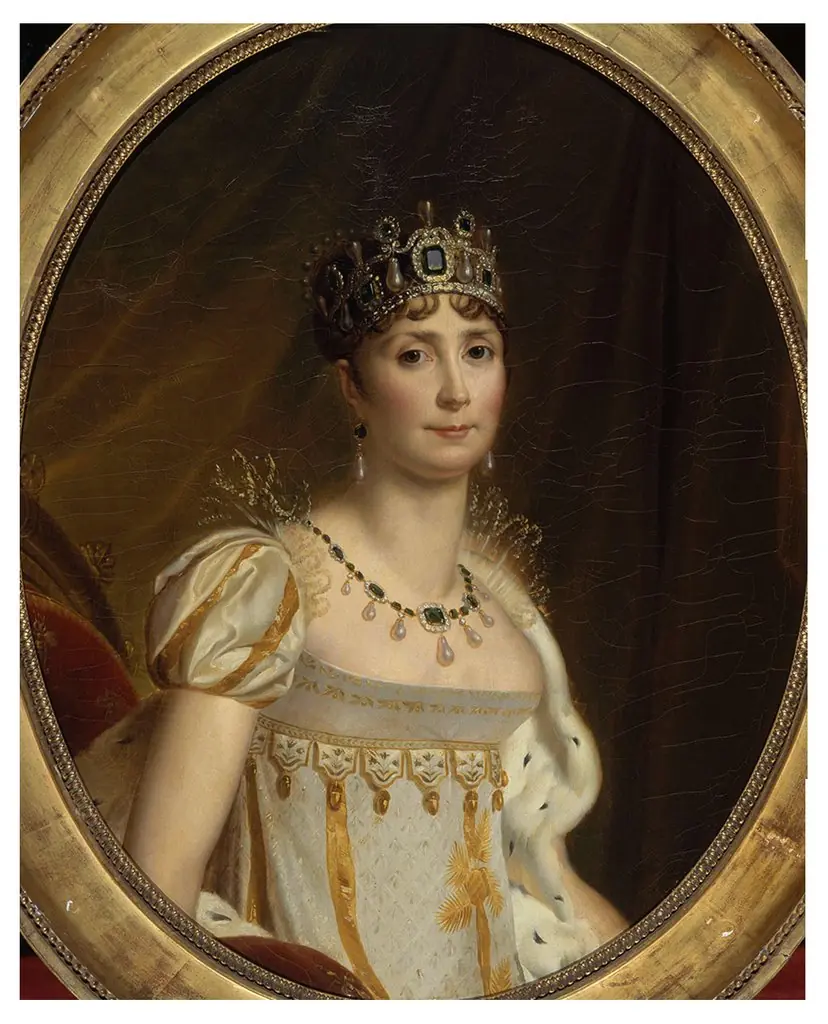 Portrait of Joséphine de Beauharnais
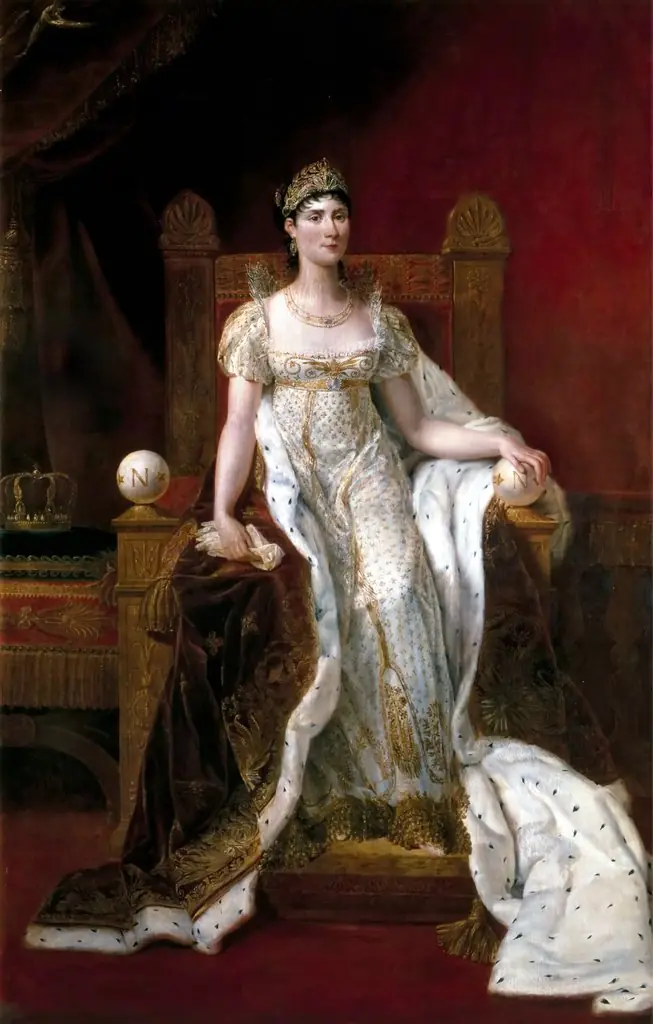 Joséphine, Empress of the French
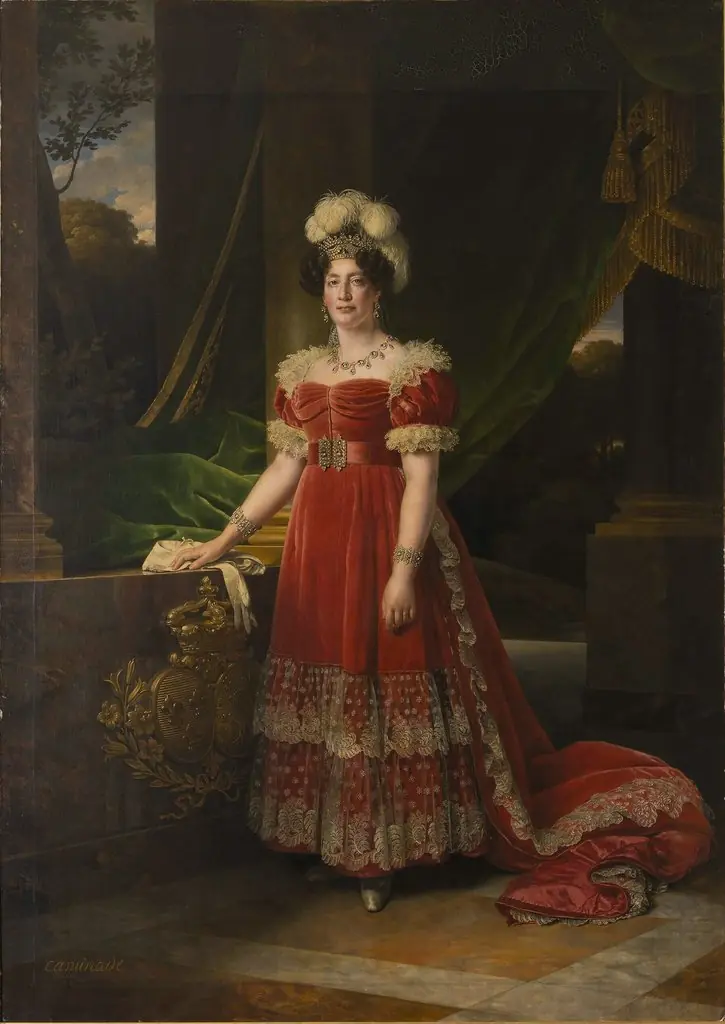 Portrait of Marie Thérèse of France, Duchess of Angoulême (1778-1851)
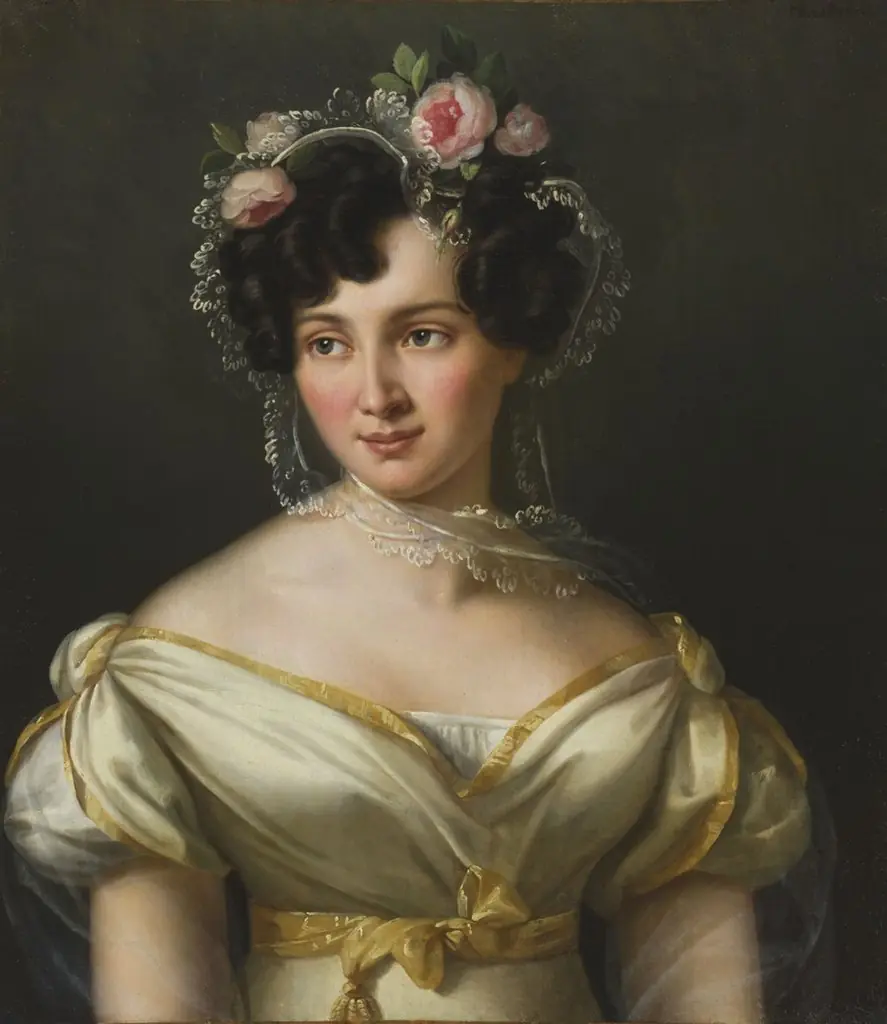 Portrait of Princess Anna Nikolayevna
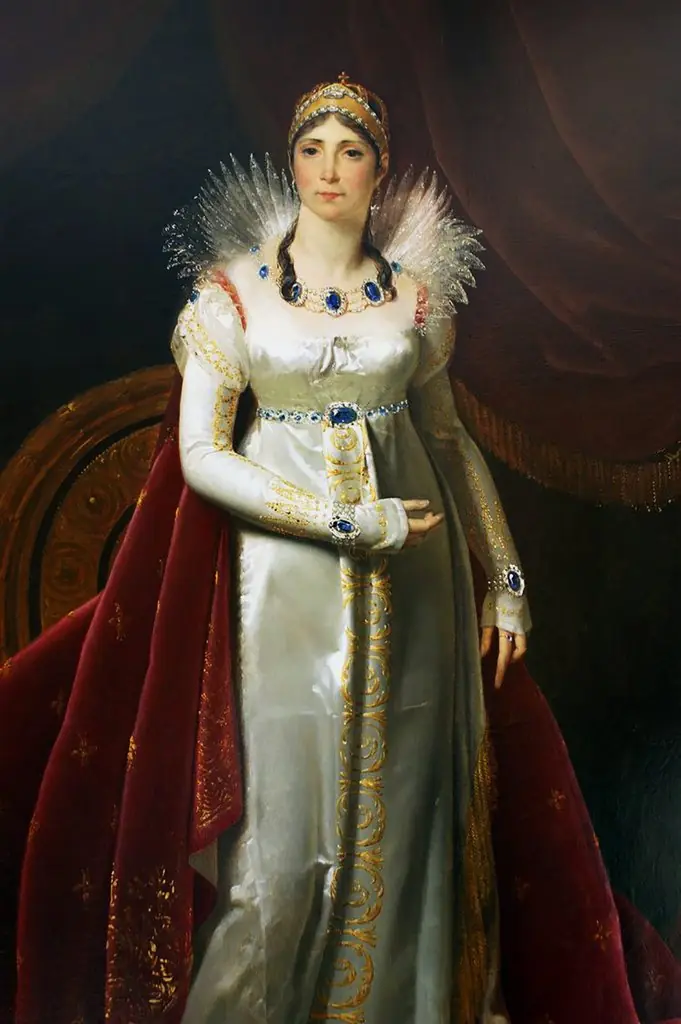 Portrait of Joséphine de Beauharnais (1763-1814)
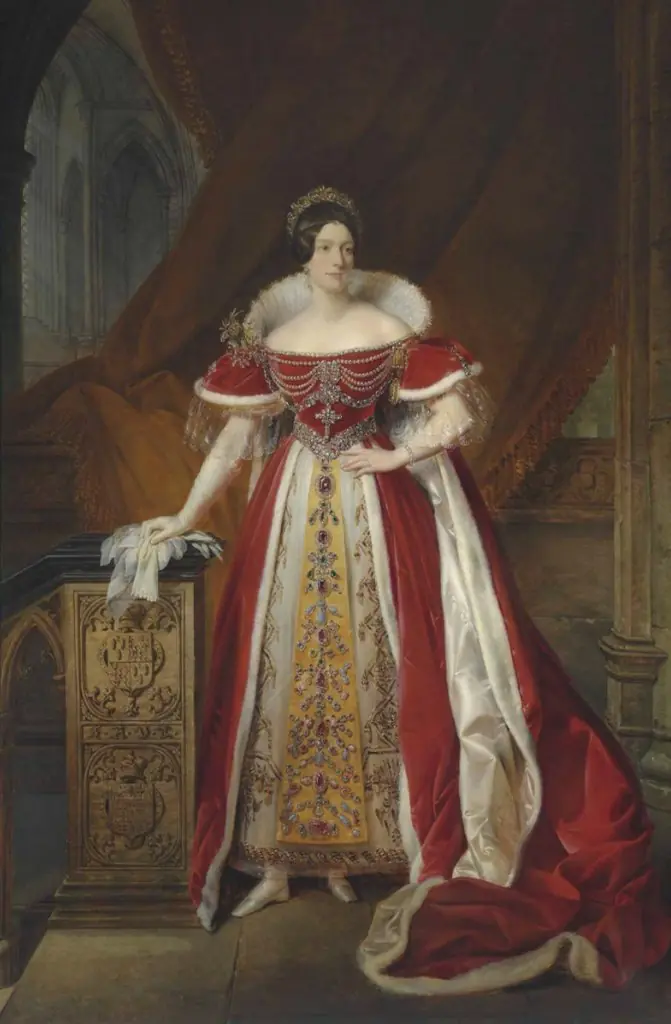 Portrait of Frances Anne Vane, Marchioness of Londonderry