Artwork
The Pillory in the Castle Ruins, Saffron Walden
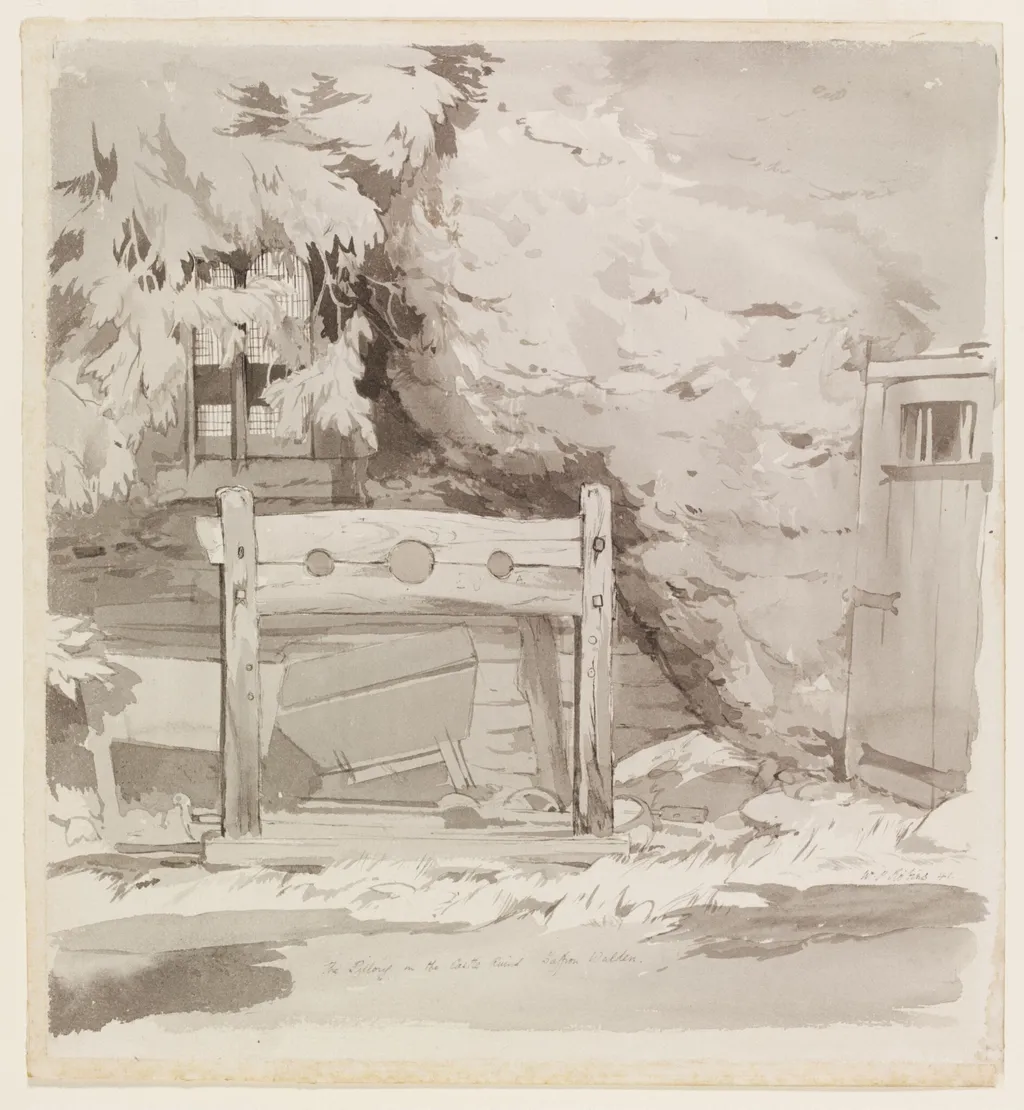
The Pillory in the Castle Ruins, Saffron Walden is a watercolor work on paper by William P Robins. It dates from 1941 and is held in the collection of the Victoria and Albert Museum. This watercolour depicts a serene scene within the ruins of Walden Castle, featuring a wooden pillory amidst old stones.
About this work
This watercolour shows a quiet scene of old stones and a wooden pillory. It’s set in the ruins of Walden Castle, which has stood empty for two centuries.
The pillory is a rare clue to everyday punishments long ago. Built when the castle was still in use, it was last used before people even reached 1837.
Look up the artist who painted it, Robins, William P.
Overview
This watercolour depicts a serene scene within the ruins of Walden Castle, featuring a wooden pillory amidst old stones.
Subject & Meaning
The pillory, a device used for public humiliation and punishment, is a significant element, offering insight into historical penal practices. Its presence in the castle ruins suggests a connection to the site's past use.
History & Provenance
The painting was created by William P. Robins. Walden Castle, originally built in the 12th century, had fallen into ruin by the time of the painting, having suffered damage and stone removal over the centuries.
Context
The pillory likely dates to the 18th century, a period when the castle's stone was being repurposed for local construction. Its use was eventually outlawed in England in 1837.
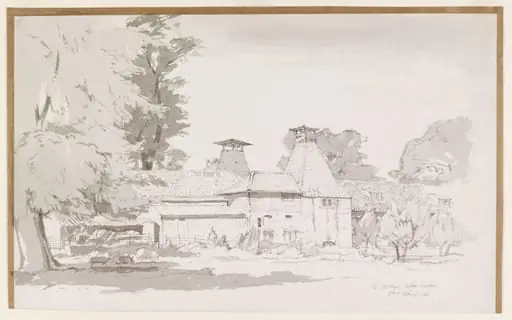
Artist & collection
Artist
William P Robins kept a tiny studio in Saffron Walden where the light slanted just right around midday.

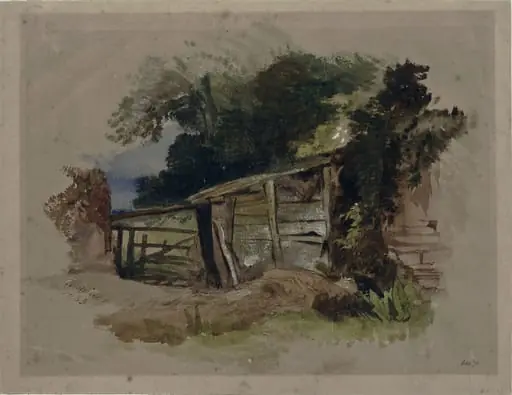 Rustic Shed and Gate
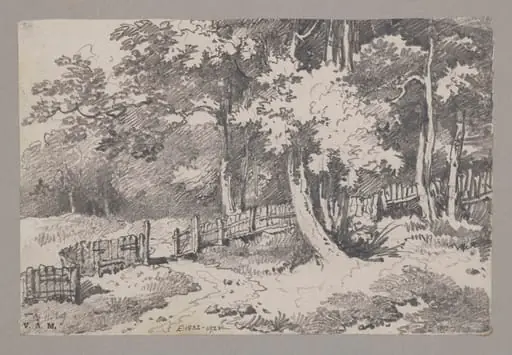 A wooded landscape with a fence and path
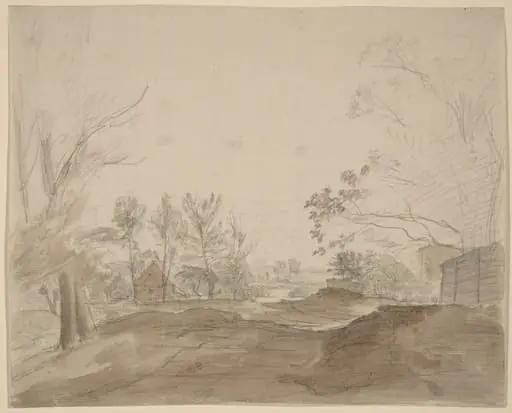 A Road through a Country Village
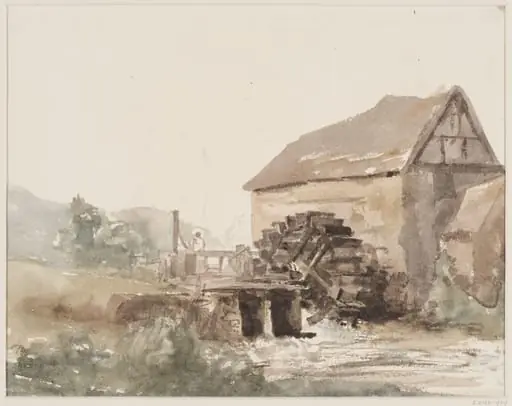 View of a water-mill near Ridware
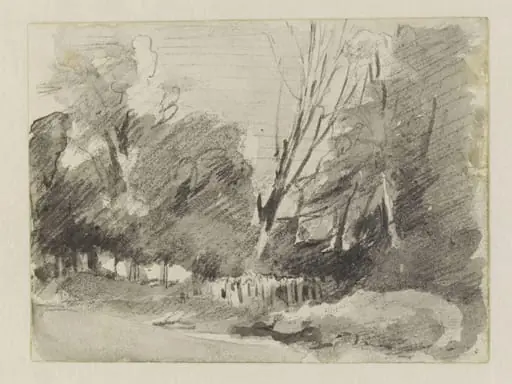 Two sketches on one sheet: a countryman walking, and a group of people beside two donkeys.
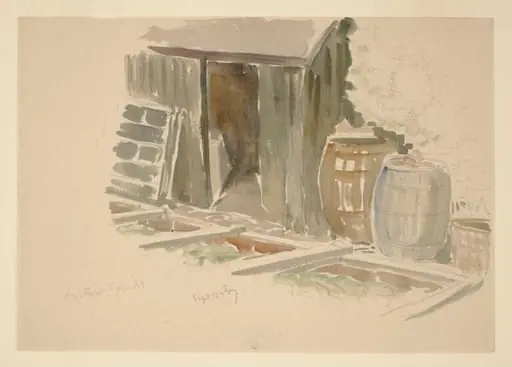 Sketch of a shed, cold frames and water butts in the garden at Gwaynynog
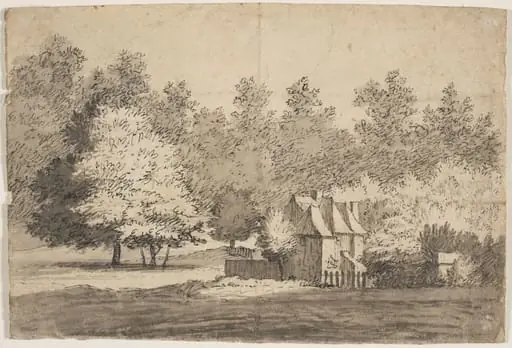 A cottage set among trees
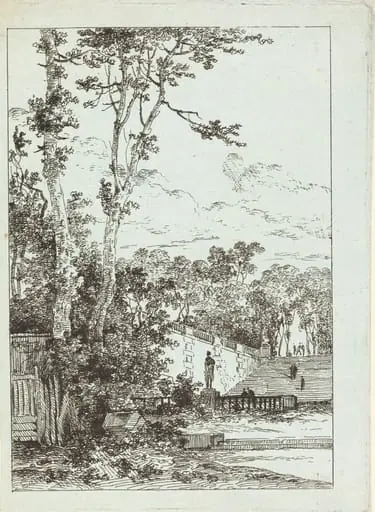 Abandoned Park
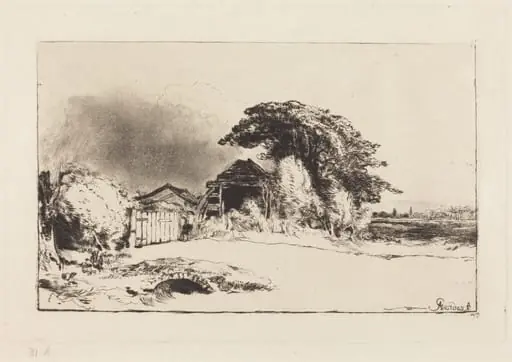 Peckham Rye
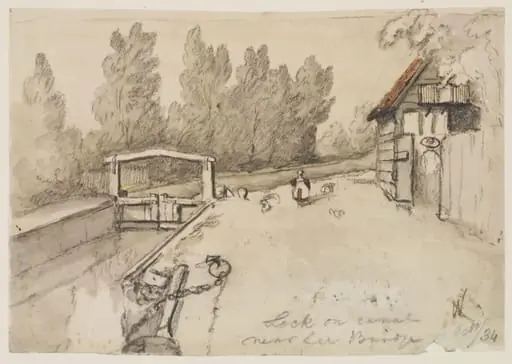 Lock on canal, near Lea Bridge.
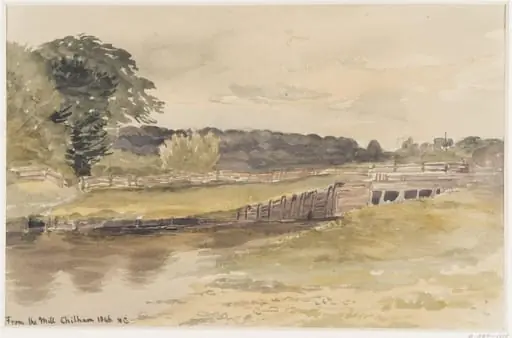 'From the Mill, Chilham'
- The Maltings, Saffron Walden