Artwork
Queen Mary I of England (1516–1558)
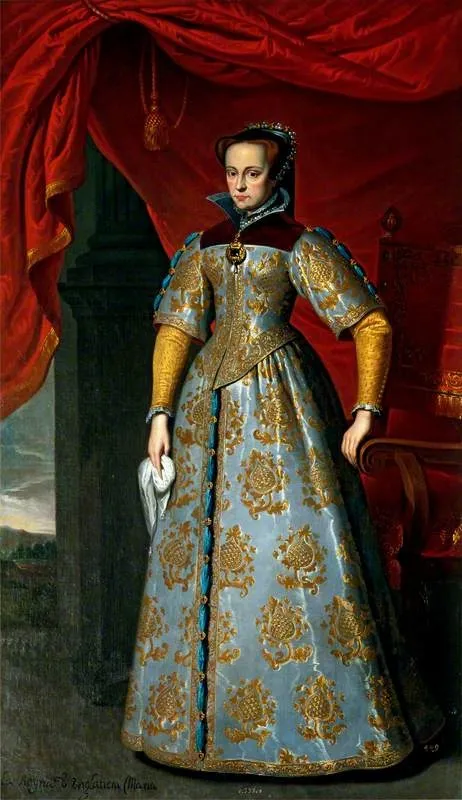
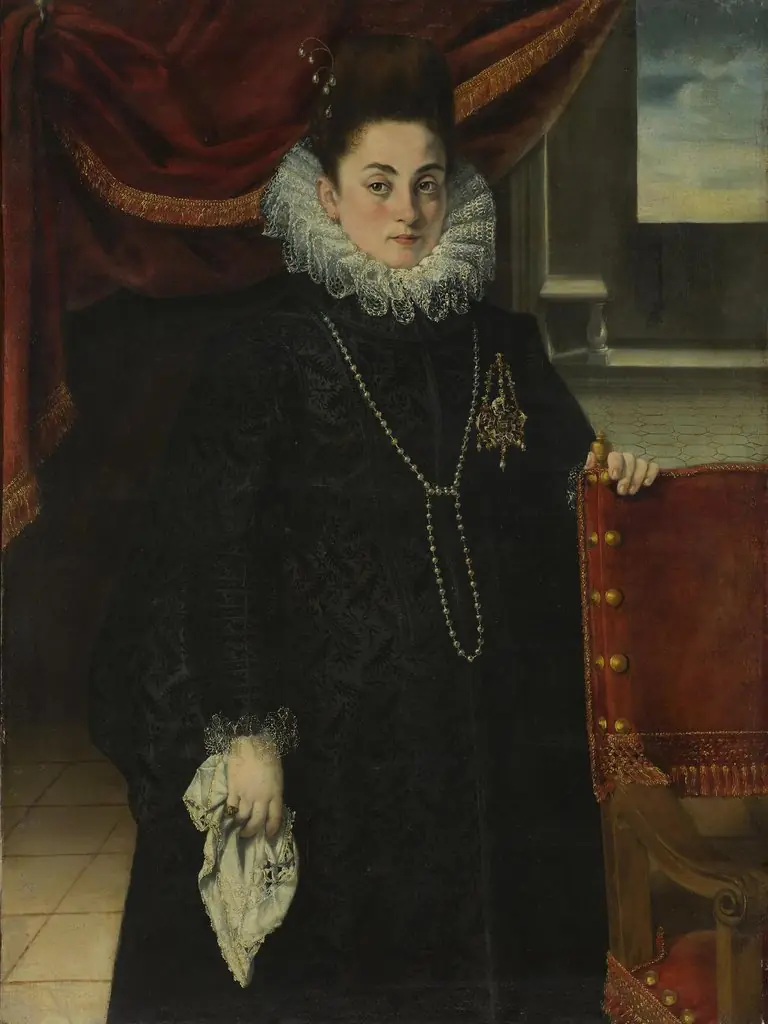
Queen Mary I of England (1516–1558) is an oil painting by the Flemish Baroque painting artist Salomon Noveliers. It dates from 1630 and is held in the collection of the Victoria and Albert Museum.
About this work
Overview
Salomon Noveliers’ oil portrait, executed in 1630, presents the Tudor monarch Mary I (1516–1558). The work is part of the Victoria and Albert Museum’s collection and offers a seventeenth‑century interpretation of the queen’s likeness.
Subject & Meaning
The sitter is shown in a sumptuous blue and gold gown, her gaze directed straight at the viewer, conveying a sense of authority. A black hat crowns her head, while she holds a white cloth in her right hand, a detail that may allude to ceremonial or devotional functions associated with the queen.
Technique & Style
Noveliers employs a rich palette, contrasting the vivid blue and gold of the dress with a deep red curtain that frames the figure. Fine brushwork renders intricate patterns on the fabric and the texture of the curtain, creating a realistic sense of depth and materiality.
History & Provenance
Although painted more than seventy years after Mary’s death, the portrait reflects ongoing interest in Tudor iconography during the early modern period. It entered the Victoria and Albert Museum’s holdings as part of its early‑modern European paintings collection, though the precise acquisition path remains undocumented.
Context
The portrait belongs to a broader tradition of posthumous royal representations that sought to reinforce dynastic legitimacy. By the 1630s, English monarchs and collectors often commissioned or acquired images of earlier sovereigns to assert continuity with the past.
Artist & collection
Artist
Salomon Noveliers spent his life painting people who mattered, often in stiff, formal poses that still feel alive.

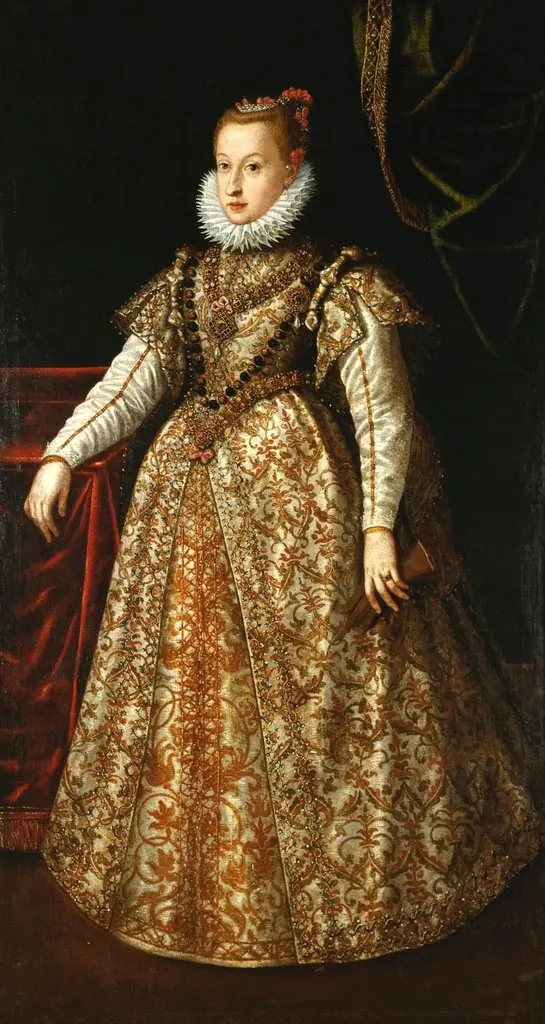
- Portrait of Anna Caterina Gonzaga
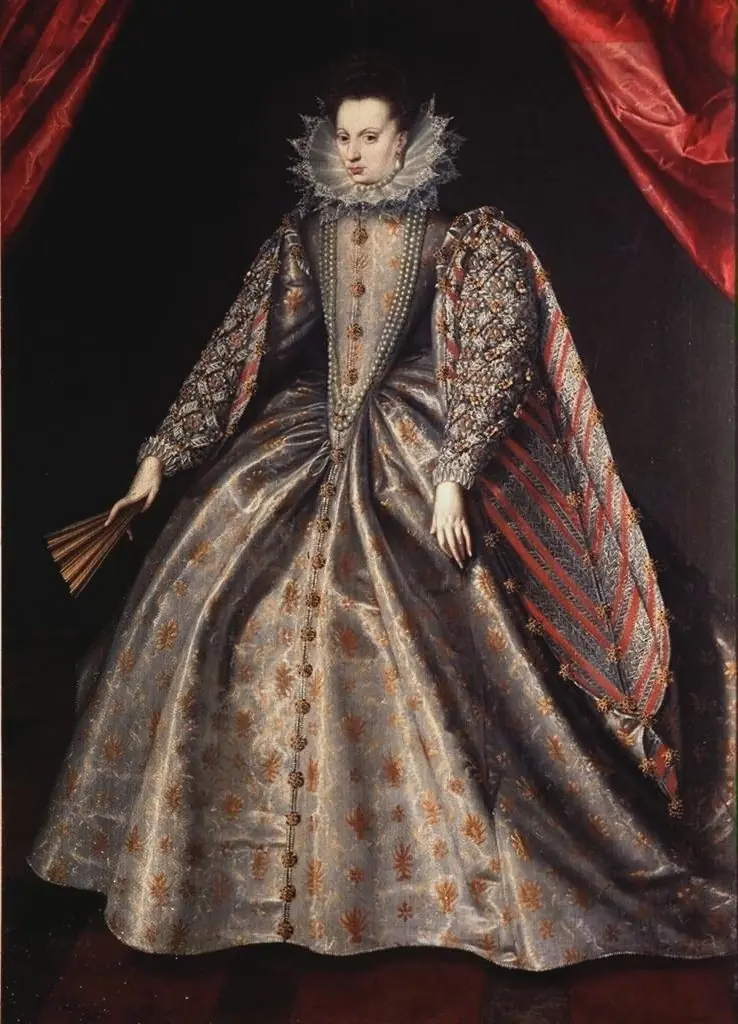 Elisabeth Renata von Lothringen
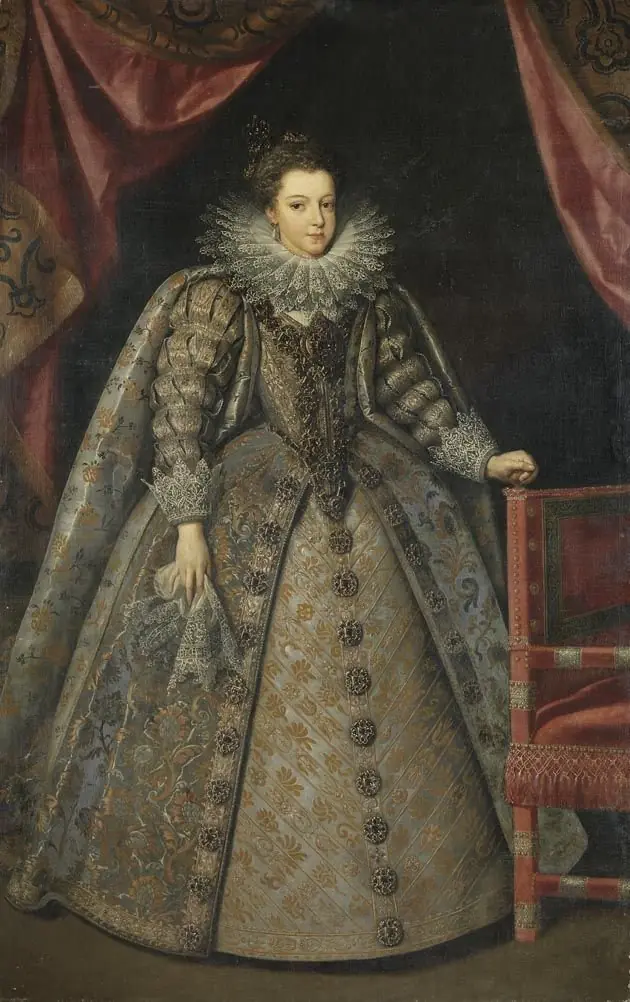 Elisabeth von Bourbon (1602-1644)
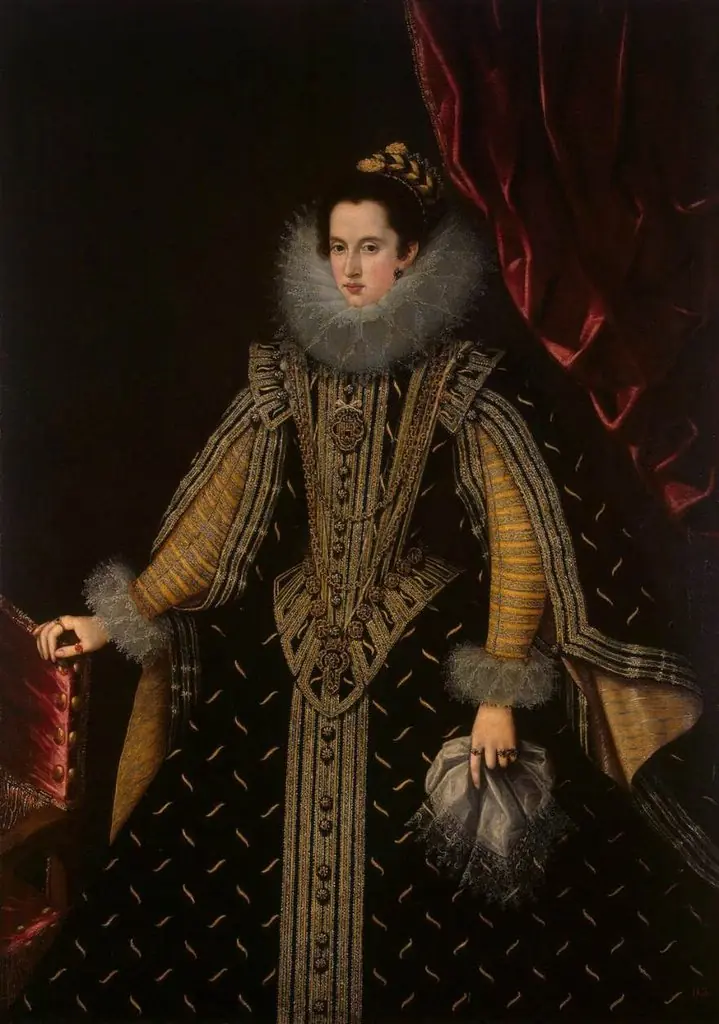 Portrait of Margarita Aldobrandini, Duchess of Parma
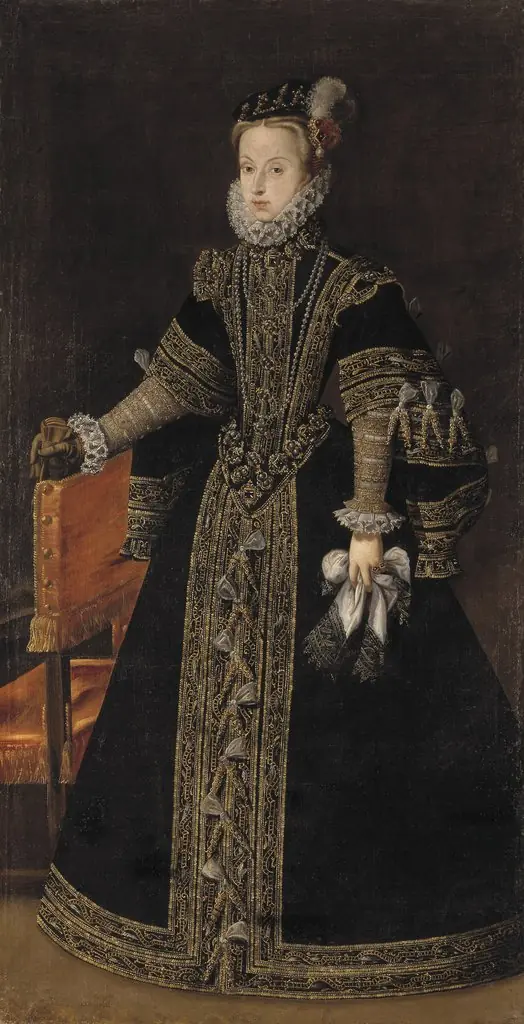 Anna Maria, 1549-1580, ärkehertiginna
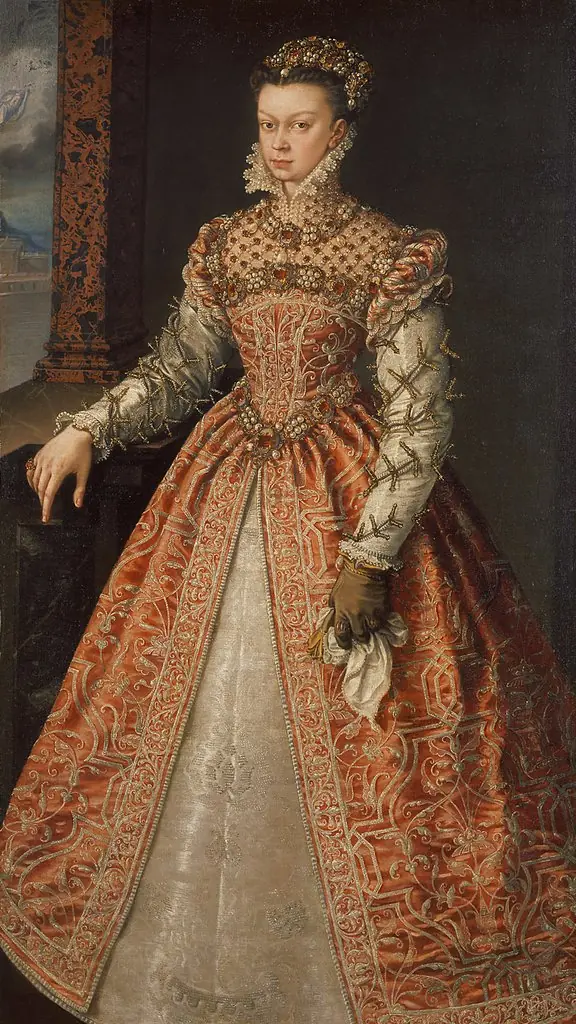 Portrait of Elisabeth of Valois (1545-1568), Queen of Spain
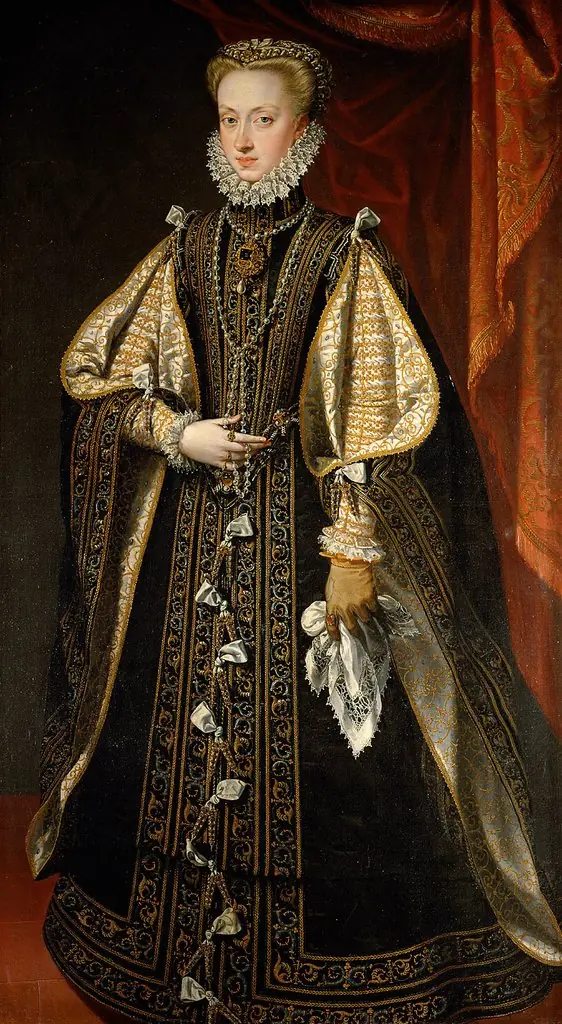 Anna of Austria, Queen of Spain (1549-1580)
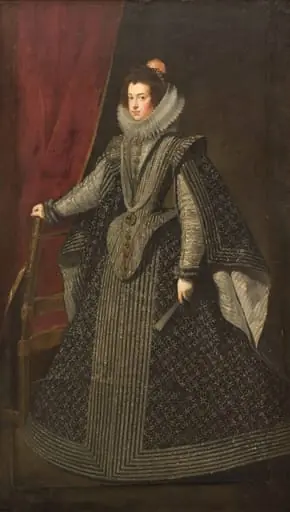 Isabella of Bourbon. First Queen of King Philip IV
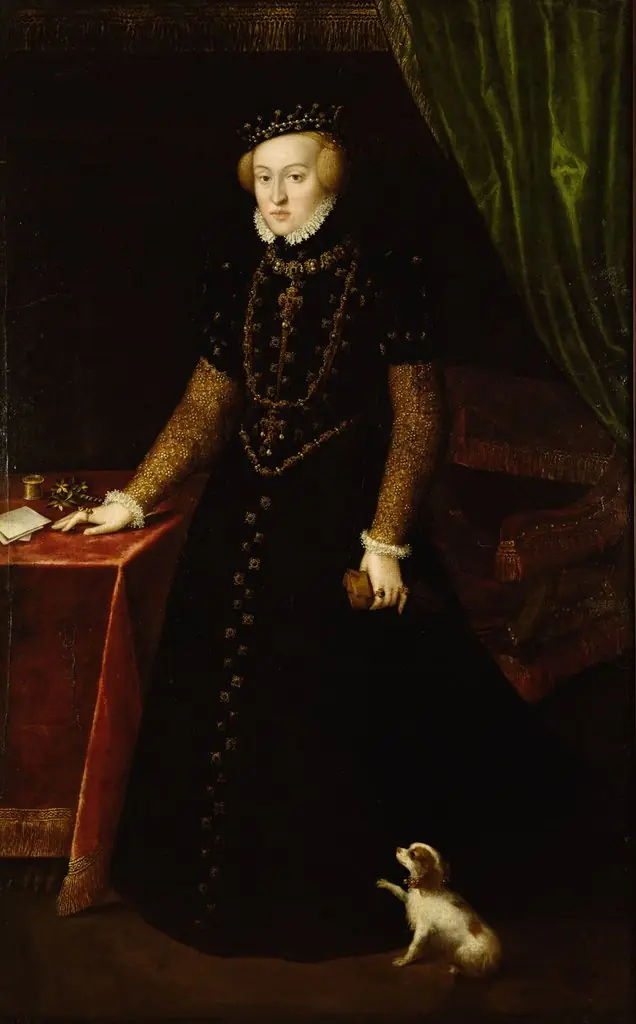 Erzherzogin Eleonore (1534-1594), Herzogin von Mantua in ganzer Figur
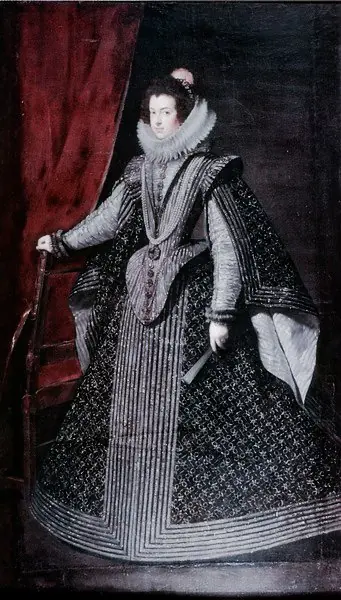 Isabella of Bourbon. First Queen of King Philip IV
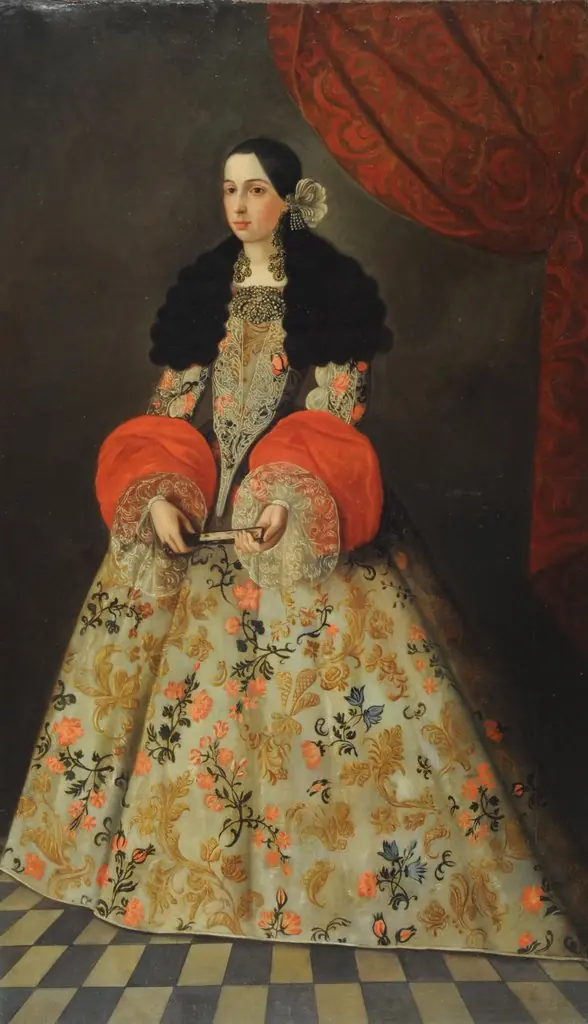 Portrait of an unknown woman
 Female Portrait