Artwork
Isabella of Bourbon. First Queen of King Philip IV
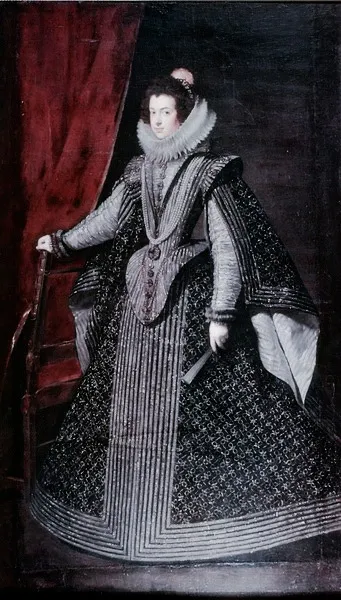
Isabella of Bourbon. First Queen of King Philip IV is an oil painting by the Spanish Baroque Tenebrist artist Diego Velázquez. It dates from 1630 and is held in the collection of the Statens Museum for Kunst.
About this work
Subject & Meaning
As a formal portrait executed in oil on canvas, the piece serves to visually document the queen's likeness and her royal status within the Spanish court.
The work is a portrait that depicts Isabella of Bourbon, identified as the first queen of King Philip IV. Created by Diego Velázquez in 1630, the painting presents the monarch as its main subject. As a formal portrait executed in oil on canvas, the piece serves to visually document the queen's likeness and her royal status within the Spanish court.
The representation focuses entirely on the individual, establishing her identity as the central figure without additional narrative context.
History & Provenance
The portrait of Isabella of Bourbon, first queen of King Philip IV, was painted by Diego Velázquez in 1630 and executed in oil on canvas. According to the catalogue record, the painting is held in the collection of the Statens Museum for Kunst, which is also listed as its current location. The work is classified as a portrait and measures 1275.0 in width.
Beyond the documented inception date and present-day institutional ownership, the available sources do not provide further details on the circumstances of the commission, the earlier ownership chain, or any intermediate provenance prior to its entry into the Statens Museum for Kunst.
The painting is housed in the collection of the Statens Museum for Kunst in Copenhagen. It bears the inventory number that corresponds to its accession in the museum's records. The work has been featured in exhibitions focusing on the Spanish Baroque and on portraits of European royalty.
Context
Velázquez's 1630 portrait of Isabella of Bourbon, first queen consort of Philip IV, exemplifies the artist's role within the Spanish Baroque court painting tradition. The work demonstrates his skill in rendering psychological presence within formal aristocratic representation, a hallmark of Baroque court portraiture. Its inclusion in the Statens Museum for Kunst collection situates it within a significant institutional context for the study of Northern European Baroque art, reflecting broader scholarly interest in Velázquez's contributions to the evolution of court portraiture and his influence on subsequent European painters.
The painting's depiction of Isabella of Bourbon as a figure of regal authority and refined dignity aligns with Baroque artistic conventions while showcasing Velázquez's innovative approach to light and fabric rendering. This work remains a key reference point in art historical scholarship examining the intersection of power, gender, and visual culture in 17th-century Spain.
Overview
Diego Velázquez’s oil portrait, dated 1630, presents Isabella of Bourbon, the first consort of King Philip IV of Spain. Executed in the early Baroque period, the work is part of the collection of Denmark’s Statens Museum for Kunst, where it remains on display as a representative example of court portraiture from the Spanish Golden Age.
Technique & Style
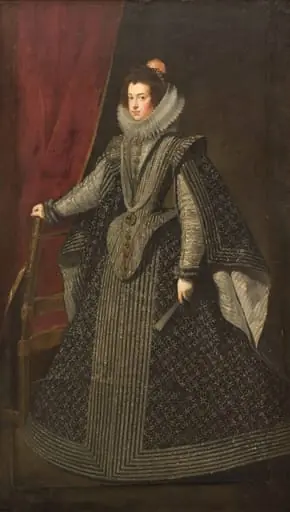
Velázquez employs a stark contrast of light and shadow, a chiaroscuro effect that models Isabella’s facial features with a bright highlight on the cheek and a deeper shade on the chin, giving the portrait a three‑dimensional presence. The painter’s handling of fabric, rendering the heavy striped skirt, lace‑trimmed sleeves, and draped cape, demonstrates his skill in depicting texture and materiality within a limited palette.
Artist & collection
Artist
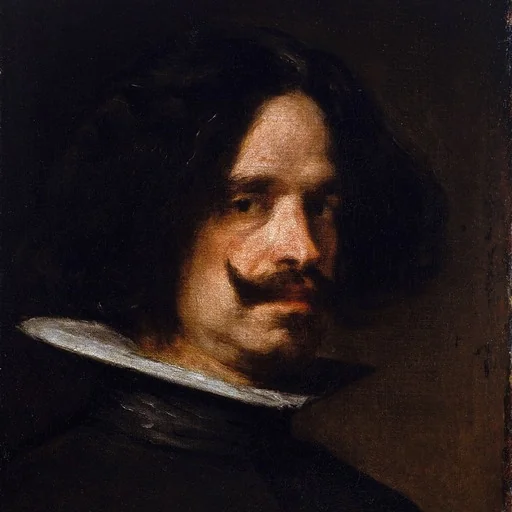
Diego Rodríguez de Silva y Velázquez was a Spanish Baroque painter, the leading artist in the court of King Philip IV of Spain and Portugal, and of the Spanish Golden Age.

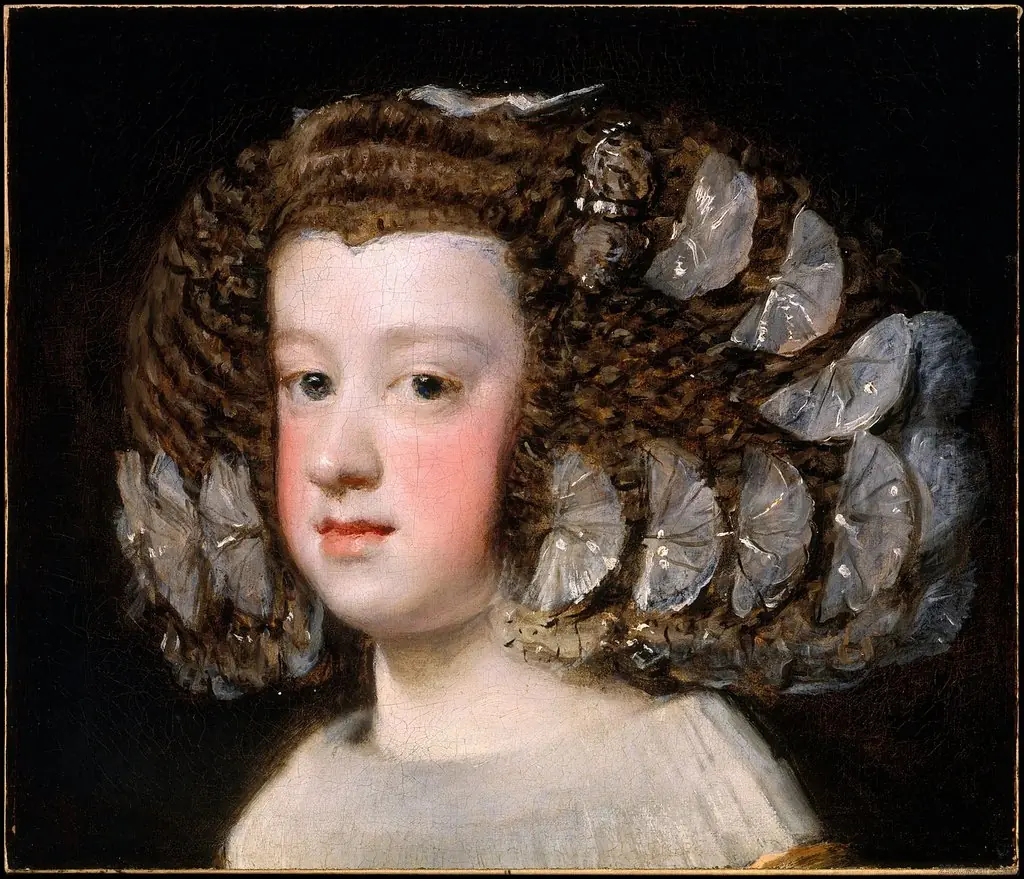
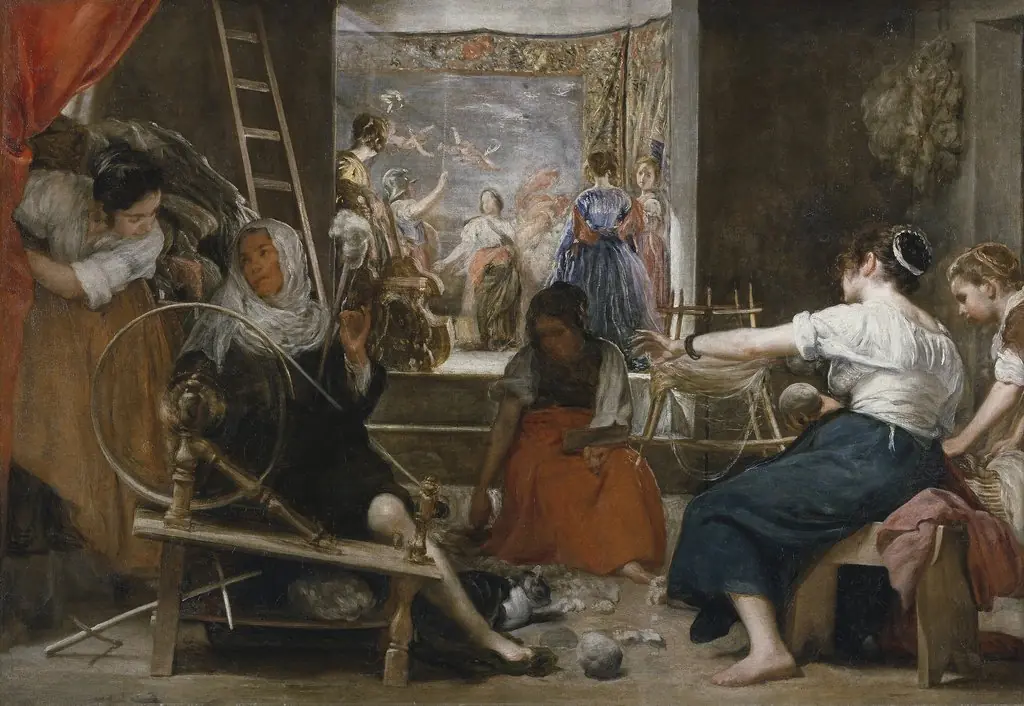
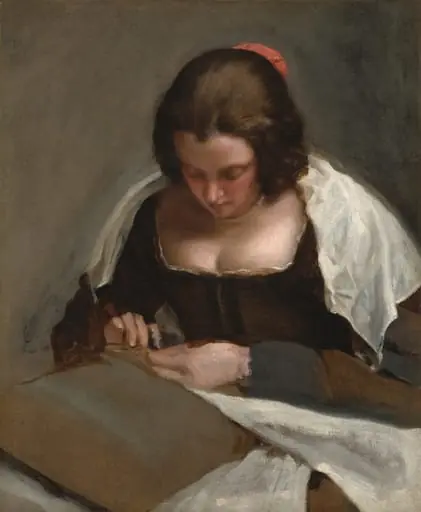
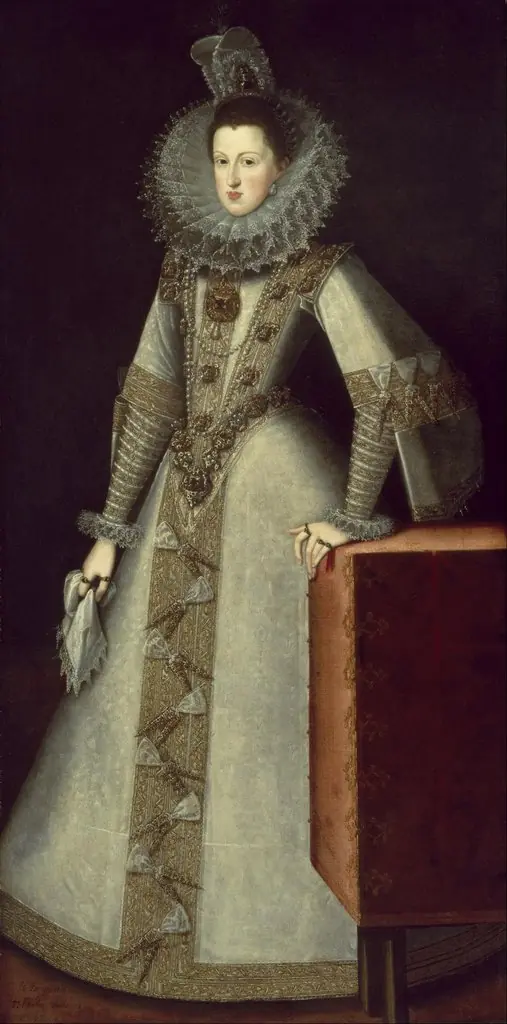 Margaret of Austria, Queen of Spain
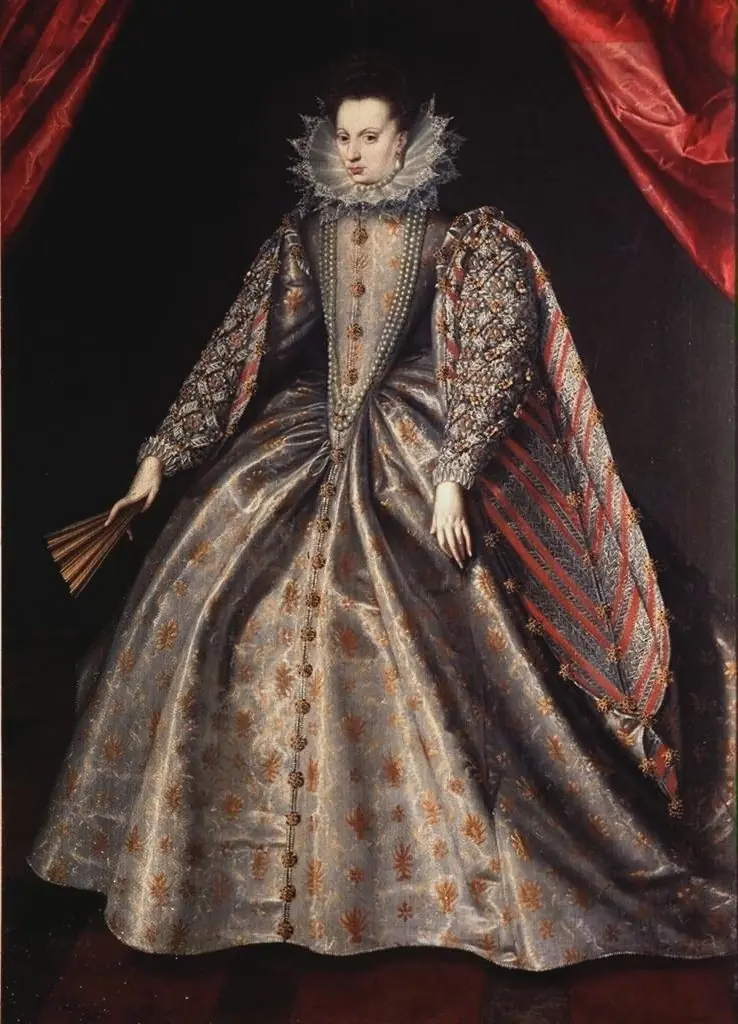 Elisabeth Renata von Lothringen
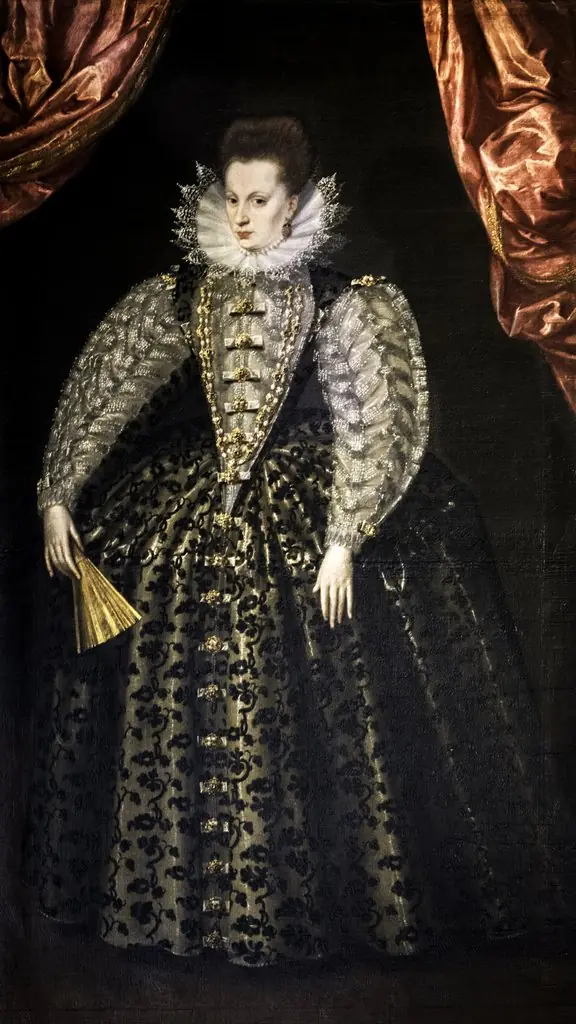 Portrait of Elisabeth Renata von Lothringen, wife of Maximilians I. von Bayern
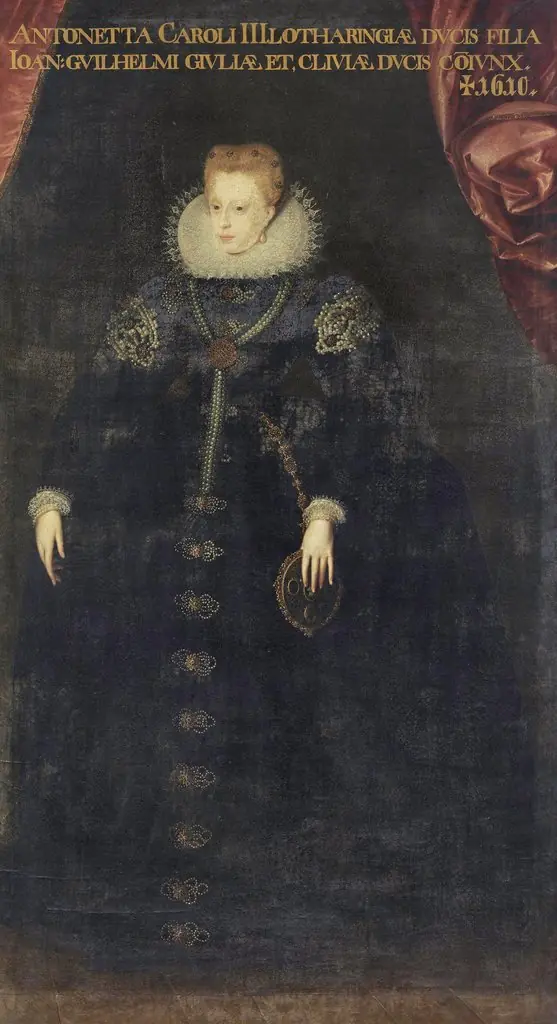 Portrait of Antoinette of Lorraine (1568-1610), Duchess of Jülich-Cleves-Berg
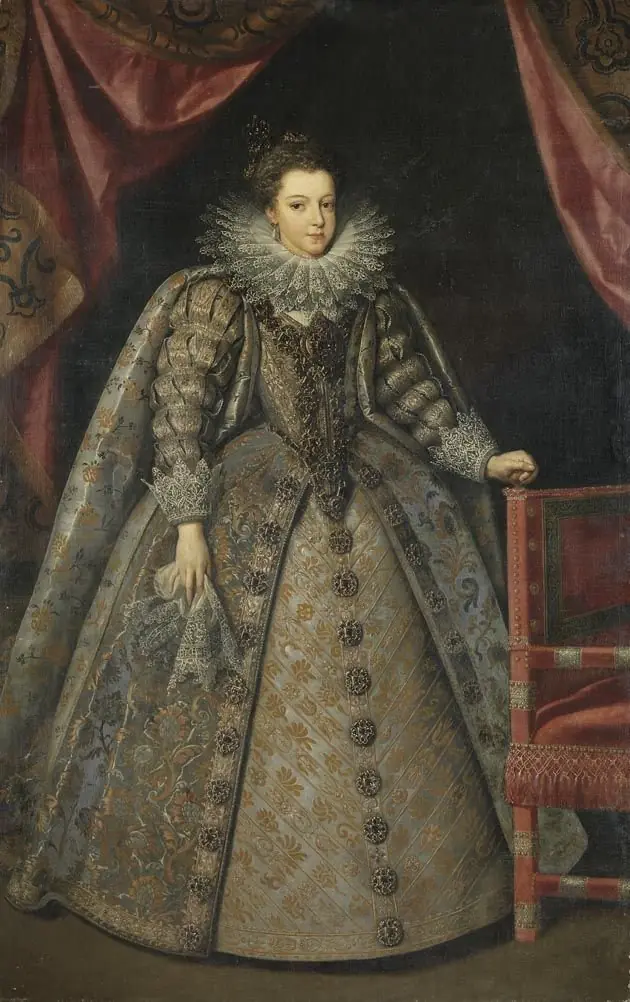 Elisabeth von Bourbon (1602-1644)
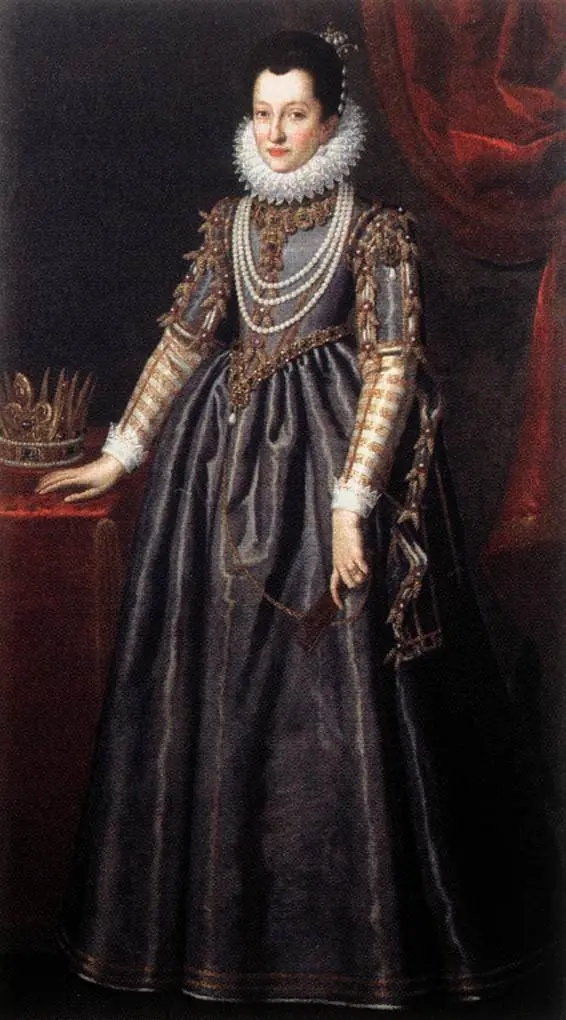 Portrait of Christine of Lorraine
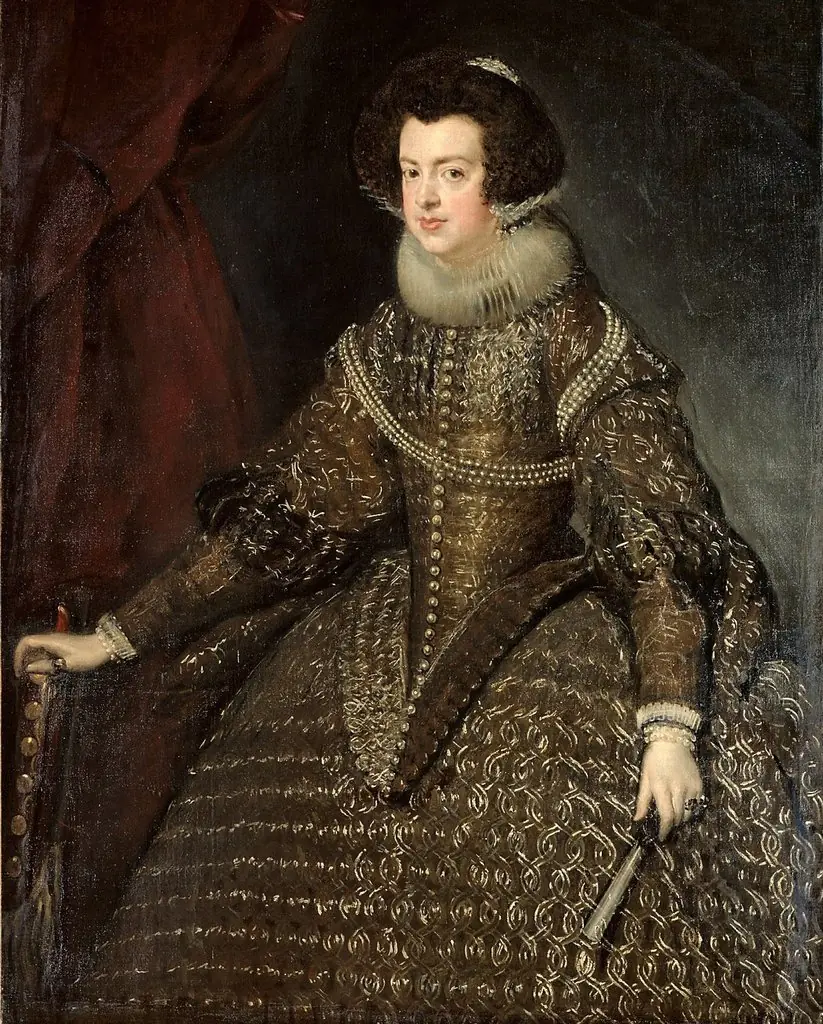 Ritratto di Isabella di Spagna
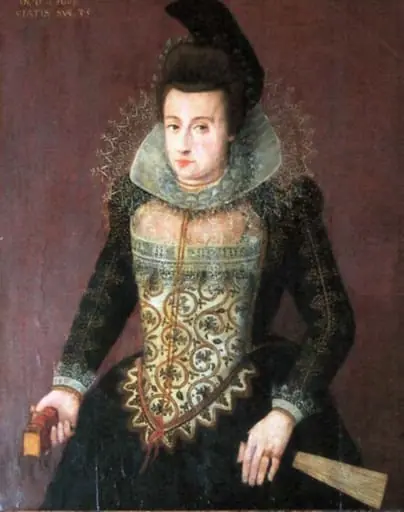 Portret de englezoaică aristocrată
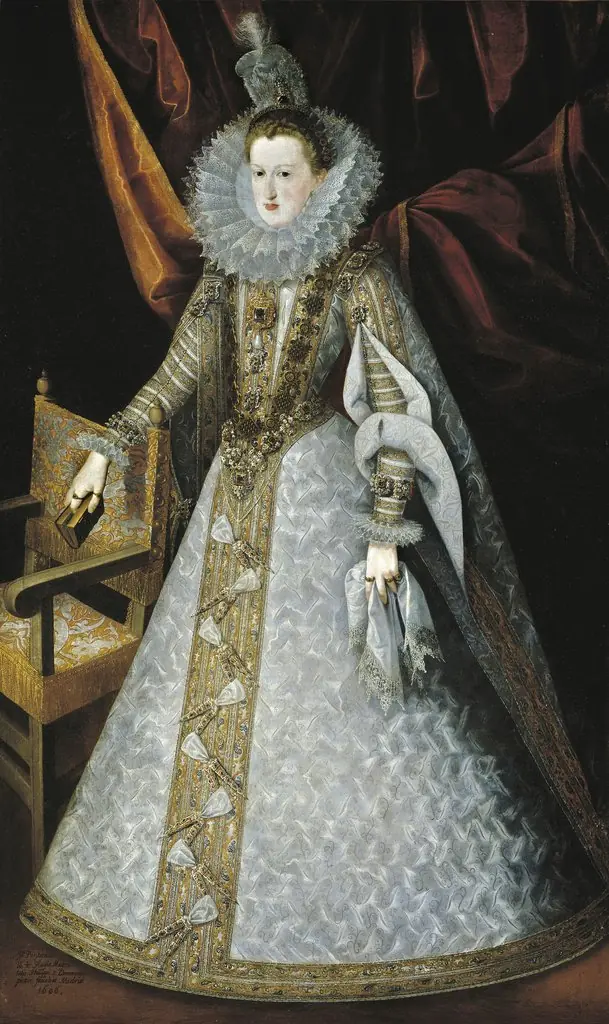 Margaret of Austria