Artwork
Female Portrait
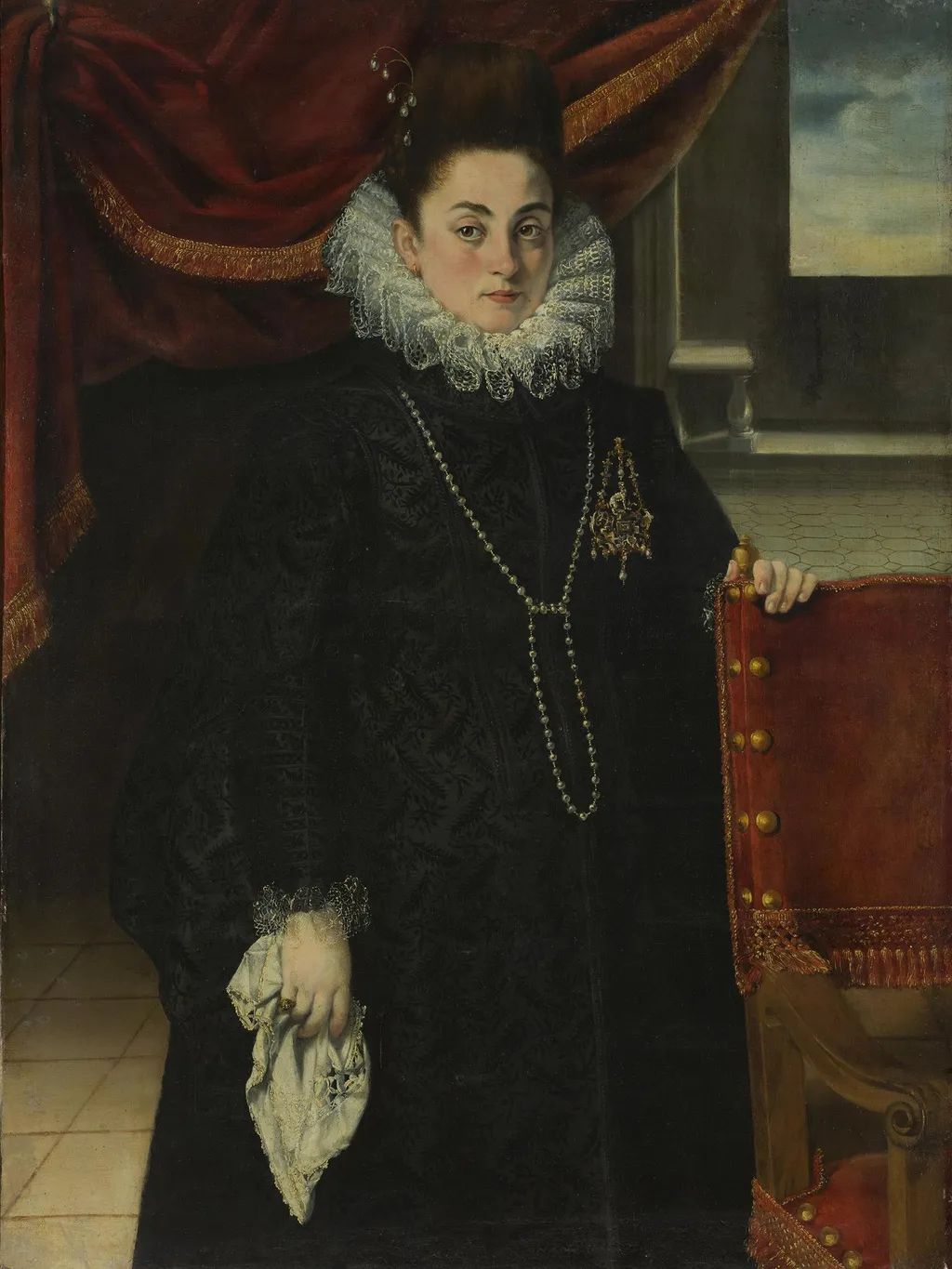
Female Portrait is an oil painting by the High Baroque Italian artist Federico Barocci. It is held in the collection of the Hermitage Museum.
About this work
Overview
This portrait exemplifies his refined approach to aristocratic portraiture, combining meticulous surface detail with psychological subtlety.
Female Portrait is an oil painting on canvas by the Italian Renaissance artist Federico Barocci, dated to 1650, though stylistically consistent with his work around 1600. The painting measures 130.5 by 98 centimeters and depicts an unidentified woman in a formal three-quarter-length pose. The work is held in the collection of the Hermitage Museum in Saint Petersburg, where it remains on public display. Barocci (c. 1535-1612), also known as Federico Fiori and nicknamed Il Baroccio, was a painter and printmaker from Urbino whose work bridged the late Renaissance and early Baroque periods. He is generally considered the greatest and most individual painter of his era in central Italy, and his influence extended to Peter Paul Rubens and subsequent generations. This portrait exemplifies his refined approach to aristocratic portraiture, combining meticulous surface detail with psychological subtlety.
Subject & Meaning
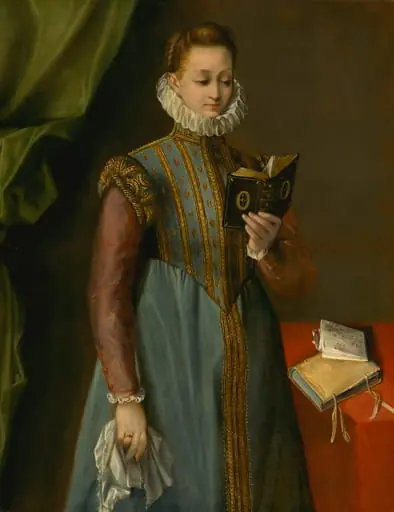
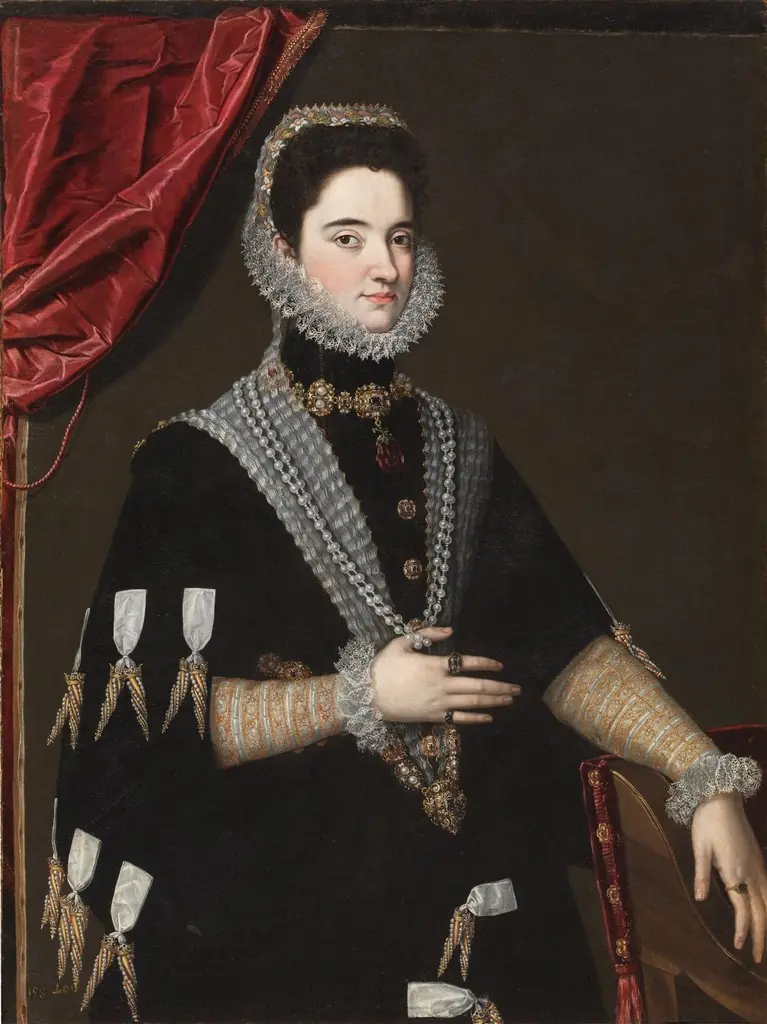
The subject is an unidentified woman of evidently high social standing, presented in a formal three-quarter-length pose facing forward with her left hand resting on the back of a red upholstered chair. Her attire and accessories function as clear markers of wealth and status: she wears a black dress with a subtle woven pattern, a large starched white lace ruff, and lace-trimmed white cuffs. A long strand of pearls hangs across her chest, terminating in an ornate gold jeweled pendant, and her dark hair is pulled back and adorned with small pearls and a jeweled hairpin. In her right hand she holds a white lace handkerchief. The identity of the sitter remains unknown, which is typical for many female portraits of this period where the emphasis fell on social position rather than individual personality. The portrait's conventions, including the formal pose, elaborate costume, and jewelry, suggest a commission intended to commemorate status or present the sitter within marriage negotiations. The dark background isolates the figure and directs attention to her face and attire, while the partially visible window or opening to the right, revealing a cloudy sky above a balustrade and tiled floor, introduces a subtle spatial depth that lifts the composition beyond a simple studio setting.
Technique & Style
The painting is executed in oil on canvas, with a palette dominated by black, deep red, and white, accented with touches of gold. The brushwork is smooth and precise, particularly in the rendering of lace and fabric textures, with subtle modeling in the face and hands. Light falls evenly from the left, illuminating the ruff and the hand holding the handkerchief. The surface shows fine craquelure throughout, consistent with its age. This meticulous handling of textiles and jewelry, combined with the even, diffused lighting, is characteristic of Barocci's approach to portraiture in his mature period. The composition is carefully structured: the deep, or recession, created by the red curtain with gold fringe and trim that drapes from above, and the window opening to the right, provides spatial complexity. The overall effect is one of controlled elegance, with the precise description of materials serving both aesthetic and social functions. The condition of the paint surface, with its network of fine cracking, suggests the work has not been substantially overpainted or restored in ways that would compromise its original appearance.
History & Provenance
The precise circumstances of the painting's commission are unknown, as is the identity of the patron or sitter. The date of 1650 given in the corpus source conflicts with the stylistic evidence, which points to creation around 1600, well within Barocci's lifetime (he died in 1612). The Wikidata entry indicates the work was made in Spain, which may reflect a later attribution or provenance episode rather than its place of origin, given Barocci's documented activity in central Italy and his never having traveled to Spain. The painting entered the collection of the Hermitage Museum, where it is currently held. Its accession history and any previous ownership chain before its arrival at the Hermitage are not documented in the available sources. No exhibition history is recorded in the provided materials.
Context
Barocci occupied a distinctive position in late sixteenth- and early seventeenth-century Italian art. Born in Urbino around 1535, he trained first with his father, the sculptor Ambrogio Barocci, then with Battista Franco Veneziano, and subsequently worked in Rome in the studio of the Mannerist painters Taddeo and Federico Zuccari. After a poisoning incident in 1563 that he attributed to jealous rivals, mutated into chronic ill health, he never returned to Rome, working instead mainly for Francesco Maria II della Rovere, Duke of Urbino, and other patrons in central Italy. Despite his physical remove from Rome, his work remained highly influential. His embrace of the Counter-Reformation shaped his career; by 1566 he had joined a lay order of Capuchins, and he received major commissions from Saint Philip Neri, among others. His soft, opalescent renderings in pastel and oil sketch anticipated Baroque sensibilities, and his emotive brushwork directly influenced Peter Paul Rubens. The thirteen female portraits attributed to Barocci in the Wikimedia Commons category indicate this was a sustained, if not primary, area of his practice. The Hermitage portrait thus belongs to a broader corpus of aristocratic portraiture that demonstrates his ability to adapt his refined technique to secular subjects, even as his major commissions remained predominantly religious.
Legacy
The specific later influence and cultural afterlife of this particular Female Portrait are not documented in the available sources. Barocci's broader legacy, however, is well established. Giovanni Pietro Bellori, the Baroque equivalent of Giorgio Vasari, considered him among the finest painters of his time. Rubens made a sketch of Barocci's Martyrdom of St Vitale, and Rubens's own Martyrdom of St Livinus owes clear debts to Barocci in its compositional details. Barocci's influence extended through numerous followers and pupils, including Antonio Cimatori, Ventura Mazza, Antonio Viviani, and others, as well as artists who worked in his style such as Nicolo Martinelli and Giovanni Battista Lombardelli. Over 2,000 drawings by Barocci survive, attesting to his painstaking preparatory methods and the esteem in which his work was held. The Hermitage Female Portrait, as a representative example of his portraiture, contributes to this reputation for technical refinement and psychological acuity, even as its individual provenance and reception history remain to be fully documented.
Own this work as a print
Artist & collection
Artist
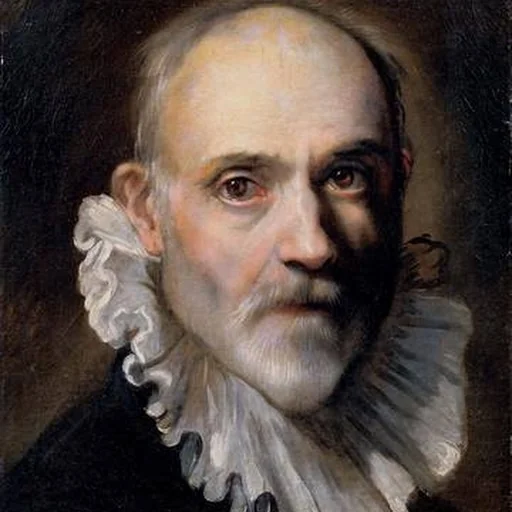
Federico Barocci (also written Barozzi) (c. 1535 – 30 September 1612) was an Italian Renaissance painter and printmaker. His original name was Federico Fiori, and he was nicknamed Il Baroccio. His work was highly…

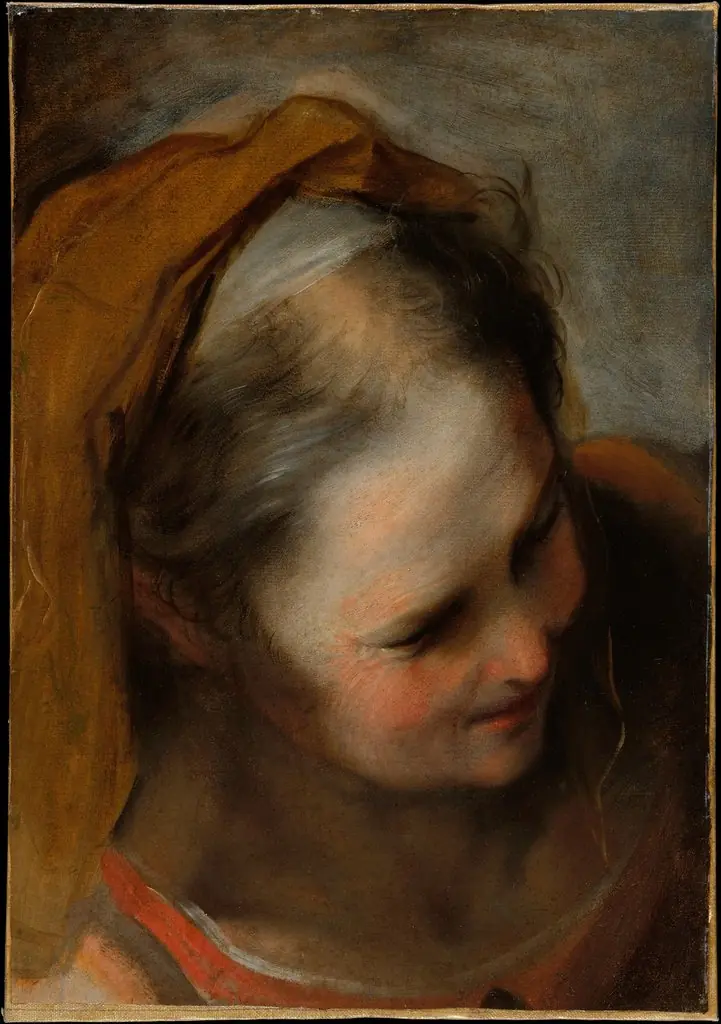
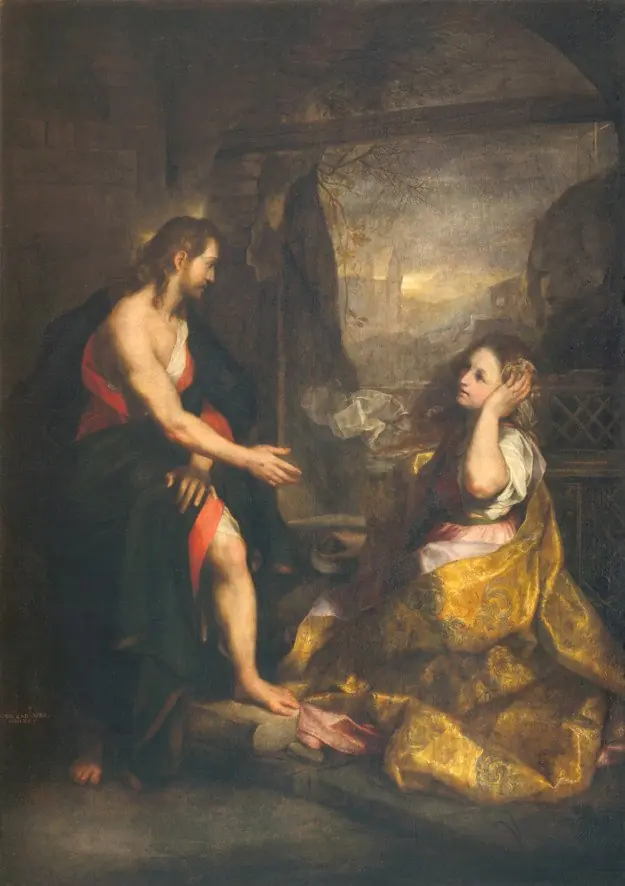
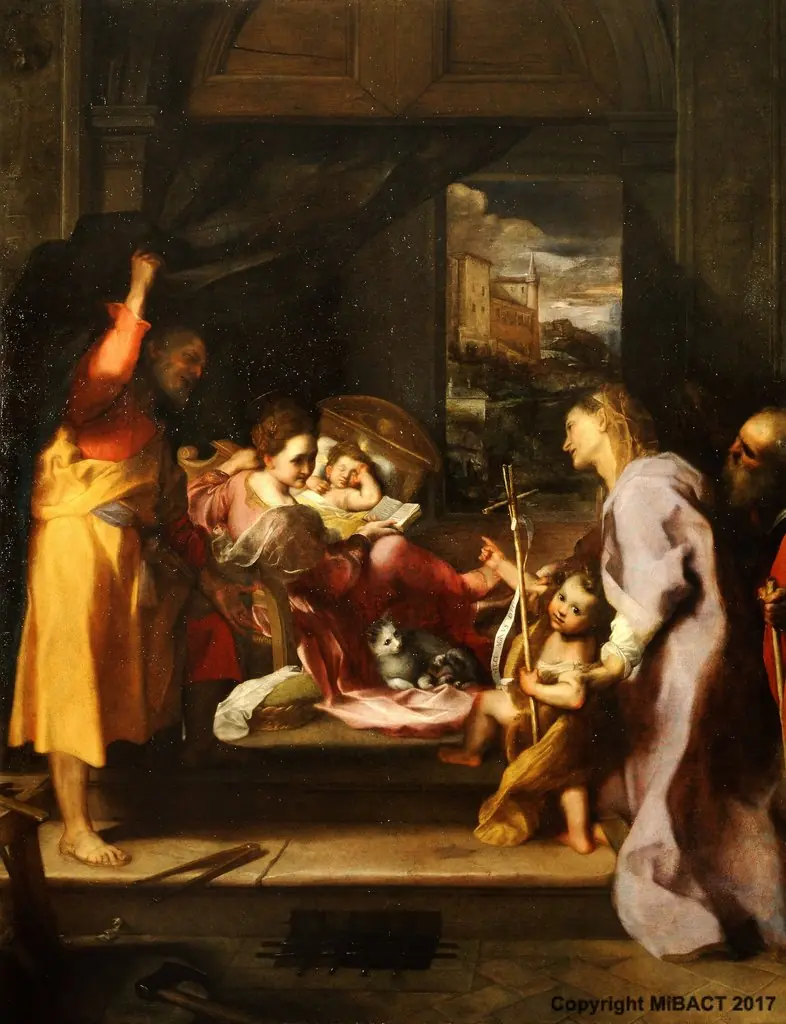
- Portrait of a Woman
 Portrait of a Lady
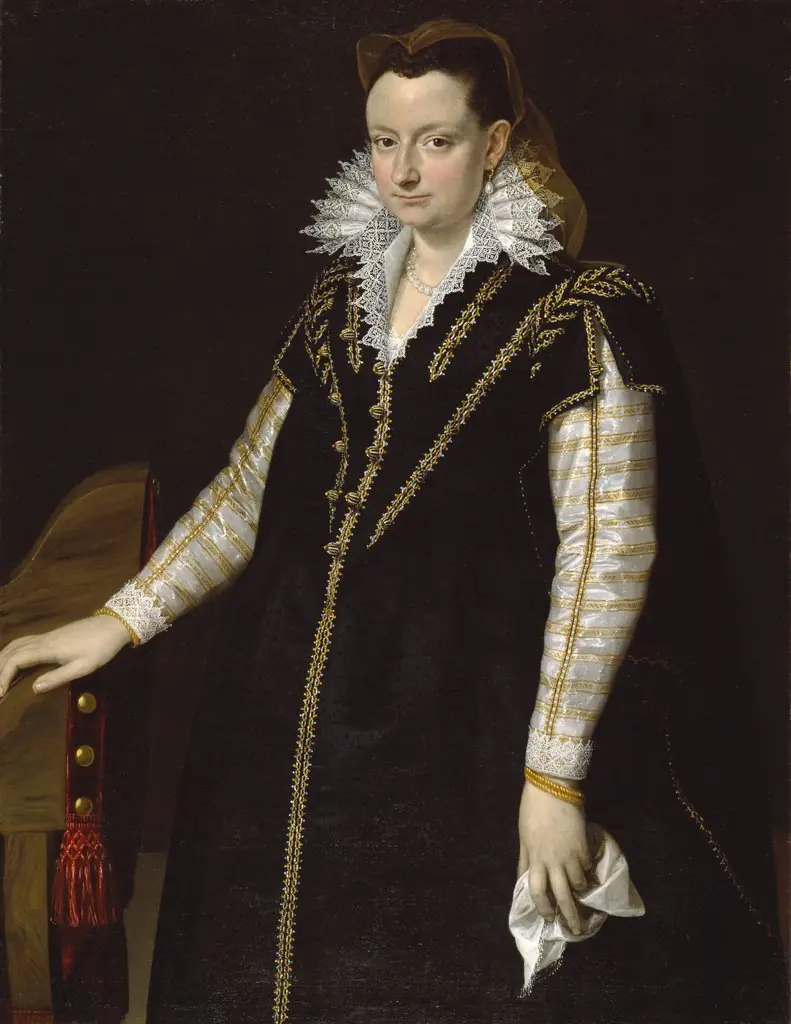 Portrait of a Lady
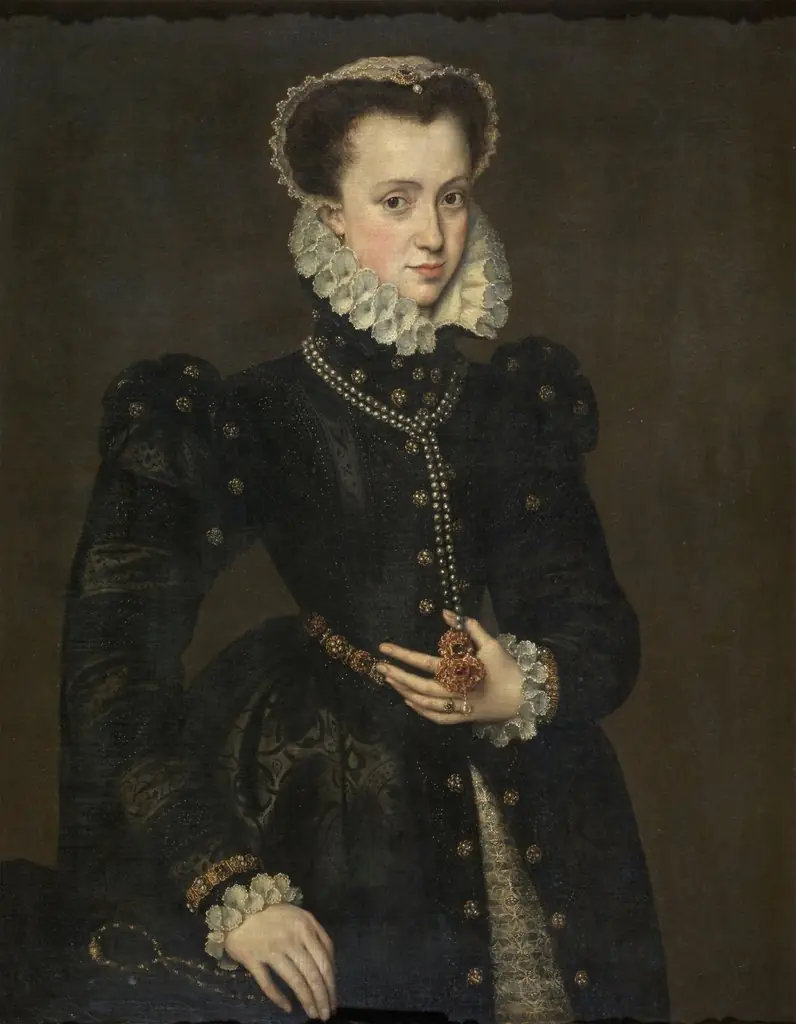 Portrait of a Lady
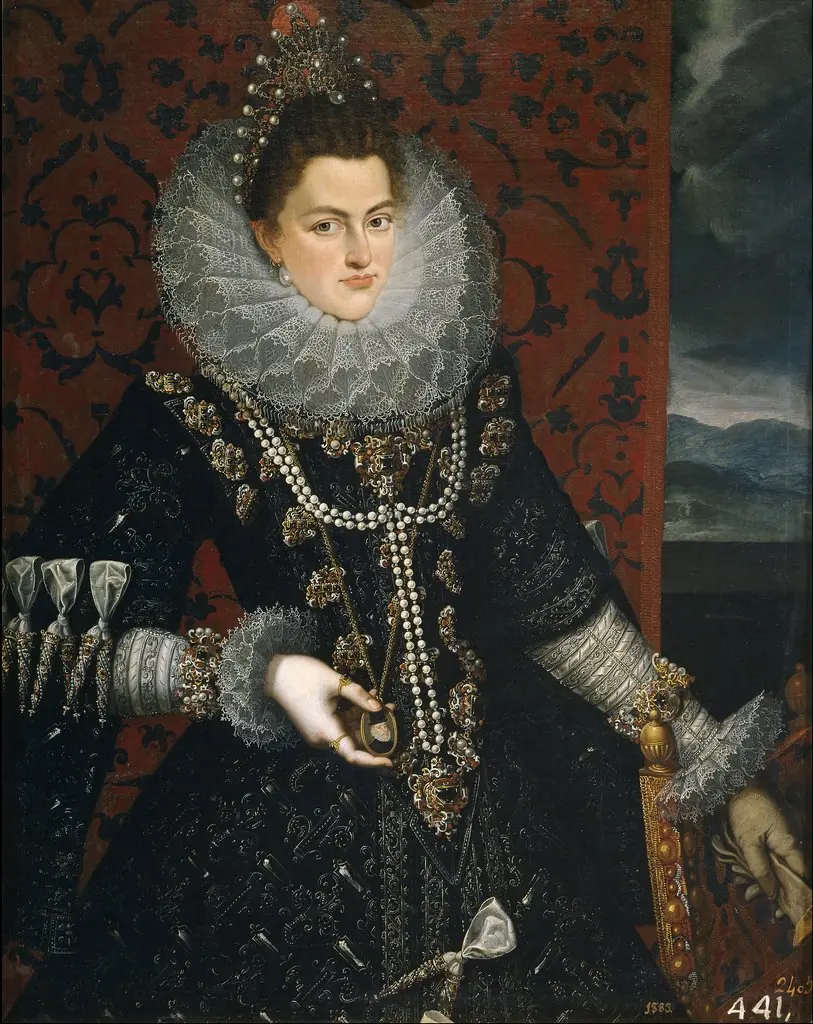 The Infanta Isabel Clara Eugenia
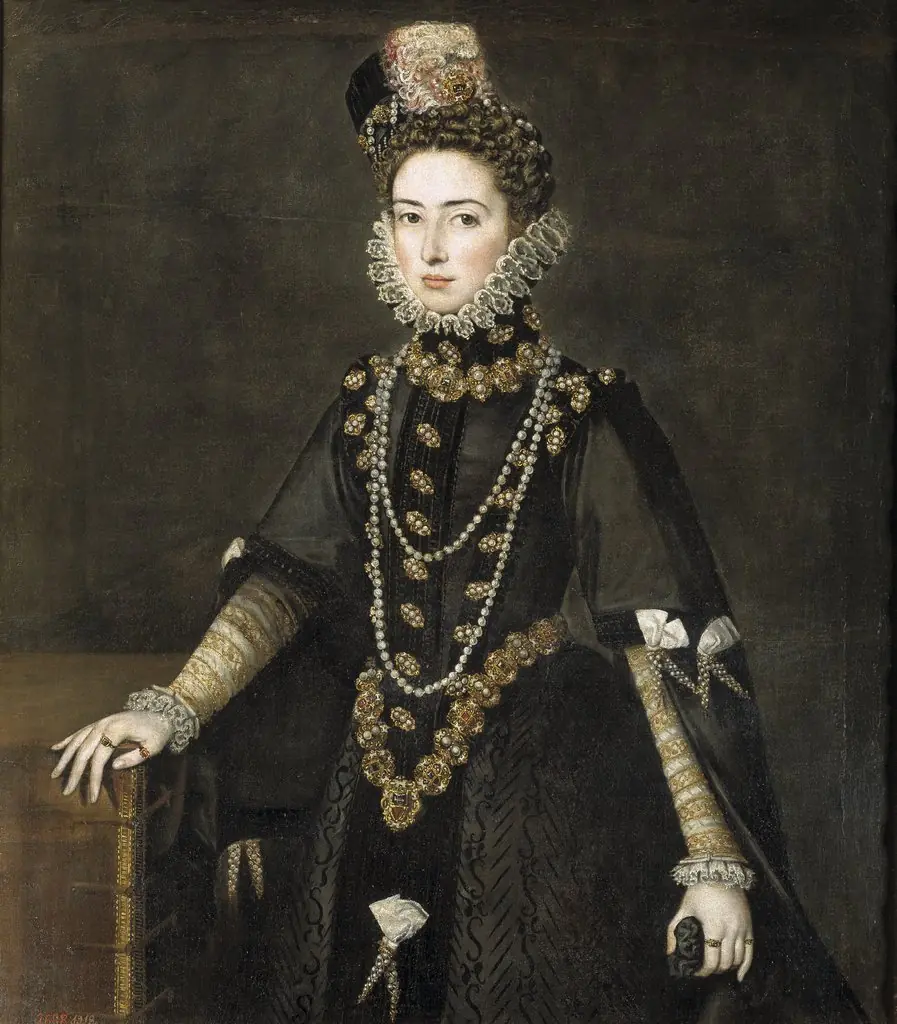 Catalina Micaela de Austria, Duchess of Savoy
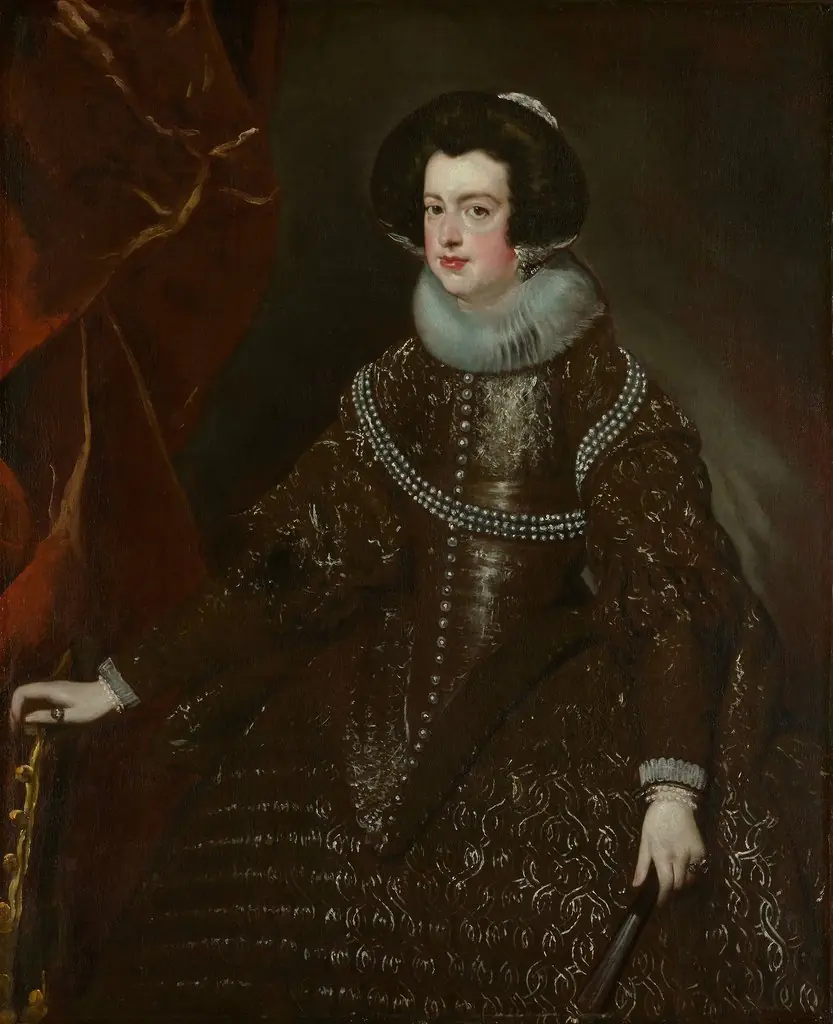 Isabella of Bourbon, Wife of Philip IV of Spain
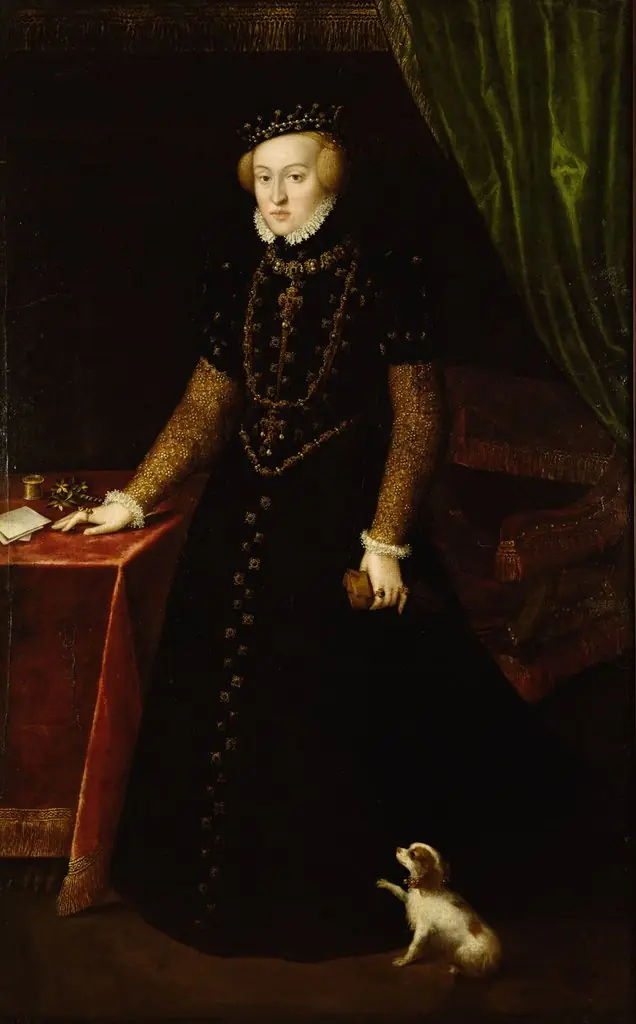 Erzherzogin Eleonore (1534-1594), Herzogin von Mantua in ganzer Figur
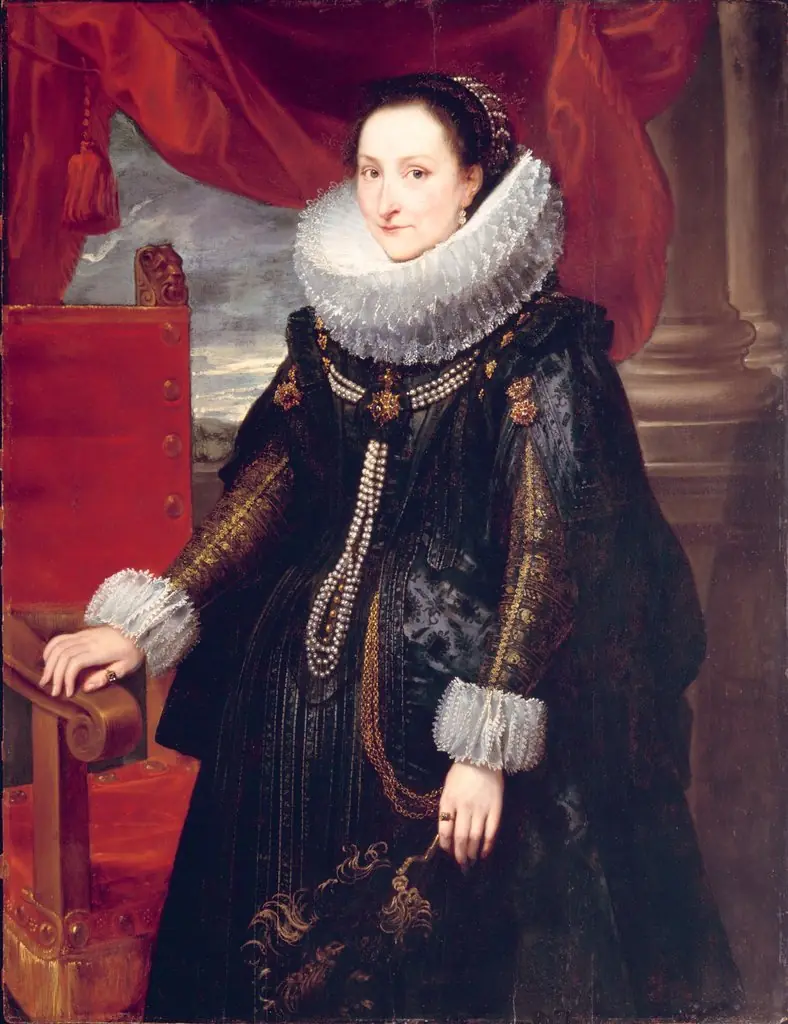 Portrait of a Woman
 Isabella of Bourbon. First Queen of King Philip IV
 Erzherzogin Eleonore (1582-1620), Kniestück
 Portrait of a Lady