Artwork
Anna of Austria, Queen of Spain (1549-1580)
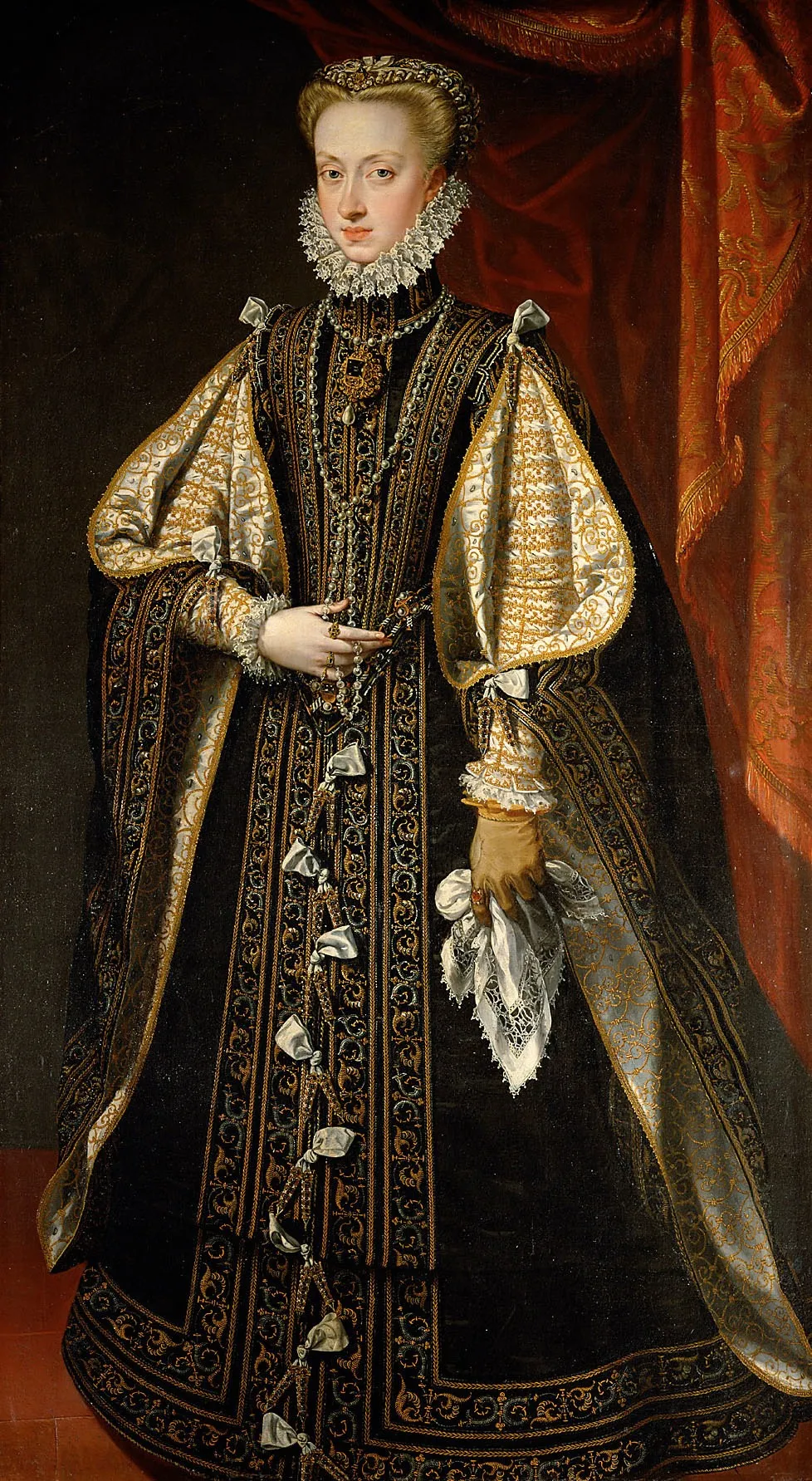
Anna of Austria, Queen of Spain (1549-1580) is an oil painting by the Early Baroque Italian artist Alonso Sánchez Coello. It dates from 1571 and is held in the collection of the Kunsthistorisches Museum. This oil painting, created in 1571, is a portrait of Anna of Austria, Queen of Spain.
About this work
Subject & Meaning
As a royal portrait, the work functions as a representative image of the Spanish queen, intended to convey her status, dignity, and dynastic identity.
The painting is a portrait depicting Anna of Austria, Queen of Spain (1549–1580), who serves as the work's main subject. Produced by Alonso Sánchez Coello in 1571, it belongs to the genre of portraiture and presents the queen as a formal sitter, a convention typical of Habsburg court imagery of the period.
As a royal portrait, the work functions as a representative image of the Spanish queen, intended to convey her status, dignity, and dynastic identity. The choice of oil on canvas and the large vertical format (176 cm tall by 98 cm wide) support a stately, ceremonial presentation of the sitter, consistent with the iconographic tradition of Habsburg royal likenesses held in major European collections such as the Kunsthistorisches Museum.
Technique & Style
The portrait was executed in oil paint on canvas, a common support for formal portraits of the period. The work measures 176 cm in height by 98 cm in width, reflecting the standard dimensions recorded for courtly representations of Spanish royalty. Rendered in the late Renaissance style, the composition emphasizes dignified posture and precise rendering of fabric, underscoring the sitter's status. The painting remains well preserved, retaining its original color palette and brushwork without significant deterioration.
History & Provenance
The portrait of Anna of Austria, Queen of Spain, was painted by Alonso Sánchez Coello in 1571, executed in oil on canvas. The work was created during the sitter's lifetime, when she was Queen consort of Spain by marriage to Philip II.
The painting is held in the collection of the Kunsthistorisches Museum, where it remains located. No further details regarding the original commission, intermediate ownership, or chain of custody prior to its acquisition by the museum are documented in the available sources.
The portrait of Anna of Austria, Queen of Spain, painted by Alonso Sánchez Coello in 1571, is held in the collection of the Kunsthistorisches Museum. The work is executed in oil paint on canvas and depicts the queen in a formal portrait format. While the painting's current location is confirmed as the Kunsthistorisches Museum, the provided sources do not specify an inventory or accession number for the piece. Additionally, the available documentation contains no information regarding a specific exhibition history for this artwork.
Overview
This oil painting, created in 1571, is a portrait of Anna of Austria, Queen of Spain. It is the work of Alonso Sánchez Coello, a prominent portrait painter of the Spanish Renaissance.
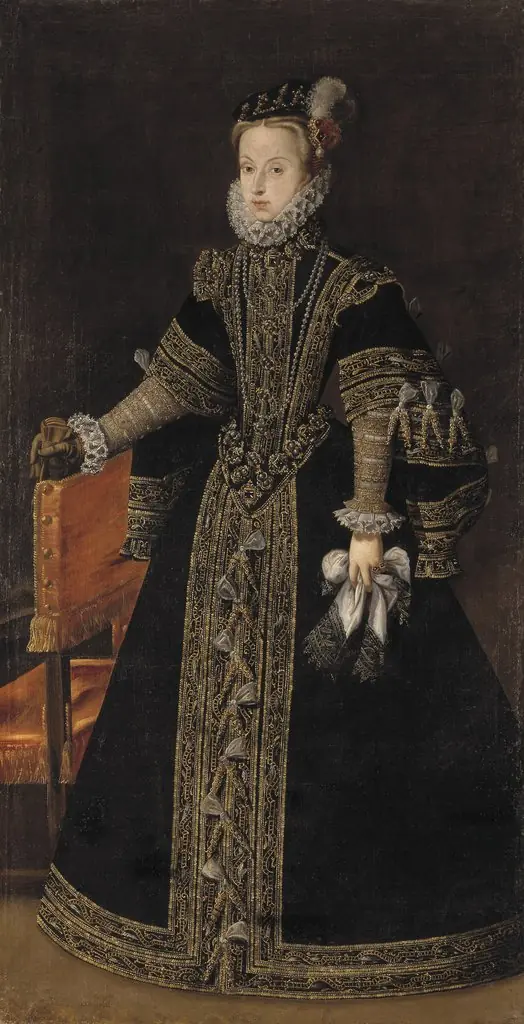
Artist & collection
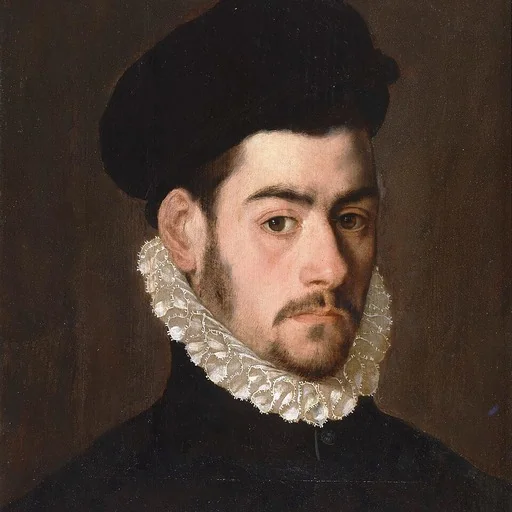
Artist
Alonso Sánchez Coello (c. 1531 – 8 August 1588) was an Iberian portrait painter of the Spanish and Portuguese Renaissance. He is mainly known for his portrait paintings executed in a style which combines the objectivity…

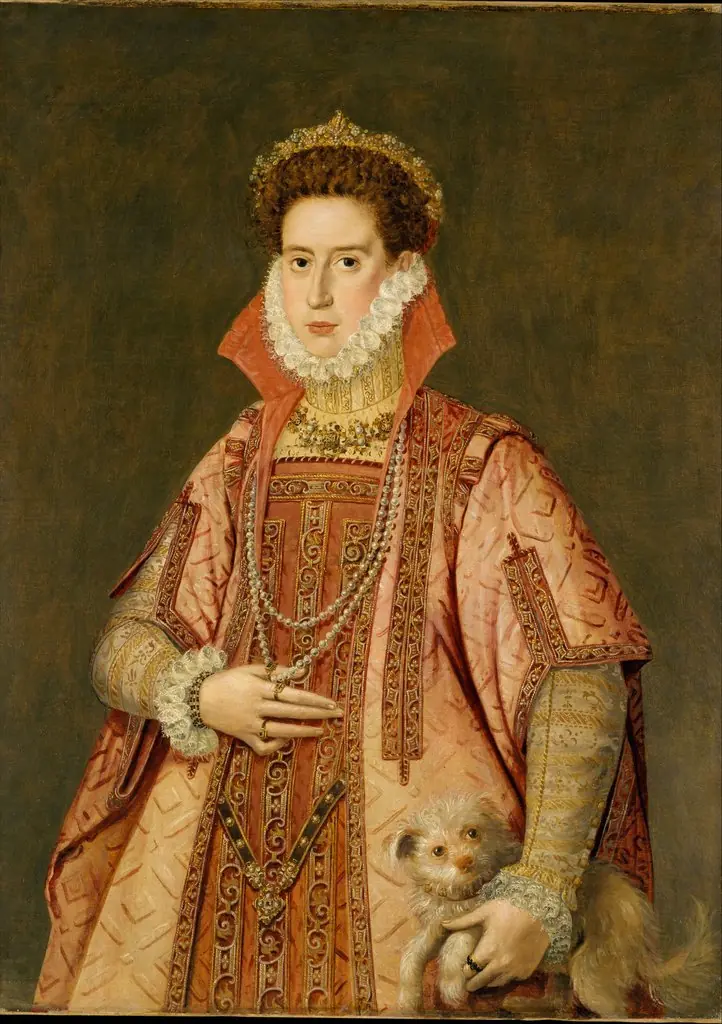
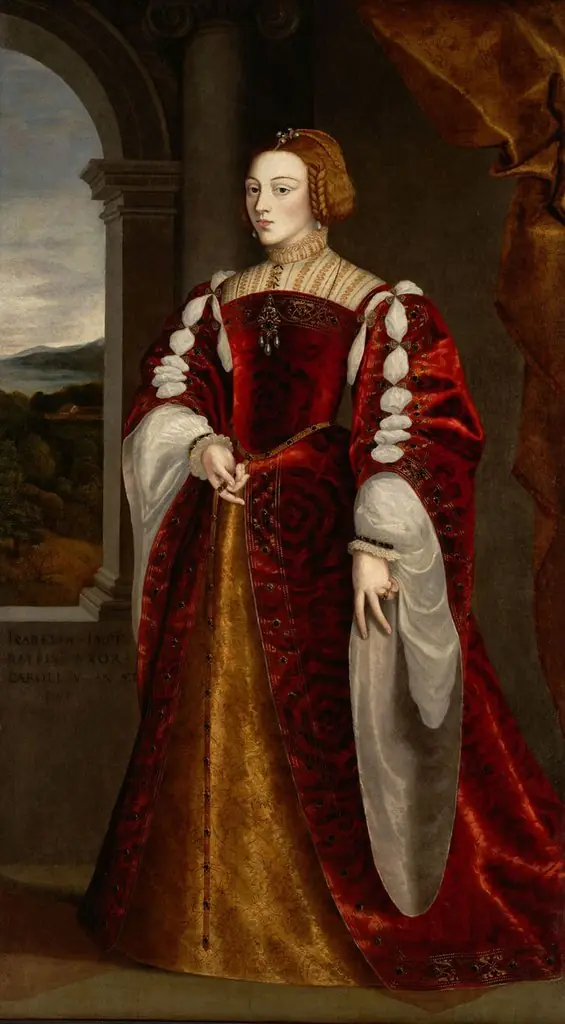 Isabella of Portugal (1503-1539), Holy Roman Empress
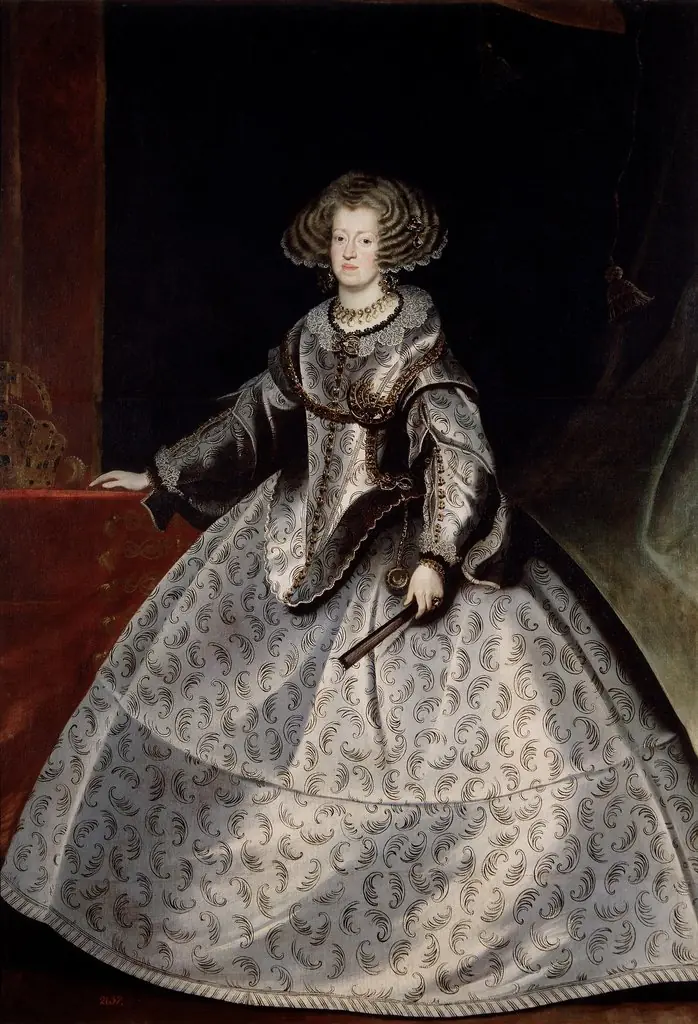 María of Austria Queen of Hungary
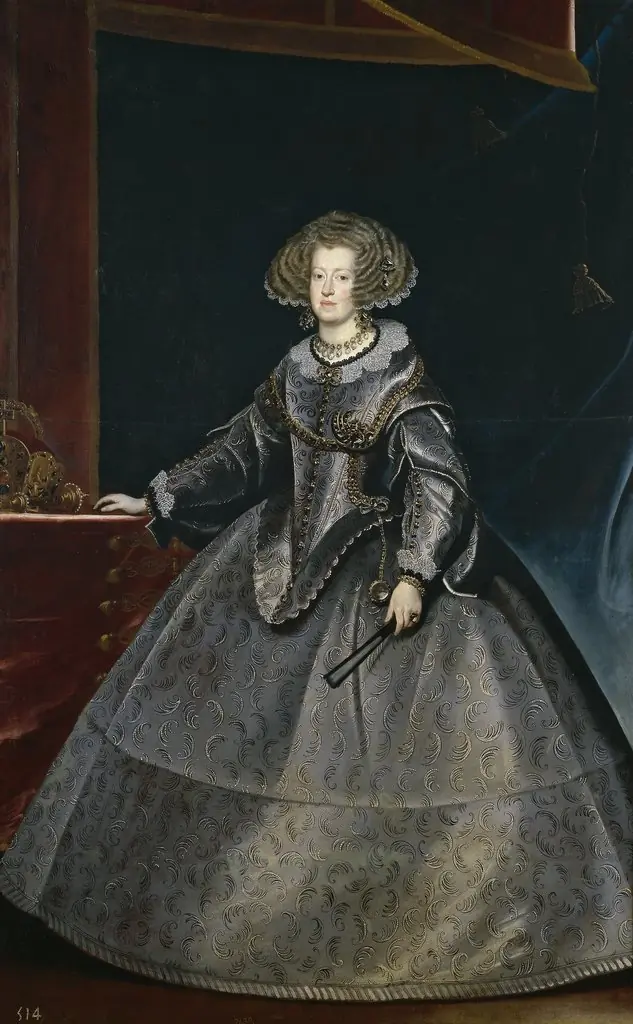 María of Austria Queen of Hungary
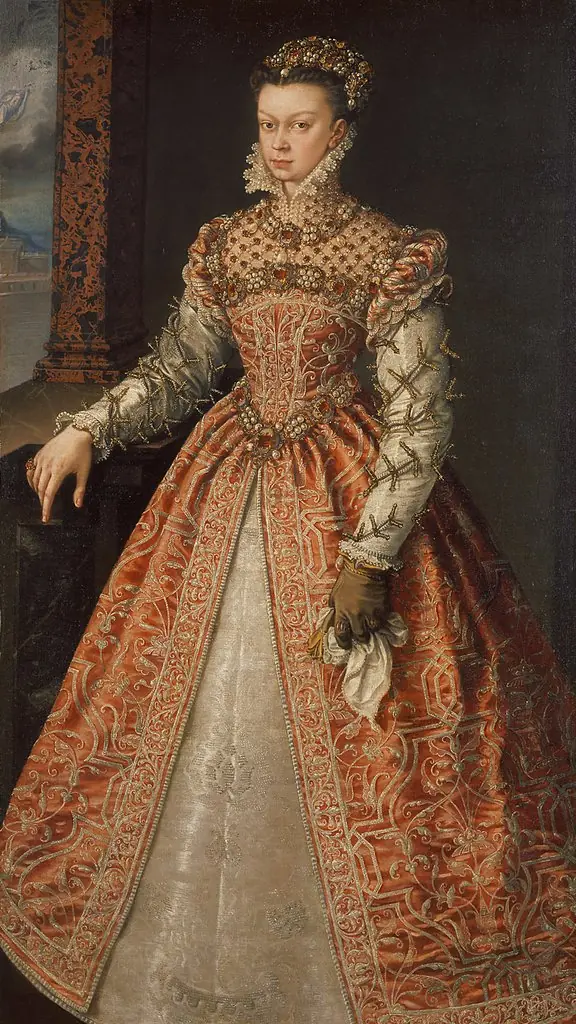 Portrait of Elisabeth of Valois (1545-1568), Queen of Spain
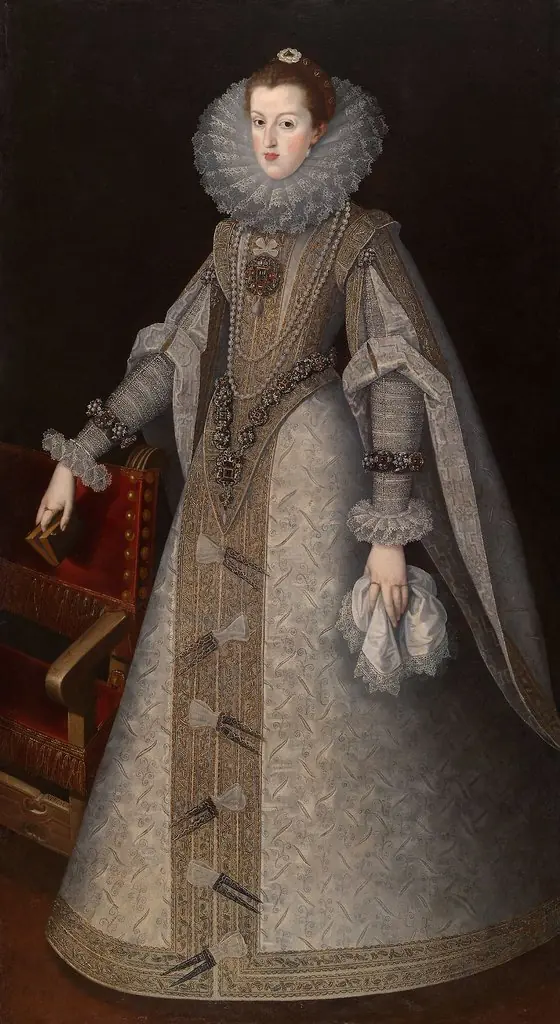 Queen Margaret of Spain
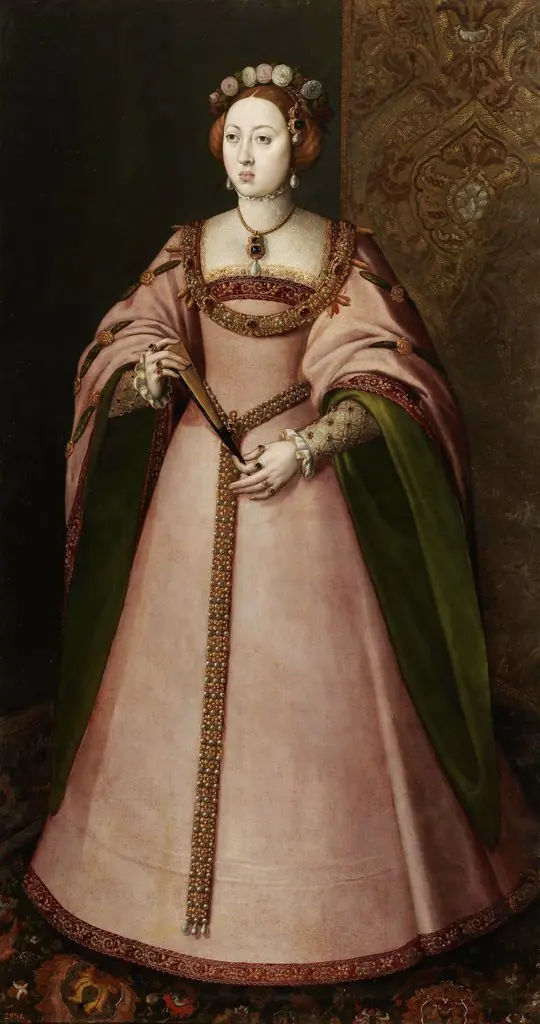 Mary of Portugal (1527–1545)
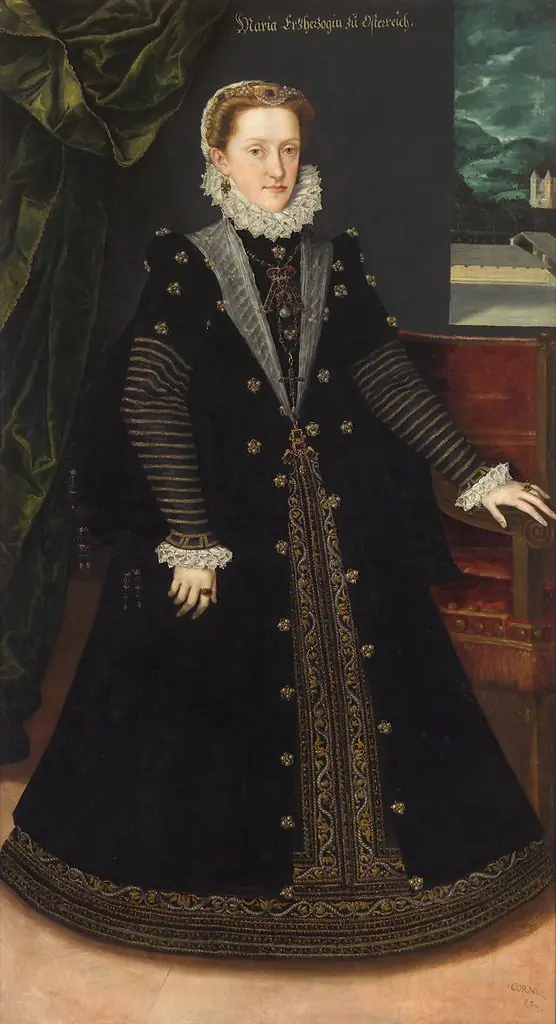 Portrait of Archduchess Mary Anna of Bavaria
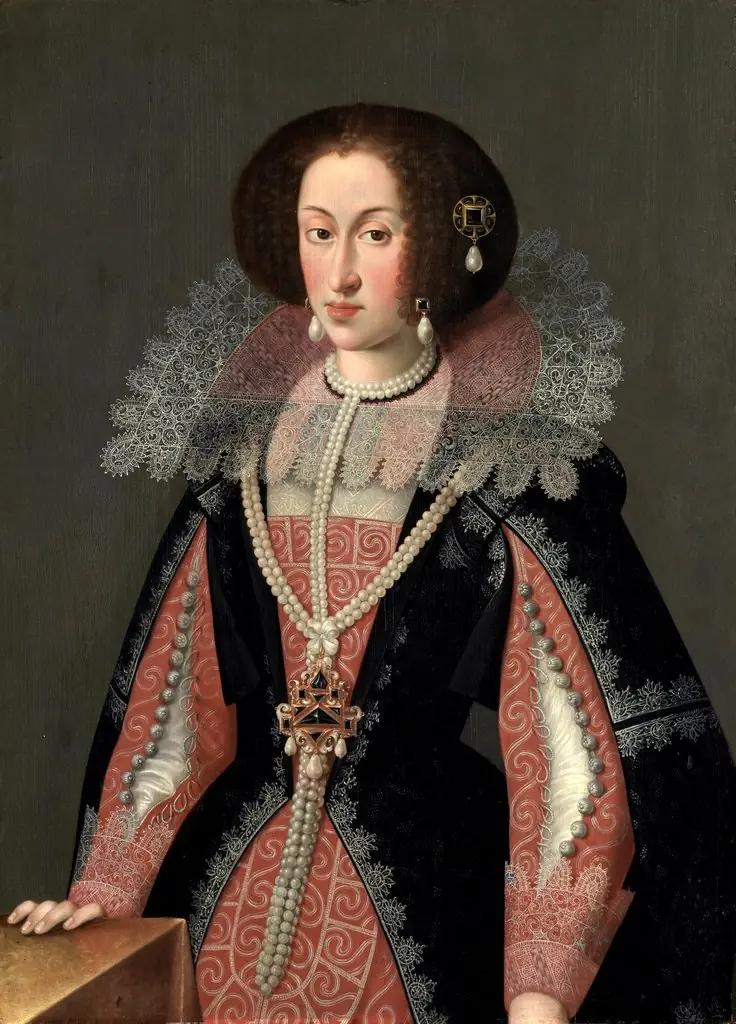 Portrait of Maria Anna of Austria, Electress of Bavaria
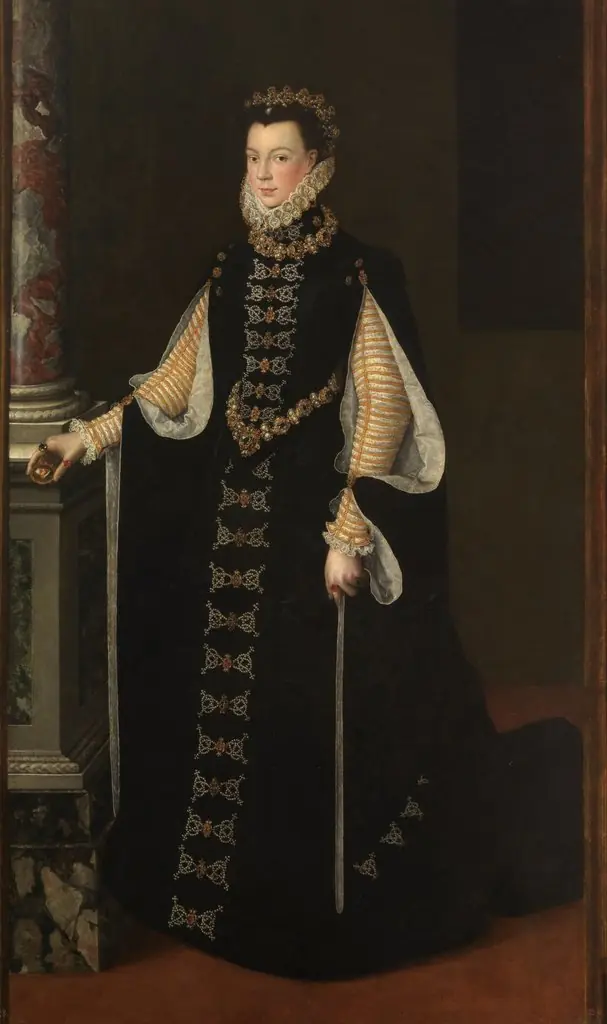 Portrait of Elisabeth of Valois