Artwork
General Andrew Jackson
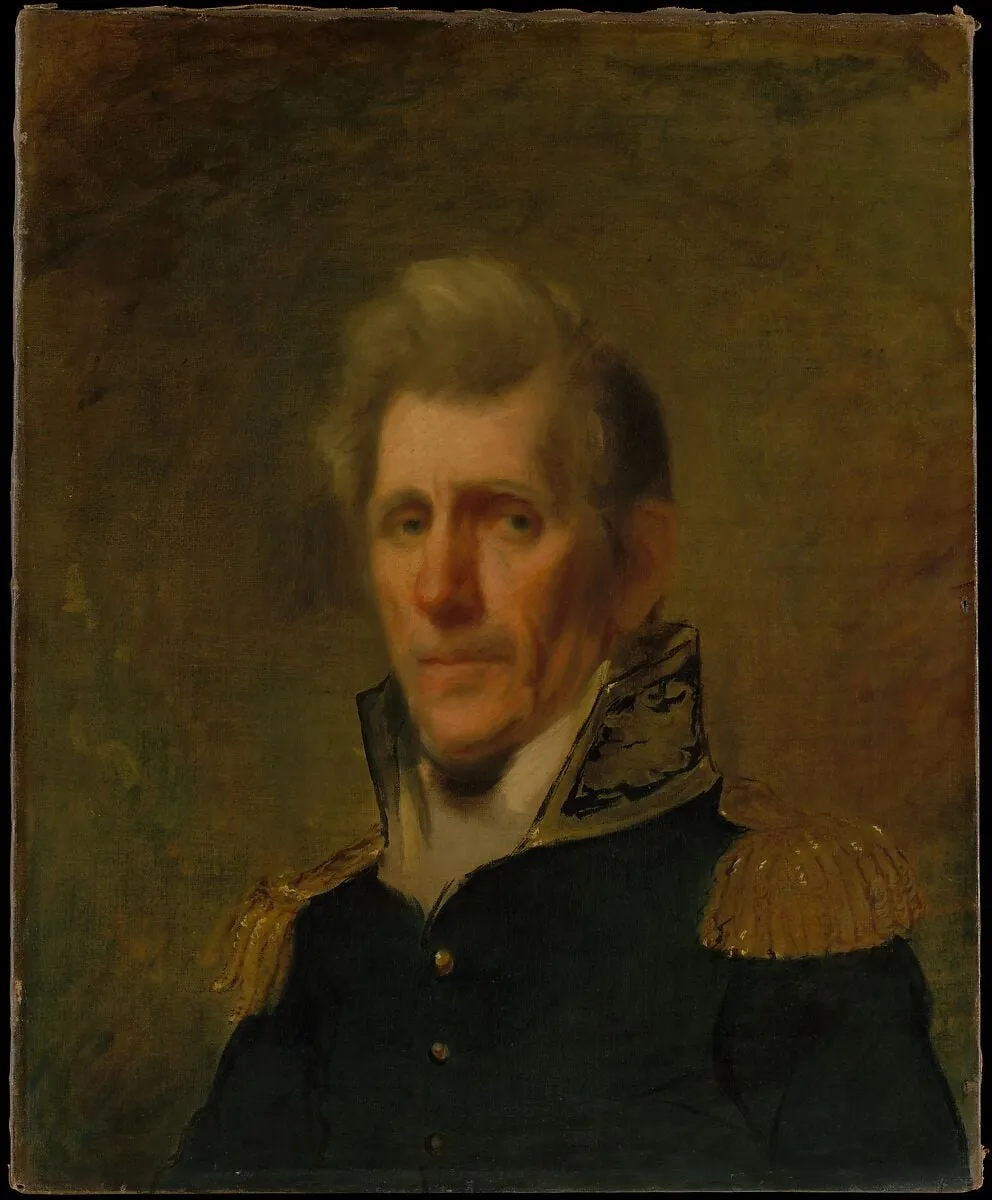
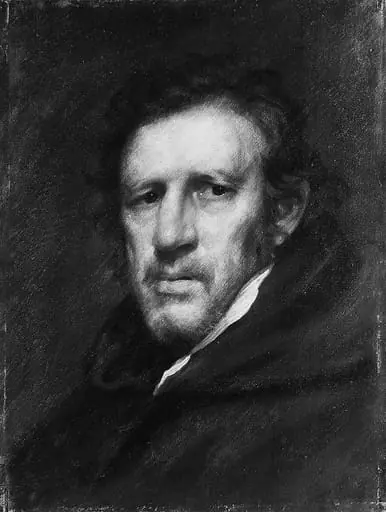
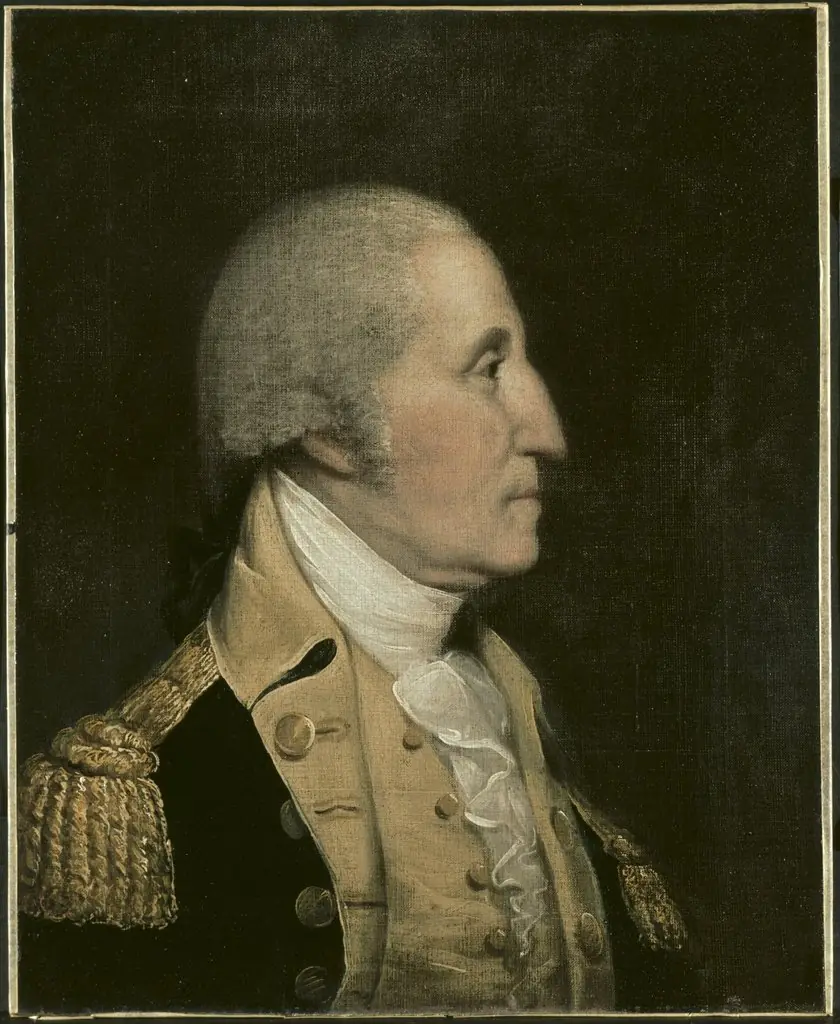
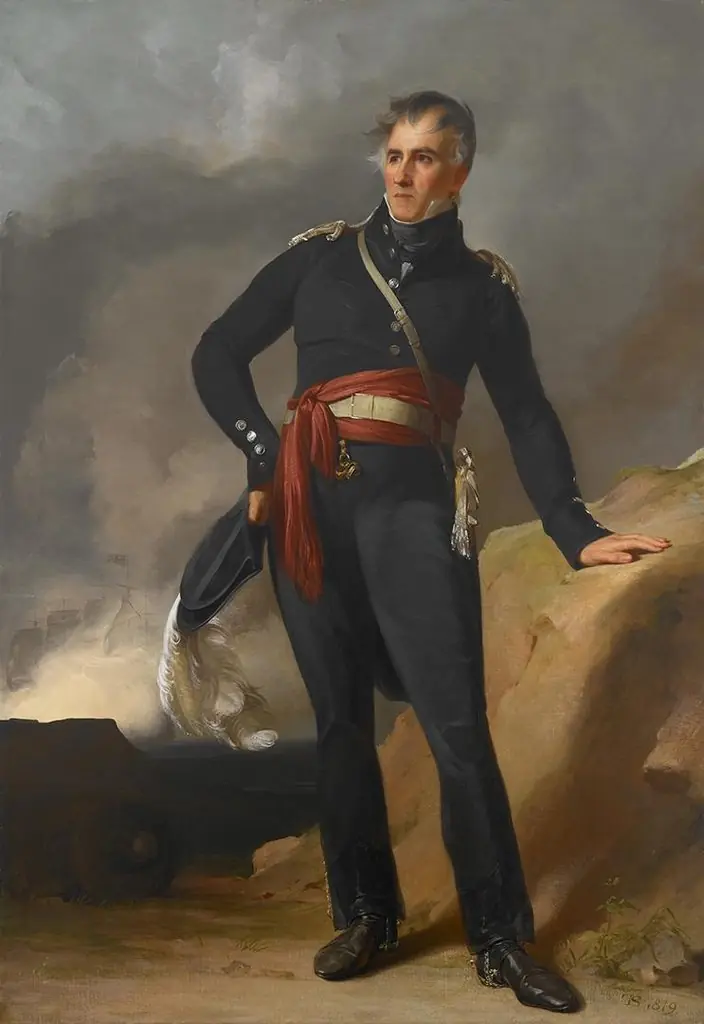
General Andrew Jackson is an oil painting by the American Folk Art artist Samuel Lovett Waldo. It dates from 1819 and is held in the collection of the Metropolitan Museum of Art.
About this work
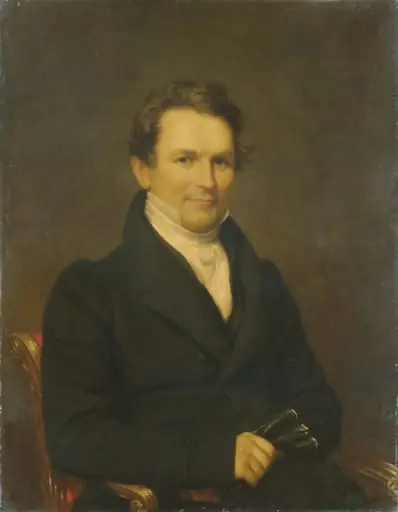
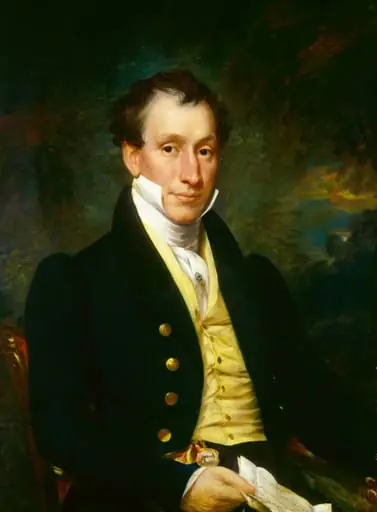
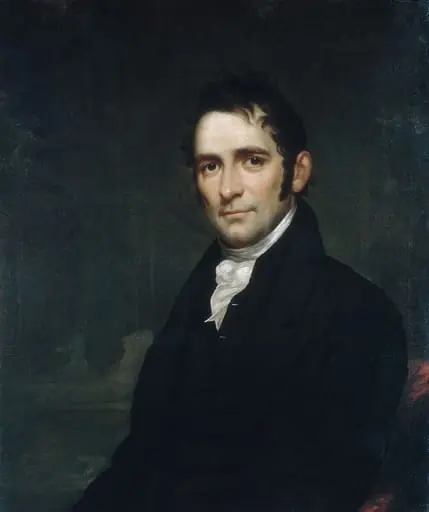
General Andrew Jackson sits in a chair, wearing a military uniform and looking serious. Samuel Lovett Waldo paid close attention to the details of Jackson's face and clothes. Painted in 1819, before his presidency, it catches him just as he was becoming well known.
Subject & Meaning
As a portrait genre work, the painting centers Jackson as its sole human subject, rendered in oil on canvas.
The portrait depicts Andrew Jackson, the American military commander and statesman, presented in the conventional format of an early nineteenth-century gentleman's portrait. As a portrait genre work, the painting centers Jackson as its sole human subject, rendered in oil on canvas. The composition functions as a formal likeness intended to convey Jackson's stature and public identity, aligning with Waldo's broader practice of producing portraits of prominent American figures during the post-War of 1812 period when Jackson had risen to national prominence.
The work represents both the individual sitter and the broader cultural impulse to memorialize military and political leaders through painted likenesses held in major institutional collections such as the Metropolitan Museum of Art.
Technique & Style
The portrait of General Andrew Jackson is executed in oil on canvas, a standard medium for early nineteenth-century American portraiture. The support measures 64.3 cm in height by 53.3 cm in width, yielding a modest, intimate format suited to a sitter study. Painted in 1819 by Samuel Lovett Waldo, the work belongs to the genre of portraiture and is held in the collection of the Metropolitan Museum of Art's American Wing.
The combination of oil paint on a relatively small canvas is consistent with Waldo's practice of producing direct likenesses of prominent figures during this period, allowing for detailed handling of the face while keeping the overall composition compact and focused on the sitter.
History & Provenance
The portrait titled General Andrew Jackson was painted by Samuel Lovett Waldo in 1819, as documented in the work’s catalog entry and confirmed by its metadata. Executed in oil on canvas, the piece measures 64.3 × 53.3 cm and falls within the portrait genre. After its creation, the painting entered the collection of the Metropolitan Museum of Art, where it has remained on public display as part of The American Wing.
The provenance chain records the artwork’s transfer directly from the artist to the museum, establishing the Met as its current and sole owner.
The portrait of General Andrew Jackson by Samuel Lovett Waldo has been in the collection of the Metropolitan Museum of Art, where it is classified under the museum's American Wing. The painting, executed in oil on canvas in 1819, measures 64.3 by 53.3 centimeters. No specific accession number or detailed exhibition history is documented in the available records.
Overview
Painted in 1819 by Samuel Lovett Waldo, this oil on canvas portrait depicts General Andrew Jackson seated in a formal pose. The composition centers on the general, who is dressed in a dark military uniform with gold epaulets and a high collar, reflecting his status as a national hero following the War of 1812. Jackson is shown with a serious, resolute expression, his gaze directed slightly away from the viewer, conveying a sense of stoic determination.
Waldo employs a restrained palette, allowing the texture of the uniform and the subtle modeling of Jackson's face to command attention. The background is neutral and dark, ensuring the figure remains the sole focus. Created shortly after Jackson's victory at the Battle of New Orleans, this work captures the general at a pivotal moment in his career, preceding his presidency.
It stands as a significant example of early American portraiture, documenting a key historical figure through the lens of a prominent artist of the era who frequently painted notable Americans.
Context
Executed in 1819, this portrait situates Andrew Jackson within a specific historical moment. At this time, Jackson was gaining national renown for his military achievements, particularly his role in the War of 1812 and subsequent campaigns. The painting thus serves as a contemporary record of a man whose influence was expanding across the young nation, predating the political polarization that would later define his presidency.
Artist & collection