Artwork
Old Pat, the Independent Beggar
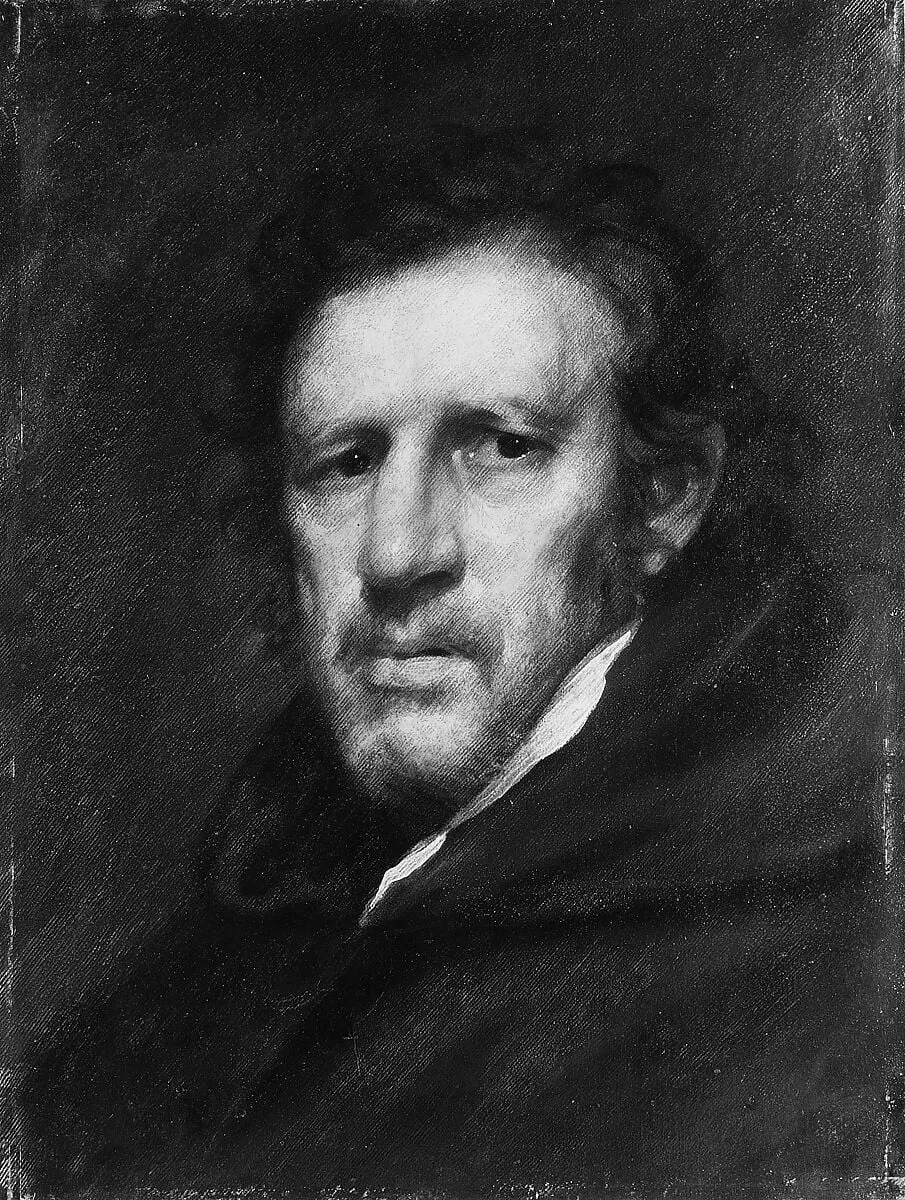
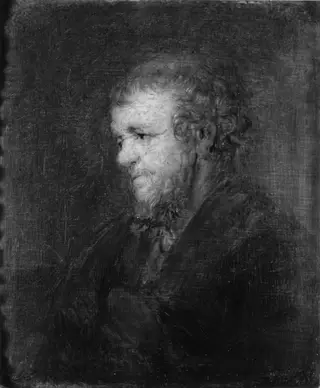
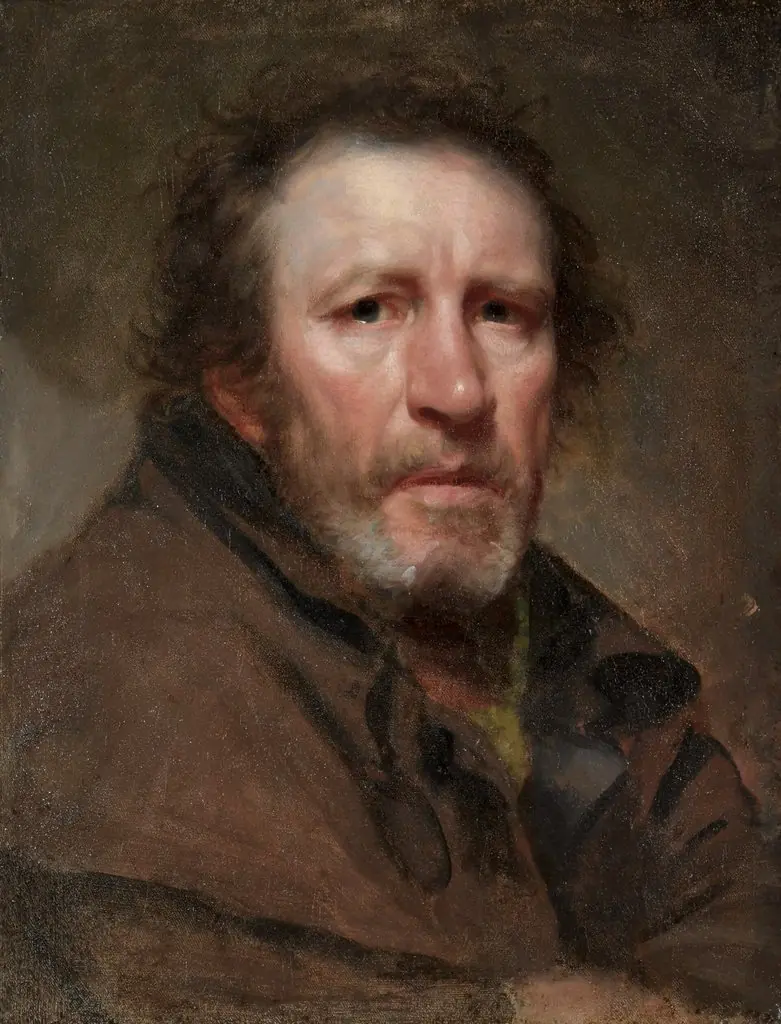
Old Pat, the Independent Beggar is an oil painting by the American Folk Art artist Samuel Lovett Waldo. It dates from 1819 and is held in the collection of the Metropolitan Museum of Art.
- Accession no.
- 04.29.3
- Credit line
- Gift of Samuel P. Avery, 1904
About this work
Technique & Style
Waldo applied thin, layered brushwork to render the sitter's weathered features and tattered clothing, emphasizing texture through subtle tonal modeling.
Old Pat, the Independent Beggar is executed in oil paint on a wooden panel support, a medium typical of early-19th-century American portraiture. The panel measures roughly 50.5 cm in height by 37.5 cm in width, as recorded for the work in the Metropolitan Museum of Art collection. Waldo applied thin, layered brushwork to render the sitter's weathered features and tattered clothing, emphasizing texture through subtle tonal modeling.
The composition presents a solitary male figure in a straightforward, realistic style, reflecting the portrait genre of the period.
History & Provenance
Old Pat, the Independent Beggar is an oil-on-panel portrait created by Samuel Lovett Waldo in 1819. The work depicts a man and is classified within the genre of portraiture. It is held in the collection of the Metropolitan Museum of Art, where it is located in The American Wing.
The physical dimensions are 50.5 cm in height and 37.5 cm in width. Specific commission details and the ownership chain prior to museum acquisition are not detailed in the available records.
Overview
Samuel Lovett Waldo painted Old Pat, the Independent Beggar around 1819, using oil on wood. This portrait captures an elderly man seated, holding a walking stick. The work is notable for its depiction of a figure whose worn attire and gentle, yet resolute, facial expression convey a life marked by experience. It offers a direct and sympathetic portrayal of its subject, inviting contemplation of his individual story.
Subject & Meaning
The painting centers on the figure known as Old Pat, whose title suggests a life lived outside conventional societal structures. Waldo renders him with a kind face and a calm demeanor, despite his visibly worn clothing. The lines etched on his face and his composed posture subtly communicate a narrative of endurance and self-reliance, hinting at the quiet dignity of a man who has navigated life's challenges independently.
Artist & collection