Artwork
Edward Kellogg
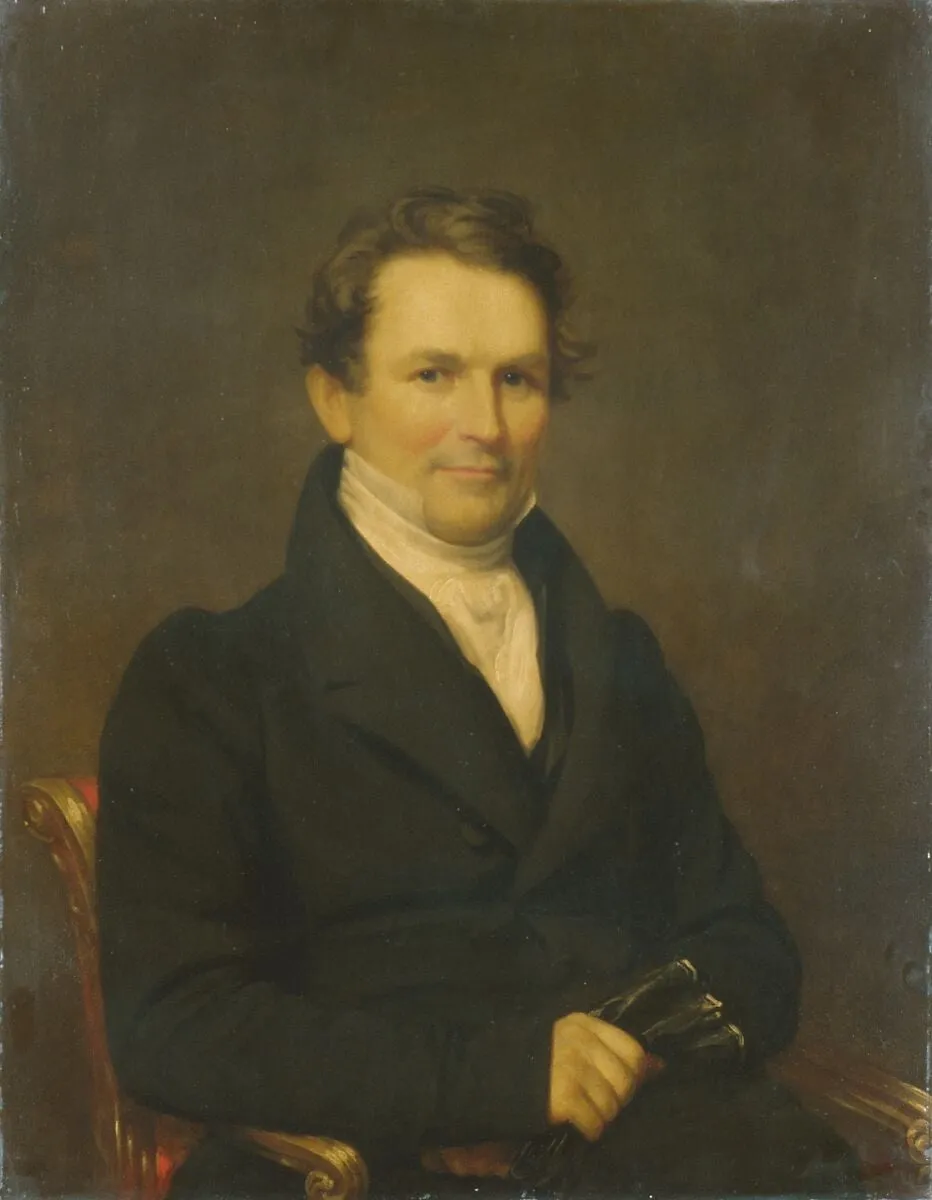
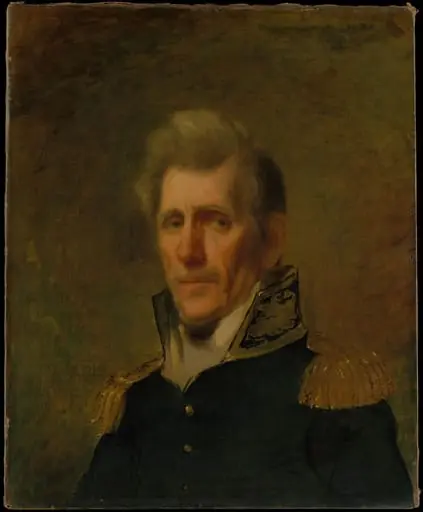
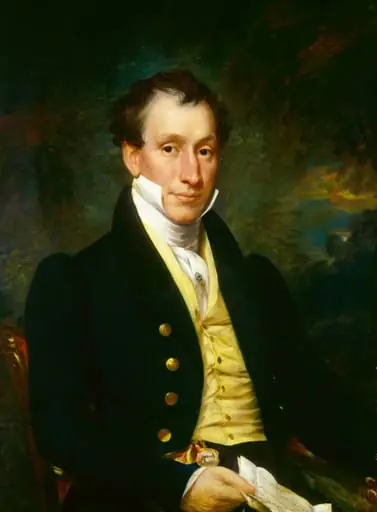
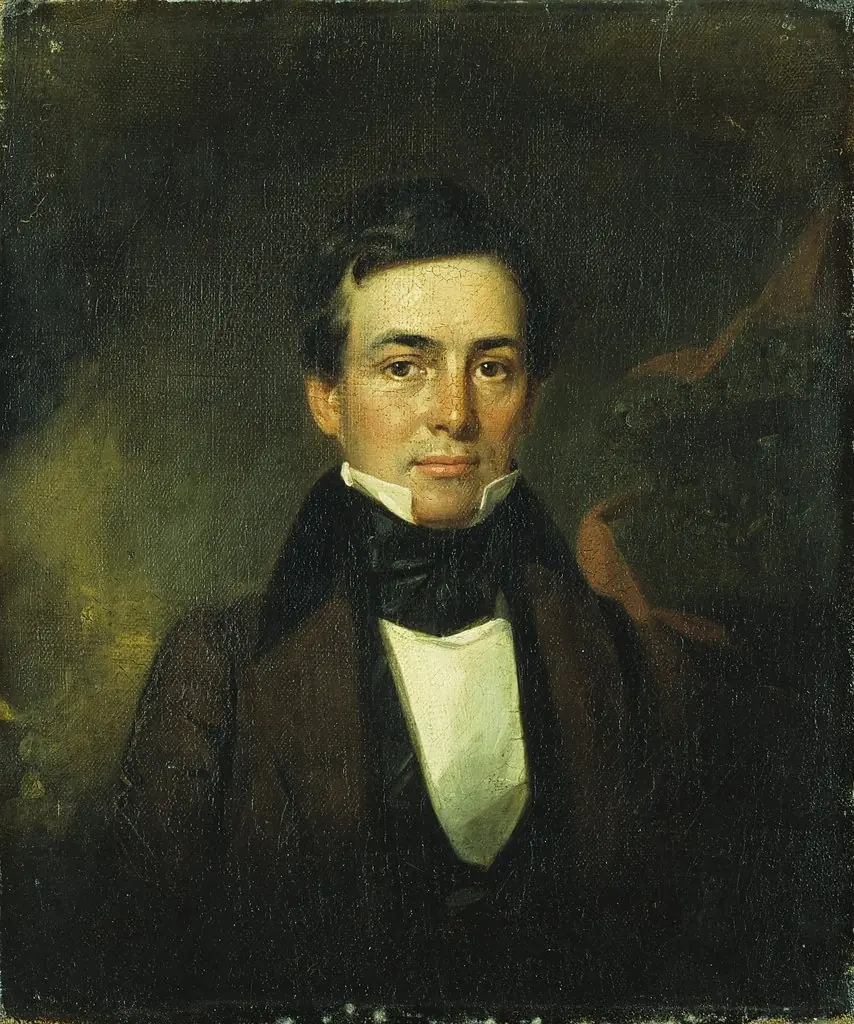
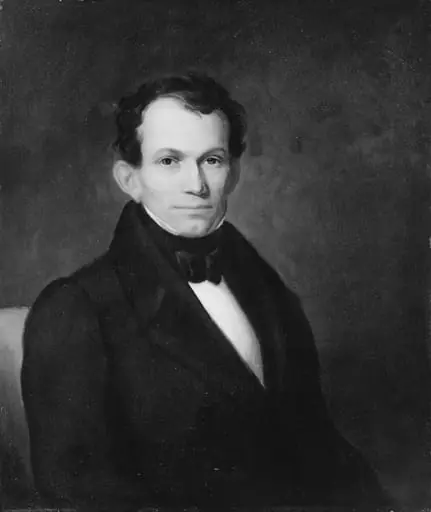
Edward Kellogg is an oil painting by the American Folk Art artist Samuel Lovett Waldo. It dates from 1832 and is held in the collection of the Metropolitan Museum of Art.
- Accession no.
- 99.29.1
- Credit line
- Gift of Mrs. Mary E. Kellogg Putnam, 1899
About this work
Subject & Meaning
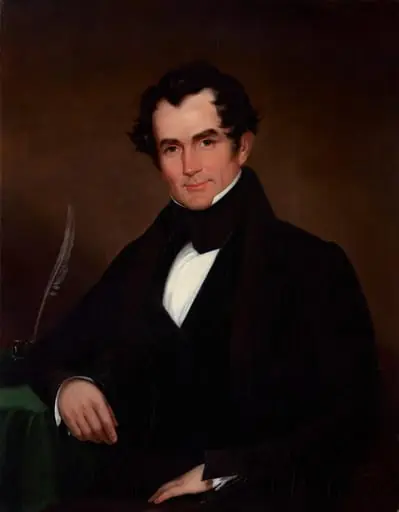
The painting shows Edward Kellogg, a man, in the conventional format of a 19th‑century portrait, emphasizing his individual identity and social standing.
The painting shows Edward Kellogg, a man, in the conventional format of a 19th‑century portrait, emphasizing his individual identity and social standing. As a work by Samuel Lovett Waldo created in 1831 and housed in the Metropolitan Museum of Art, it uses typical portrait iconography, frontal gaze, modest attire, and a plain background, to convey the sitter’s status and personal presence. The depiction functions as both a record of the subject’s appearance and a symbolic assertion of his place within contemporary American society.
Technique & Style
The portrait of Edward Kellogg by Samuel Lovett Waldo employs oil on wood panel as its medium and support, reflecting common practice for American portraiture of the early nineteenth century. The handling emphasizes precise, smooth brushwork with careful modeling of facial features to convey individual likeness and social status. The composition is restrained, with the sitter positioned centrally against a neutral background, typical of Waldo’s formal portrait style.
The work’s condition, as documented, remains stable, with no significant structural issues reported. The formal qualities, controlled lighting, subdued palette, and emphasis on clarity, align with contemporaneous academic conventions in American portrait painting.
History & Provenance
The portrait of Edward Kellogg was created in 1831 by the artist Samuel Lovett Waldo. Executed in oil on a wood panel, the work measures 84.8 cm in height and 64.5 cm in width. The painting is currently held in the collection of the Metropolitan Museum of Art, where it is classified within The American Wing.
As a formal portrait, the piece depicts Edward Kellogg, a male subject. The specific commissioning details or the chain of ownership prior to its arrival at the museum are not detailed in the available records, but the work's inception is firmly dated to 1831. The artwork remains a significant example of Waldo's portraiture from that period.
Edward Kellogg, painted by Samuel Lovett Waldo in 1831, is housed in the Metropolitan Museum of Art, where it is included in the museum’s inventory within The American Wing collection. The work is recorded as an oil on wood portrait and is listed under the museum’s catalogue for The American Wing, though a specific accession number is not provided in the available documentation. Exhibition records do not mention any prior displays of the painting in public exhibitions, indicating that its exhibition history remains undocumented in the cited sources.
Overview
This portrait depicts Edward Kellogg, rendered in oil on wood. The subject is shown seated, presenting a formal and composed demeanor. His serious expression and stiff posture are characteristic of early 19th-century portraiture, capturing a sense of individual presence. The work exemplifies a common practice of artistic collaboration in American studios of the period.
Context
The creation of this portrait involved a collaborative effort between two artists: Waldo, who was responsible for the facial features, and Jewett, who completed the clothing. While explicit dual signatures were uncommon, this division of labor was a frequent practice in American portrait studios during the period. Such teamwork allowed for efficiency and specialized skill application within a bustling artistic environment.
Artist & collection