Artwork
Self-portrait
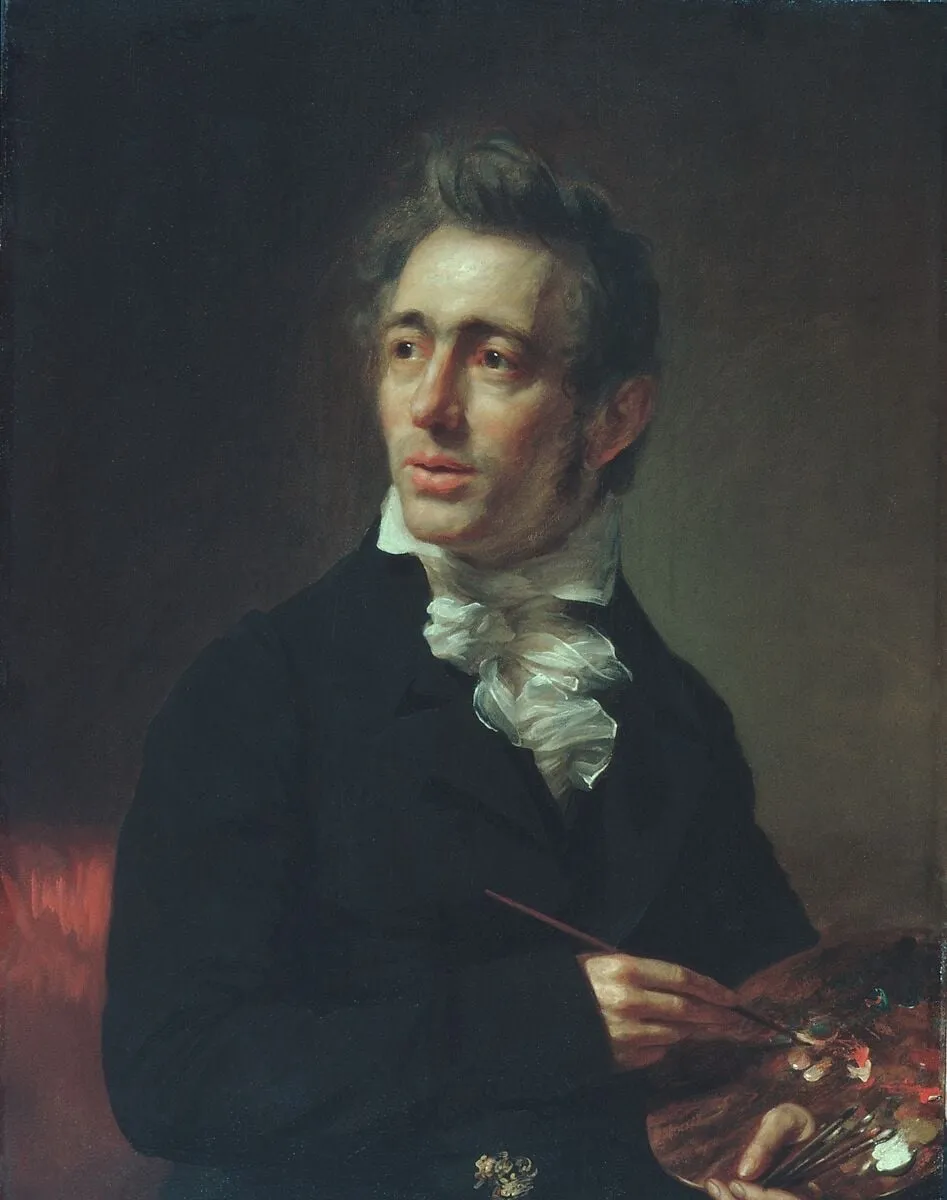
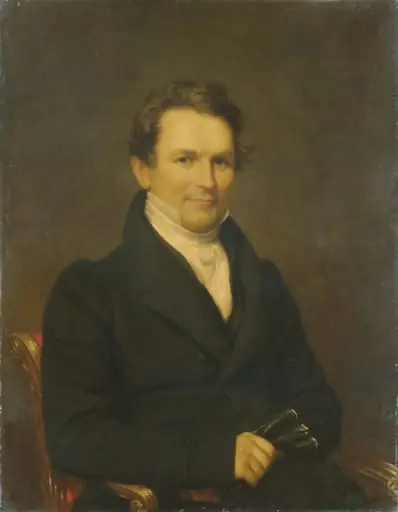
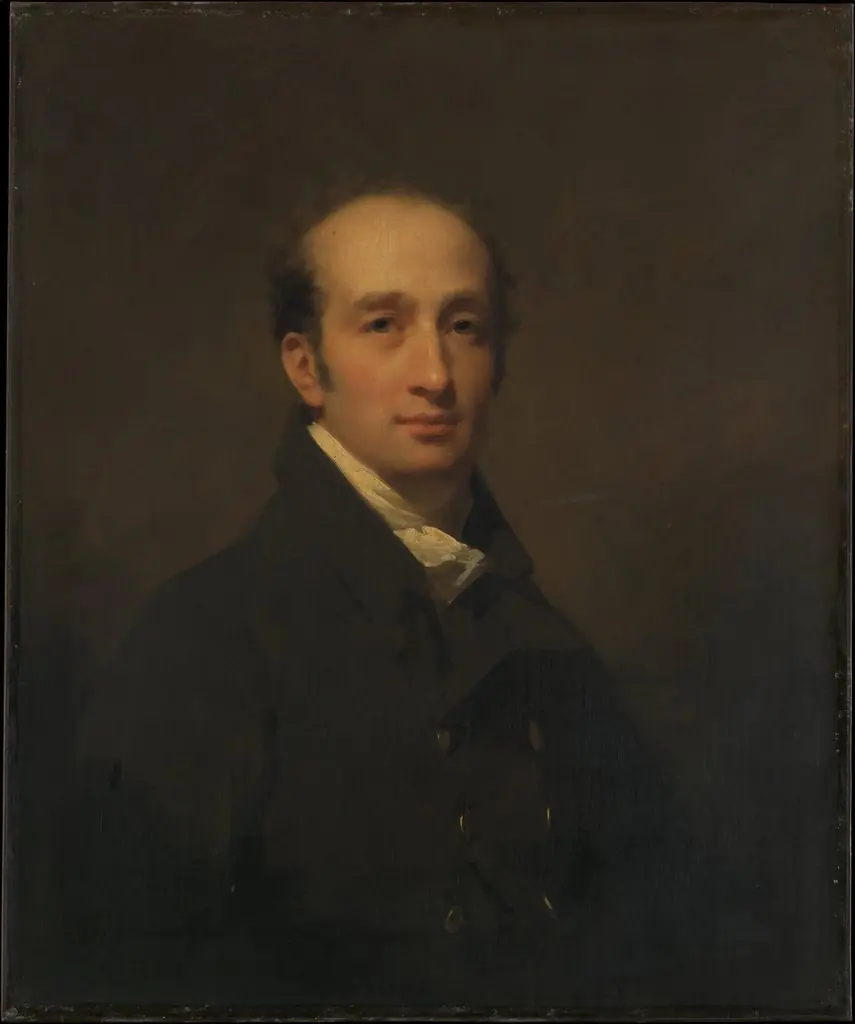
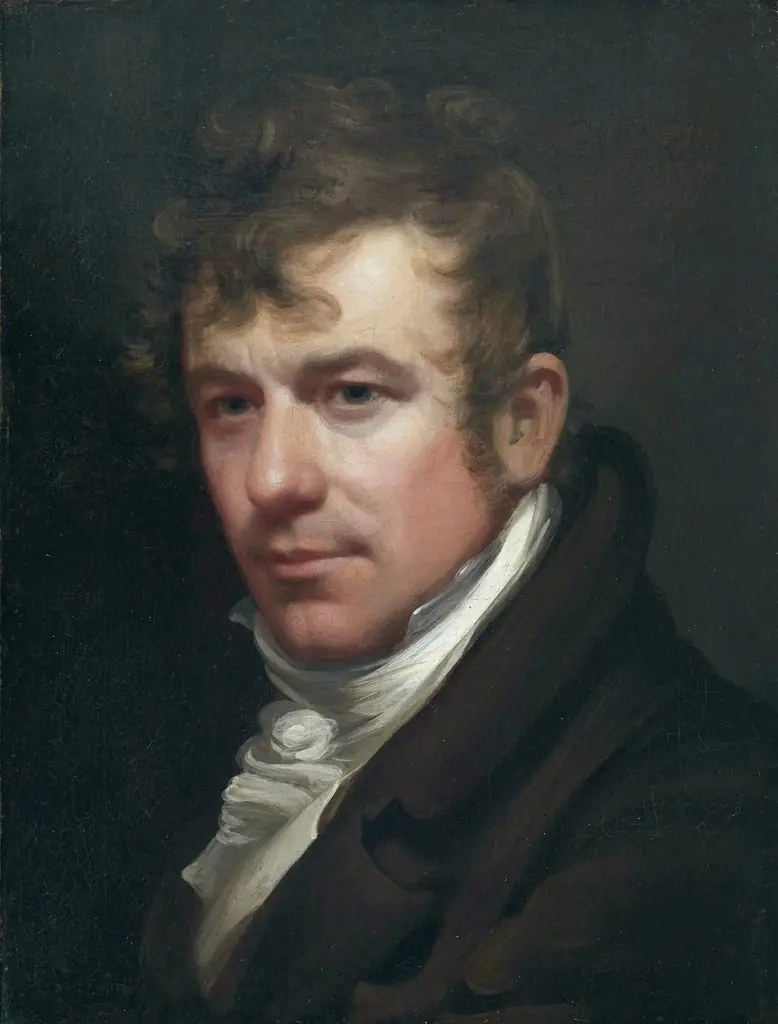
Self-portrait is an oil painting by the American Folk Art artist Samuel Lovett Waldo. It dates from 1815 and is held in the collection of the Metropolitan Museum of Art.
About this work
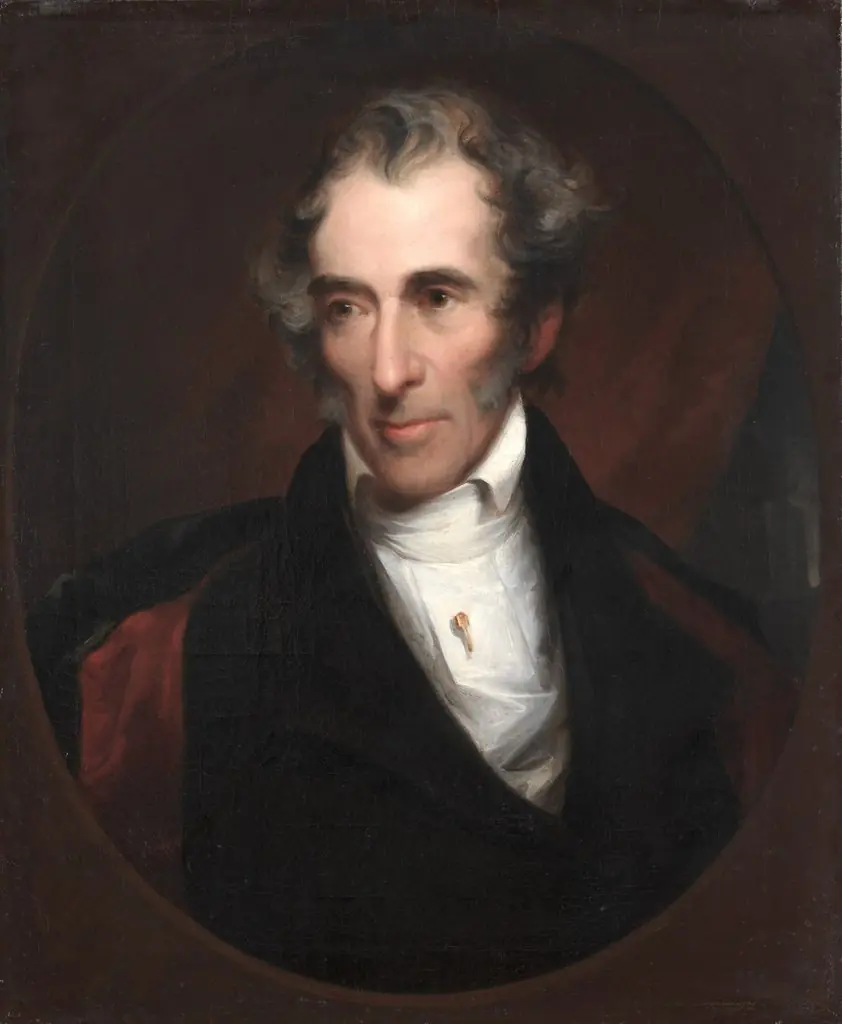
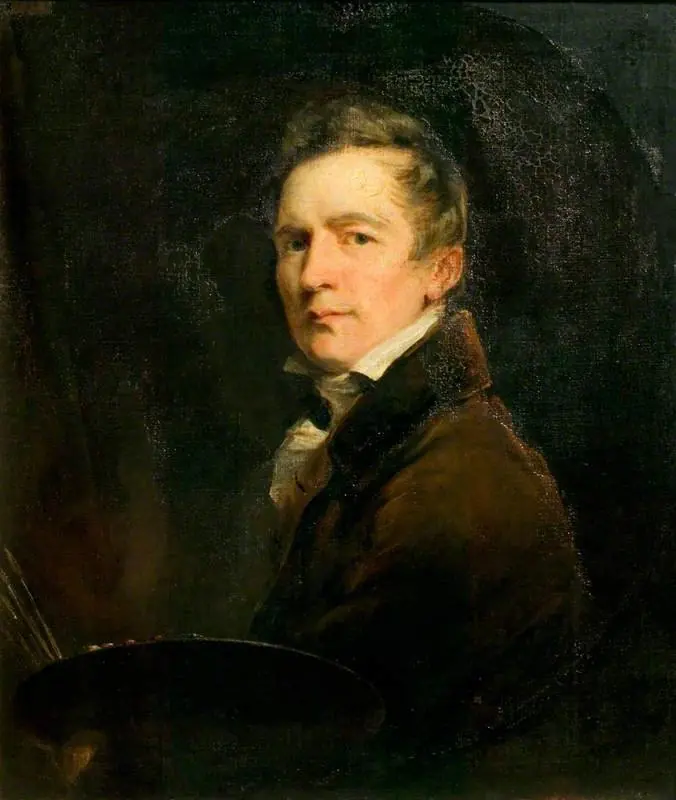
A man in old-fashioned clothes looks directly out, his face serious. Samuel Lovett Waldo painted himself in oil on wood in 1815, paying close attention to the hair and eyes and to the way light falls across the face.
Subject & Meaning
Created in 1815, this oil painting on wood panel functions as a self-portrait, with the artist Samuel Lovett Waldo serving as the sole subject.
Created in 1815, this oil painting on wood panel functions as a self-portrait, with the artist Samuel Lovett Waldo serving as the sole subject. The work depicts Waldo as a man, presenting a direct visual record of his own likeness during the early nineteenth century. As the main subject, the artist utilizes the genre of portraiture to document his physical appearance, adhering to the traditional convention of self-representation where the creator and the sitter are identical.
The iconography is straightforward, focusing entirely on the individual identity of Waldo without additional allegorical elements noted in the available records. Consequently, the piece represents a factual assertion of the artist's presence and identity within the context of American art history.
Technique & Style
Samuel Lovett Waldo executed his 1815 Self-portrait using oil paint on a wooden panel support. The artwork measures 83.8 centimeters in height and 57.2 centimeters in width. As a self-portrait, the composition focuses on the male artist as its main subject, aligning with the portrait genre.
The painting is part of the Metropolitan Museum of Art's collection, specifically within The American Wing. While the specific handling and condition details are not documented in the provided sources, the work's material composition of oil on panel is well established.
History & Provenance
Samuel Lovett Waldo created this self-portrait in 1815. The artwork is an oil painting executed on a wood panel, measuring 83.8 cm in height and 57.2 cm in width. Depicting the artist himself, the piece was not a commissioned work but rather a personal exploration of the self-portrait genre.
Currently, the painting is held in the collection of the Metropolitan Museum of Art, where it is classified under The American Wing.
Samuel Lovett Waldo's 1815 Self-portrait is held in the collection of the Metropolitan Museum of Art, where it is classified under The American Wing. The work is executed in oil paint on a wood panel, measuring 83.8 cm in height and 57.2 cm in width. The provided sources do not document a specific inventory or accession number for the painting, nor do they record its exhibition history.
Overview
This "Self-portrait," rendered in oil on a wood panel, presents the artist directly facing the viewer. The subject's serious expression and traditional clothing define the composition, which is part of The American Wing's collection. The painting highlights the artist's technical ability in capturing human likeness and demonstrates a careful attention to detail in the portrayal of facial features, contributing to its overall visual impact.
Artist & collection