Artwork
Portrait of a Lady (Possibly of the Buloid Family)
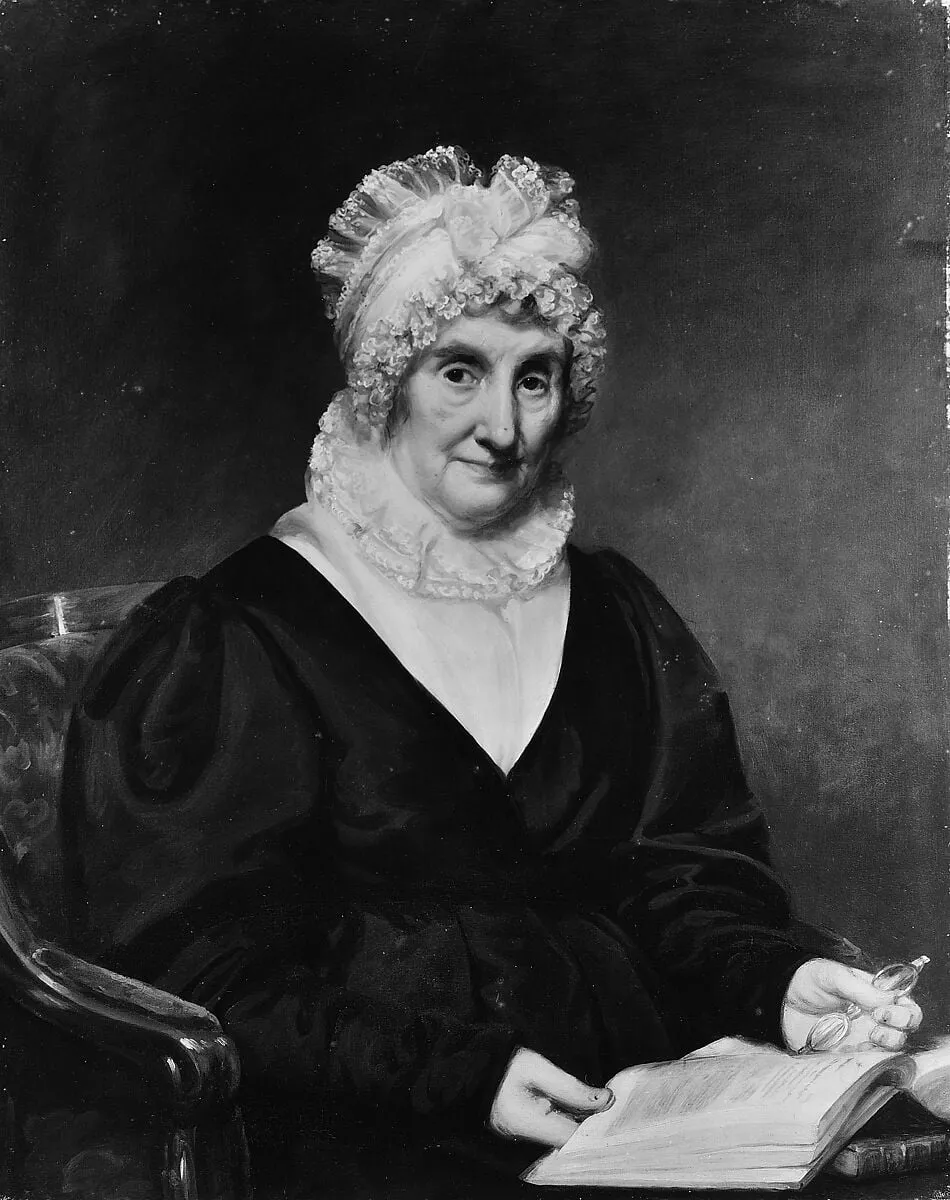
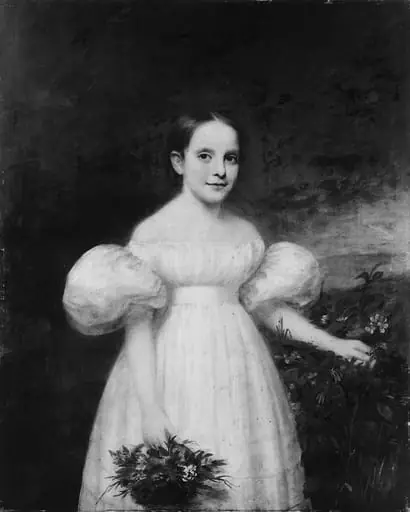
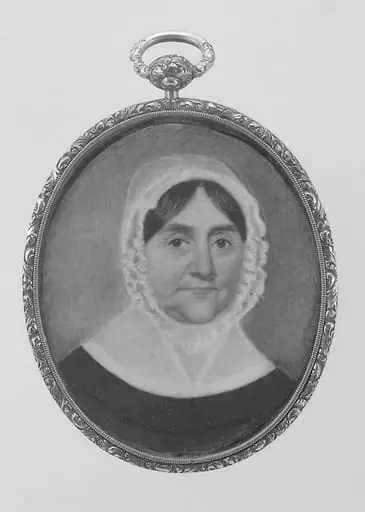
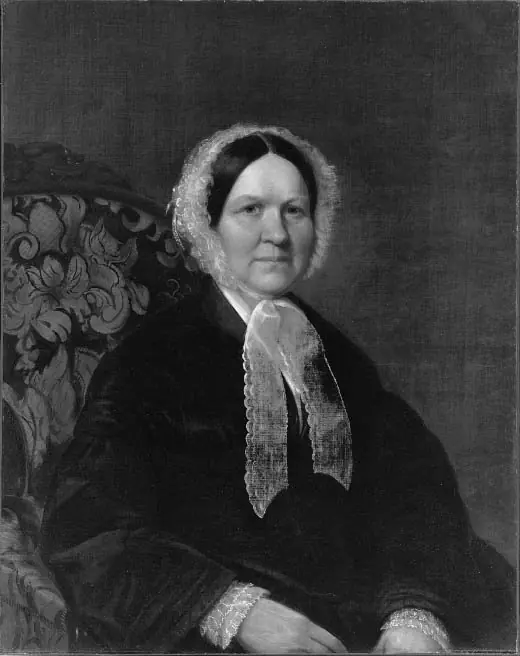
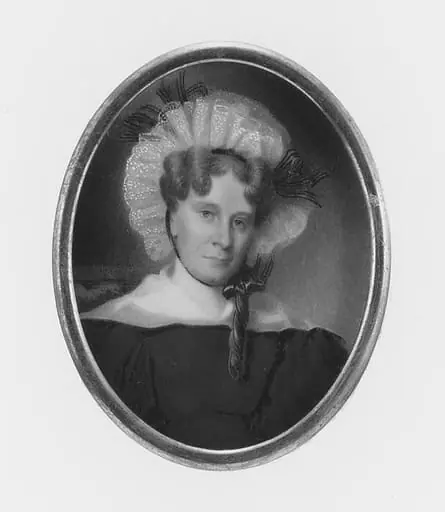
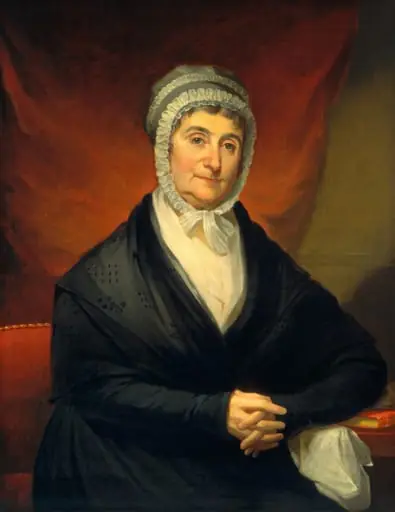
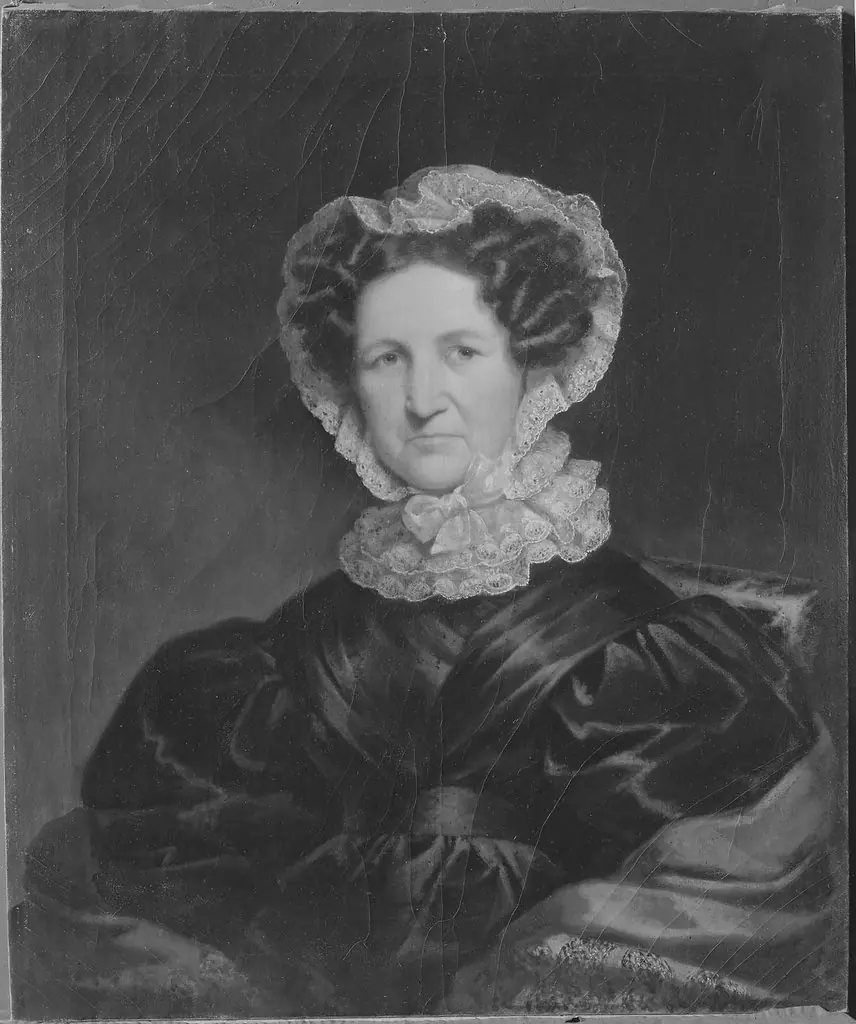
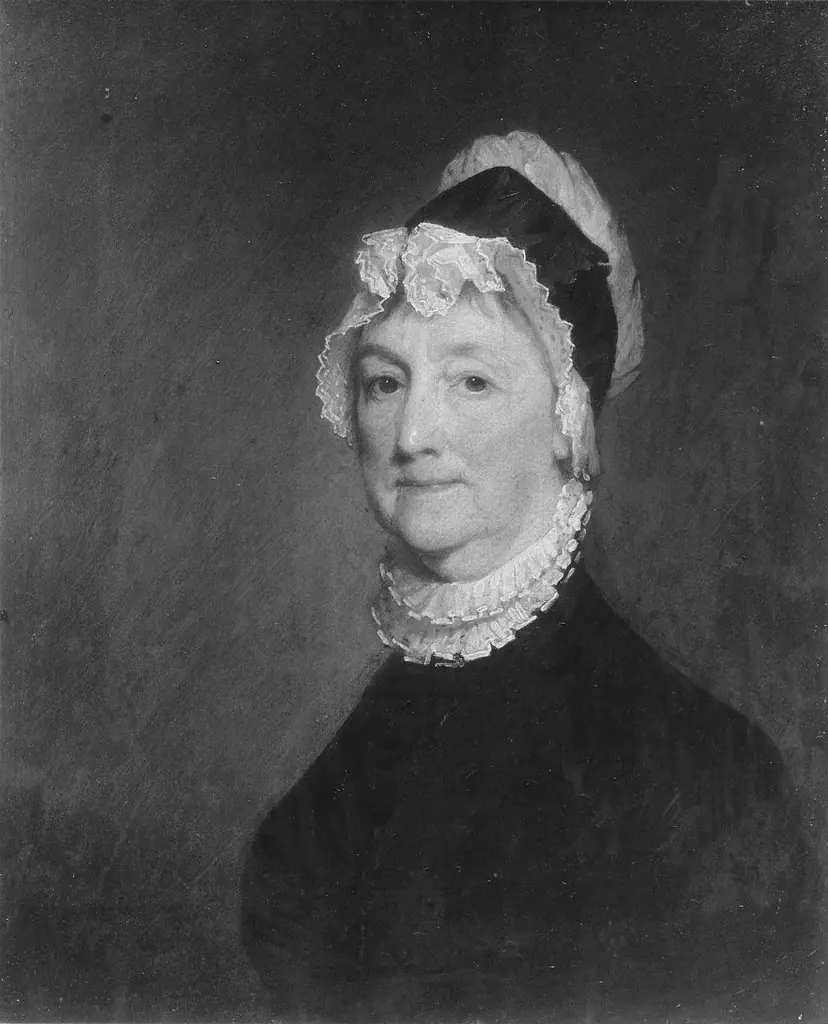
Portrait of a Lady (Possibly of the Buloid Family) is an oil painting by the American Folk Art artist Samuel Lovett Waldo. It dates from 1832 and is held in the collection of the Metropolitan Museum of Art.
About this work
Technique & Style
Created in 1832, this portrait is executed in oil paint on a wooden panel support.
Created in 1832, this portrait is executed in oil paint on a wooden panel support. The work measures 83.8 centimeters in height and 64.5 centimeters in width. Classified within the American Wing, the piece exemplifies the artist Samuel Lovett Waldo's handling of the oil-on-panel medium during the early nineteenth century.
The formal presentation focuses on a single female subject. As a panel painting, the support differs from the canvas common in later portraiture, requiring the specific handling and conservation considerations associated with wood substrates.
History & Provenance
Samuel Lovett Waldo executed this oil-on-panel portrait in 1832. The work, which depicts an unidentified woman potentially linked to the Buloid family, is held by the Metropolitan Museum of Art, where it forms part of The American Wing collection and is catalogued among the museum's nineteenth-century American portraits. The specific circumstances of its commission and the full chain of ownership prior to the museum's acquisition are not detailed in the available records, and no specific accession number or exhibition history is documented in the provided sources.
Overview
Samuel Lovett Waldo painted this oil on wood portrait in 1832, depicting an unidentified woman. Titled Portrait of a Lady (Possibly of the Buloid Family), the work exemplifies early American portraiture. The subject is presented in a formal, seated pose, her dark attire contrasting with a luminous lace collar and a subtle gold brooch. This piece is housed within The American Wing, reflecting its historical and artistic significance.
Subject & Meaning
The painting features a woman seated with a formal posture, her hands gently folded. Although her specific identity remains unknown, the careful execution and dignified presentation suggest the portrait was intended as a cherished family record. Her dark dress is offset by a bright lace collar and a small, reflective gold brooch, elements that add detail to her otherwise reserved appearance against a subdued background.
Context
Early American portraiture often involved a collaborative studio system, a practical approach that allowed for efficiency and specialization. Artists like Samuel Lovett Waldo frequently employed assistants or fellow painters to complete elements such as clothing and backgrounds, while the primary artist concentrated on capturing the sitter's likeness. This method ensured a consistent output of formal portraits, which served as important social and familial documents during the period.
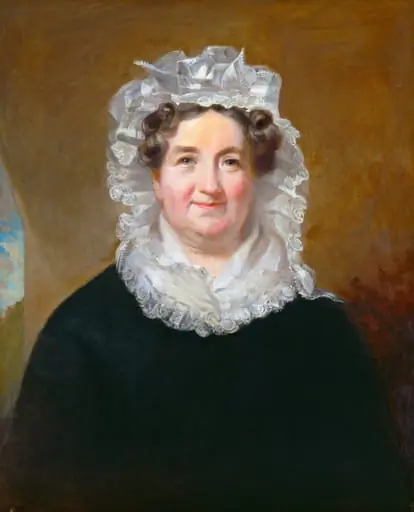
Artist & collection