Artwork
Nonchaloir (Repose)
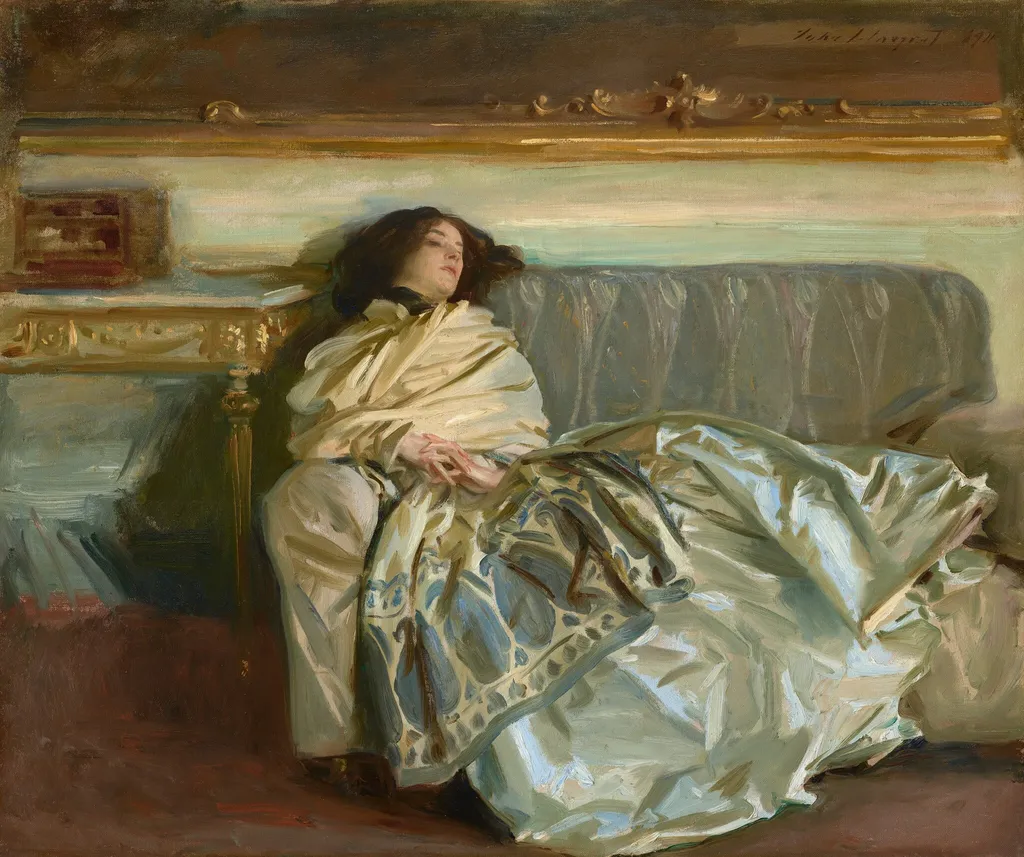
Nonchaloir (Repose) is an oil painting by the Impressionist artist John Singer Sargent. It dates from 1911 and is held in the collection of the National Gallery of Art.
- Inscription
- Inscribed:upper right: John S. Sargent 1911
About this work
Subject & Meaning
The subject is portrayed in a dreamy, almost anonymous silhouette, wrapped in a cream-colored gown and a cashmere wool shawl.
Painted in 1911, Nonchaloir (Repose) depicts the artist's eighteen-year-old niece, Rose-Marie Ormond, reclining languidly on a plush sofa within a luxurious interior, possibly a hotel. The subject is portrayed in a dreamy, almost anonymous silhouette, wrapped in a cream-colored gown and a cashmere wool shawl. Her tangled, relaxed posture earned her the nickname "Intertwingle."
The composition juxtaposes the calm, resting figure against busy drapery that fills much of the canvas, while a gold-inlaid marble table and ornate molding contribute to a decadent atmosphere. Although the work exudes luxury and female self-awareness, it also suggests an underlying unease or melancholy reflective of the era's anxiety regarding rapid change. This sense of foreboding gains poignancy given Ormond's tragic death during World War I. Sargent likely created the piece for personal satisfaction rather than commission, using it to experiment with freer poses and compositional possibilities away from traditional portraiture.
Technique & Style
Executed in 1911, Nonchaloir (Repose) is an oil painting on canvas measuring 63.8 by 76.2 centimeters. The work exemplifies Sargent's departure from strict Victorian portraiture toward more imaginative, experimental compositions featuring free poses. The medium allows for the artist's renowned handling of textures, particularly in the rendering of the subject's cream-colored dress and cashmere wool shawl.
Sargent employs a balanced color scheme and careful surface division, utilizing horizontal lines in the marble table and sofa to contrast with the reclining figure. The lighting is manipulated to create shifting shadows and highlights, enhancing the decadent atmosphere of the luxurious interior. While demonstrating his technical mastery in depicting fabrics and light, the composition reflects a stylistic shift away from traditional commissioned portraiture, focusing instead on the subject's languid, dreamlike state within a sumptuous setting.
History & Provenance
John Singer Sargent painted Nonchaloir (Repose) in 1911, depicting his niece Rose‑Marie Ormond reclining on a sofa; the work was created for personal enjoyment rather than as a commissioned portrait. Hugo Reisinger acquired the painting in London during the summer of 1911, as noted in a letter from Gari Melchers, and later his wife Edmée Busch Reisinger and their son Curt H. Reisinger held ownership before gifting it to the National Gallery of Art in 1948. The provenance chain thus moves from Reisinger’s purchase, through the family, to the museum.
Exhibition records show the piece was displayed at the New English Art Club in London (1911) and at the Corcoran Gallery in Washington, D.C. (1912).
Nonchaloir (Repose) has been in the collection of the National Gallery of Art in Washington, D.C. since 1948, when it was given by Curt H. Reisinger, son of the original owner. The provenance traces from Hugo Reisinger, who purchased the painting in London in 1911 (receiving it in December 1912, with the London dealer Lewis Hinds acting as intermediary), to his wife Edmée Busch Reisinger, and then to their son Curt H. Reisinger, who donated it to the NGA in 1948. The work was exhibited at the New English Art Club in London in 1911 and at the Corcoran Gallery of Art in Washington, D.C. in 1912. Following the London exhibition, Sargent made revisions to the head and hands before final transfer.
Context
Painted in 1911, Nonchaloir (Repose) portrays Sargent’s niece Rose‑Marie Ormond reclining on a sofa, a composition that departs from his earlier formal portraiture and foregrounds texture, light, and intimate atmosphere. The work was first shown at the New English Art Club in London (1911) and later at the Corcoran Gallery in Washington, D.C. (1912), before being purchased by Hugo Reisinger and donated to the National Gallery of Art in 1948. Critics have highlighted its blend of luxury and casualness, interpreting the piece as a personal memorial following Rose‑Marie’s death in World War I and as an example of Sargent’s shift toward more experimental, psychologically nuanced portraiture in the early twentieth century.
Legacy
Nonchaloir (Repose) became a touchstone for John Singer Sargent’s later artistic direction, especially after the 1918 death of his niece Rose‑Marie Ormond, whose tragic fate inspired the creation of his massive war canvas Gassed (1919), now in the Imperial War Museum, London. The painting’s blend of opulent detail and quiet melancholy exemplifies the transitional tone Sargent adopted between traditional portraiture and early‑20th‑century experimentation, a shift noted by scholars as influential on subsequent portraitists. Since its donation in 1948, the work has remained on display at the National Gallery of Art, reinforcing Sargent’s reputation as a master who could fuse luxury with psychological depth.
Overview
John Singer Sargent, an American artist living abroad, completed Nonchaloir (Repose) in 1911. This oil on canvas painting portrays a woman in a state of quiet relaxation, her eyes closed as she leans back. The work exemplifies Sargent's interest in capturing informal moments and reflects his characteristic skill in rendering figures with a sense of immediacy and naturalness, a common thread throughout his extensive body of work.
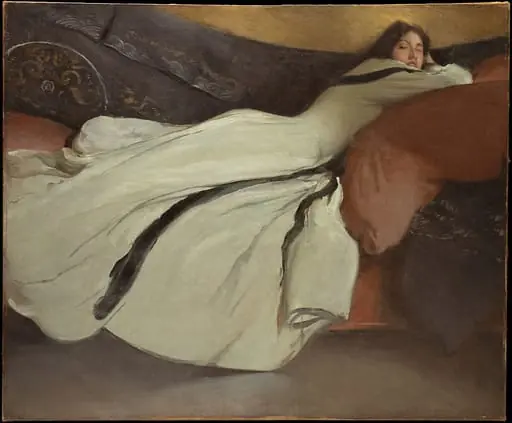
Own this work as a print
Artist & collection
Artist
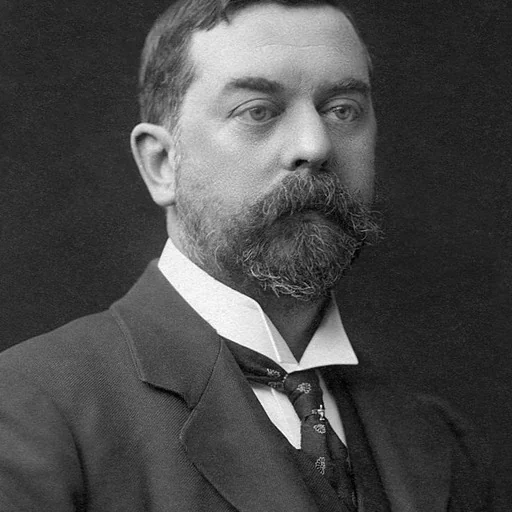
John Singer Sargent (; January 12, 1856 – April 15, 1925) was an American expatriate artist, considered the "leading portrait painter of his generation" for his evocations of Belle Époque and Edwardian-era luxury.

 Le Domino Rose
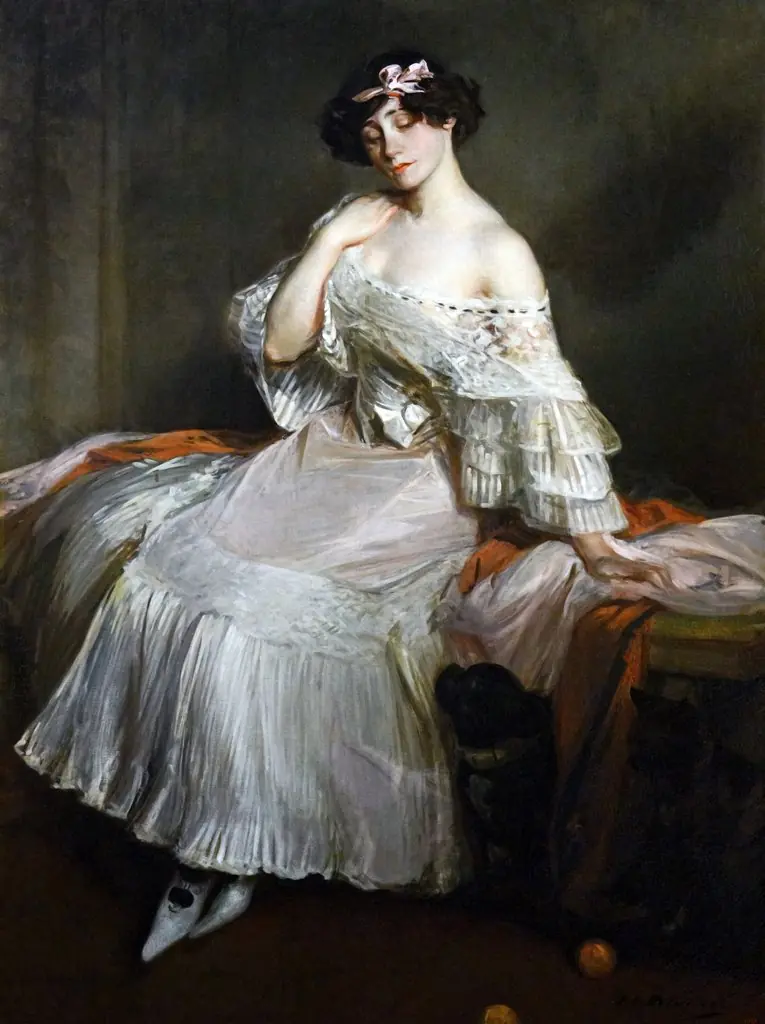 Portrait of the Novelist Colette
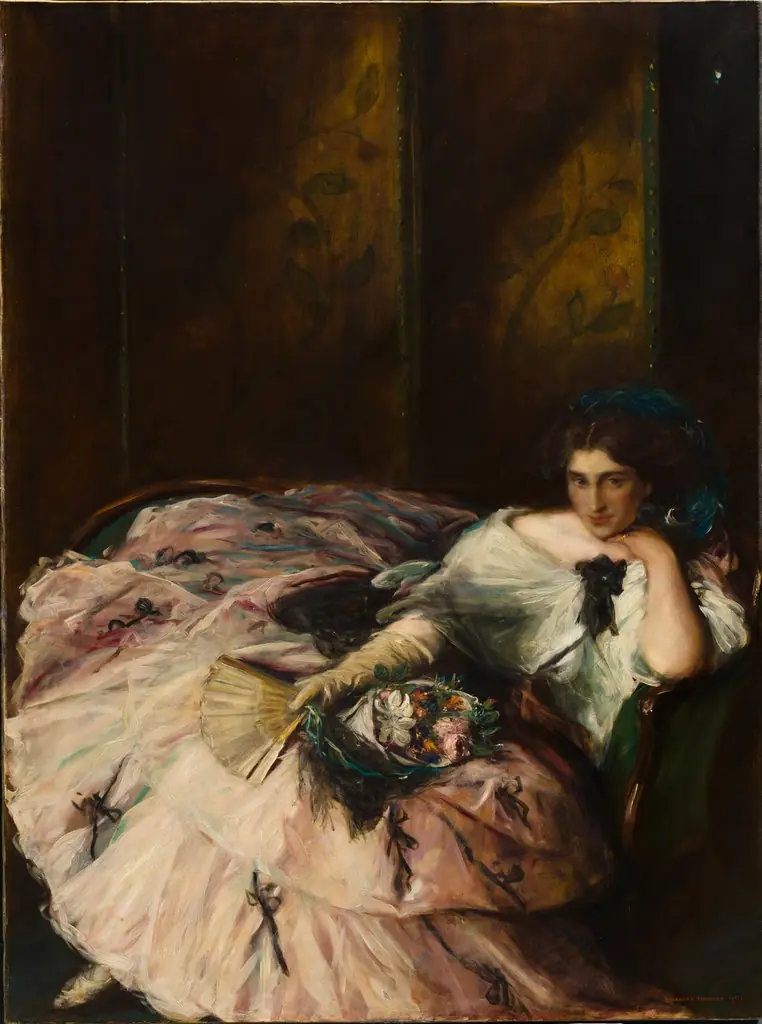 Souvenir of an "International Ball" (Portrait of Miss Kathleen Bruce)
 Souvenir of an "International Ball" (Portrait of Miss Kathleen Bruce)
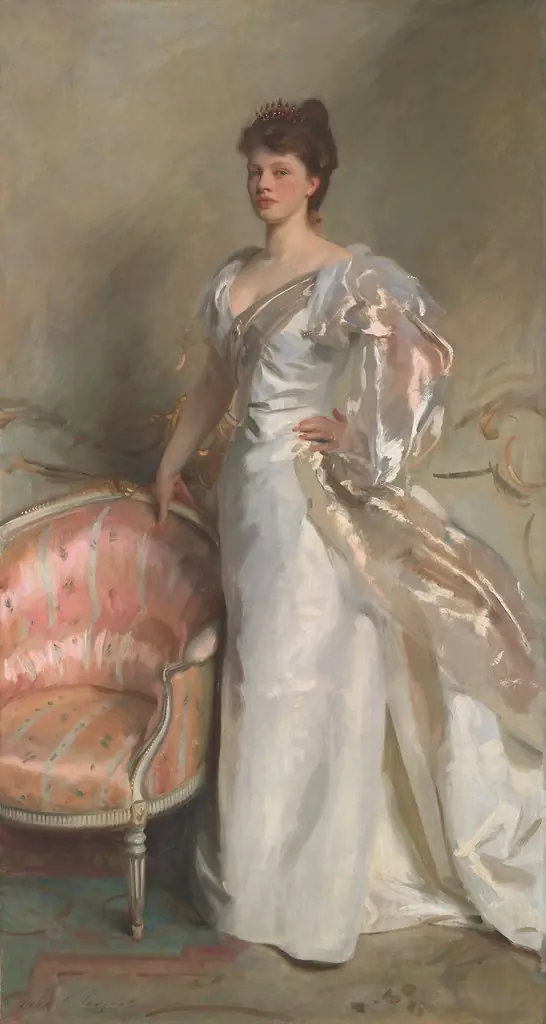 Mrs. George Swinton (Elizabeth Ebsworth)
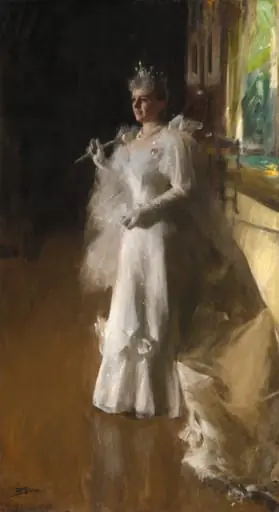 Mrs. Potter Palmer
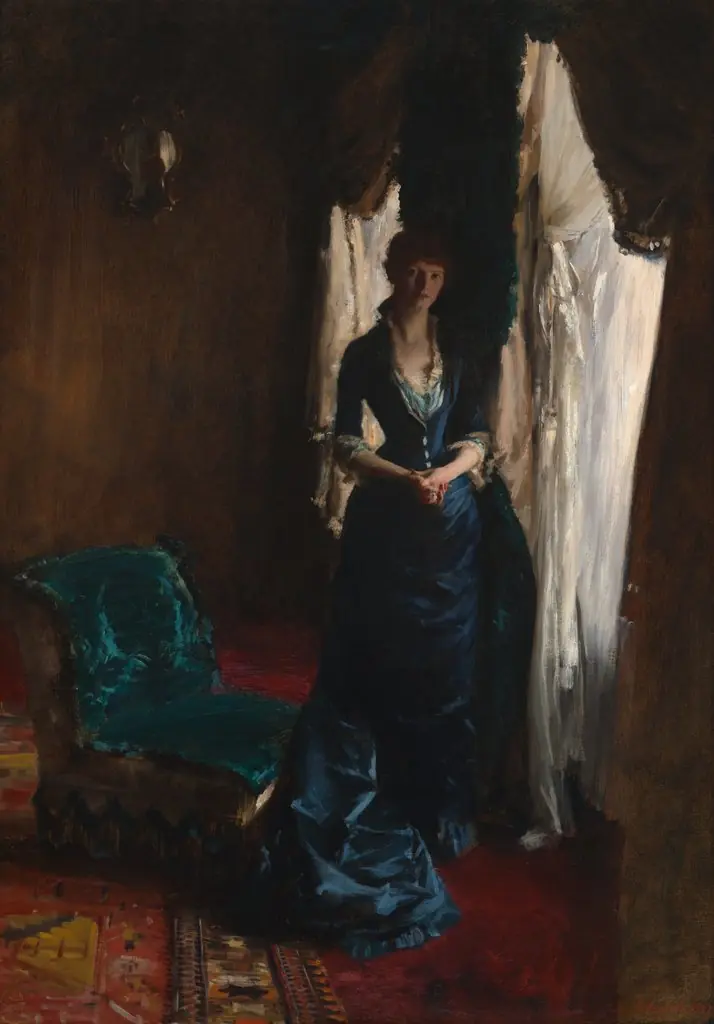 Madame Paul Escudier (Louise Lefevre)
 Madame Paul Escudier (Louise Lefevre)
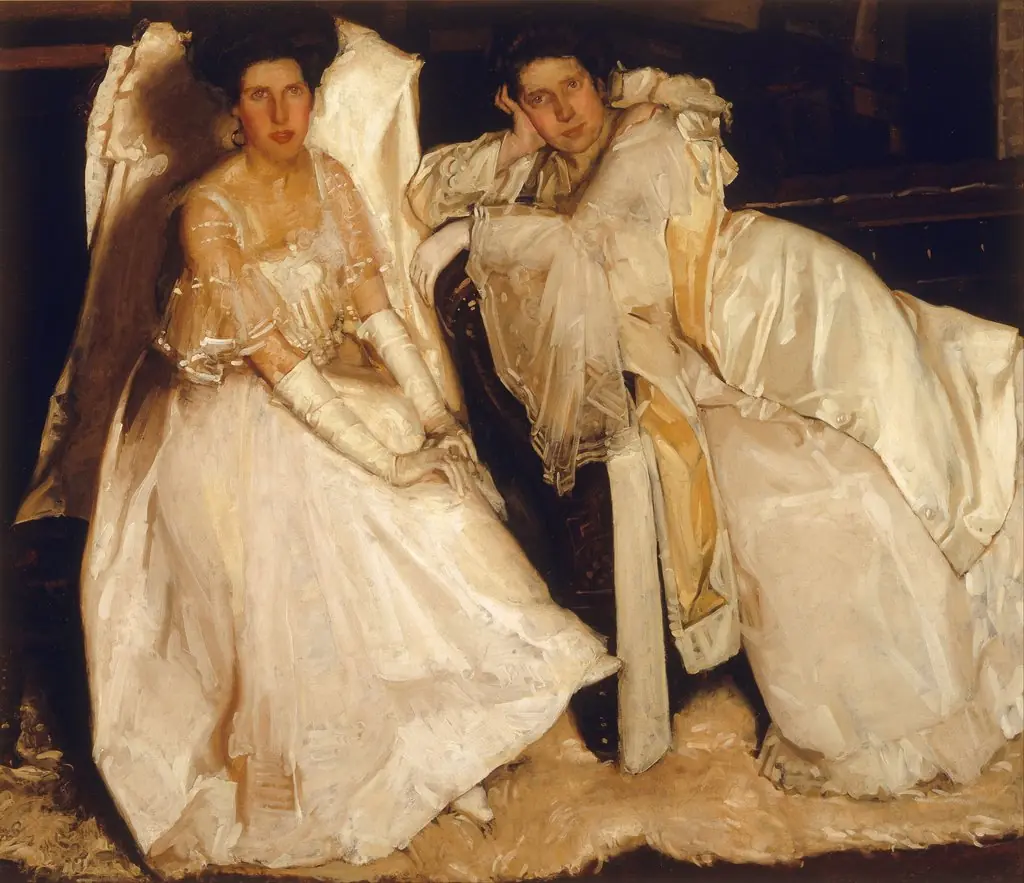 The sisters
 Mrs. Potter Palmer
- Repose
 Study in Black and Green