Artwork
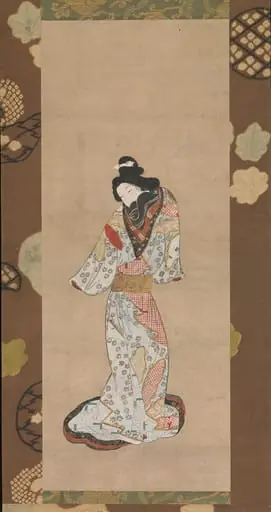
地獄太夫図|The Hell Courtesan
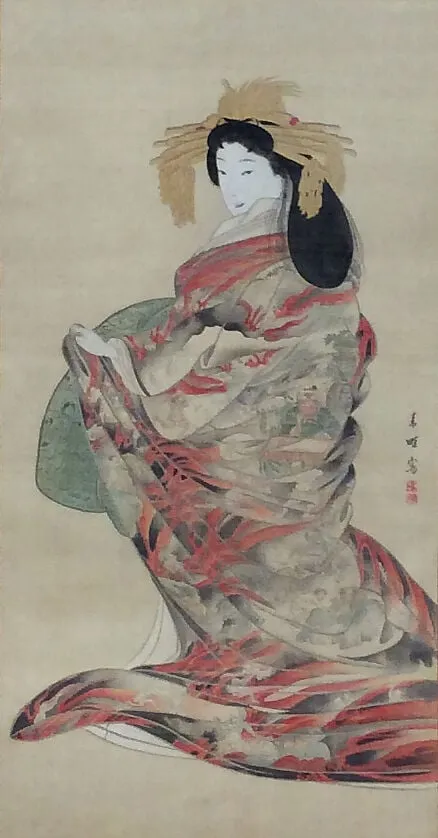
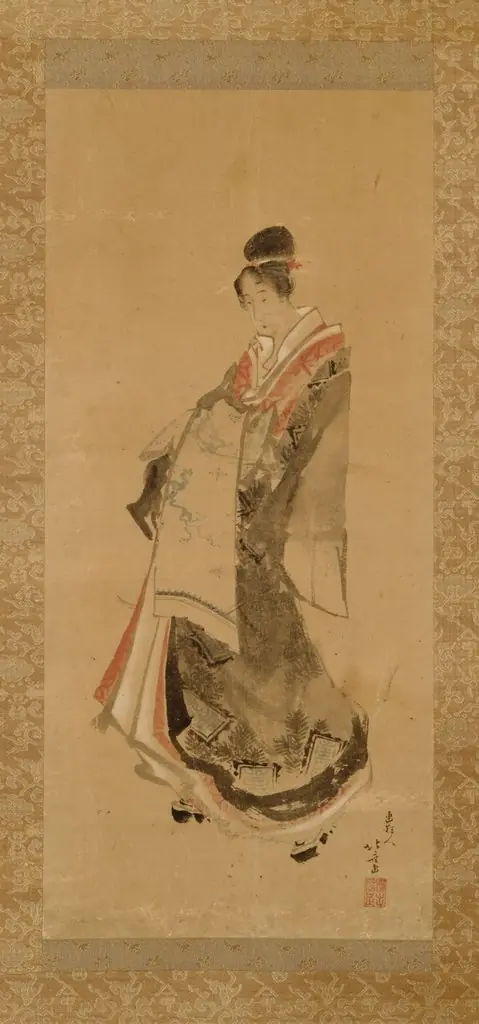
地獄太夫図|The Hell Courtesan is an ink painting by the Impressionist artist Seikei. It dates from 1883 and is held in the collection of the Metropolitan Museum of Art.
About this work
Technique & Style
The sources do not provide further detail on specific pigments, brush techniques, silk preparation, mounting, current condition, or stylistic analysis.
The Hell Courtesan is executed as a hanging scroll using ink and color on silk, a traditional East Asian support that allows for fluid brushwork and layered washes. The work is classified as a painting with religious subject matter, depicting a woman. Produced in 1883 by Seikei, it is held in the collection of the Metropolitan Museum of Art.
The sources do not provide further detail on specific pigments, brush techniques, silk preparation, mounting, current condition, or stylistic analysis.
History & Provenance
The Hell Courtesan (Japanese: 地獄太夫図) is a hanging scroll painted in ink and color on silk by the Japanese artist Seikei in 1883. The work belongs to the religious genre and portrays a woman. Following its creation in Japan, the scroll entered the collection of the Metropolitan Museum of Art in New York, where it remains.
Its dating is fixed to 1883 in the museum's records. The available sources do not provide a specific accession number, nor do they document any exhibition history.
Legacy
The painting 地獄太夫図 (The Hell Courtesan) by Seikei, completed in 1883, is held in the Metropolitan Museum of Art. Executed as a hanging scroll in ink and color on silk, the work exemplifies the religious painting conventions of the Meiji period and remains a reference point for the depiction of spiritual subjects in Japanese art.
Overview
The hanging scroll titled The Hell Courtesan, executed in ink and color on silk in 1883, is attributed to the Japanese painter Seikei. Measuring in the traditional format, the work presents a solitary female figure rendered against a luminous gold ground, her presence both striking and enigmatic.
Subject & Meaning
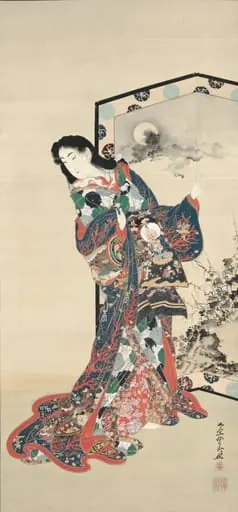
The central figure is a woman dressed in a flowing black robe adorned with numerous tiny white skulls, holding a fan and displaying a pallid complexion with hair styled high on her head. She represents the Hell Courtesan, a folkloric character associated with the liminal space between life and death, the skull motif underscoring the interplay of beauty and mortality.
Context
The Hell Courtesan motif draws from popular narratives that blend Buddhist concepts of the afterlife with theatrical performance traditions. Seikei’s rendering aligns with a broader 19th‑century interest in supernatural subjects, situating the work within a cultural moment that merged traditional ghost stories with contemporary artistic expression.
Artist & collection