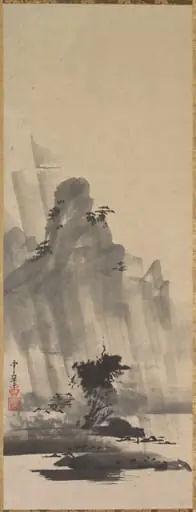
Artwork
Haboku (Flung-ink) Landscape
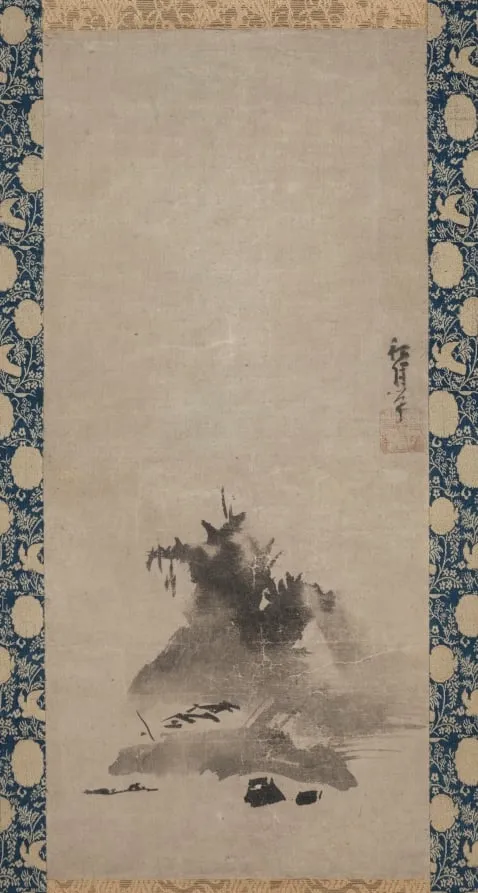
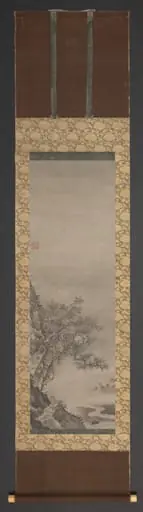
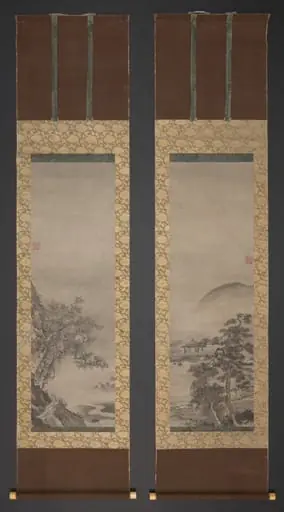
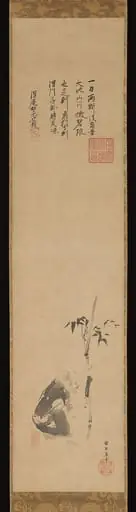
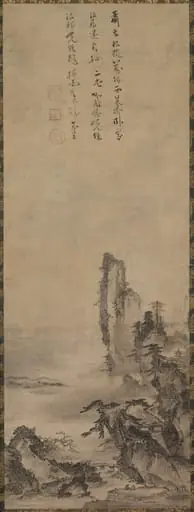
Haboku (Flung-ink) Landscape is an unspecified painting by the Renaissance artist Shūgetsu Tōkan. It dates from 1510 and is held in the collection of the Cleveland Museum of Art. The work is a monochrome ink painting that evokes a mountainous scene through spontaneous, splashed strokes.
- Accession no.
- 1976.59
- Credit line
- Purchase from the J. H. Wade Fund
About this work
Overview
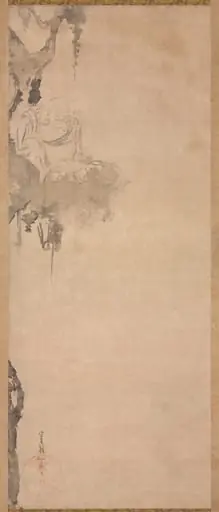
The work is a monochrome ink painting that evokes a mountainous scene through spontaneous, splashed strokes. Rather than delineating forms with clear outlines, the artist suggests peaks, cliffs and mist by allowing ink to flow and drip across absorbent paper, creating a composition that feels both immediate and contemplative.
Subject & Meaning
The landscape conveys a fleeting emotional or spiritual impression, using the brush as a conduit for the painter’s inner state. The ambiguous forms invite viewers to discern natural elements gradually, reflecting a Zen approach where meaning emerges from what initially appears chaotic.
Technique & Style
Executed in the haboku, or "flung ink," method, the piece combines heavy, wet washes with crisp, rapid brush charges. The artist deliberately varied ink density, allowing it to soak into the paper and then dry with sharp edges, producing a layered tonal field that balances spontaneity with controlled composition.
Context
The painting draws on artistic practices imported from late‑15th to early‑16th‑century Ming‑dynasty China, a period when Japanese painters such as the creator of this work studied Chinese masters. The haboku style was especially favored by Zen monk‑artists, who used it as a meditative exercise in perceiving form within apparent disorder.
Legacy
By integrating Chinese techniques with Japanese Zen aesthetics, the work exemplifies an early form of what later critics would describe as “impressionistic.” Its emphasis on the energetic gesture of ink continues to influence ink‑based landscape traditions and informs contemporary discussions of abstraction in East Asian art.
Artist & collection