Artwork
Haboku (Flung-ink) Landscape
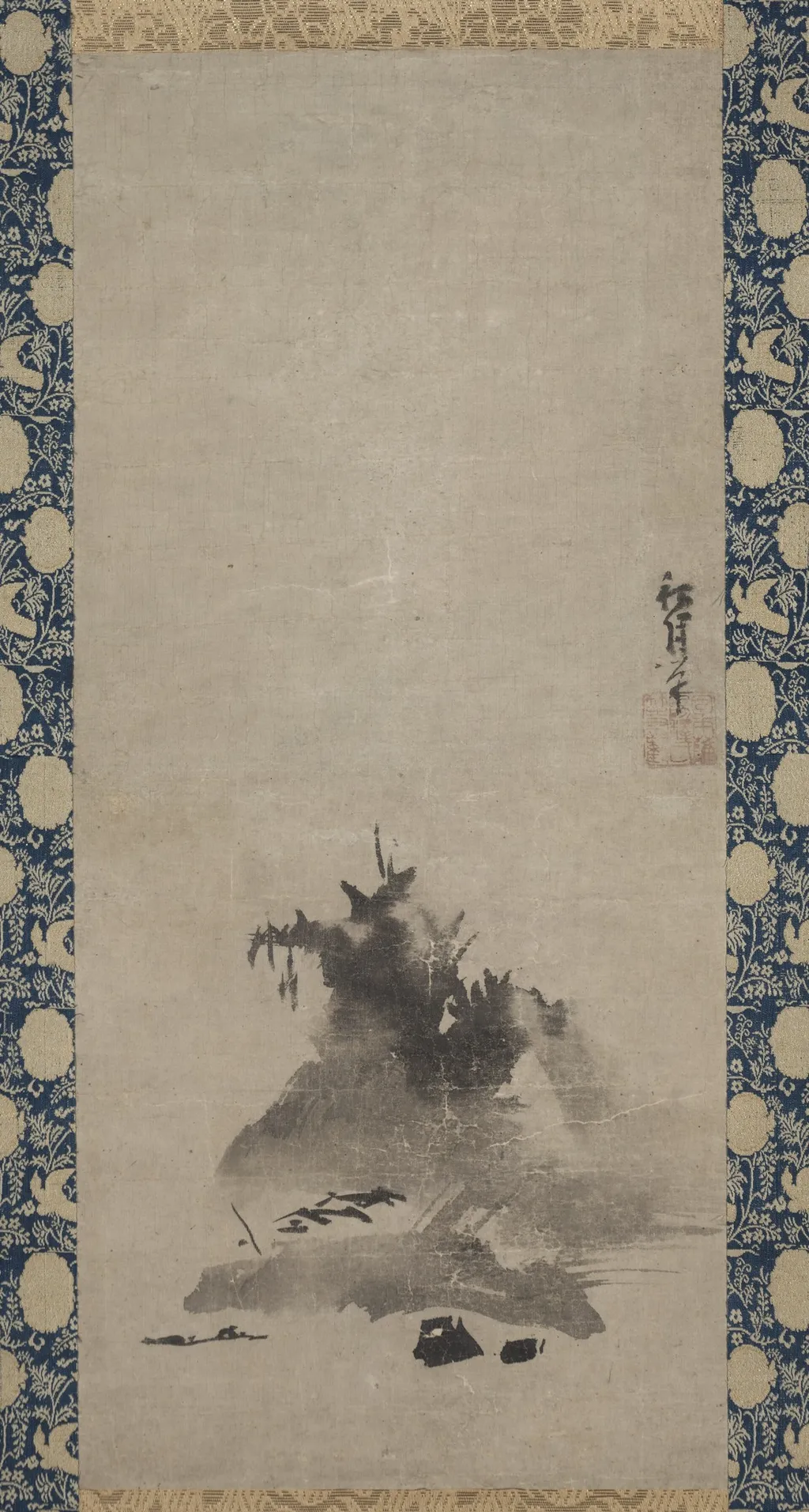
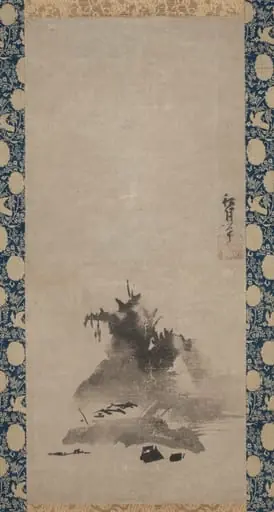
Haboku (Flung-ink) Landscape is an unspecified painting by Shūgetsu Tōkan. It dates from 1510 and is held in the collection of the Cleveland Museum of Art.
About this work
Technique & Style
The scroll remains in good condition, with only minor paper discoloration noted in recent conservation reports.
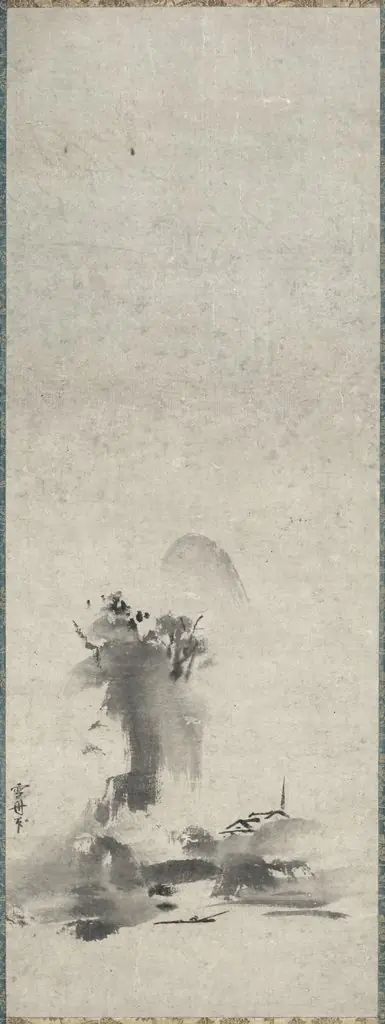
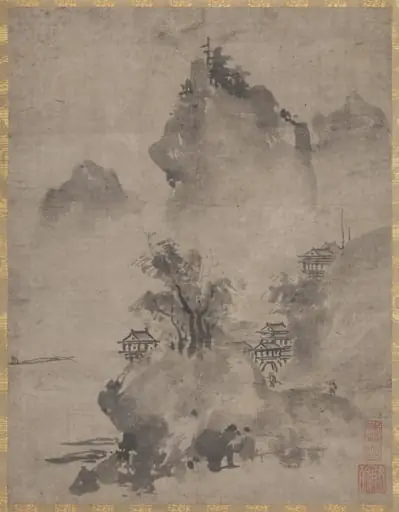
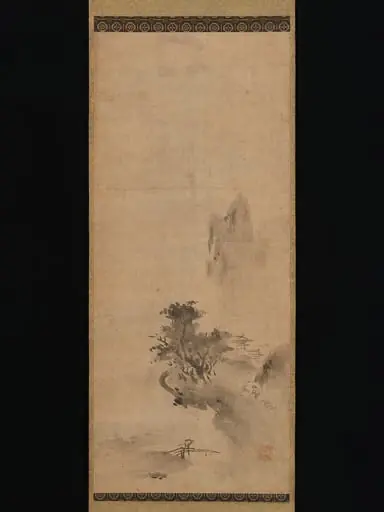
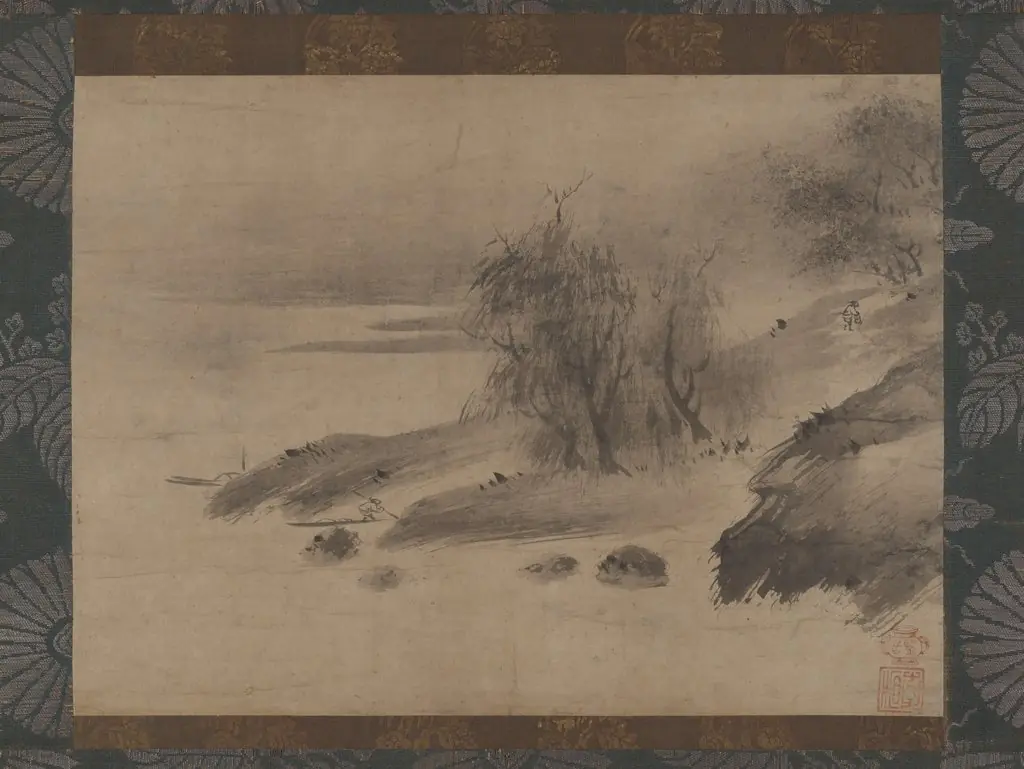
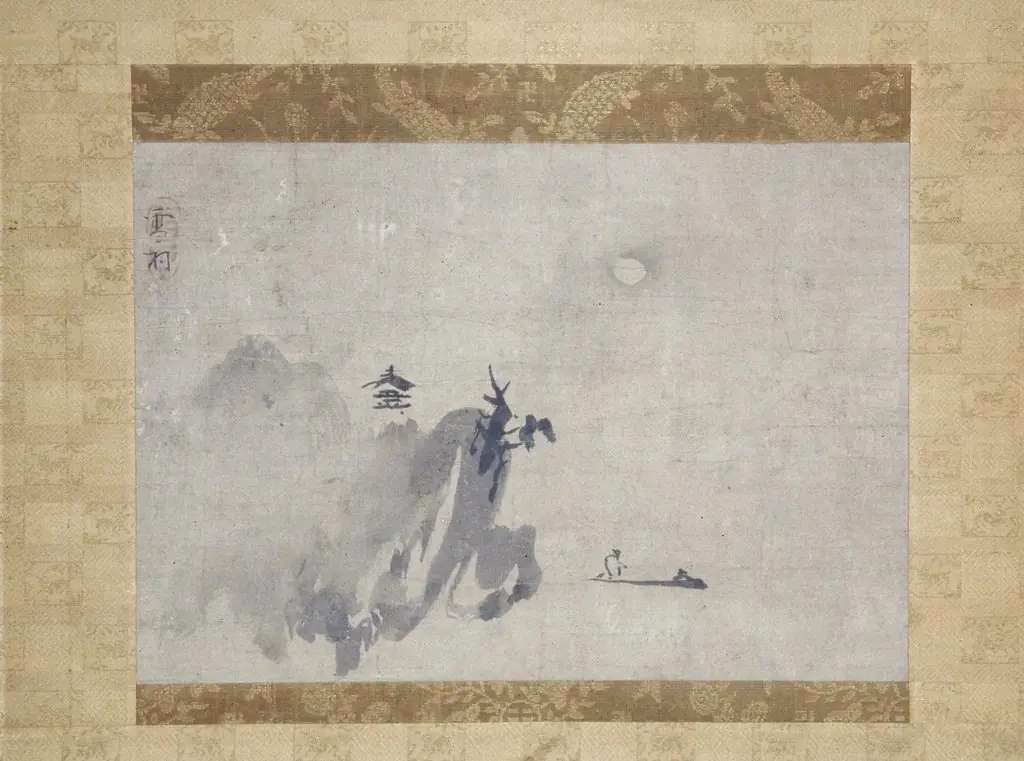
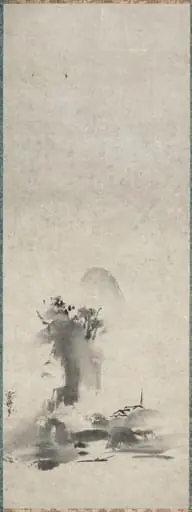
The work is a hanging scroll painted in ink on paper, exemplifying the flung-ink (haboku) technique characteristic of early sixteenth-century Japanese landscape painting. Shūgetsu Tōkan employed rapid, splashed brushstrokes to suggest mist and bamboo, creating an abstracted, atmospheric composition that foregrounds spontaneous gesture over representational detail. The scroll remains in good condition, with only minor paper discoloration noted in recent conservation reports.
Its formal qualities include asymmetrical balance, a high horizon line, and a restrained palette of grayscale washes that emphasize negative space and dynamic emptiness.
The piece is housed in the Cleveland Museum of Art, where it has been part of the collection since 1976 and is frequently displayed in thematic exhibitions on Zen aesthetics.
History & Provenance
Haboku (Flung-ink) Landscape was created by Shūgetsu Tōkan in 1510 in Japan, executed as a hanging-ink landscape painting. The work entered the collection of the Cleveland Museum of Art, where it is held under the accession number 1976.59, indicating that it was accessioned by the museum in 1976. No further details about its commission, intermediate ownership, or earlier provenance are documented in the available sources.
The painting's creation date of 1510 is consistent across both the institutional classification record and the Wikidata entry, which specifies an inception of 1510-01-01. The accession number suggests the work was acquired by the Cleveland Museum of Art in 1976, though the sources do not provide information about prior owners, dealers, or the circumstances of its transfer into the museum's collection.
Haboku (Flung-ink) Landscape is part of the Cleveland Museum of Art's collection, listed under inventory number 1976.59. The work was created in Japan in 1510 by Shūgetsu Tōkan and has been exhibited within the museum's galleries as part of its Japanese painting holdings.
Context
The work is recognized as a representative example of the flung-ink (haboku) technique within Japanese painting. Scholarship situates it within the broader Muromachi period tradition of ink landscape abstraction, linking it to Shūgetsu Tōkan’s role in the Tōka school of monochrome painting. Its presence in the Cleveland Museum of Art collection underscores its significance in the study of early Japanese ink aesthetics.
Overview
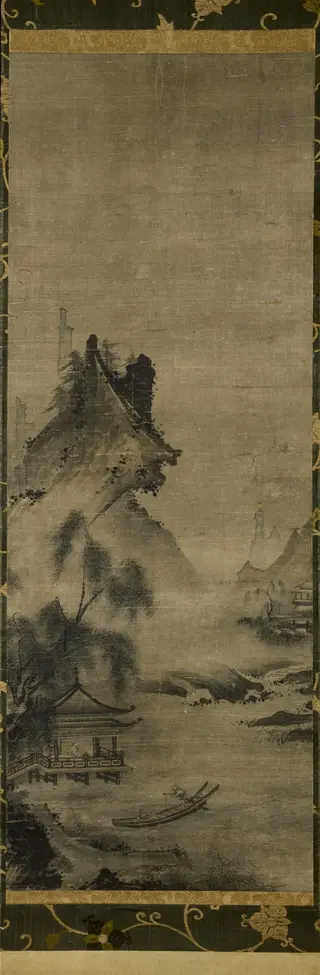
Haboku (Flung‑ink) Landscape, executed by the Japanese painter Shūgetsu Tōkan in 1510, is a monochrome ink work now in the collection of the Cleveland Museum of Art. The composition is dominated by a sweeping, irregular dark form that suggests a mountain or a tree, set against a largely empty, light‑colored paper background. A subtle decorative band of blue and gold runs along the margins, framing the central gesture.
Subject & Meaning
The central, undulating silhouette functions as an abstracted representation of a natural element, most commonly interpreted as a mountain peak or a solitary tree, evoking the ruggedness of the Japanese terrain. By reducing the scene to a few gestural marks, Tōkan invites contemplation of the landscape’s spirit, emphasizing the fleeting, dynamic qualities of nature over literal depiction.
Artist & collection