Artwork
Untitled
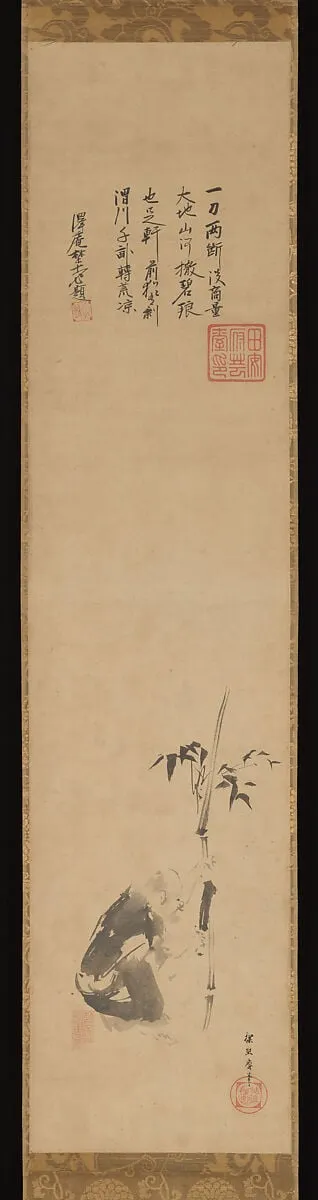
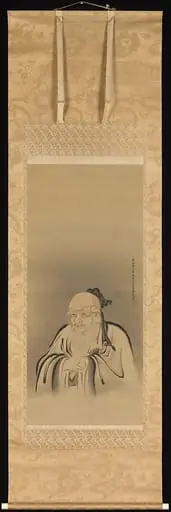
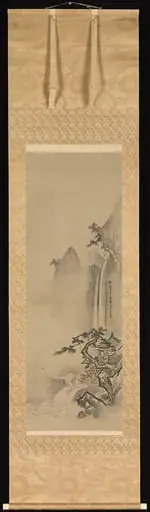
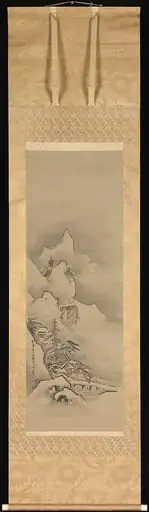
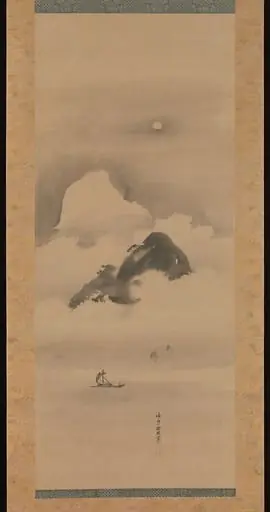
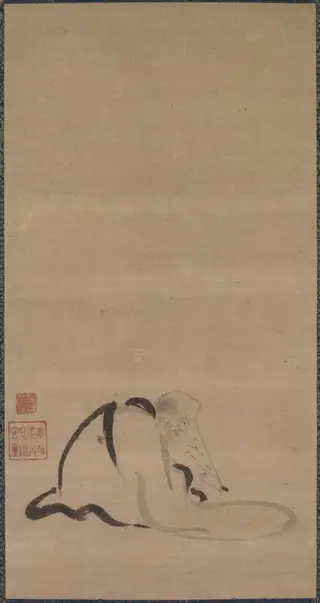
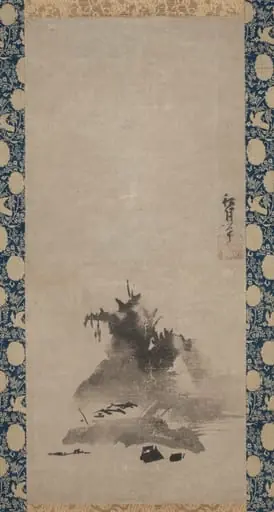
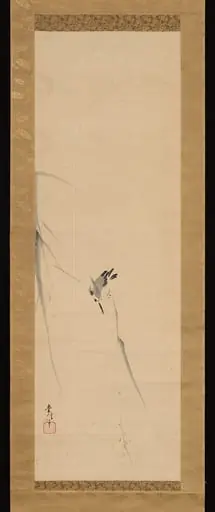
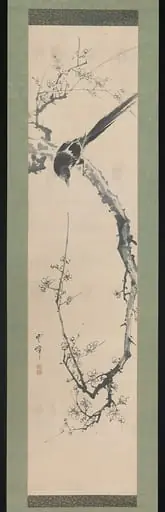
Untitled is an ink painting by the Baroque artist Kano Tan'yū. It dates from 1640 and is held in the collection of the Metropolitan Museum of Art.
About this work
History & Provenance
The hanging scroll is held in the collection of the Metropolitan Museum of Art, as recorded by Wikidata and confirmed in the museum's records.
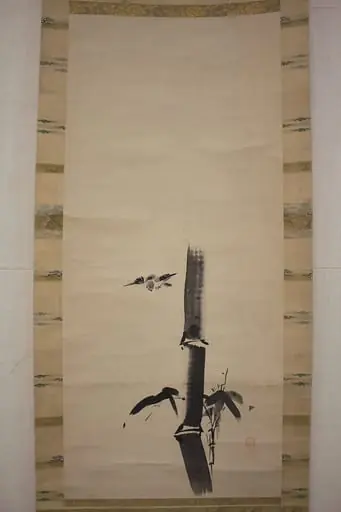
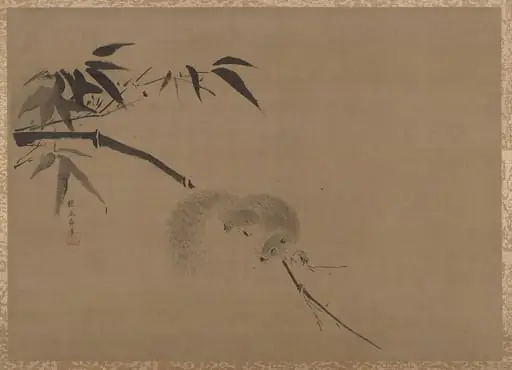
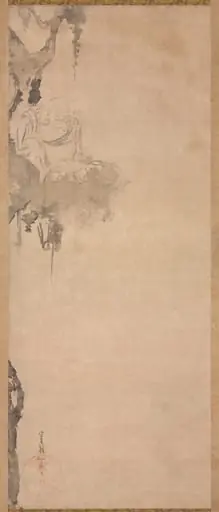
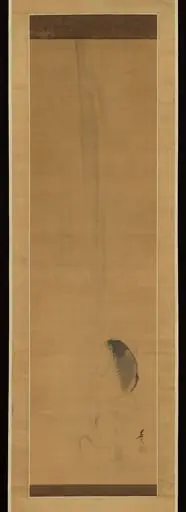
The hanging scroll painting titled Untitled was created by the Japanese artist Kanō Tan'yū in 1640. Executed in ink on paper, the work depicts bamboo and a man within a religious genre context. While the specific commission details and the initial ownership chain are not documented in the available records, the piece is currently held in the collection of the Metropolitan Museum of Art. The work originated in Japan and represents a mid-seventeenth-century example of the artist's output during that period.
The hanging scroll is held in the collection of the Metropolitan Museum of Art, as recorded by Wikidata and confirmed in the museum's records. It is catalogued as a painting within the institution's holdings. No accession number is specified in the available sources.
The sources also do not document any exhibition history for the work, leaving its display record unestablished in the present data.
Overview
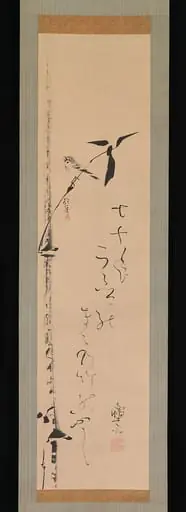
This untitled hanging scroll, created by Kano Tan'yū in 1640, is an ink-on-paper painting that depicts a figure alongside a tall bamboo stalk. It represents a collaborative effort, combining Tan'yū's brushwork with a poem inscribed by a Zen monk. This work exemplifies the interplay between visual art and written word, a common practice in Japanese scroll painting, particularly within a spiritual context.
Subject & Meaning
The painting features a figure in simple robes standing beside a towering bamboo stalk. Beyond its visual representation, the bamboo carries symbolic weight, embodying resilience through its ability to bend without breaking. This enduring quality offers a quiet lesson.
The accompanying poem, penned by a Zen monk, transforms the scroll into a dialogue, enriching the visual narrative with a textual layer that deepens its contemplative meaning.
Technique & Style
Executed in ink on paper, the scroll demonstrates a distinctive calligraphic approach. The artist employed swift, confident brushstrokes to render the forms, particularly evident in the depiction of the bamboo and the figure. These lines convey a sense of immediacy and fluidity, suggesting a spontaneous yet controlled hand.
This technique aligns with the expressive qualities often valued in East Asian ink painting, where the brushwork itself carries significant aesthetic and conceptual weight.
Context
This hanging scroll is notable for its collaborative origin, uniting the visual artistry of Kano Tan'yū with the literary contribution of a Zen monk. The monk's inscribed poem positioned alongside the image transforms the piece into an integrated experience of word and picture. This practice of combining calligraphic text with ink painting was a significant tradition, often seen within the Kano school, where the interplay of these elements was central to conveying complex ideas and spiritual insights.
Artist & collection