Artwork
A Jewish Rabbi
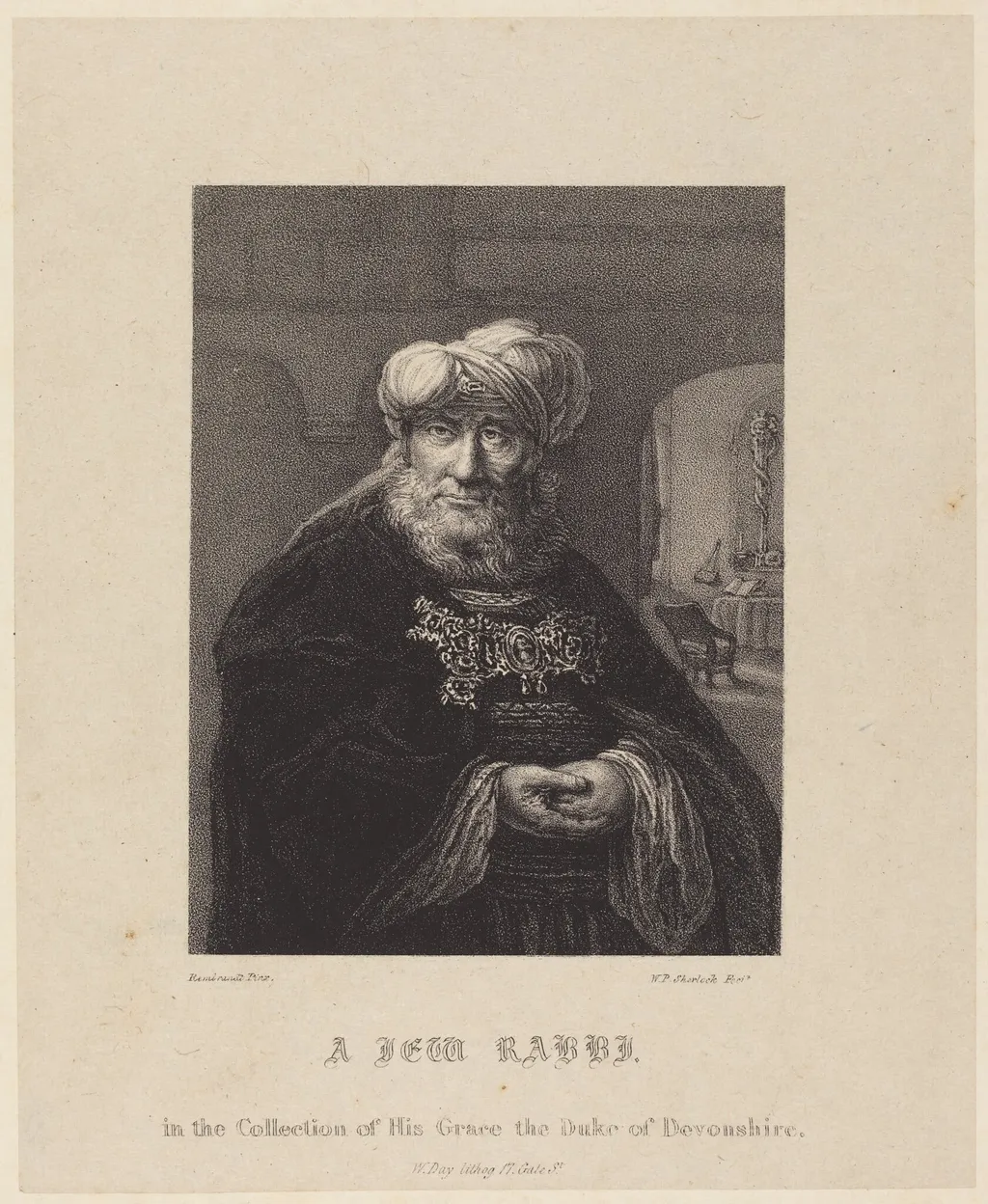
A Jewish Rabbi is an ink print by the Baroque artist William P. Sherlock. It dates from 1800 and is held in the collection of the National Gallery of Art. William P.
About this work
Overview
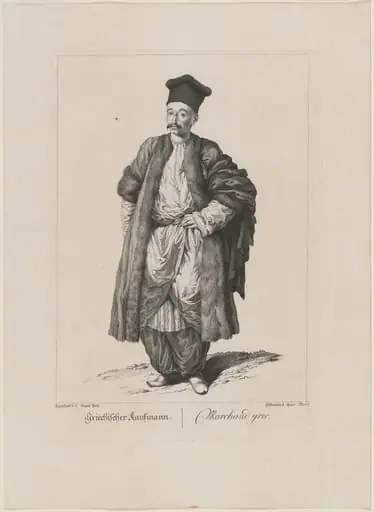
William P. Sherlock’s lithograph titled A Jewish Rabbi was produced in 1800. Executed on papier colle, the print portrays a solitary figure in a composition that echoes Baroque visual conventions, emphasizing dramatic contrast and detailed ornamentation. The work is catalogued as a print rather than a painting, reflecting the artist’s engagement with early 19th‑century printmaking techniques.
Subject & Meaning
The central figure is a Jewish rabbi, identifiable by his long white beard, flowing hair, and traditional dark robe richly embroidered with patterned stitching. He cradles a small object, interpreted as a book or scroll, suggesting scholarly activity or the transmission of sacred texts. The attire and posture convey a sense of reverence for religious tradition and communal authority.
Technique & Style
Sherlock employed lithography on papier colle, a textured paper that absorbs ink unevenly, producing a tactile surface and subtle tonal variations. The artist’s handling of line and shading mirrors Baroque aesthetics, with pronounced chiaroscuro and elaborate decorative details that lend depth and a warm, intimate atmosphere to the figure.
History & Provenance
Created at the turn of the 19th century, the print reflects the period’s growing interest in ethnographic portraiture within European art. While specific ownership records are limited, the work is attributed to Sherlock, an English printmaker active during the early 1800s, and remains part of several public and private collections documenting the era’s print culture.
Own this work as a print
Artist & collection


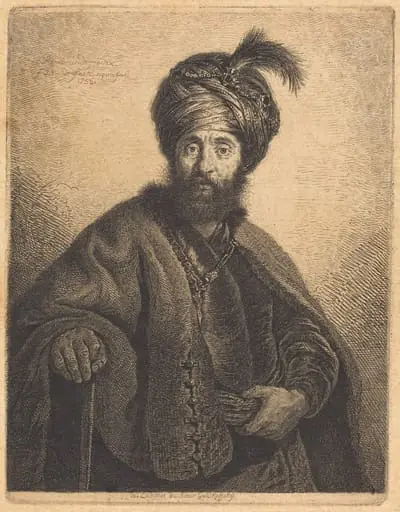
- The Persian
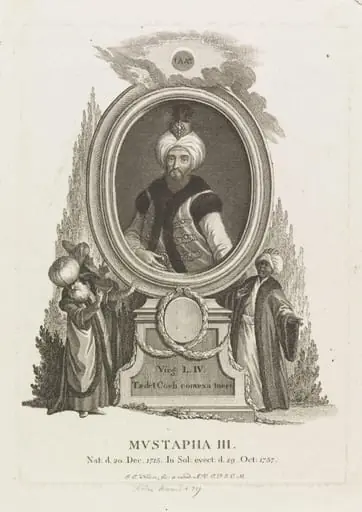 Turkish sultans, sultanas and other historical figures
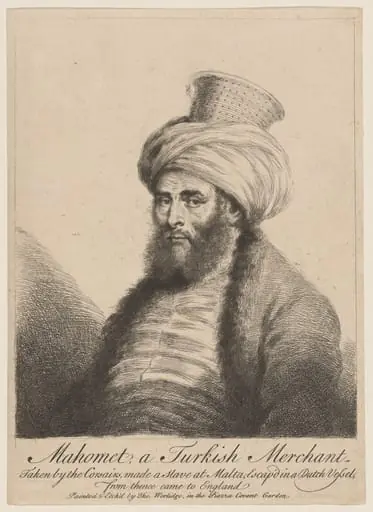 Mahomet, a Turkish Merchant
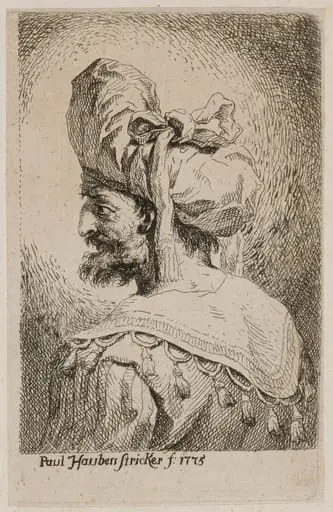 Oriental with a Soft Hat in Profile, Looking Left
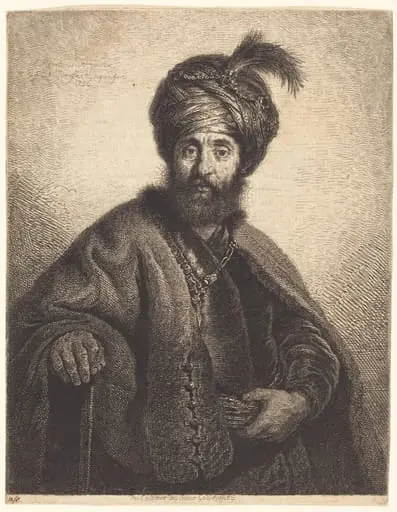 The Persian
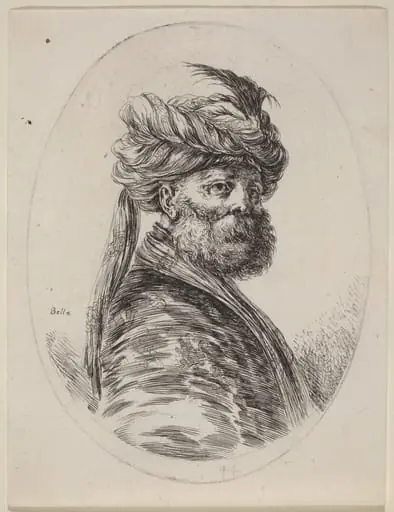 Bearded Moor in a Feathered Turban with a Veil, Turned to the Right
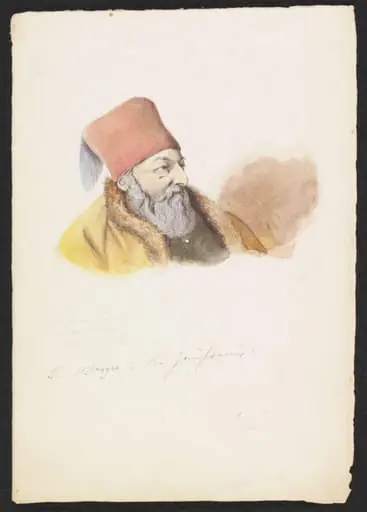 Hussein Pasha
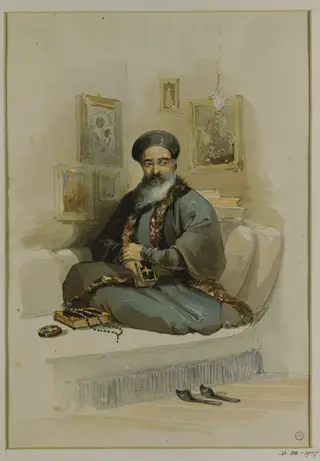 A Greek Priest
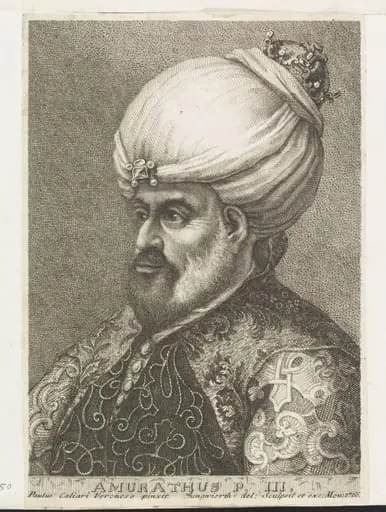 Turkish sultans, sultanas and other historical figures
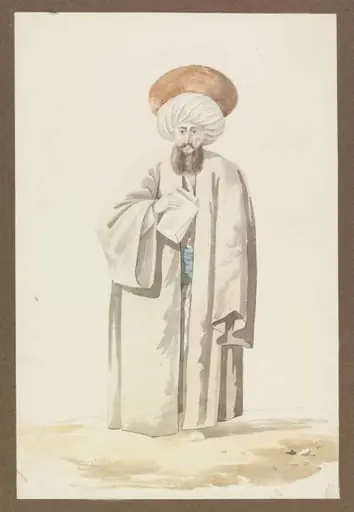 A Religious Dignitary
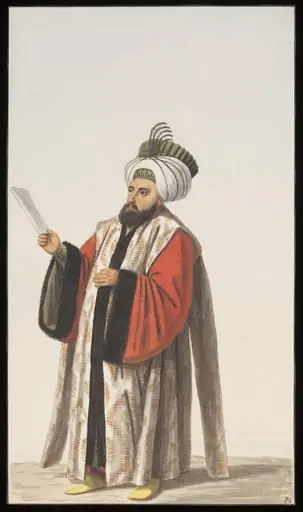 Amedcibey, or Receiver General of provincial correspondence addressed to the Grand Vizier
 Griechischer Kaufman (Greek Merchant)