Artwork
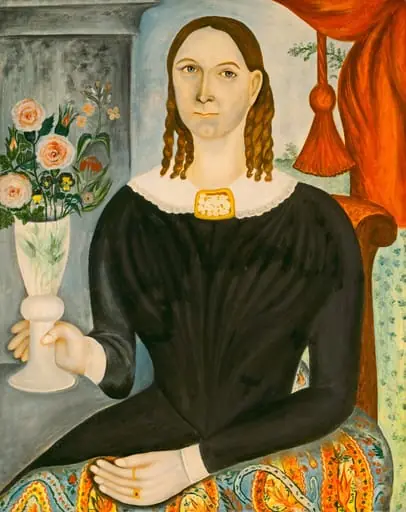
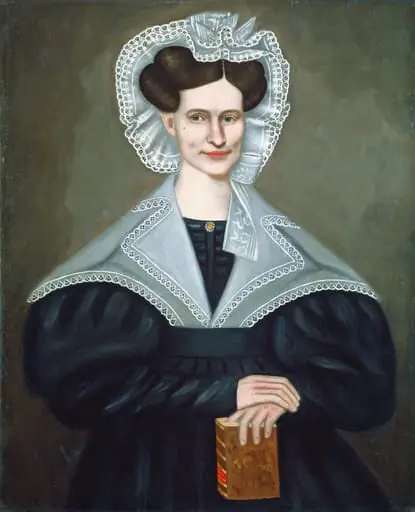
Portrait of a Woman
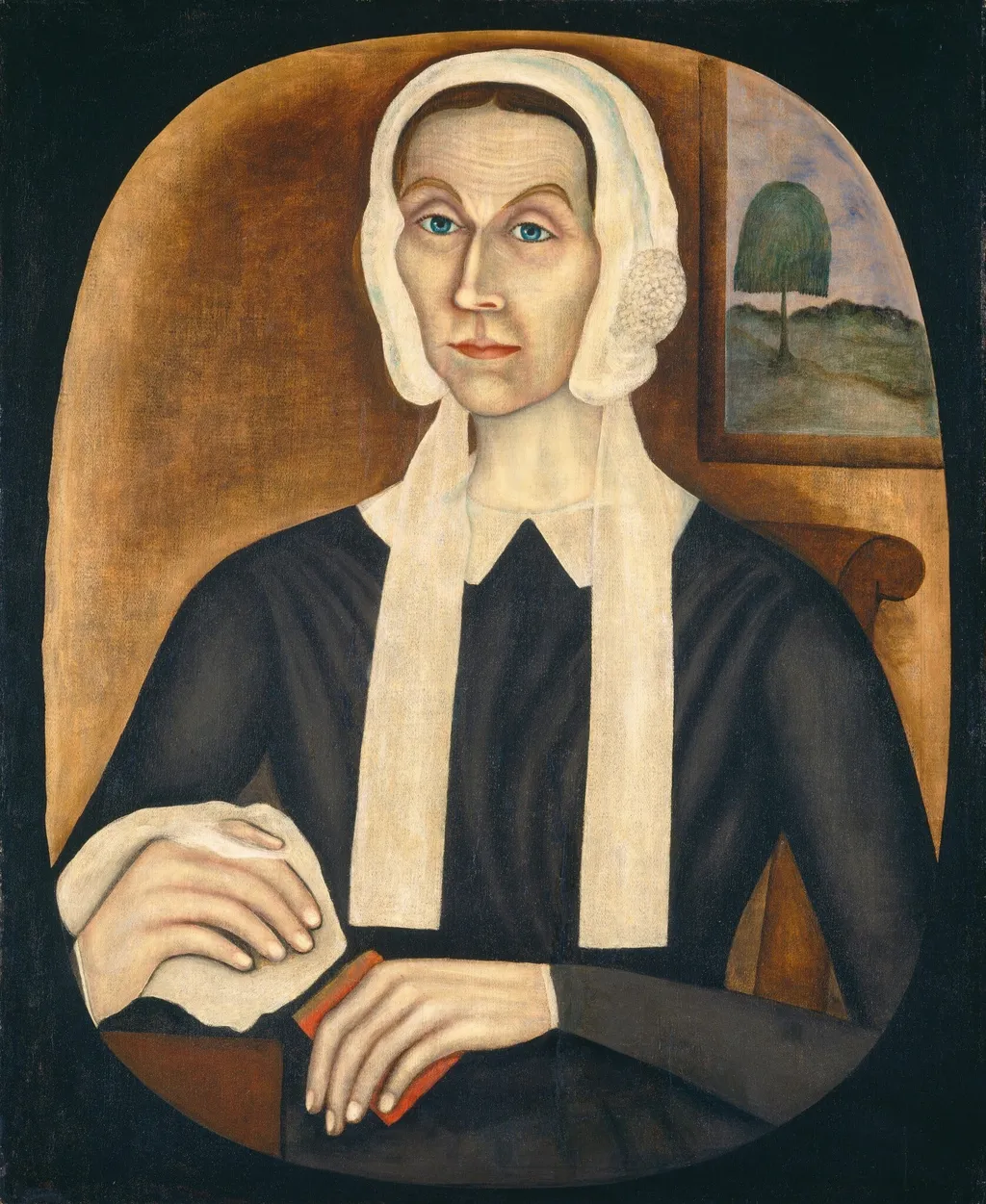
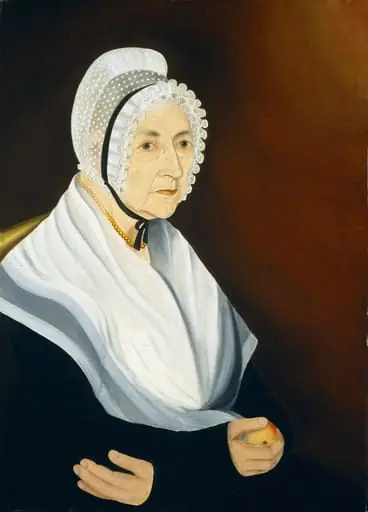
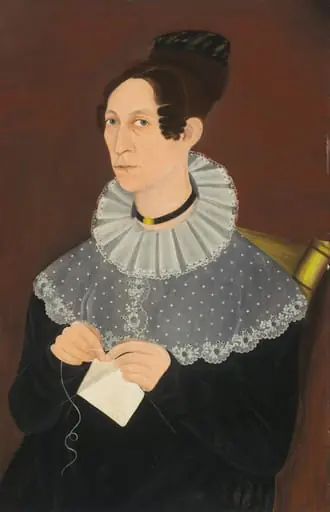
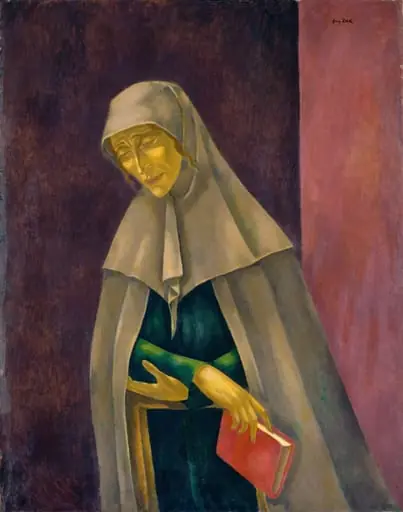
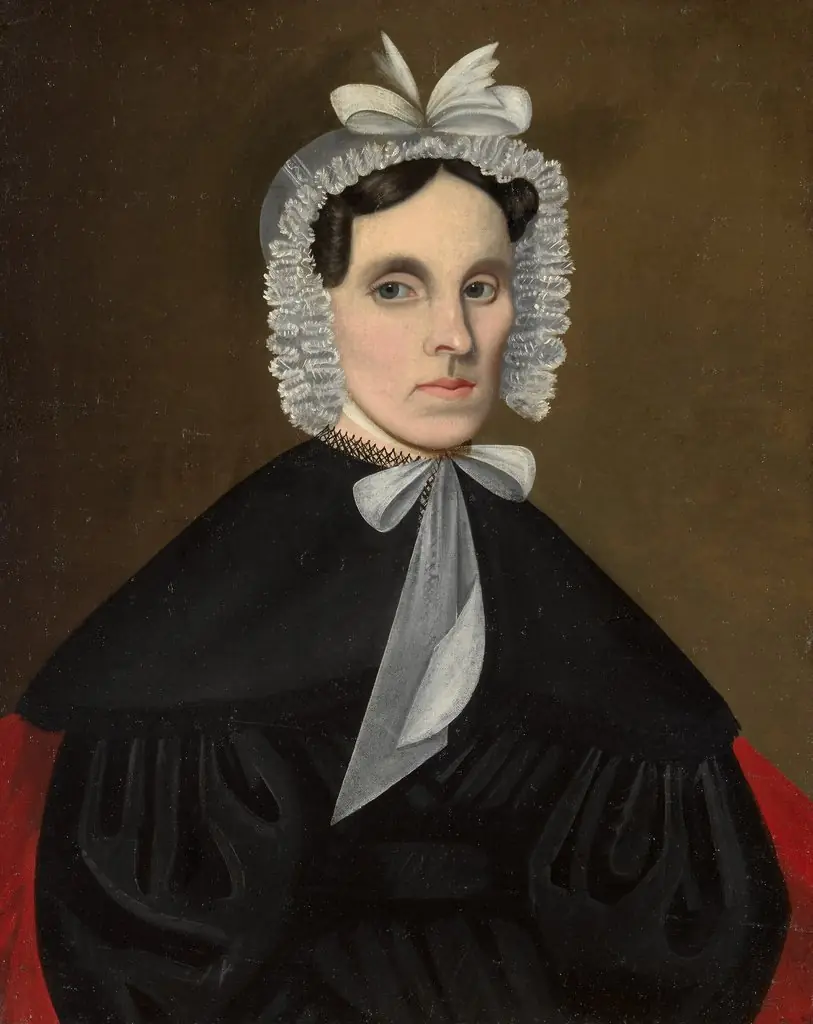
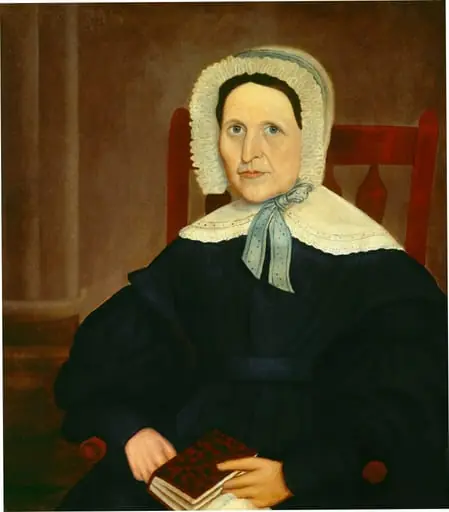
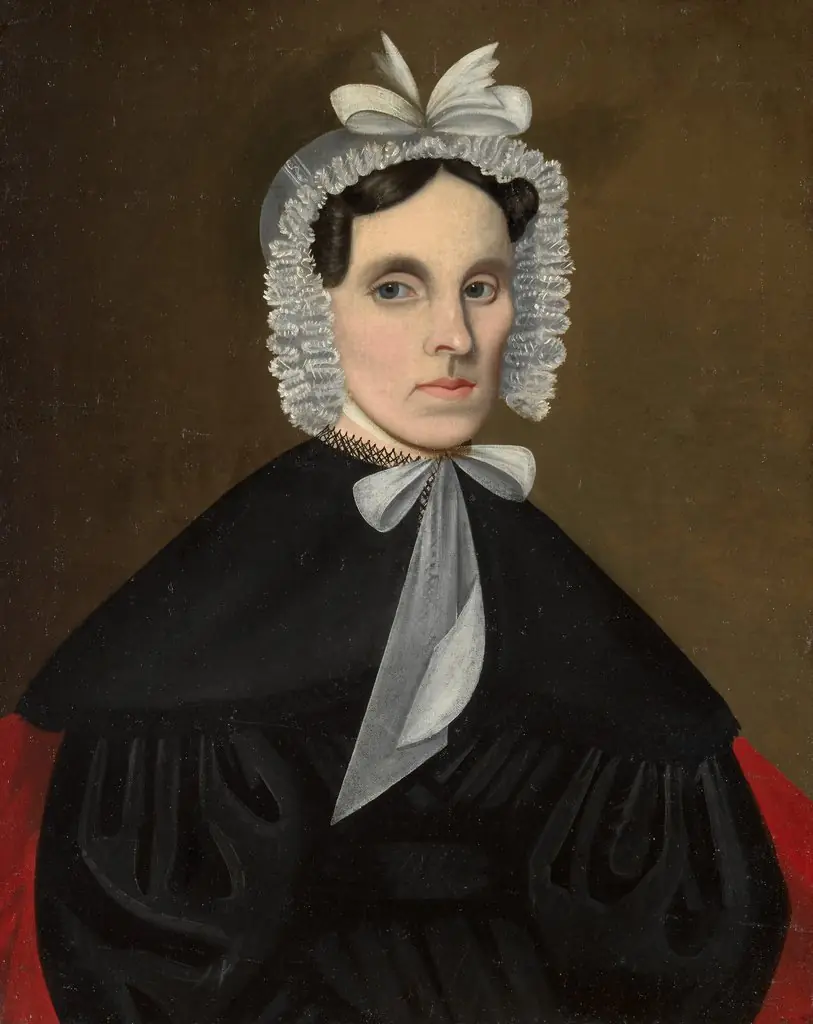
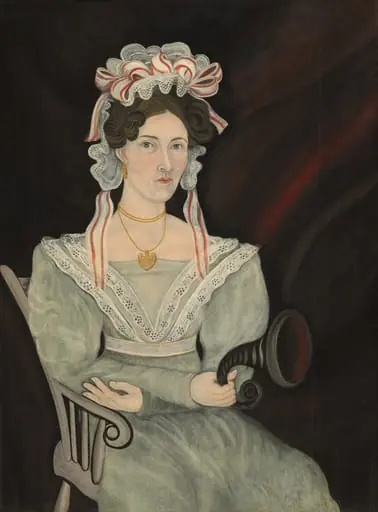
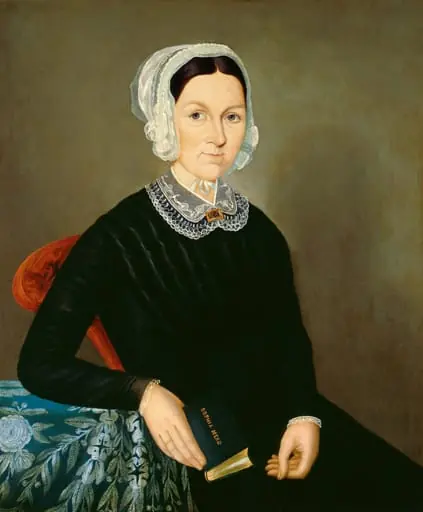
Portrait of a Woman is an oil painting by the British Romanticist artist Thomas Skynner. It dates from 1845 and is held in the collection of the National Gallery of Art.
About this work
History & Provenance
The Garbisch family subsequently donated the artwork to the National Gallery of Art in Washington, D.
The oil-on-canvas portrait titled Portrait of a Woman was created by Thomas Skynner in 1845. The work depicts a woman and measures 76.4 by 61.2 centimeters. Its documented provenance begins in Connecticut, where it was held by Thomas D. Williams of Litchfield.
In 1951, Williams sold the painting to collectors Edgar William and Bernice Chrysler Garbisch. The Garbisch family subsequently donated the artwork to the National Gallery of Art in Washington, D.C., in 1967, where it remains part of the permanent collection. No exhibition history is documented in the available sources.
Overview
Thomas Skynner's "Portrait of a Woman," created around 1845, is an oil on canvas painting. It captures a female sitter in a quiet, composed manner. The artwork functions as a visual record of mid-19th century portraiture, offering insight into the artistic practices and social conventions of the period.
Subject & Meaning
The painting depicts a woman seated calmly, her expression gentle and marked by a subtle smile. Her attire and coiffure reflect the fashion trends prevalent during the mid-1840s, providing a historical document of period dress. Such portraits often aimed to convey the sitter's social standing and personal character through their demeanor and clothing.
Technique & Style
Executed in oil on canvas, this portrait exemplifies common painting methods of its era. Artists frequently employed techniques such as glazing, which involves applying thin, translucent layers of paint, to achieve depth, luminosity, and subtle transitions in tone and color. This approach contributed to the refined finish often seen in 19th-century portraiture.
Own this work as a print
Artist & collection