Artwork
John Stone
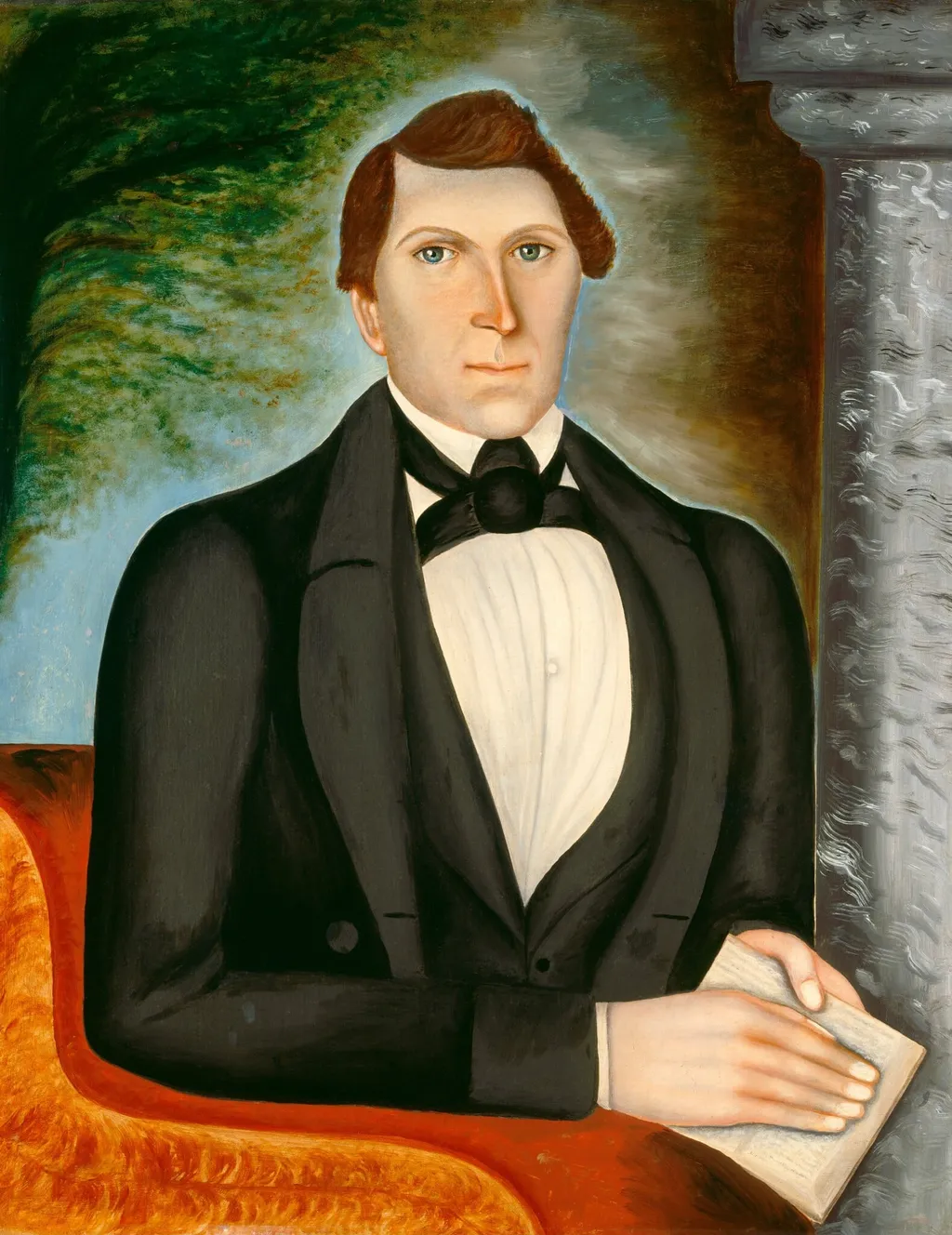
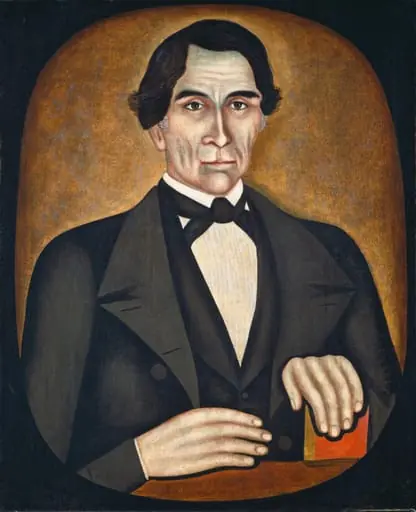
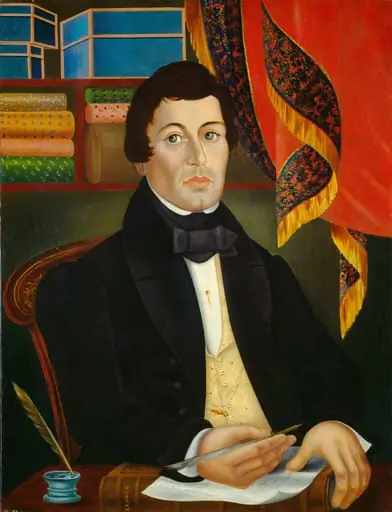
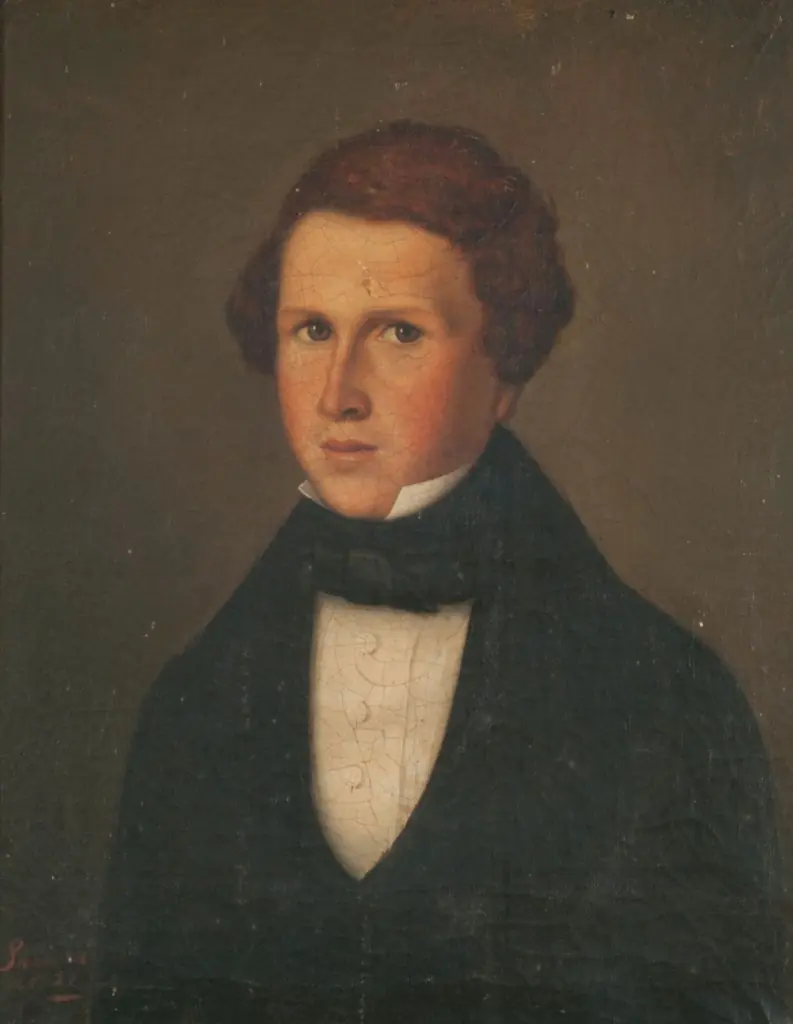
John Stone is an oil painting by the British Romanticist artist Thomas Skynner. It dates from 1845 and is held in the collection of the National Gallery of Art.
About this work
History & Provenance
The portrait John Stone by Thomas Skynner (1845) is held by the National Gallery of Art, Washington, D.
John Stone is an oil-on-canvas portrait painted by Thomas Skynner in 1845. The work was originally recorded as being from New York. In 1951, it was purchased by Edgar William and Bernice Chrysler Garbisch, who subsequently gave it to the National Gallery of Art in 1953, where it remains in the collection.
The portrait John Stone by Thomas Skynner (1845) is held by the National Gallery of Art, Washington, D.C.
The painting was accessioned as inventory no. 1953.1.2 following its acquisition. After being recorded as originating in New York, it was purchased in 1951 by Edgar William and Bernice Chrysler Garbisch and later gifted to the National Gallery of Art in 1953.
The work has not been recorded in any subsequent exhibition history within the provided sources.
Overview
This oil on canvas painting, titled John Stone, was created by Thomas Skynner around 1845. It presents a formal portrait of a man, likely the eponymous John Stone, depicted in contemporary attire. The composition includes architectural and natural elements in the background, providing a setting for the sitter.
Subject & Meaning
The portrait features a man dressed in a dark suit, a white shirt, and a black bow tie, reflecting mid-19th-century fashion. He holds a book in one hand, which may suggest his intellectual pursuits or social standing. Behind him, a classical stone column and a tree are visible, elements often used in portraiture to convey stability, learning, or a connection to nature.
Technique & Style
Skynner executed John Stone using oil paints on canvas, a common and versatile medium for portraiture during this period. The work's approach to depicting the individual and its atmospheric qualities align with characteristics often found within the Romantic movement. This artistic current emphasized emotion, individualism, and the sublime, which can be observed in the painting's contemplative mood and composition.
Own this work as a print
Artist & collection