Artwork
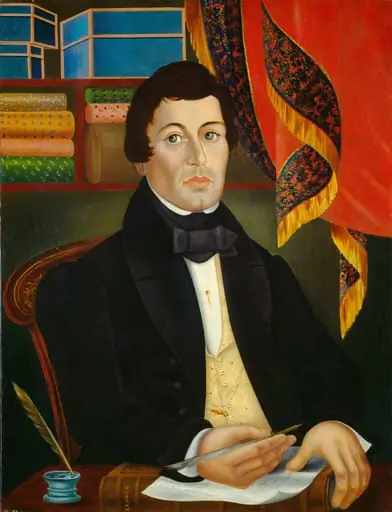
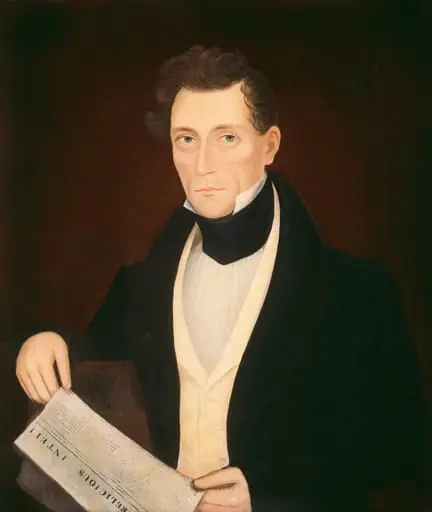
Portrait of a Man
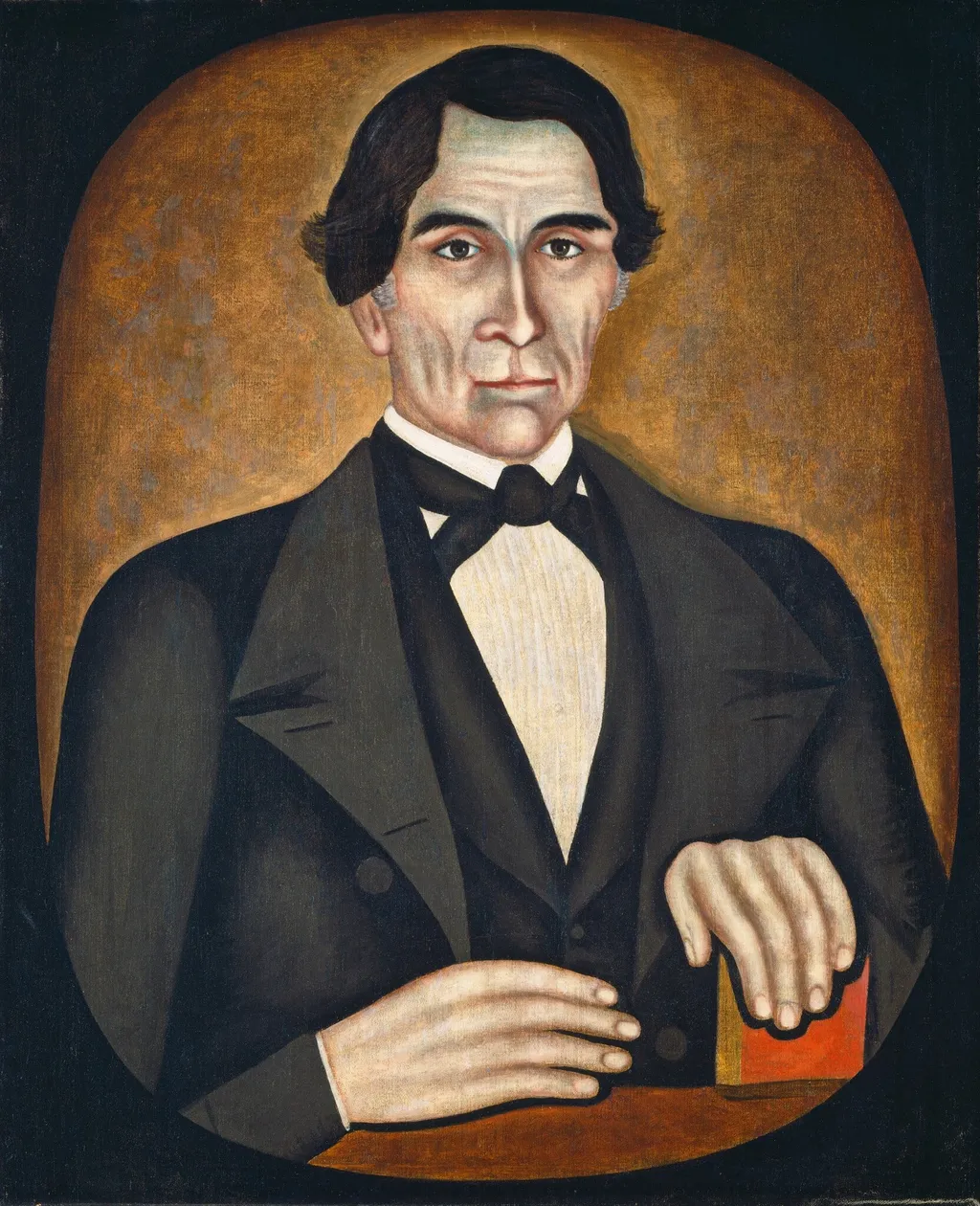
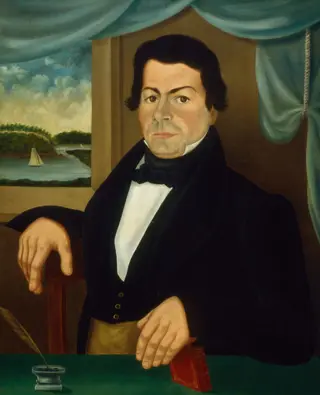
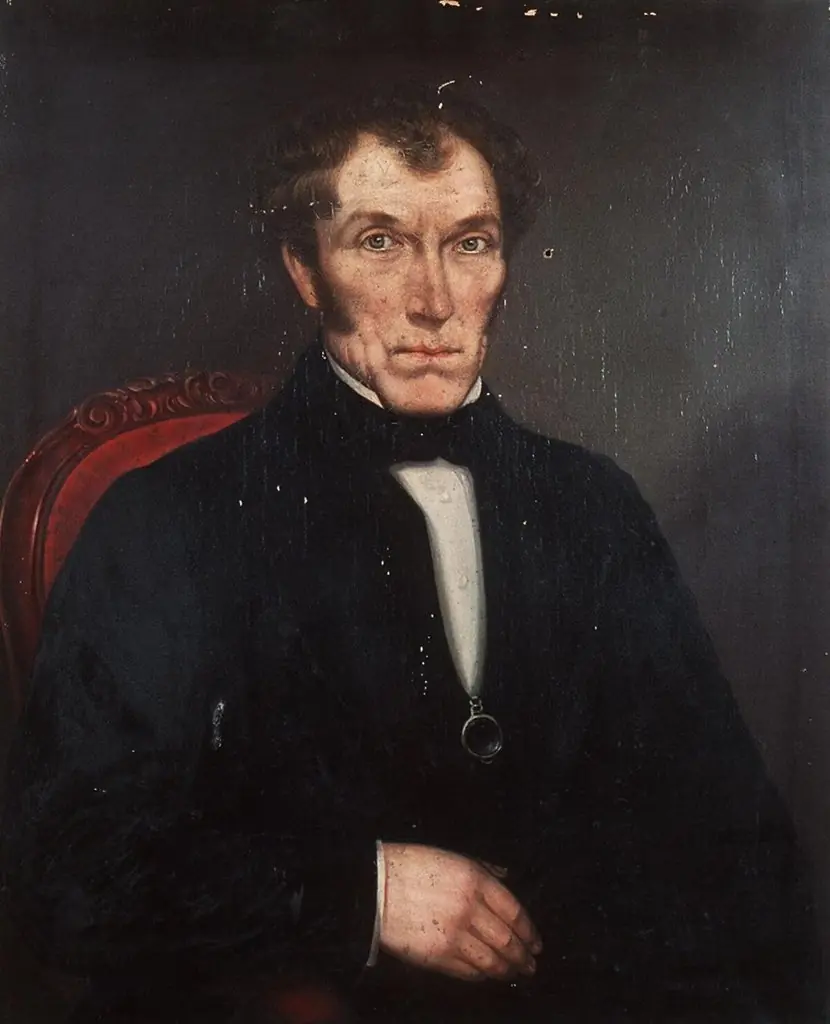
Portrait of a Man is an oil painting by the British Romanticist artist Thomas Skynner. It dates from 1845 and is held in the collection of the National Gallery of Art.
About this work
History & Provenance
In 1951, Williams sold the painting to Edgar William and Bernice Chrysler Garbisch, who later gave it to the National Gallery of Art in 1967.
Thomas Skynner painted Portrait of a Man in 1845, an oil on canvas portrait depicting an unidentified man;. The work remained in Connecticut, where it was owned by Thomas D. Williams of Litchfield, until its sale in 1951 to collectors Edgar William and Bernice Chrysler Garbisch. The Garbisches subsequently donated the painting to the National Gallery of Art in Washington, D.C., where it has been part of the museum’s collection since 1967.
The painting’s creation history is documented only by its 1845 date and medium, with no surviving records of a specific commission;.
Portrait of a Man by Thomas Skynner is held in the collection of the National Gallery of Art in Washington, D.C. Its provenance traces to Connecticut, where it was owned by Thomas D. Williams of Litchfield. In 1951, Williams sold the painting to Edgar William and Bernice Chrysler Garbisch, who later gave it to the National Gallery of Art in 1967. The sources do not document any prior or subsequent exhibition history beyond its inclusion in the NGA's collection.
Overview
This oil painting, titled Portrait of a Man, was created by Thomas Skynner around 1845. Executed on canvas, the work presents a singular male figure, characteristic of portraiture from the mid-19th century. It offers a glimpse into the artistic conventions and subject matter prevalent during that era.
Subject & Meaning
The painting features a man seated within an unadorned interior, his posture suggesting a formal pose. He is dressed in attire typical of the period, conveying a sense of historical context. His expression is solemn, contributing to the overall serious and contemplative mood of the artwork, which was a common approach in formal portraiture of the time.
Technique & Style
Skynner utilized oil paints to achieve a sense of depth and tradition in this portrait. The artist's palette relies heavily on darker tones, a technique that enhances the three-dimensionality of the figure and the surrounding space. This approach, reminiscent of chiaroscuro, was a prevalent stylistic choice in 19th-century portraiture, lending the work a classic and enduring quality.
Context
Created in the mid-1840s, this portrait exemplifies a common artistic trend of its time. The preference for dark color schemes and a serious, traditional aesthetic was widespread, reflecting the prevailing tastes and conventions in portrait painting. Such works often aimed to capture the sitter's gravitas and status through established visual language.
Own this work as a print
Artist & collection