Artwork
Yutai Peak (Jade Terrace Peak)
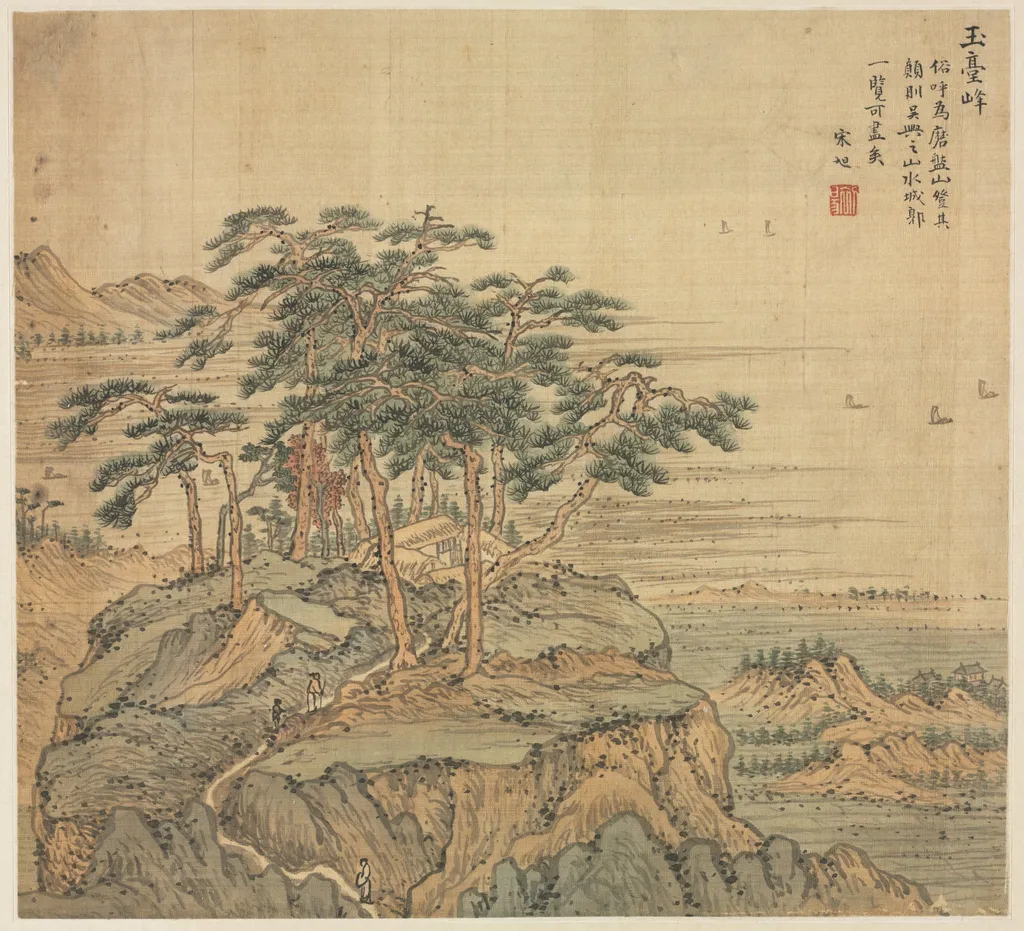
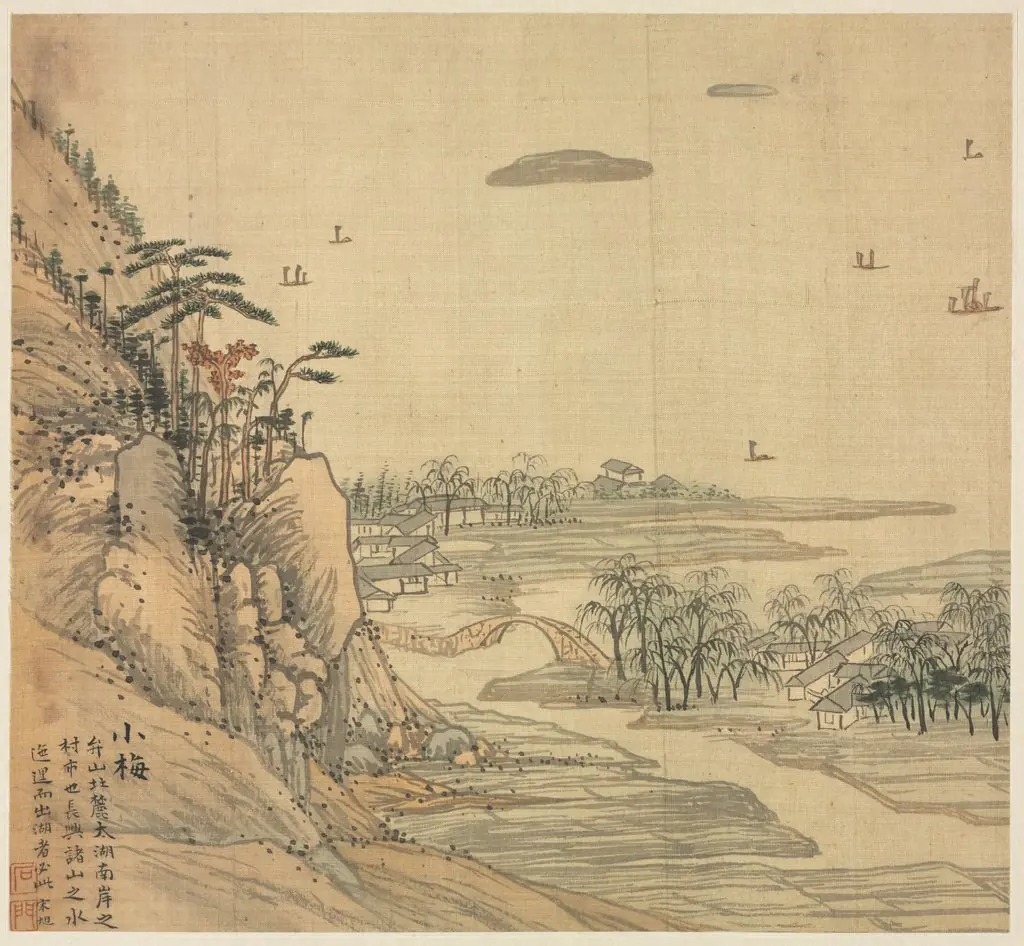
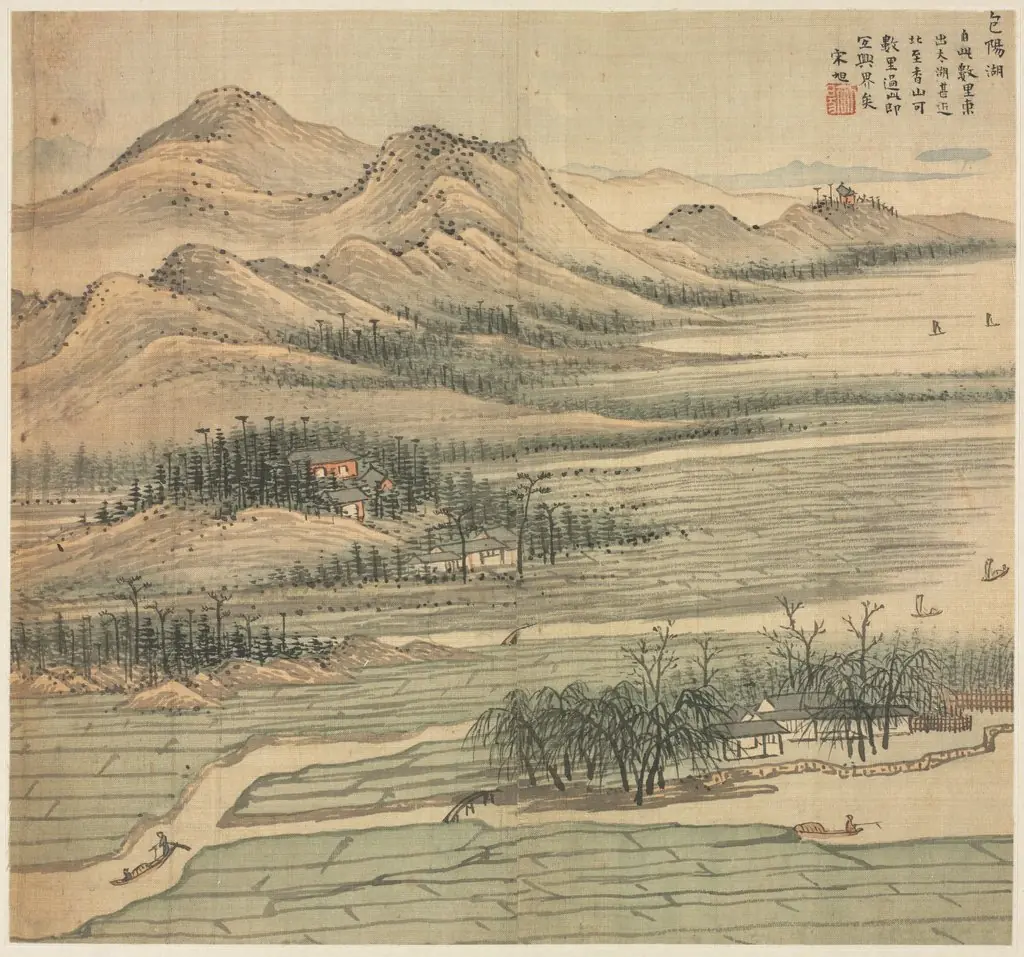
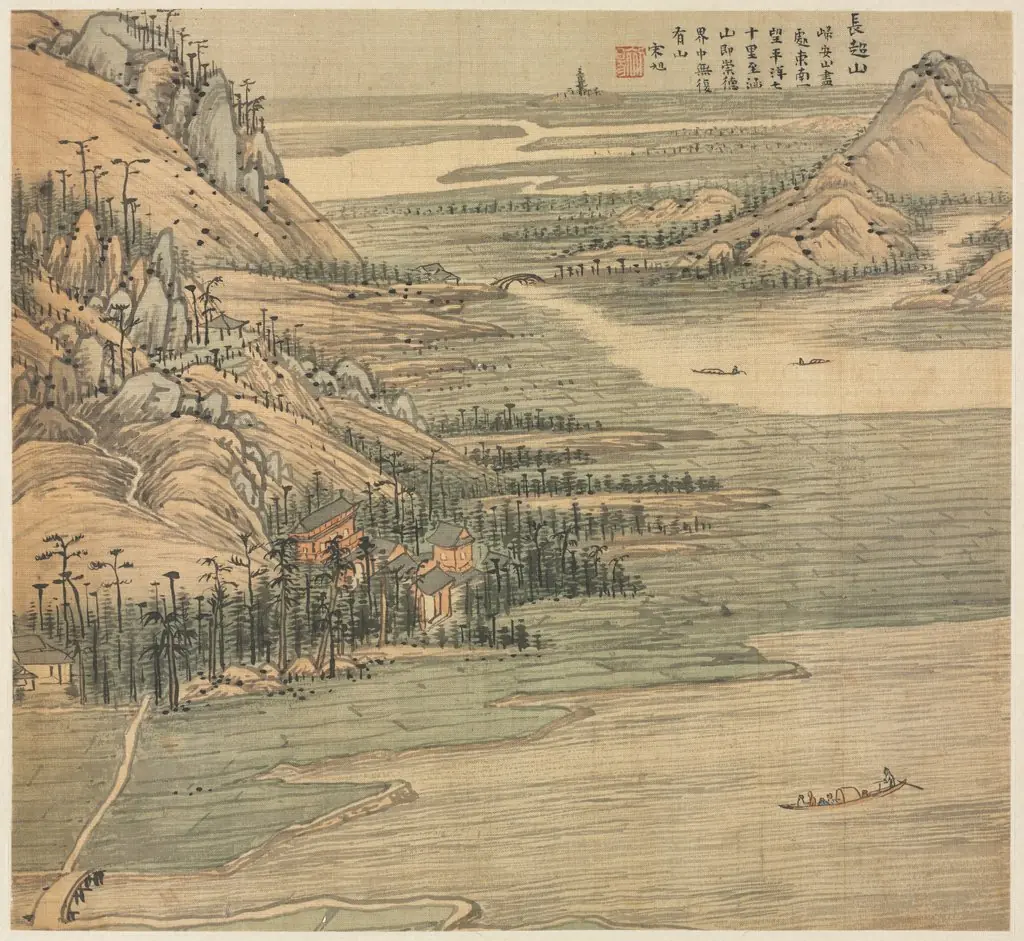
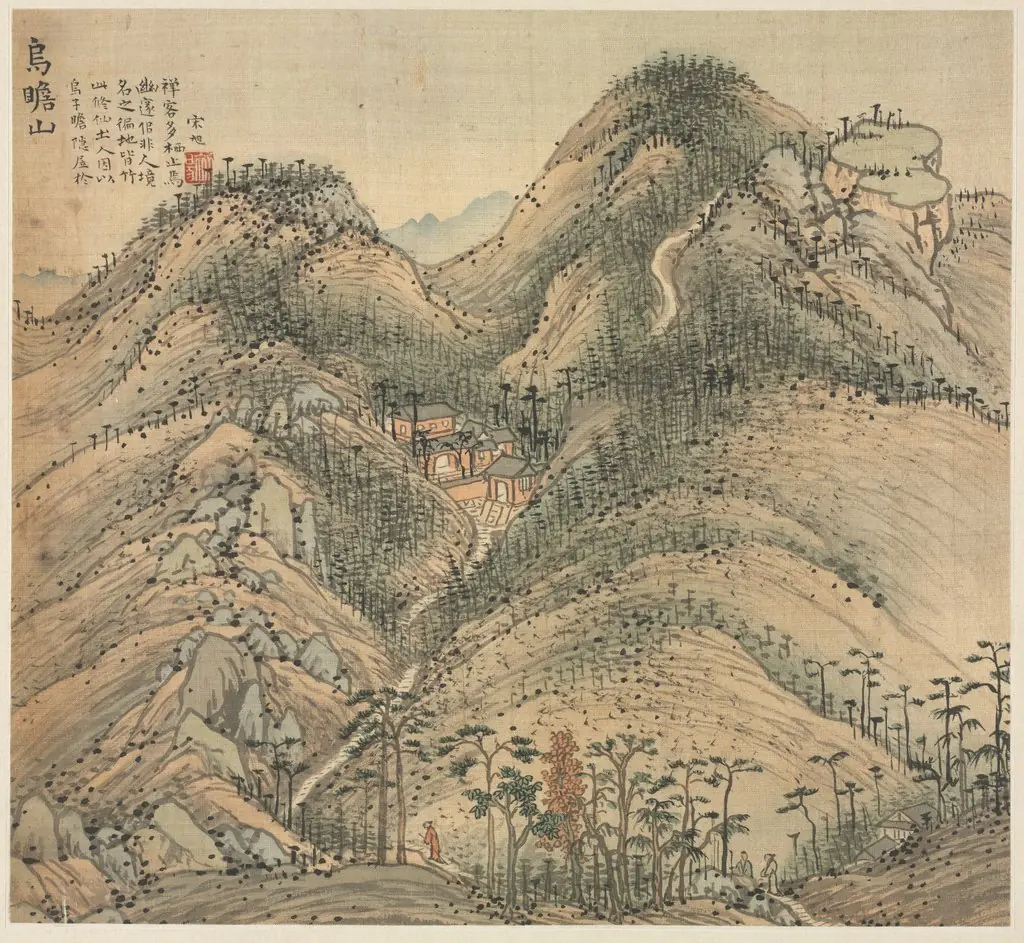
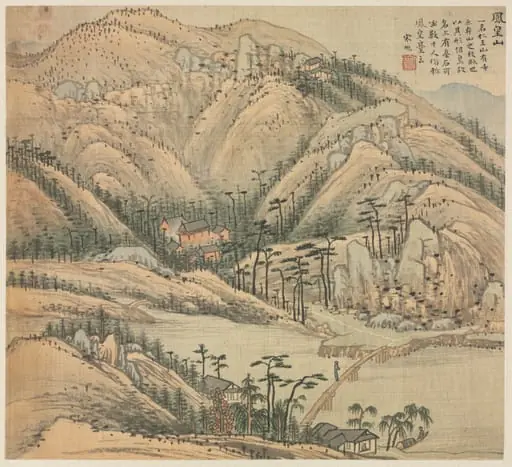
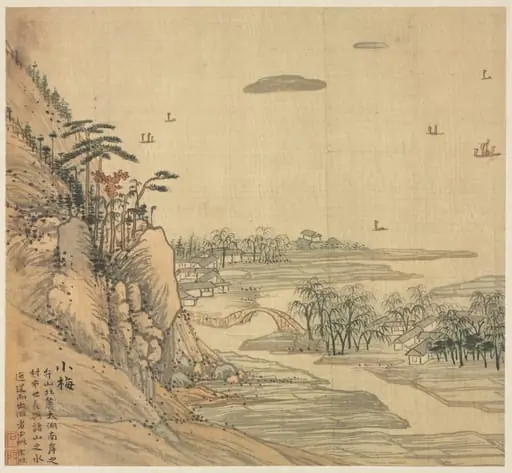
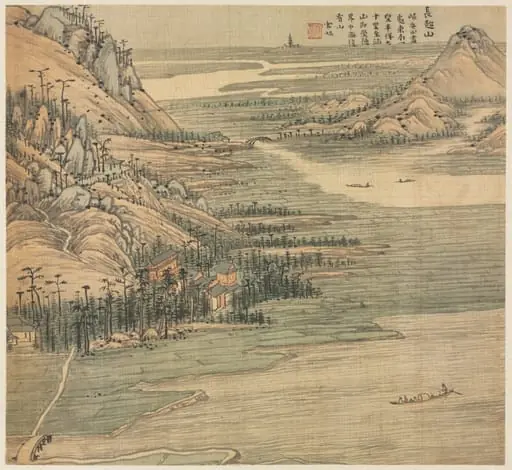
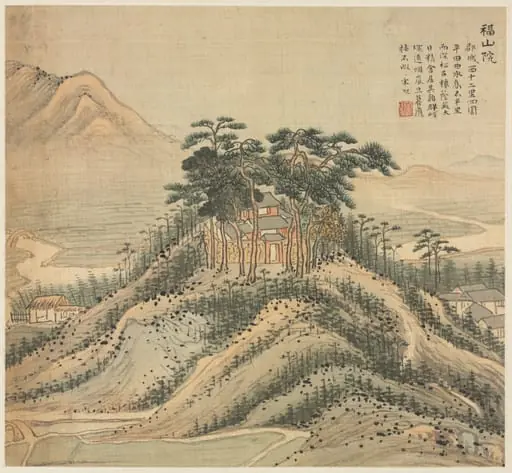
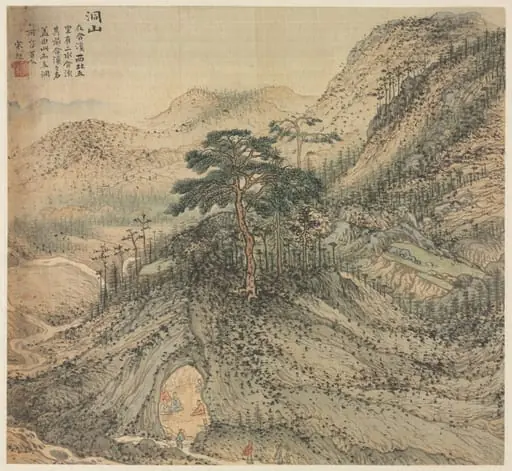
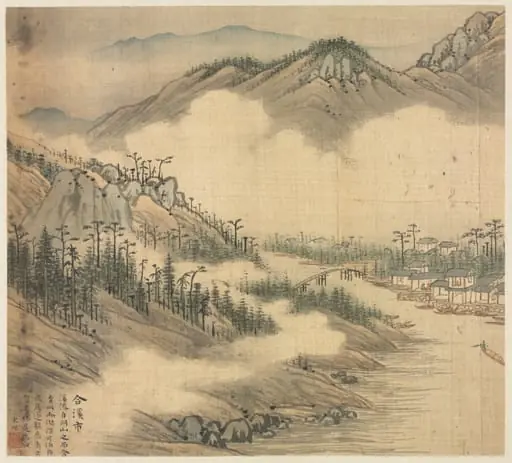
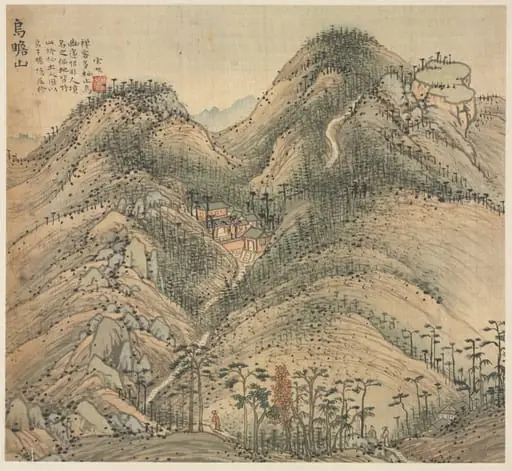
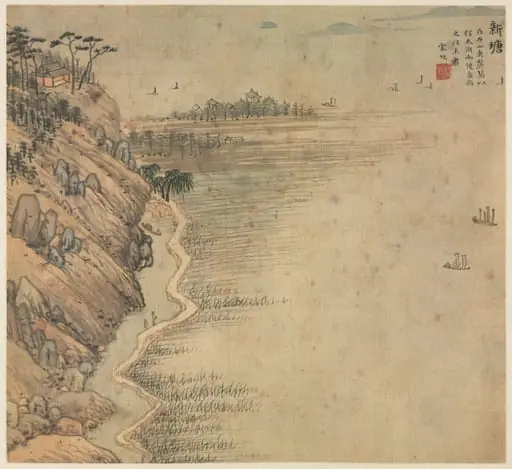
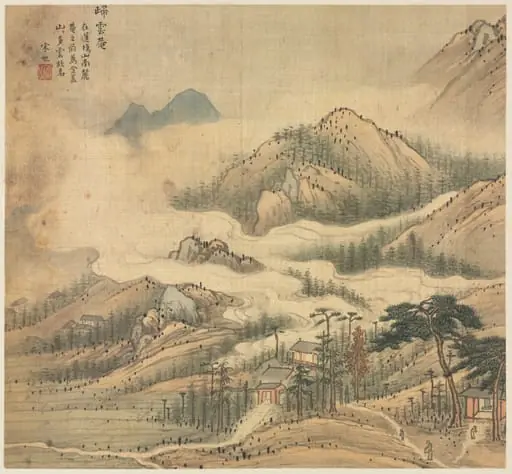
Yutai Peak (Jade Terrace Peak) is an unspecified painting by the Renaissance artist Song Xu. It dates from 1588 and is held in the collection of the Cleveland Museum of Art. Yutai Peak, also known as Jade Terrace Peak, is a hand‑painted sheet from a Ming‑era album that records the scenery of the Lake Tai region.
- Accession no.
- 1998.78.6
About this work
Song Xu likely painted this while traveling by boat near Lake Tai, where the scenery inspired many artists.
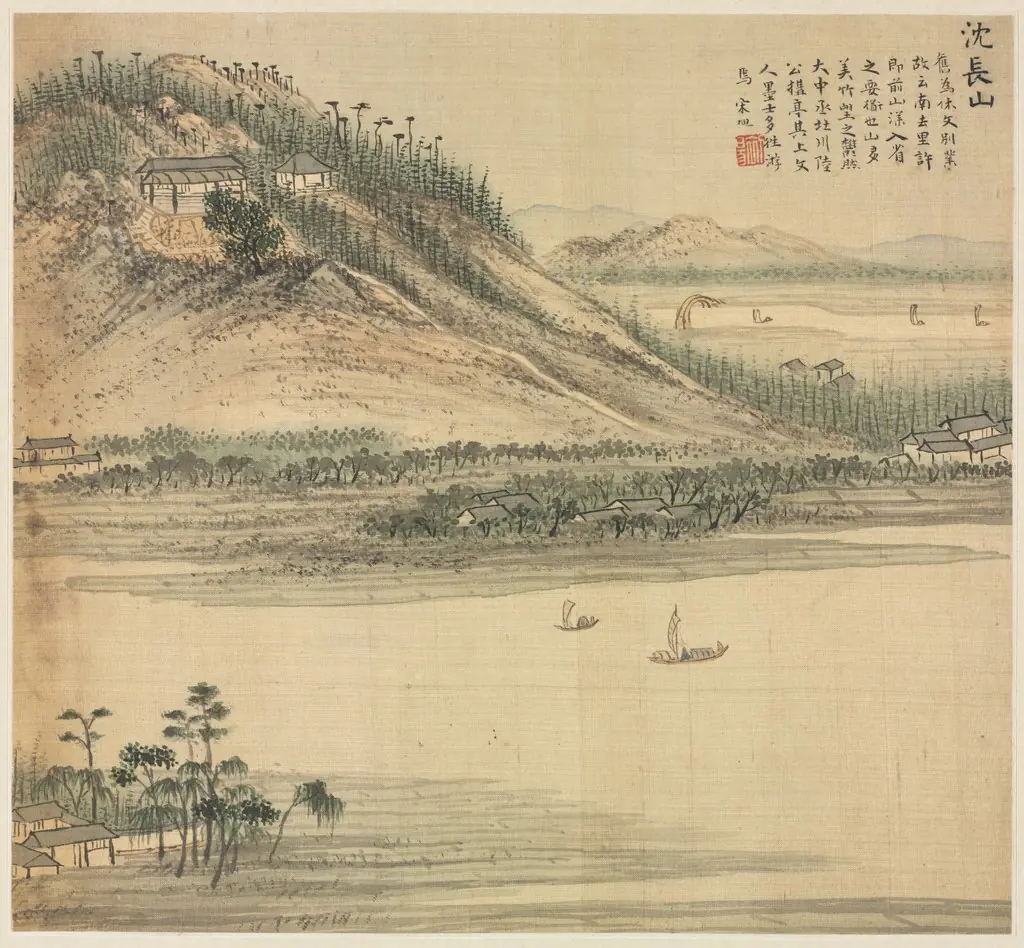
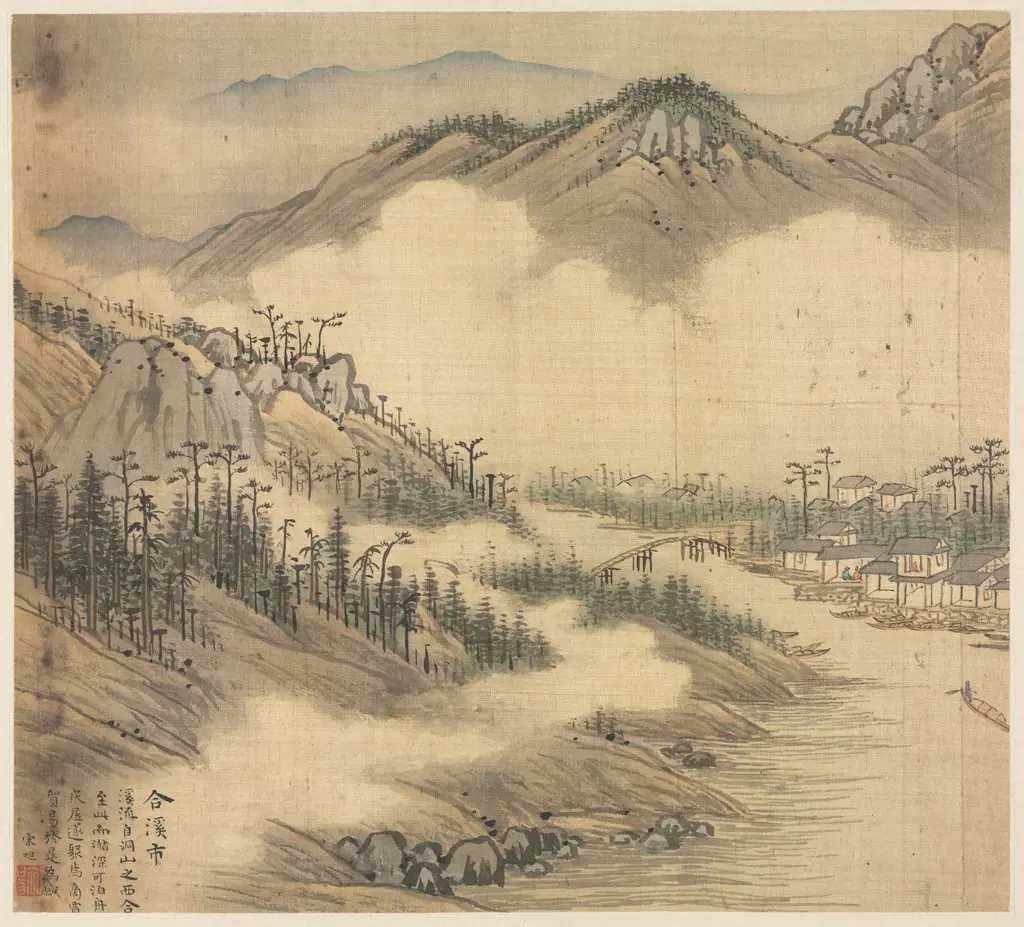
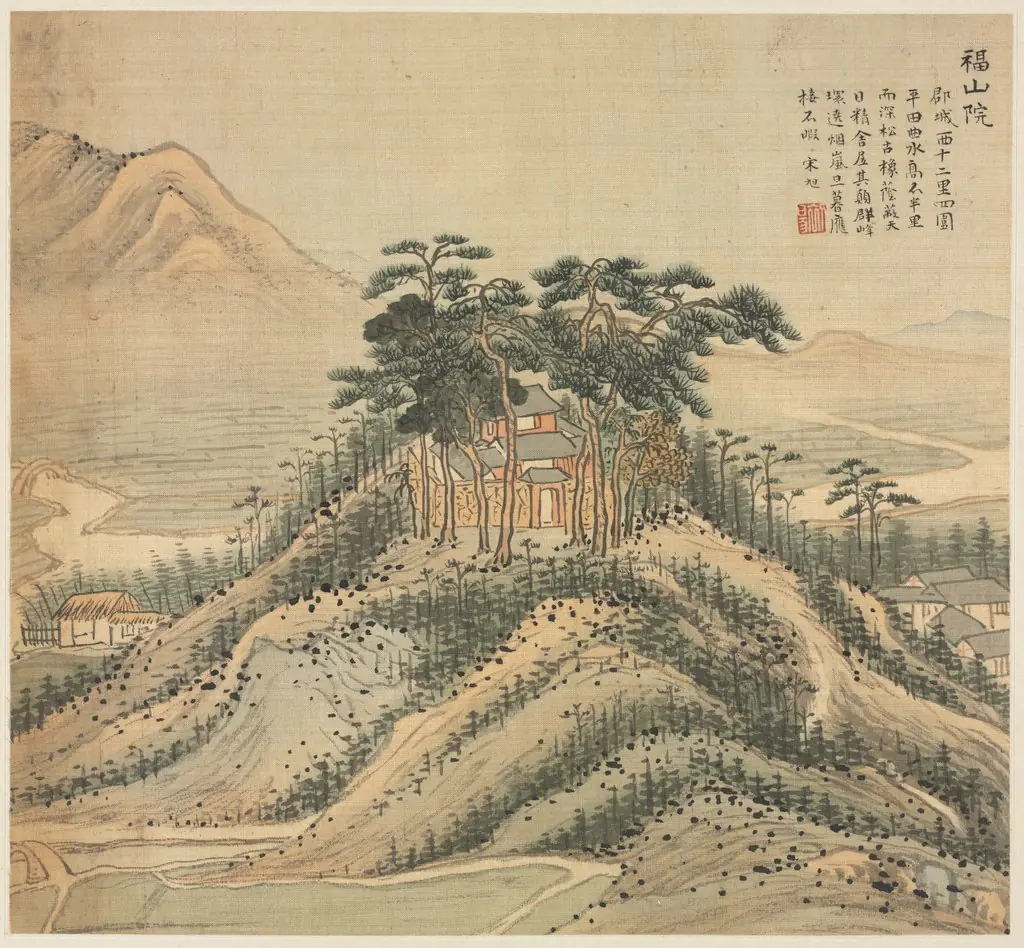
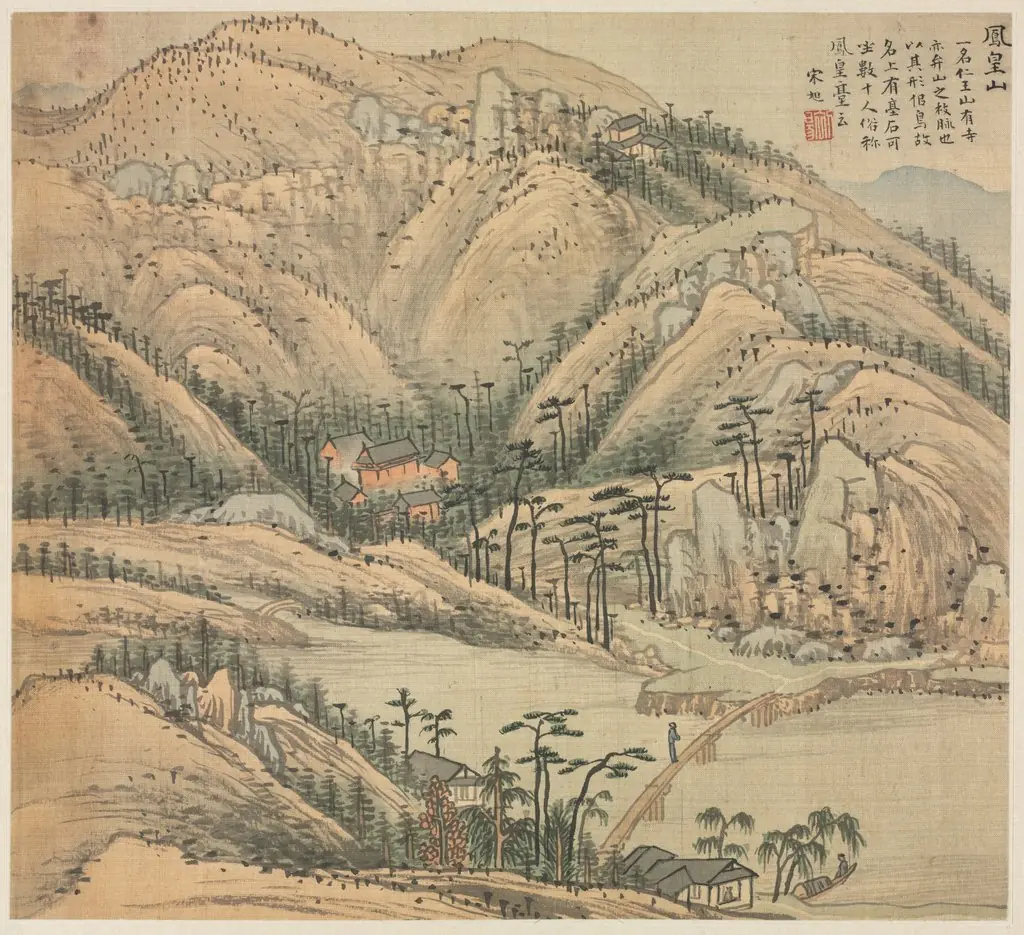
This painting shows a misty mountain peak over calm water, with a few small boats near the shore. The artist used soft brushstrokes to blur the edges of rocks and clouds, giving the scene a dreamy feel. Song Xu likely painted this while traveling by boat near Lake Tai, where the scenery inspired many artists.
This album of paintings documented real places in Ming Dynasty China. The artist added short notes about each site, almost like early travel guides. You can still see these scenes today in historical records.
Look up the artist named Song Xu (Chinese, 1525-c. 1606) to learn more about his work.
Overview
Yutai Peak, also known as Jade Terrace Peak, is a hand‑painted sheet from a Ming‑era album that records the scenery of the Lake Tai region. The composition presents a mist‑shrouded mountain rising above tranquil water, punctuated by tiny boats along the shore, rendered with softened brushwork that blurs rock and cloud edges into a dreamlike atmosphere.
Subject & Meaning
The image captures a specific landmark near the historic counties of Changxing and Wuxing, now part of Huzhou. Accompanying text identifies the peak and provides brief, gazetteer‑style notes, suggesting the work functioned as a visual guide to the locale, allowing viewers to experience the site vicariously.
Technique & Style
Song Xu employs delicate, wet‑ink strokes that dissolve hard outlines, creating a sense of atmospheric depth. The muted palette and subtle gradations of tone convey mist and water movement, while the inclusion of small boats anchors the composition in everyday riverine activity.
History & Provenance
Produced in the early 16th century, the album reflects a broader trend of illustrated travel books that flourished as scholars and officials toured the lower Yangzi delta. Song Xu, who spent periods in Jiaxing and Songjiang, likely visited Wuxing by boat, informing his accurate depiction of the landscape. The sheets were probably commissioned as commemorative souvenirs or as portable guides for armchair travelers.
Own this work as a print
Artist & collection