Artwork
Costache Negri
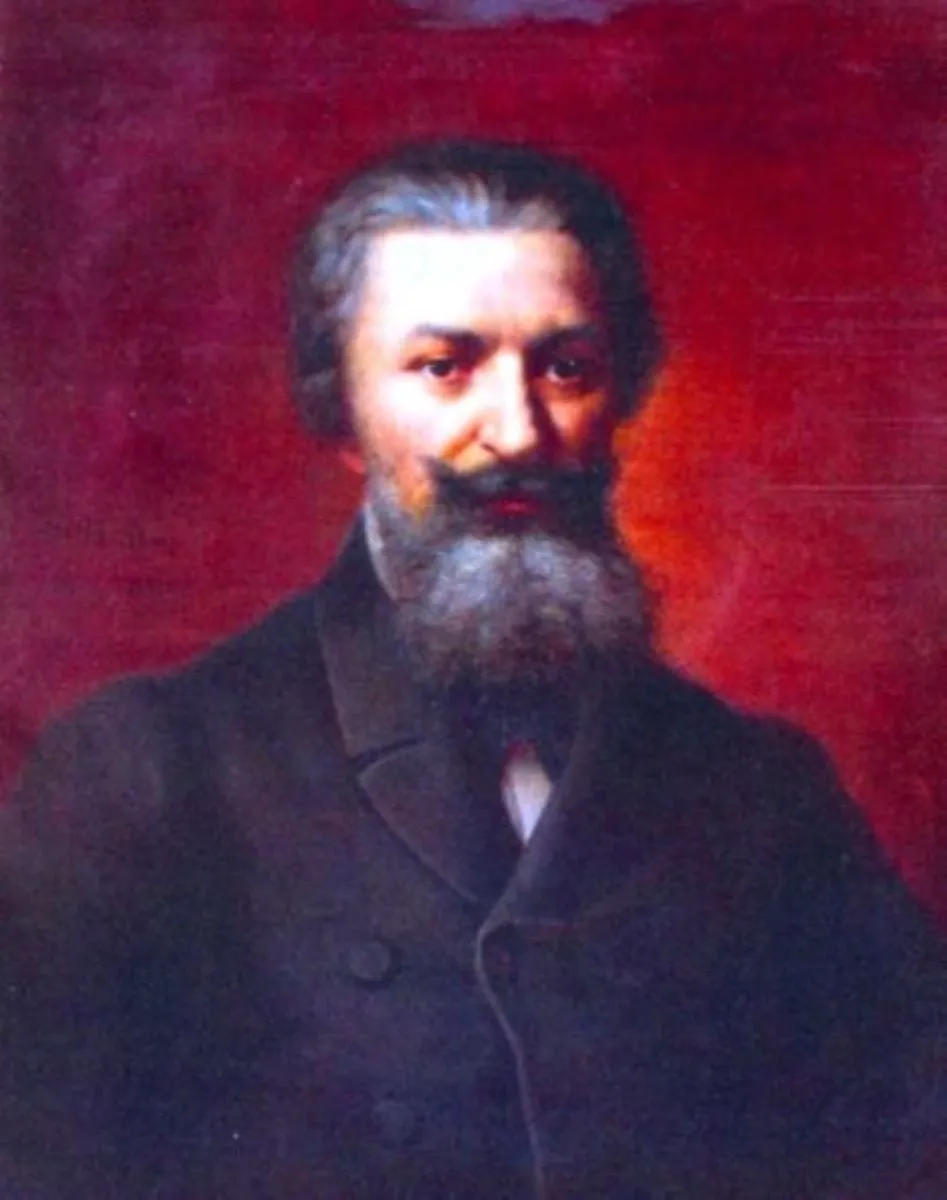
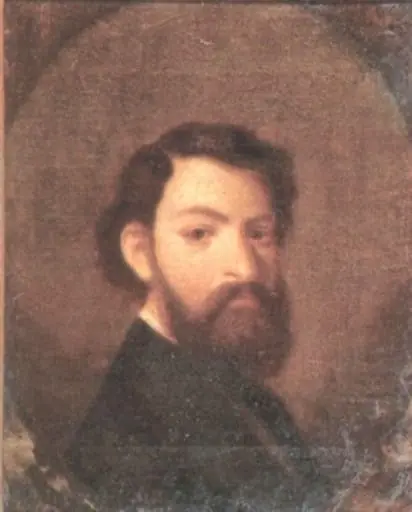
Costache Negri is an unspecified painting by the Impressionist artist Constantin Daniel Stahi. It dates from 1887 and is held in the collection of the Iași National Museum of Romanian Literature.
About this work
Overview
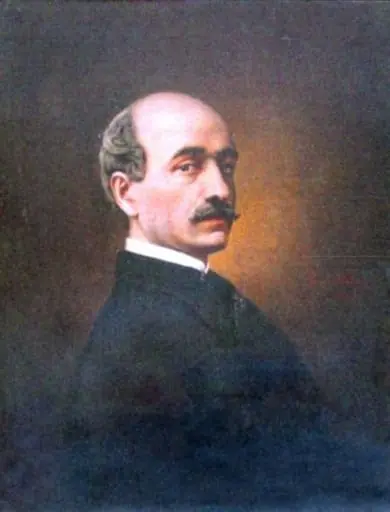
Painted in 1887 by Constantin Daniel Stahi, this portrait depicts Costache Negri, a Romanian public figure. Executed in oil on canvas, the work is part of the Museum of Ethnography’s collection. The composition centers on a stern-faced man rendered with careful attention to texture and form, set against a richly colored backdrop that enhances the subject’s presence without distraction.
Subject & Meaning
Costache Negri was a noted Romanian intellectual and political figure, known for his involvement in cultural and national affairs. The portrait captures him in formal attire, conveying dignity and gravitas. His direct gaze and composed expression suggest an individual of conviction, inviting the viewer to engage with his presence as a representative of his era’s civic ideals.
Technique & Style
While the background’s deep red adds emotional weight, the overall approach aligns more closely with academic realism than with Impressionist spontaneity.
Stahi employs a controlled chiaroscuro to model the face and clothing, emphasizing volume through subtle gradations of light. The brushwork is precise, particularly in the rendering of facial hair and fabric folds, reflecting a commitment to observational accuracy. While the background’s deep red adds emotional weight, the overall approach aligns more closely with academic realism than with Impressionist spontaneity.
History & Provenance
The painting was completed in 1887 and entered the collection of the Museum of Ethnography in Bucharest, where it remains today. Its acquisition likely followed Negri’s death, as institutions often commissioned or collected portraits of prominent cultural figures during this period to document national identity and heritage.
Context
In late 19th-century Romania, portraiture served both personal and national functions, often highlighting individuals who contributed to cultural development. Stahi, trained in academic traditions, was among artists tasked with visually preserving the nation’s intellectual elite. This work reflects a broader trend of using art to reinforce civic pride during a period of state formation.
Legacy
Though not widely reproduced outside institutional circles, the portrait endures as a representative example of Romanian academic portraiture. It contributes to the historical record of public figures from the era and illustrates how visual art was used to memorialize civic leadership in a young nation seeking cultural definition.
Artist & collection

Museum
Iași National Museum of Romanian Literature
Continue through works from the same source collection.
 Professor Franciscus Donders (1818-89), Physiologist and Opthalmologist
 Portrait of a man
 Dumitru Tattarescu
 Alfred de Musset (1810-1857)
 Hadadi Br. Wesselenyi Ferencz
 Portret de bătrân
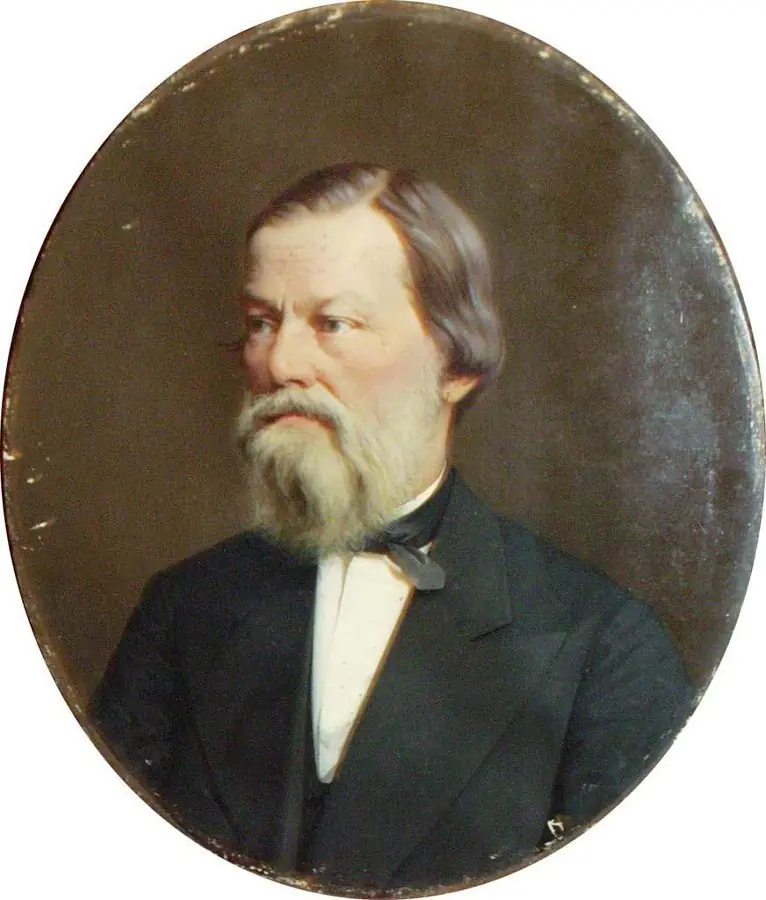 Portrait of the Manufacturer N.M. Brusnitsyn
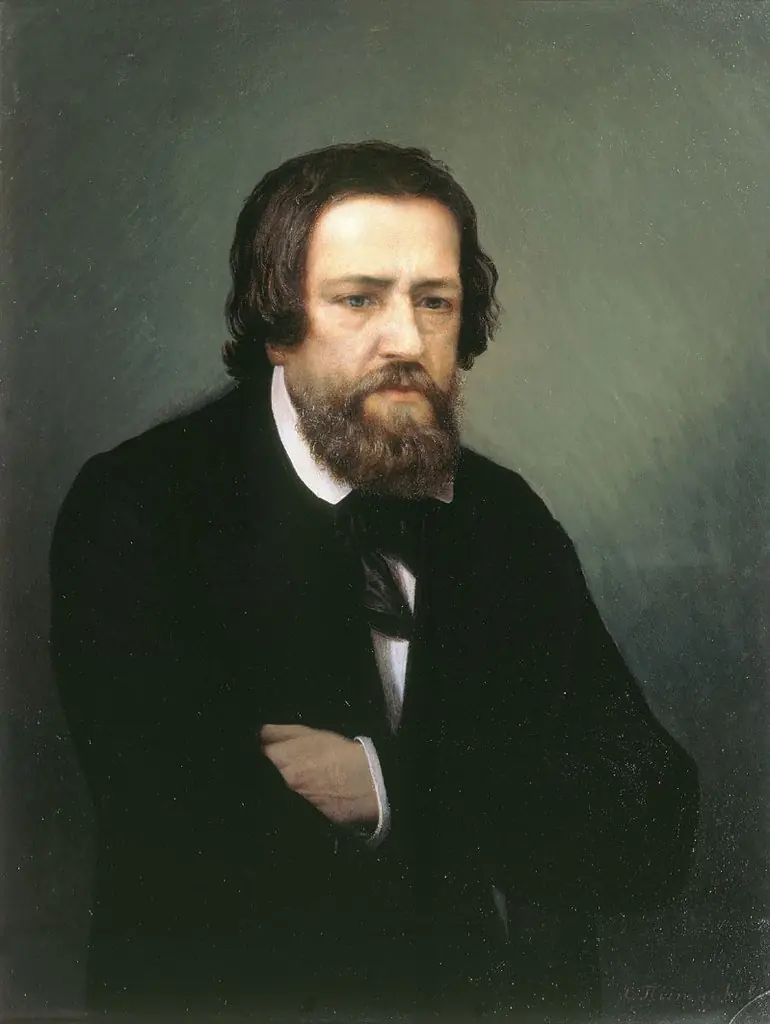 Alexander Andreyevich Ivanov
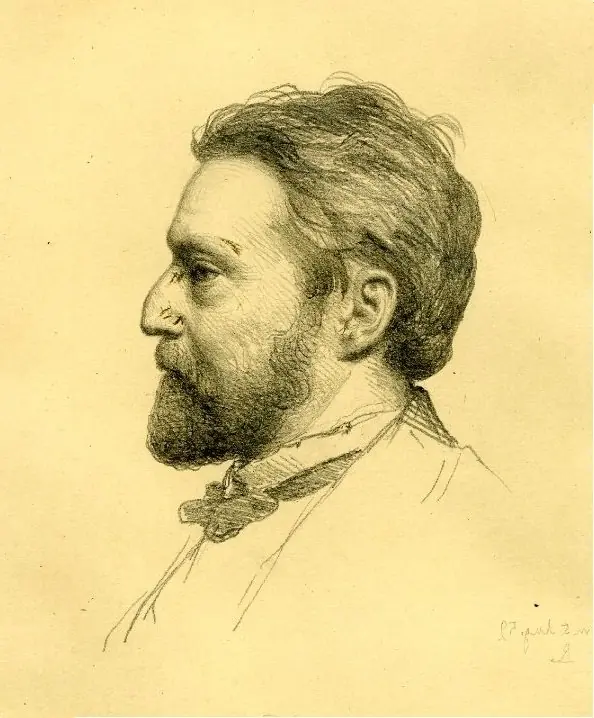 Portrait of August Riedel
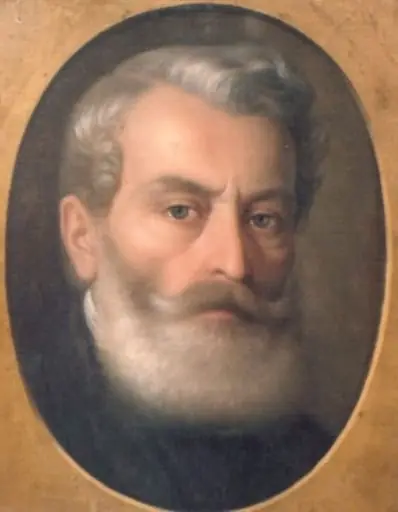 Portetul pictorului Constantin Lecca
 Autoportret Barbu Iscovescu
- Costache Negri