Artwork
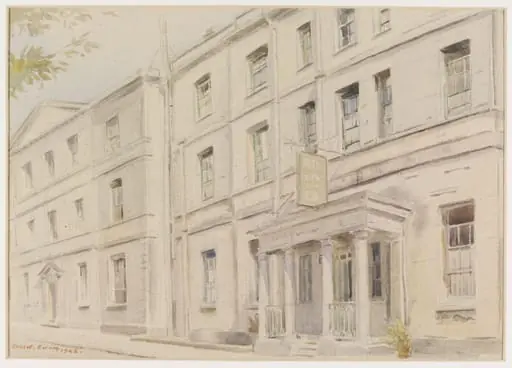
Raven Inn, Gloucester
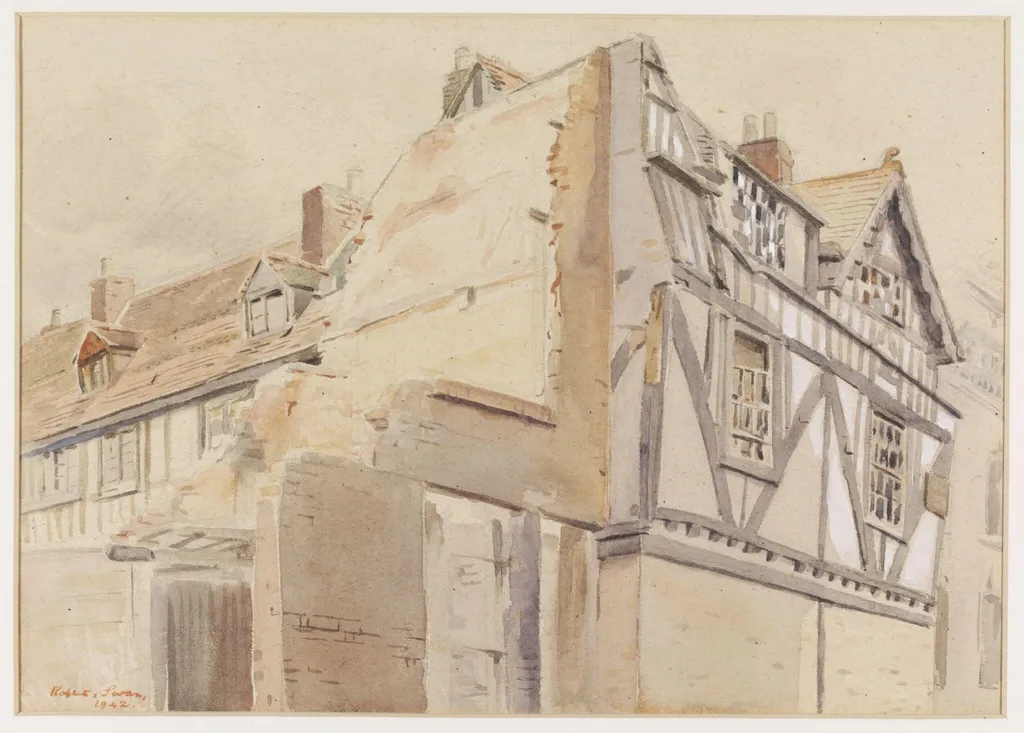
Raven Inn, Gloucester is a watercolor work on paper by the Regionalist artist Swan. It dates from 1942 and is held in the collection of the Victoria and Albert Museum.
About this work
Overview
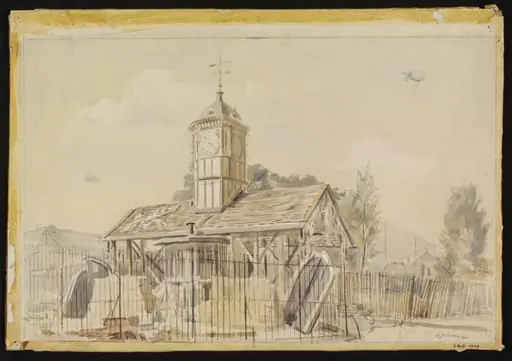
The work captures a modest, aging structure in a state of disrepair, its timber frame visibly weathered and partially dismantled.
Painted in 1942, this watercolour by Swan records the Raven Inn in Gloucester as part of the Recording Britain project. The work captures a modest, aging structure in a state of disrepair, its timber frame visibly weathered and partially dismantled. Though Gloucester suffered little bombing during the war, the painting reflects broader anxieties about the loss of historic architecture to urban renewal and neglect.
Subject & Meaning
The Raven Inn, once a functioning public house, is depicted not as a romantic ruin but as a quietly decaying fixture of everyday life. Its broken windows and exposed interior walls suggest abandonment rather than dramatic destruction. The image serves as a quiet testament to the erosion of vernacular architecture, documenting a building caught between obsolescence and the pressures of post-war modernisation.
Technique & Style
Swan employed loose, economical brushwork to convey texture and structure. Muted tones of brown, grey, and white dominate, with subtle accents of green and red hinting at vegetation and faded paint. The sketch-like quality emphasizes immediacy: angles of the roof and beams are rendered with precision yet without polish, capturing the building’s physical presence as much as its fragility.
History & Provenance
Commissioned by the Recording Britain project, initiated under Sir Kenneth Clark’s direction, the work was created to preserve visual records of at-risk landscapes during wartime. Though not damaged by bombs, sites like the Raven Inn were deemed culturally vulnerable due to planned redevelopment. The painting entered the Victoria and Albert Museum’s collection as part of this archival effort.
Context
The Recording Britain initiative responded to fears that traditional buildings and rural scenes would vanish under wartime disruption and post-war reconstruction. Even in cities with minimal bombing, slum clearance and modernisation threatened historic fabric. Swan’s depiction of the Raven Inn reflects this quiet, pervasive loss, not from violence, but from indifference and change.
Legacy
The watercolour remains a key example of mid-century documentary art, illustrating how ordinary structures carried cultural weight. Its inclusion in the V&A’s collection ensures continued access to a visual record of Britain’s architectural vernacular. Swan’s unembellished approach influenced later efforts to archive threatened landscapes through direct observation rather than idealisation.
Artist & collection
Artist
In 1942, this watercolor artist captured Cirencester and the Cotswolds in soft, detailed scenes.

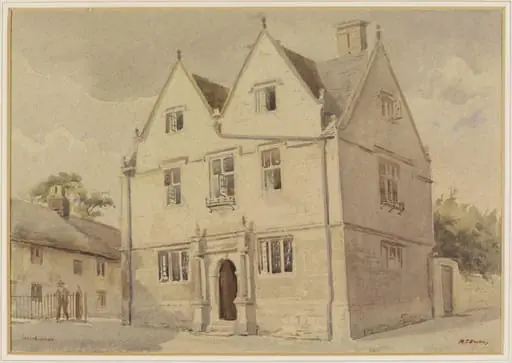
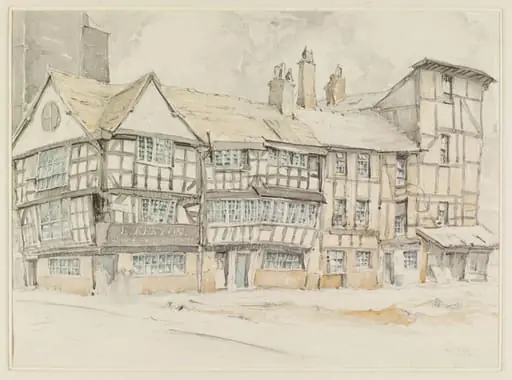
- The Old Shambles, Manchester, Lancashire
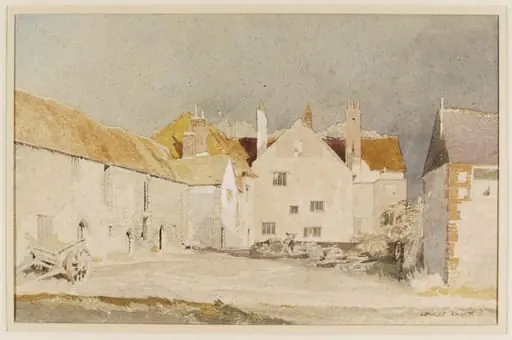 Hangleton Manor, near Brighton
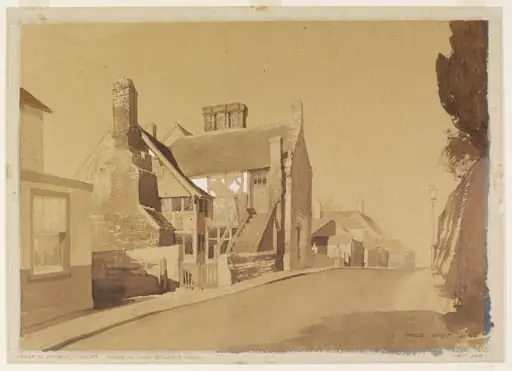 Anne of Cleves House, Ditchling
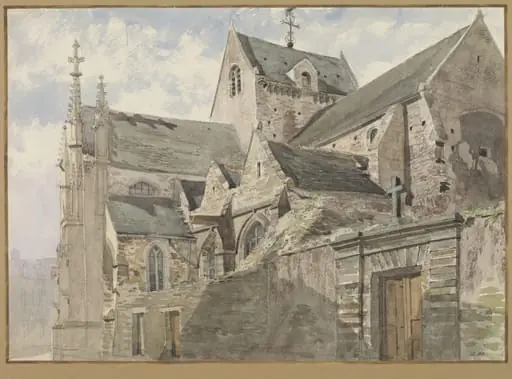 Exterior of a church at Cherbourg
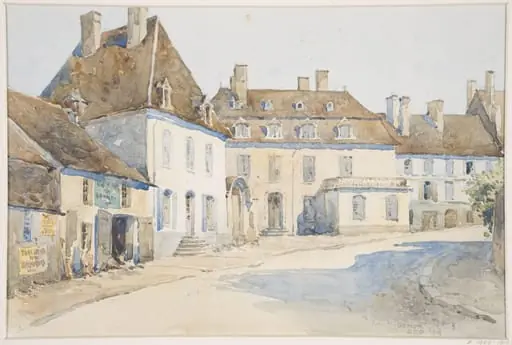 Semur, France
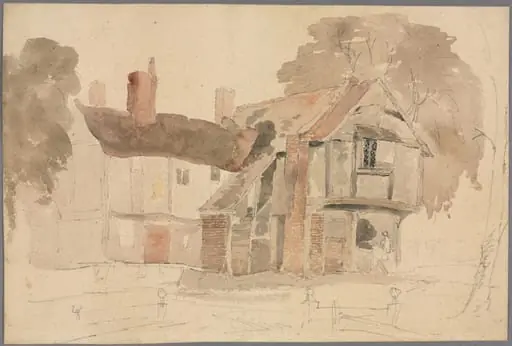 Bray Church Yard
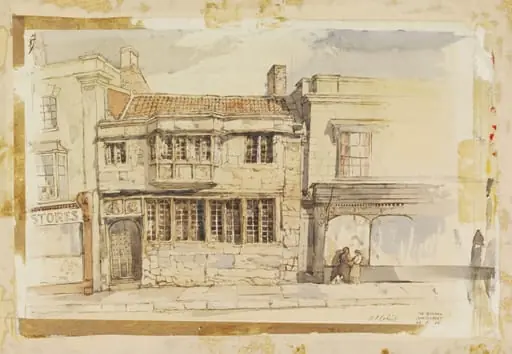 The Tribunal, Glastonbury
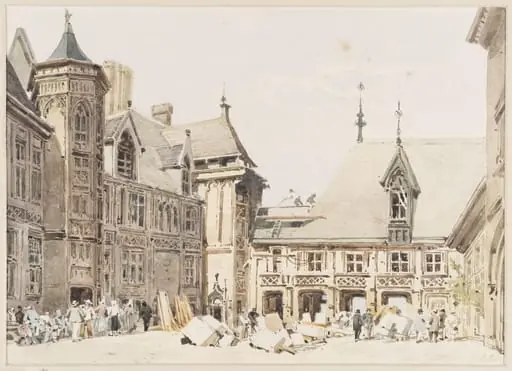 Bourges: House of Jacques Coeur
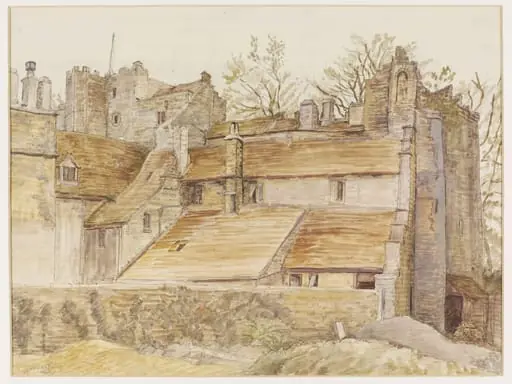 Beverstone Castle, near Tetbury
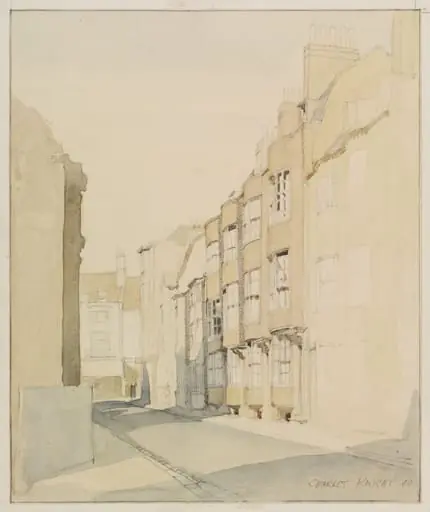 3 - 12, Charles Street, off Brighton Front
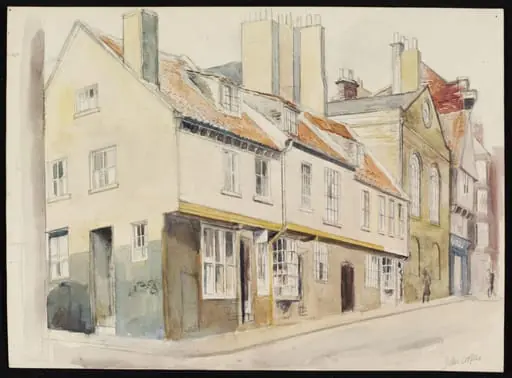 Tudor Houses, Church Street, Whitby