Artwork
Alexander the Great Seated in Justice
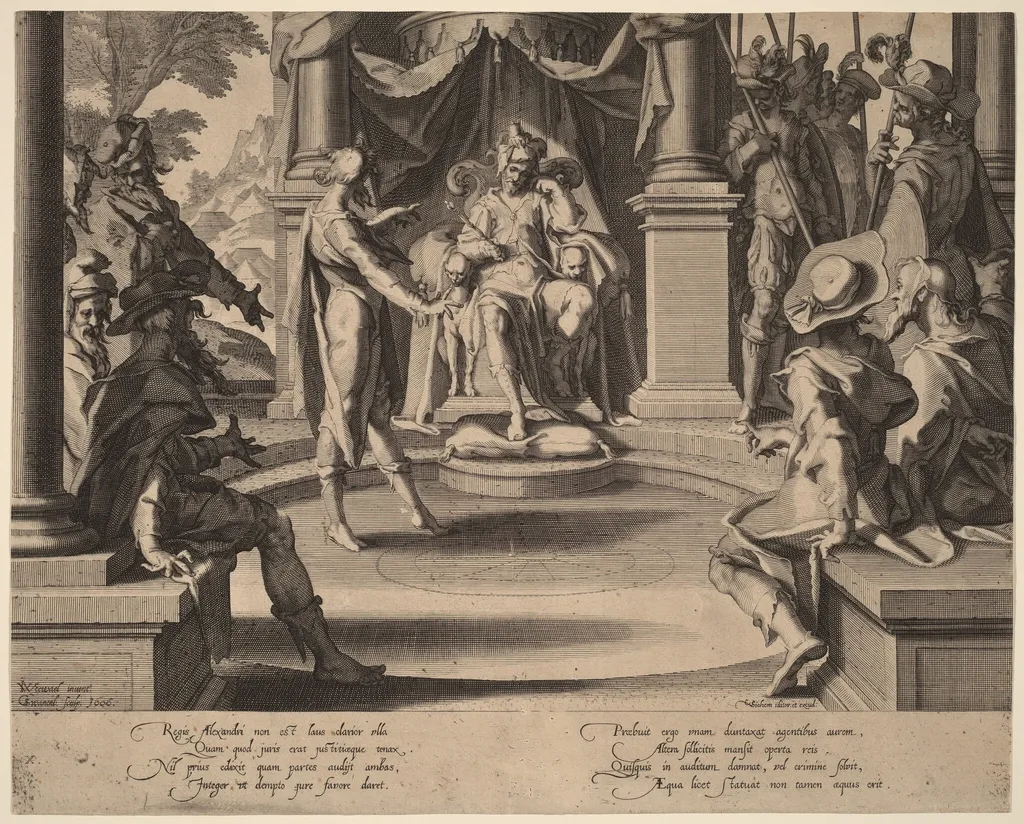
Alexander the Great Seated in Justice is an ink print by the Baroque artist Willem van Swanenburgh. It dates from 1606 and is held in the collection of the National Gallery of Art.
- Inscription
- Inscribed:in image, at bottom left: IWtewael inuent. / G. Swaneb. sculp. 1606; in image, at right: CVSichem editor: et excud:; below image: Regis Alexandri non est laus clarior ulla / Quam quod juris erat justitiaeque tenax. / Nil pruis edixit quam partes audiit ambas, / Integer ut dempto jure favore daret. / Proebuit ergo unam duntaxat agentibus aurem, / Altera sollicitis mansit operta reis. / Quilquis in auditum damnat, vel crimine solvit, / Aequa licet statuat non tamen aquus erit; below image, at left: X
About this work
Overview
Willem van Swanenburgh’s 1606 engraving presents a theatrical tableau centered on a seated figure on an elevated platform, cradling an infant.
Willem van Swanenburgh’s 1606 engraving presents a theatrical tableau centered on a seated figure on an elevated platform, cradling an infant. A standing companion points toward the throne‑like seat, while a crowd of diminutive figures ascends or kneels, their gazes directed upward. Architectural elements such as columns frame the scene, and a sky filled with turbulent clouds adds a dramatic backdrop.
Subject & Meaning
The central figure is identified as Alexander the Great, portrayed in the allegorical guise of Justice. By holding a child and being flanked by a gesturing attendant, the image suggests the ruler’s role as a protector and arbiter, linking his military conquests with the moral authority of equitable governance.
Technique & Style
Executed with fine incised lines on laid paper, the print demonstrates van Swanenburgh’s skill in rendering texture and volume. Cross‑hatching creates subtle shadows that model the drapery and flesh, while the delicate lettering at the bottom integrates a narrative caption into the visual field, a common practice in early‑17th‑century prints.
History & Provenance
Created in the early seventeenth century, the engraving reflects the period’s fascination with classical heroes and their moral symbolism. Though specific ownership records are scarce, the work survives in several European print collections, indicating its circulation among collectors interested in historical allegory and the technical achievements of Dutch engraving.
Own this work as a print
Artist & collection

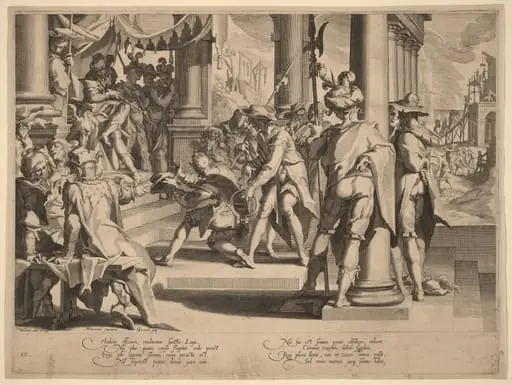
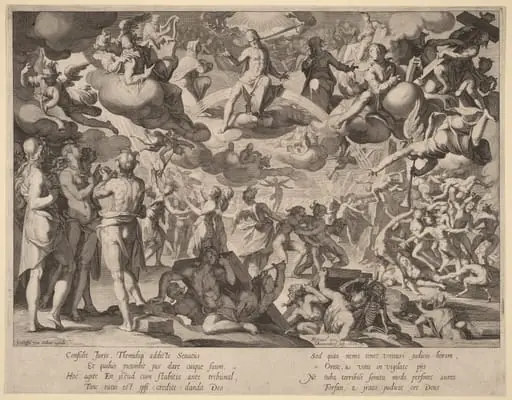
- Christ Disputing with the Doctors
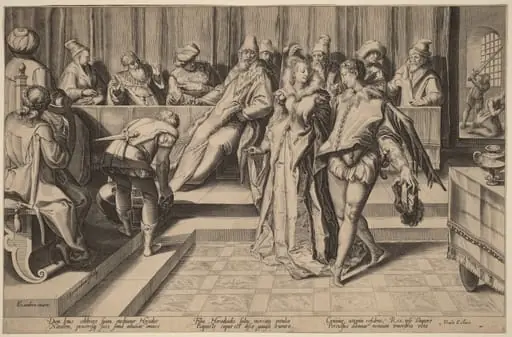 Salome Dancing Before Herod
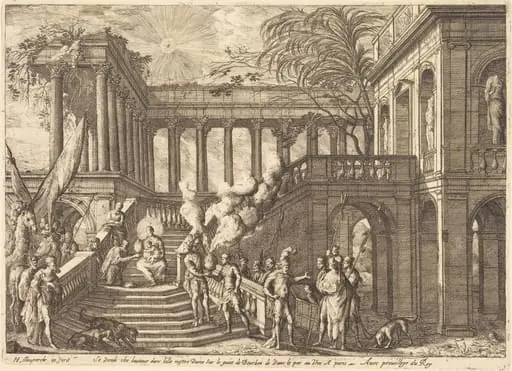 The Adoration of the Kings
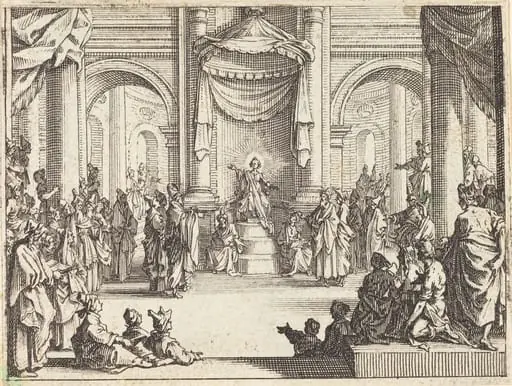 Christ Disputing with the Doctors
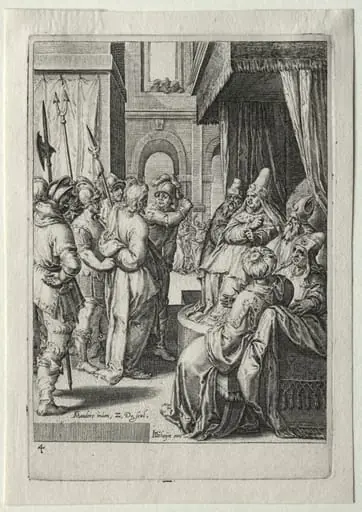 Passion Set: Christ before Herod
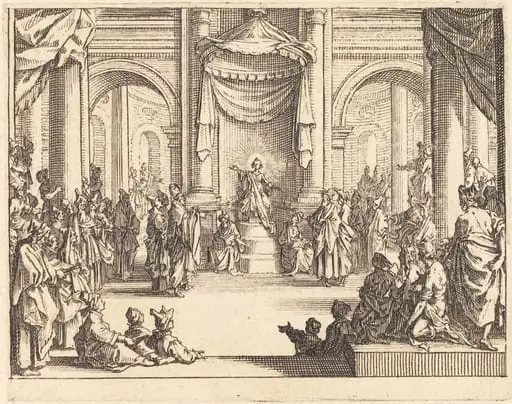 Christ Disputing with the Doctors
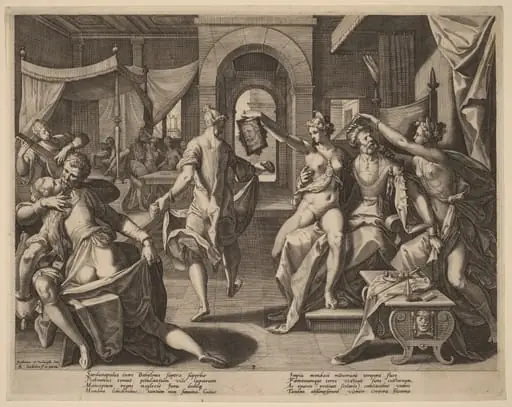 Sardanapalus among the Concubines
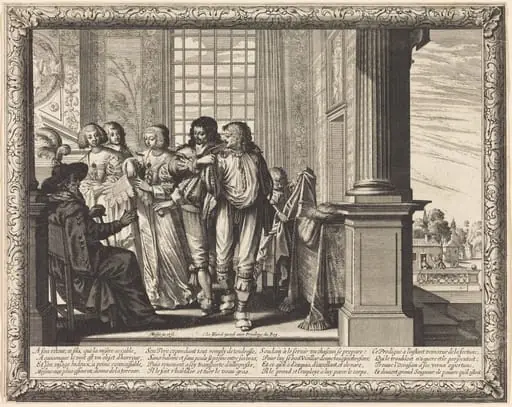 The Prodigal Son's Father Orders the Best Robe and the Slaughter of the Fatted Calf