Artwork
Johan Theodore Stracké (1817-1891), Sculptor
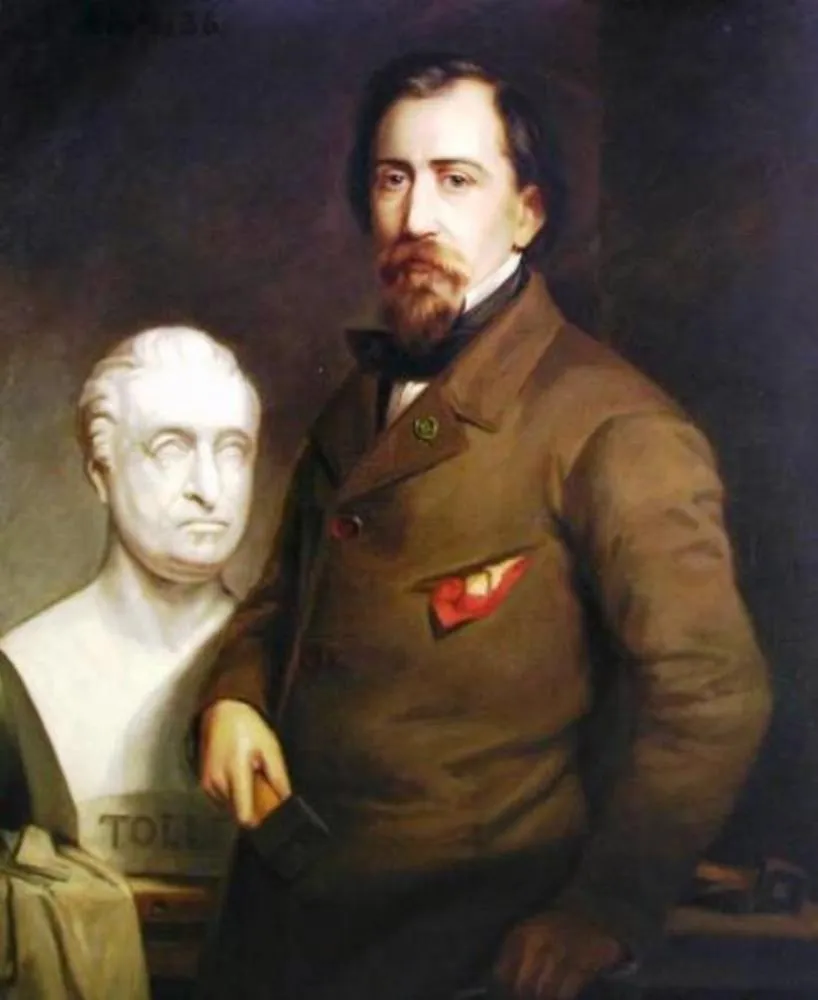
Johan Theodore Stracké (1817-1891), Sculptor is an oil painting by the Biedermeier artist Sybrand Altmann. It dates from 1870 and is held in the collection of the Rijksmuseum.
About this work
Subject & Meaning
As a portrait created by Sybrand Altmann in 1870, the primary subject is the individual himself rather than a mythological, allegorical, or narrative scene.
The work depicts Jean Theodore Stracké, the sculptor for whom the painting is named. As a portrait created by Sybrand Altmann in 1870, the primary subject is the individual himself rather than a mythological, allegorical, or narrative scene. The piece functions as a direct representation of the artist's life and identity, capturing Stracké's likeness without additional symbolic elements described in the available records.
The focus remains strictly on the person, serving as a visual document of the sculptor during the late nineteenth century.
Technique & Style
The work is an oil painting executed on canvas, measuring 120 cm by 85 cm. It portrays Jean Theodore Stracké and was created in 1870 by Sybrand Altmann for Franciscus Leonardus Stracké. The stylistic approach aligns with 19th-century portraiture, emphasizing realistic rendering and formal composition characteristic of Dutch academic art.
The painting's condition and handling history are tied to its provenance within the Stracké family before entering the Rijksmuseum collection.
History & Provenance
The painting is held in the collection of the Rijksmuseum and is recorded under the accession number SK-A-2058. It entered the museum's holdings through inheritance from Franciscus Leonardus Stracké. The work was featured in the Rijksmuseum exhibition 'Nineteenth Century Portraits' in 2015.
Overview
Sybrand Altmann’s 1870 oil portrait presents the Dutch sculptor Johan Theodore Stracké (1817‑1891). The work belongs to the Rijksmuseum’s collection and offers a formal representation of the artist in his middle years, rendered in a restrained palette that emphasizes his attire and the sculptural bust beside him.
Context
During the latter half of the 19th century, portraiture served both as a record of professional stature and as a means of personal commemoration. Stracké, known for his sculptural output, is depicted alongside a bust bearing the name “Tolle,” possibly referencing a specific work or patron, situating the portrait within the broader practice of artists presenting their own creations.
Legacy
While Altmann’s portrait is not widely reproduced, it functions as a visual document of Stracké’s appearance and his self‑identification as a sculptor. The painting contributes to the Rijksmuseum’s narrative of Dutch artistic development, linking painter and sculptor within a single frame.
Artist & collection

- Scarlat Petrovici Armis
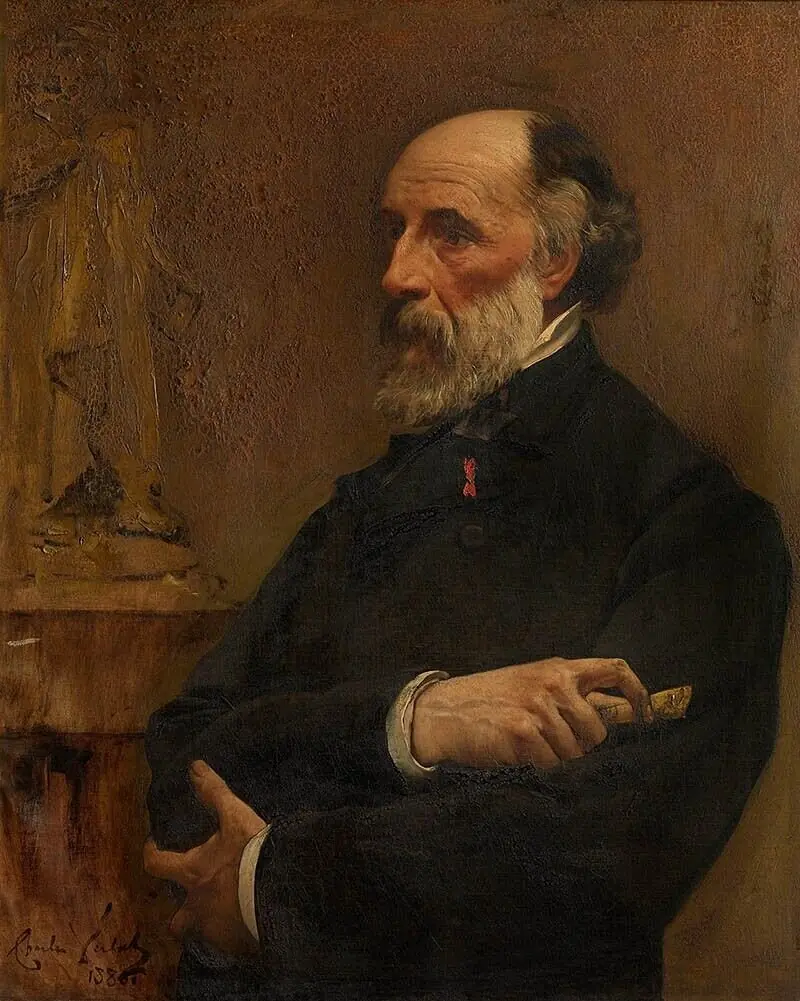 Portrait of the sculptor Jacques De Braekeleer
 Portret de bărbat
 Autoportret
 Portrait of a Man
 Portrait of Prince Nikolai Yusupov
 Portrait of a man in a fur
 Self-portrait
 Dr. jur. Josef Bedeus von Scharberg
 Autoportret
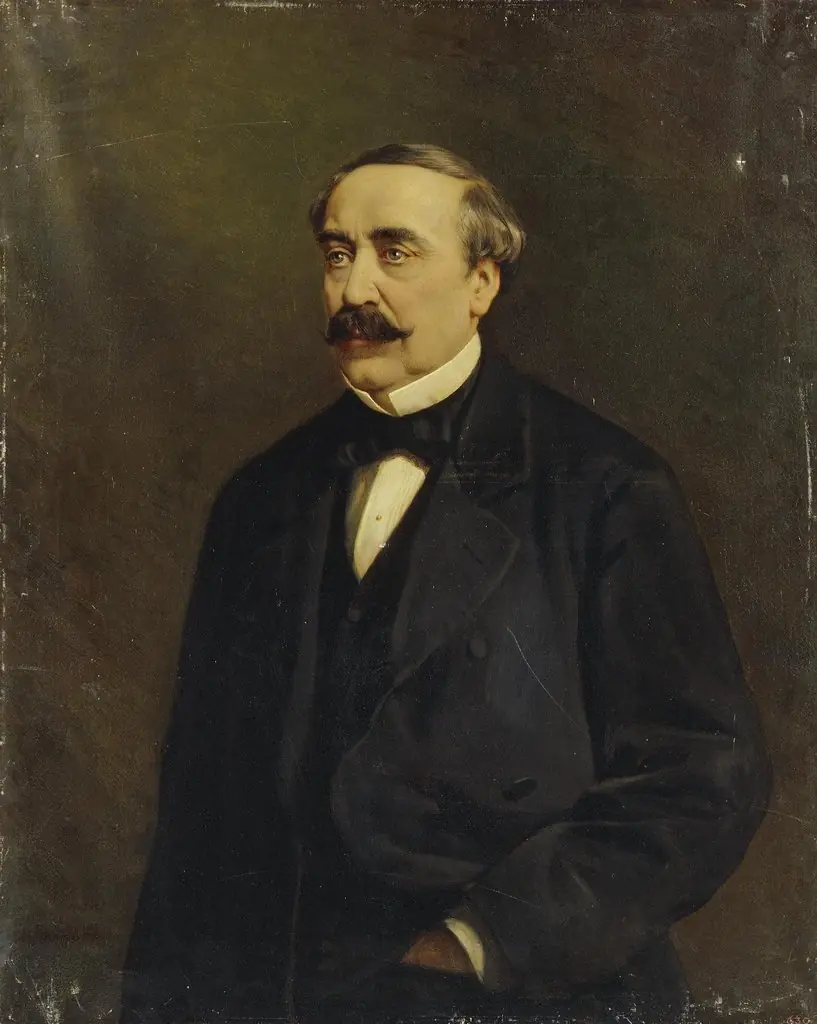 Portrait of the Mining Engineer Nikolay Teplov
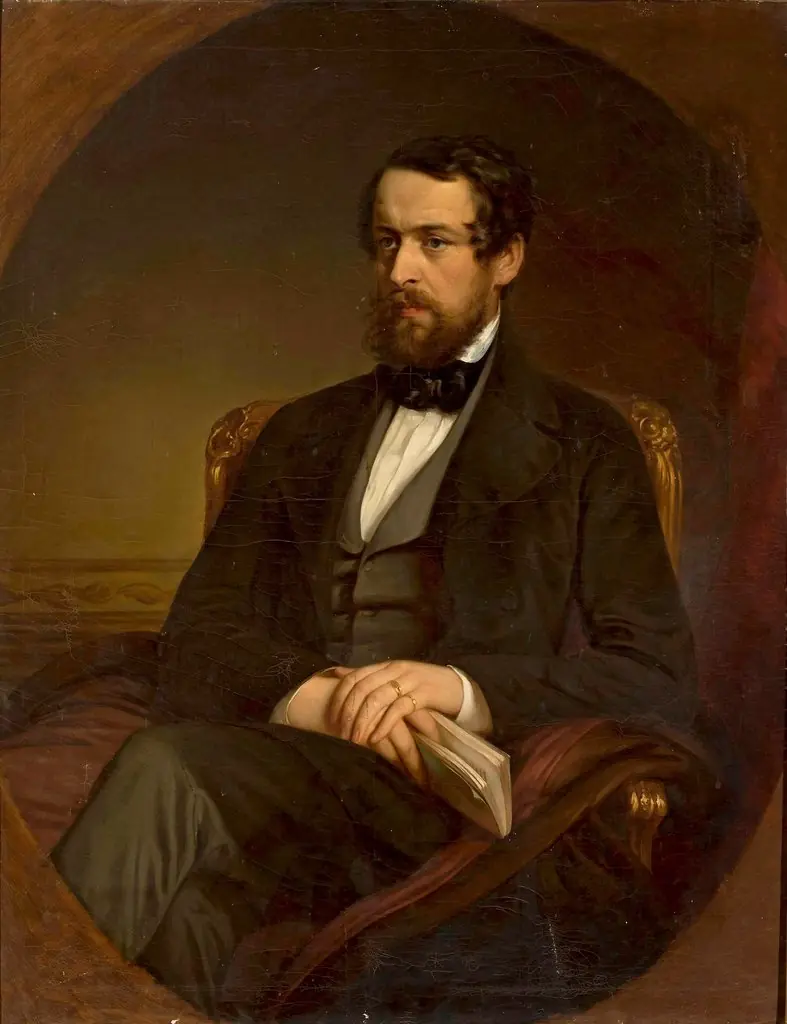 Portrait of Zdzisław Zamoyski