Artwork
Profeetta Elia, venäläinen ikoni
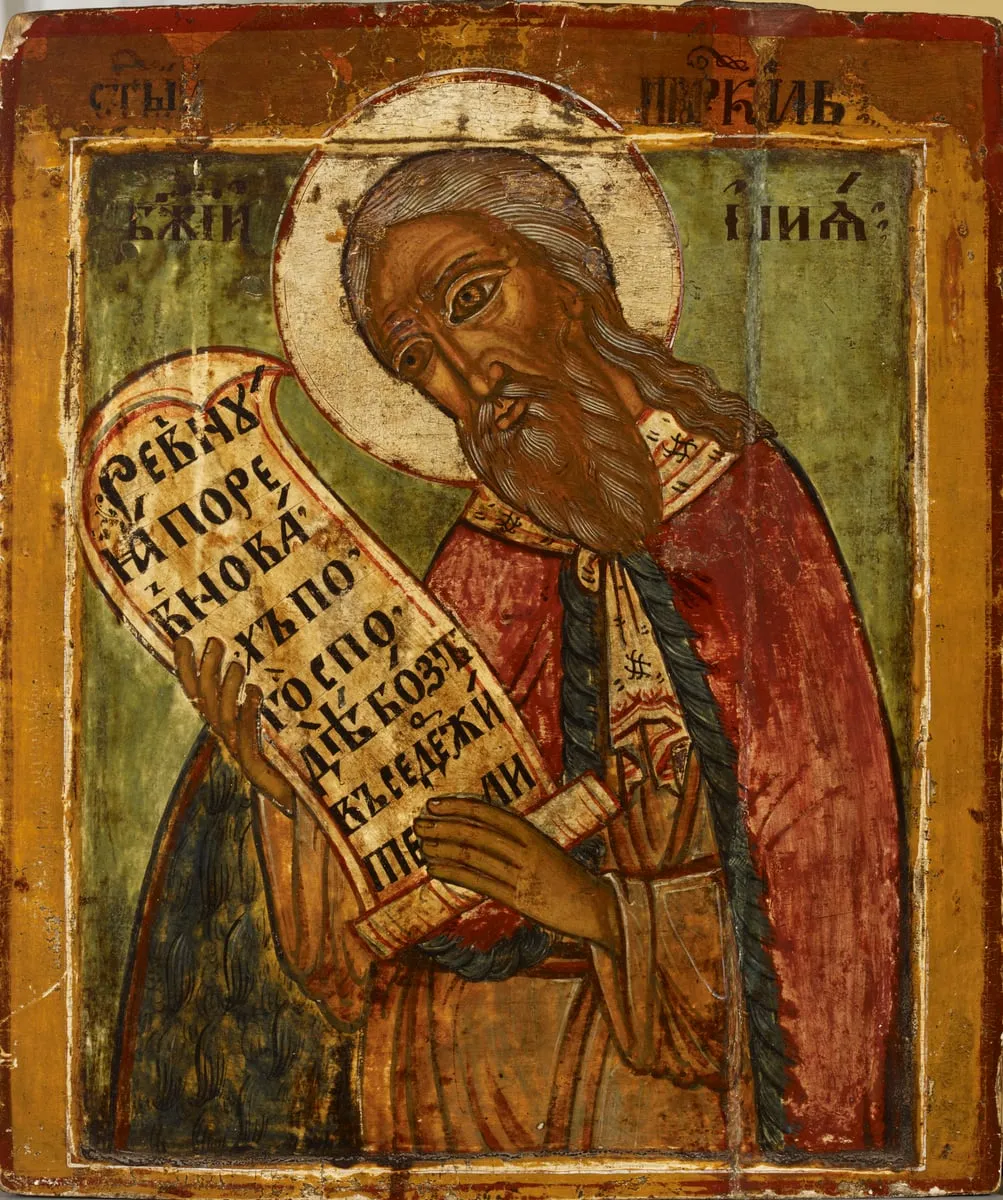
Profeetta Elia, venäläinen ikoni is an unspecified painting by the Russian Icon artist tekijä ei tiedossa. It is held in the collection of the Finnish National Gallery.
About this work
Overview
The use of bright pigments and stylized forms reflects a spiritual rather than earthly aesthetic, characteristic of Russian iconography from the period.
This wooden panel icon, titled Profeetta Elia, originates from medieval Russia and exemplifies the traditional religious art form used in Orthodox Christian devotion. Unlike secular paintings, icons were created as aids for prayer and contemplation, not for naturalistic representation. The use of bright pigments and stylized forms reflects a spiritual rather than earthly aesthetic, characteristic of Russian iconography from the period.
Subject & Meaning
The figure depicted is the prophet Elijah, a central figure in biblical tradition known for his zeal and divine encounters. He holds a scroll, symbolizing his prophetic messages from God. His solemn expression and rigid posture convey spiritual authority and divine presence.
The icon serves not as a portrait but as a window to the sacred, inviting the viewer into prayerful reflection.
Technique & Style
Painted in tempera on wood, the icon employs flat, non-perspective composition and symbolic color: red for divine energy, blue for heavenly truth. Facial features are elongated and stylized, avoiding individualized realism. Gold accents may once have highlighted divine radiance.
The rigid symmetry and lack of shadow emphasize timelessness, aligning with theological principles that prioritize spiritual truth over physical accuracy.
History & Provenance
Created during the medieval era in Russia, this icon likely adorned a private chapel or monastery wall. Its survival suggests it was carefully preserved, possibly due to its religious significance or the status of its original owner. Such icons were often passed down through generations or donated to churches, making their survival rare outside institutional collections like the Museum of Ethnography.
Context
In medieval Russian society, icons were integral to daily worship and liturgical life. They were believed to mediate between the faithful and the divine, with each image following established models passed through iconographic manuals. The veneration of Elijah, a figure associated with divine judgment and ascension, resonated deeply in a culture shaped by Orthodox theology and monastic tradition.
Legacy
This icon remains a testament to the enduring role of religious imagery in Russian spiritual life. Though production declined after the 18th century, surviving examples like this one inform modern understanding of pre-modern devotional practices. Museums now preserve them not as art objects alone, but as cultural artifacts embodying centuries of faith and craftsmanship.
Artist & collection
Artist
This unknown artist left behind work that feels like a hushed conversation in a candlelit chapel.

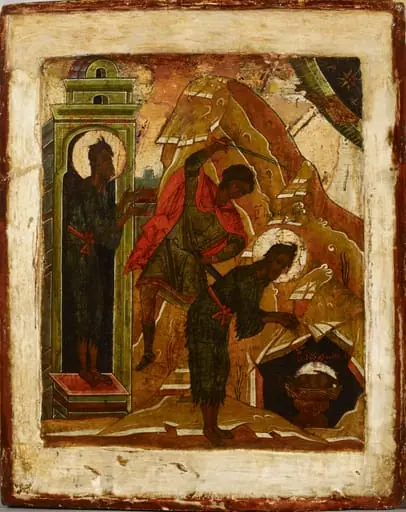 Johannes Kastajan mestaus, venäläinen ikoni
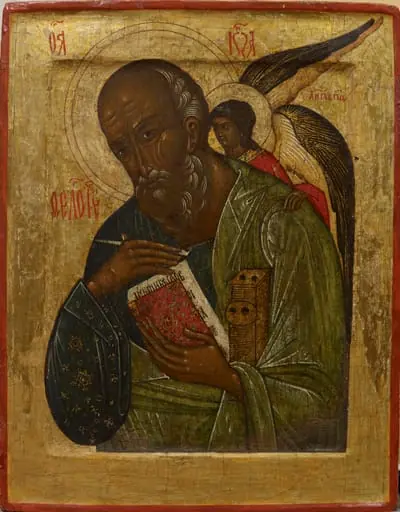 Johannes Evankelista, venäläinen ikoni
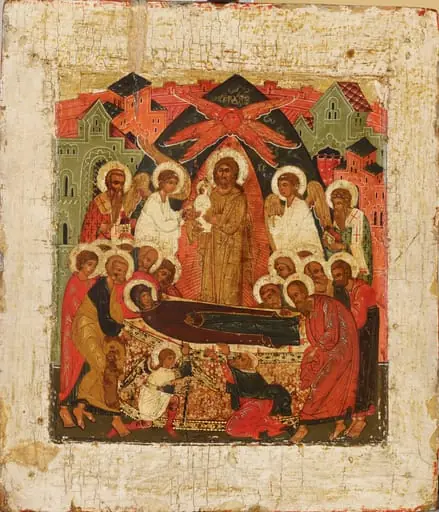 Jumalanäidin kuolonuneen nukkuminen, venäläinen ikoni
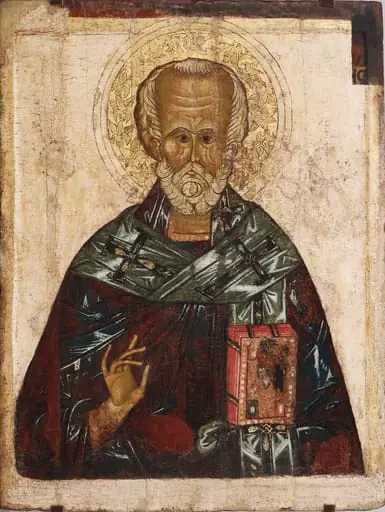 Pyhä Nikolaus, venäläinen ikoni
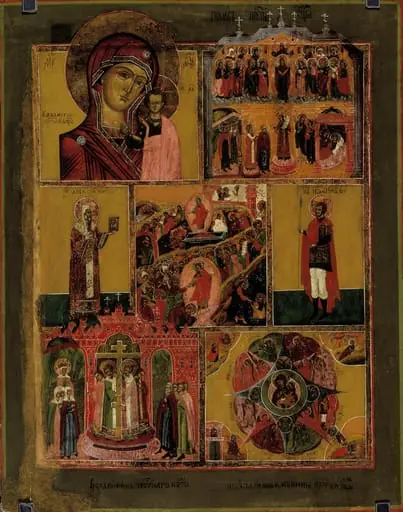 Pääsiäinen ja kirkkovuoden juhlia, venäläinen ikoni
 Apollo ja Dafne
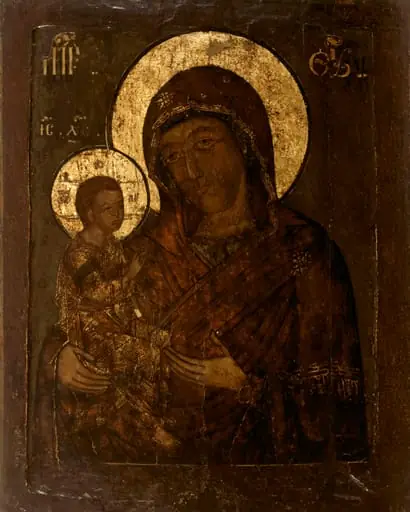 Jerusalemin Jumalanäiti, (Hodigitria), venäläinen ikoni
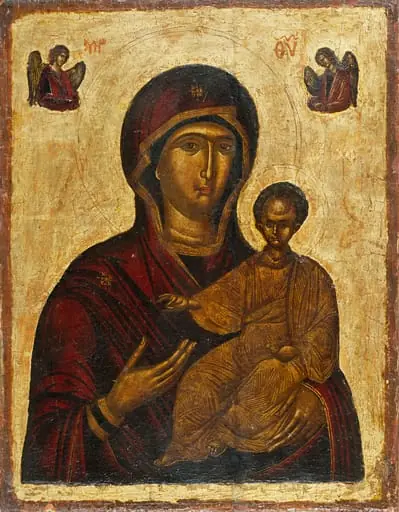 Jumalanäiti, Hodigitria - Tiennäyttäjä, bysanttilainen ikoni