Artwork
Untitled
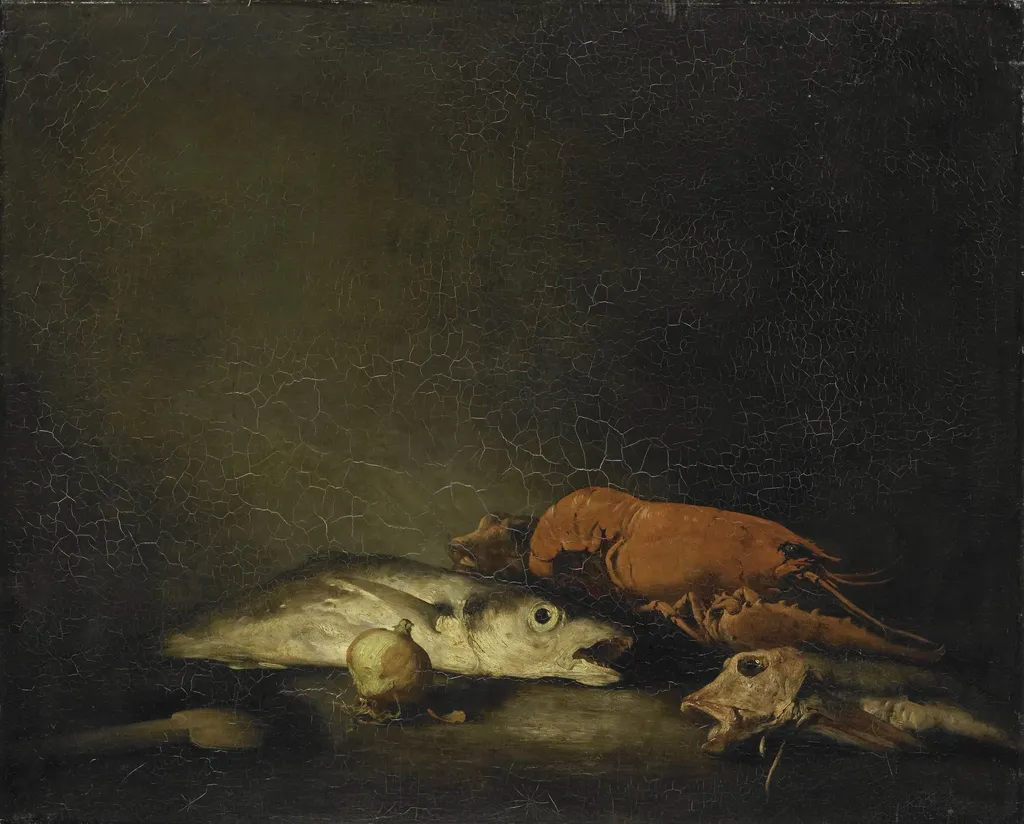
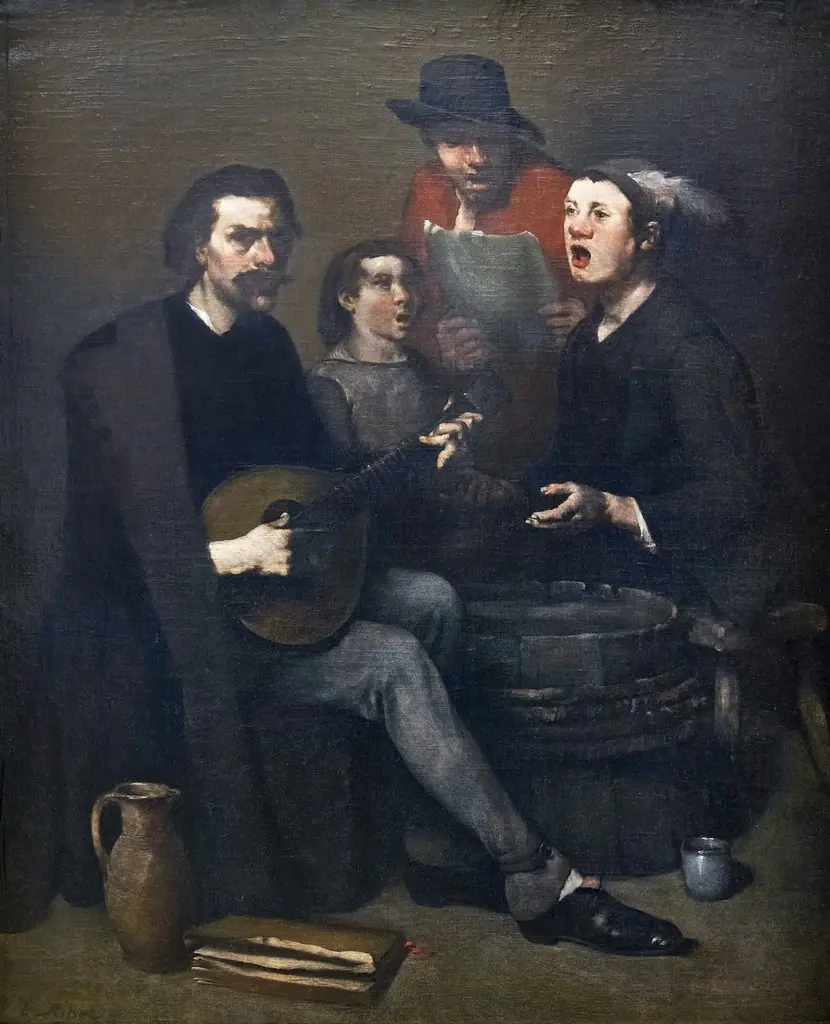
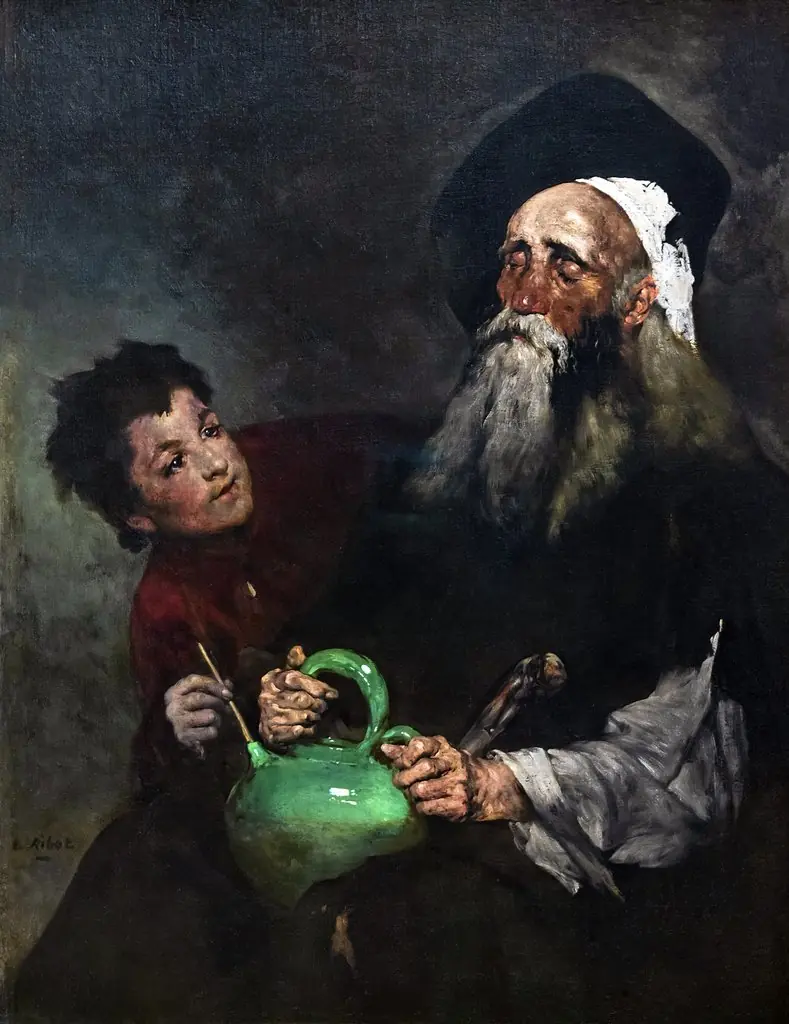
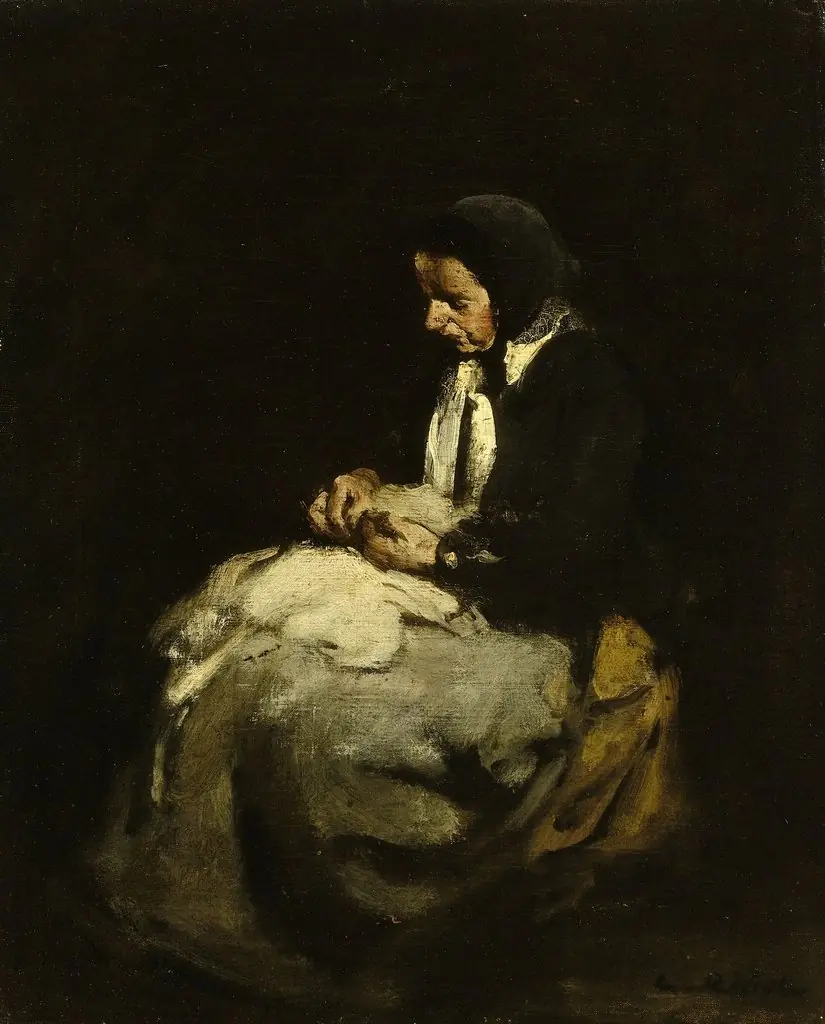
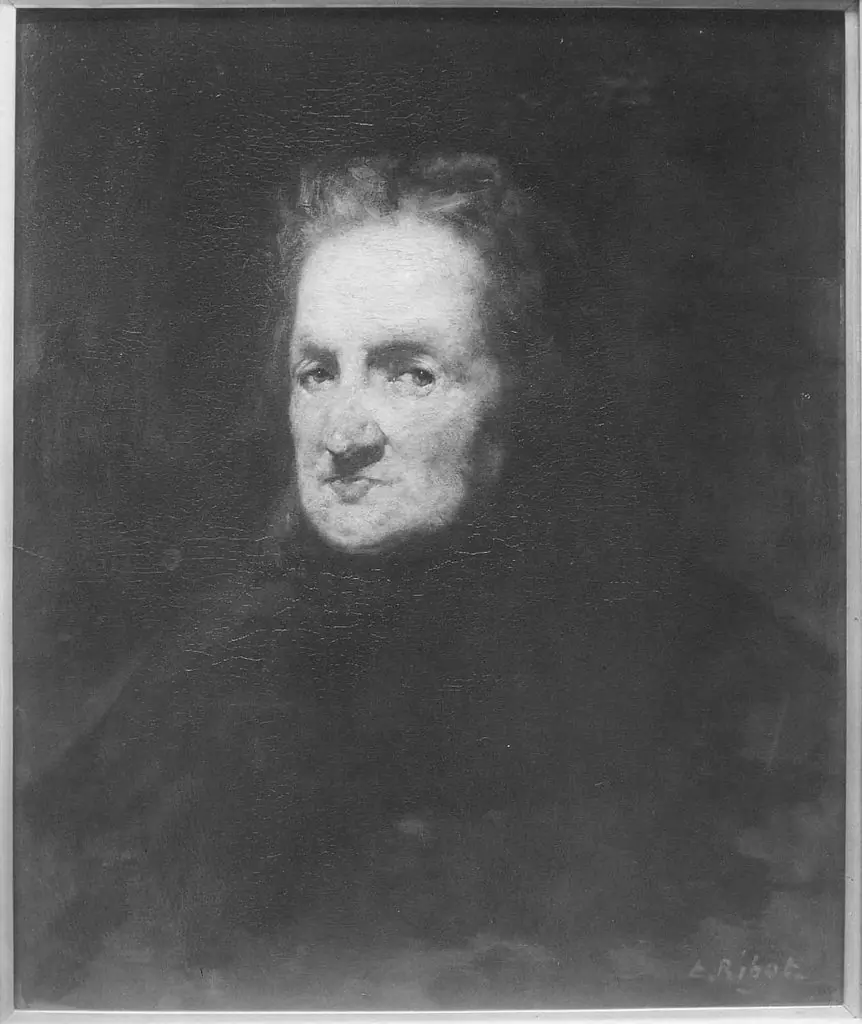
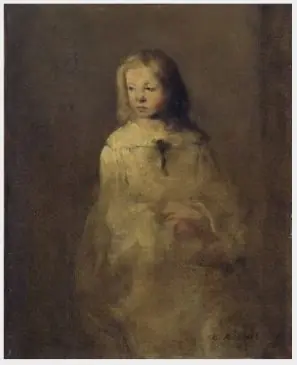
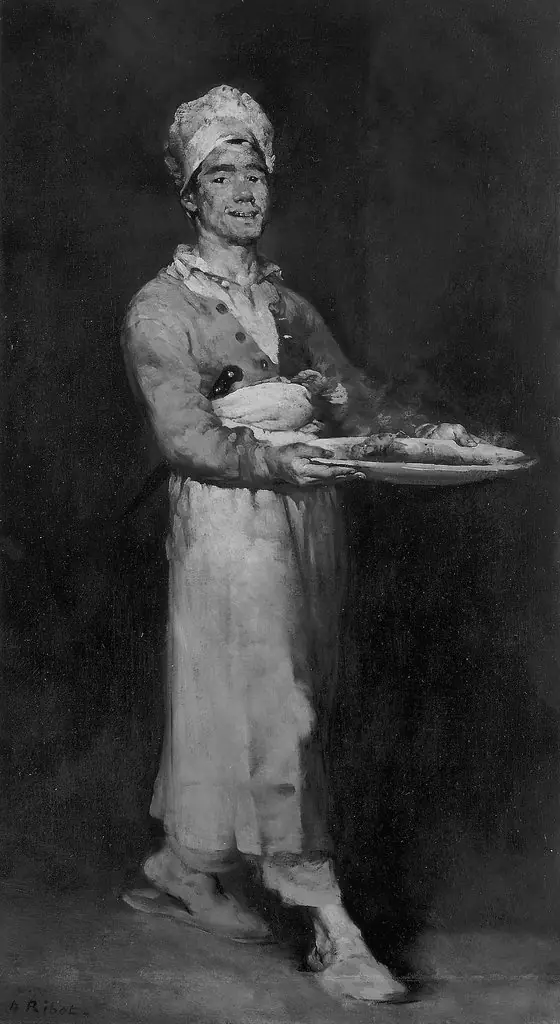
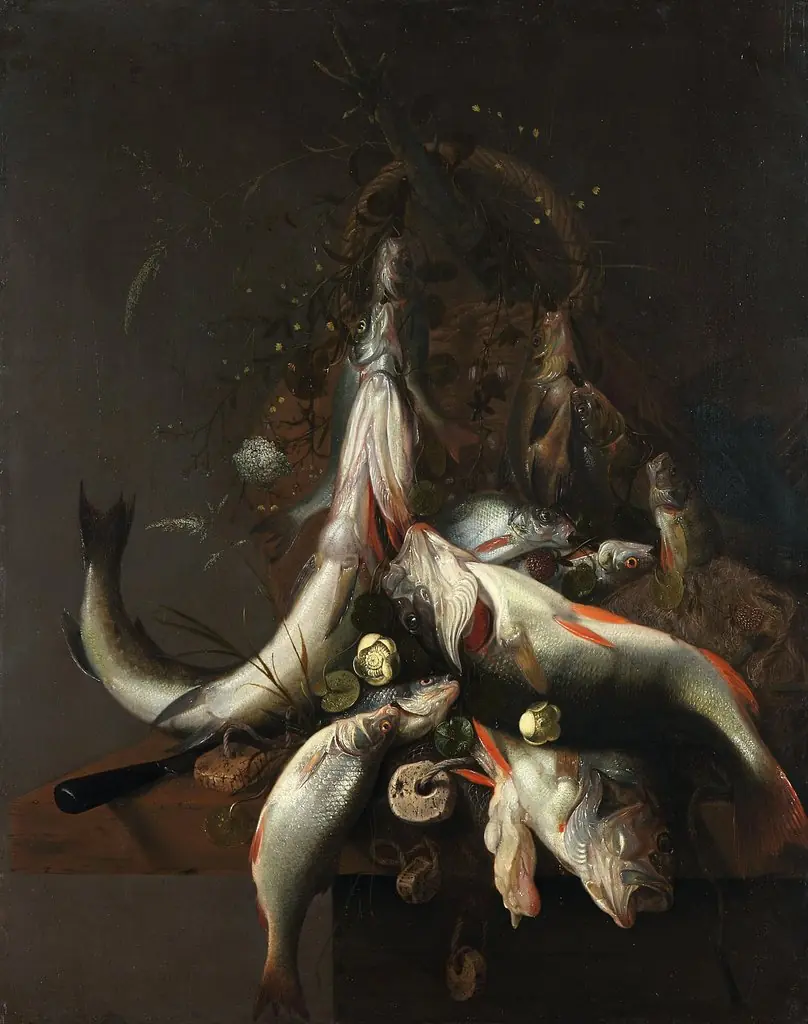
Untitled is an unspecified painting by the Realist artist Augustin Théodule Ribot. It dates from 1870 and is held in the collection of the Rijksmuseum.
About this work
Subject & Meaning
The work employs strong chiaroscuro to isolate faces and hands against dimly lit backgrounds, emphasizing psychological depth and realism.
Ribot's Untitled painting depicts humble domestic activities, often featuring family members engaged in quiet, everyday tasks such as preparing meals or reading together. The work employs strong chiaroscuro to isolate faces and hands against dimly lit backgrounds, emphasizing psychological depth and realism. This approach reflects his alignment with French Realism and his influence from Spanish and Dutch Baroque masters like Ribera and Rembrandt, while maintaining a focus on ordinary subjects rendered with intensity and clarity.
Technique & Style
Théodule Ribot worked primarily in oil paint, though he also produced works in pencil, crayon, and etching. His oil paintings are executed on canvas, often featuring domestic genre scenes, still lifes, and portraits. Stylistically, Ribot adhered to French Realism, emphasizing the direct observation of nature and the dramatic contrasts of light and dark. He employed a strong chiaroscuro technique, drawing inspiration from Spanish and Dutch Baroque masters like Ribera and Rembrandt, to suggest psychological depth and highlight faces and hands emerging from dimly lit surroundings. His early works are characterized by a dry and austere quality, while his later paintings display a freer and broader handling of the medium. Ribot frequently used family members as models for his figure compositions, depicting them engaged in humble activities.
Context
Théodule Ribot’s work was widely received during his lifetime as a refined example of French Realism, aligning him with progressive artists of the generation preceding the Impressionists while remaining aesthetically conservative. Critics praised the psychological intensity achieved through his studied chiaroscuro, comparing his handling of light and shadow to Spanish and Dutch Baroque masters such as Jusepe de Ribera and Rembrandt van Rijn. Ribot’s Salon debut in 1861 with kitchen interiors established his reputation; medals at the Salons of 1864 and 1865 consolidated public and critical favor, and in 1878 he was named a Chevalier of the Légion d’honneur.
Scholarship situates Ribot within the realist orbit shaped by Gustave Courbet and François Bonvin, emphasizing his preference for humble subjects rendered from direct observation and his technical synthesis of Dutch genre tradition with French realist practice. His etchings and paintings of preparatory figures reveal a method that oscillated between autonomous works and studies for larger compositions, reflecting the era’s fluid boundaries between design and execution. The artist’s use of concentrated artificial light to isolate faces and hands became a hallmark, underscoring his continuity with realist luminist strategies rather than advancing the plein-air innovations of Impressionism.
Legacy
Théodule Ribot's legacy rests on his role as a leading figure of French Realism whose realist genre scenes and portraits influenced later artists and movements. He was celebrated in his lifetime for technical mastery of chiaroscuro and psychological depth, earning medals at the Paris Salons and the Légion d'honneur, and his works entered major collections across Europe and North America. His reputation as a precursor to Impressionism was noted by contemporaries such as Fantin-Latour and Monet, who honored him with a public banquet in 1884. Ribot's paintings remain in institutions including the Louvre, Musée d'Orsay, and the Metropolitan Museum of Art, and his technique of isolating figures in stark light influenced 20th-century artists.
His legacy is also defined by his contributions to printmaking and illustrated publications, including collaborations with Cadart and Lemerre, which expanded his reach beyond painting.
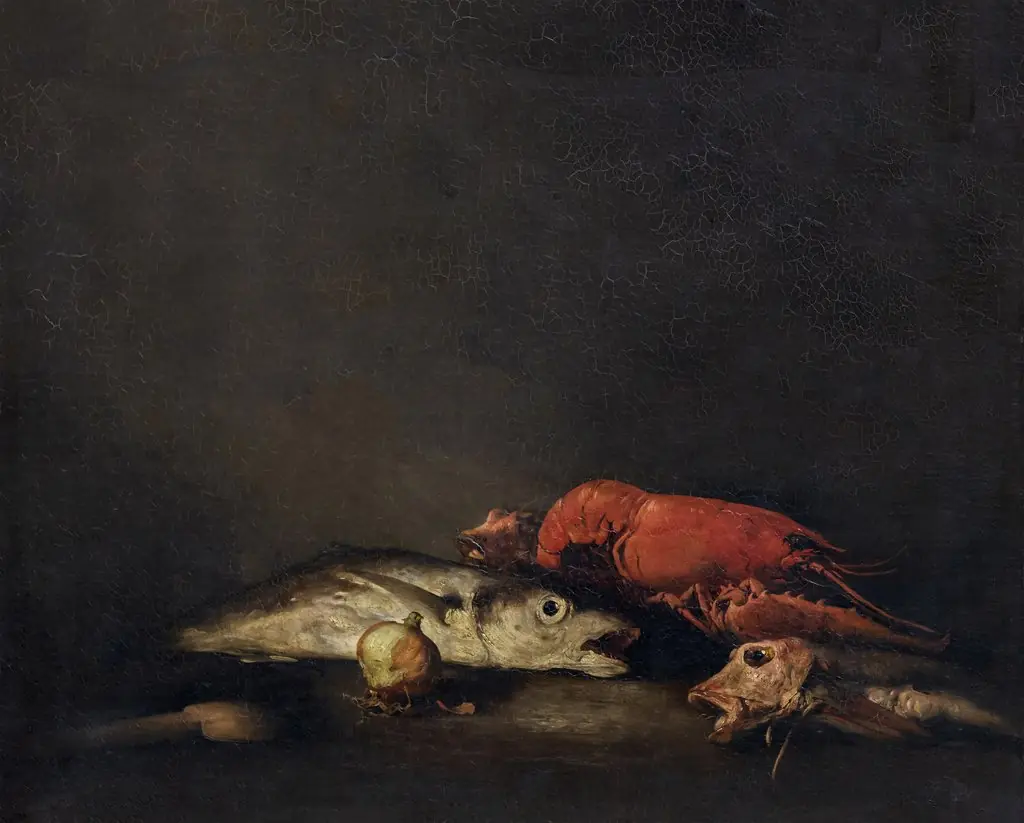
Own this work as a print
Artist & collection
Artist
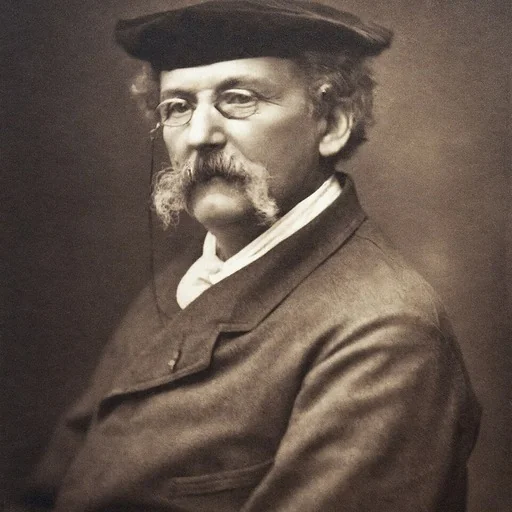
Théodule-Augustin Ribot (French:; August 8, 1823 – September 11, 1891) was a French realist painter and printmaker.

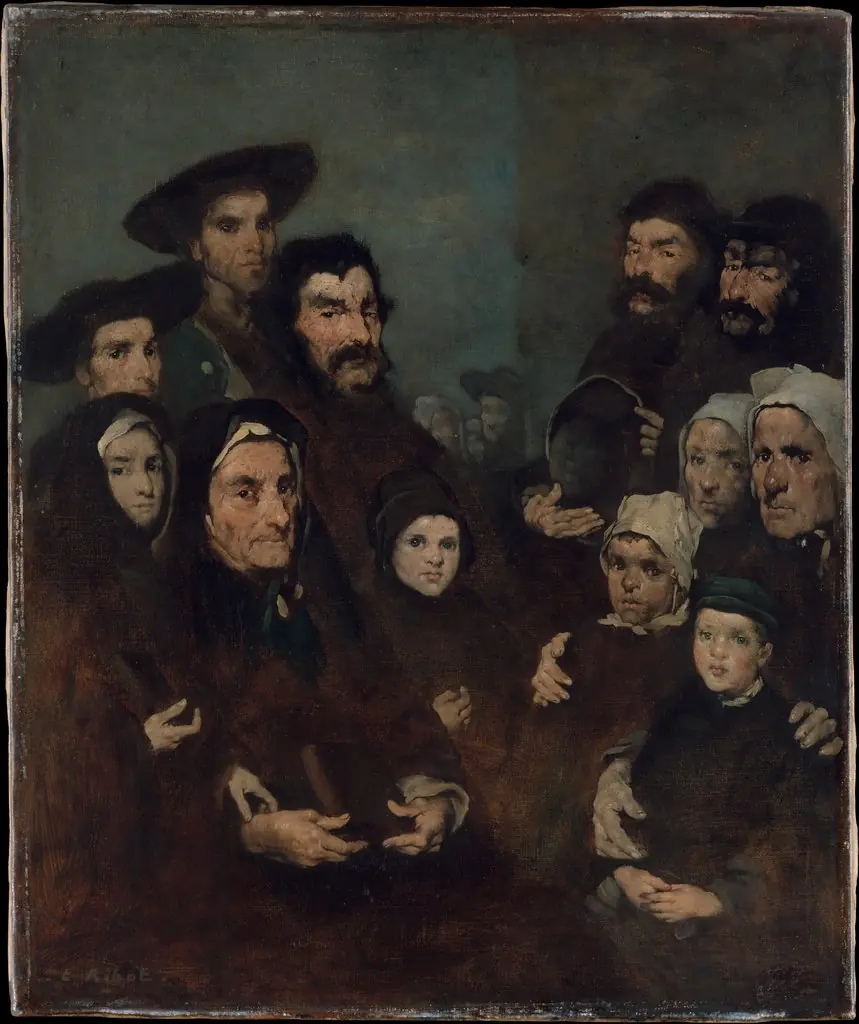
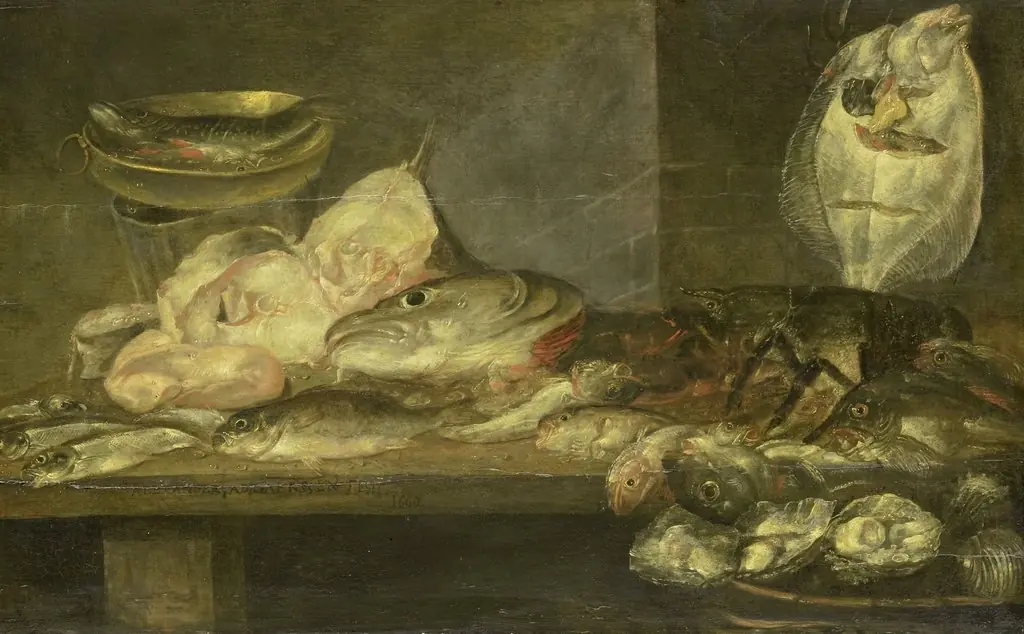 Still life with fish
 Still Life with Fish and a Lobster and Oysters on a Table nearby
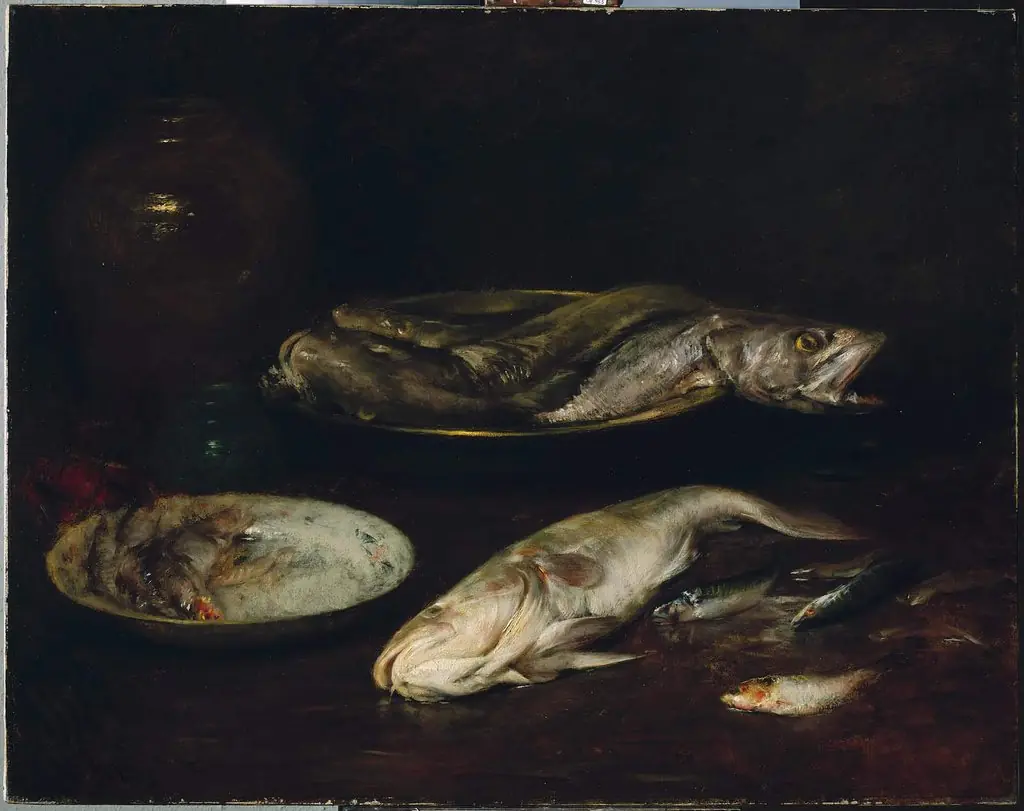 Still Life - Fish
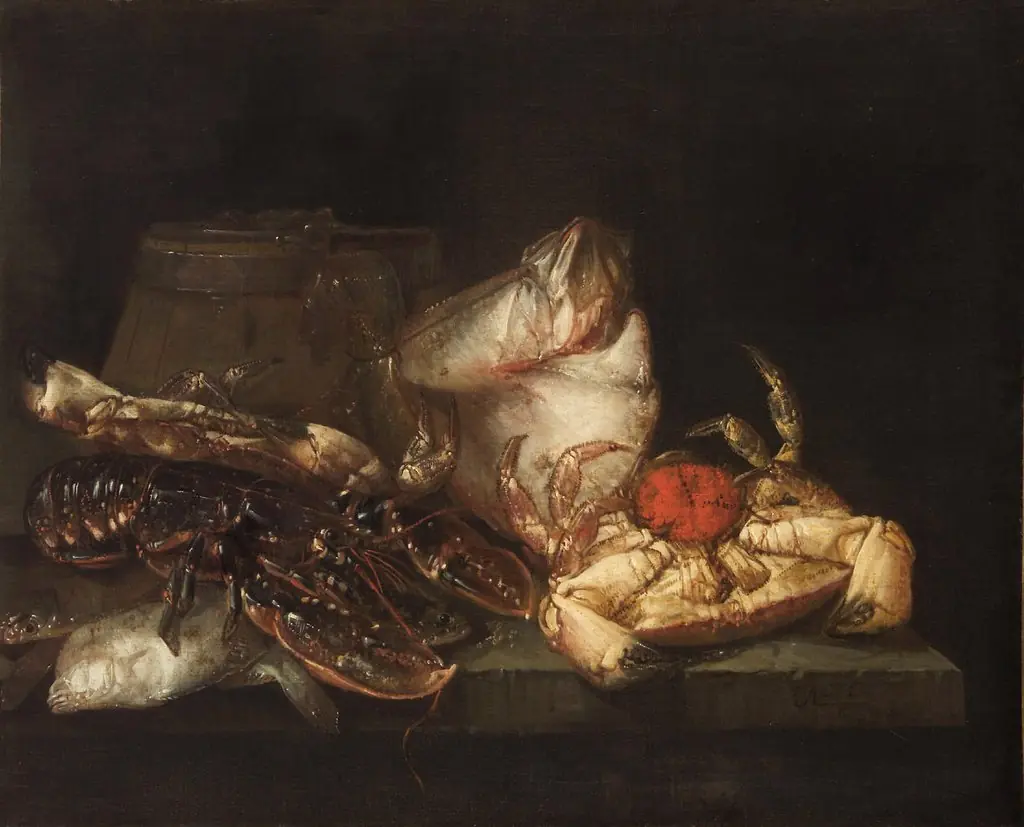 Stilleben mit Fischen und Krebsen
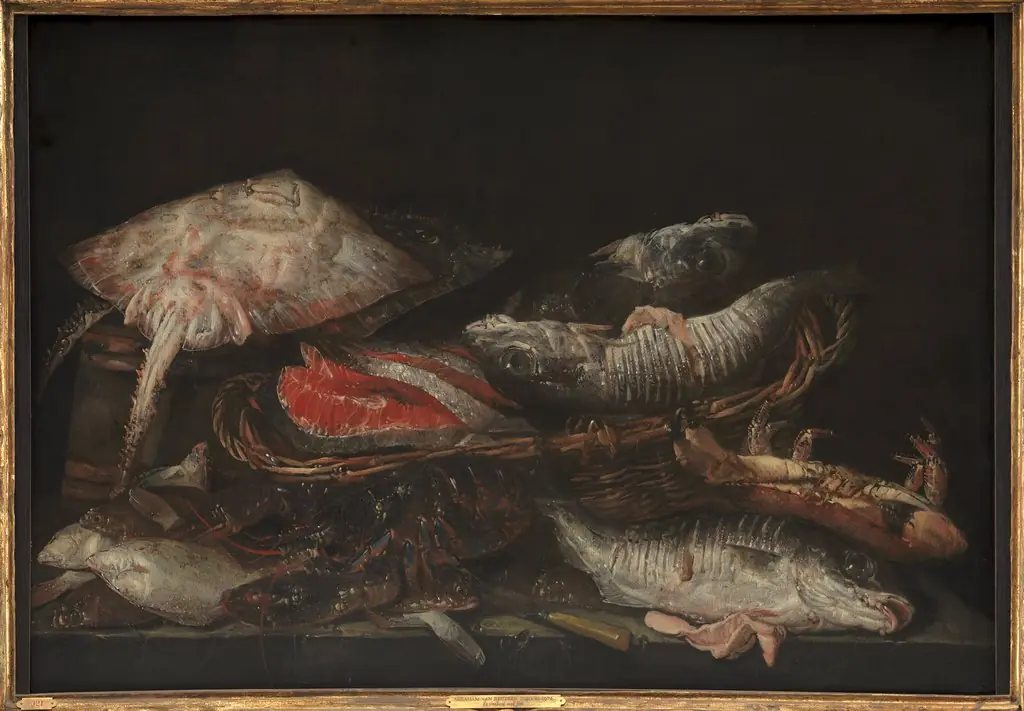 Still Life with Fish on a Stone Table
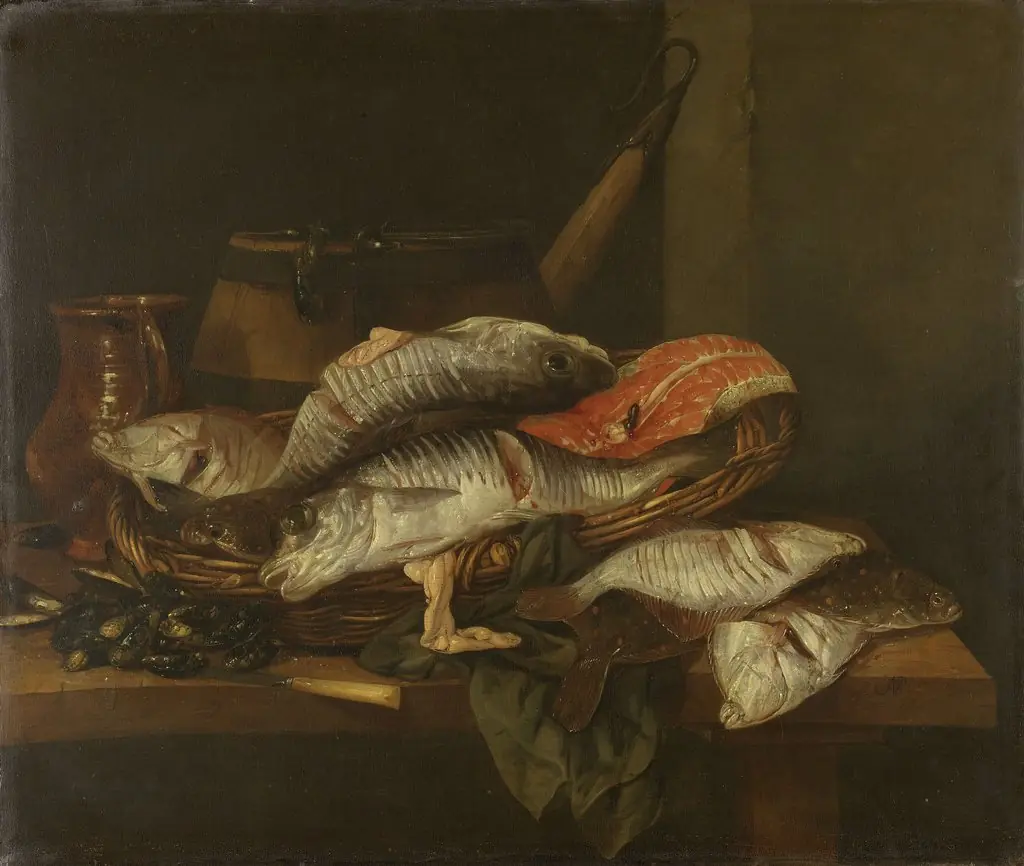 Still life with fish
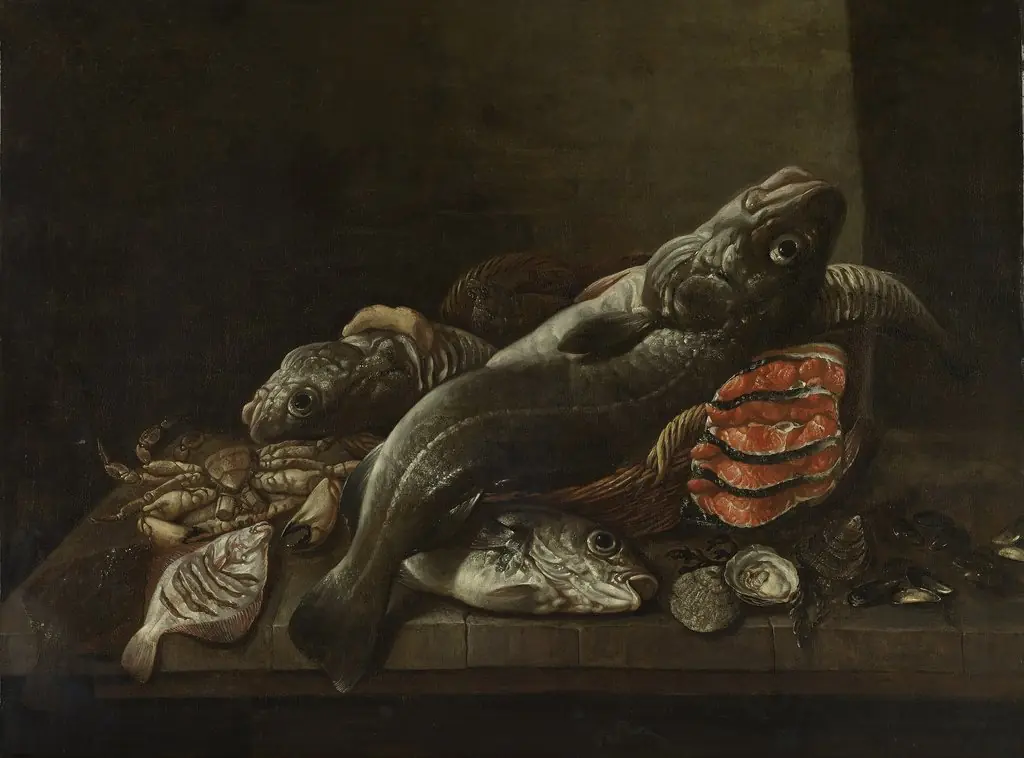 Still Life with Fish
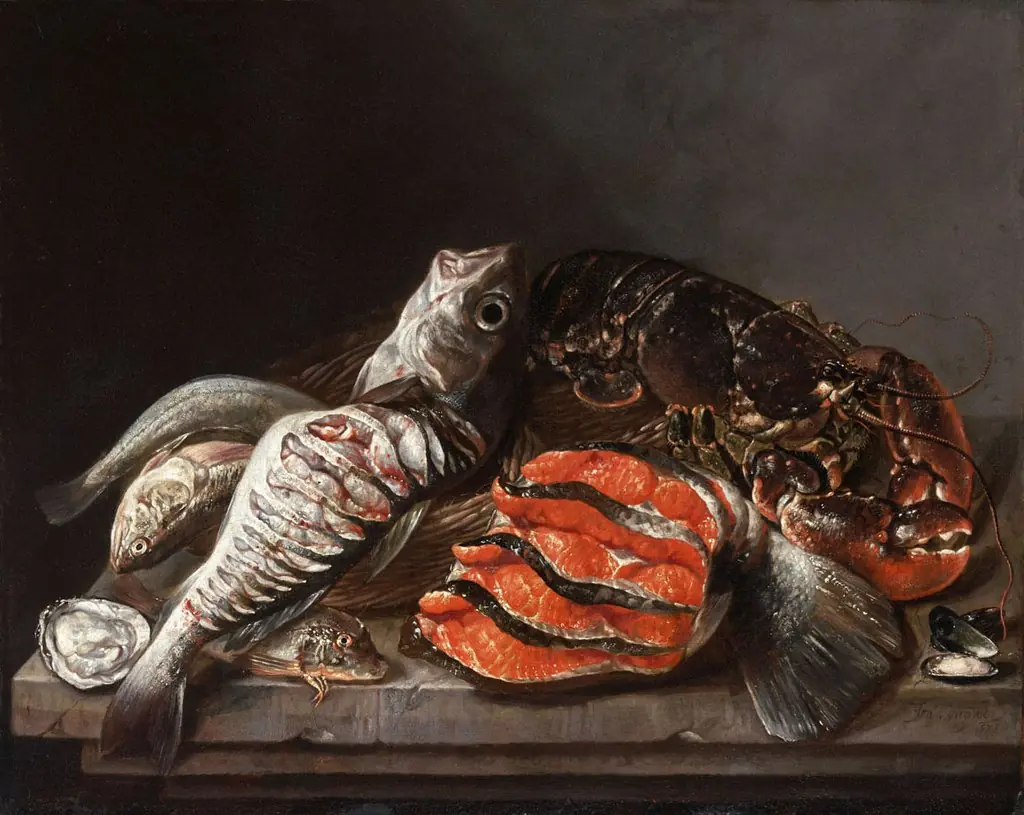 Fish (Still Life)
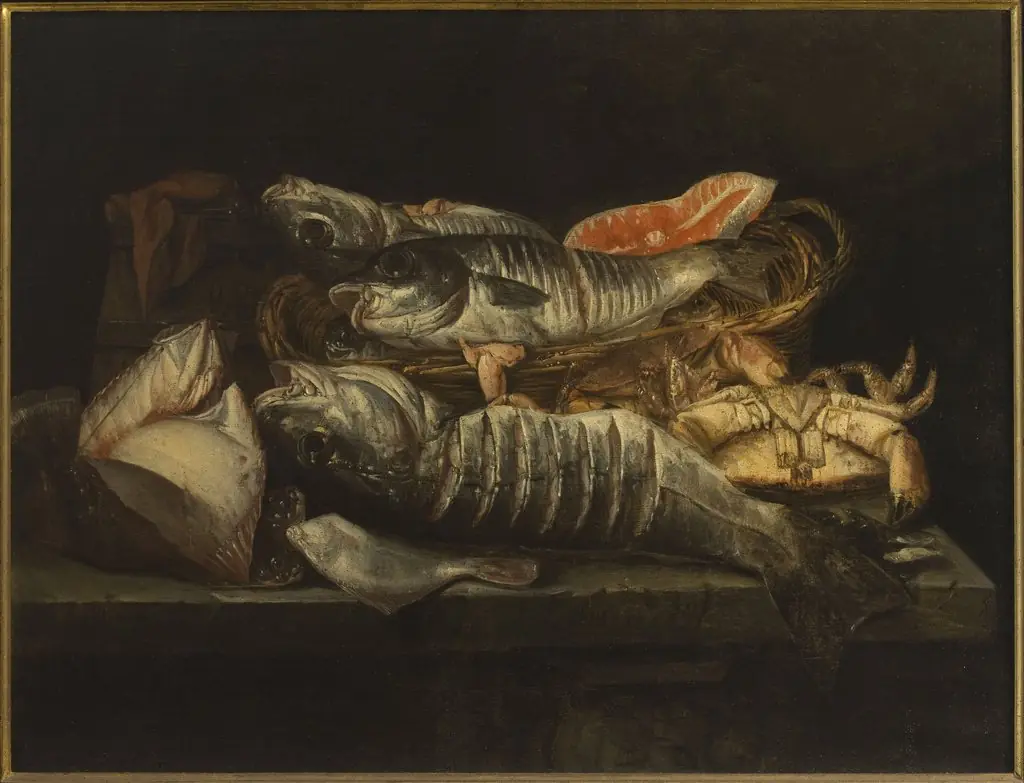 Still Life with Fish and Crustaceans on a Table
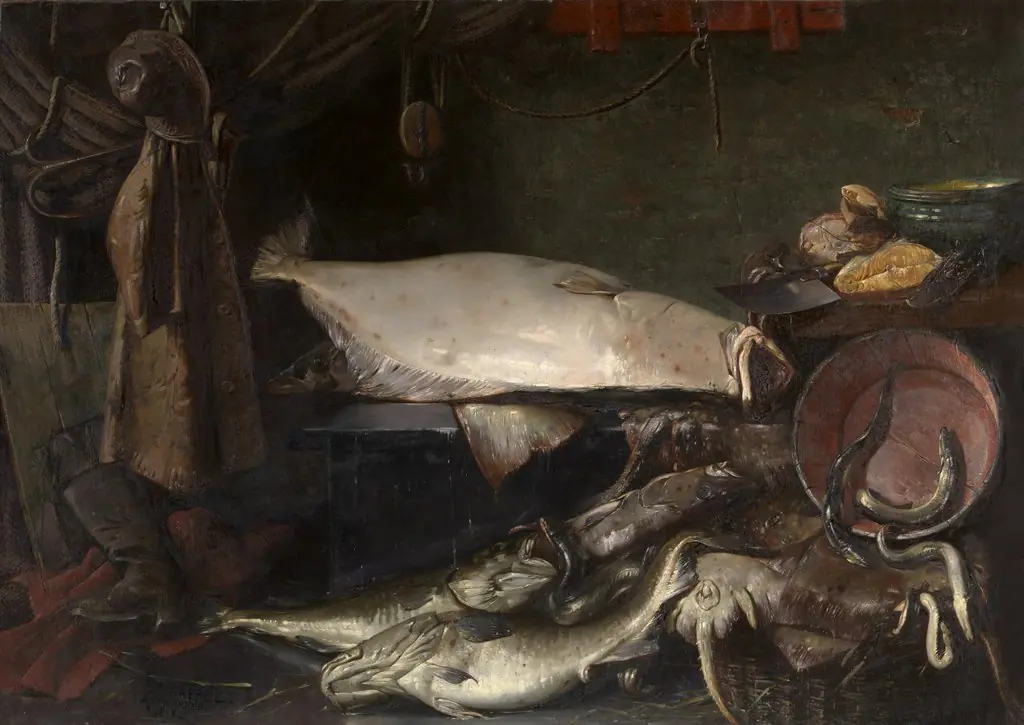 Still Life with Fish
 Stilleben mit toten Fischen