Movement
French Realism
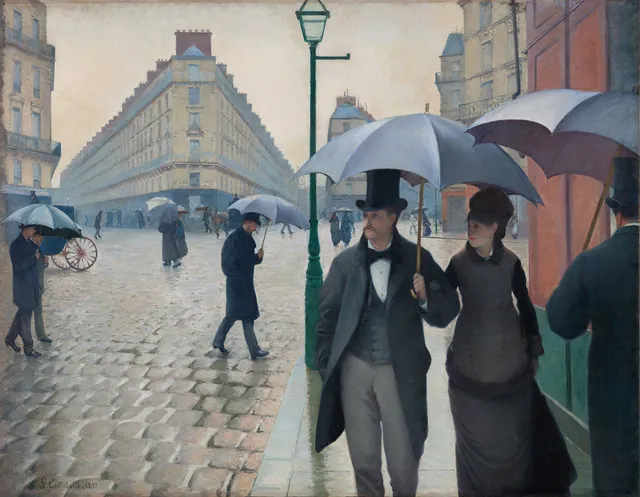
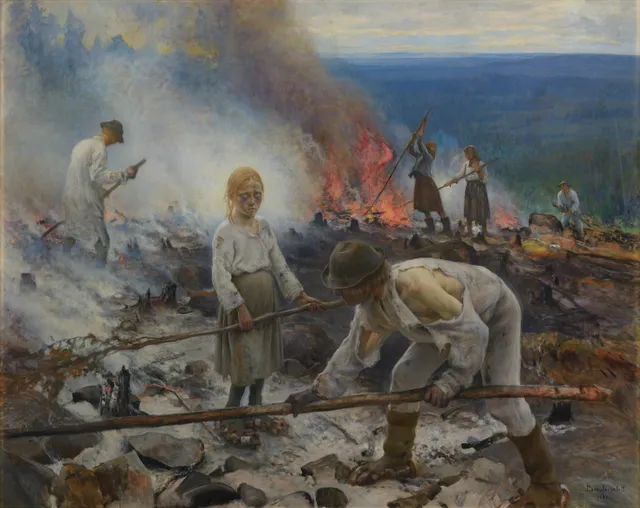
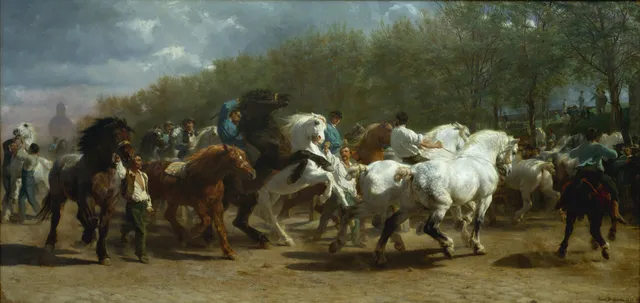
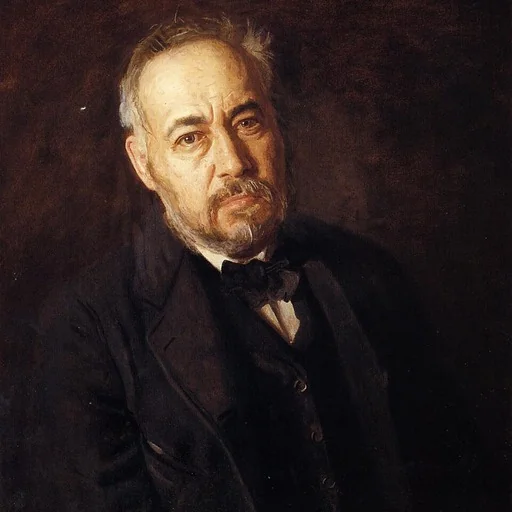
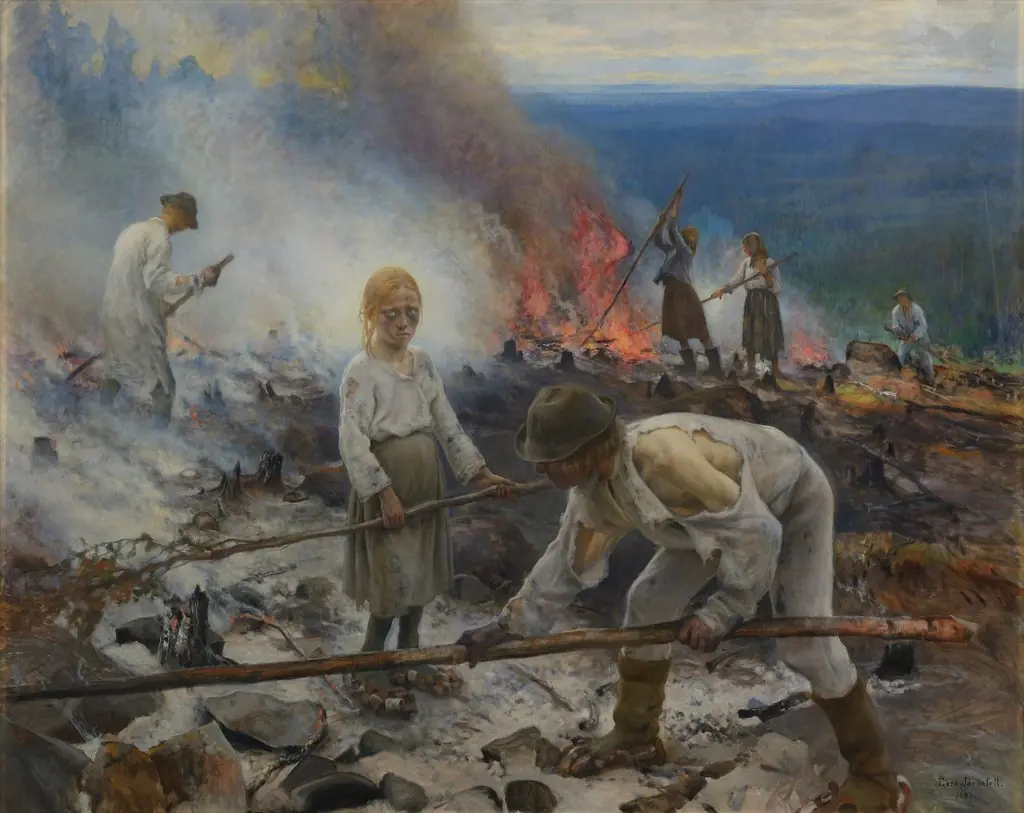
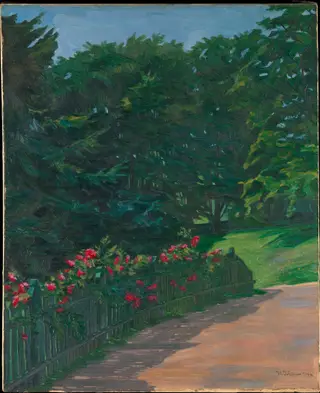
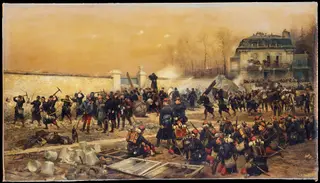
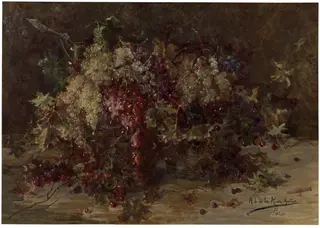
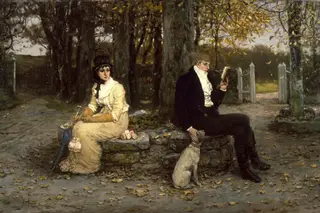
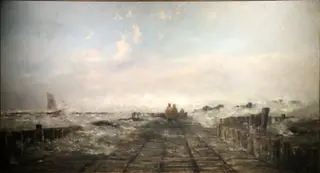
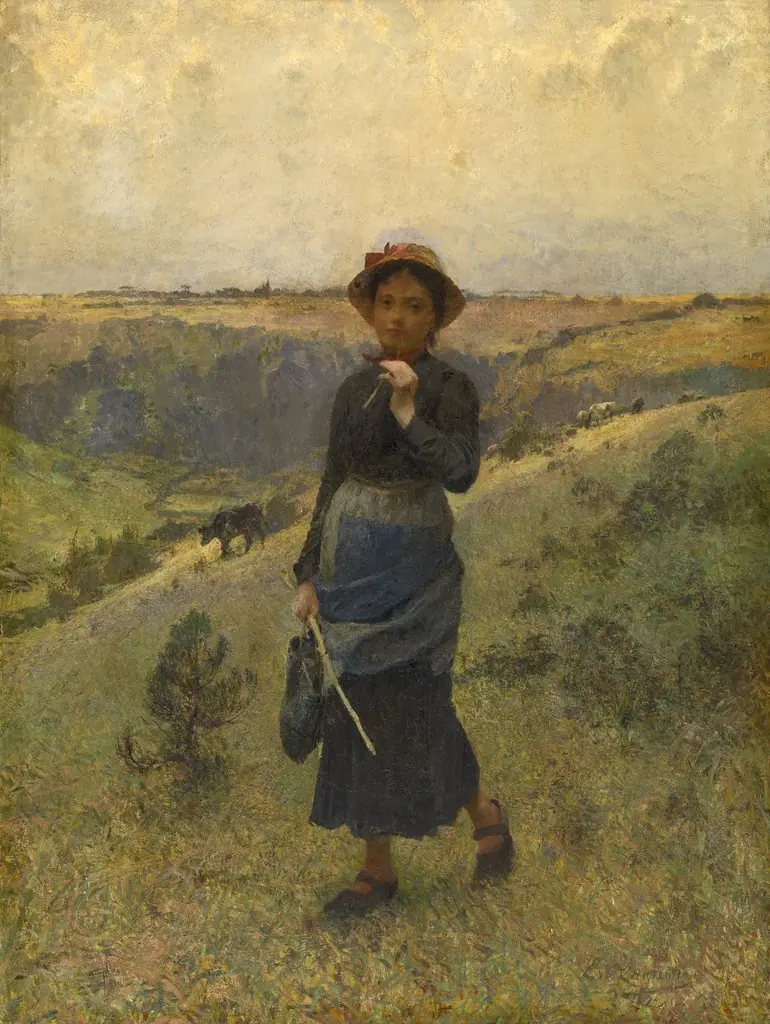
French Realism is an art movement dating from 1848. The gallery holds 5 works in this movement, including works by Thomas Eakins, Jean Baptiste Camille Corot and Gustave Courbet. Browse French Realism paintings, portraits, pictures and artworks from the world's public-domain museum collections.
Realism emerged in France in the aftermath of the Revolution of 1848, which toppled the monarchy of Louis-Philippe, and matured during the Second Empire of Napoleon III. The new generation rejected the exotic subject matter and heightened emotionalism of Romanticism, as well as the idealized mythologies favored by the academic Salon. In their place, Realists insisted on depicting contemporary life—ordinary people, labor, and the provincial countryside—with frank, unflinching truth. Gustave Courbet became the movement's defining figure: when works were rejected from the 1855 Exposition Universelle, he erected his own "Pavilion of Realism" nearby, showing some forty paintings and issuing a Realist manifesto that repudiated both slavish imitation and art-for-art's-sake.
Visually, Realism is marked by unidealized, observed detail, an often somber and earthy palette, and the controversial decision to render humble or even sordid subjects on the monumental scale once reserved for history painting. Courbet worked passages with the palette knife, building dense, tactile surfaces. His A Burial at Ornans (1849–50) presented a commonplace village funeral at life size, provoking an explosive reaction at the 1850–51 Salon, while The Stonebreakers monumentalized manual labor without sentiment or moralizing gloss.
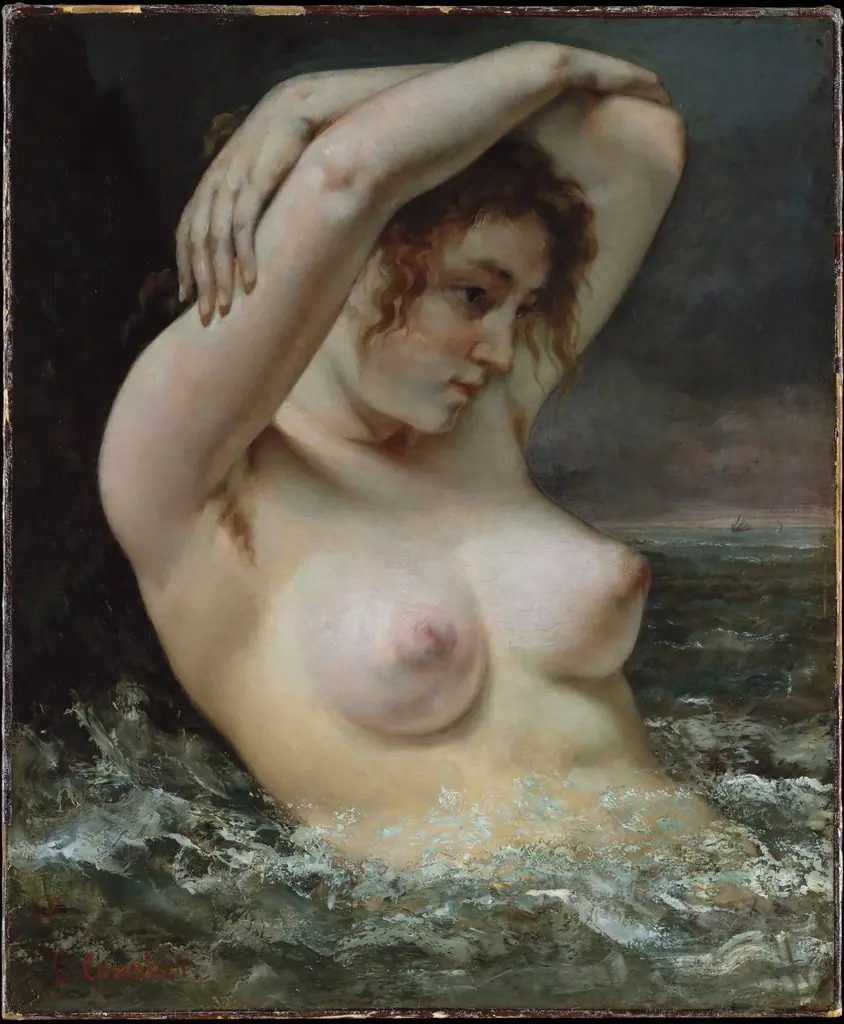
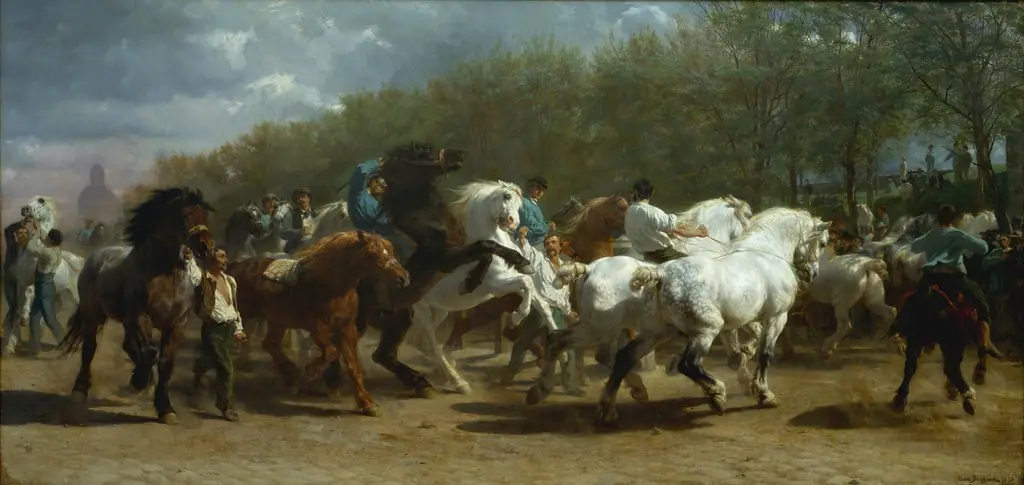
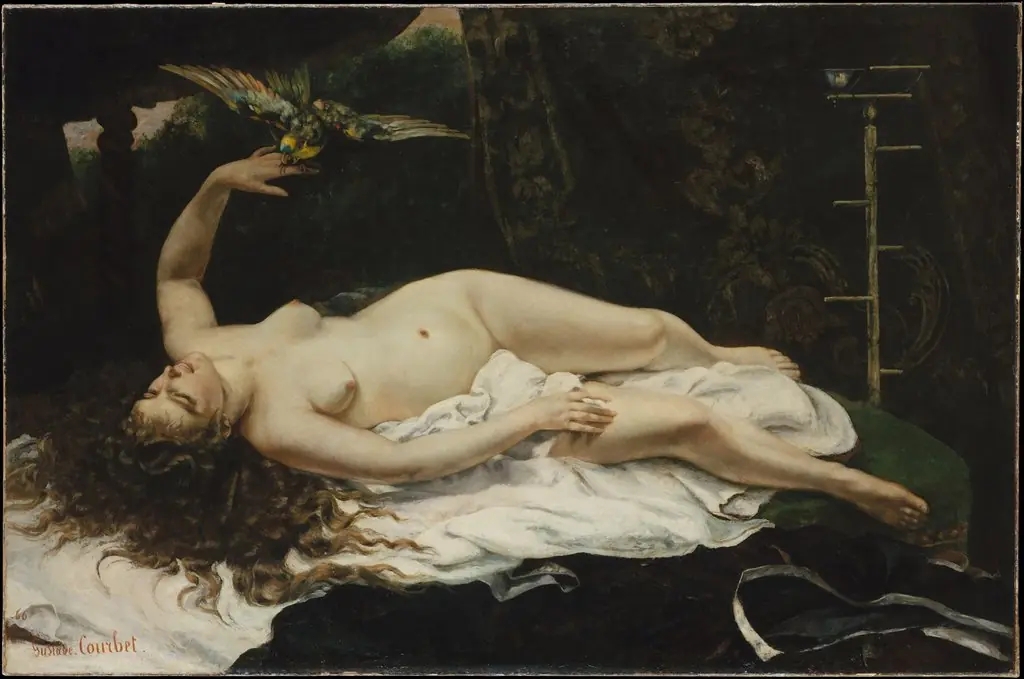
The movement's principal artists extended this democratic vision. Jean-François Millet ennobled rural toil in The Gleaners (1857); Honoré Daumier turned a satirist's eye on modern urban society; and Rosa Bonheur elevated animal painting to epic ambition in The Horse Fair (begun 1852, Salon 1853). Jean-Baptiste-Camille Corot bridged Realism and the open-air landscape practice of the Barbizon School, whose direct study of nature shaped the era. Our collection holds Courbet's sensuous Woman with a Parrot and The Woman in the Waves, alongside Bonheur's The Horse Fair.
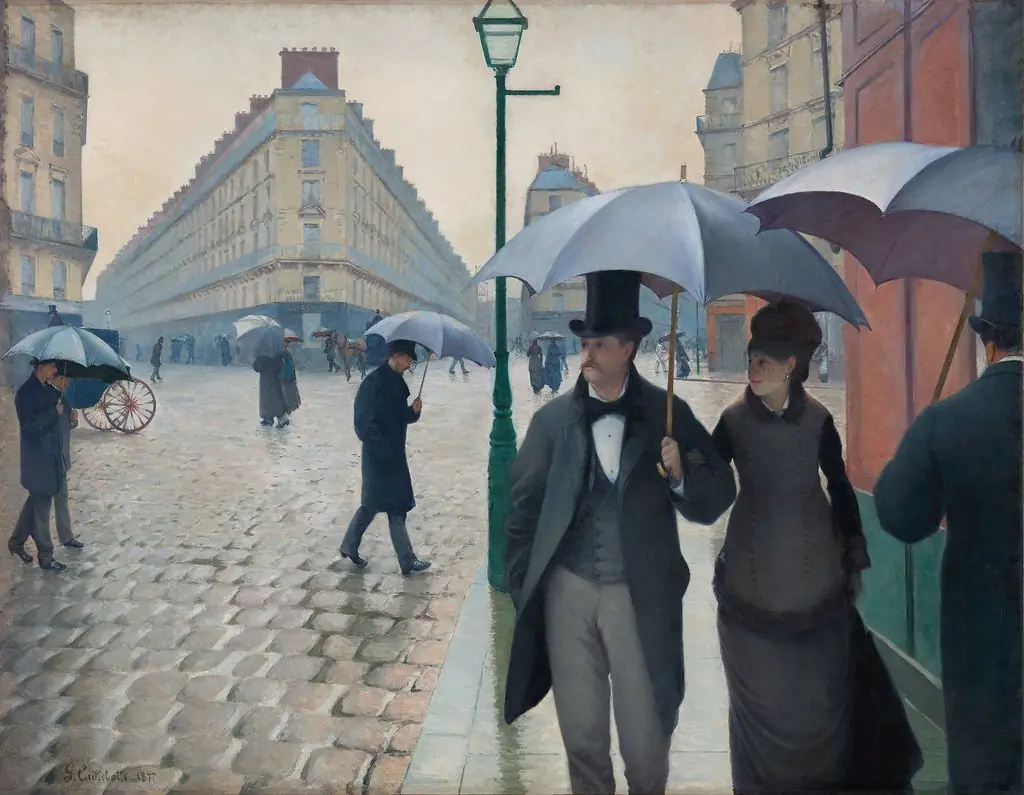
Realism's insistence on the here-and-now proved foundational for modern art. Édouard Manet absorbed its candor while pushing toward the looser handling that would galvanize Impressionism, and Gustave Caillebotte's Paris Street; Rainy Day (1877) carried Realist observation into the modern boulevard. The movement also rippled internationally, inspiring observational painters across Europe and the Americas. Neighboring the Barbizon landscapists on one side and the Impressionists on the other, French Realism remains the pivotal break that made everyday modern experience a legitimate—indeed central—subject for serious art.
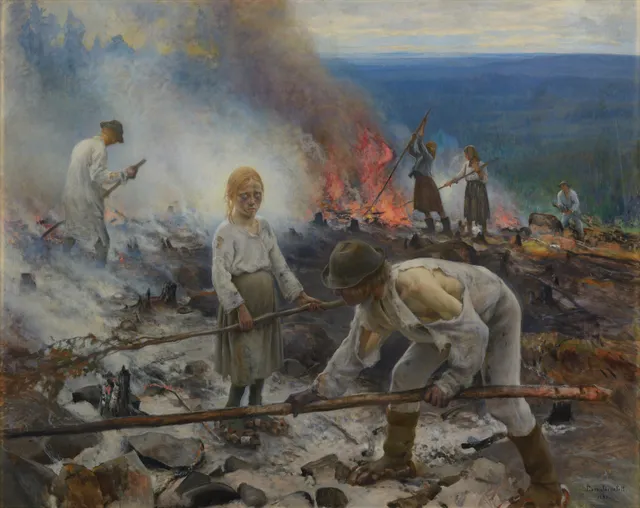
Key artists
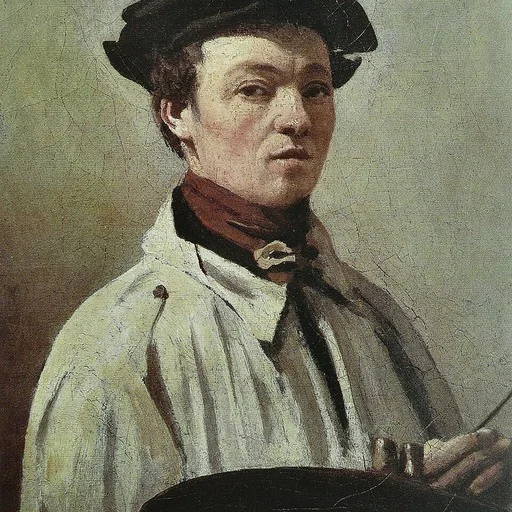
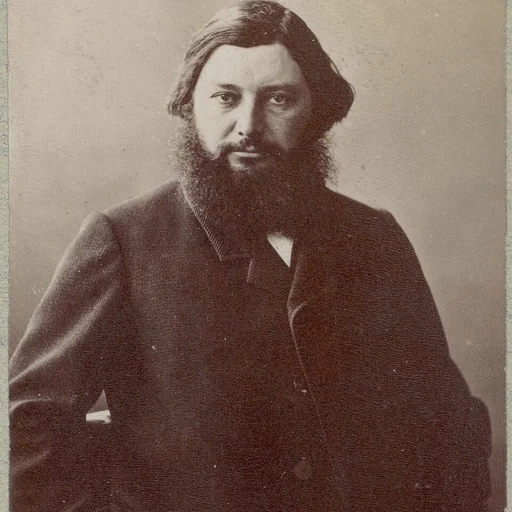
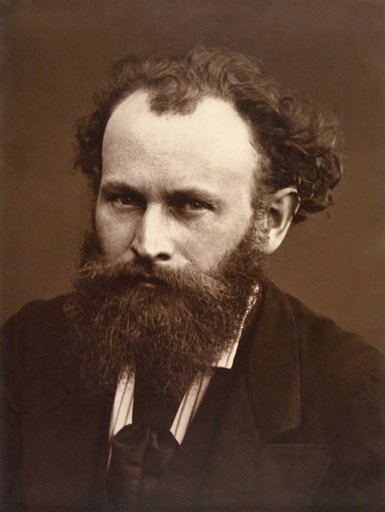
Works
Groups & collectives
Frequently asked questions
What is French Realism?
French Realism is an art movement. The French mid-19th-century movement, led by Gustave Courbet, that rejected idealized academic subjects in favor of ordinary workers, peasants, and rural landscapes painted with blunt directness.
Who are the key French Realism artists?
Key French Realism artists in the collection include Thomas Eakins, Jean Baptiste Camille Corot and Gustave Courbet.
When did French Realism take place?
French Realism dates from around 1848.
Where can I see French Realism works?
French Realism works in the collection are held by Metropolitan Museum of Art, Finnish National Gallery and Art Institute of Chicago.