Artwork
Funeral in the Vicinity of the Town of Constantina

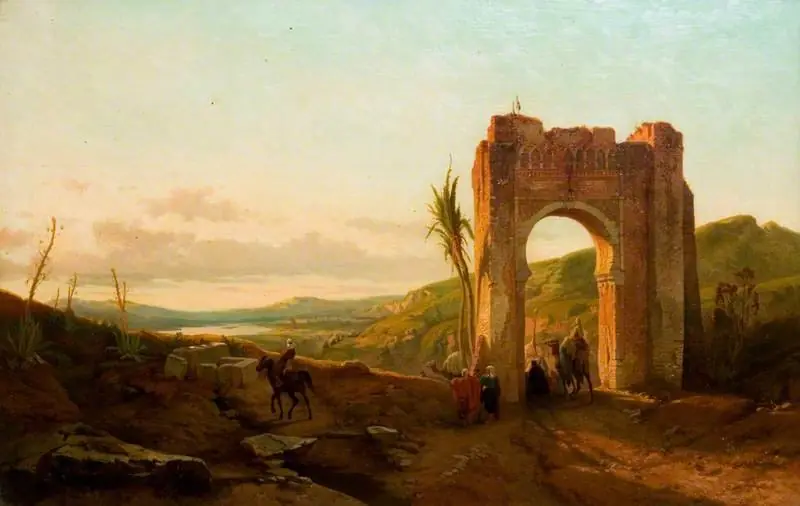
Funeral in the Vicinity of the Town of Constantina is an oil painting by the Orientalist artist Théodore Frère. It dates from 1841 and is held in the collection of the Hermitage Museum.
About this work
Overview
Funeral in the Vicinity of the Town of Constantina is an 1841 oil painting by Théodore Frère, a French artist associated with the Orientalist movement. The work depicts a somber funeral scene set against the backdrop of a rural North African town, specifically identified as Constantina.
Subject & Meaning
The painting captures a moment of communal mourning, with a group in dark attire gathered around a grave, led by a priest. The somber atmosphere conveys respect and solemnity, while the visible town in the background subtly contextualizes the scene within a broader community.
Technique & Style
Frère employs chiaroscuro to create deep contrasts between light and dark, enhancing the emotional depth of the funeral scene. Attention to detail and realistic color usage further immerse the viewer in the mournful setting.
History & Provenance
Created in 1841, the painting is part of the State Hermitage Museum's collection. Théodore Frère's family included other artists, notably his younger brother and nephew, who also pursued painting careers.
Context
As an Orientalist work, it reflects 19th-century European fascination with North African and Middle Eastern cultures, often capturing scenes of daily life or rituals from these regions.
Artist & collection
Artist
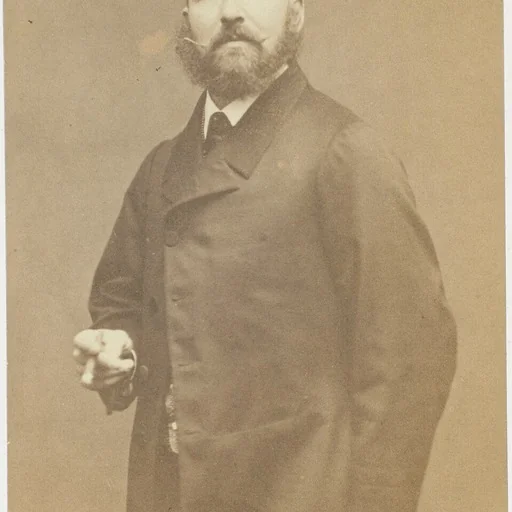
Charles-Théodore Frère (21 June 1814, Paris – 24 March 1888) was a French Orientalist painter. His younger brother, Pierre-Édouard, and his nephew and namesake, Charles Edouard Frère, were also painters.

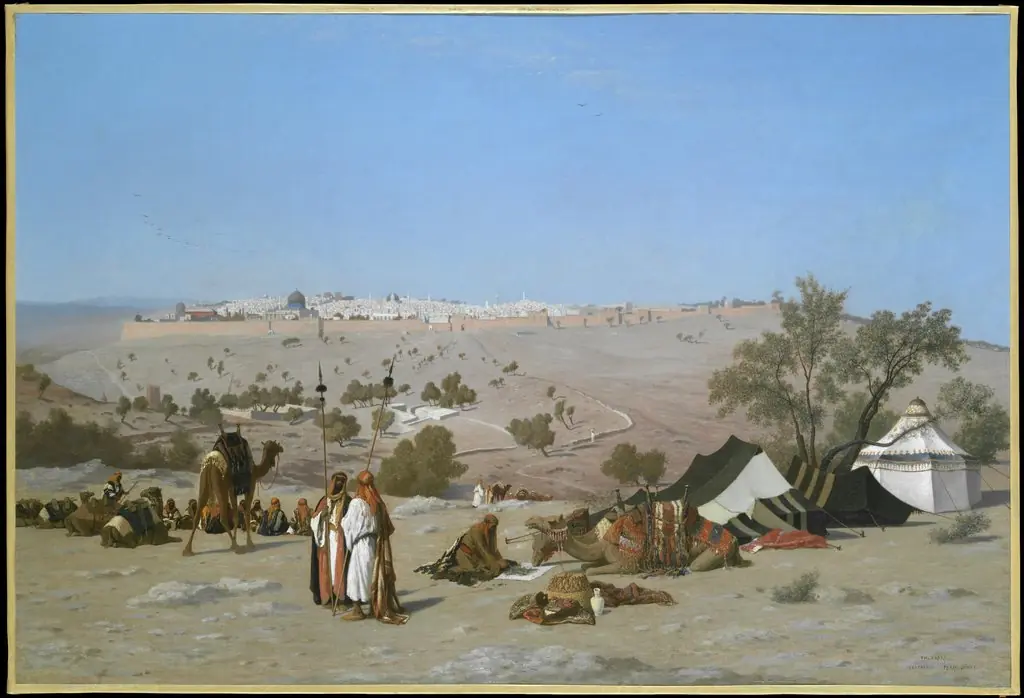
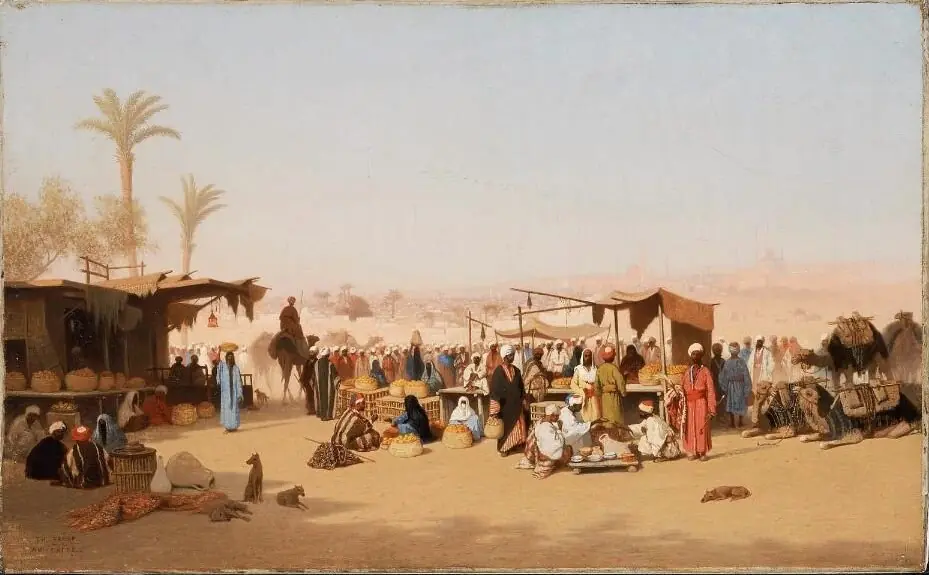
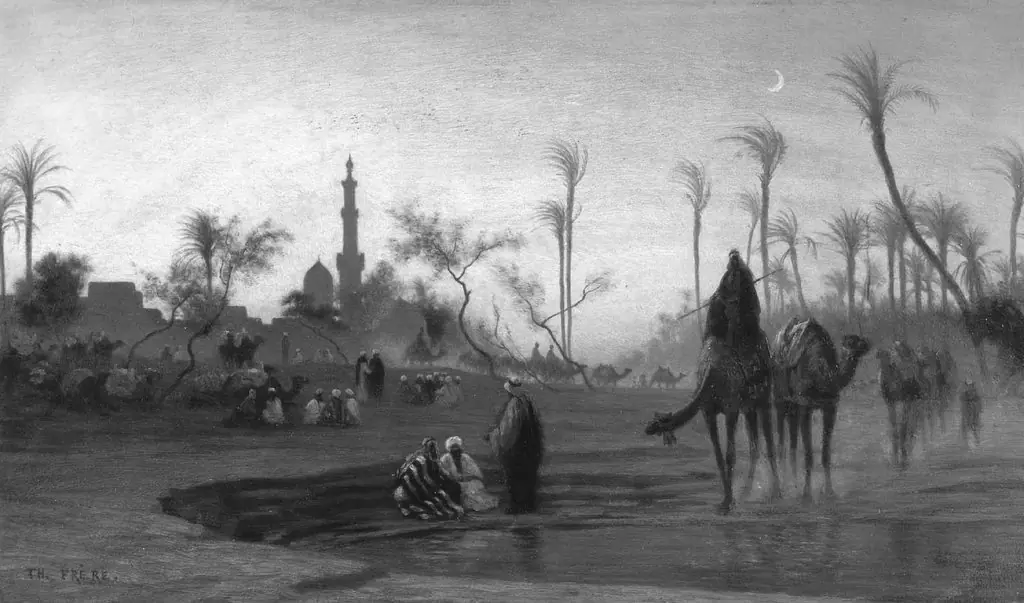
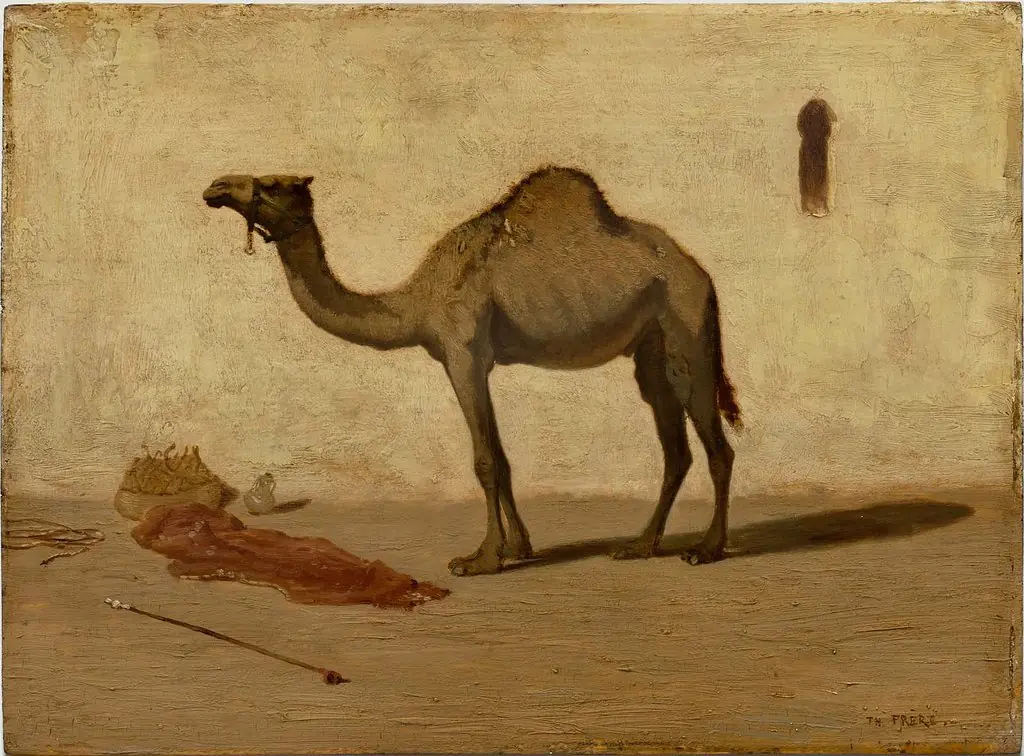
- Oriental Landscape with a Caravan
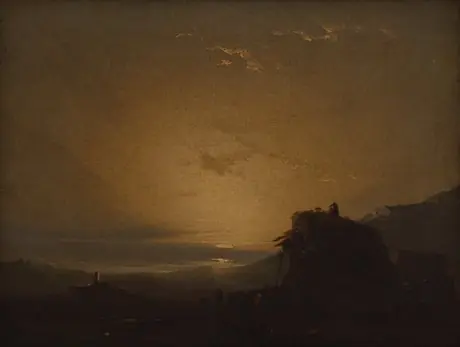 Sunset on the Sea
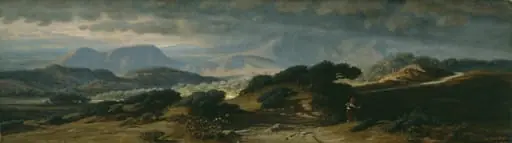 Storm in Umbria
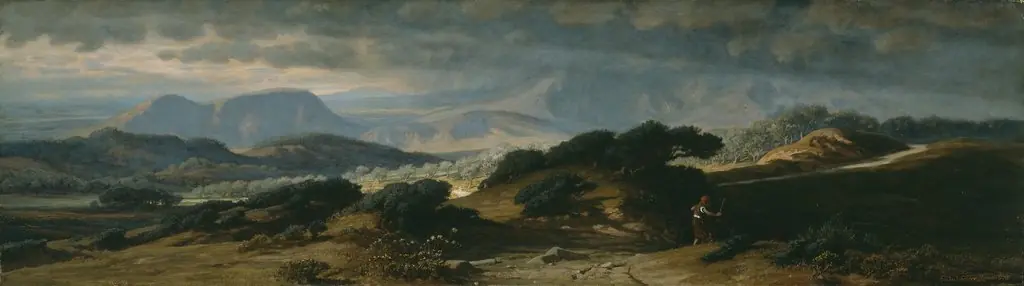 Storm in Umbria
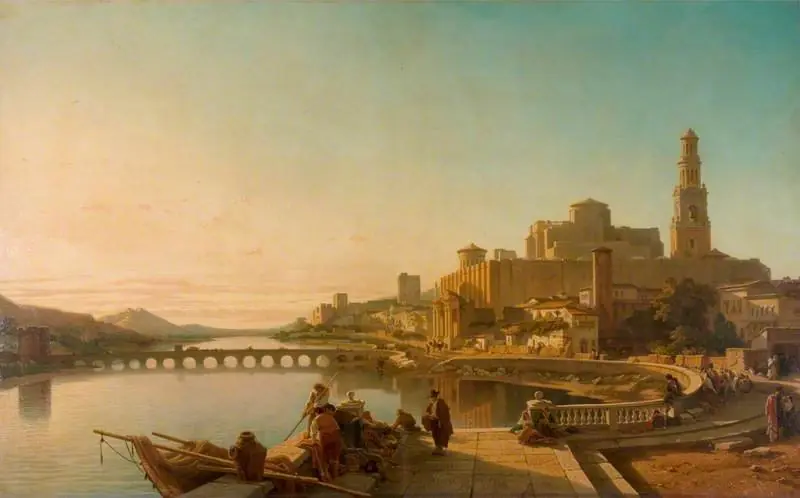 Córdoba, Spain
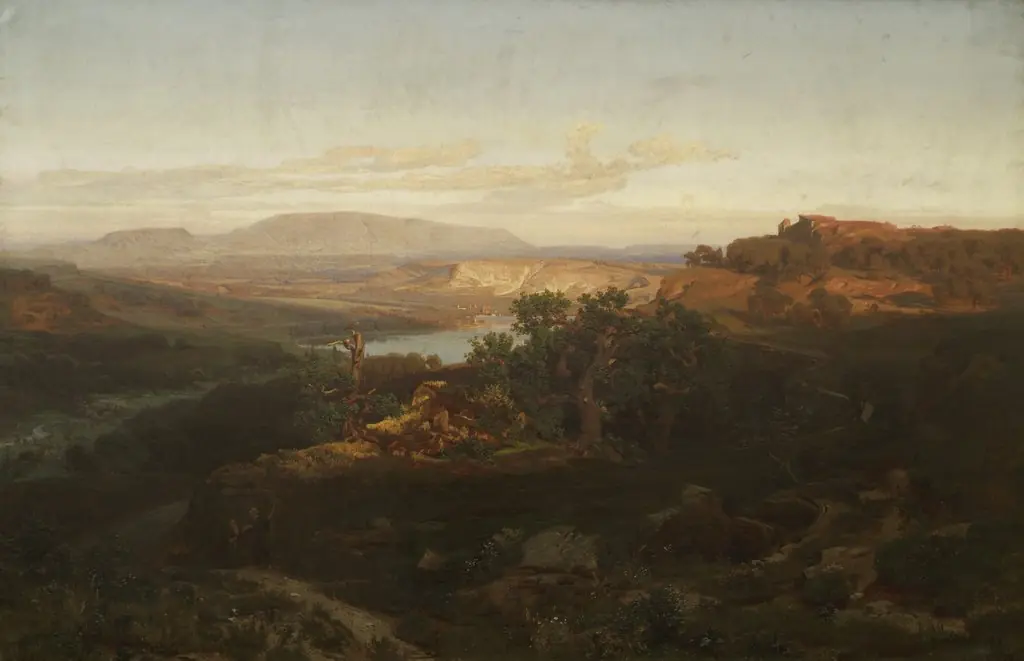 Gegend in der Rheinpfalz
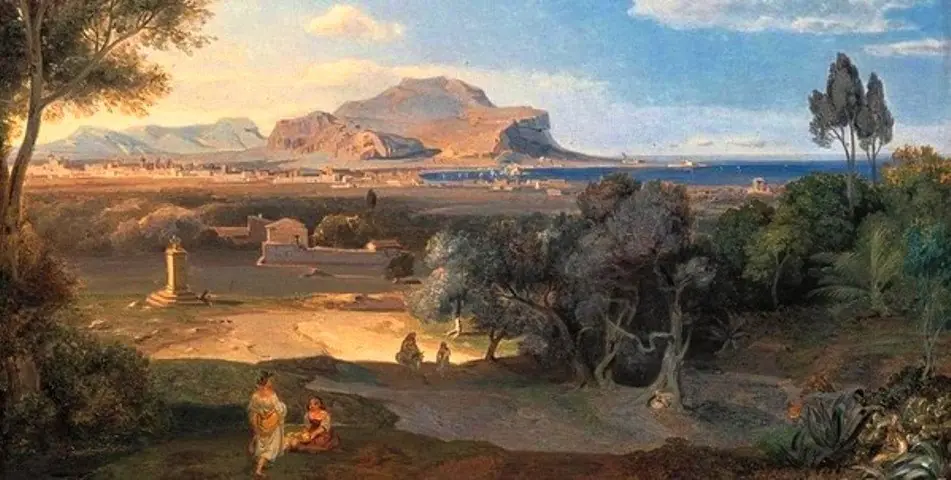 View of Palermo with Monte Pellegrino.
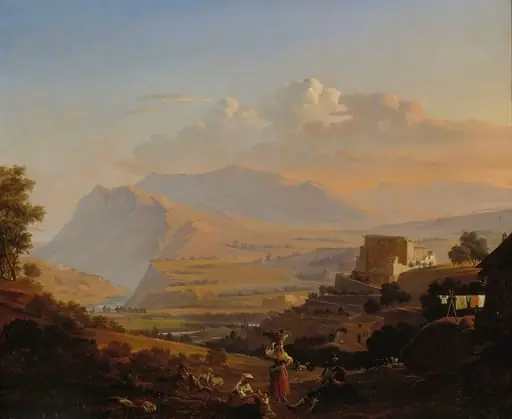 Maisema Subiacosta
 A Rocky Coast, Capri. Soon after Sunrise
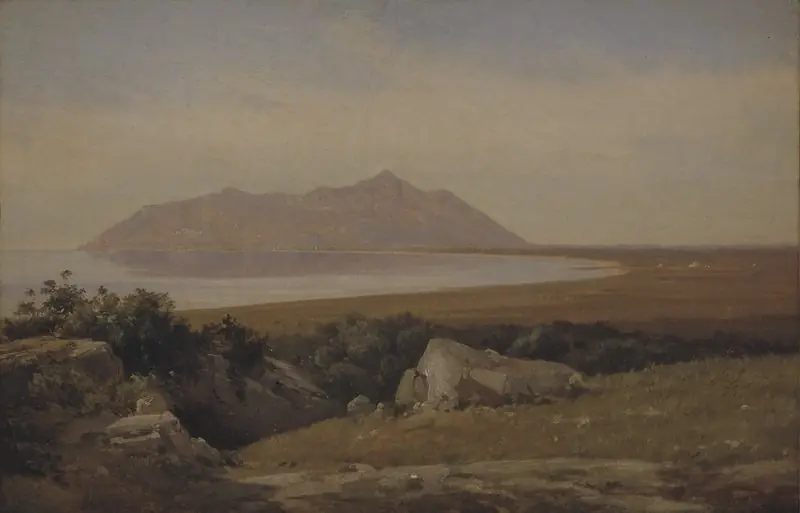 Monte Circeo Seen from the District of Terracina
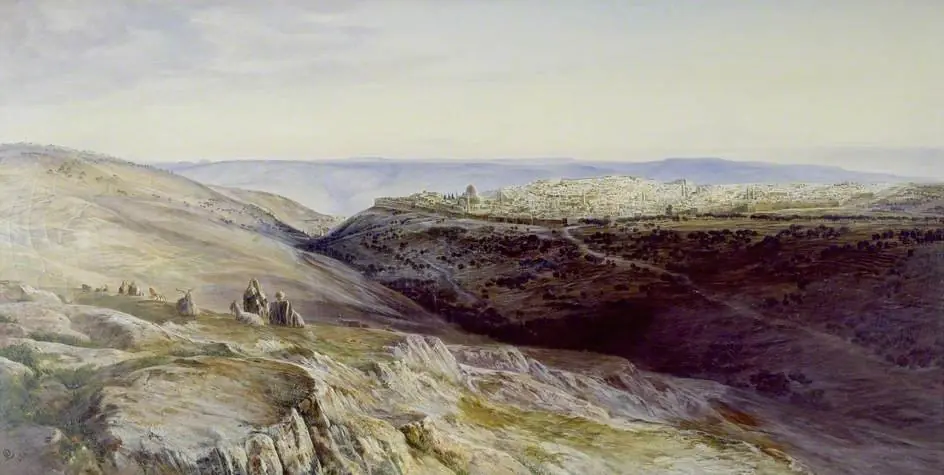 Jerusalem
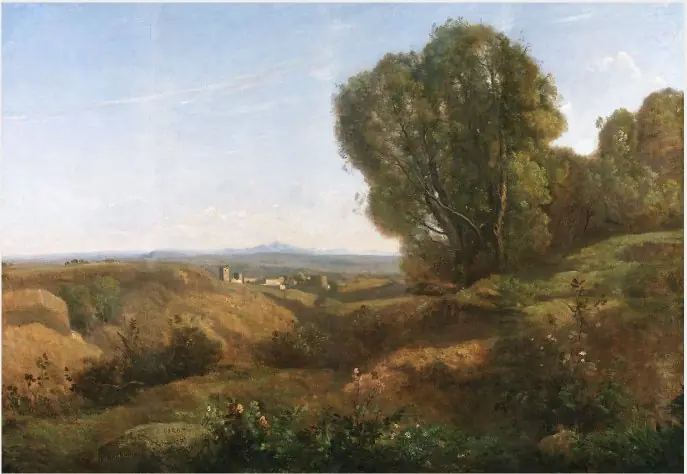 Souvenir of Roquemaure in the Gard