Artwork
Self-Portrait
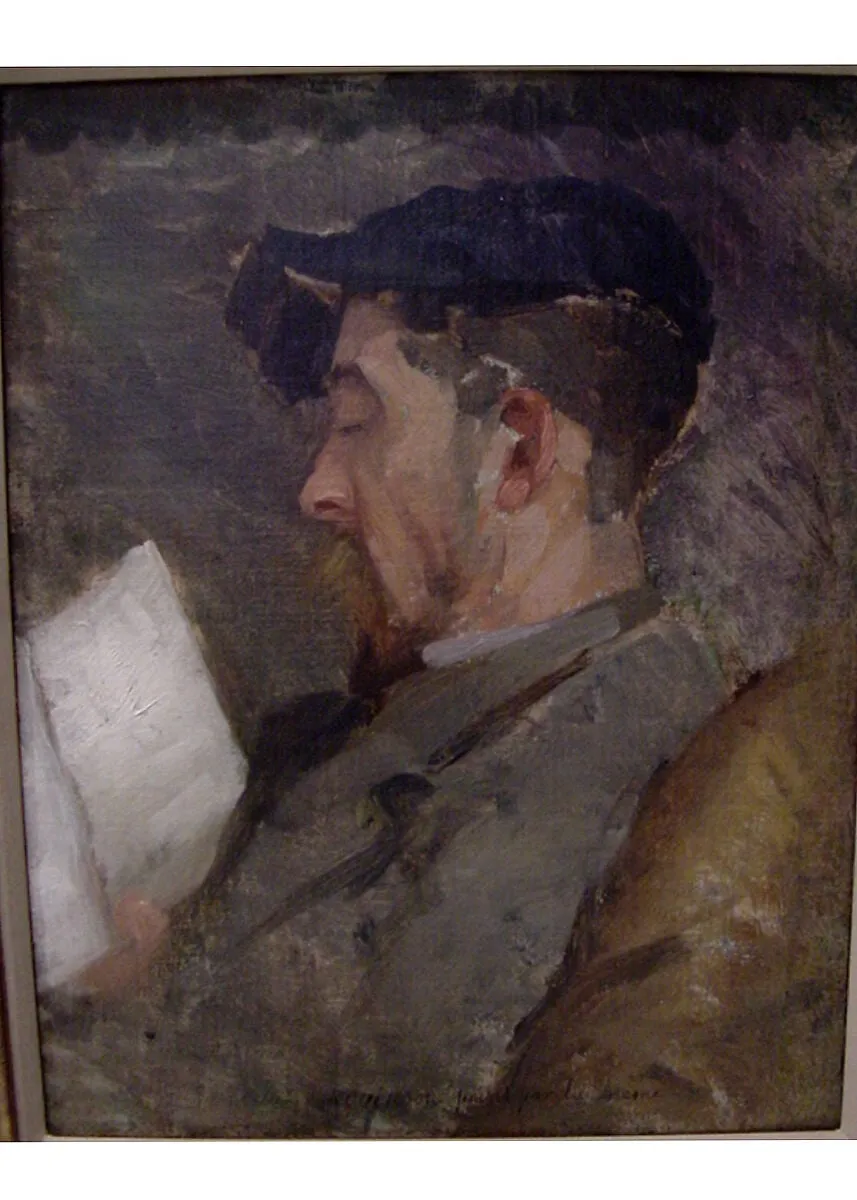
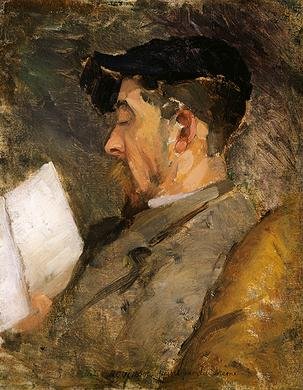
Self-Portrait is an oil painting by the American Impressionist artist Theodore Robinson. It dates from 1886 and is held in the collection of the Metropolitan Museum of Art.
About this work
Subject & Meaning
As a work within the self-portrait genre, its primary subject is Robinson, representing both the creator and the male sitter.
Theodore Robinson’s 1885 Self-Portrait depicts the artist himself engaged in the act of reading. As a work within the self-portrait genre, its primary subject is Robinson, representing both the creator and the male sitter. The inclusion of reading as a depicted activity introduces an iconographic element that moves the representation beyond a mere record of physical likeness, suggesting an intellectual or introspective dimension to the artist's identity.
By portraying himself absorbed in a text, Robinson presents himself not only as a visual artist but also as a thoughtful, literate man, embedding a quiet, contemplative symbolism into the traditional self-portrait format.
Technique & Style
Theodore Robinson executed his 1885 Self-Portrait using oil paint on a canvas support. The work measures 33.7 centimeters in height and 26 centimeters in width. As a portrait genre piece, the composition formally captures the artist engaged in the act of reading, focusing on the male subject as its main thematic element.
History & Provenance
The work titled Self-Portrait was produced by Theodore Robinson in 1885 as an oil on canvas measuring 33.7 × 26 cm, showing the artist in a reading pose. Both the artist’s catalogue entry and the Metropolitan Museum of Art’s collection record confirm that the painting is classified as a self‑portrait within The American Wing. The museum’s holdings place the piece in its permanent collection, indicating current ownership by the Met, though the sources do not detail an earlier ownership chain or commissioning details.
The dating is explicitly given as 1885, and the creation history consists of the single act of painting the self‑portrait that year.
Overview
Theodore Robinson's Self-Portrait, executed in 1886, depicts the artist seated in profile against a stark, unadorned background. Dressed in a dark coat, Robinson holds a book in his lap, his posture relaxed yet attentive. The composition is defined by a dramatic chiaroscuro effect, where the face is split between illumination and shadow, emphasizing the contours of his features while leaving the rest of the figure to merge with the deep tones of his attire.
Painted during Robinson's formative years in France, this work reflects his engagement with French academic traditions alongside his emerging interest in Impressionist techniques. While the artist would later become a central figure in American Impressionism, this specific canvas retains a more restrained, tonal quality characteristic of his early studies. The simplicity of the setting directs full attention to the psychological presence of the sitter and the subtle modulation of light across the canvas.
This portrait serves as a significant document of Robinson's artistic development before his full adoption of the broken brushwork and vibrant palette that would define his mature style.
Context
This self-portrait was created during the artist's period of residence in France. While immersed in the vibrant artistic environment there, where he encountered and assimilated aspects of Impressionist lighting, Robinson chose to apply these lessons with a distinct personal interpretation. The work's inclusion in the American Wing underscores its significance within the broader narrative of American art.
Artist & collection
Artist
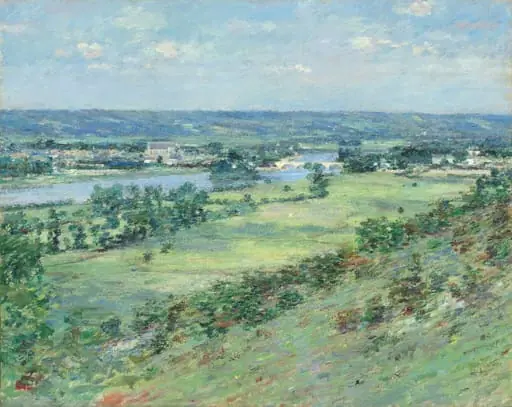
Theodore Robinson was an American painter best known for his Impressionist landscapes.

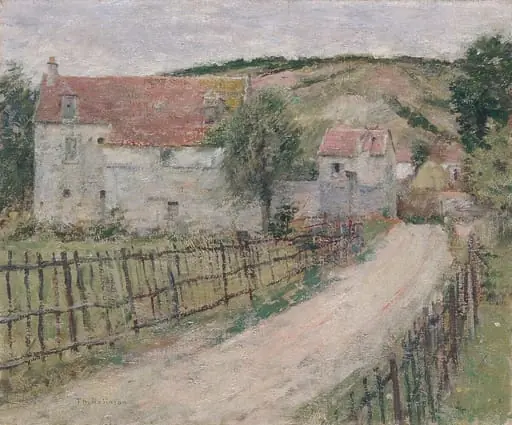
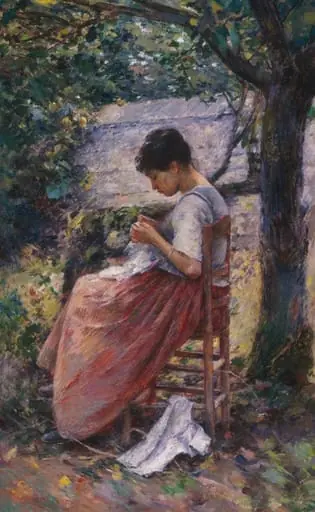
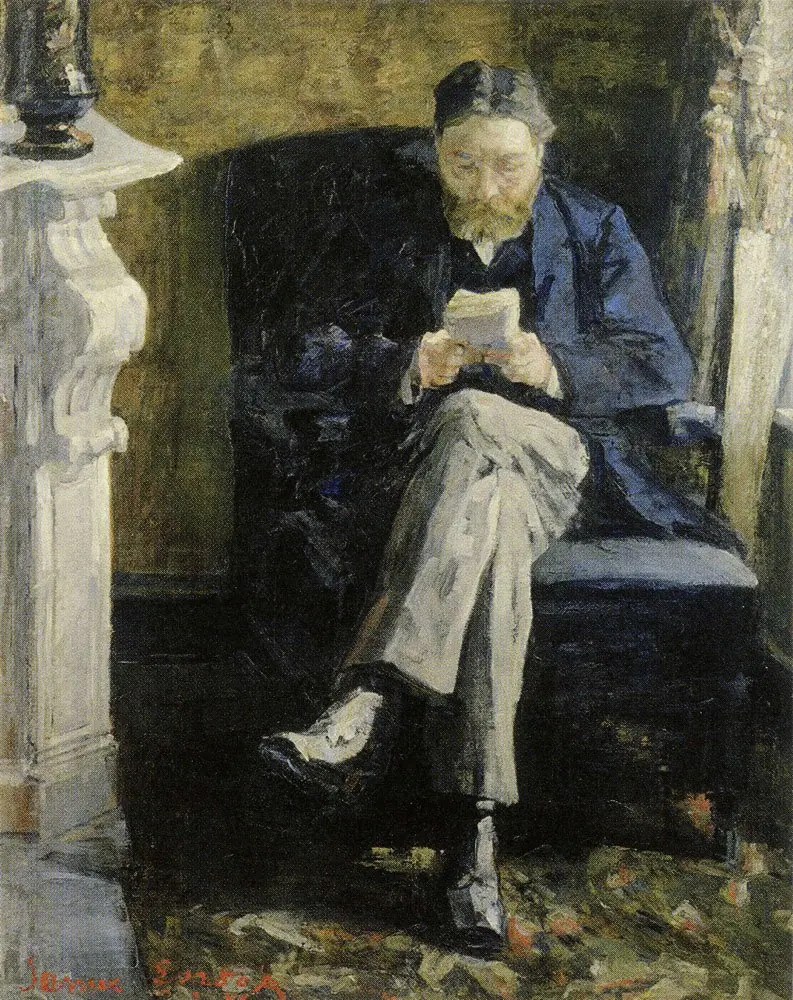
- Portrait of the Artist's Father
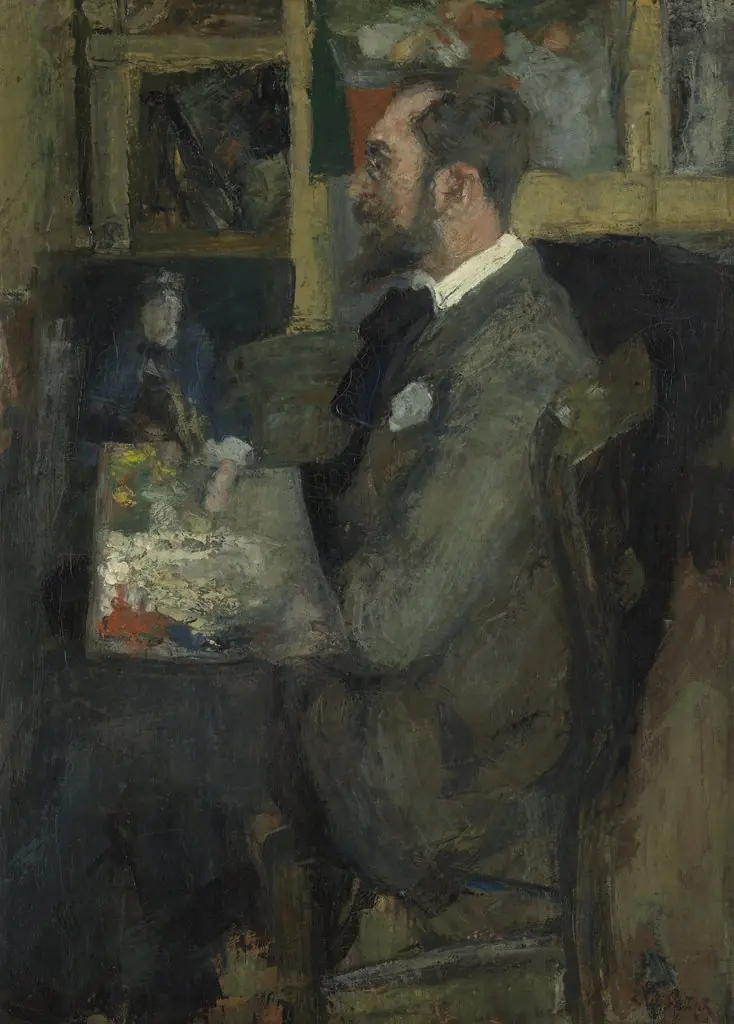 Theo Hannon
 Portretul pictorului Ștefan Popescu
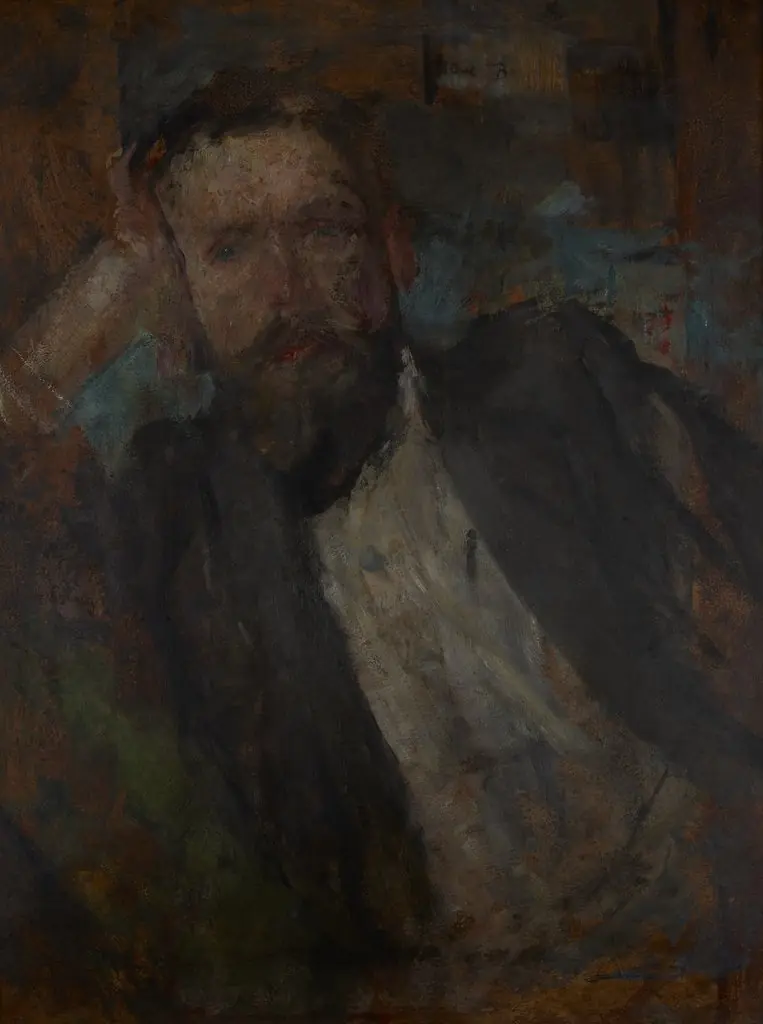 Male Portrait – two-sided painting
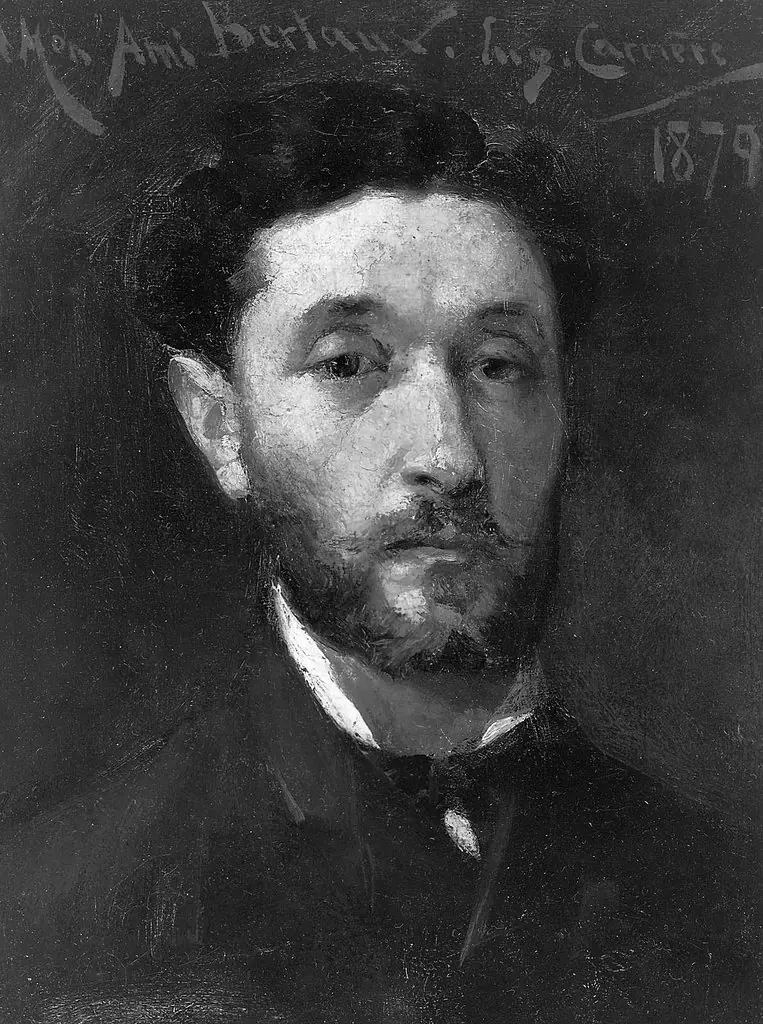 Portrait of a Man
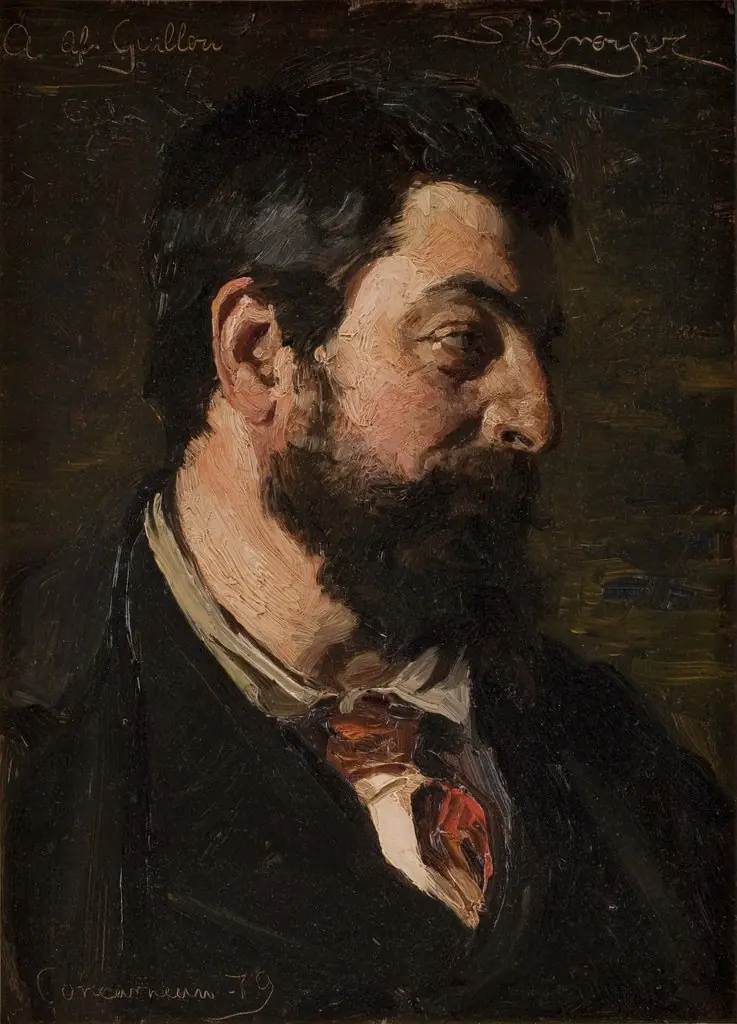 Portrait of the French painter Alfred Guillou
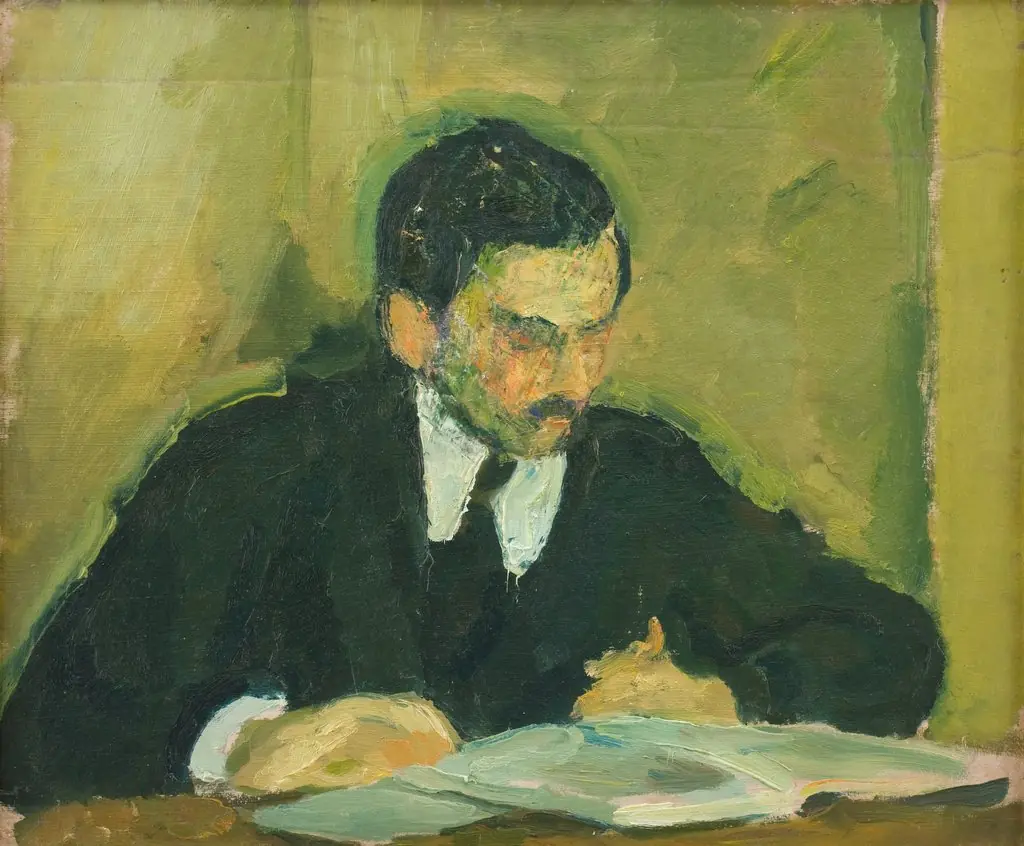 The Painter Ernst Goldschmidt
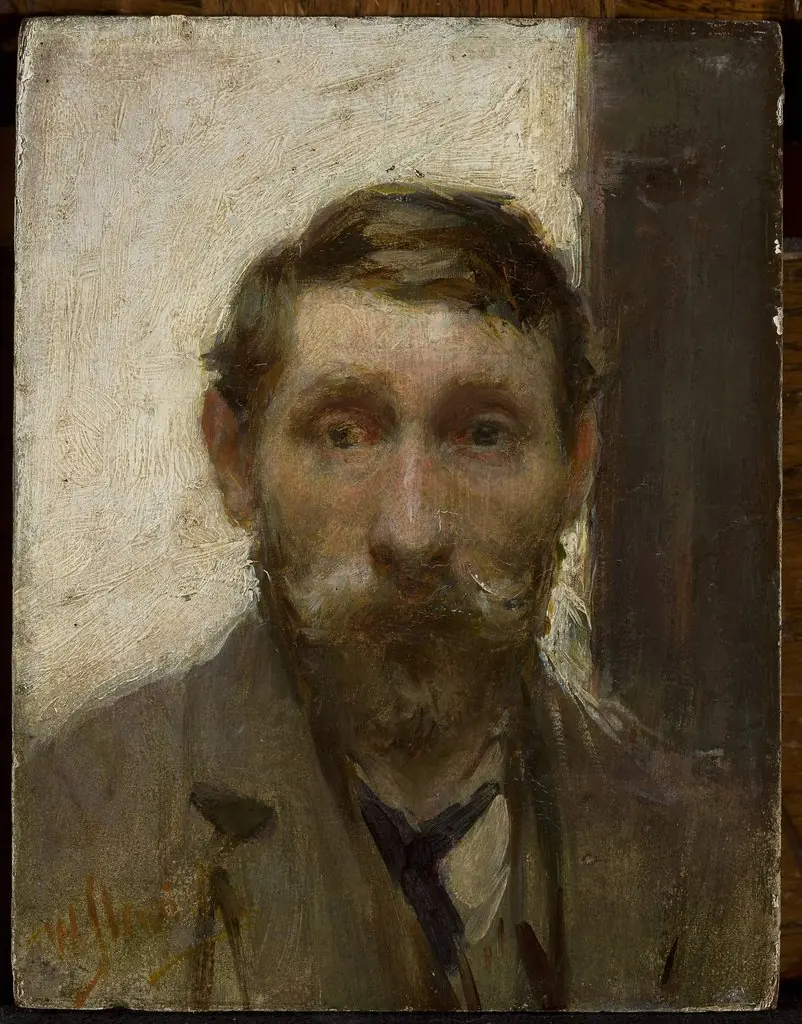 Self-portrait
 Portrait of a Man – two-sided painting
 Christian Munch on the Couch
 Portræt af den franske maler Alfred Guillou
 Portrait of Painter Marcin Samlicki