Artwork
Theo Hannon
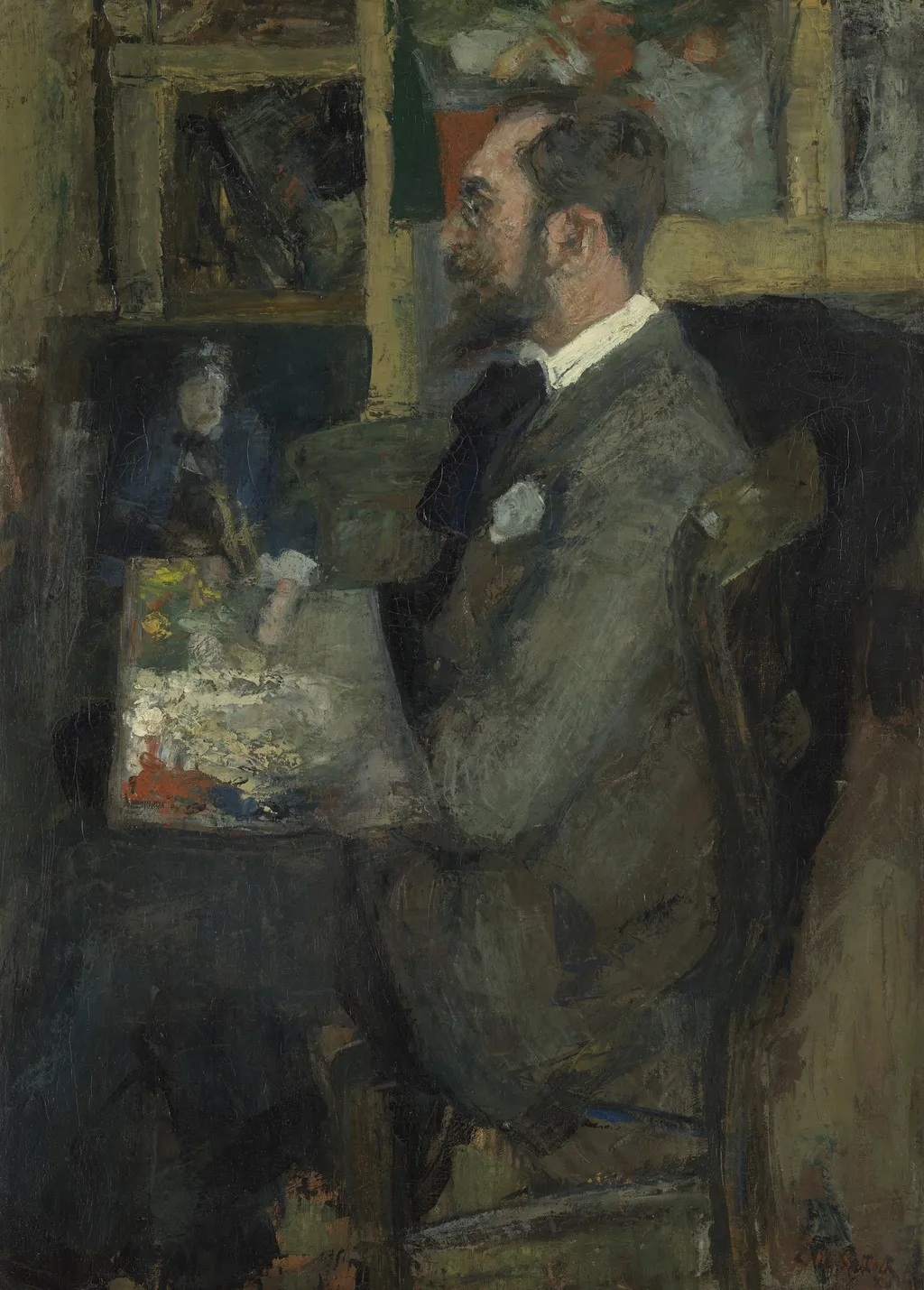
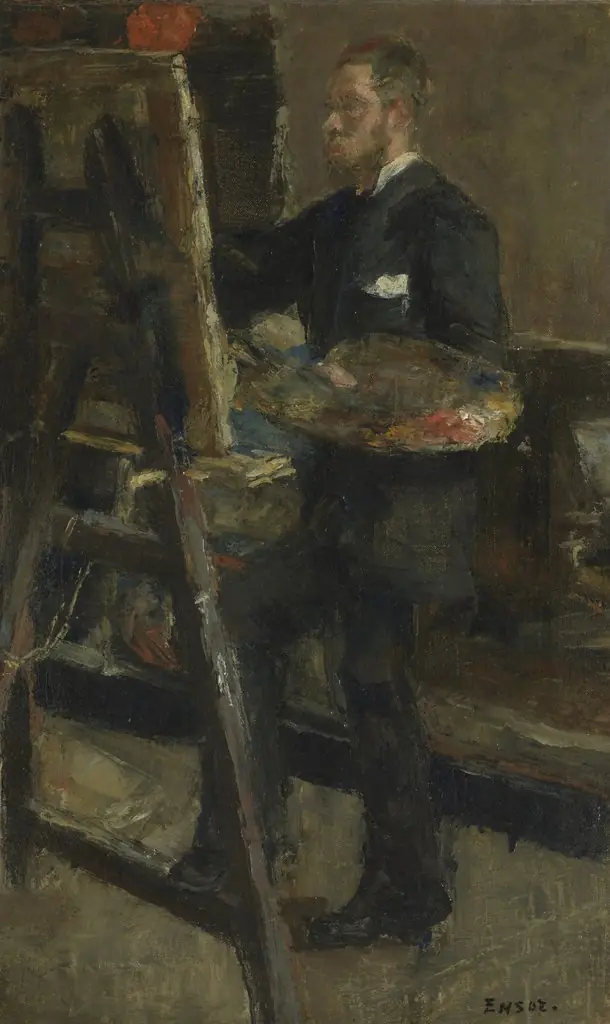
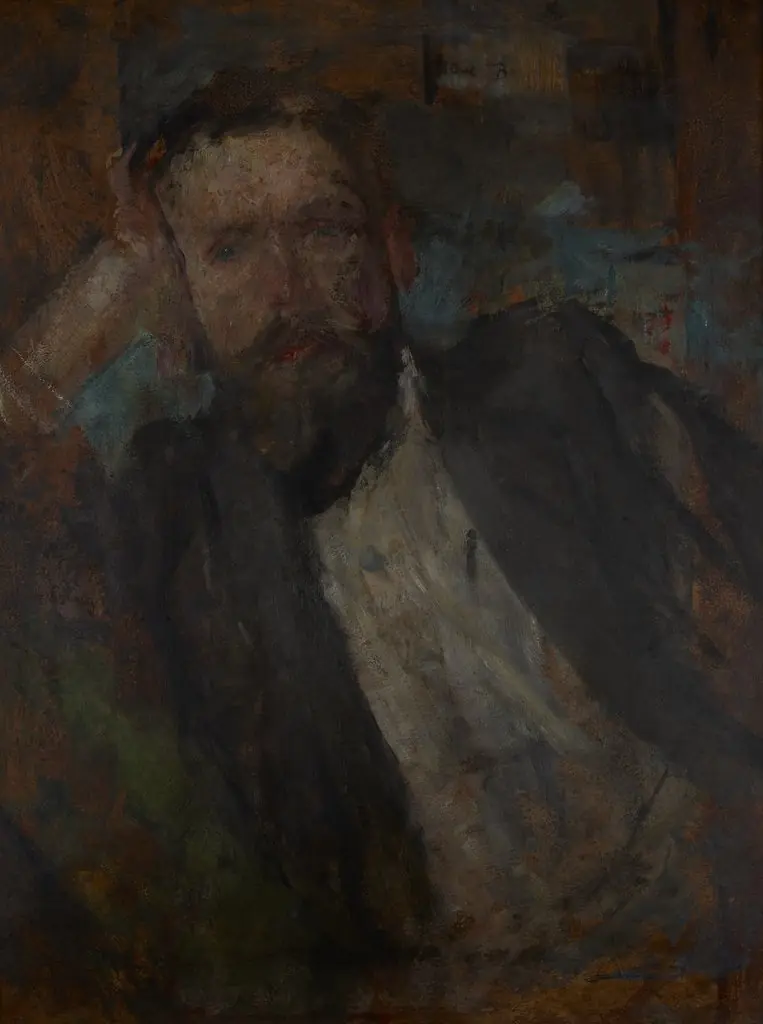
Theo Hannon is an oil painting by the Post-Impressionist artist James Ensor. It dates from 1891 and is held in the collection of the Royal Museum of Fine Arts Antwerp.
About this work
Subject & Meaning
As a portrait, the work represents a specific historical moment in the artist's early career, capturing the likeness of a contemporary intellectual figure.
The painting depicts the Belgian writer and poet Théodore Hannon, who serves as the main subject of this 1881 portrait by James Ensor. Hannon is shown holding a painter's palette, an iconographic element that visually connects the literary figure to the visual arts and underscores the creative dialogue between the two men. As a portrait, the work represents a specific historical moment in the artist's early career, capturing the likeness of a contemporary intellectual figure.
The inclusion of the palette suggests a symbolic identification of Hannon with the act of painting, blurring the lines between his literary vocation and Ensor's artistic practice.
Technique & Style
Executed in oil paint on canvas, this portrait depicts the writer Théodore Hannon holding a painter's palette. The work measures 69 cm in height and 49 cm in width. Created around 1880 or 1881, the painting is classified as a portrait and currently resides in the collection of the Royal Museum of Fine Arts Antwerp.
The composition focuses on the sitter as the main subject, utilizing traditional oil painting materials to render the figure.
History & Provenance
The painting is held by the Royal Museum of Fine Arts Antwerp, accessioned under inventory number 69 × 49 cm.
It was exhibited at the Salon des Indépendants in Paris in 1881, where it appeared alongside works by James Ensor and other avant-garde artists.
Overview
Painted in 1891, Theo Hannon is an oil portrait by Belgian artist James Ensor, capturing the poet and critic Théodore Hannon at work. The subject is shown seated before an easel, brush in hand, surrounded by unfinished and layered canvases. Ensor’s application of paint is vigorous and textured, emphasizing process over polish. The work reflects his engagement with avant-garde circles in Brussels and his departure from academic conventions.
Context
Created during Ensor’s involvement with Les XX, a radical group promoting avant-garde art in Belgium, the portrait aligns with broader challenges to academic norms. While Hannon represented literary modernism, Ensor’s visual language mirrored similar disruptions in painting. The work stands as a quiet dialogue between two figures reshaping their respective fields through nonconformity and personal expression.
Legacy
Theo Hannon exemplifies Ensor’s influence on later expressionist and surrealist practices through its psychological intensity and material experimentation. Its unrefined surface and focus on the artist’s process prefigure 20th-century interests in authenticity and creative struggle. Though not widely publicized, the painting remains a touchstone for understanding Ensor’s role in shifting European painting toward subjective, non-traditional modes.
Own this work as a print
Artist & collection
Artist
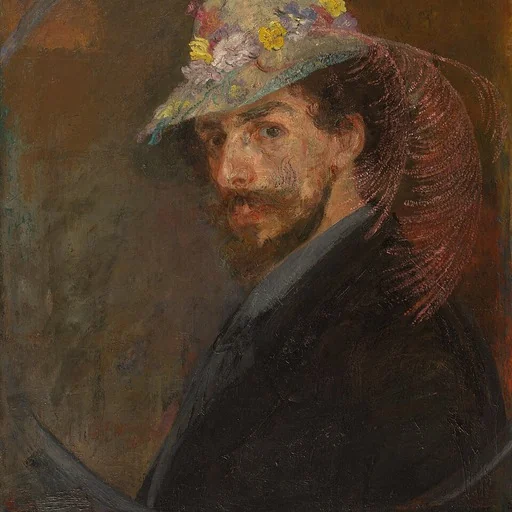
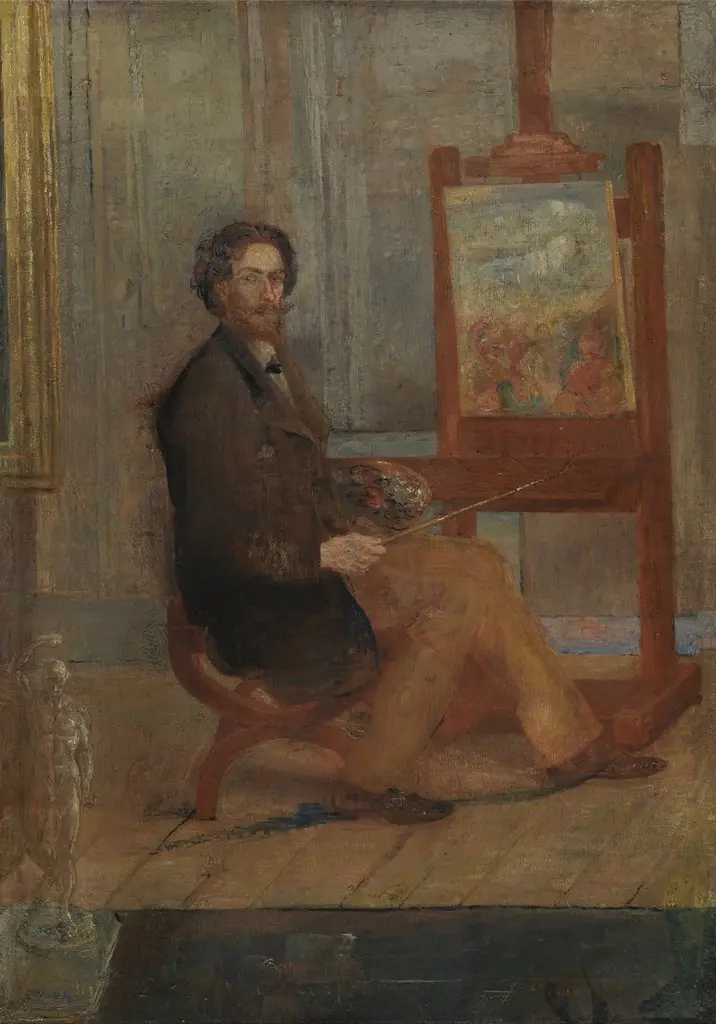
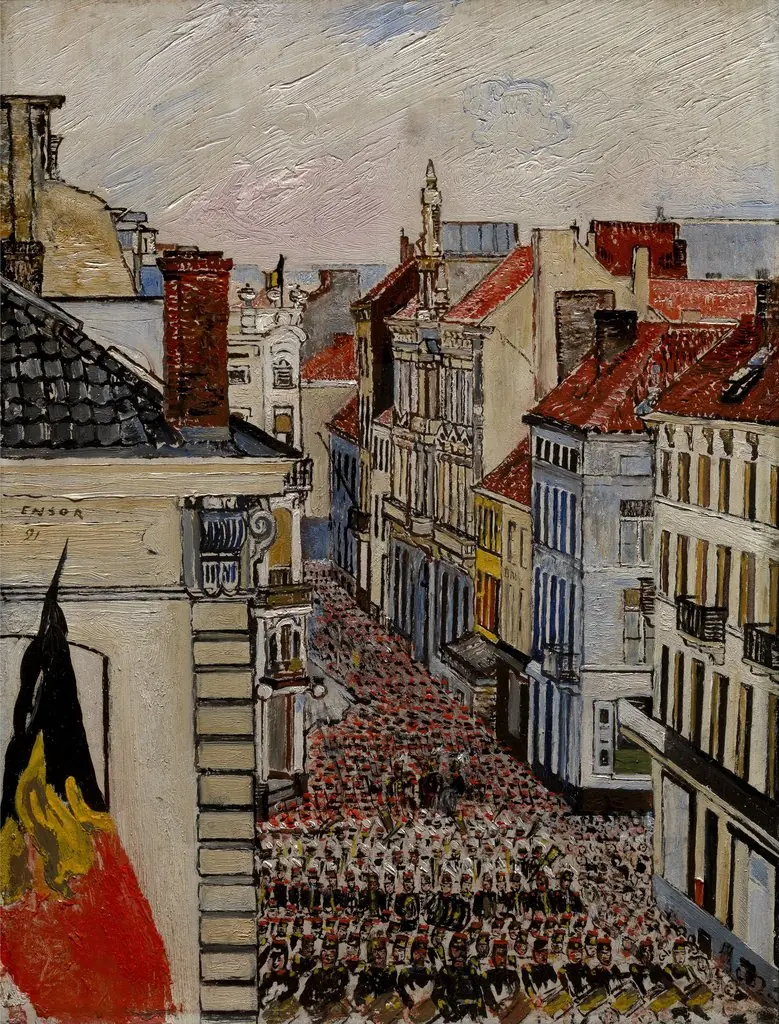
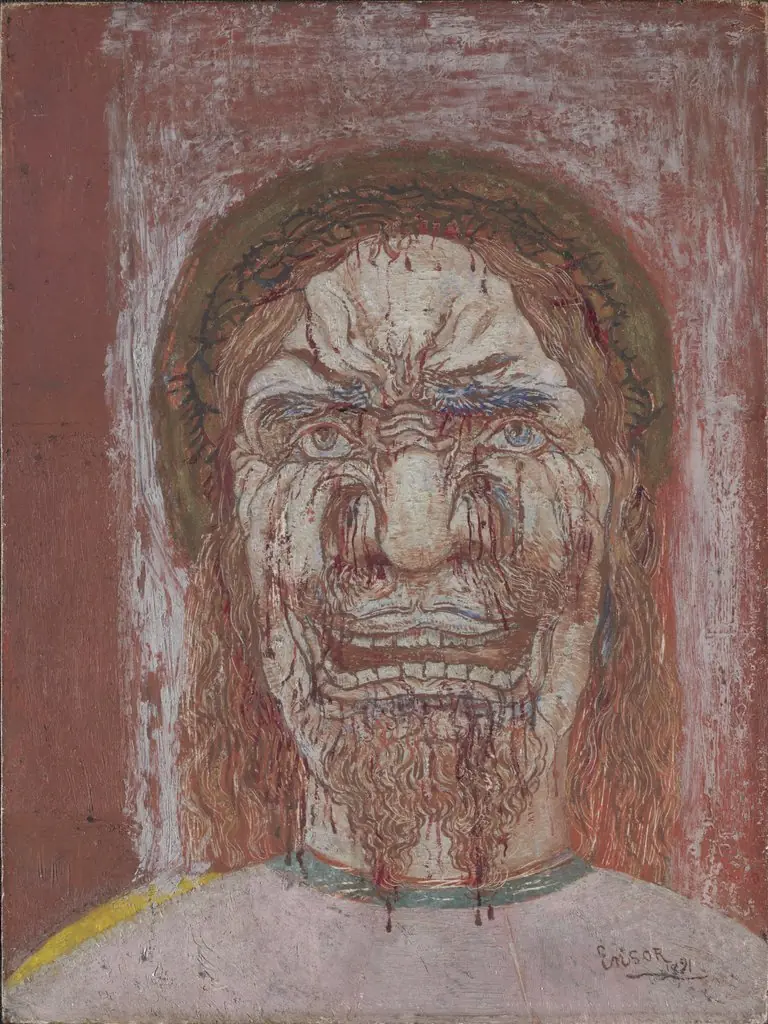
James Sidney Edouard, Baron Ensor (13 April 1860 – 19 November 1949) was a Belgian painter and printmaker, an important influence on expressionism and surrealism who lived in Ostend for most of his life.

- Sketch Portrait of a Man – two-sided painting
 Male Portrait – two-sided painting
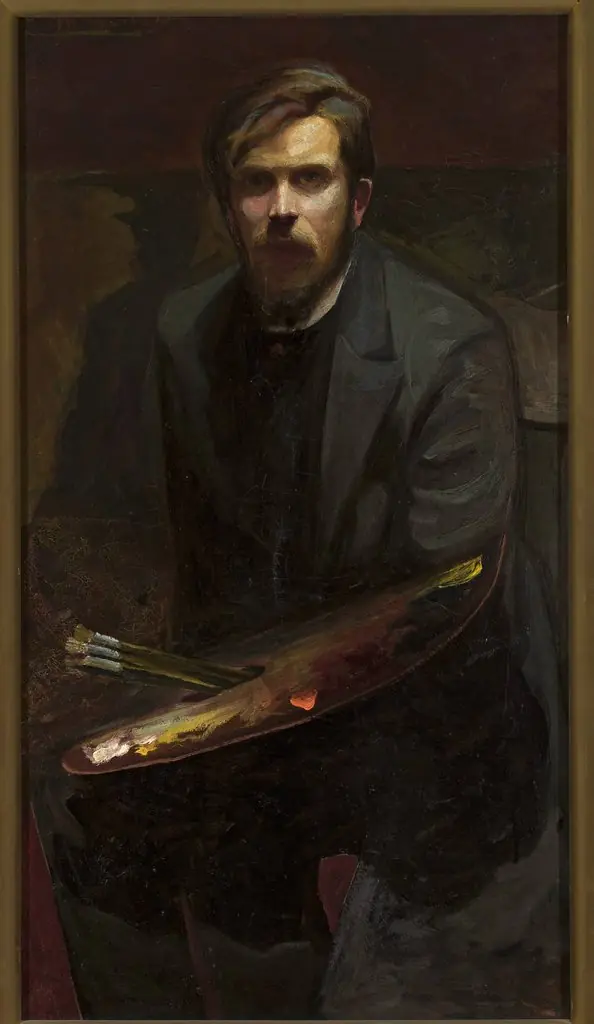 Self-portrait
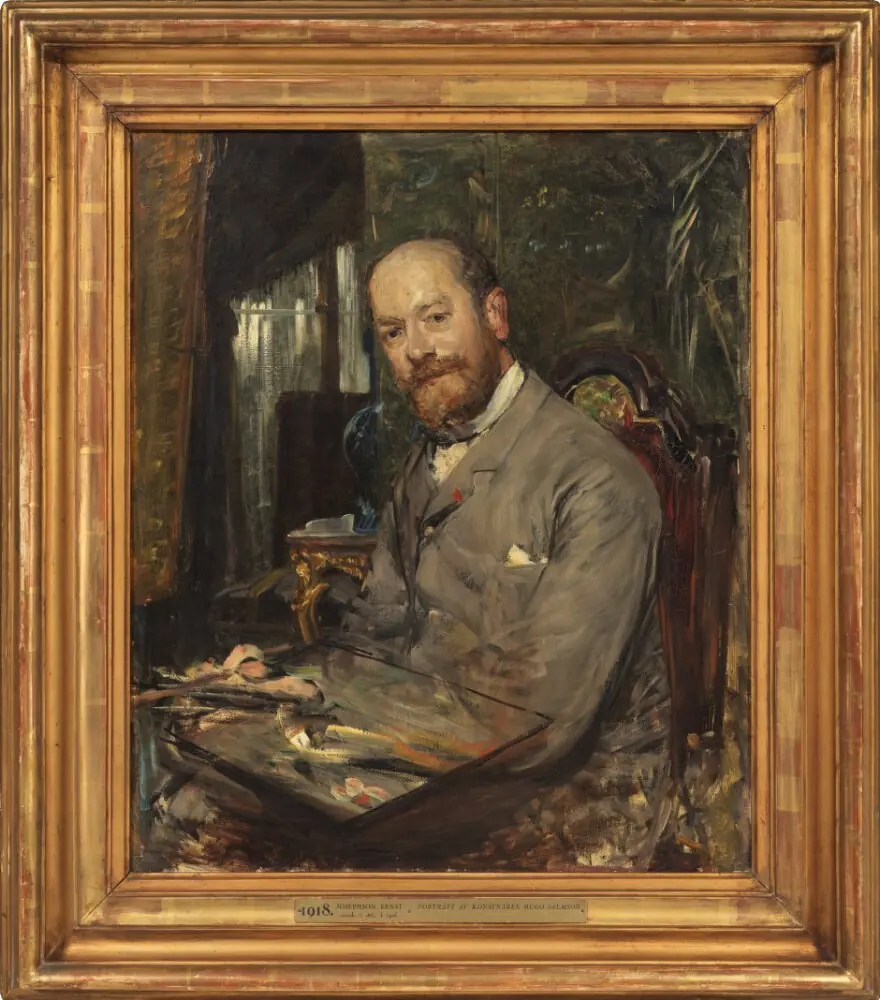 Hugo Salmson, the Artist. Uncompleted
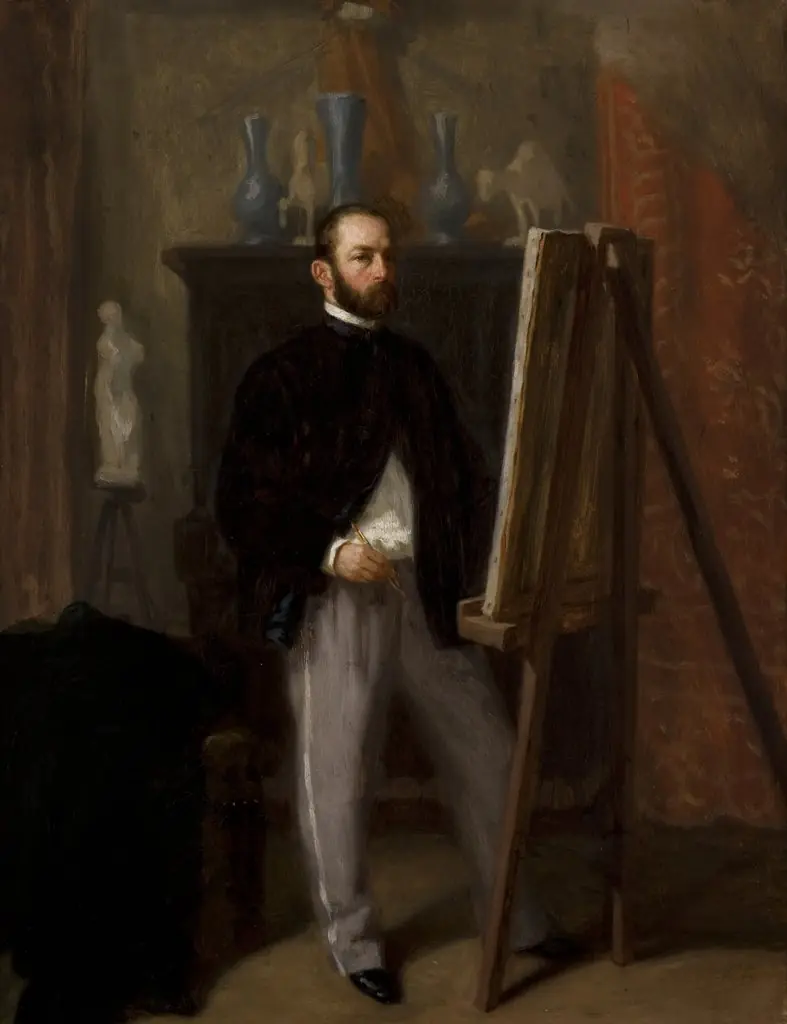 Self-Portrait at the Easel
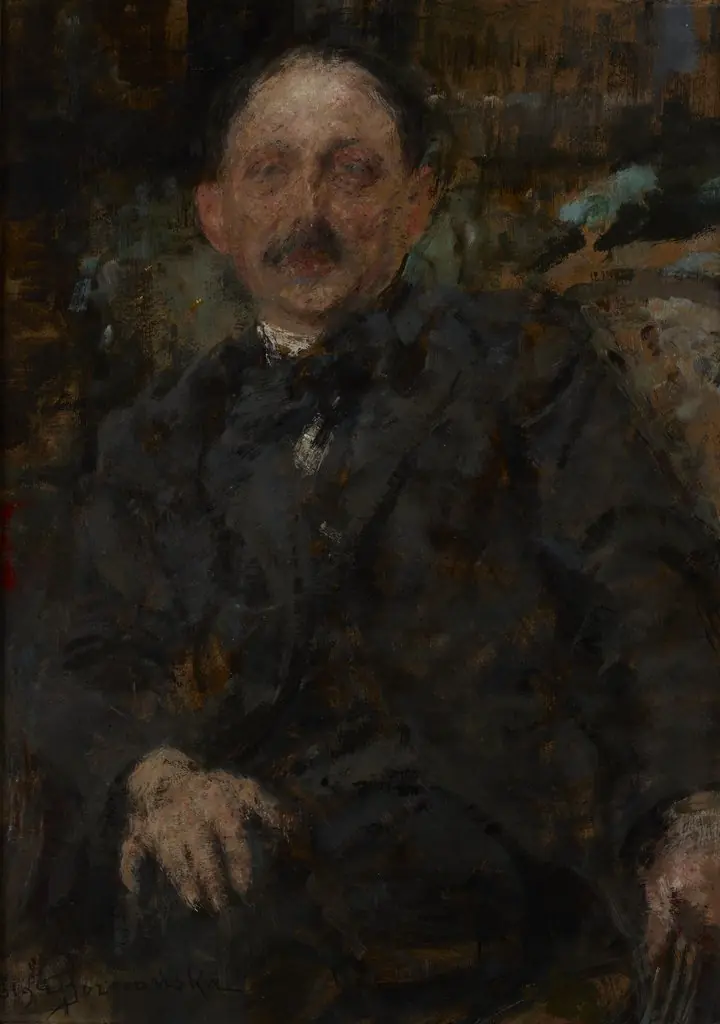 Portrait of Painter Marcin Samlicki
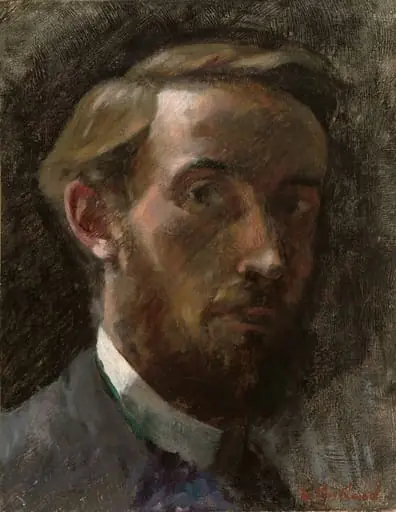 Self-Portrait, Aged 21
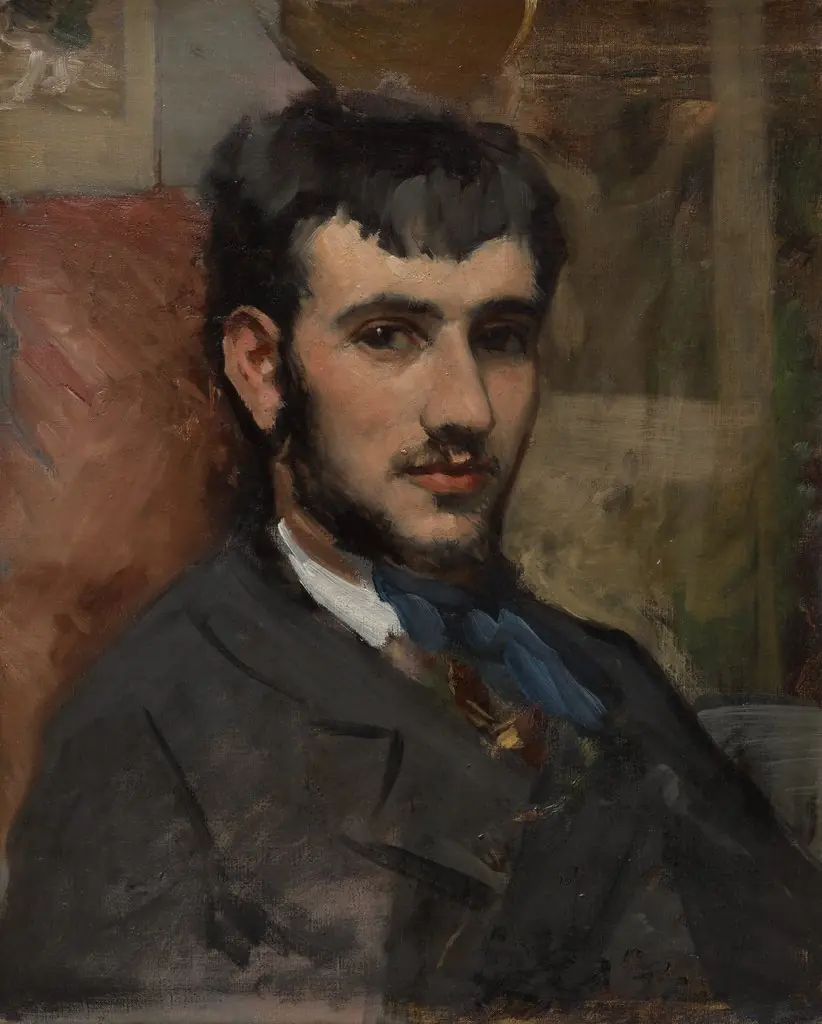 Portrait of Renoir
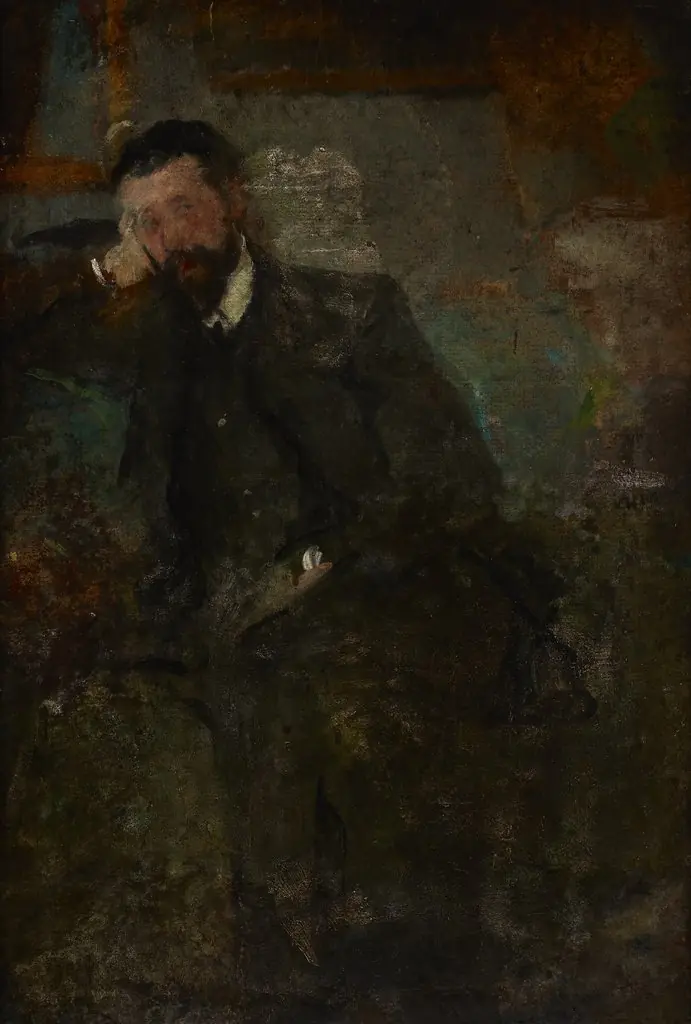 Portrait of a Man – two-sided painting
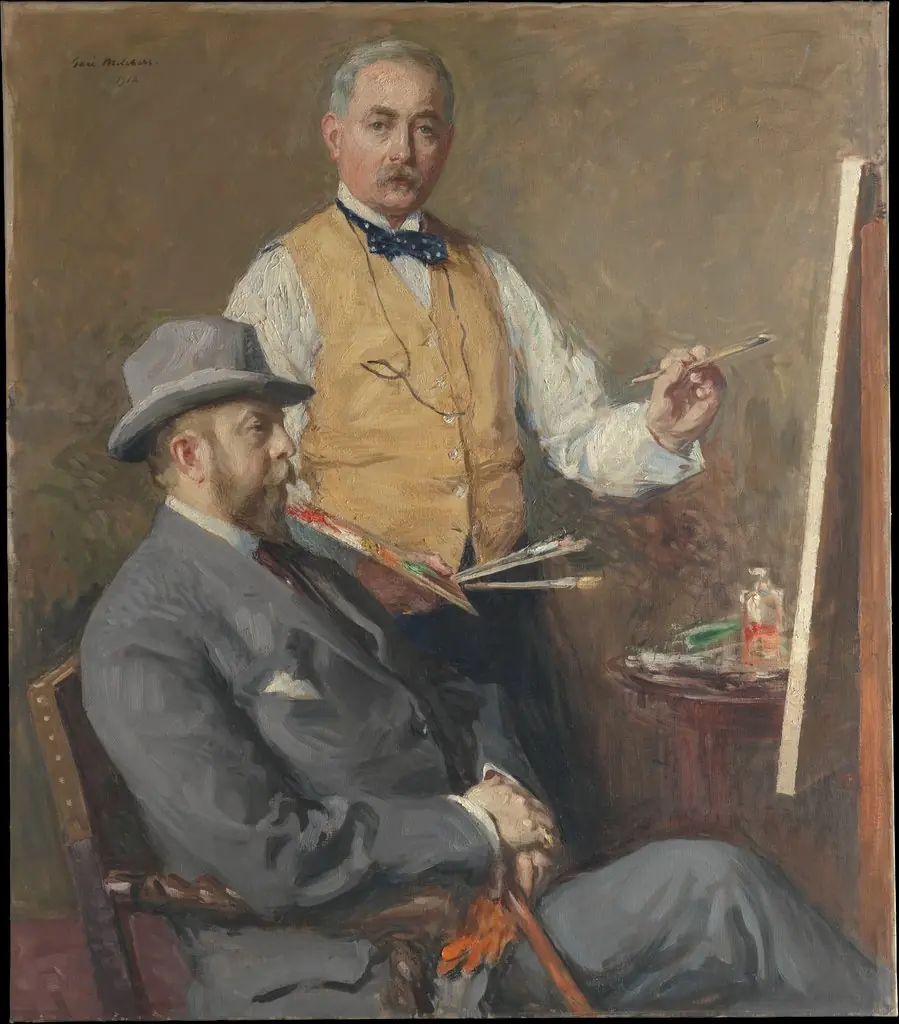 In the Studio (Gari Melchers and Hugo Reisinger)