Artwork
Tobias and the Angel
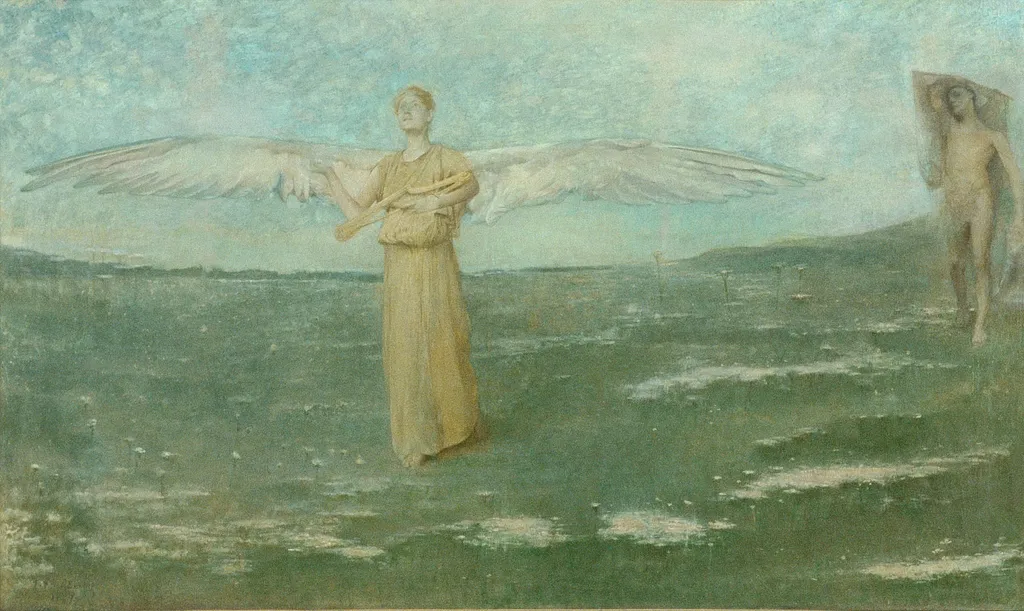
Tobias and the Angel is an oil painting by the American Impressionist artist Thomas Dewing. It dates from 1894 and is held in the collection of the Metropolitan Museum of Art.
About this work
Subject & Meaning
Symbolically, the angel's presence signifies divine providence and guidance, while Tobias represents faithful obedience.
The painting depicts the biblical narrative from the Book of Tobit, in which the young Tobias embarks on a journey accompanied by the archangel Raphael disguised as a traveler. The work emphasizes the pious bond between the two figures, with the angel guiding and protecting Tobias. Symbolically, the angel's presence signifies divine providence and guidance, while Tobias represents faithful obedience.
The composition's restrained palette and harmonious arrangement reflect the moral and spiritual themes central to the biblical story, underscoring the virtues of trust and divine intervention.
Technique & Style
Painted in oil on canvas in 1894, the work exhibits Dewing's characteristic handling of thin, translucent glazes that build luminous flesh tones and silken drapery. The composition's formal qualities emphasize quiet intimacy through softly modeled figures and a shallow, planar arrangement, aligning with Aesthetic Movement ideals of refined harmony. The angel's nude torso and Tobias's draped garments are rendered with delicate, blended transitions, while the background dissolves into muted tonalities that focus attention on the central interaction.
History & Provenance
Thomas Dewing created the oil painting Tobias and the Angel in 1894. Executed on canvas, the work measures approximately 61.3 by 101.9 centimeters and depicts the biblical figures Tobias and the archangel Raphael. The piece is classified as religious art and is held in the collection of the Metropolitan Museum of Art in New York, within the institution's Paintings holdings.
The specific circumstances of its original commission or early ownership history prior to the museum are not detailed in the available records, and no exhibition history is documented in the cited sources.
Overview
Thomas Dewing's Tobias and the Angel, painted in 1894, is an oil painting that interprets a religious narrative. This work, characteristic of the American painter's refined figural compositions, depicts the biblical encounter between Tobias and the archangel Raphael. It was created during a period associated with American Impressionism, though Dewing's style often leaned towards Tonalism. The painting is now part of the collection at The Metropolitan Museum of Art.
Context
An American artist who received training in Paris, Thomas Dewing was recognized for his distinctive figure paintings, often portraying women in contemplative poses. He was also a founding member of the Ten American Painters, a group that championed a more personal and aesthetic approach to art, often incorporating elements of American Impressionism and Tonalism. Tobias and the Angel reflects his engagement with both traditional religious subjects and his characteristic stylistic concerns.
Artist & collection
Artist
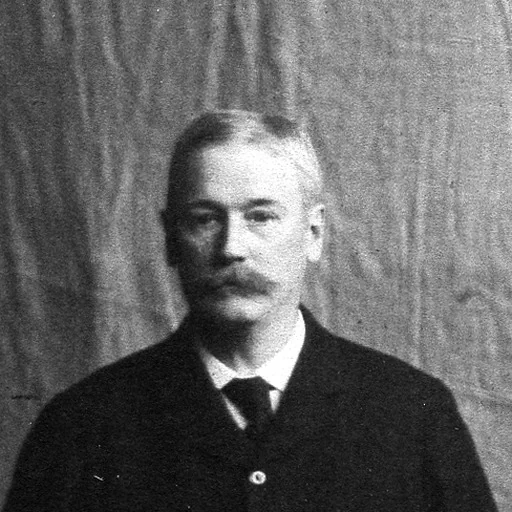
Thomas Wilmer Dewing (May 4, 1851 – November 5, 1938) was an American painter working at the turn of the 20th century.

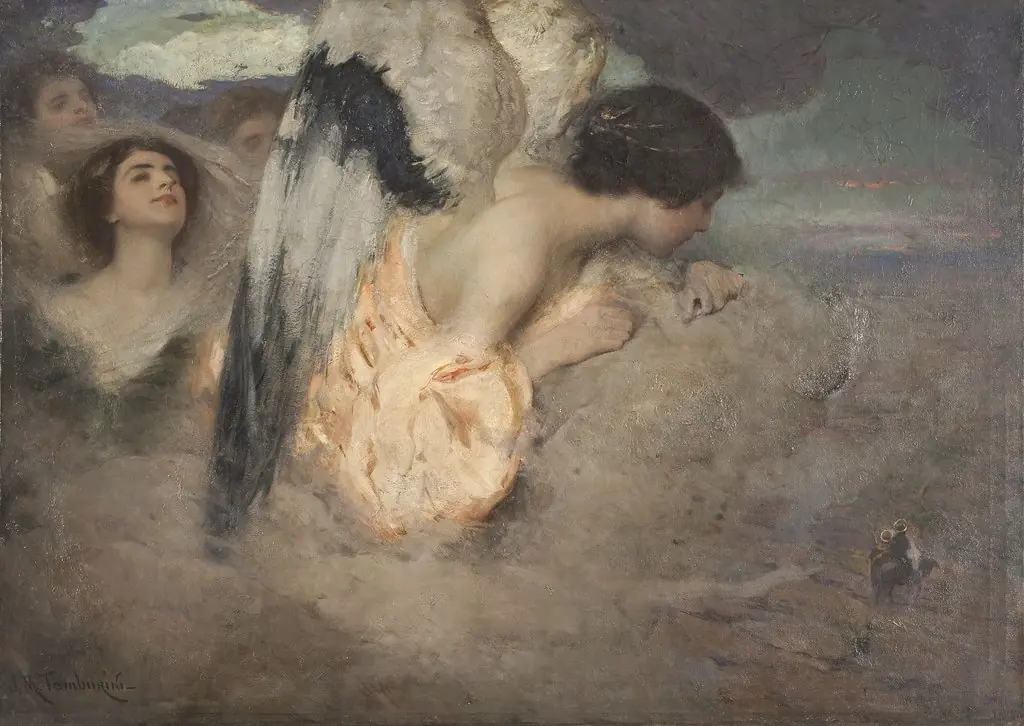 The Flight into Egypt
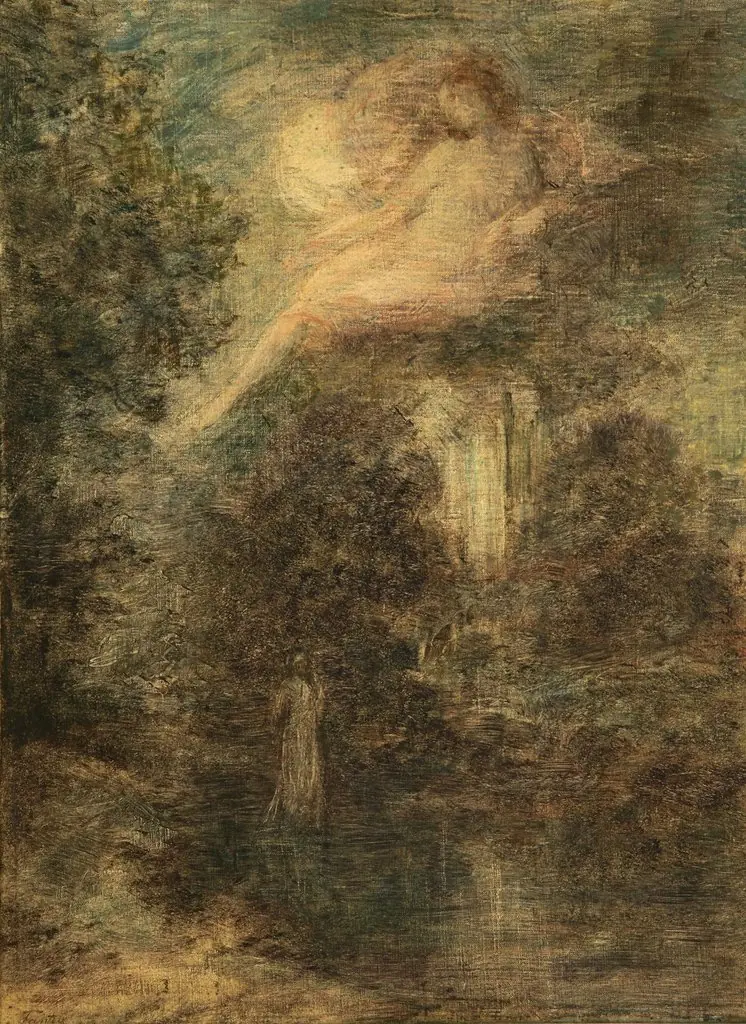 L'Evocation (Solitude)
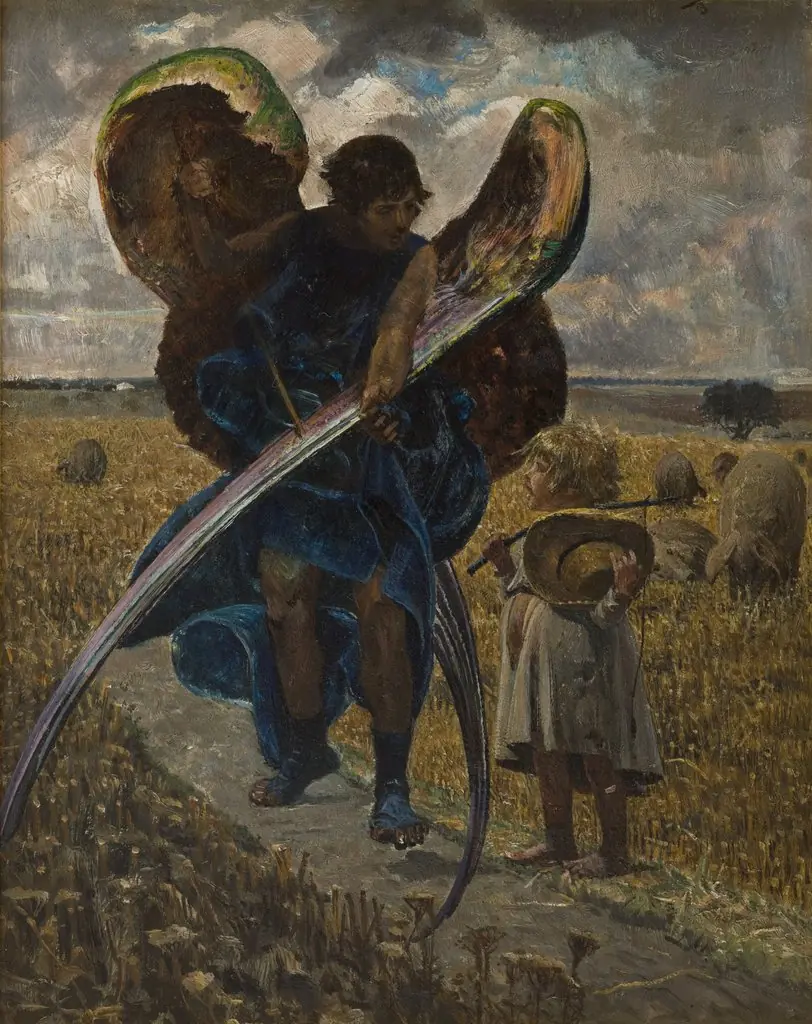 Following the Angel – Triptych (Central Part)
 Pandora
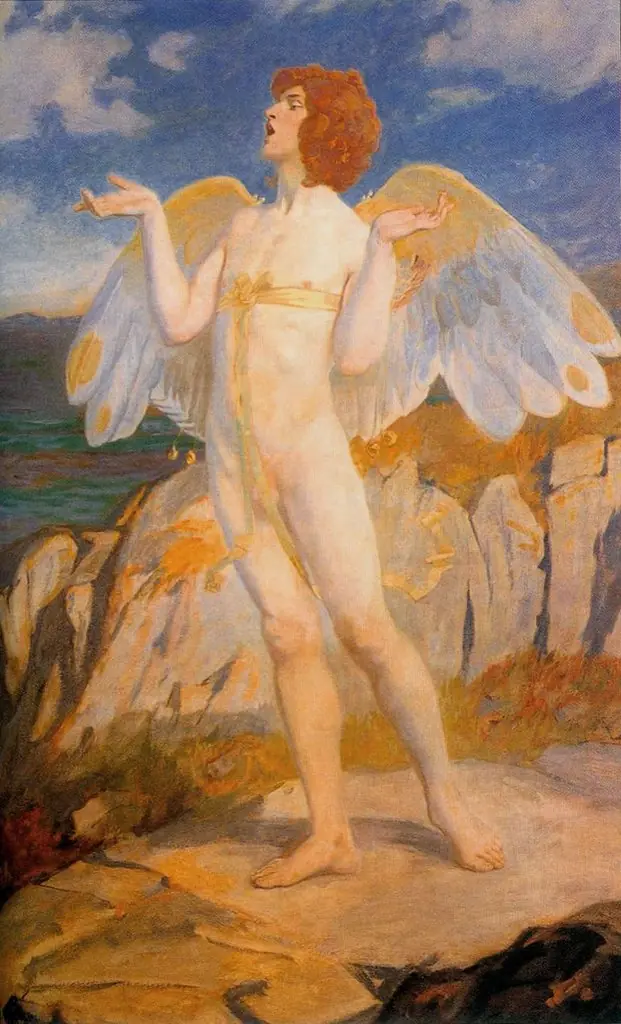 Angus Og, God of Love and Courtesy, Putting a Spell of Summer Calm on the Sea
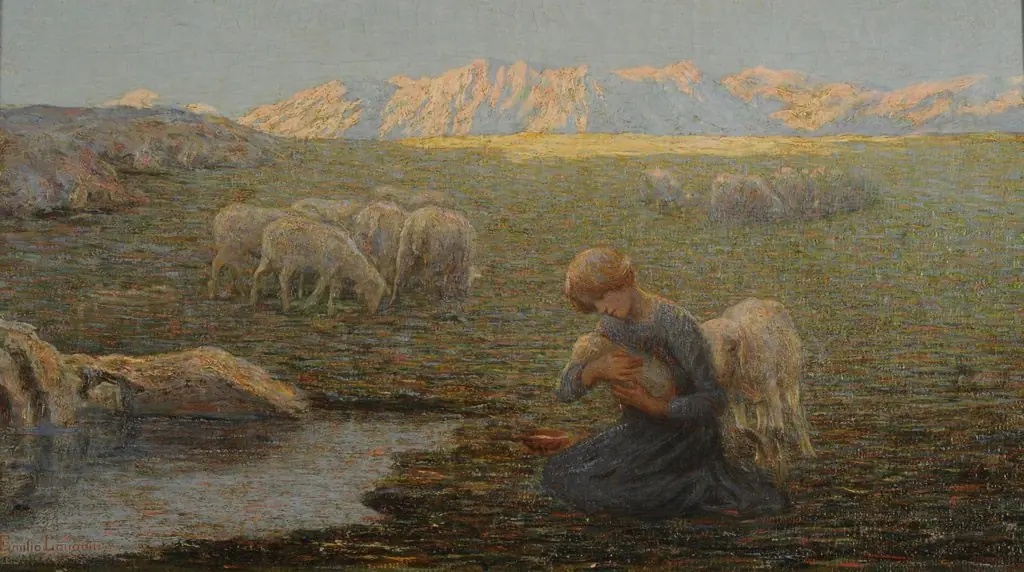 La oveja enferma
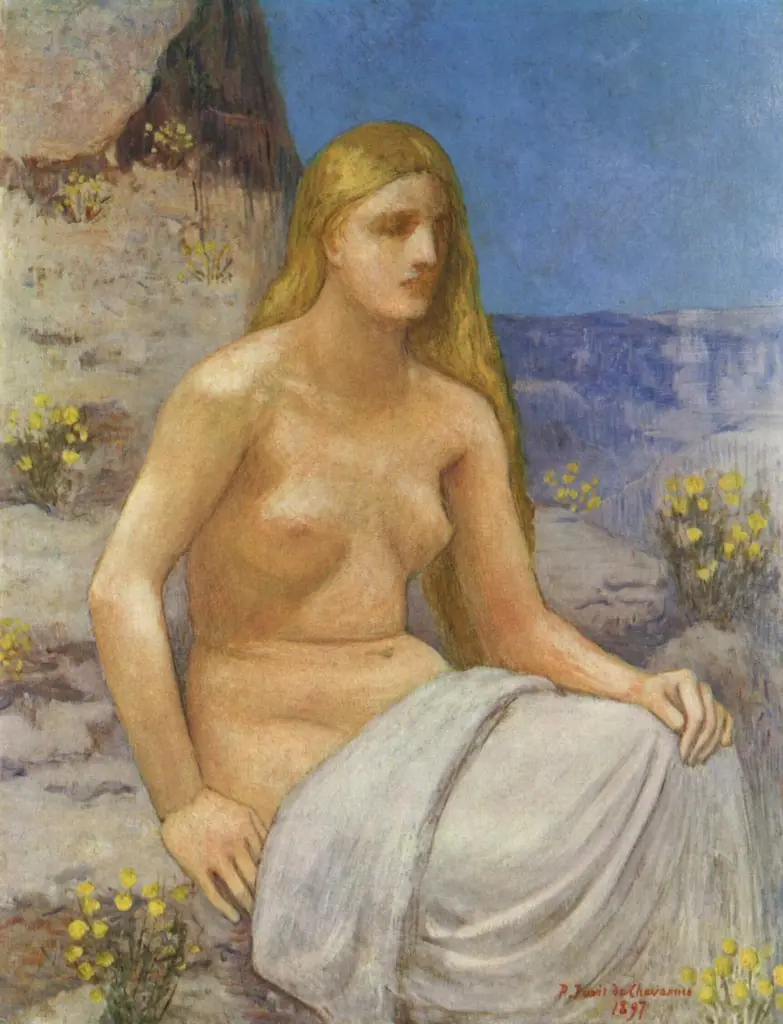 Mary Magdalene
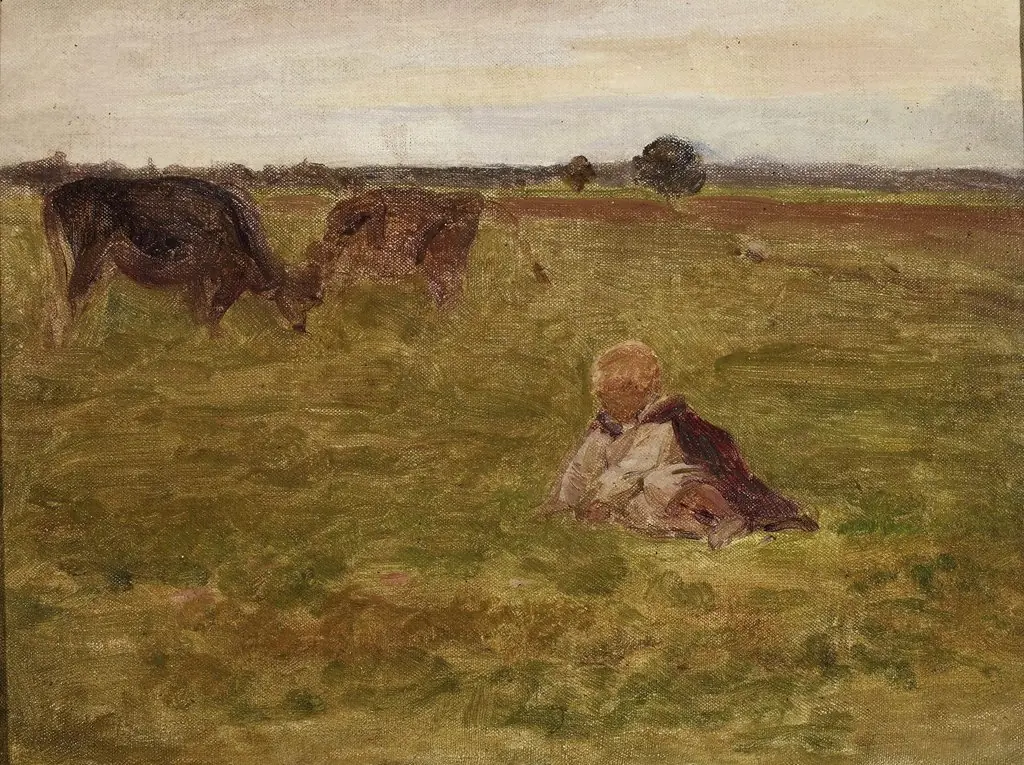 Study I for “Shepherd children”
 Sketch for the panel “Springtime” for the Bakhchi-Dere villa in Yalta
 Hope
Hope