Artwork
Untitled
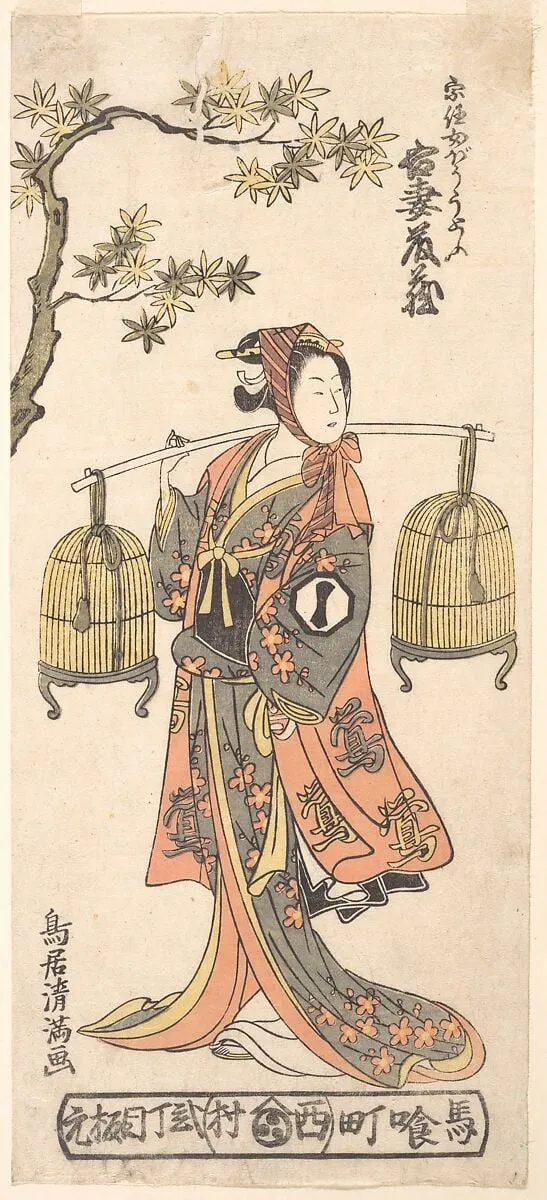
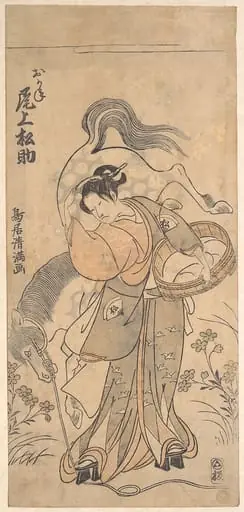
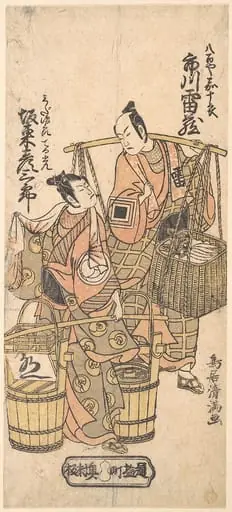
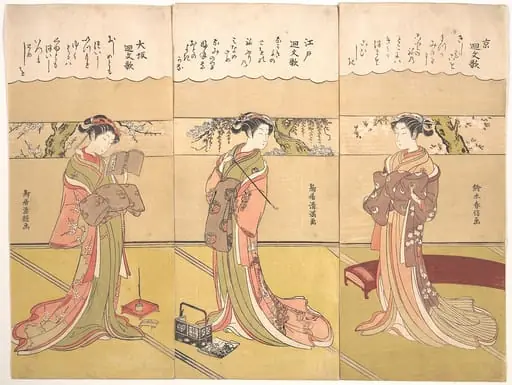
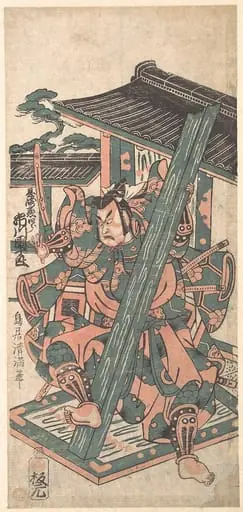
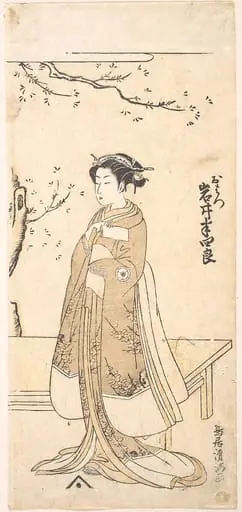
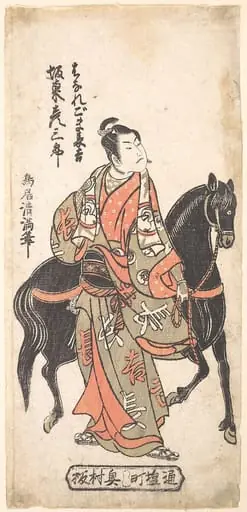
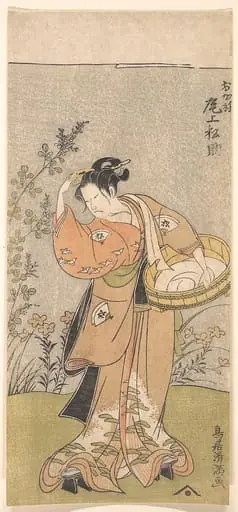
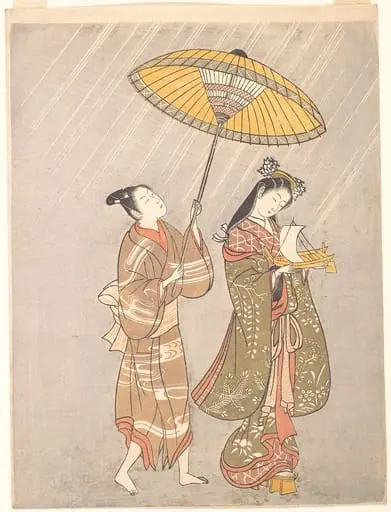
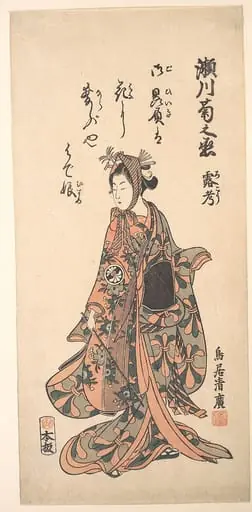
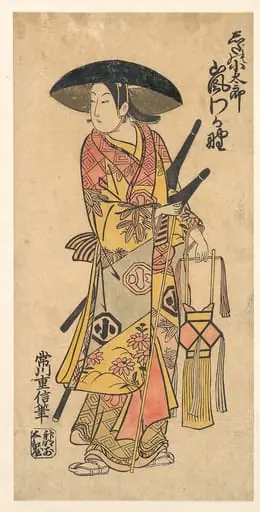
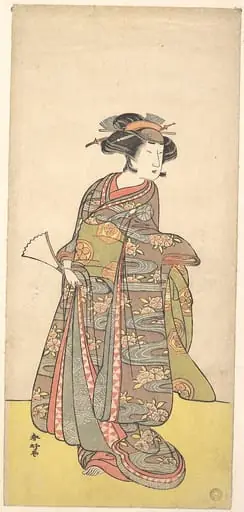
Untitled is an ink print by the Romanticist artist Torii Kiyomitsu. It dates from 1768 and is held in the collection of the Metropolitan Museum of Art.
About this work
Overview
Executed in ink and color on paper, it exemplifies the ukiyo-e tradition with its emphasis on everyday scenes and decorative elegance.
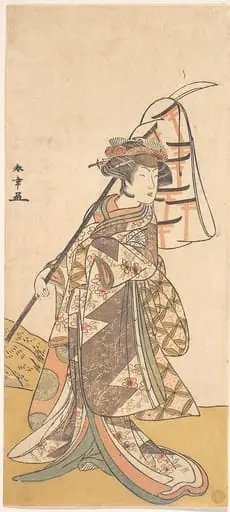
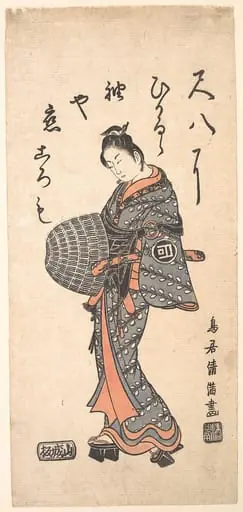
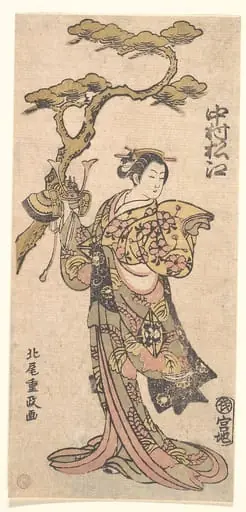
Created in 1768, this woodblock print by Torii Kiyomitsu is part of The Metropolitan Museum of Art’s collection. Executed in ink and color on paper, it exemplifies the ukiyo-e tradition with its emphasis on everyday scenes and decorative elegance. The composition centers on a woman transporting birdcages, rendered with balanced forms and restrained detail, characteristic of Kiyomitsu’s approach to genre subjects.
Subject & Meaning
The figure is a woman bearing two birdcages slung across a pole, suggesting she may be a vendor or servant moving goods. The cages, delicately rendered as woven bamboo, imply captivity or commerce, while the vibrant attire and floral motifs hint at festive or seasonal contexts. Japanese text at the top and bottom likely identifies the scene or provides poetic commentary, common in prints of the period.
Technique & Style
Kiyomitsu employed clean, precise lines and flat areas of color to create visual rhythm without depth or shading. The robes display bold patterns in pinks, greens, and gold, with stylized floral and calligraphic elements. The tree branch above the figure adds a naturalistic curve, contrasting with the geometric simplicity of the figure and cages, reinforcing the print’s decorative harmony.
History & Provenance
The print was produced during the late Edo period, a time when woodblock prints flourished as affordable art for urban audiences. It entered The Metropolitan Museum of Art’s collection as part of its broader acquisition of Japanese prints in the early 20th century. Its survival in good condition reflects careful preservation and the print’s popularity among collectors.
Context
Kiyomitsu worked within the Torii school, known for its contributions to kabuki advertising and genre scenes. This print aligns with a trend in the 1760s toward more intimate, civilian subjects rather than theatrical ones. The use of rich color and pattern reflects the growing consumer culture in Edo, where fashion and leisure were increasingly depicted in popular art.
Legacy
Though less widely known than some contemporaries, Kiyomitsu’s work influenced later ukiyo-e artists through his refined line work and compositional clarity. This print remains a quiet example of how everyday life was elevated through printmaking, offering insight into the aesthetics and social rhythms of 18th-century Japan without overt drama or spectacle.
Artist & collection