Artwork
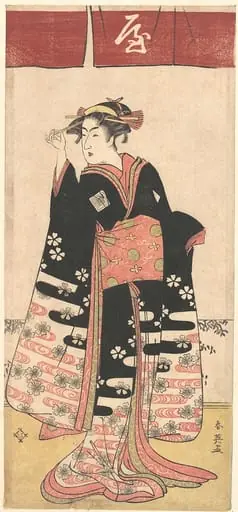
三代目瀬川菊之丞の近江屋の遊女|The Actor Segawa Kikunojō as a Courtesan of the Ōmiya Brothel
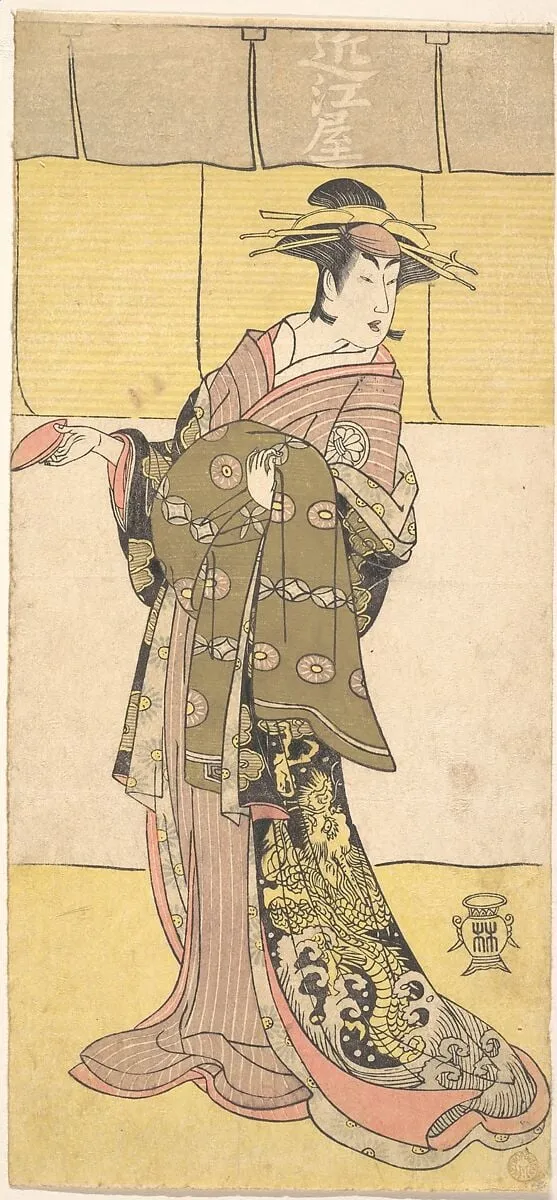
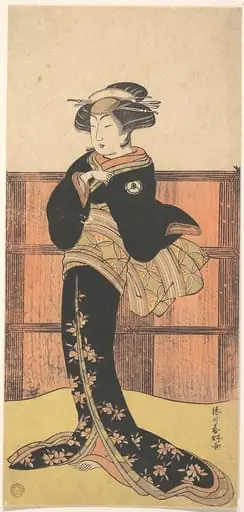
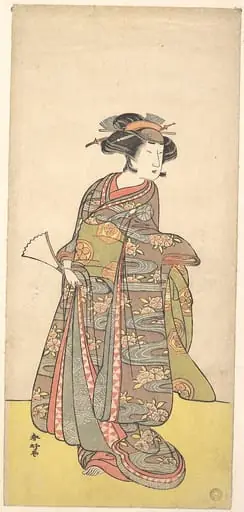
三代目瀬川菊之丞の近江屋の遊女|The Actor Segawa Kikunojō as a Courtesan of the Ōmiya Brothel is an ink print by the Romanticist artist Katsukawa Shunshō. It dates from 1786 and is held in the collection of the Metropolitan Museum of Art.
About this work
Overview
This woodblock print, created around 1786 by Katsukawa Shunshō, depicts the actor Segawa Kikunojō III in the role of a courtesan from the Ōmiya brothel.
This woodblock print, created around 1786 by Katsukawa Shunshō, depicts the actor Segawa Kikunojō III in the role of a courtesan from the Ōmiya brothel. Executed in nishiki-e, a multi-color printing technique, it is rendered in ink and color on paper. The work is part of the collection at The Metropolitan Museum of Art and exemplifies the ukiyo-e tradition of portraying kabuki performers in theatrical roles, blending performance with visual art.
Subject & Meaning
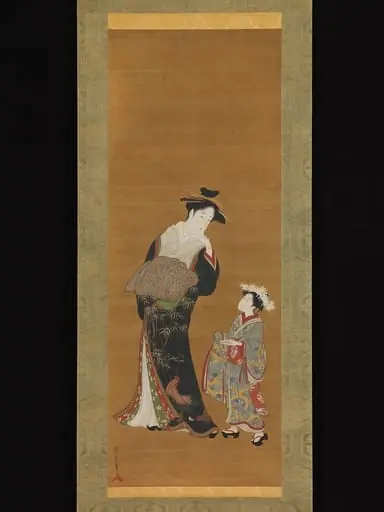
The print captures a male actor embodying a courtesan, a common practice in kabuki theater where men portrayed female roles. The figure’s elaborate attire and poised stance reflect the idealized elegance of high-status courtesans, while the choice of the Ōmiya brothel, a real establishment, anchors the image in contemporary urban culture. The performance blurs gender and social boundaries, inviting viewers to appreciate artifice as a form of refined expression.
Technique & Style
Shunshō employed flat, unmodulated colors and crisp outlines to emphasize the costume’s intricate patterns, black swirls and gold detailing on the robe, which resemble abstract landscapes or garden motifs. The wide sleeves and tall, fan-tucked hat enhance the figure’s verticality, while the minimal background isolates the subject. The print’s clarity and decorative precision reflect the refined aesthetics of Edo-period ukiyo-e, prioritizing stylized form over naturalism.
History & Provenance
Created circa 1786, the print was produced during the height of Shunshō’s career as a leading ukiyo-e artist specializing in actor portraits. It was likely distributed as a single-sheet print for public consumption, appealing to theater enthusiasts. The work entered The Metropolitan Museum of Art’s collection through documented acquisitions, preserving its place in the historical record of Japanese printmaking and kabuki culture.
Context
In late 18th-century Edo, kabuki theater and ukiyo-e prints were deeply intertwined. Actors like Segawa Kikunojō III were celebrities, and their images were mass-produced for fans. Courtesans, too, were cultural icons, and their depiction by male actors added layers of performance and fantasy.
This print reflects a society where identity, gender, and social roles were fluid in artistic representation, shaped by urban entertainment and consumer demand.
Legacy
Shunshō’s portrayal of Segawa Kikunojō contributed to the standardization of actor portraiture in ukiyo-e, influencing later artists such as Sharaku and Utamaro. The print remains a key example of how theater and print culture intersected in Edo Japan, preserving not only a performer’s likeness but also the conventions of gendered performance and visual symbolism that defined the era’s artistic language.
Artist & collection

Artist
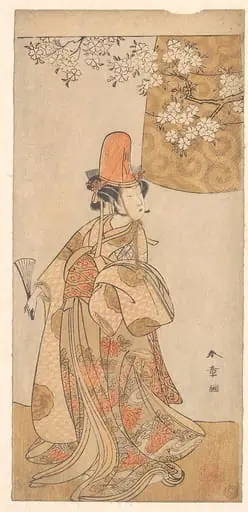
Katsukawa Shunshō spent his life in Edo (now Tokyo), where the city’s teahouses and theaters buzzed with energy.