Artwork
Heron
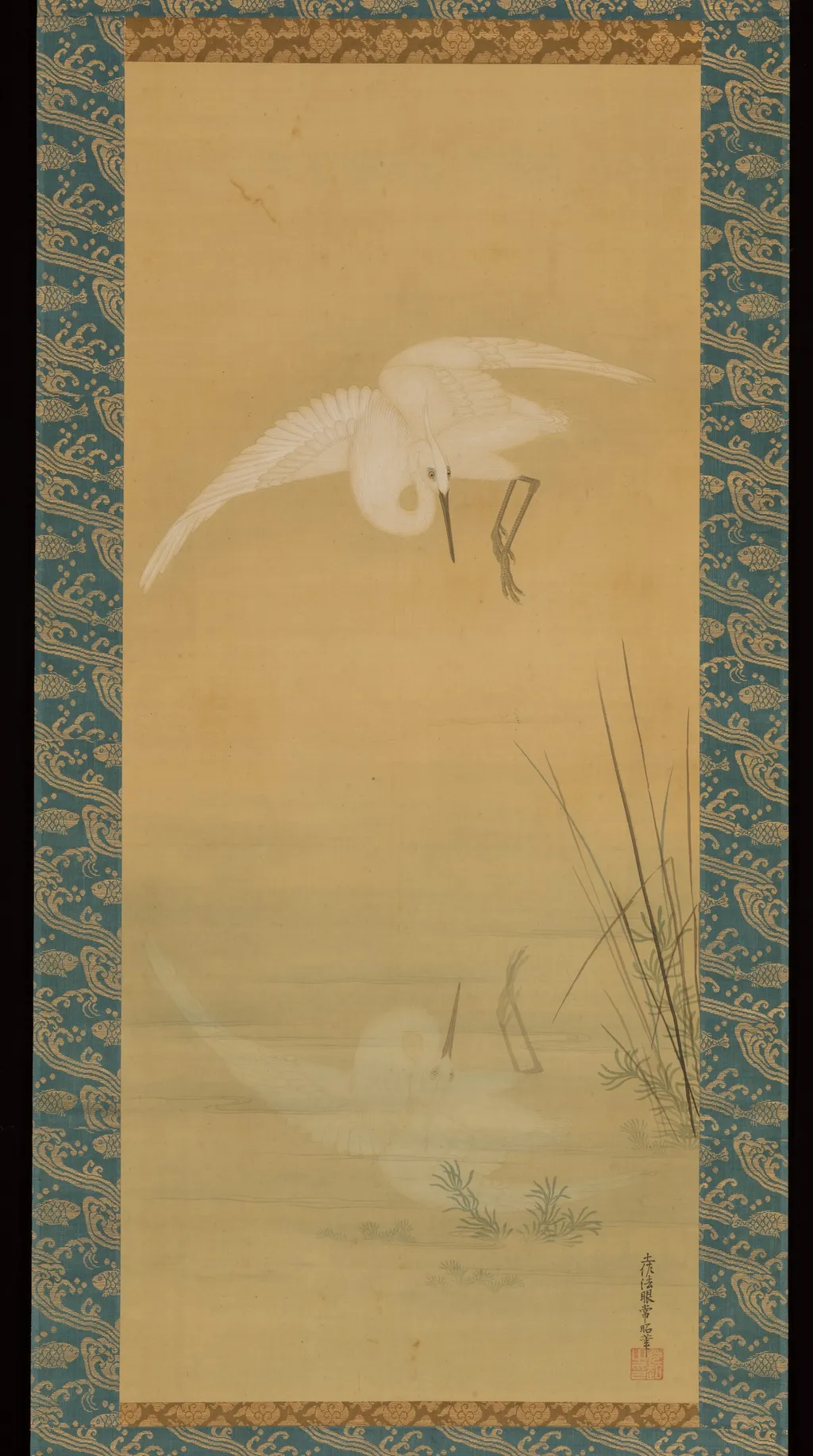
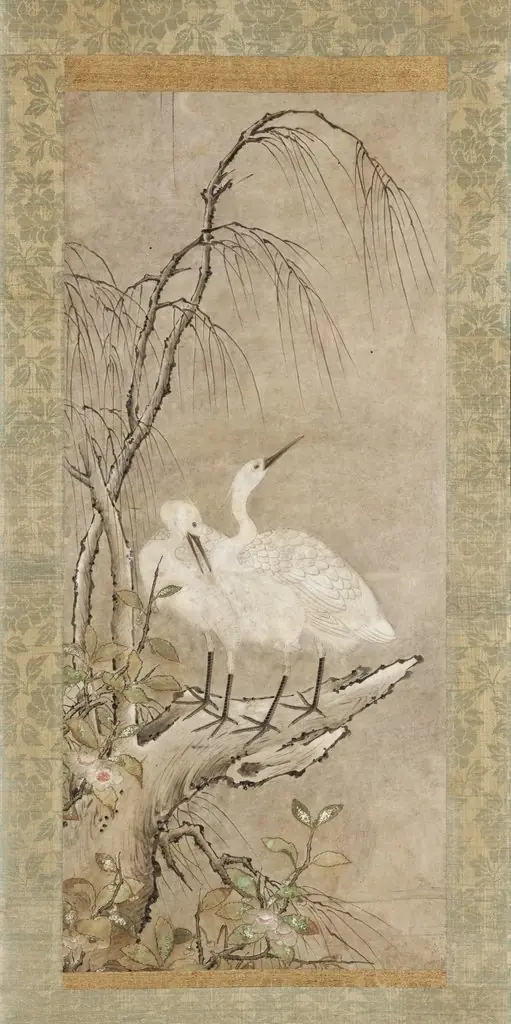
Heron is an unspecified painting by the Tosa School artist Tosa Mitsuoki. It dates from 1654 and is held in the collection of the Metropolitan Museum of Art.
About this work
Overview
The composition centers entirely on the bird, rendered with quiet precision against a subdued, atmospheric background.
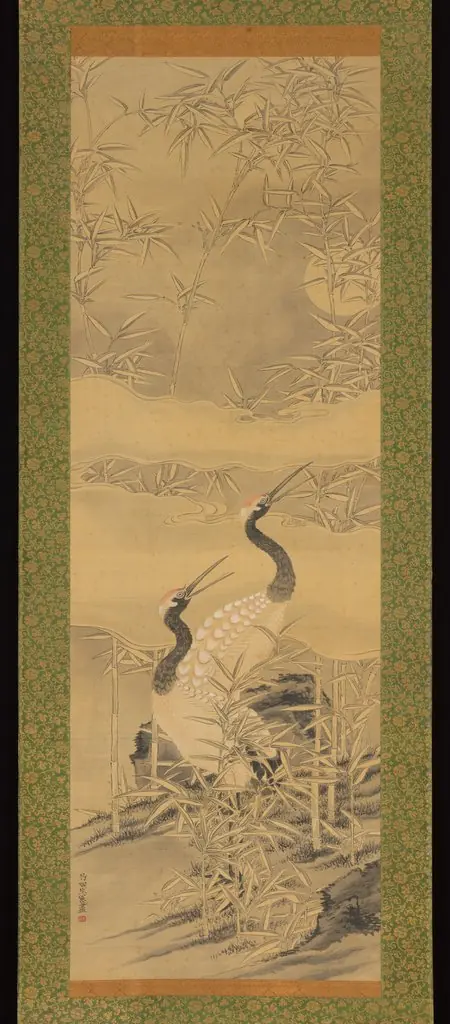
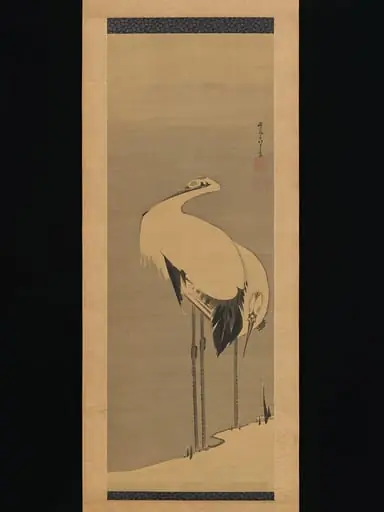
Painted in 1654 by Tosa Mitsuoki, this work depicts a solitary white heron poised in a shallow pond. Executed in ink and color on silk, the painting reflects the refined aesthetic of the Tosa school, which preserved classical Japanese courtly traditions during the early Edo period. The composition centers entirely on the bird, rendered with quiet precision against a subdued, atmospheric background.
Subject & Meaning
The heron, a symbol of patience and solitude in East Asian culture, is shown in a moment of stillness, its head tucked among its feathers. This posture suggests contemplation or rest, aligning with Zen-inspired ideals of quiet observation. The inclusion of reeds and water plants grounds the scene in a natural setting, reinforcing a sense of harmony between creature and environment without overt narrative.
Technique & Style
Mitsuoki employed fine brushwork to capture the texture of the heron’s plumage, layering delicate strokes to suggest individual feathers and subtle gradations of white. The background, washed in soft tones, avoids detail to emphasize the bird’s form. This approach reflects the Tosa school’s commitment to naturalism within a restrained, decorative framework, balancing observation with elegance.
History & Provenance
Created during Mitsuoki’s tenure as head of the imperial painting bureau, the work exemplifies his role in reviving classical Japanese styles under Tokugawa patronage. It entered The Metropolitan Museum of Art’s collection through established channels of Japanese art acquisition in the early 20th century, preserving its original silk mounting and attribution.
Context
In mid-17th century Japan, the Tosa school maintained its influence despite the rising popularity of more dynamic styles like Kanō and Rinpa. Mitsuoki’s focus on delicate, lifelike depictions of nature reflected a broader courtly preference for refined, intimate subjects, contrasting with the bolder themes favored by contemporary urban artists.
Legacy
Mitsuoki’s heron exemplifies the persistence of Heian-era aesthetics into the Edo period. His meticulous technique influenced later generations of Japanese painters who sought to reconcile naturalism with traditional composition. The work remains a key reference for understanding the continuity of courtly painting traditions beyond the medieval era.
Artist & collection


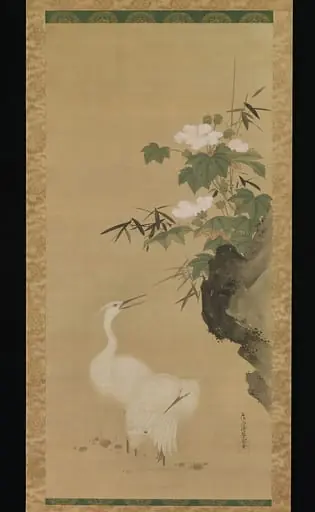 土佐光起筆 芙蓉白鷺図|Egrets and Cotton Roses
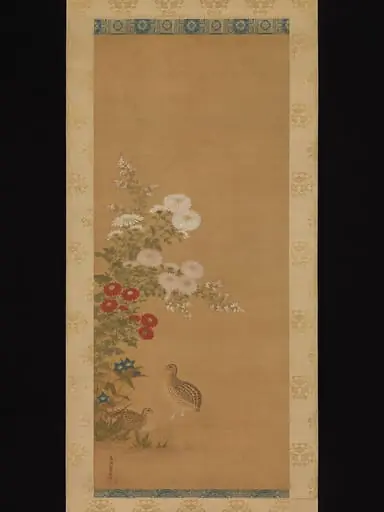 秋の花に鶉図|Quail and Autumn Flowers
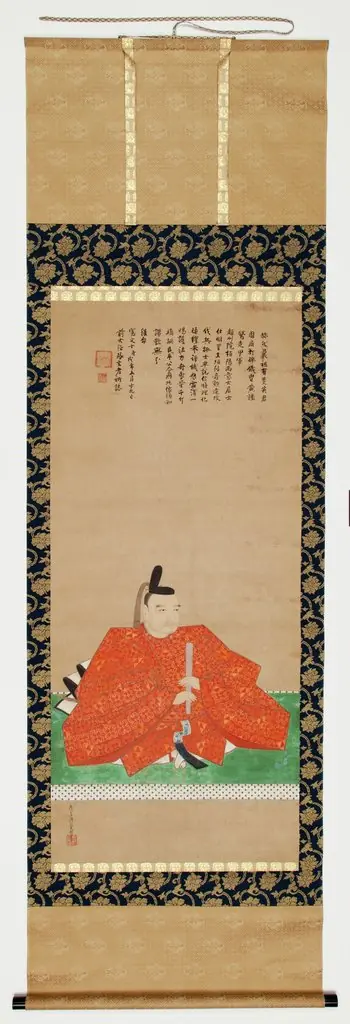 Portrait of Hojo Ujinaga
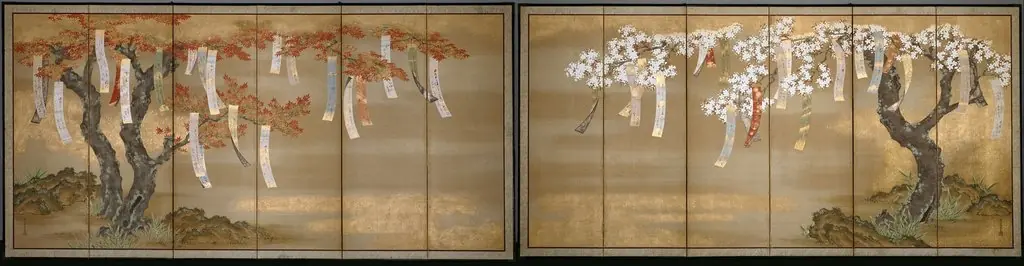 Flowering Cherry and Autumn Maples with Poem Slips
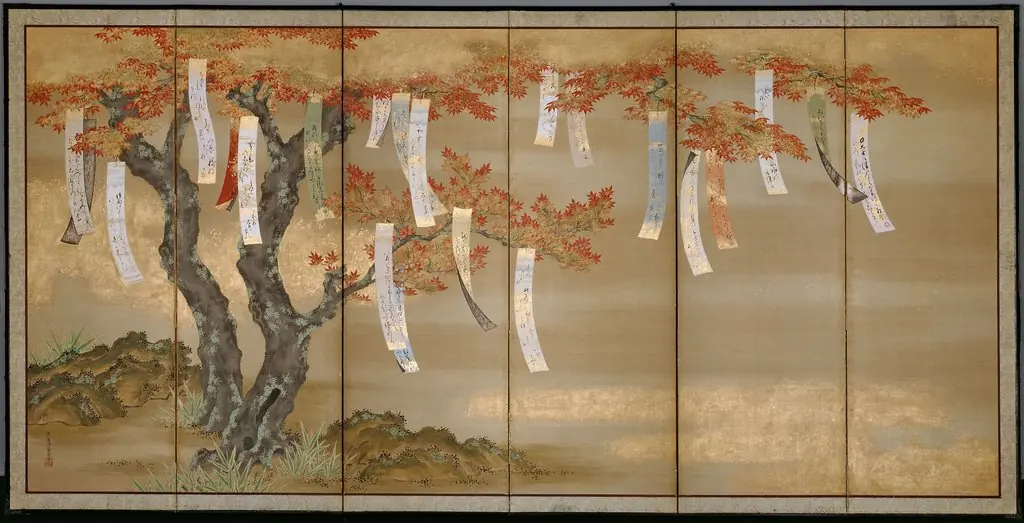 Autumn Maples with Poem Slips
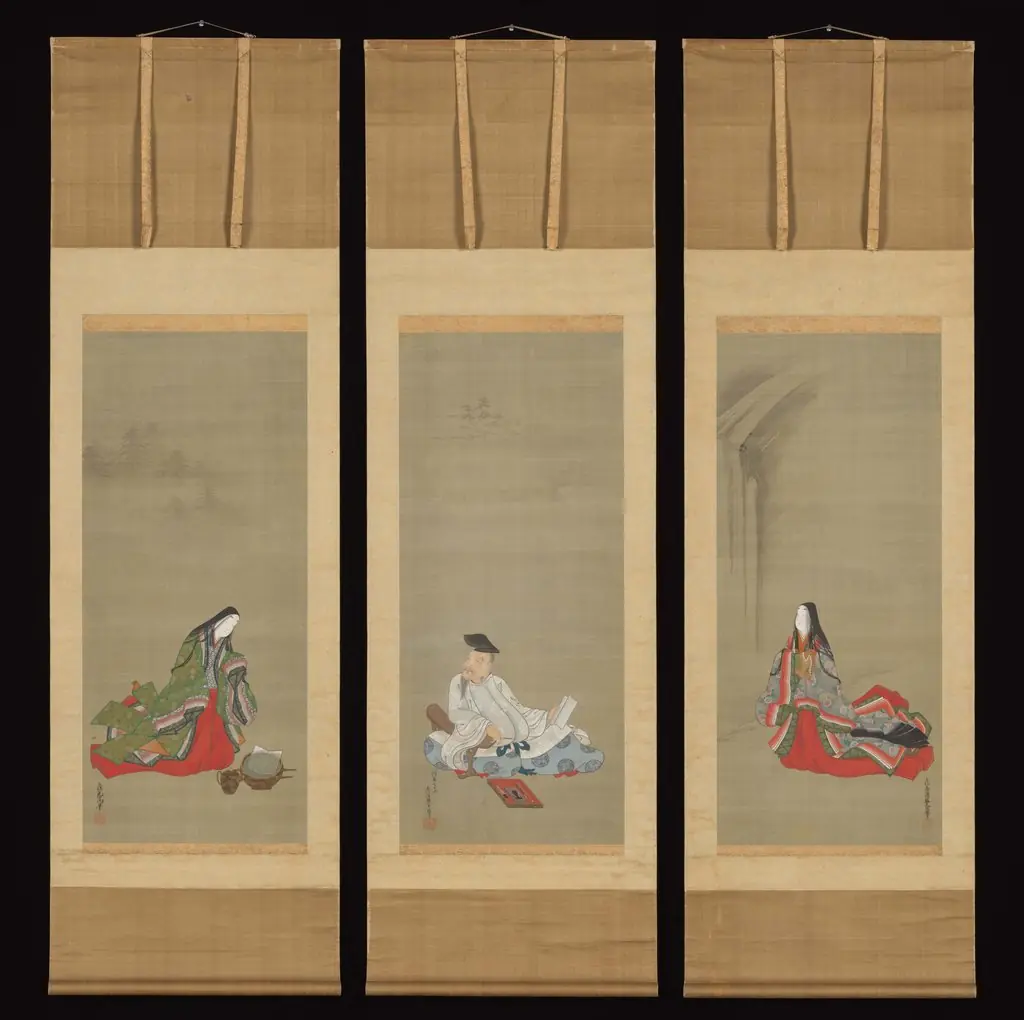 Portraits of Three Famous Poets: Hitomaro (M) ・Ise (R) ・Komachi (L)
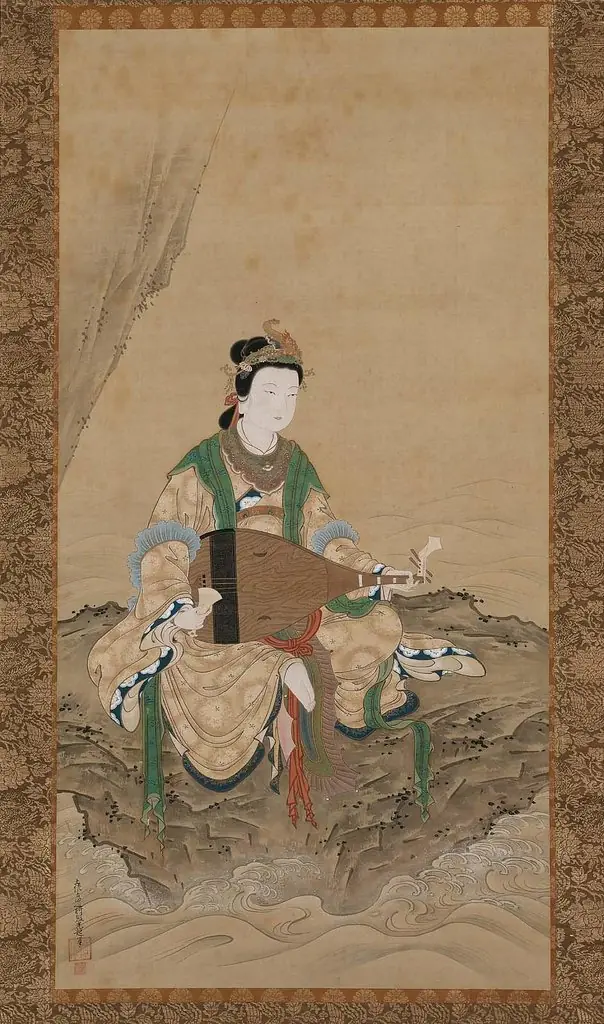 Benzaiten, the Goddess of Music and Good Fortune
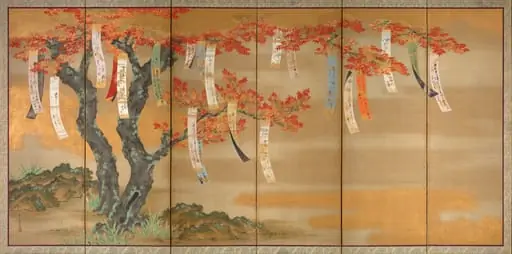 Autumn Maples with Poem Slips