Movement
Tosa School
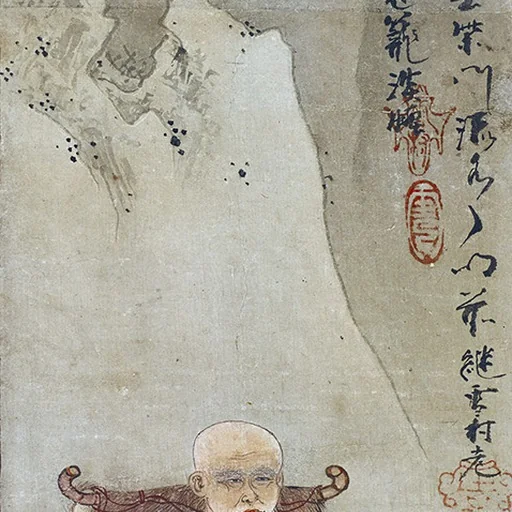
Tosa School is an art movement dating from 1500. The gallery holds 85 works in this movement, including works by Sesson Shūkei, Shikibu Terutada and Tesshū Tokusai. Browse Tosa School paintings, portraits, pictures and artworks from the world's public-domain museum collections.
The Tosa school was a hereditary lineage of Japanese court painters whose name became synonymous with yamato-e—the native pictorial tradition rooted in Japanese literature, history, and religion, as distinct from the Chinese-derived ink styles championed by the rival Kanō school. Although later members claimed descent from earlier court artists, the line is securely traced to Tosa Yukihiro, who first adopted the Tosa name in the first half of the fifteenth century. It was Tosa Mitsunobu (c. 1434–1525) who formally consolidated the school, serving as head of the imperial painting bureau (edokoro-azukari) in the 1490s and, in 1518, as chief painter to the Ashikaga shoguns—securing a dual court-and-shogunal patronage that would sustain the family into the nineteenth century.
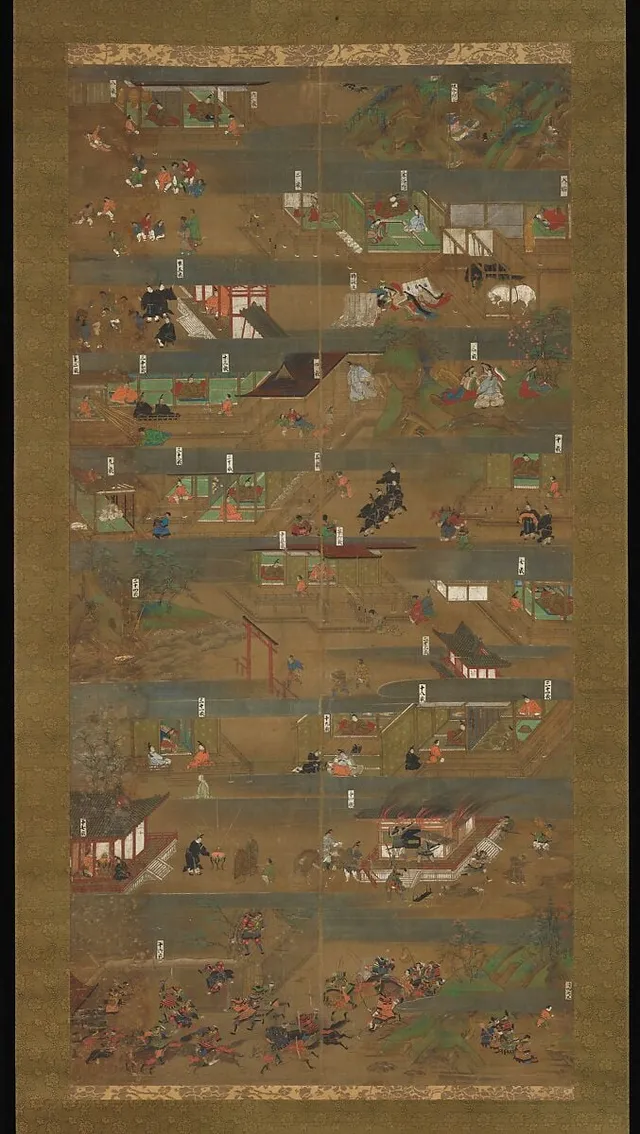
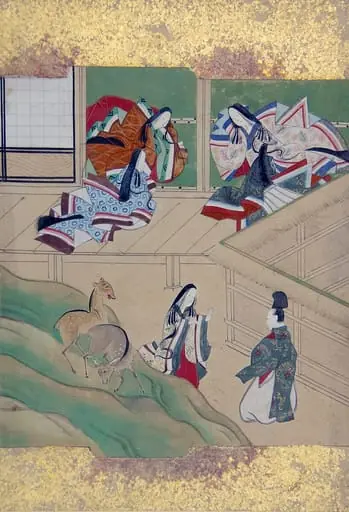
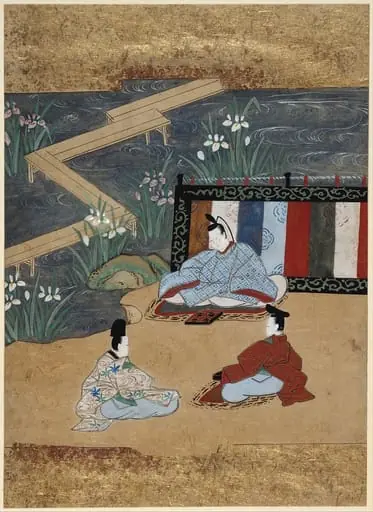
Tosa painting is defined by its yamato-e manner: areas of flat, opaque mineral pigment bounded by fine, deliberate outlines, lavish use of gold, and meticulous detail at a deliberately small scale. Faces are rendered through the abbreviated hikime-kagibana convention—a slit for the eye, a hooked line for the nose—so figures are typed rather than individualized. The school excelled at narrative handscrolls (emaki), album leaves, and folding fans illustrating courtly classics such as The Tale of Genji and The Tales of Ise, alongside devotional and historical subjects of the kind preserved in this collection, including the Illustrated Biography of Prince Shōtoku and the Mandala of Kasuga Shrine.
The principal masters span three centuries. After Mitsunobu, the school held the bureau headship for generations before losing court favor amid the wars of the sixteenth century. Tosa Mitsunori (1583–1638) sustained the workshop in the merchant city of Sakai, and his son Tosa Mitsuoki (1617–1691) revived its fortunes, reclaiming the vacant post of court painter in 1654 and refreshing the idiom with delicate bird-and-flower compositions that absorbed Kanō and Chinese elements.
The Tosa legacy radiated outward. A pupil of Mitsuyoshi, Sumiyoshi Jokei (1599–1670), broke away to found the Sumiyoshi school, which carried the yamato-e narrative tradition into the service of the Tokugawa shogunate. The school's jewel-like decorative sensibility and classical subjects also helped prepare the ground for the Rinpa painters and the later Edo-period revival of native court styles.
Key artists


Works
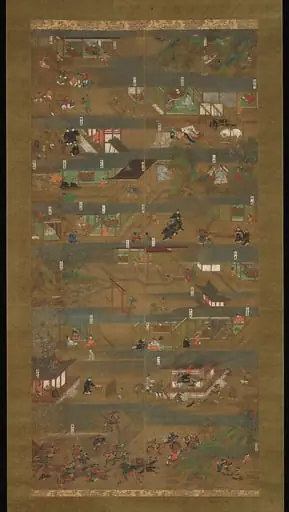 聖徳太子絵伝図|Illustrated Biography of Prince Shōtoku (Shōtoku Taishi e-den)
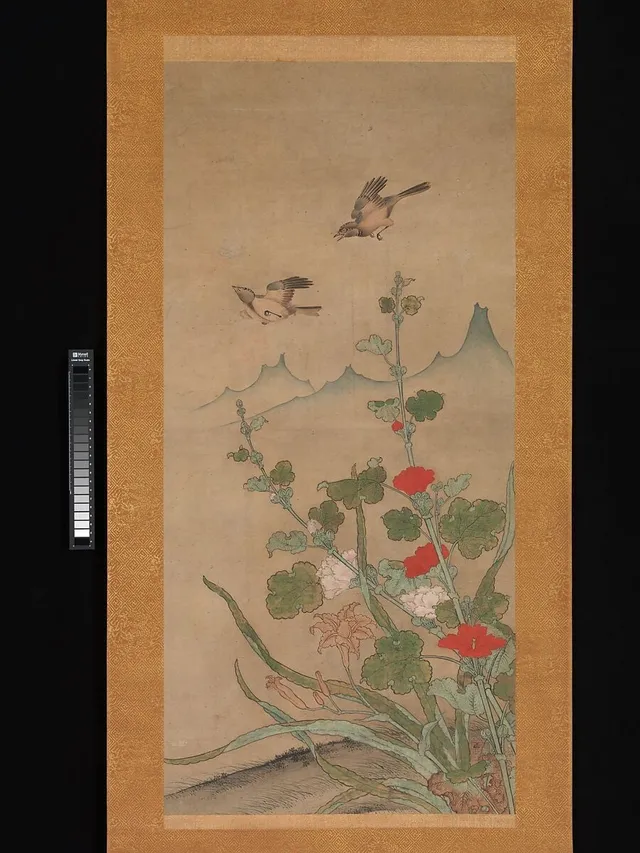
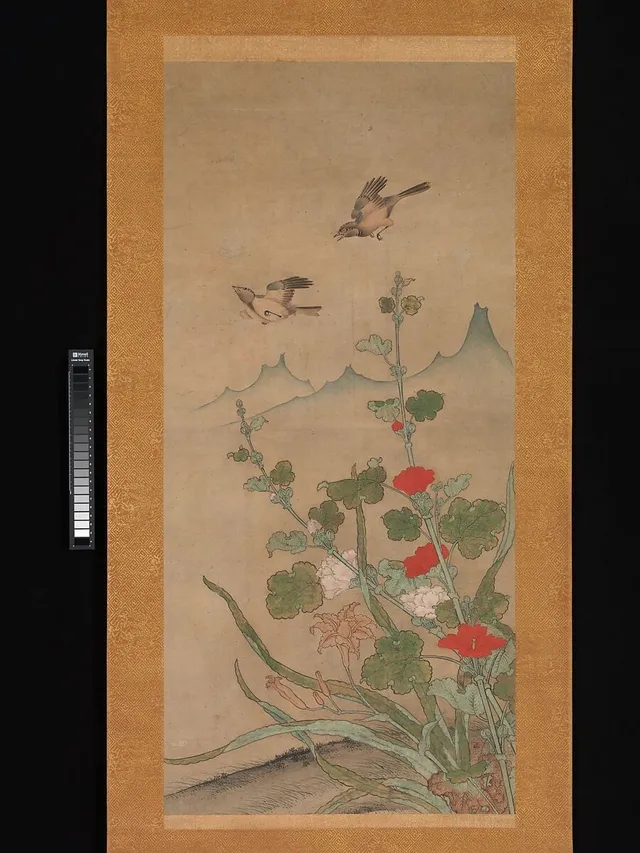
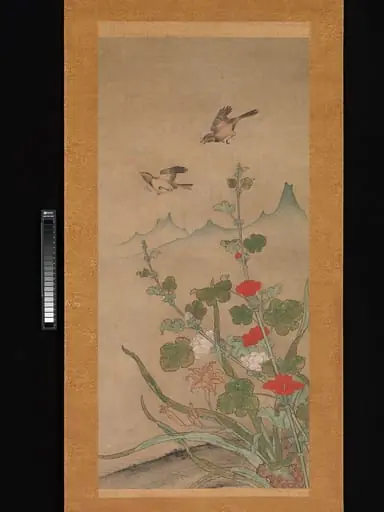 式部輝忠筆 夏秋花鳥図|Birds and Flowers of Summer and Autumn
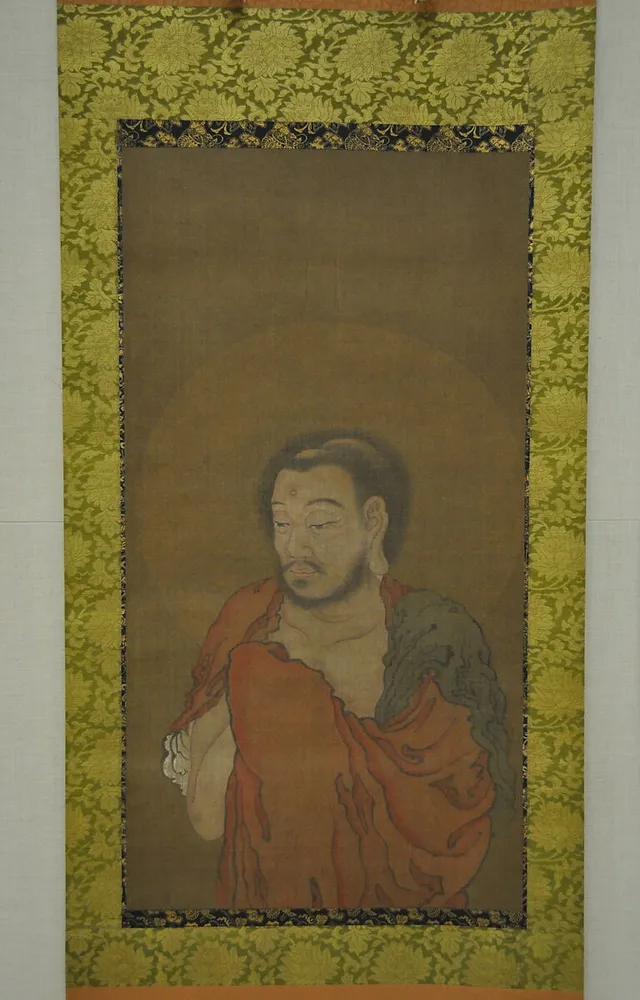
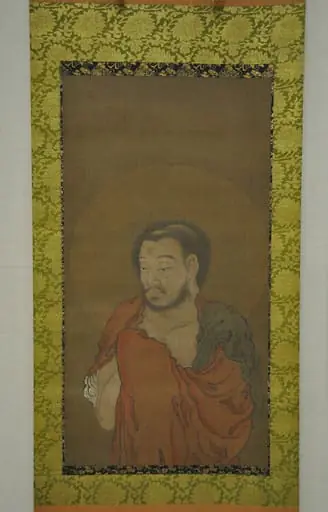 出山釈迦像 (Shussan Shaka zō)|Shaka (Shakyamuni), The Historical Buddha, Descending from the Mountains
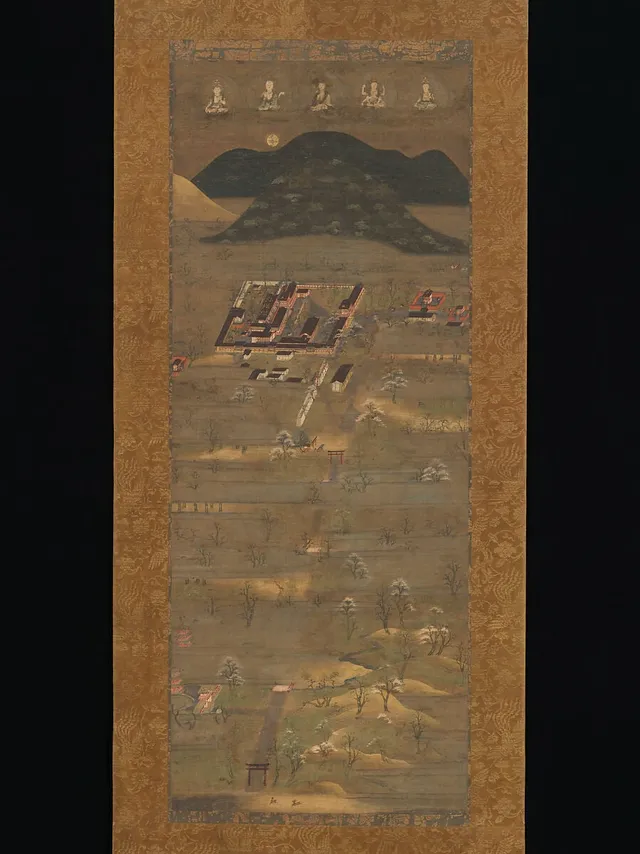
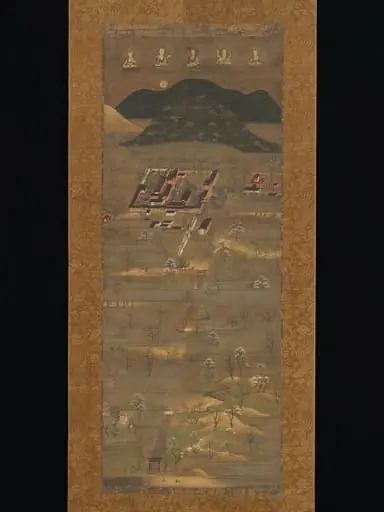 春日宮曼荼羅 (Kasuga miya mandara)|Mandala of Kasuga Shrine
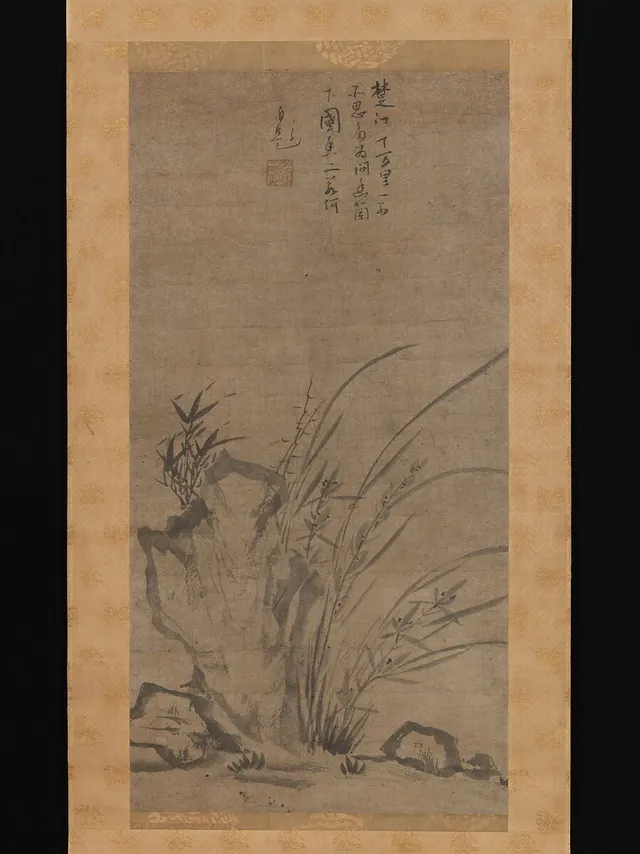
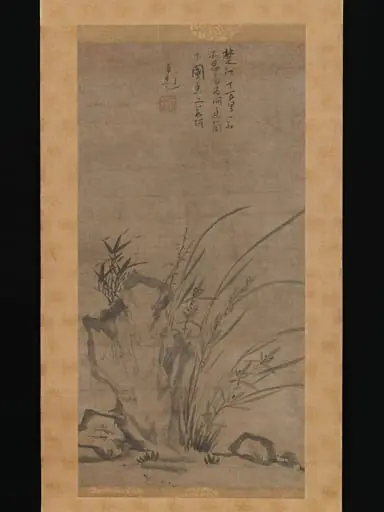 鉄舟徳済筆 蘭竹石図|Orchids, Bamboo, Briars, and Rocks
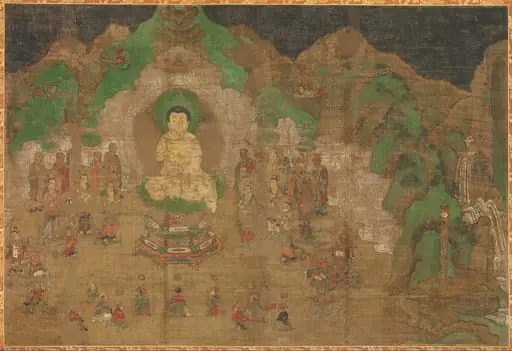 仏伝図|Scene from the Life of the Buddha
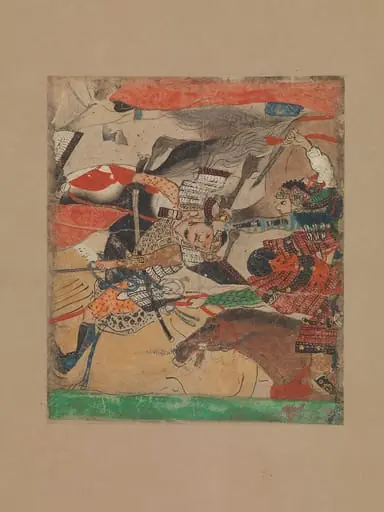 六波羅合戦 平治物語絵巻 断簡|Battle at Rokuhara, from The Tale of the Heiji Rebellion
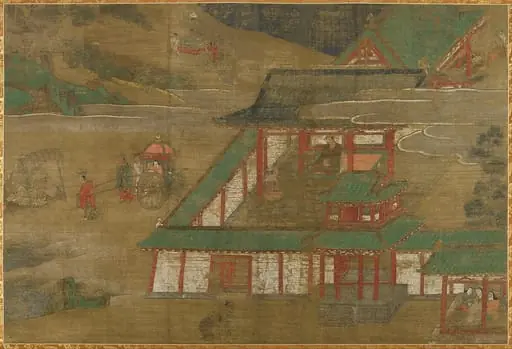 仏伝図|Scene from the Life of the Buddha
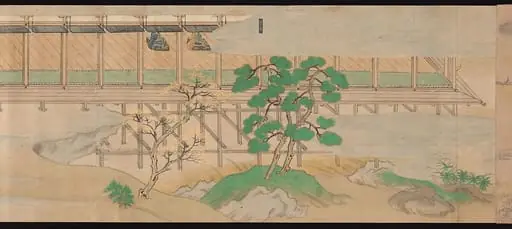 神於寺縁起絵巻断簡|Scene from The Illustrated Legends of Jin’ōji Temple (Jin’ōji engi emaki)
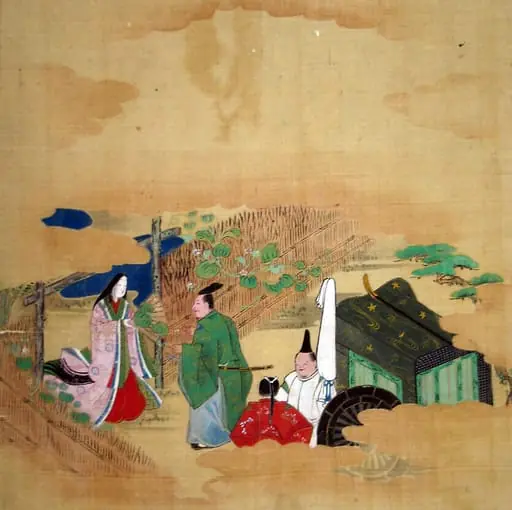 Untitled
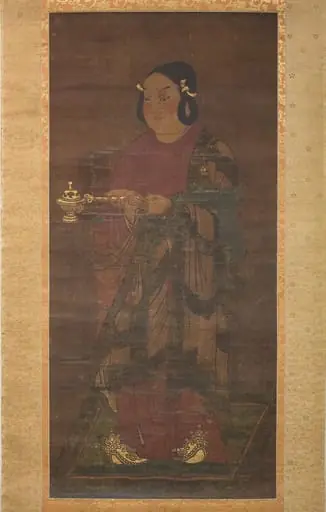 聖徳太子孝養図 (Shotoku Taishi kōyō zu)"|Prince Shōtoku at Age Sixteen
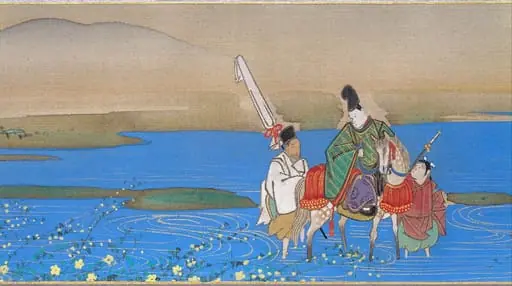 Untitled
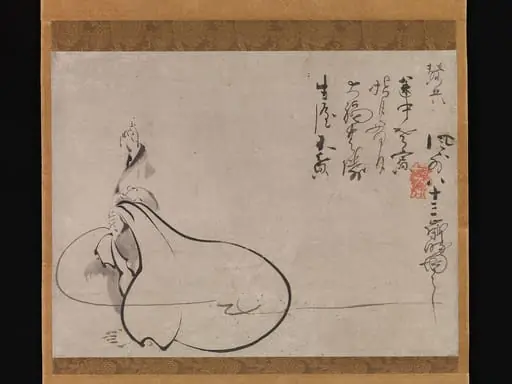 風外慧薫筆 指月布袋図|Hotei Pointing at the Moon
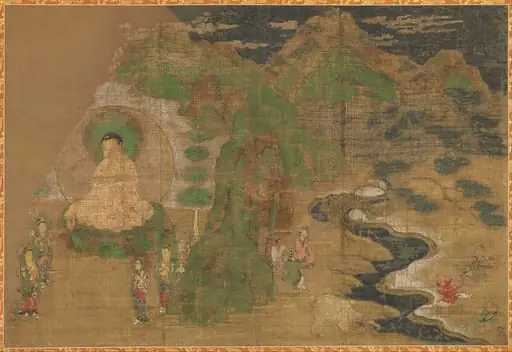 仏伝図|Scene from the Life of the Buddha
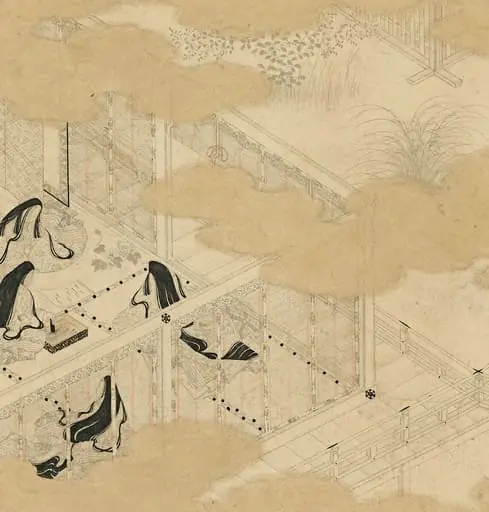 土佐光則筆 源氏物語画帖|Albums of scenes from The Tale of Genji
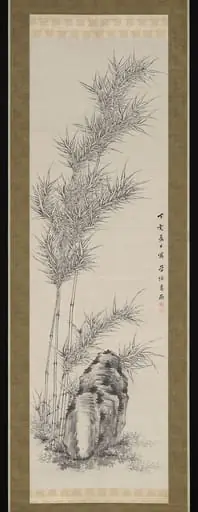 高橋草坪筆 墨竹図|Bamboo in Summer
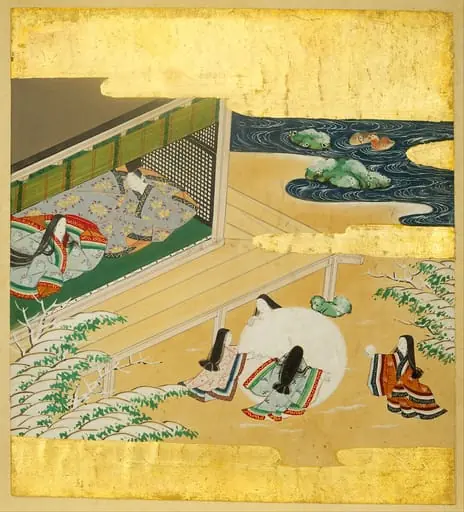 源氏物語画帖|The Tale of Genji (Genji Monogatari)
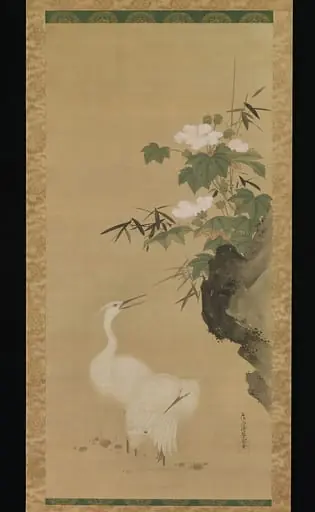 土佐光起筆 芙蓉白鷺図|Egrets and Cotton Roses
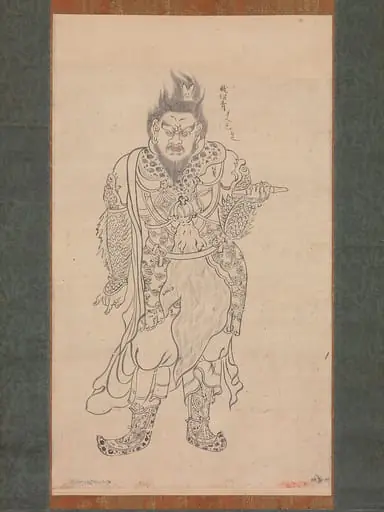 安底羅大将図像(付.裏書)|Anchira-taisho Jochi
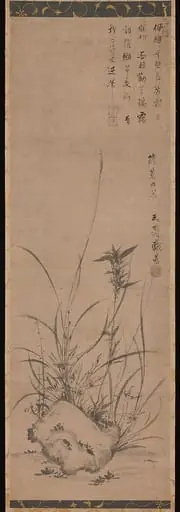 蘭蕙同芳図|Orchids and Rock
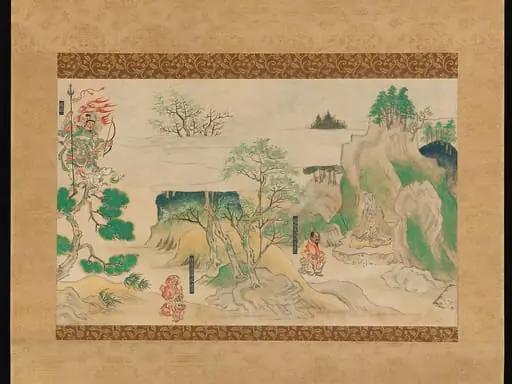 神於寺縁起絵巻断簡|Scene from The Illustrated Legends of Jin’ōji Temple
 Untitled
 Untitled
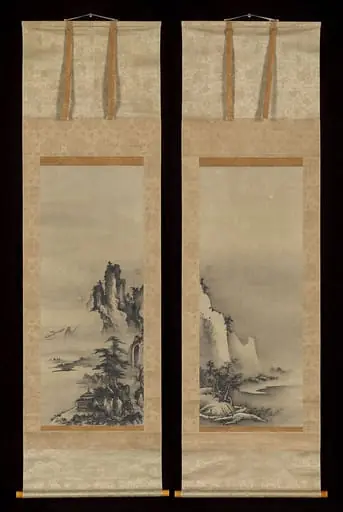 秋冬景山水図|Landscapes of Autumn and Winter
 Untitled
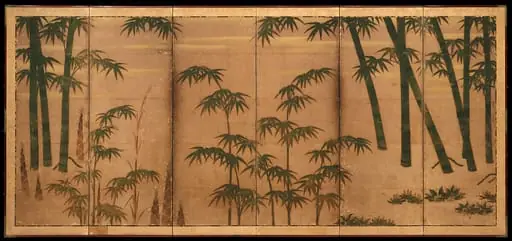 伝土佐光信筆 四季竹図屏風|Bamboo in the Four Seasons
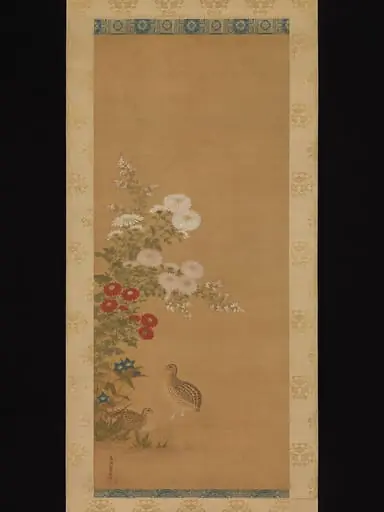 秋の花に鶉図|Quail and Autumn Flowers
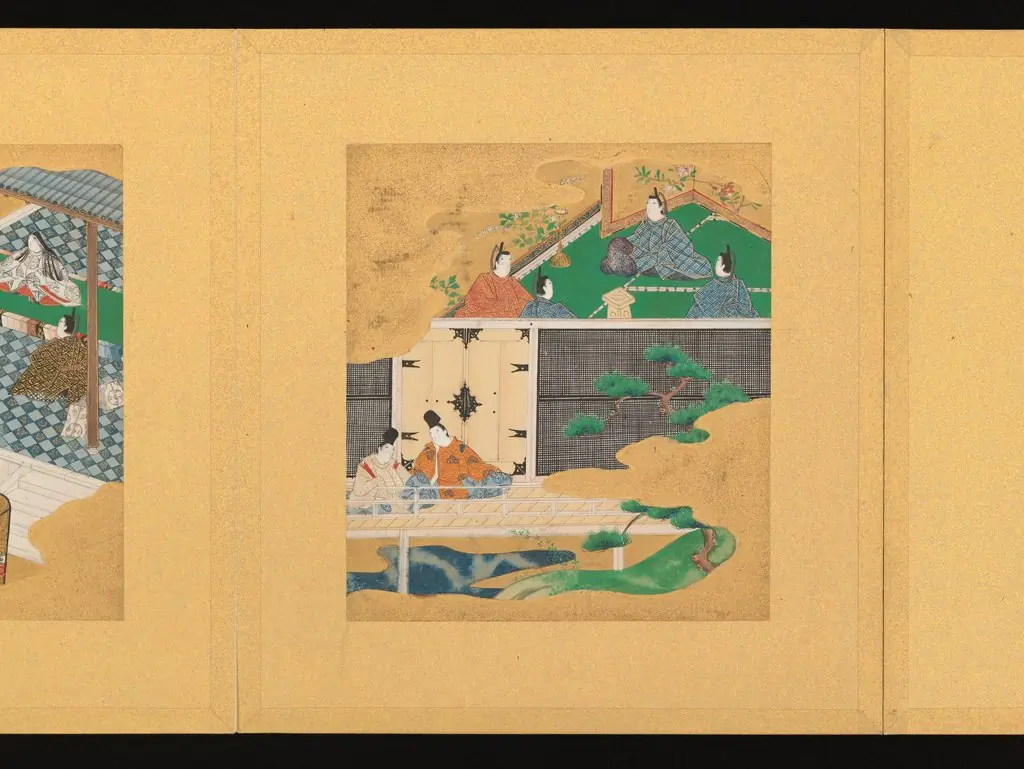 Scenes from The Tale of Genji (Genji monogatari)
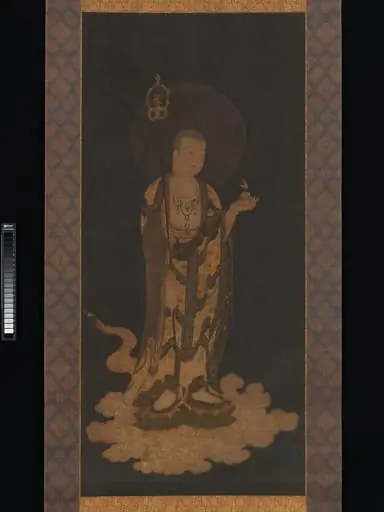 地蔵菩薩像|Jizō Bosatsu
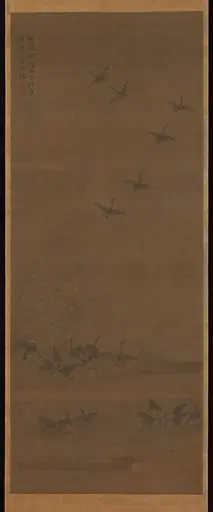 芦雁図|Reeds and Geese
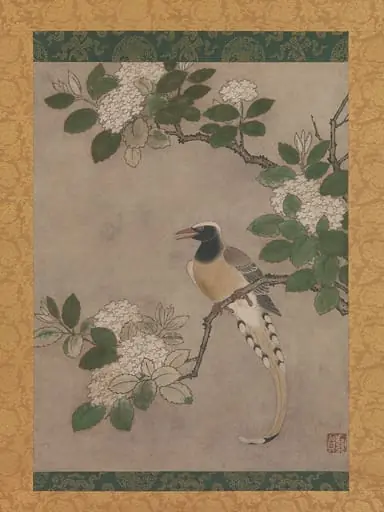 元賀筆 ガマズミ属に山鵲図|Magpie on Viburnum Branch
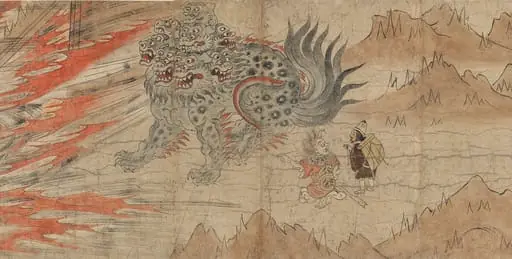 北野天神縁起絵巻|Illustrated Legends of the Kitano Tenjin Shrine (Kitano Tenjin engi emaki)
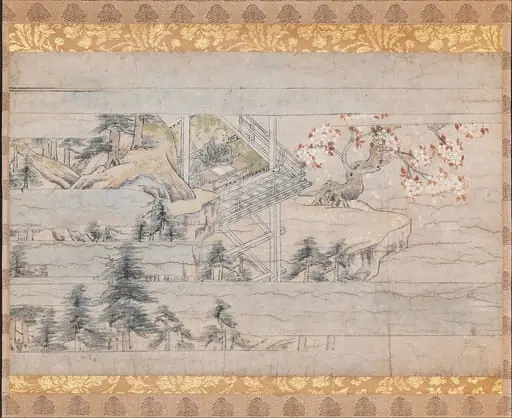 Untitled
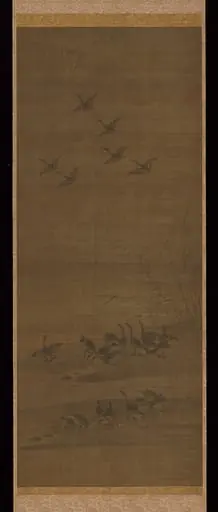 芦雁図|Reeds and Geese
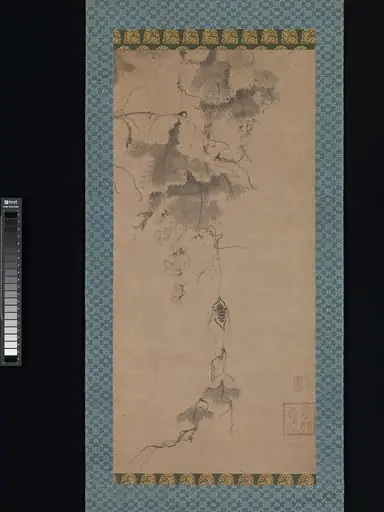 墨林愚庵筆 葡萄蝉図|Cicada on a Grapevine
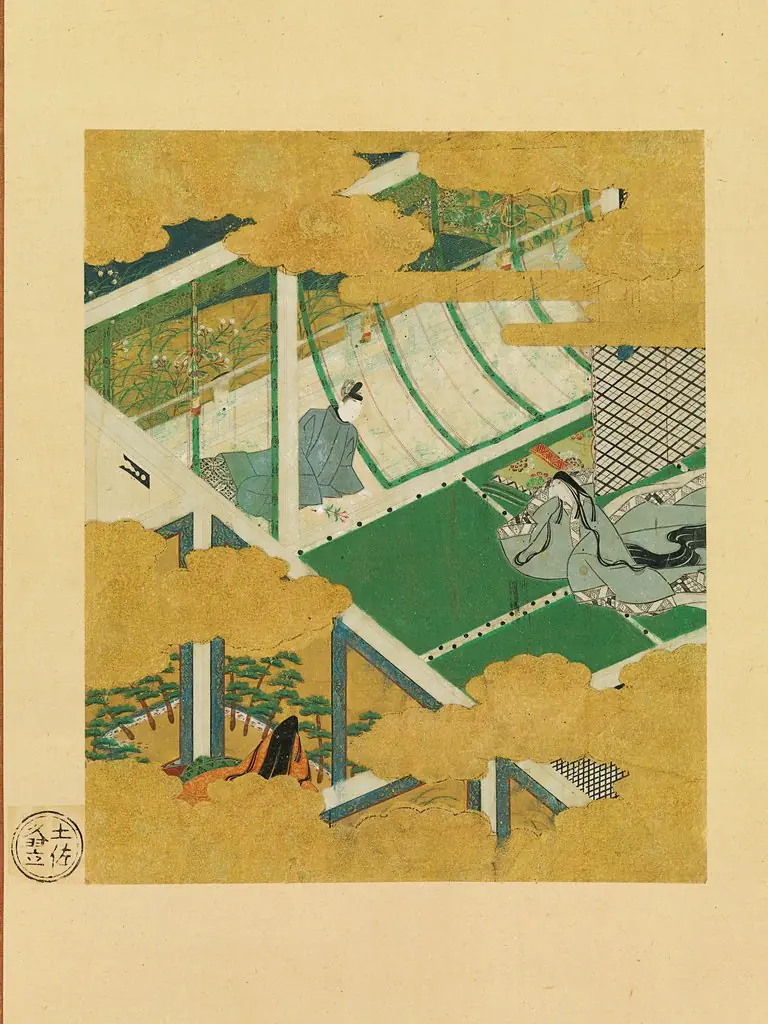 “Mistflowers” (Fujibakama)
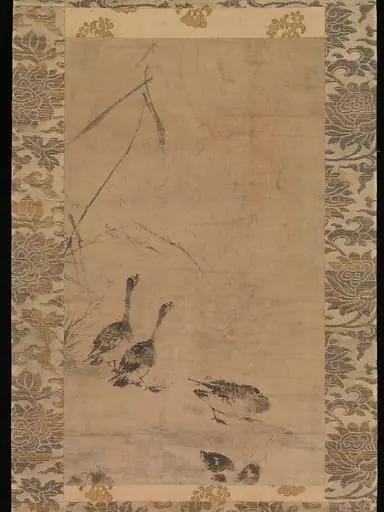 蘆雁図|Geese and Reeds
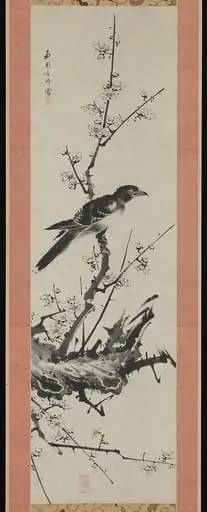 西園方済筆 梅に叭叭鳥図|Mynah Bird on Plum Branch
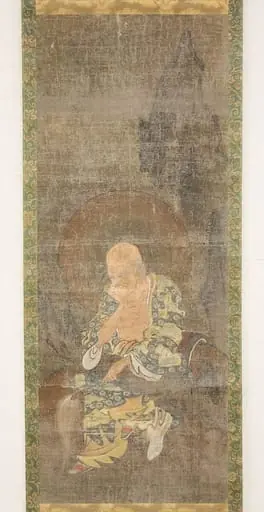 羅漢図|Rakan
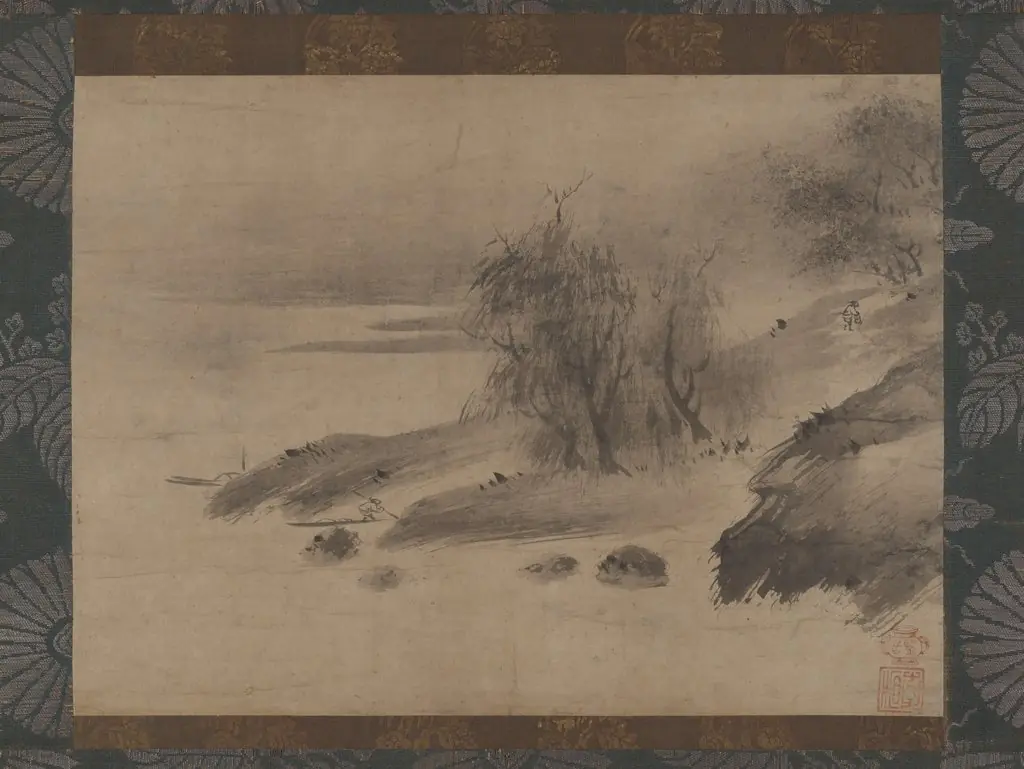 Ink Landscape (Suiboku sansui zu)
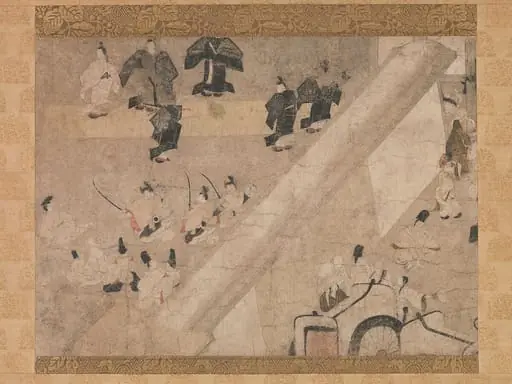 「高陽院駒競行幸絵巻」『栄花物語』 断簡|"Imperial Visit to the Great Horse Race at the Kaya-no-in Mansion" from the Tale of Flowering Fortunes
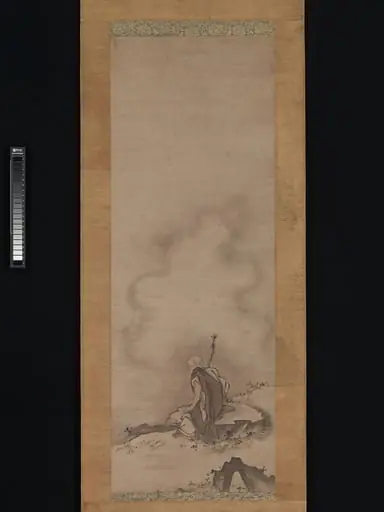 霊彩筆 豊干寒山拾得図|Fenggan, Hanshan, and Shide
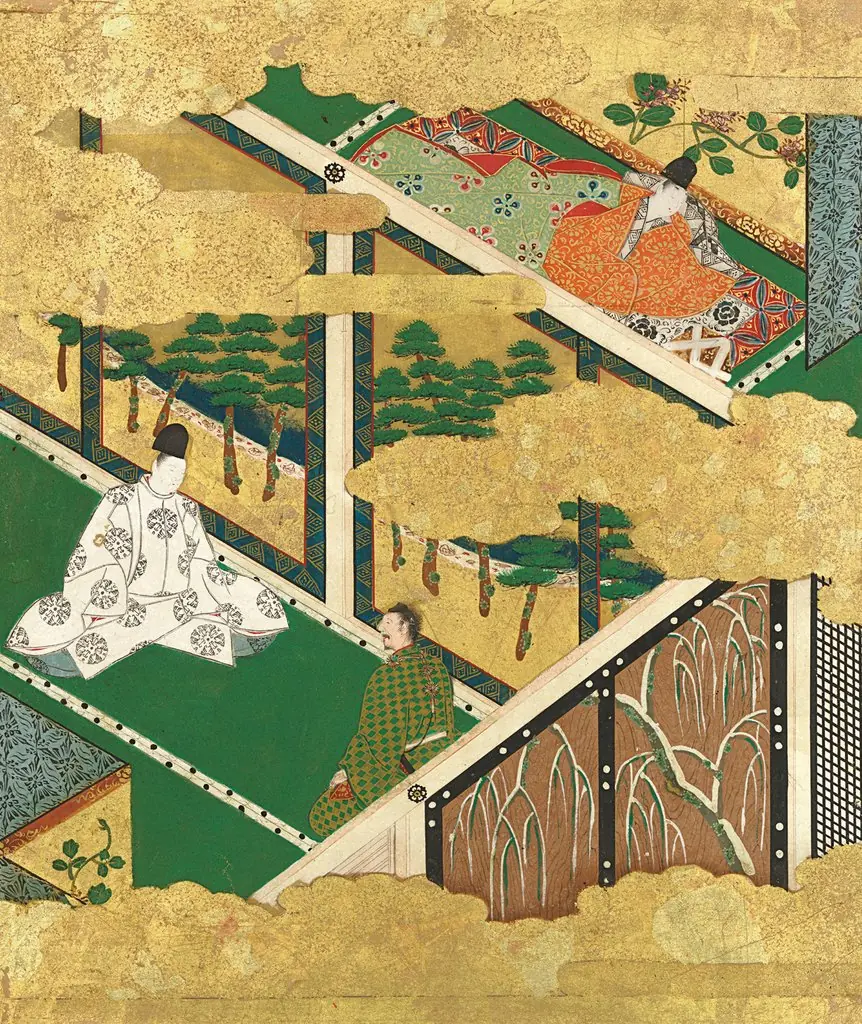 “The Oak Tree” (Kashiwagi)
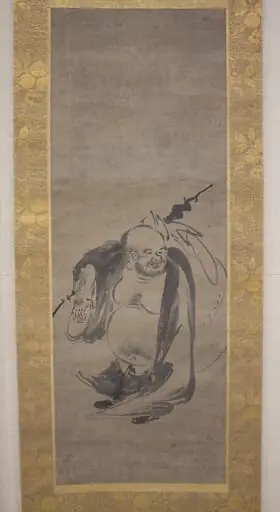 Untitled
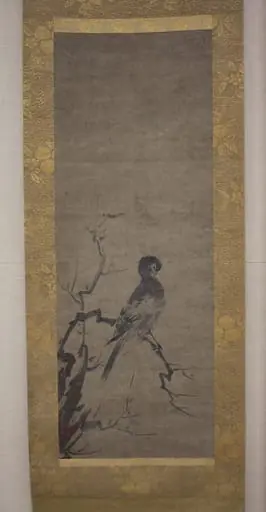 Untitled
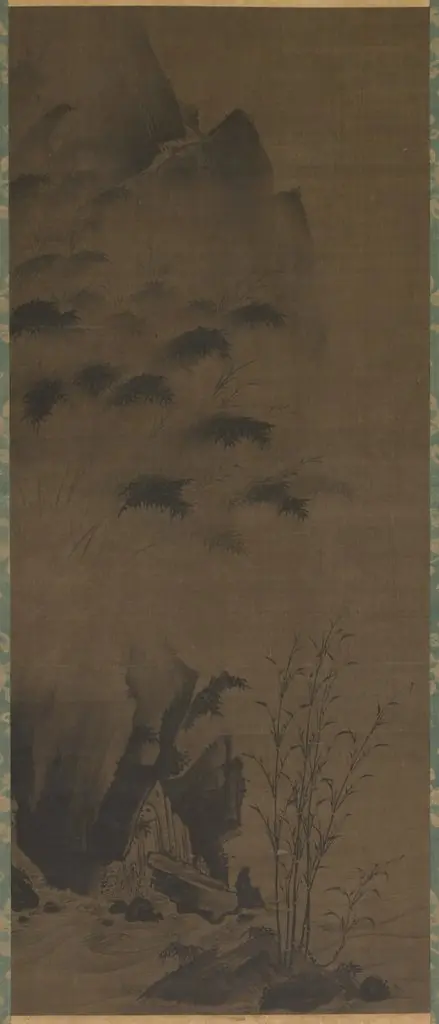 Bamboo in Rain
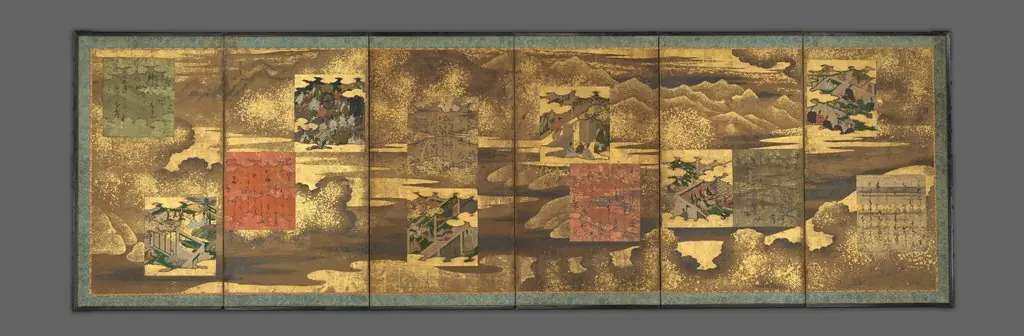 Tale of Genji Screen (Genji monogatari zu shikishi harimaze byōbu)
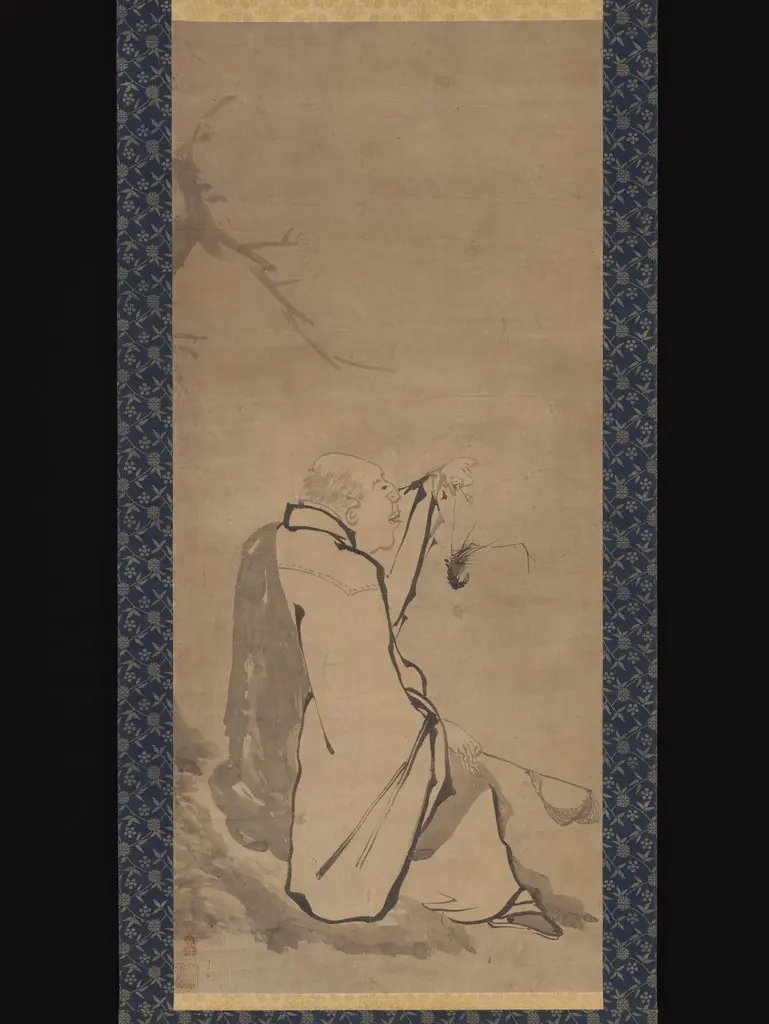 Priest Xianzi
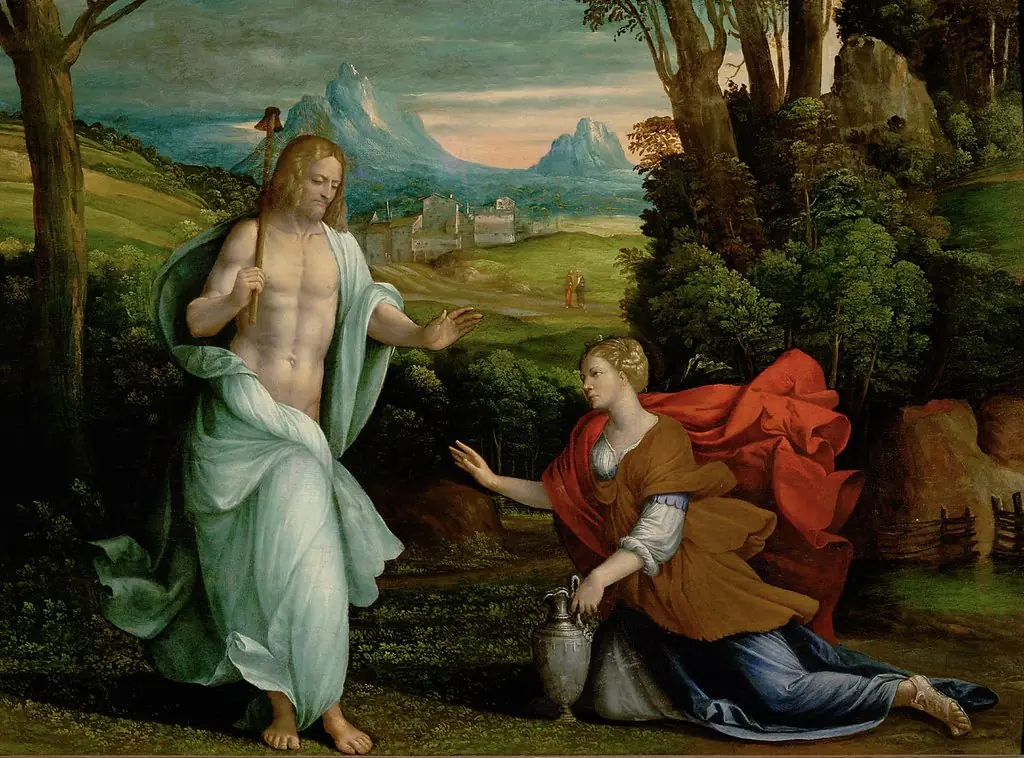 Noli me tangere
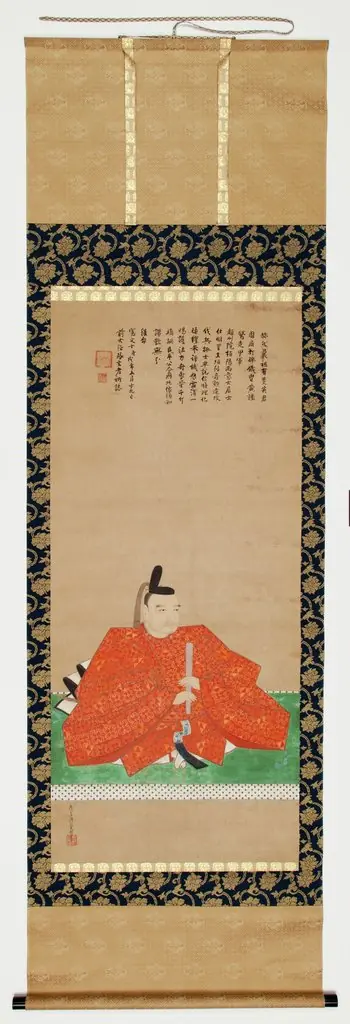 Portrait of Hojo Ujinaga
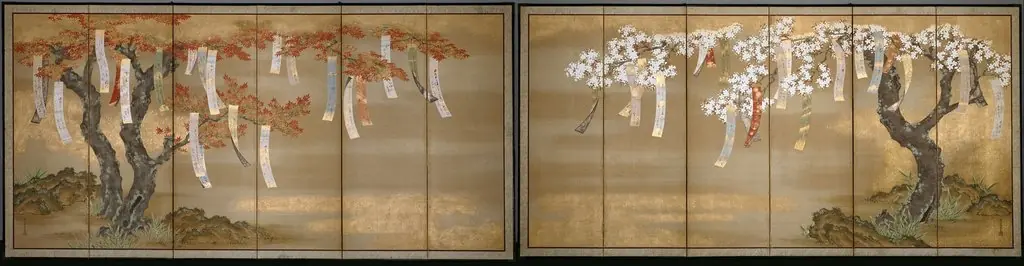 Flowering Cherry and Autumn Maples with Poem Slips
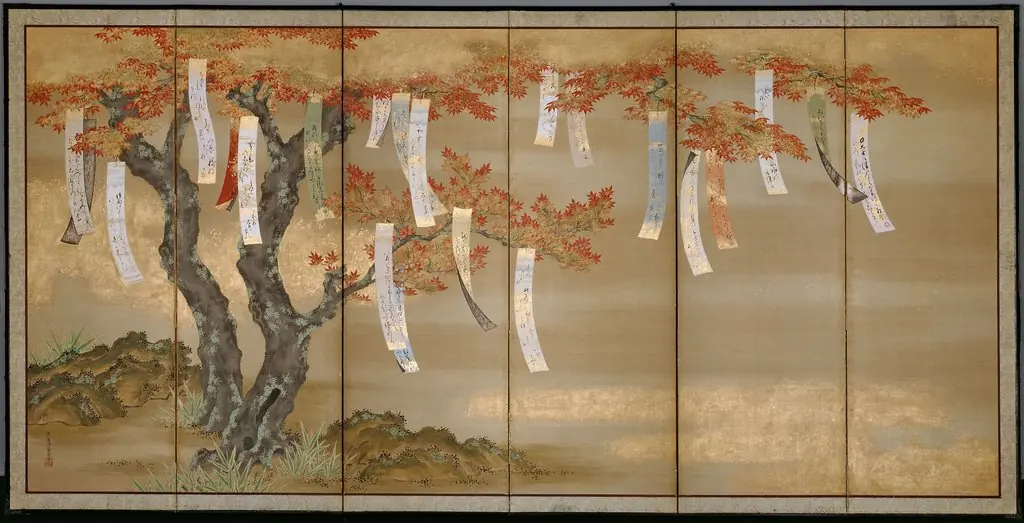 Autumn Maples with Poem Slips
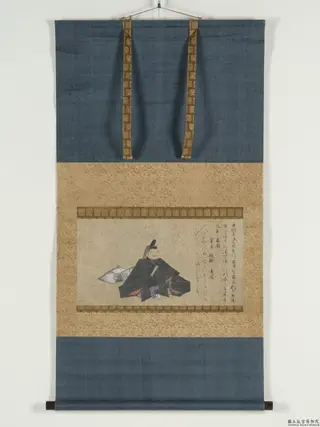 Portraits of Thirty-six Immortal Poets, Fujiwara no Kanesuke Kamakura period (14th century), Japan
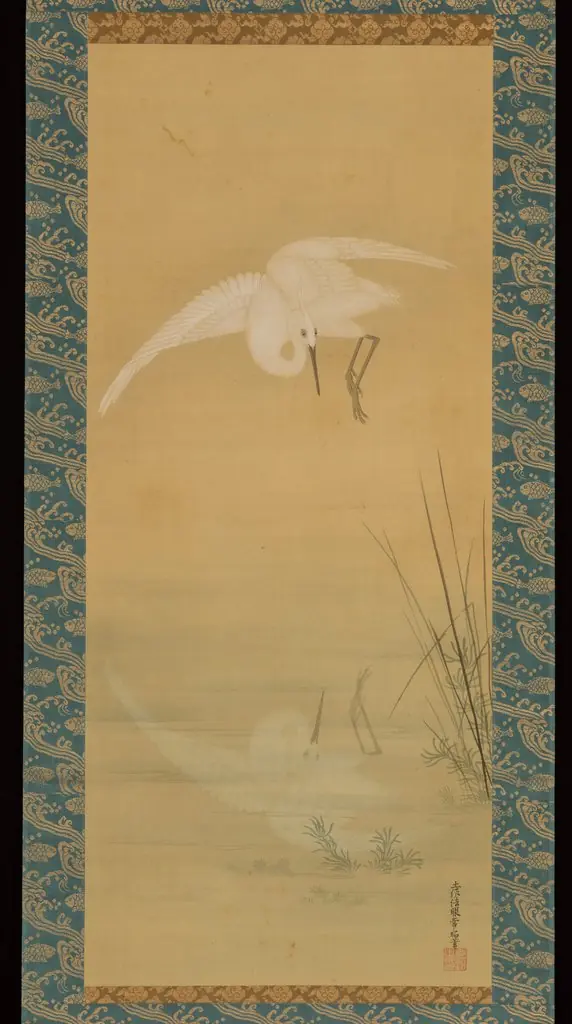 Heron
Heron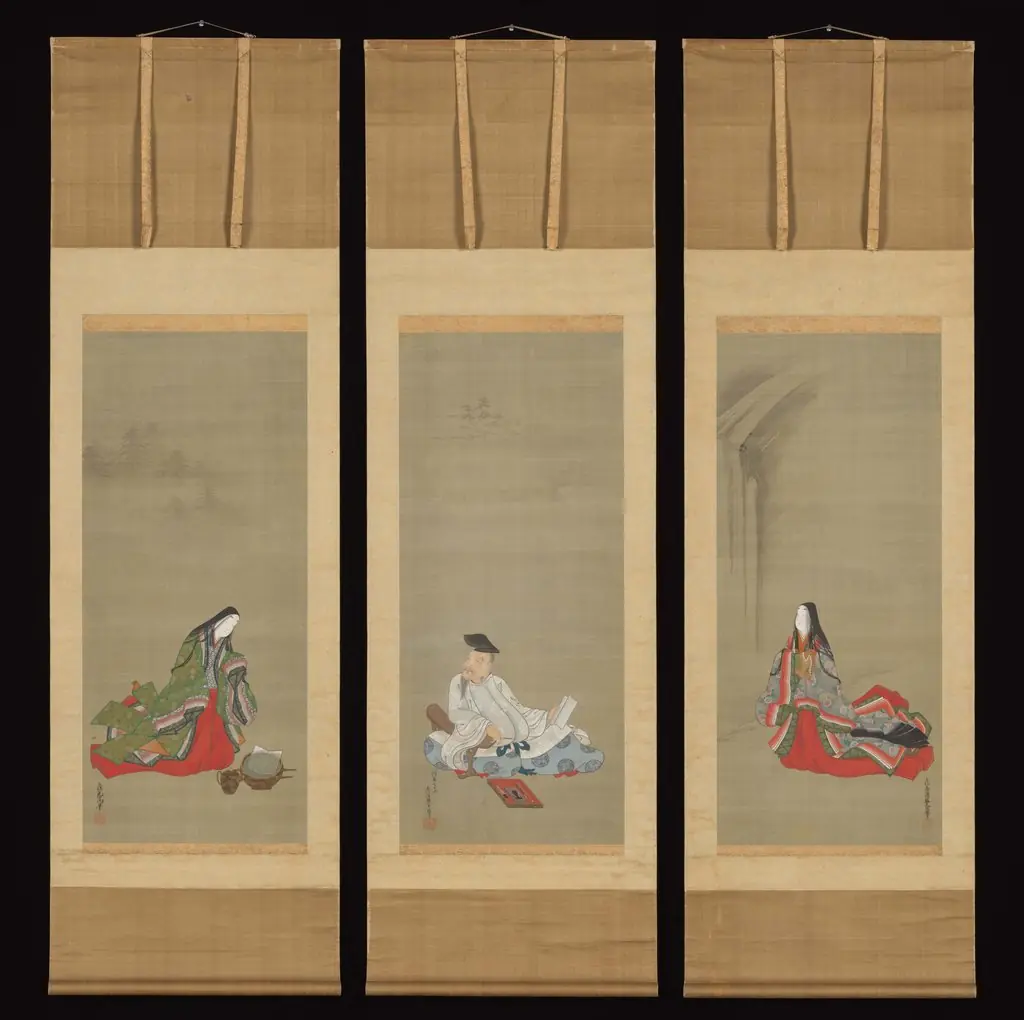 Portraits of Three Famous Poets: Hitomaro (M) ・Ise (R) ・Komachi (L)
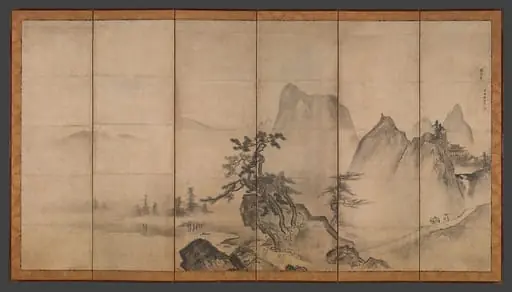 伝天章周文筆 山水図屏風|Mountain Landscape
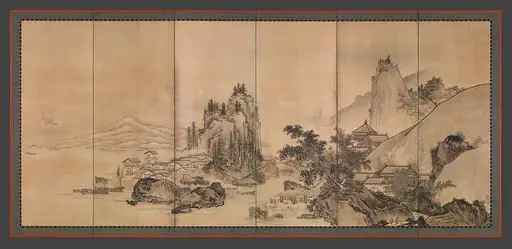 雲谷等顔筆 四季山水図屏風|Landscape of the Four Seasons
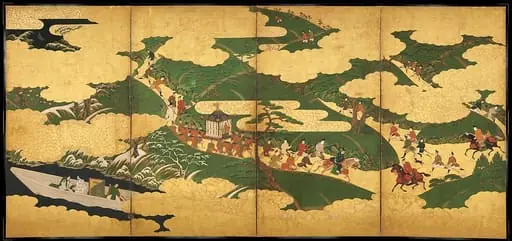 源氏物語図屏風「御幸」・「浮船」・「関谷」|“An Imperial Excursion” (Miyuki), “A Boat Cast Adrift” (Ukifune), and “The Barrier Gate” (Sekiya)
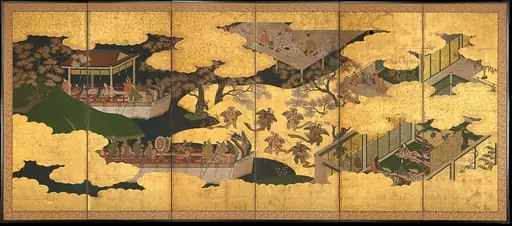 源氏物語図屏風 (胡蝶)|“Butterflies”
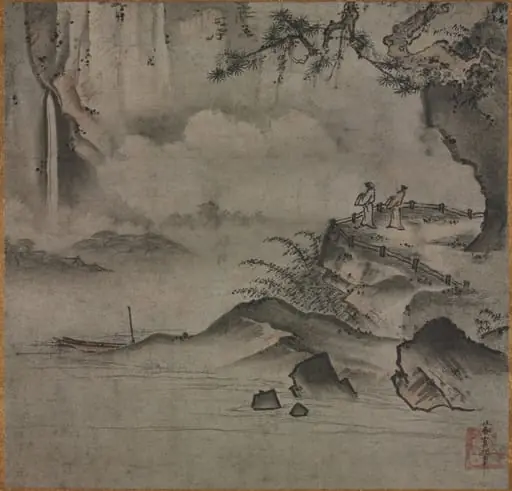 Gazing at a Waterfall
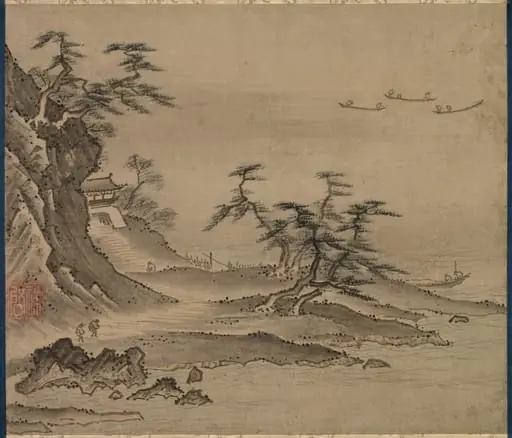 View of Xiao Xiang
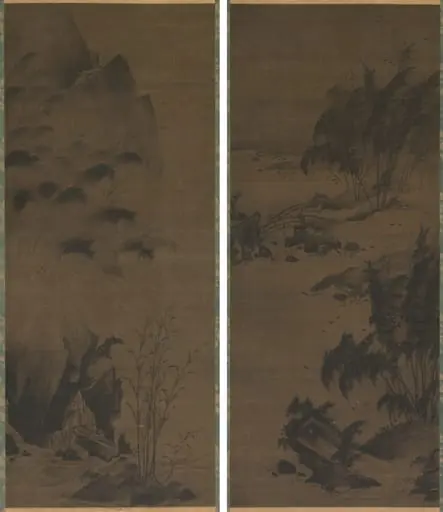 Bamboo in Rain; Bamboo in Wind
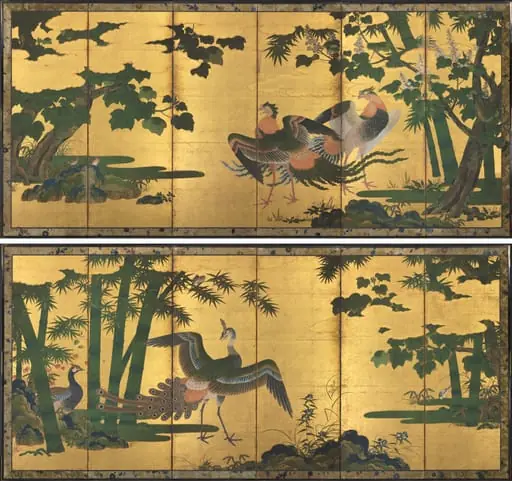 Peafowl and Phoenixes
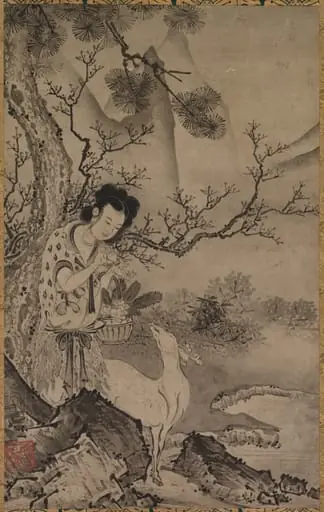 Female Daoist Figure in Landscape
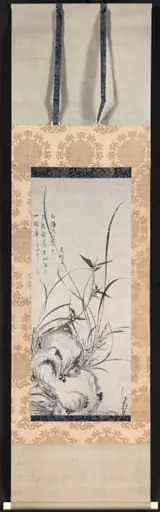 Rock, Bamboo, and Orchids
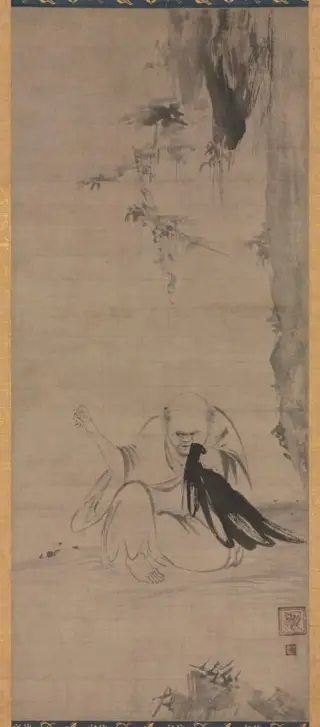 Monk Mending Clothes in the Morning Sun (Chōyō Hotetsuzu)
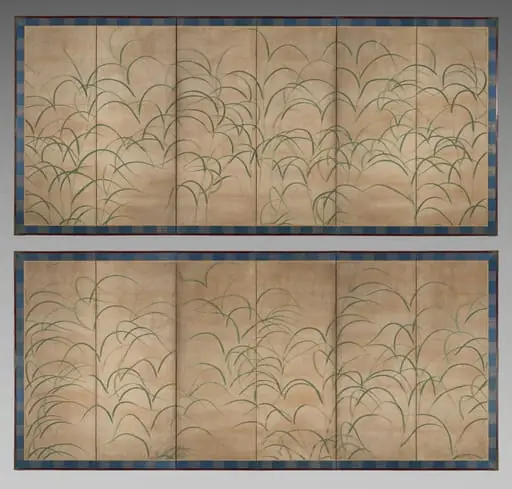 Susuki Grass
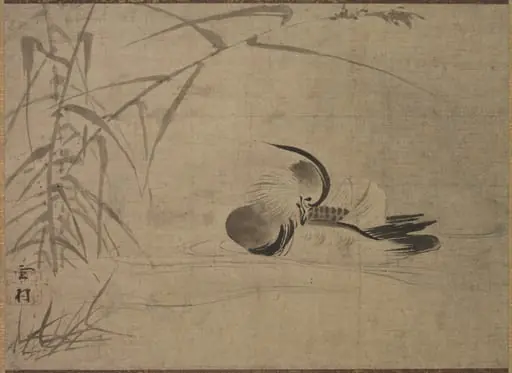 Mandarin Duck
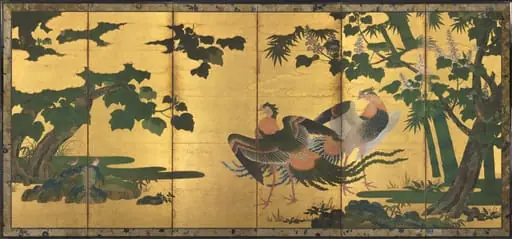 Phoenixes and Paulownia
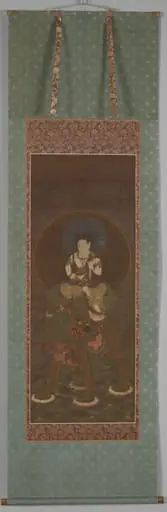 Monju with Five Hair Knots
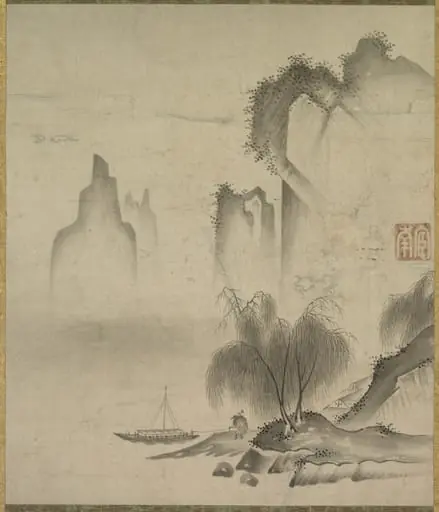 Figure Mooring a Boat
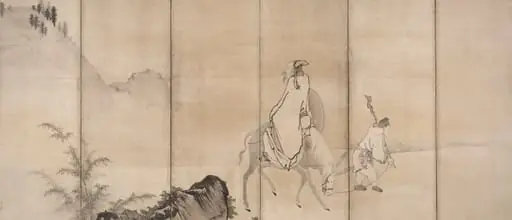 Pan Lang (Han Rō)
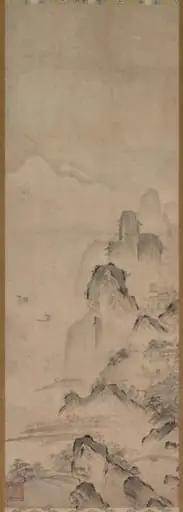 Landscape
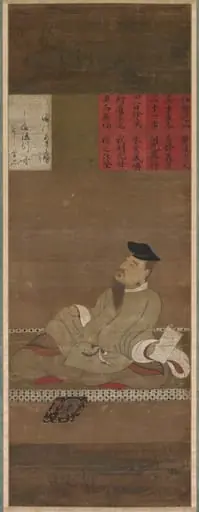 Kakinomoto no Hitomaro
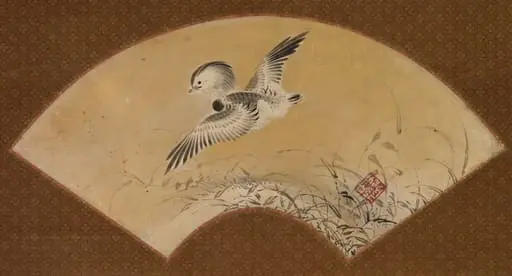 Duck in Flight
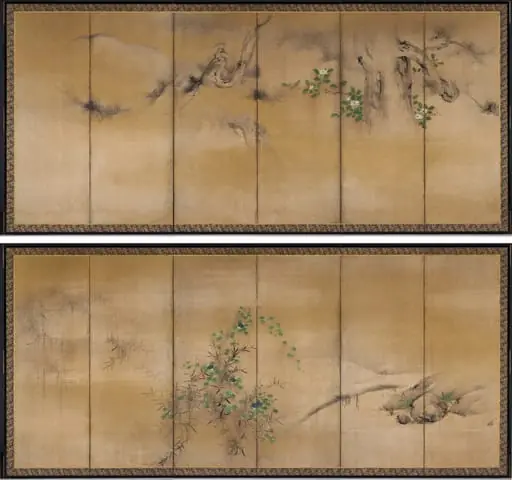 Winter and Summer Flowers
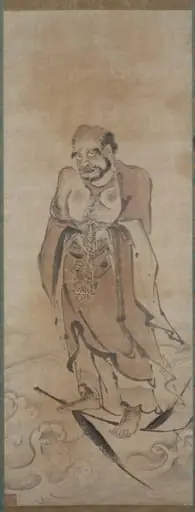 Bodhidharma on a Reed
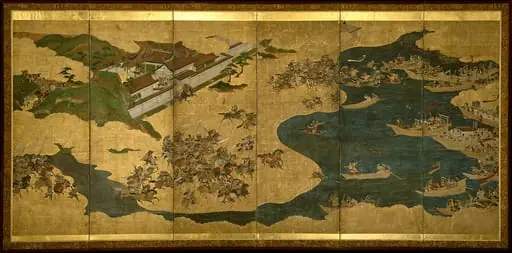 土佐派 屋島合戦図屏風|The Battle of Yashima, from The Tale of the Heike (Heike monogatari)
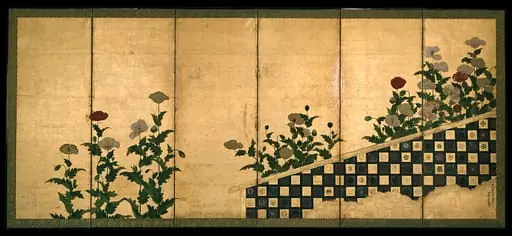 伝土佐光茂筆 芥子図屏風|Red and White Poppies
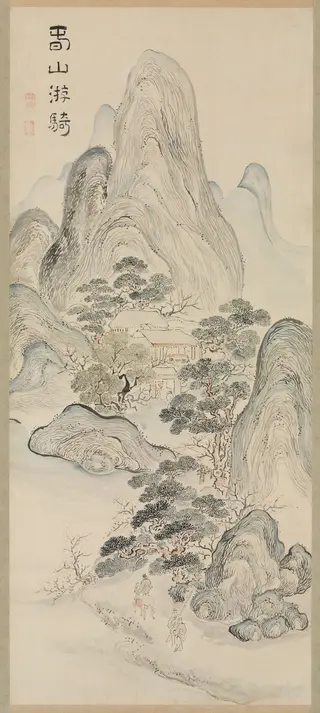 Spring Landscape
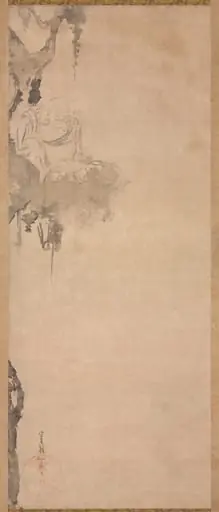 The Bird's Nest Patriarch
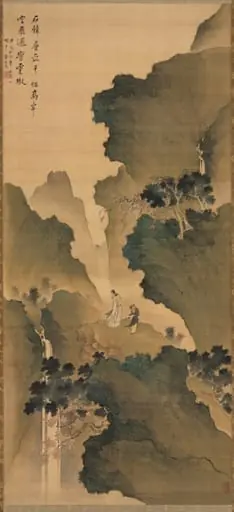 Gazing at a Waterfall
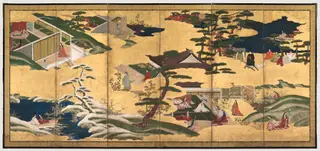 Scenes from the Tale of Genji
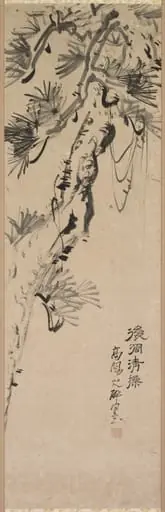 Aged Pine
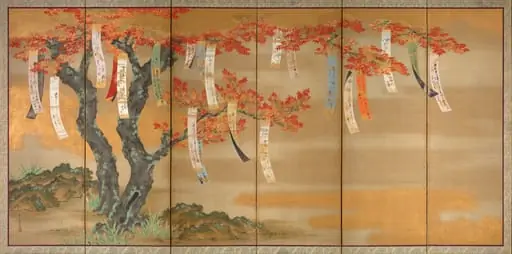 Autumn Maples with Poem Slips
Frequently asked questions
What is Tosa School?
Tosa School is an art movement. A conservative school of official Japanese court painting that traced its lineage to the Yamato-e tradition of the Heian period.
How many Tosa School works does Artifact World Gallery have?
Artifact World Gallery holds 85 public-domain Tosa School works, all free to view and download.
Who are the key Tosa School artists?
Key Tosa School artists in the collection include Sesson Shūkei, Shikibu Terutada and Tesshū Tokusai.
When did Tosa School take place?
Tosa School dates from around 1500.
Where can I see Tosa School works?
Tosa School works in the collection are held by Metropolitan Museum of Art, Cleveland Museum of Art and Art Institute of Chicago.