Artwork
明 佚名 仿趙孟頫 垂虹亭圖 卷|Pavilion of the Hovering Rainbow Bridge
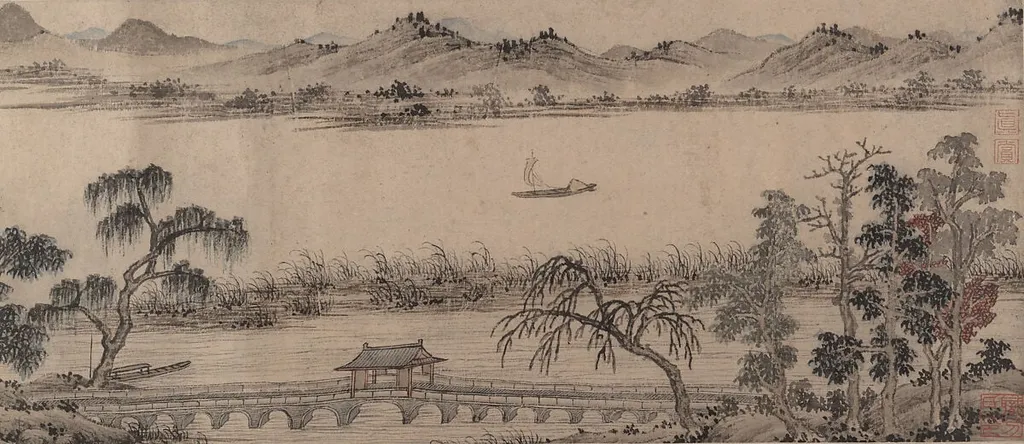
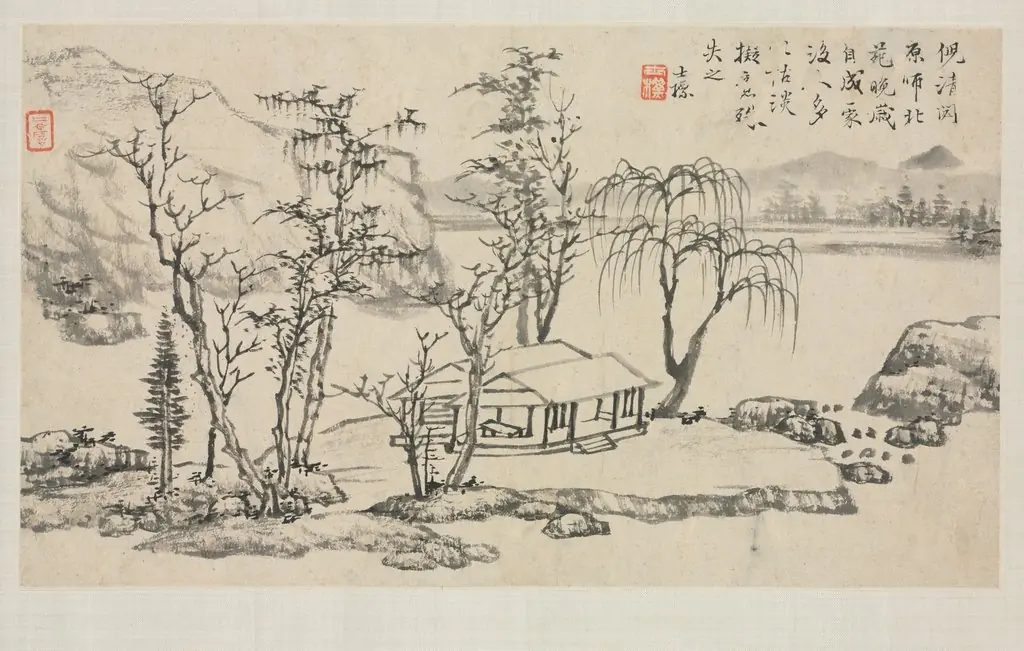
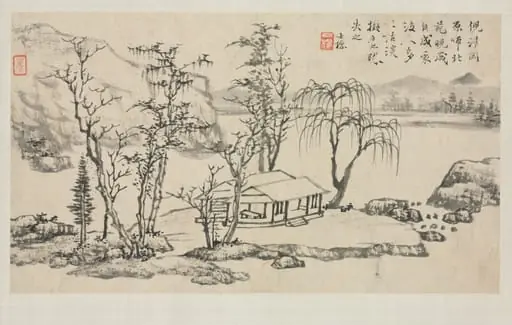
明 佚名 仿趙孟頫 垂虹亭圖 卷|Pavilion of the Hovering Rainbow Bridge is an ink painting. It dates from 1549 and is held in the collection of the Metropolitan Museum of Art. The handscroll titled Pavilion of the Hovering Rainbow Bridge is a painting from the Ming Dynasty, rendered with ink and color on paper.
About this work
Subject & Meaning
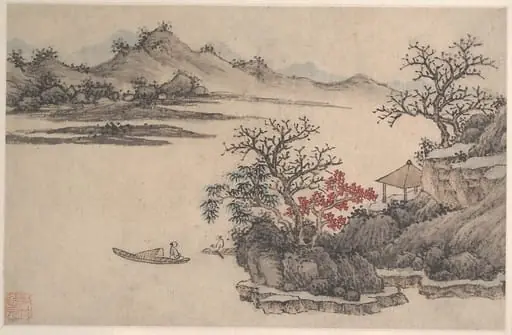
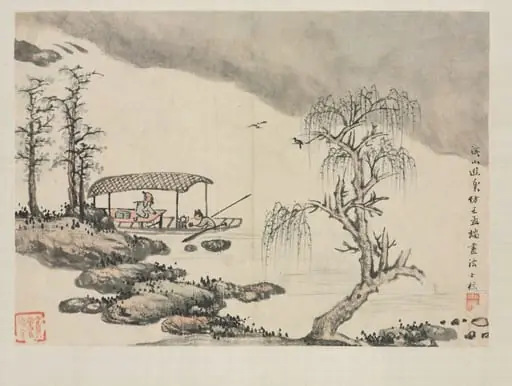
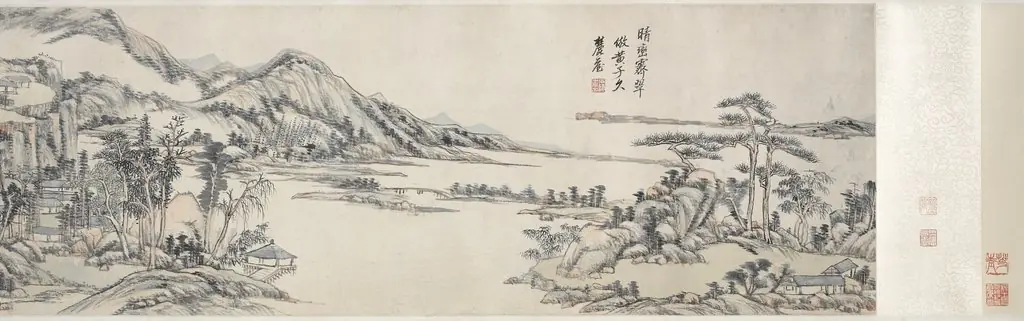
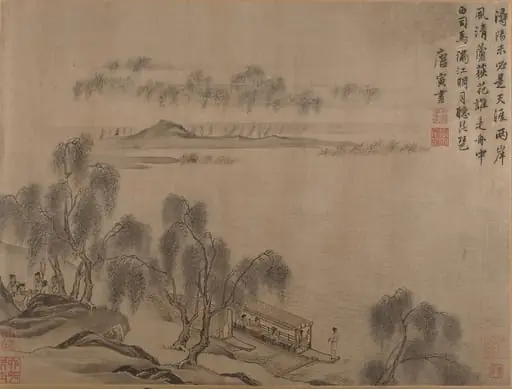
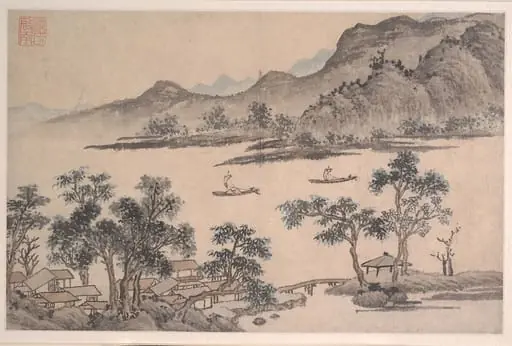
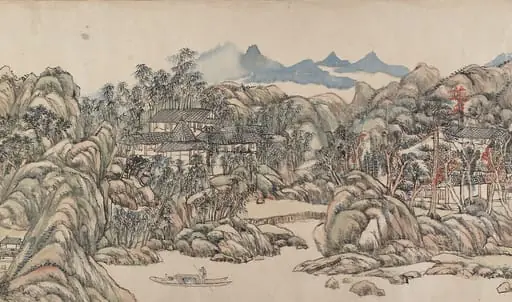
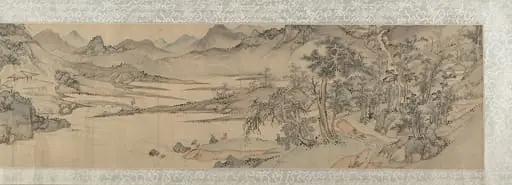
The handscroll dated 1549, executed in ink and color on paper, portrays a river scene that includes a bridge and a small boat within a broader landscape.
The handscroll dated 1549, executed in ink and color on paper, portrays a river scene that includes a bridge and a small boat within a broader landscape. The composition follows the Chinese landscape painting tradition of the mid-16th century, emphasizing natural topography and the subtle interplay of architectural and water elements. The work is attributed to an anonymous painter and is housed in the Metropolitan Museum of Art, where it is catalogued as a landscape painting.
Its iconography consists of a bridge spanning a river, a boat navigating the water, and surrounding terrain, motifs that traditionally signify connectivity, movement, and the harmonious relationship between humanity and nature in Chinese visual culture.
Technique & Style
The work is a handscroll executed in ink and color on paper, indicating a paper support and the traditional East Asian handscroll format. Its technique relies on brush-applied ink washes and mineral pigments, characteristic of Ming literati painting. Stylistically, the title signals an imitation of Zhao Mengfu's approach, emphasizing restrained brushwork, subtle ink tonality, and delicate coloration to render a landscape scene. As a landscape painting, it depicts a boat, a bridge, a river, and surrounding topography.
History & Provenance
The handscroll Pavilion of the Hovering Rainbow Bridge is dated to 1549. It was produced in China by an anonymous artist working in the style of Zhao Mengfu. The work entered the collection of the Metropolitan Museum of Art, where it is classified under the Paintings department as a handscroll executed in ink and color on paper.
No earlier owners or commission details are documented, no specific inventory or accession number is provided in the available sources, and no exhibition history is recorded.
Overview
The handscroll titled Pavilion of the Hovering Rainbow Bridge is a painting from the Ming Dynasty, rendered with ink and color on paper. This anonymous work depicts a tranquil landscape, featuring a bridge that spans a river where boats are visible. It exemplifies a traditional Chinese approach to landscape art, reflecting the aesthetic sensibilities of its period.
Context
Created during China's Ming Dynasty, this painting is attributed to an anonymous artist who consciously emulated the style of Zhao Mengfu (1254–1322), a prominent painter from the earlier Yuan Dynasty. This practice of stylistic imitation was common in Chinese art, allowing later artists to engage with and pay homage to revered masters while developing their own interpretations within established traditions.
Artist & collection