Artwork
Untitled
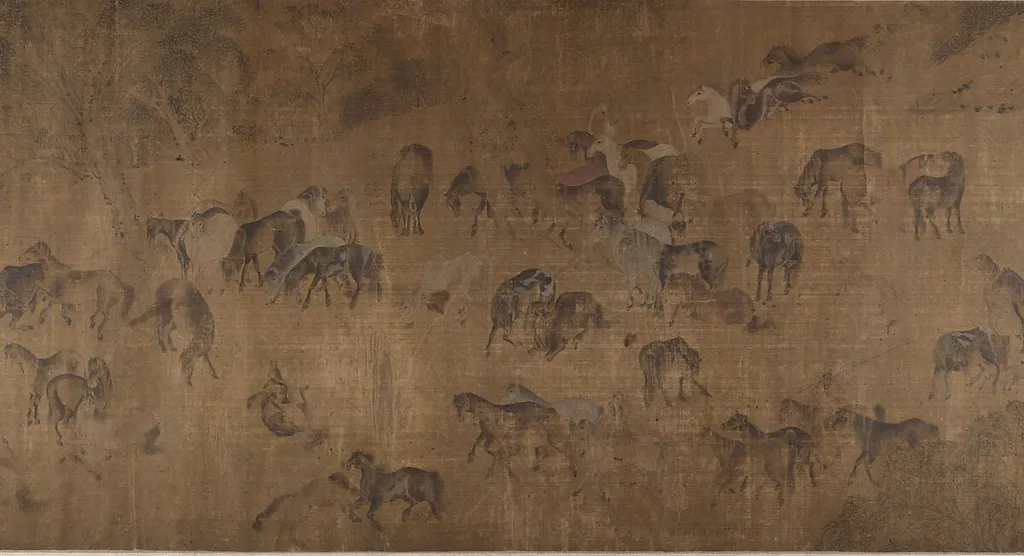
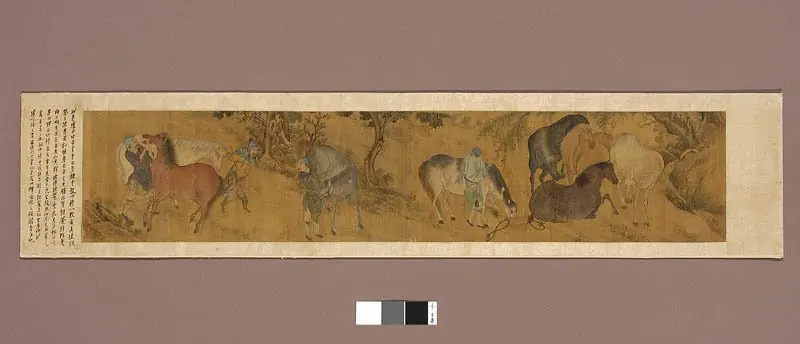
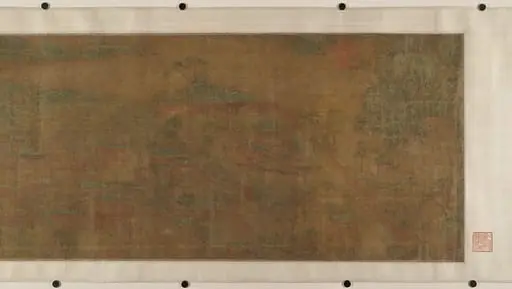
Untitled is an ink painting. It dates from 1506 and is held in the collection of the Metropolitan Museum of Art. This handscroll, rendered in ink and color upon silk, presents a procession of horses accompanied by a selection of Chinese vessels.
- Accession no.
- 47.136.3
- Credit line
- Anonymous Gift, 1947
About this work
Subject & Meaning
The handscroll depicts a horse, rendered in ink and color on silk as part of a landscape composition.
The handscroll depicts a horse, rendered in ink and color on silk as part of a landscape composition. Produced in 1506, the work centers on the equine subject within a broader landscape format, a pairing characteristic of Chinese pictorial traditions in which the horse functions both as a naturalistic motif and as a vehicle for symbolic resonance. In such contexts, the horse has long carried associations with vitality, nobility, and auspicious power, often serving as an emblem of strength and moral virtue rather than functioning as a mere descriptive element.
By isolating the horse as the named subject within a landscape setting, the anonymous painter invites readings that move beyond portraiture, framing the animal as a symbol of endurance and refined character embedded in the natural world.
The horizontal handscroll format further shapes the work's meaning, encouraging a sequential, unfolding viewing experience in which the horse's presence is gradually revealed against the surrounding terrain. This interplay between figure and landscape underscores the painting's dual identity as both an observation of the natural world and an expression of culturally rooted symbolism.
Technique & Style
The work is executed as a handscroll using ink and color on silk, a format and support typical of Chinese painting of the early sixteenth century. Handling emphasizes fluid, delicate brushwork to delineate a prancing horse amid sparse ink-washed foliage, reflecting refined court taste. The composition’s restrained palette and calligraphic line suggest the soft-fan style associated with Zhe School ateliers active around 1506.
Context
The work is classified as a Chinese handscroll painting from 1506 depicting a horse, housed in the Metropolitan Museum of Art, with dimensions recorded as 41.6 cm in height and 188.6 cm in width, reflecting its landscape genre and ink and color medium on silk, and it is attributed to an anonymous painter within the tradition of early Chinese art
Legacy
The work's legacy is anchored by its inclusion in the Metropolitan Museum of Art's collection, where it is catalogued as a 1506 Chinese handscroll depicting a horse. Its attribution to an anonymous painter and classification within the landscape genre have contributed to scholarly discussions of early Chinese painting traditions and the evolution of anonymity in East Asian art.
The piece is frequently referenced in studies of handscroll format and ink techniques, influencing later interpretations of landscape composition in East Asian visual culture.
Overview
This handscroll, rendered in ink and color upon silk, presents a procession of horses accompanied by a selection of Chinese vessels. The composition unfolds horizontally, inviting the viewer to follow the narrative scene as it unspools. The work’s anonymous title reflects the traditional practice of leaving scrolls unnamed, allowing the imagery to speak for itself.
Artist & collection

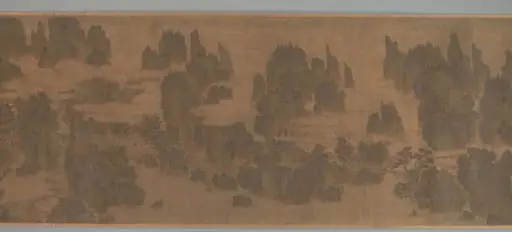
- 南宋 佚名 別苑春山圖 卷|Retreats in the Spring Hills
 Untitled
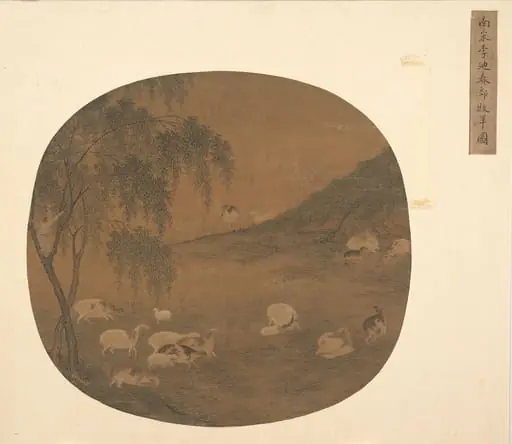 元末明初 佚名牧羊圖團扇頁 絹本設色|Sheep and herd boy
 南宋 李結 西塞漁社圖 卷 |Fisherman's Lodge At Mount Xisai
 Water Buffaloes and Herd Boys
 Untitled
 明/清 佚名 舊傳陸青 洗馬圖 冊頁|Washing a Horse
 元 佚名 臨王振鵬 金明池圖 卷|Dragon Boat Regatta on Jinming Lake
 南宋 佚名 明皇幸蜀圖 軸|Emperor Xuanzong's Flight to Shu
 Visiting an Old Friend in the Spring Mountains
 Osiem rumaków
 Untitled